Roof penetrations deserve careful review where a building supports technology, semiconductor or advanced-manufacturing work. Richardson, TX, identifies those sectors as part of its local employment base, alongside professional and financial services. That economic context can shape access and interior coordination, but it does not identify the membrane, equipment or roof condition at a specific property. Commercial Roofing Irving examines the assembly and its transitions before defining the repair footprint.

Hot Metroplex summers create repeated movement between exposed roof surfaces, metal details and the supporting structure. Regional storms also bring wind and hail conditions worth checking after a reported event, although regional weather is not evidence of damage to one Richardson building. We trace water entry, inspect attachment and record what is visible. That sequence helps determine whether a leak points to a contained flashing repair, concealed moisture or a broader replacement need.
What should be checked around roof equipment?
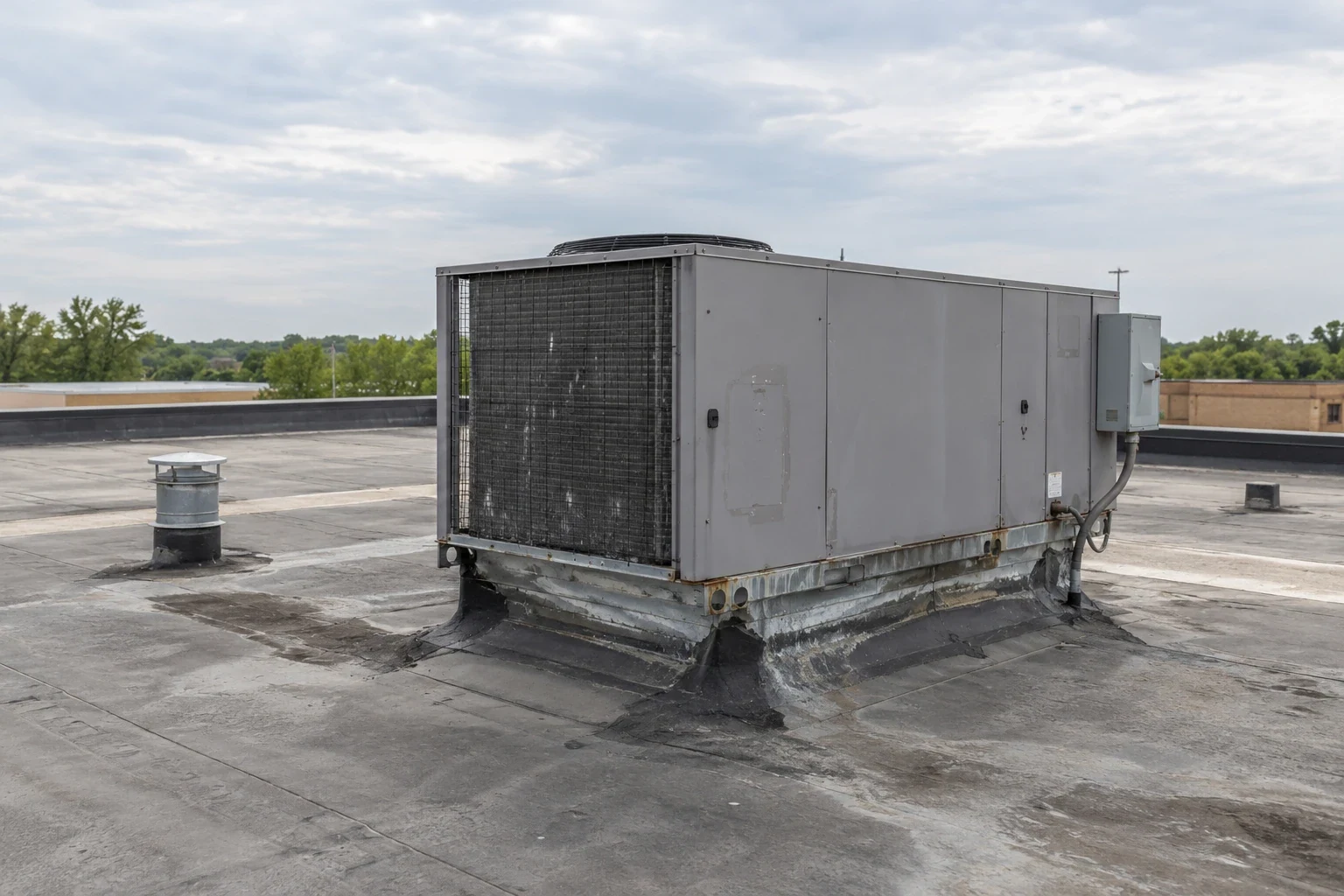
A curb, conduit support or pipe penetration creates an interruption in the membrane, and the transition has to remain secure through movement and service access. We inspect the flashing height, membrane bond, counterflashing and surrounding surface for gaps, punctures and earlier patching. If equipment was altered, we compare the current detail with the roof layer beneath it where access allows. The trade responsible for the equipment may need to coordinate a shutdown or temporary disconnection before the roofing detail can be rebuilt.
In a technology or manufacturing property, roof access can be limited by sensitive operations below or equipment above. We confirm those limits with the facility team rather than infer them from the industry. A curb and equipment support repair can include membrane restoration, metal transitions and attachment review. Where a leak has a shifting pattern, an infrared moisture survey can help identify areas that warrant confirmation before removal boundaries are set.
How does thermal movement affect seams and edges?
Daily heating and cooling change the dimensions of roof materials and their metal terminations at different rates. The resulting movement is concentrated where a flexible field meets a rigid curb, parapet or equipment base. We examine seam integrity, fastener lines and edge metal, then test whether any repair material can form a compatible bond. A surface crack alone does not show how far the connection has separated. The inspection follows that mechanism to a stable boundary.
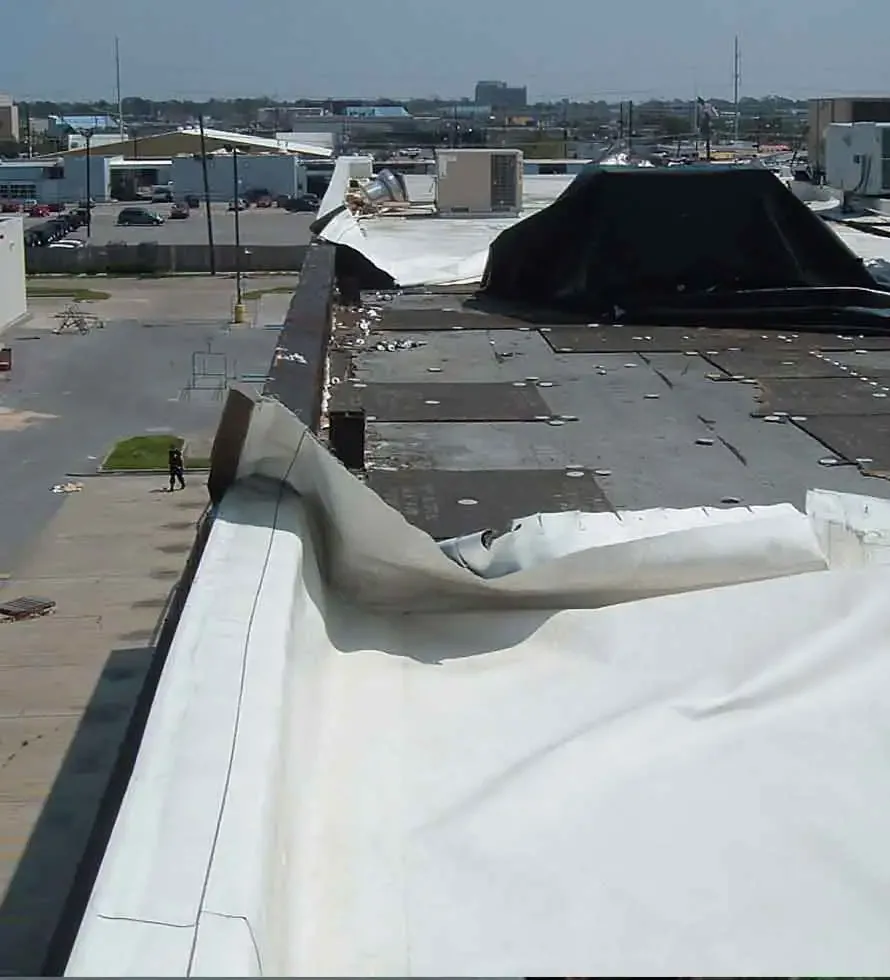
When wind is reported, we look for displaced edge components, opened laps and fasteners that no longer hold the intended load path. The wind damage assessment distinguishes membrane damage from an attachment issue that can extend into insulation or deck. Hail can leave impact evidence on exposed components, but the condition must be examined at the property. A hail inspection records affected details and any interior symptoms without treating the regional storm as a building-level finding.
How do existing layers change a repair decision?
A compatible patch needs a clean and secure substrate. We check for moisture at the repair edge, separation between layers, deck movement and insulation that has lost its useful condition. Where the defect is local and the surrounding assembly remains serviceable, rebuilding the connection may be reasonable. If the opening reveals deterioration beyond that boundary, removal should follow the verified condition rather than stop at the visible stain.
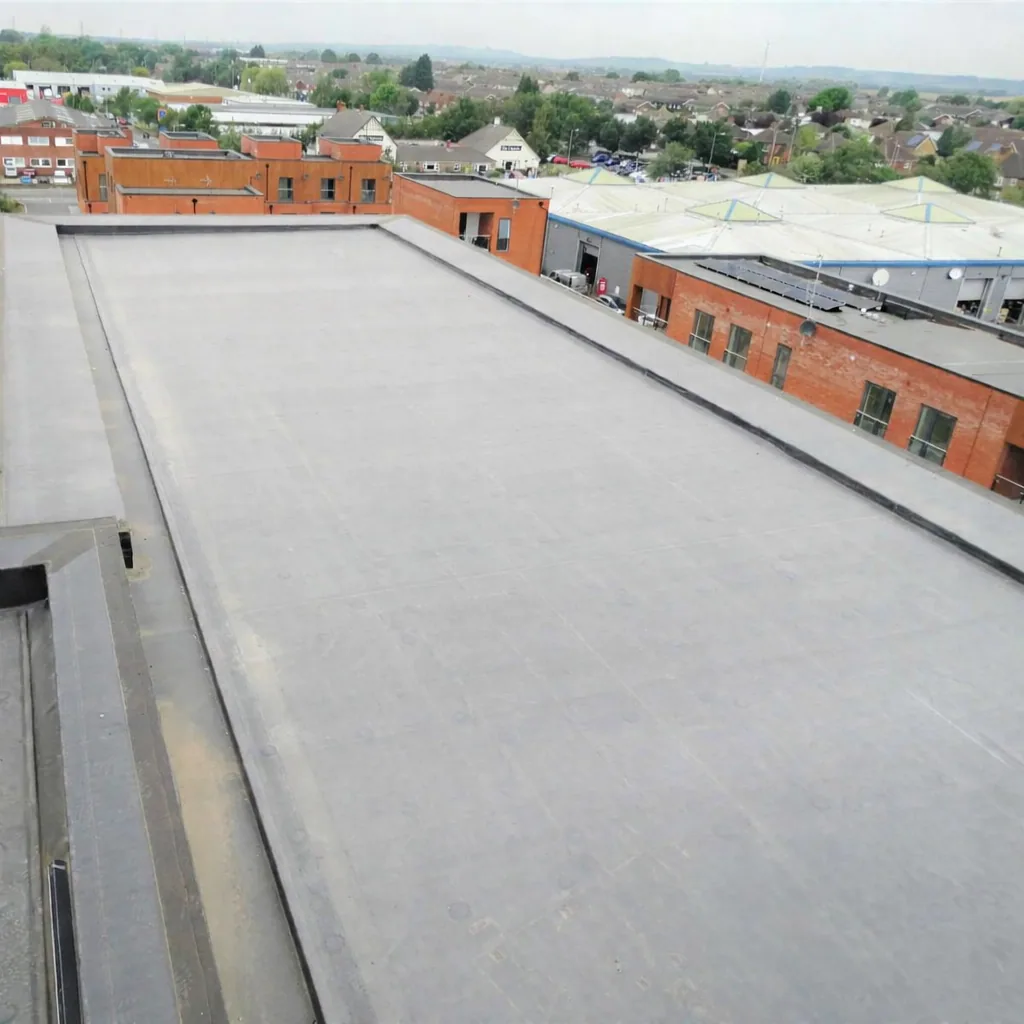
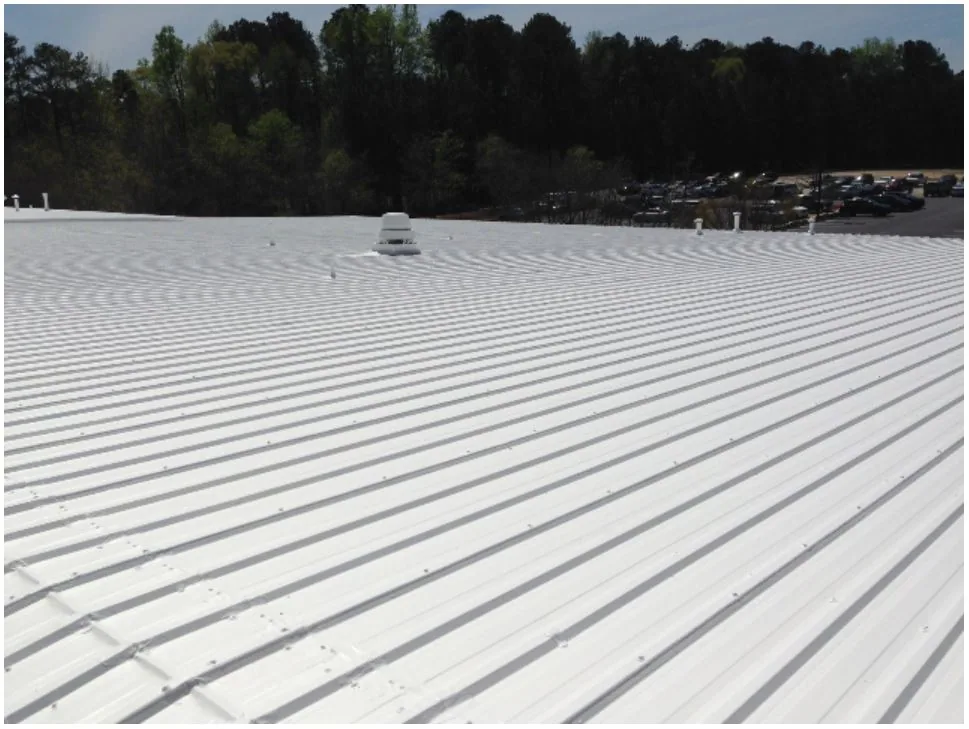
For larger work, EPDM and PVC have different material and connection characteristics. We compare the candidate system with roof slope, drainage, penetrations, attachment and anticipated service access. A recover is considered only when the existing layers can remain, added assembly weight is suitable and edge heights can be resolved. A coating also needs a sound compatible surface and dry substrate; it will not correct a wet layer or loose attachment.
What does an owner need before approving the work?
The proposal should identify the affected roof area, the work included at each penetration and the conditions that could expand removal. We describe insulation, flashing, drainage, equipment handling and protection separately, then state whether quantities are confirmed or depend on a selective opening. That gives a facilities manager a comparison that can be reconciled with budgets and production requirements. If drawings identify earlier reroofing or equipment changes, we compare those records with accessible conditions and mark any discrepancy. A prior plan can guide the visit, but it does not establish which layers remain or where a later repair changed them. Confirmed conditions and open questions stay separate in the recommendation. The photographic condition record ties each recommendation to a location and observed condition.
Richardson’s technology and financial services sectors differ from the office and multifamily mix in Irving’s Las Colinas district. A portfolio manager may compare the two records, but should keep material, access and moisture findings distinct for each property. A capital plan can separate immediate repairs from replacement work that needs design or longer procurement. Permits and applicable code must be confirmed with the jurisdiction responsible for the Richardson project; Irving’s requirements do not transfer to another city.
How can roof work fit a facility schedule?
We plan the work area, material route, weather protection and temporary closure points with the property team. Equipment operation, service windows and protected rooms can influence when a curb is opened or a roof area is isolated. The crew closes each planned section before moving on, and a pause in the work includes a defined temporary condition. This avoids leaving the building dependent on a field membrane while perimeter or penetration work remains unfinished.
After construction, scheduled maintenance can track seams, drains and equipment details through later service visits. A prompt response is available around the clock, all week and through holidays when water is actively entering. We first address safe temporary control, then document the permanent repair and any assembly question that needs further investigation. For nearby property comparisons, the Plano service area and Coppell service area each require their own local conditions and access review.
Commercial Roofing Questions
Can a rooftop equipment leak be fixed without moving the unit?
That depends on clearance, flashing condition and whether the connection can be accessed safely. We inspect the curb and adjoining membrane, then identify any equipment trade needed to expose the detail. A patch made around an inaccessible base may not restore the full transition. The scope should state what can be completed in place and what requires coordination before work begins.
How do you check a roof after reported hail?
We inspect the roof surface and exposed components for conditions consistent with impact, then record the affected areas and any associated water entry. A regional hail report does not establish damage at a particular address. The inspection may include penetrations, edge metal and drains because those connections can matter to water entry even when the field surface is not visibly open.
What if the roof contains several membrane layers?
We identify accessible layers and examine a representative location when the concealed sequence affects the repair or recover decision. Additional layers can change attachment, weight and removal requirements. If the construction remains uncertain, we describe the next opening or record needed rather than assign an assumed assembly to the entire roof.
Will a maintenance visit identify every future roof failure?
A visit documents conditions visible at the time and can catch drainage, seam or flashing changes before they become a larger interruption. It cannot predict every later storm or concealed defect. We record the inspected areas, completed tasks and items needing follow-up, so the manager can use the record to plan another examination when conditions change.
Ready to review the roof scope?
Request a Roof Assessment