
Repeated summer heating can leave a roof membrane able to shed water while its connections and supporting layers have lost the strength needed for another repair. For a commercial roof in Irving, TX, replacement becomes a material decision: what can still carry attachment loads, what must come out, and how the new assembly will accommodate movement. Commercial Roofing Irving examines those questions together rather than choosing a new surface from its color or appearance.
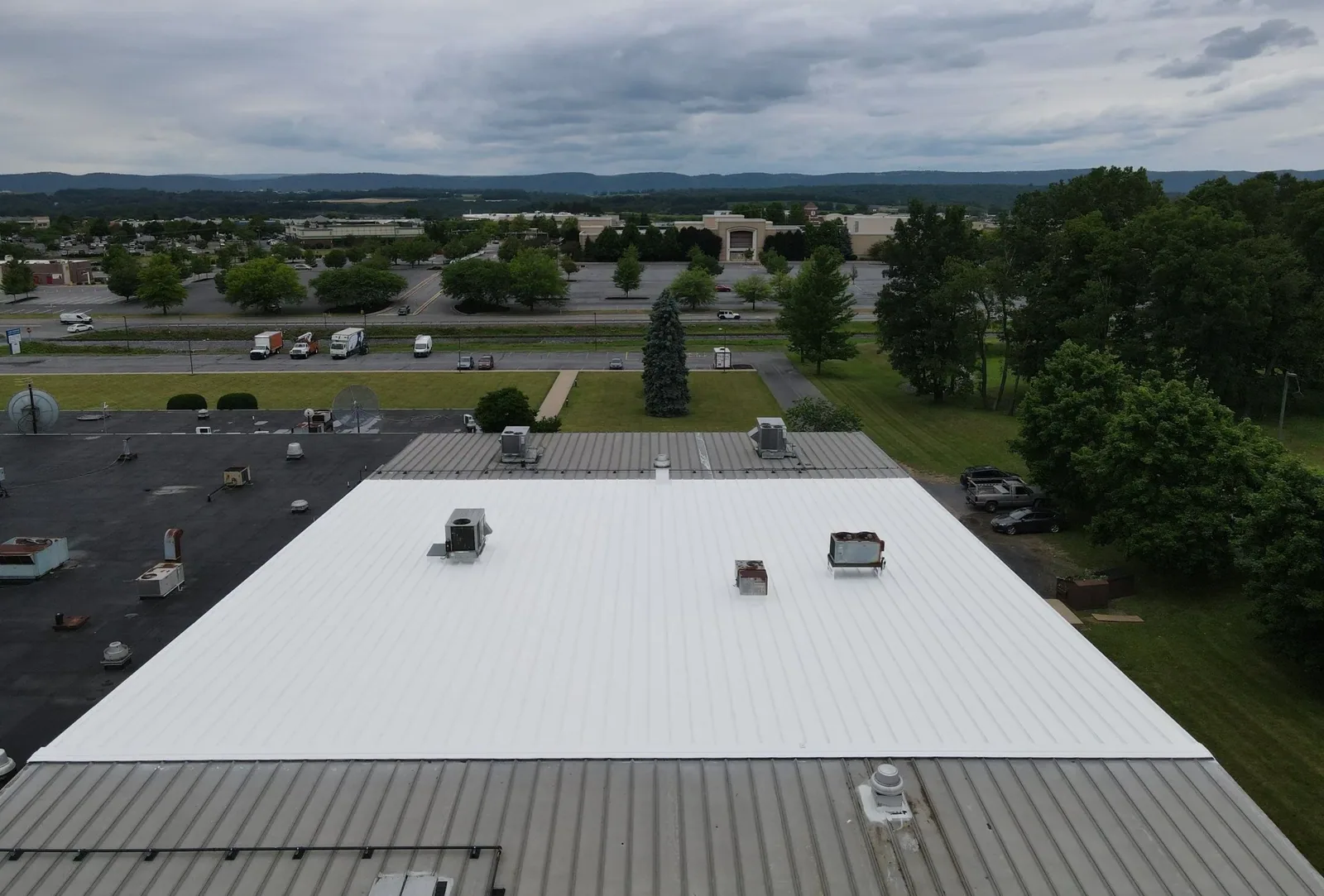
The Metroplex has hot summers and wetter spring and fall periods, so a replacement must manage both temperature changes and rainfall. Office, retail and multifamily uses in Las Colinas also put occupied space beneath the work. We compare removal and installation options against the condition of the existing assembly, then define protection, drying limits and daily closure before the first roof section is opened.
Which layers have stopped doing their job?
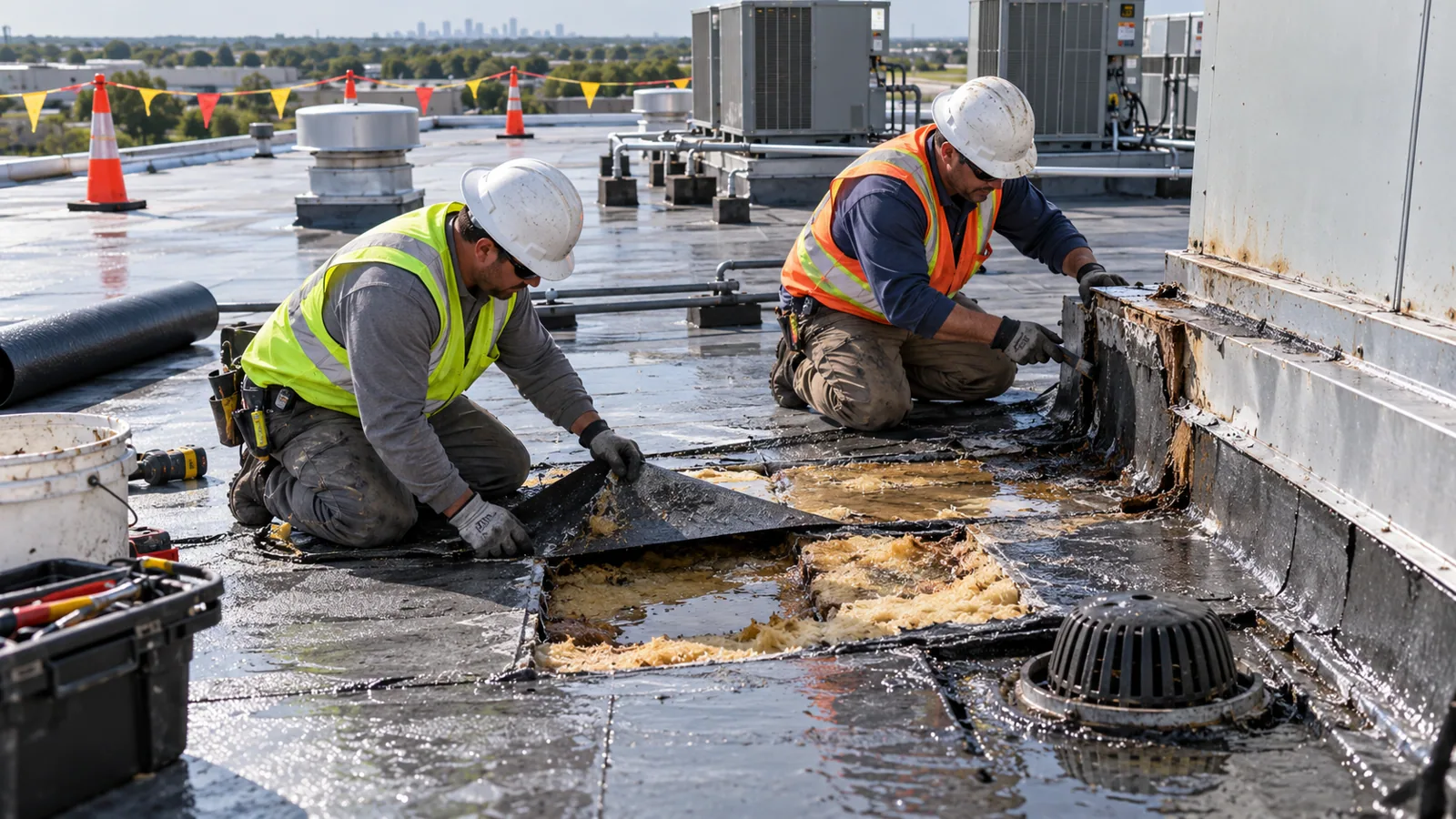
Soft areas underfoot, displaced fasteners and recurring splits can point to different failures. Waterlogged insulation loses useful thermal resistance and may no longer support the covering properly. A deck with corrosion, deterioration or damaged connections needs a different response from an intact deck below a worn membrane. We establish the layer sequence with selective openings and compare findings with the visible damage, because a replacement specification needs a dependable substrate rather than a broad assumption about roof age.
An infrared moisture survey can help identify areas requiring closer examination when conditions allow useful thermal contrast. We confirm suspect areas through direct checks before setting removal limits. That distinction matters where moisture is scattered across several roof sections: isolated wet boards may support a contained intervention, while connected deterioration can make repeated repairs an inefficient way to preserve the remaining assembly. The investigation also identifies material that can safely remain outside the replacement footprint.
Would retaining the existing assembly help?
Leaving a roof in place reduces demolition, but only if its retained layers are suitable for the proposed assembly. A roof recover requires evaluation of moisture, layer count, deck capacity, attachment and applicable code restrictions. Covering wet insulation can conceal a continuing problem beneath a new membrane. Where removal exposes widespread damaged substrate or an unsuitable combination of layers, replacement gives us access to correct those conditions instead of designing around them.
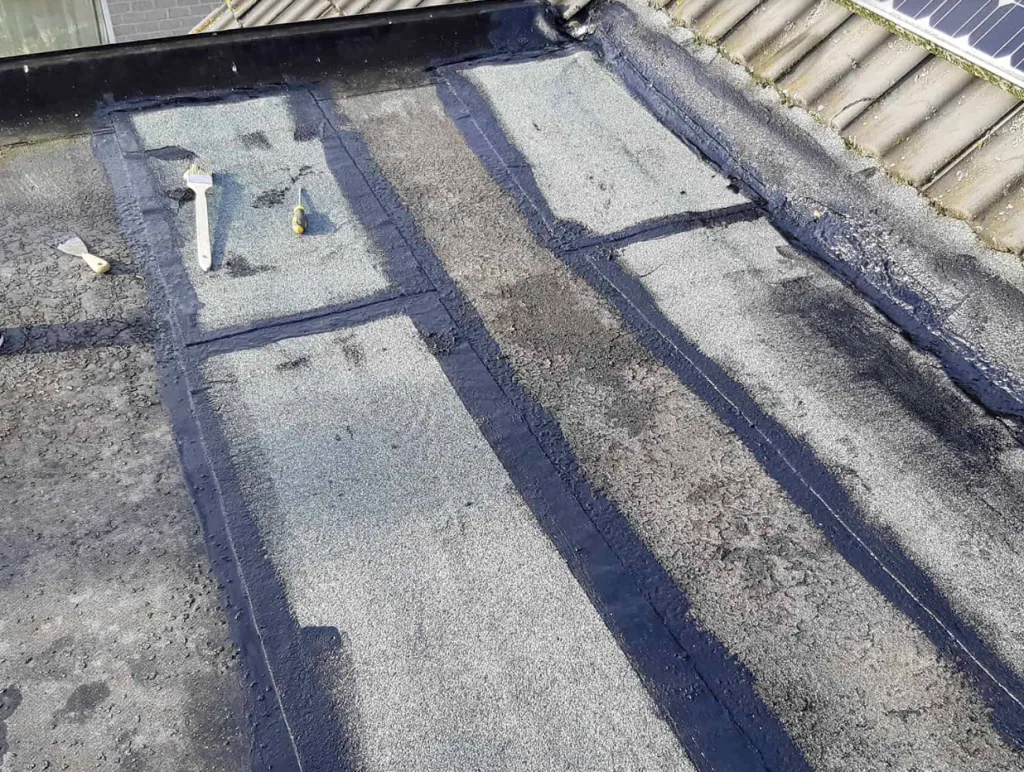
There is also a distinction between replacing the covering and replacing the entire assembly down to the deck. We identify which insulation, cover board and attachment components need removal and explain how that choice changes thickness, detail heights and disposal. A planned roof repair remains useful where a localized failure can be rebuilt against sound surrounding materials. We compare that repair footprint with the wider condition so the investment addresses the failure that is actually present.
How should the new roof respond to movement?
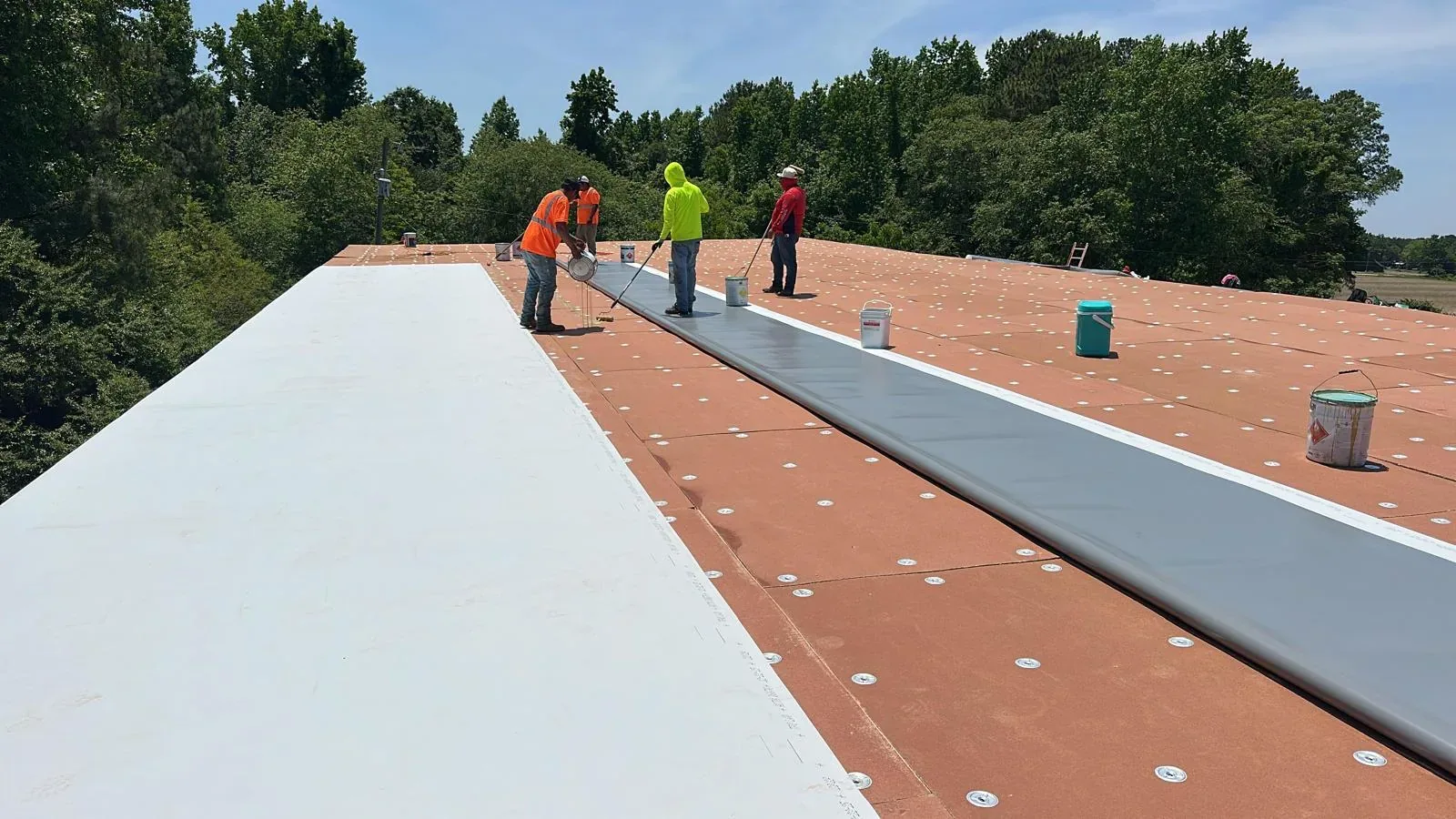
A flexible membrane, rigid cover board and structural deck do not expand at the same rate. The replacement design needs suitable attachment and details that allow those components to work together. With a TPO assembly, welded laps and reinforced transitions must remain continuous at corners, curbs and terminations. Membrane choice alone does not settle insulation fastening, perimeter resistance or the condition of metal supporting the edge.
We also compare adhesive and mechanical attachment where the substrate and selected system allow them. Adhesives need appropriate surface preparation and application conditions; mechanically attached assemblies need fasteners that achieve the required resistance in the actual deck. Cover board can provide a more suitable working surface and protection for underlying insulation, but its selection must suit the assembly. We examine movement joints separately so a joint intended to accommodate building movement is not bridged by a detail that will split during the next thermal cycle.
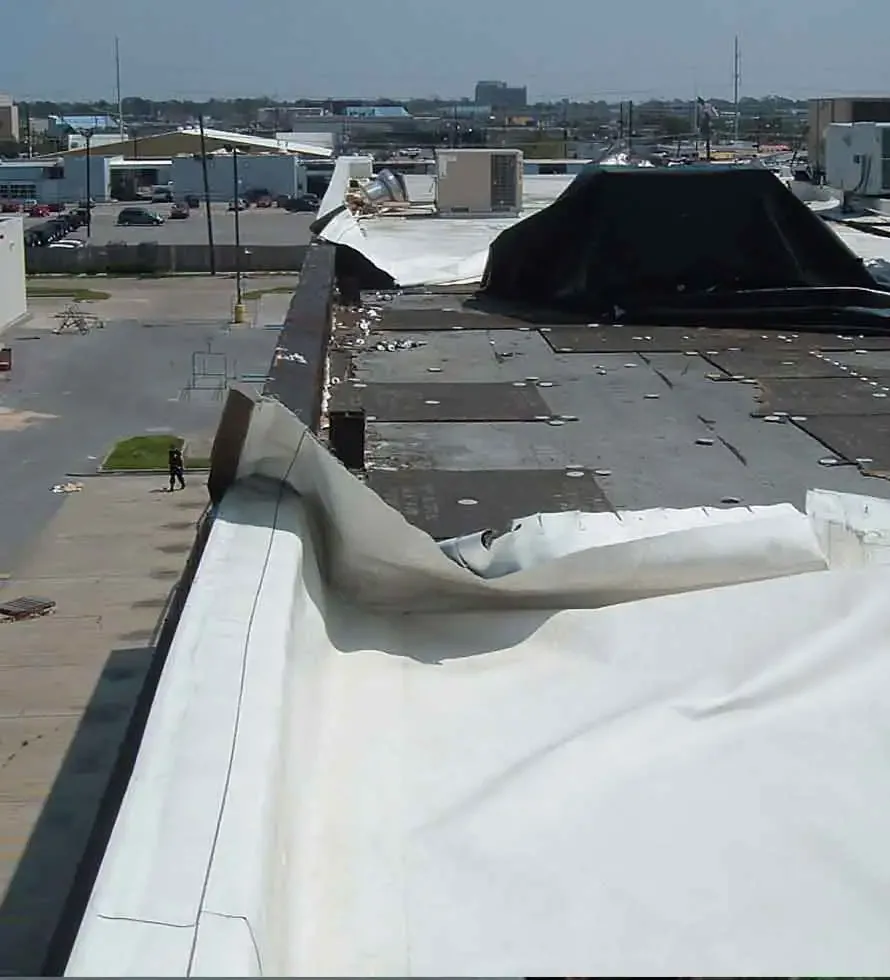
Previous wind damage at connections can expose a weak attachment path. We examine how force transfers from membrane to fastening and deck, including the perimeter details, before deciding whether the proposed replacement corrects the weakness or merely changes the covering.
Can the replacement correct low areas?
A low spot can remain after replacement if the new roof repeats the old elevations. We examine drain positions, roof slope and obstructions before ordering insulation. Tapered insulation can direct water toward outlets, while crickets can divert flow around curbs that interrupt it. The work must also preserve usable outlet height: a drain bowl left above the surrounding surface can hold water even when the field membrane is newly installed.
Changes to insulation and cover board affect curb flashing, door thresholds, parapet height and edge details. Those connections need enough height and secure termination after the assembly thickness changes. We check primary and secondary drainage paths, including whether runoff is being directed toward an occupied entrance. Improving surface slope is useful only when the receiving drain, scupper or gutter can pass the water and its connection to the roof remains watertight.
What controls the removal schedule and cost?
Replacement cost follows the amount and difficulty of material removal, substrate repairs, new insulation, attachment and detail reconstruction. Hidden deterioration can change the scope once layers are lifted, so we distinguish known removal from conditions requiring further examination. Roof height, staging access and debris handling also affect the work. A clear comparison separates the new assembly from deck repair, drainage changes and equipment-related work instead of blending all of those decisions into a single unexplained allowance.
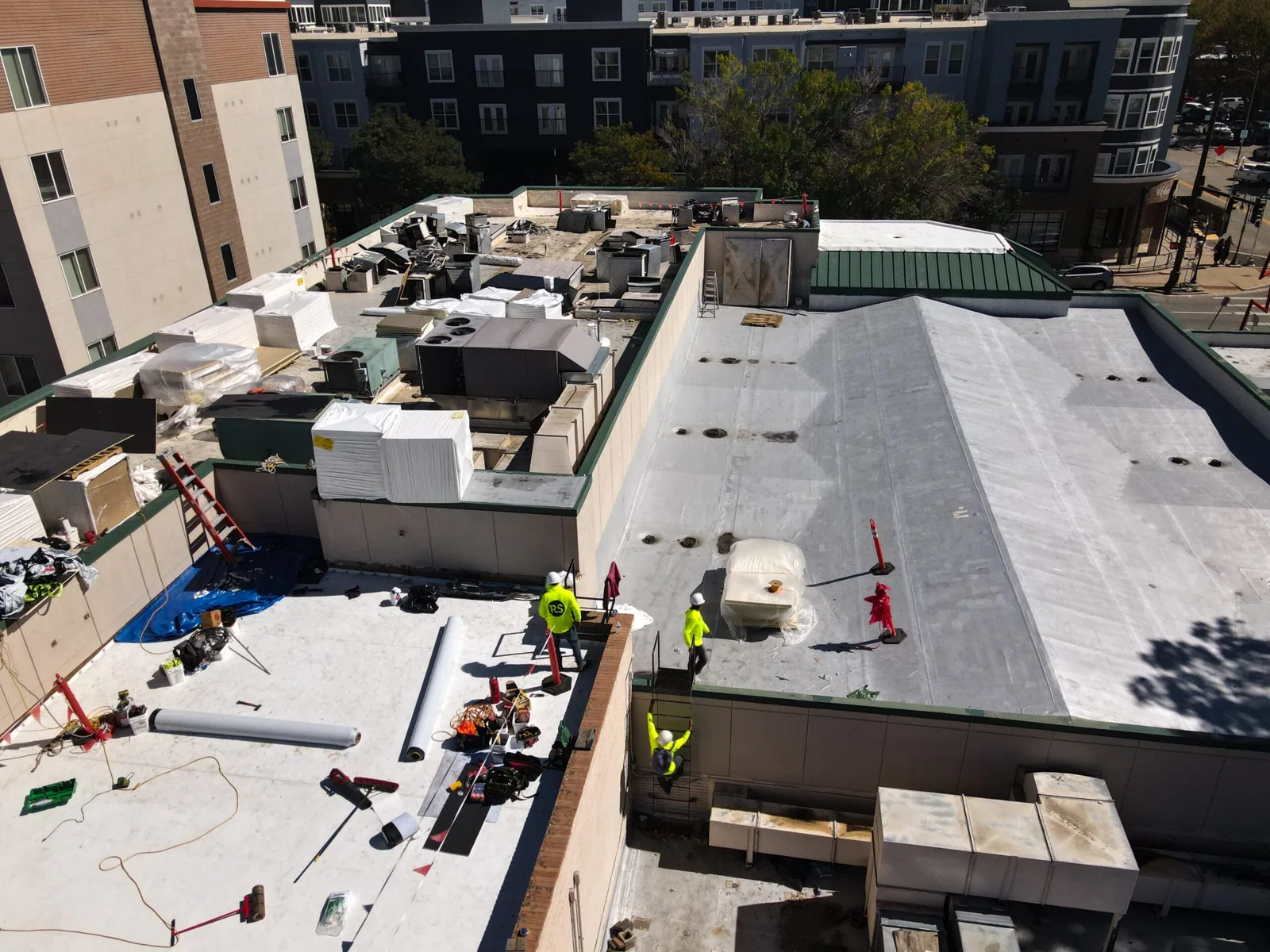
For Valley Ranch commercial and multifamily properties, occupied entrances and daily circulation need workable separation from material movement. We limit each opening to an area that can be protected and closed within the available weather window, with temporary drainage maintained during the transition. Mechanical equipment may require coordinated shutdown or lifting to reconstruct flashing correctly. Interior dust protection, odor-sensitive operations and access to roof-mounted equipment are resolved with the building manager before those activities affect tenants.
Commercial Roofing Questions
Should I budget for deck repairs before removal starts?
Budgeting should follow the deck findings and the areas we cannot yet examine. Where openings expose corrosion, decay or damaged attachment, we define repair needs with the appropriate structural input. Where concealment remains, we explain how additional findings will be evaluated and authorized. The useful distinction is between a known roof replacement assembly and substrate work that depends on what removal reveals.
Will a thicker insulation package require equipment changes?
Curb and termination heights decide that issue. Added thickness can reduce the height available for flashing or change how equipment supports meet the roof. We check those dimensions before settling the insulation layout, then identify any lifting, curb extension or transition work needed. Increasing thermal resistance without correcting a short flashing detail can leave a weak water-entry connection in an otherwise improved assembly.
Does Irving require the same code edition as nearby cities?
Irving has adopted the 2024 IBC, IECC and IEBC with applicable local amendments. We determine the requirements for the particular replacement and permit scope within Irving. A property in another municipality requires review under that jurisdiction, even when the roof work is similar. Las Colinas association obligations may also apply separately from municipal approval, so those reviews need their own place in the schedule.
Can one roof section be replaced while another stays?
A sound transition and a clear moisture boundary make sectional replacement workable. We examine how the sections connect, whether drainage crosses the proposed division and how the retained roof will terminate against the new work. A convenient property boundary is not necessarily a suitable roofing boundary. The junction must remain serviceable without directing water into the older assembly or leaving an unsupported edge.
Ready to review the roof scope?
Request a Roof Assessment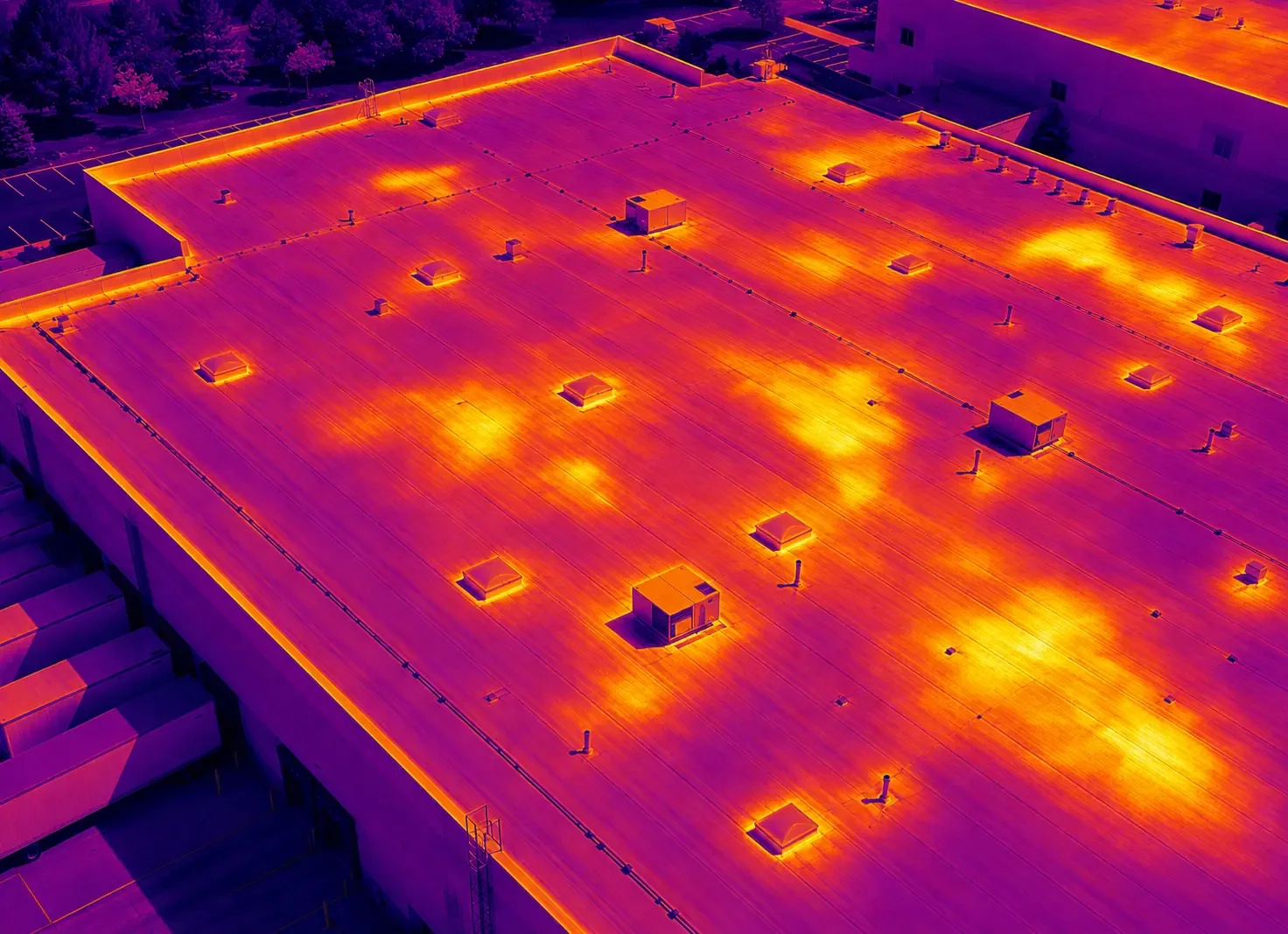
Commercial Roof Insulation and Cover Board
See scope, options and what to expect on the roof.