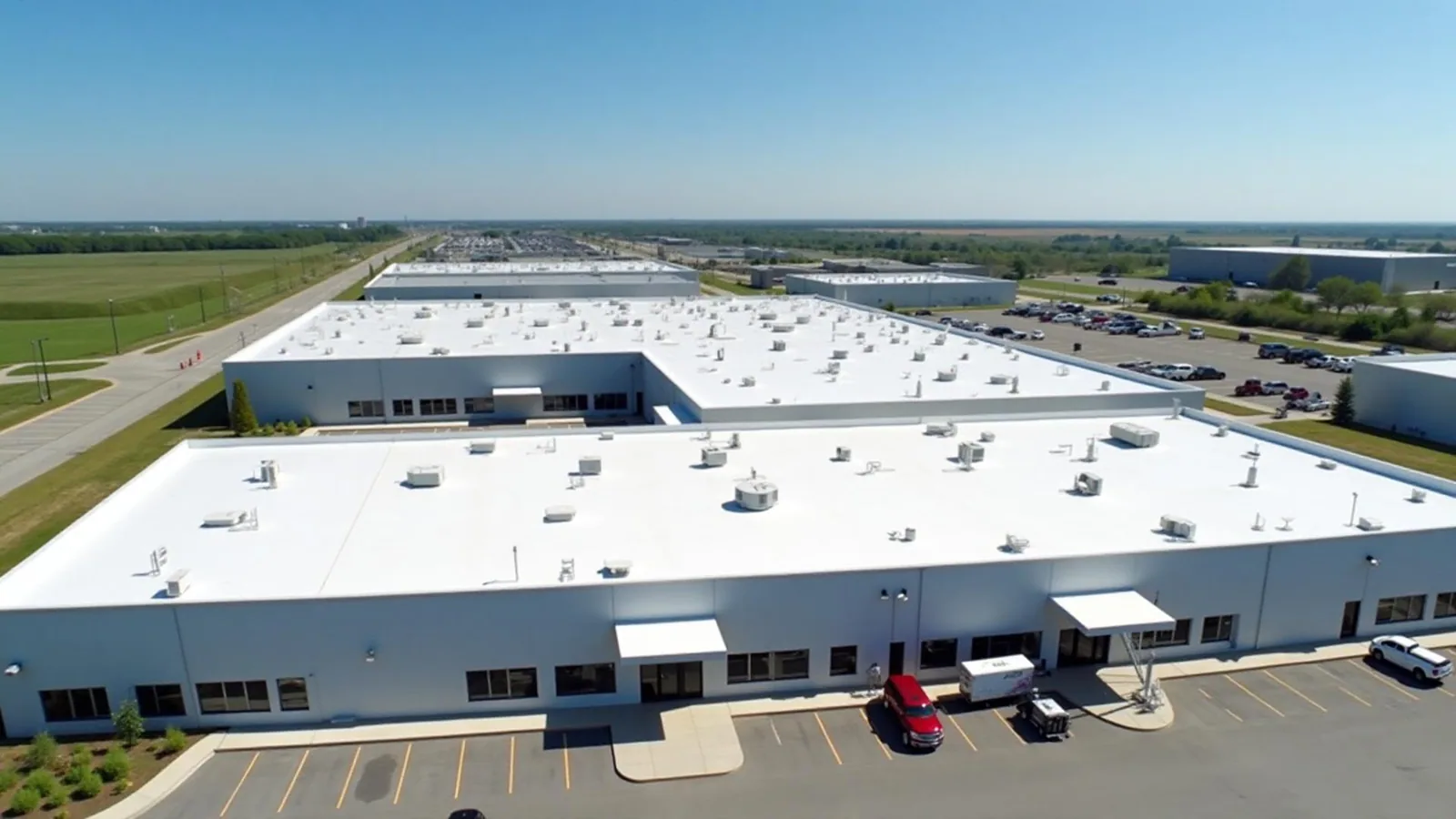
A TPO membrane can reflect solar energy while still developing strain where its flexible field meets a rigid curb or metal termination. TPO roofing in Irving, TX, needs those connections examined alongside the covering's surface response to hot weather. Commercial Roofing Irving installs and repairs TPO assemblies with attention to welded continuity, support and the attachment path into the roof deck.
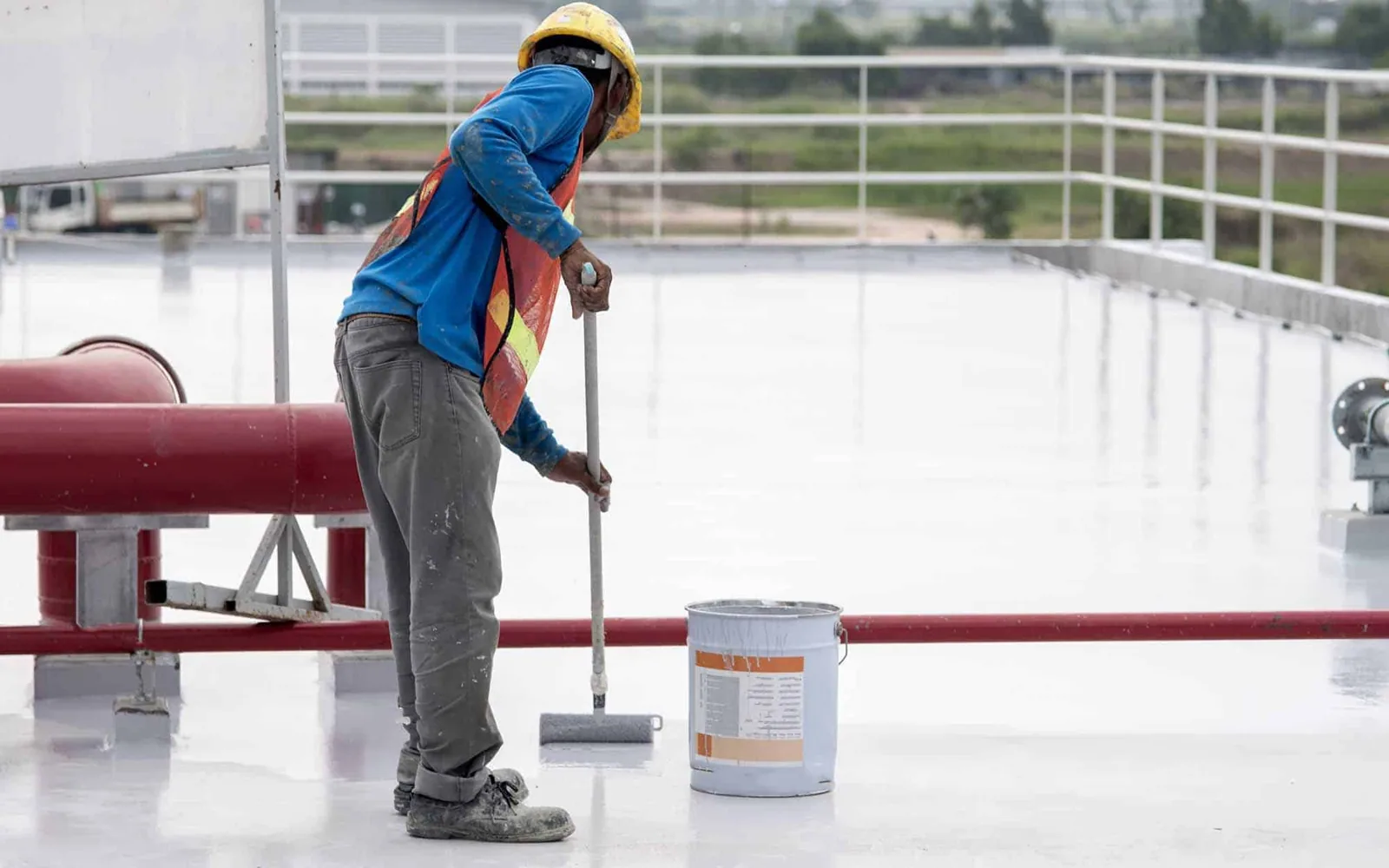
Hot summers are characteristic of the Dallas/Fort Worth region, but membrane temperature and movement also change with shade, wind and the roof construction below. Las Colinas office buildings and commercial properties in Valley Ranch have different equipment and access needs above occupied space. We evaluate the actual assembly before selecting a TPO repair, recover or replacement, so the reflective covering is supported by materials and details suitable for the project.
What makes a welded lap continuous?
TPO sheets are joined through a controlled heat-welding process that needs suitable surface preparation, equipment settings and working conditions. The resulting connection is examined for continuity, including transitions where sheet thickness or geometry changes. Dirt, moisture or unsuitable preparation can interfere with the weld, while field conditions can change during installation. We assess the material and the connection rather than assuming a visible overlap is a completed watertight seam.
At repairs, aged membrane may need preparation appropriate to its condition before it can receive a compatible weld. A seam that has opened under tension also needs examination of the adjacent detail that created the strain. Welded seam reconstruction can require more than closing the visible edge if support, attachment or membrane movement remains unresolved. The repair boundary reaches usable material and restores a suitable connection to the retained field.
Welding around a change in plane needs enough access to prepare the surfaces and examine the completed connection. A cramped corner beneath equipment may require a revised detail or temporary equipment access rather than relying on a narrow pass of the welding tool. We identify that working space before installation so the geometry can receive a suitable connection instead of an inaccessible overlap.
How is the covering connected to the deck?
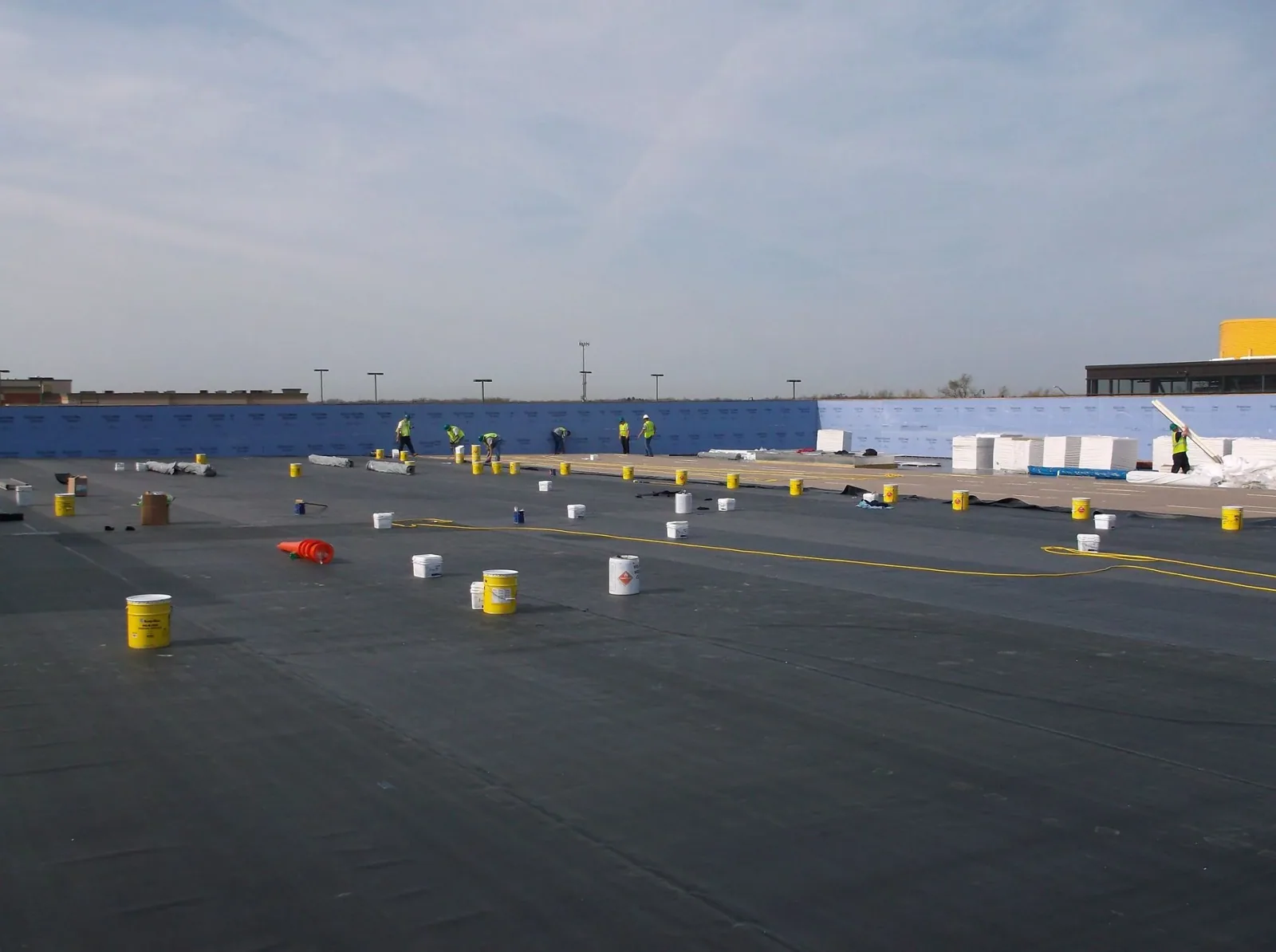
A mechanically attached TPO assembly relies on fastening and deck engagement selected for the system and required resistance. An adhered assembly depends on a suitable prepared substrate and compatible adhesive application. We compare those methods with deck condition, insulation and cover board before choosing the arrangement. The membrane's surface properties do not establish whether the supporting layers or deck can provide the attachment needed under wind exposure.
Insulation and cover-board selection is coordinated with the attachment rather than treated as an independent package below the sheet. Board joints, fastening and adhesive interfaces need suitable support and installation conditions. Where substrate resistance is uncertain, testing or further examination may be needed. We also examine perimeter requirements and the connection to edge metal, because the field fastening alone does not settle the roof's complete load path.
How should corners and curbs respond to movement?
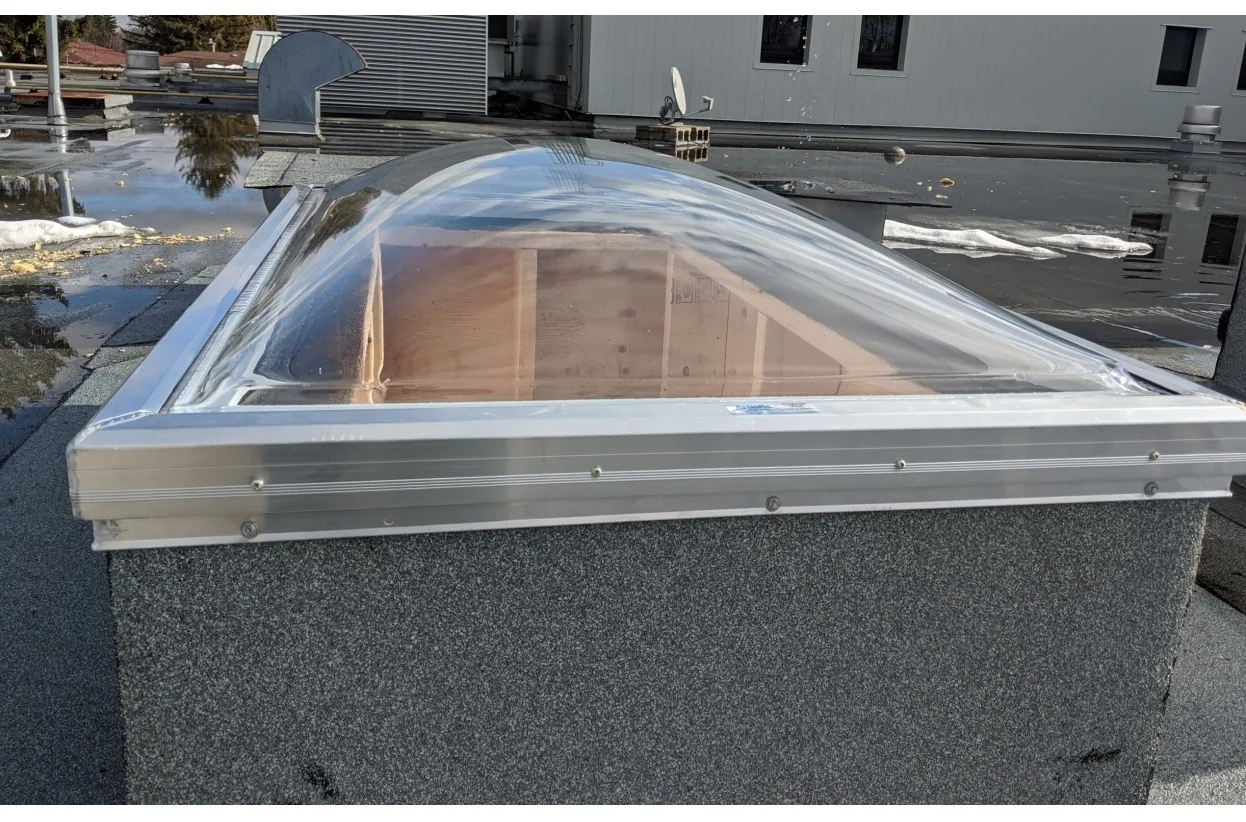
The membrane changes direction at a curb, where flexible sheet meets a rigid support and upper termination. Corners need suitable geometry, reinforcement and weld continuity without excessive tension. We examine the substrate and usable flashing height before reconstructing the detail. Penetration flashing work may need equipment coordination where the upper connection is concealed, particularly when a unit blocks access required for proper preparation.
Movement joints serve a different function from ordinary seams. The selected TPO detail needs to accommodate the movement intended between roof sections or structural divisions rather than bridge it with a restrained patch. Pipe boots and other penetrations are also selected for the geometry and material present. We examine those transitions independently so a sound open field does not obscure the connection most likely to concentrate strain during repeated heating and cooling.
When is the existing TPO suitable for repair or recover?
A contained puncture or connection defect can be repaired where surrounding membrane remains workable and underlying layers provide suitable support. Widespread brittleness, poor bonding or wet insulation can change that comparison. We establish the material condition through direct roof examination, using selective openings or additional moisture work where concealment leaves an unresolved question. The scope follows those findings rather than membrane color or reported age alone.
Retaining the assembly for a recover also requires evaluation of moisture, attachment, layer count and applicable restrictions. Where removal is needed to correct damaged materials, a new TPO covering can be considered as part of the replacement assembly. We compare it with PVC roof options or other suitable systems according to project requirements and exposure. Product choice is separated from the decision about which existing layers can safely remain.
What must the roof layout do beyond the membrane field?
Drains and scuppers need a continuous connection to the TPO covering and an approach that lets water reach the outlet. Retained water can expose a damaged seam or flashing for longer periods, so drainage correction may belong in the same scope. Tapered insulation and crickets are planned with outlet elevations and detail heights rather than added without considering the surrounding roof. A weldable membrane still needs suitable support through those changes in slope.
For Valley Ranch commercial buildings, installation planning also considers occupied entrances, equipment service and temporary protection during removal. Cost follows substrate preparation, insulation, attachment and detail complexity, with wet-material removal identified separately where needed. We sequence the work so open layers are protected and each completed connection can be examined before it becomes difficult to access. The maintenance plan then preserves drains, service routes and the reconstructed transitions.
EPDM assemblies use different seam and repair methods, which illustrates why later service work needs to identify the installed membrane before selecting materials. An unrelated patch or sealant can complicate future TPO preparation. We explain compatible repair and access needs after installation so equipment activity and housekeeping do not undermine the covering's serviceable connections.
Commercial Roofing Questions
Can an aged TPO sheet still accept a welded repair?
The sheet's condition and preparation needs have to be examined. A suitable surface can support a compatible repair, while deterioration or unsuitable earlier patches may require removal to reach workable material. We assess the weld connection and underlying support before defining the boundary. A small defect does not automatically mean a small patch is appropriate if the surrounding membrane cannot form a dependable interface.
Does a reflective TPO roof remove the need for insulation work?
Reflectivity changes solar absorption at the surface, while insulation affects heat flow through the assembly. Wet or damaged boards can still need reconstruction beneath a reflective covering. We compare those functions and review the applicable project requirements before selecting the package. The covering choice does not establish that the existing thermal layers remain suitable for retention.
Should an open seam be welded closed before the cause is examined?
Immediate water control may be needed, but permanent reconstruction should address the mechanism that opened the connection. We inspect tension, support and the adjacent details as well as weld condition. A seam under unresolved movement stress can separate again after a surface correction. The repair therefore joins suitable materials while correcting any connection or substrate issue identified during examination.
What affects the choice between adhesive and mechanical attachment?
Deck and substrate condition, assembly requirements and installation exposure influence the comparison. Fastening needs suitable engagement and resistance; adhesive needs compatible prepared surfaces and application conditions. We evaluate those interfaces with insulation and perimeter details before selection. The decision applies to the complete roof assembly rather than a preference for one attachment method regardless of the building's construction.
Ready to review the roof scope?
Request a Roof Assessment
Commercial Roof Insulation and Cover Board
See scope, options and what to expect on the roof.