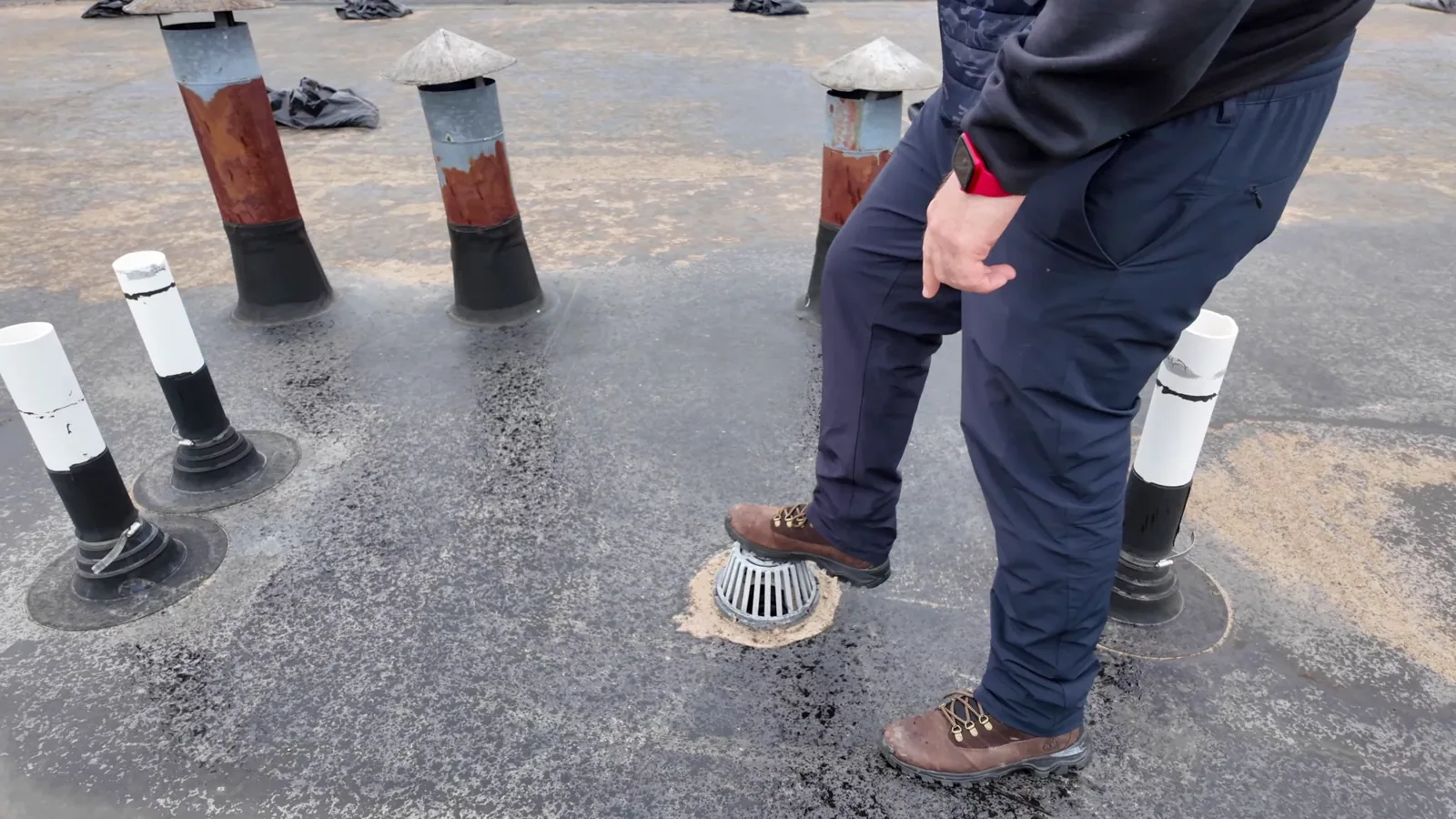
A roof membrane can expand faster than the rigid curb supporting a skylight, placing repeated stress on the corner where the two connect. Penetration flashing work in Irving, TX, examines that movement and the continuity of the water-shedding detail before another seal is applied. Commercial Roofing Irving repairs skylight, pipe and curb connections with attention to the support, material compatibility and termination that determine how they perform.
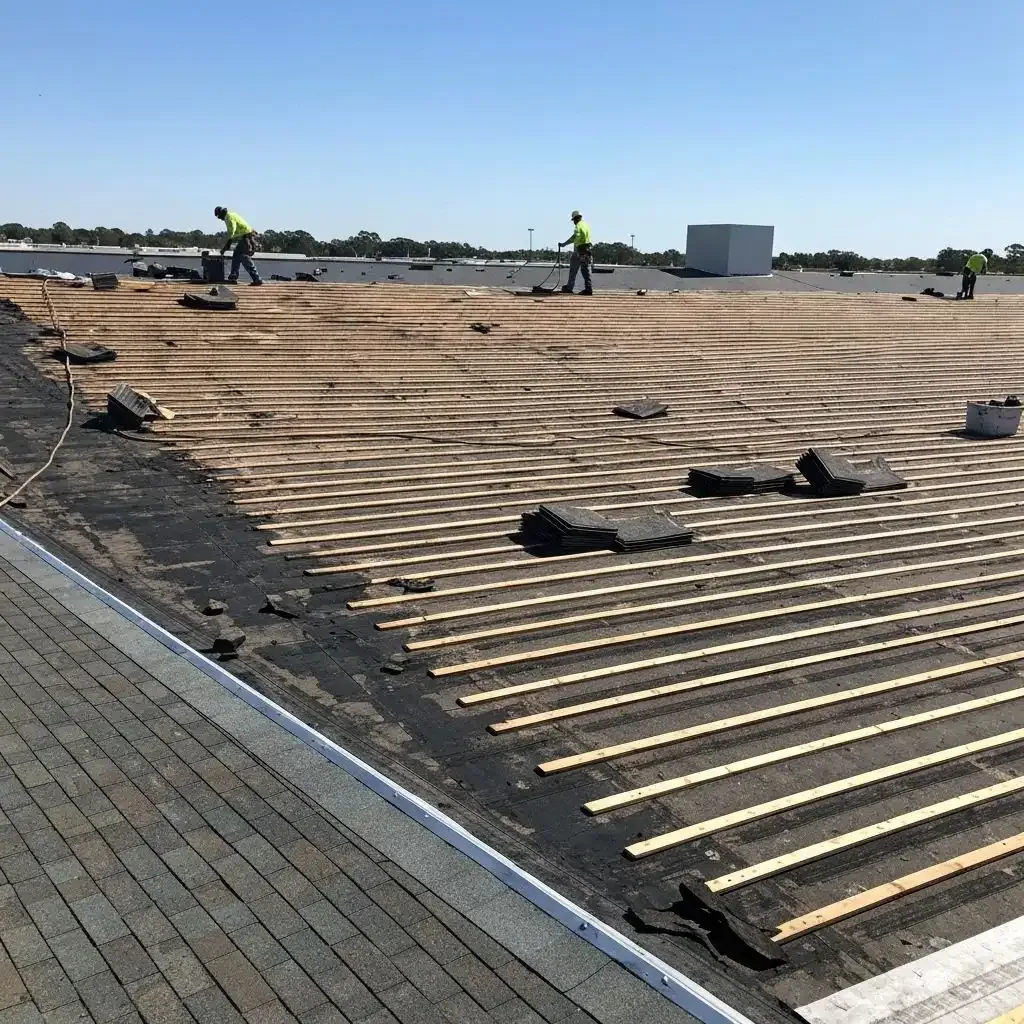
Hot Metroplex summers bring thermal cycling to those transitions, while seasonal rainfall tests their continuity. Las Colinas office uses and commercial properties along the North Irving Belt Line corridor also depend on equipment and occupied interiors beneath the roof. We identify which part of the penetration is admitting water and whether access to its concealed connections requires equipment coordination, rather than treating every leak near a curb as the same flashing defect.
Is water entering through the flashing or the equipment?
A skylight has glazing, frame connections and roof flashing, each with a separate water path. Water near the curb can originate above the membrane connection if a glazing seal or frame detail has failed. We examine the accessible components and relate them to the interior observations before choosing the roofing work. Glazing or equipment repair may require coordination with the appropriate trade when the defect is outside the roof covering.
Leak tracing at penetrations also considers condensation and mechanical discharge where those mechanisms are plausible. We compare rainfall timing with equipment operation and the observed water path. A flashing patch applied to an unexplained source can leave the actual entry unchanged. Direct examination of the curb, corners and upper termination follows that distinction, with selective access where concealment prevents the connection from being assessed.
We also check whether debris or a recently added service component has redirected runoff toward the penetration. Changing that water approach can be part of the repair when the connection is being exposed to retained water from an avoidable obstruction.
What causes a curb corner to split?
A corner brings together horizontal and vertical surfaces with different movement and support. Tight membrane, inadequate reinforcement or a poorly supported transition can concentrate strain at that junction. We examine how the field rises onto the curb and how the flashing is held at its upper edge. The repair may need a rebuilt transition that changes the stress path rather than another small patch over the point where the split appeared.
For TPO curb details, weld continuity and suitable corner treatment are examined alongside membrane tension and substrate condition. Other materials require compatible repair systems and their own preparation. Flashing reconstruction reaches sound material beyond the failed connection, including replacement of damaged support where needed. A repair that bonds only to loose earlier patches can preserve the same weak interface beneath the new layer.
How should a pipe or conduit connect to the covering?
A pipe boot or other penetration detail must suit the pipe shape, roof material and movement at the connection. We examine the base where it joins the field and the upper closure where it seals against the pipe. Loose collars, cracked material and unsuitable sealant can leave separate entry points. Service additions may also crowd several penetrations together, making a standard detail difficult to install or inspect correctly.
Grouped penetrations can require a different assembly from a single pipe, with design appropriate to the materials and available spacing. We assess the support and how the connection will remain maintainable after reconstruction. Hot pipes, vibration and thermal movement may need additional coordination with the equipment trade. The roofing scope identifies those interfaces so the permanent connection is not selected solely from the visible diameter or a convenient covering material.
Is there enough height for the reconstructed flashing?
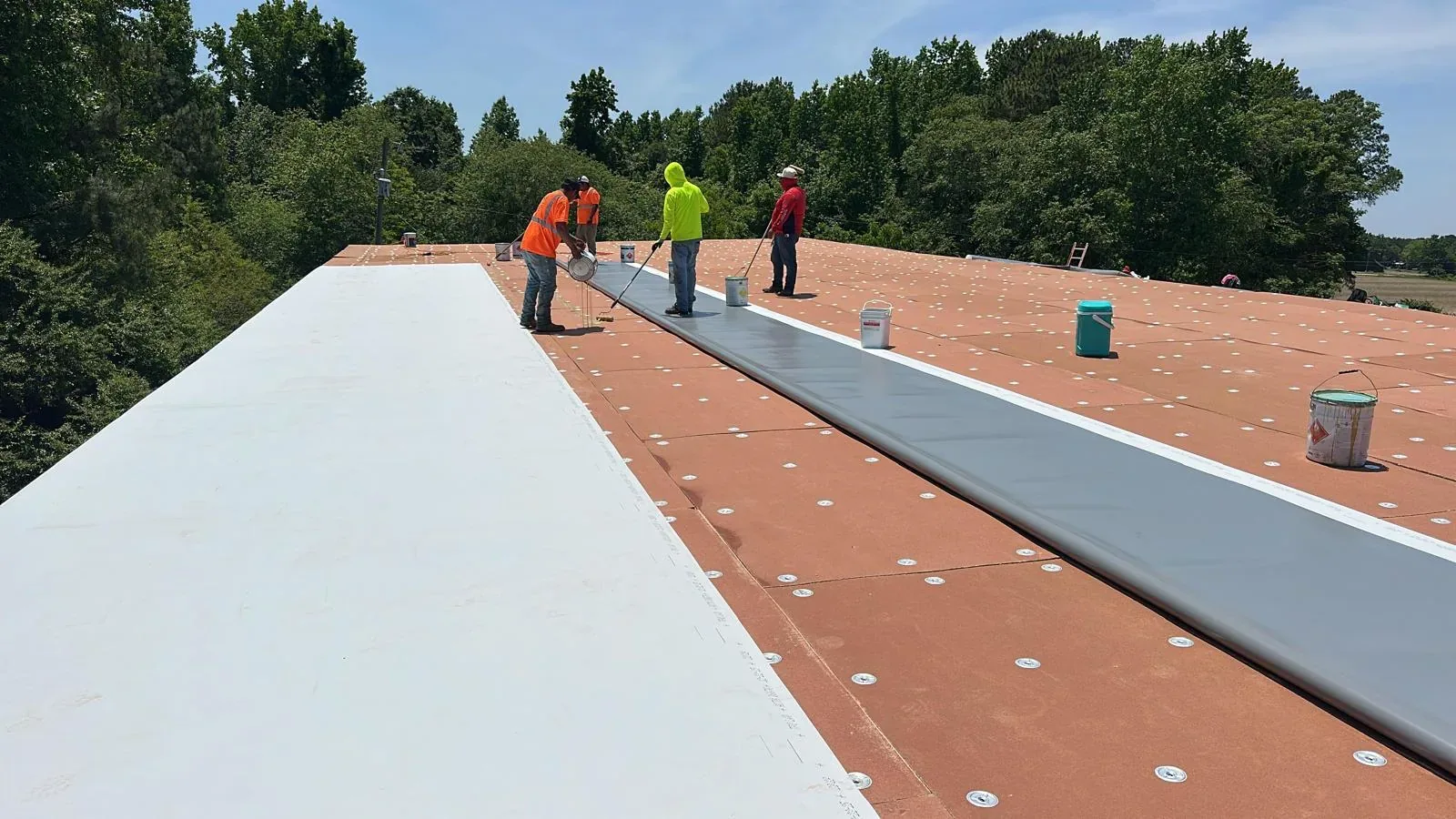
Flashing height is measured relative to the roof surface and the conditions affecting water exposure. Added insulation or a recover can reduce the usable height at an existing curb. We examine that relationship before choosing a detail, including whether a curb extension or equipment lift is needed. Insulation changes must be coordinated with the penetration so improved thermal performance does not leave a shorter or inaccessible water-shedding transition.
Runoff approaching a curb also affects the repair. A depression or blocked route can hold water against the connection; a cricket may divert flow around the obstruction. We compare those elevations with roof drainage paths rather than adding slope in isolation. The resulting assembly needs continuous support and compatible membrane connections through the revised transitions, with enough access for later examination of the corner and termination.
What access does the repair actually require?
A detail concealed beneath equipment can require lifting, disconnection or a planned shutdown to reconstruct correctly. We identify that access before scheduling the repair and coordinate the work with the appropriate service personnel. An exposed perimeter bead may be accessible while the membrane connection below remains unreachable. The scope explains why access to the concealed portion is necessary instead of treating a visible seal as completion of the whole detail.
For Las Colinas office properties, equipment shutdowns and interior observation may need separate scheduling from roof preparation. We consider noise, odor and protection of occupied areas where removal exposes the assembly. Cost follows penetration complexity, compatible preparation, wet-material removal and any equipment coordination required. The finished connection is examined at the field, corners and upper termination, with the repair boundary and nearby conditions described for maintenance.
Skylight access also requires attention to fall hazards and fragile surfaces. We do not treat glazing as a walking surface while examining the roof. Protection and working methods are selected for the opening and surrounding access, with damaged frames or supports identified for the appropriate follow-up. Those requirements are part of planning the work, not an assumption that a small flashing area can be reached like an ordinary membrane patch.
Commercial Roofing Questions
Can you seal a skylight without replacing its roof flashing?
The location of the entry needs examination first. A frame or glazing defect can require a different repair from an open membrane corner. We identify the affected component and coordinate non-roofing work where needed. If the flashing remains suitable, reconstruction may be unnecessary, but a visible upper seal should not conceal a damaged connection below it.
Will a curb repair require shutting down the equipment?
Access and service connections establish what is needed. Some details can be rebuilt safely with the equipment in place, while others require lifting or disconnection to reach the concealed flashing. We assess the curb and working space before scheduling that activity. The shutdown plan should correspond to the actual repair rather than assuming every curb needs the same equipment work.
Why does a pipe boot leak after a new service line is added?
Installation can disturb the boot, crowd the connection or introduce movement the original detail was not designed to accommodate. We examine the base, upper closure and support of the new line. The repair may need a different penetration arrangement rather than resealing the old opening. Any changes involving equipment support or line movement are coordinated with the relevant trade.
Can raised insulation leave the existing curb too short?
A higher roof surface reduces the exposed curb height available for flashing. We measure that relationship and compare it with the selected assembly and detail requirements. Extending the curb or changing the transition may be necessary before the covering is installed. Drainage around the curb is considered at the same time so the reconstruction preserves both height and a usable runoff route.
Ready to review the roof scope?
Request a Roof Assessment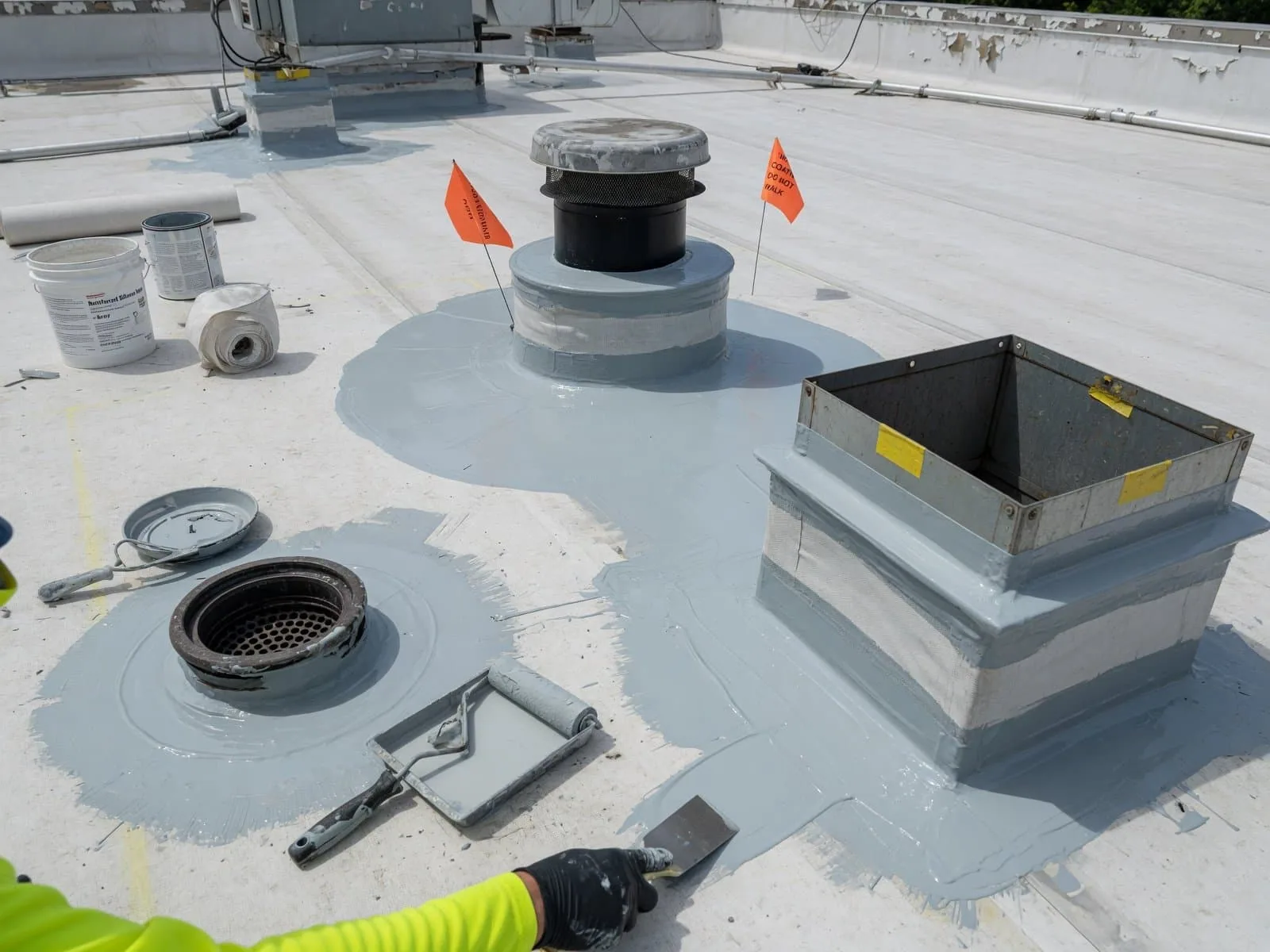
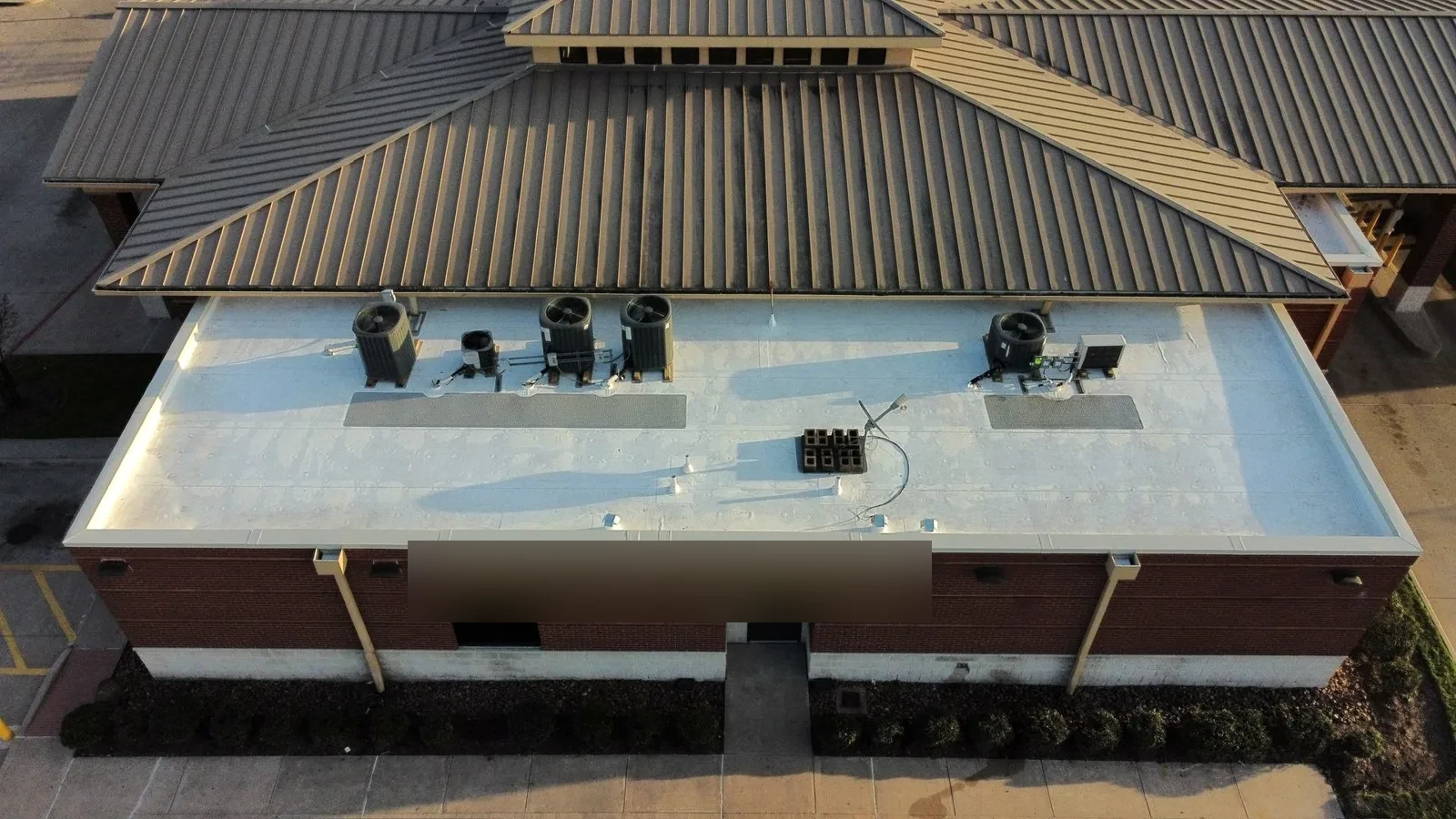
Commercial Roof Flashing Failure Repair
See scope, options and what to expect on the roof.
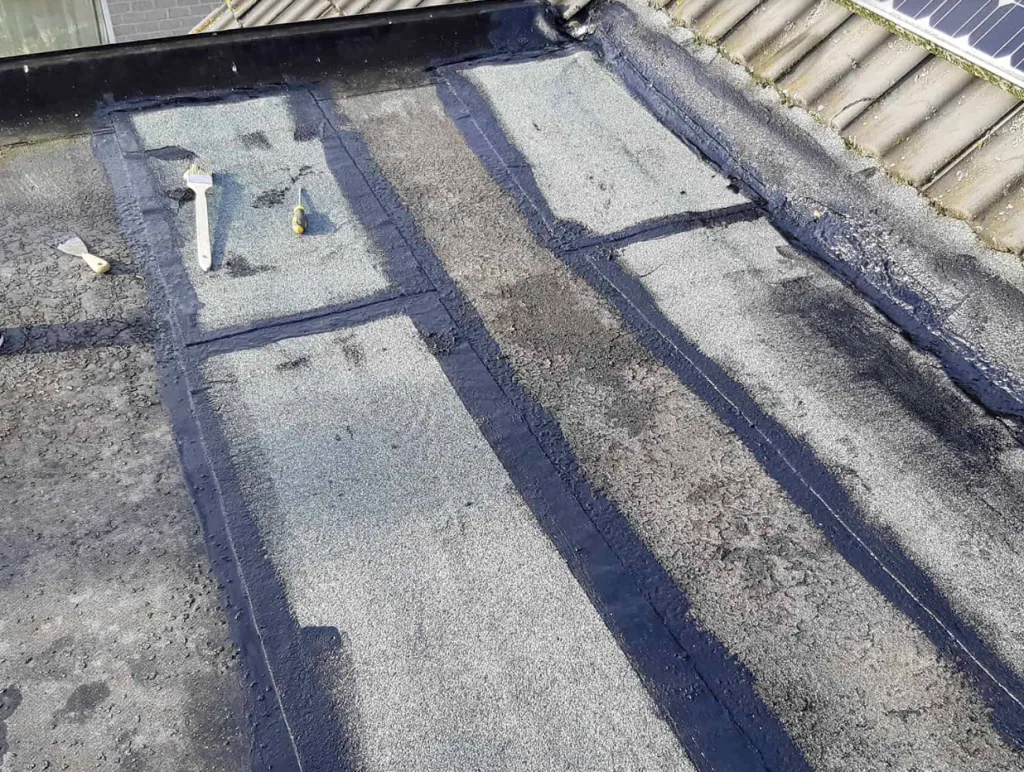
Commercial Roof Insulation and Cover Board
See scope, options and what to expect on the roof.