Rainfall can reach a drain without leaving the roof if the bowl sits above the surrounding low area or the outlet connection is obstructed. Roof drainage work in Irving, TX, examines that complete route from the field to the discharge, including the changes in elevation that determine where water remains. Commercial Roofing Irving distinguishes blocked flow from assembly geometry before selecting drain, scupper or insulation repairs.
The wetter seasons across the Dallas/Fort Worth region occur during spring and fall. Ahead of that rainfall, clearing and examining the runoff route gives us an opportunity to correct an outlet connection before water collects against it. Las Colinas offices and commercial properties in Valley Ranch place occupied space below those drainage systems. We assess retained water, outlet condition and the supporting roof layers together, then explain which correction will change the water path rather than simply replacing a visible component.
Where is the runoff route interrupted?
Water follows surface elevations toward an outlet, but curbs, walkway materials and debris can interrupt that route. We examine the roof during suitable conditions and compare retained-water marks with slope and outlet positions. A clogged strainer presents a different problem from a depression beyond the drain's reach. The investigation also considers whether equipment additions have created an obstruction that was absent when the roof was installed.
A drainage condition inspection identifies field conditions and accessible outlet connections, with further examination where the roof layers conceal the cause. We look for wet or compressed insulation that has changed the local surface height. Repairing that low area may require rebuilding support before adjusting the covering. The drainage plan follows the examined geometry, including the approach slope into the bowl or scupper rather than an assumption that the nearest outlet serves every part of the roof.
What makes an internal drain connection watertight?
An internal roof drain joins the membrane to a bowl that directs water into the building's drainage piping. The clamping connection and compatible membrane detail need continuity around the opening. Loose components, damaged seals or an unsuitable interface can allow water into the assembly even when the drain passes runoff. We examine the roofing connection and coordinate plumbing assessment where the problem extends below the bowl or into the piping.
The drain's relationship to the field also matters. A bowl should receive water through a suitable sump and approach, without a ridge of material that holds runoff outside it. Raising the surrounding roof during insulation replacement can deepen that transition, which may require a revised sump detail. We identify those elevations before rebuilding the covering and consider whether the existing drain can remain suitable or needs adjustment to accept the reconstructed assembly securely.
How should a scupper pass water through the parapet?
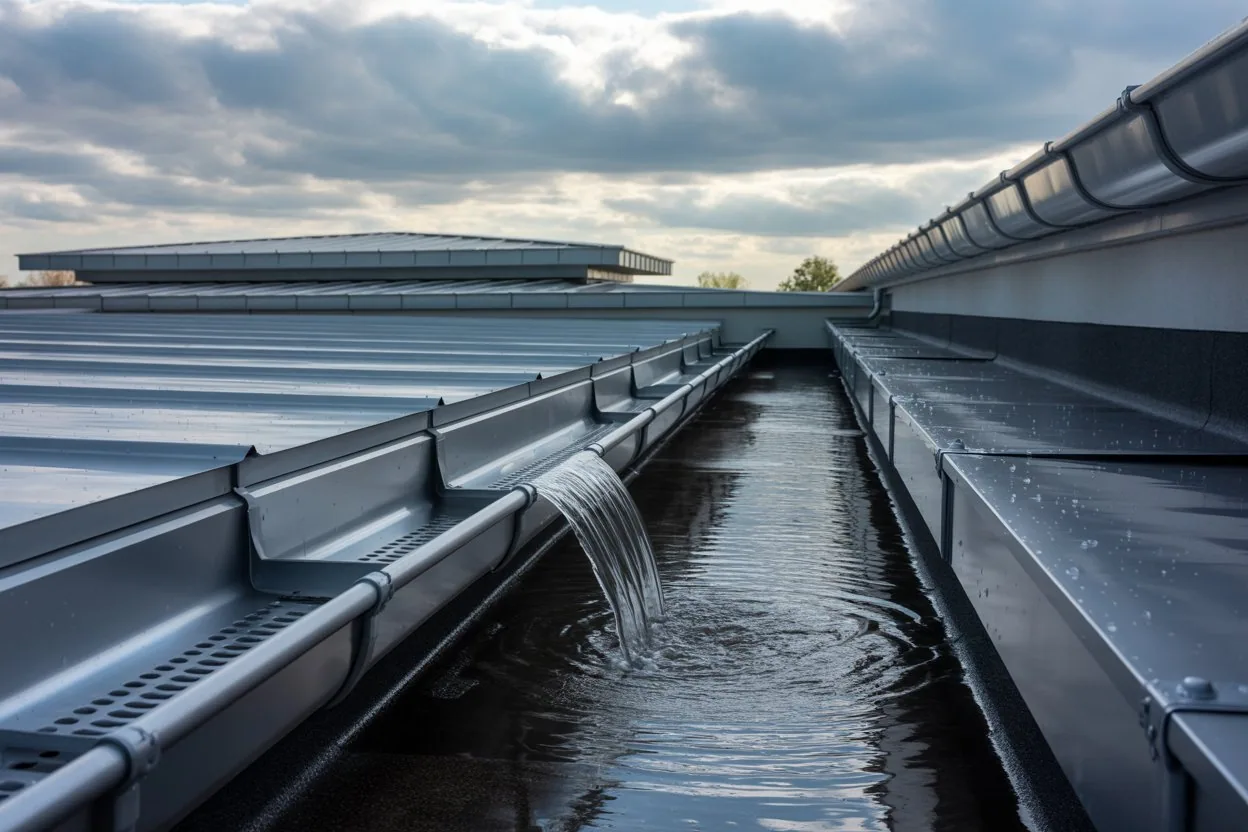
A scupper creates an outlet through a roof edge or wall, so its base elevation and flashing connection must suit the roof drainage plane. A high opening can leave water retained below it; a damaged connection can admit water into the wall or insulation. We examine the opening, metal or other outlet material and the membrane transition, including corners where movement or poor support can interrupt continuity.
Primary drainage and secondary overflow have different roles. We consider the intended overflow route and whether it remains unobstructed, with design review where the arrangement needs correction. Downstream collection also matters: gutters and downspouts must receive the discharge and remain securely supported. A repaired scupper cannot solve a blocked or unsuitable receiving component, so the scope follows the water through that connection rather than ending at the parapet face.
When do tapered insulation and crickets belong in the repair?
Tapered insulation can redirect runoff where the existing field lacks a usable slope toward its outlets. Crickets can divert water around curbs or other obstructions that interrupt flow. We compare the proposed layout with roof height constraints, drain elevations and flashing dimensions before selecting the thicknesses. Insulation reconstruction must restore suitable support as well as the intended slope, particularly where wet boards have compressed or deteriorated.
A local correction needs a workable transition to the retained roof. Creating one sloped patch can move water into another depression if the surrounding elevations are not considered. We examine those relationships and determine whether a contained repair can provide a continuous route or a broader layout is necessary. Ponding-water correction also considers the outlet condition and underlying support, so added slope is not used to conceal a damaged assembly beneath it.
We also compare the height gained near a curb with the available flashing height. A layout that improves runoff can still require a curb extension or termination change to keep the reconstructed water-shedding detail suitable.
How does drainage correction affect the covering?
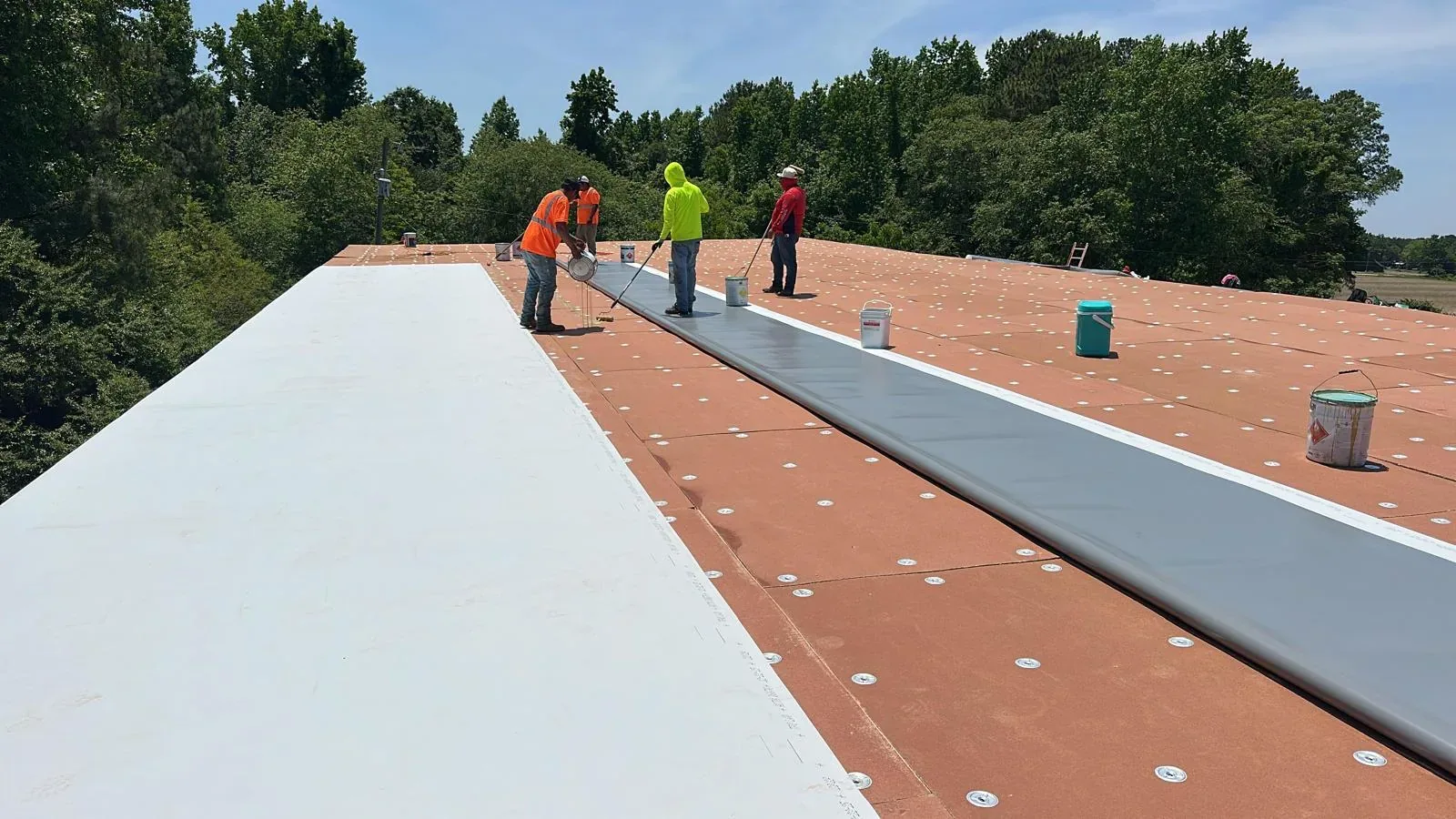
Changing elevations requires the membrane to connect across new slopes and into reconstructed details without bridging unsupported transitions. With TPO roof assemblies, welded connections and reinforced transitions need preparation and support suited to the layout. Other covering types require their own compatible methods. We identify the retained materials at the repair boundary and remove unsuitable layers before rebuilding the drainage area.
At Valley Ranch commercial properties, outlet repair may also require coordination with interior piping access or occupied entrances near discharge points. We plan temporary runoff handling while a drain or scupper is open, and we protect exposed roof layers if weather interrupts the reconstruction. Cost follows access, plumbing coordination, wet-material removal and the extent of slope correction. Those items are separated so the owner can compare a connection repair with a larger drainage redesign.
After correction, maintenance keeps the approach and outlet clear and examines the reconstructed membrane connection. Debris can return a suitable drain to an obstructed condition, while later equipment work can introduce new runoff barriers. We explain the areas that need continued observation, including whether a secondary outlet provides a visible indication that the primary drainage requires attention.
Commercial Roofing Questions
Will clearing a drain eliminate the low area around it?
Clearing addresses obstruction, while surface elevation is a separate condition. We examine whether water reaches the bowl after debris is removed and whether insulation or deck geometry creates a depression elsewhere. A low area may need reconstruction or a revised slope layout. The useful correction is selected from the observed flow path rather than assuming every retained-water condition begins with a clogged drain.
Can you lower a drain without rebuilding nearby roofing?
The bowl, piping and roof connection need to work together. Adjusting height can require plumbing coordination and reconstruction of the sump and membrane interface. We examine the existing support and assembly thickness before choosing that approach. The work must leave a secure connection and positive flow, not merely move the outlet to a lower position without a suitable transition.
Should an overflow scupper be connected to the same collection route?
The drainage design and applicable requirements need review for that arrangement. Secondary drainage is intended to address conditions when the primary route is not functioning as required, so its outlet cannot be treated as an interchangeable duplicate without considering the system. We examine the existing layout and obtain the necessary design input where changes are proposed.
What should be checked after new rooftop equipment is added?
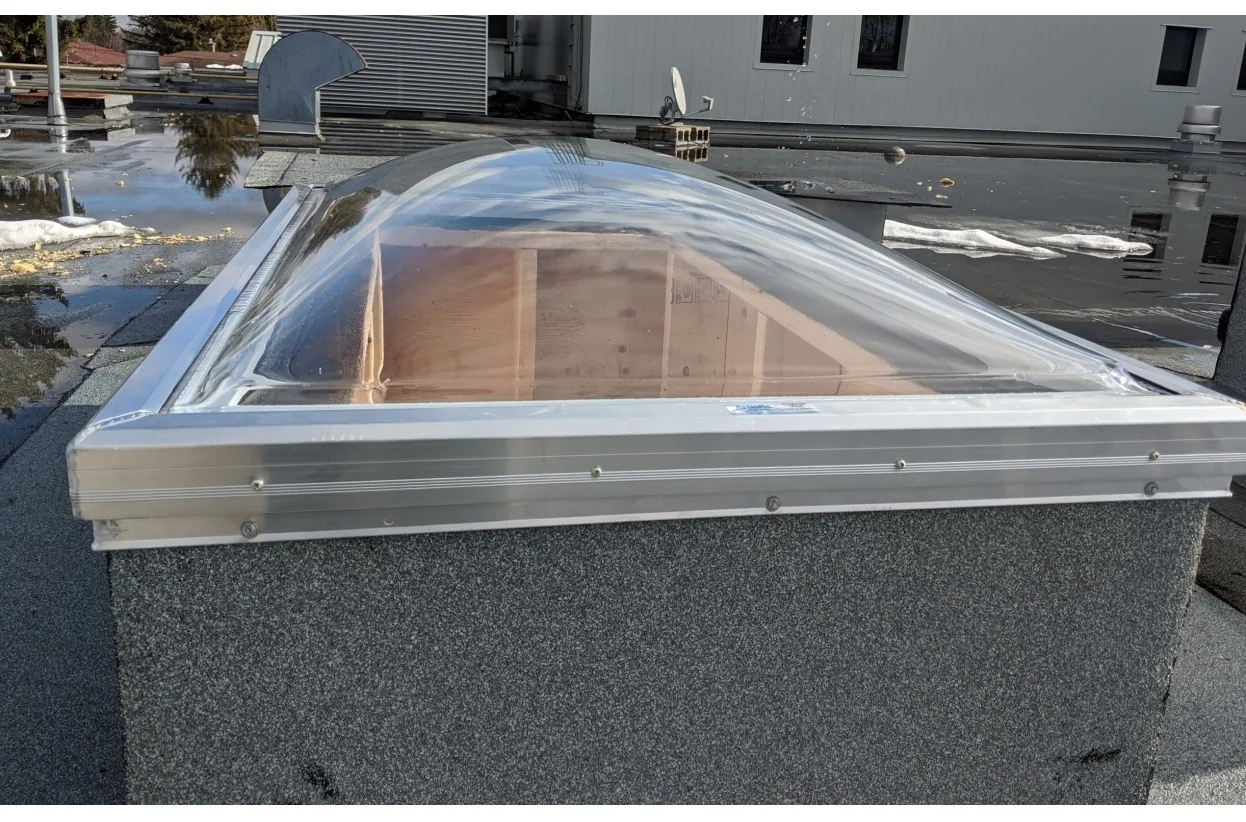
The equipment and its supports can interrupt runoff or reduce the access available for outlet maintenance. We examine flow around the curb, any new low areas and the condition of nearby flashing. Crickets or other slope adjustments may be needed where water is being held upstream. The review also checks that service routes and loose installation material have not obstructed primary or overflow openings.
Ready to review the roof scope?
Request a Roof Assessment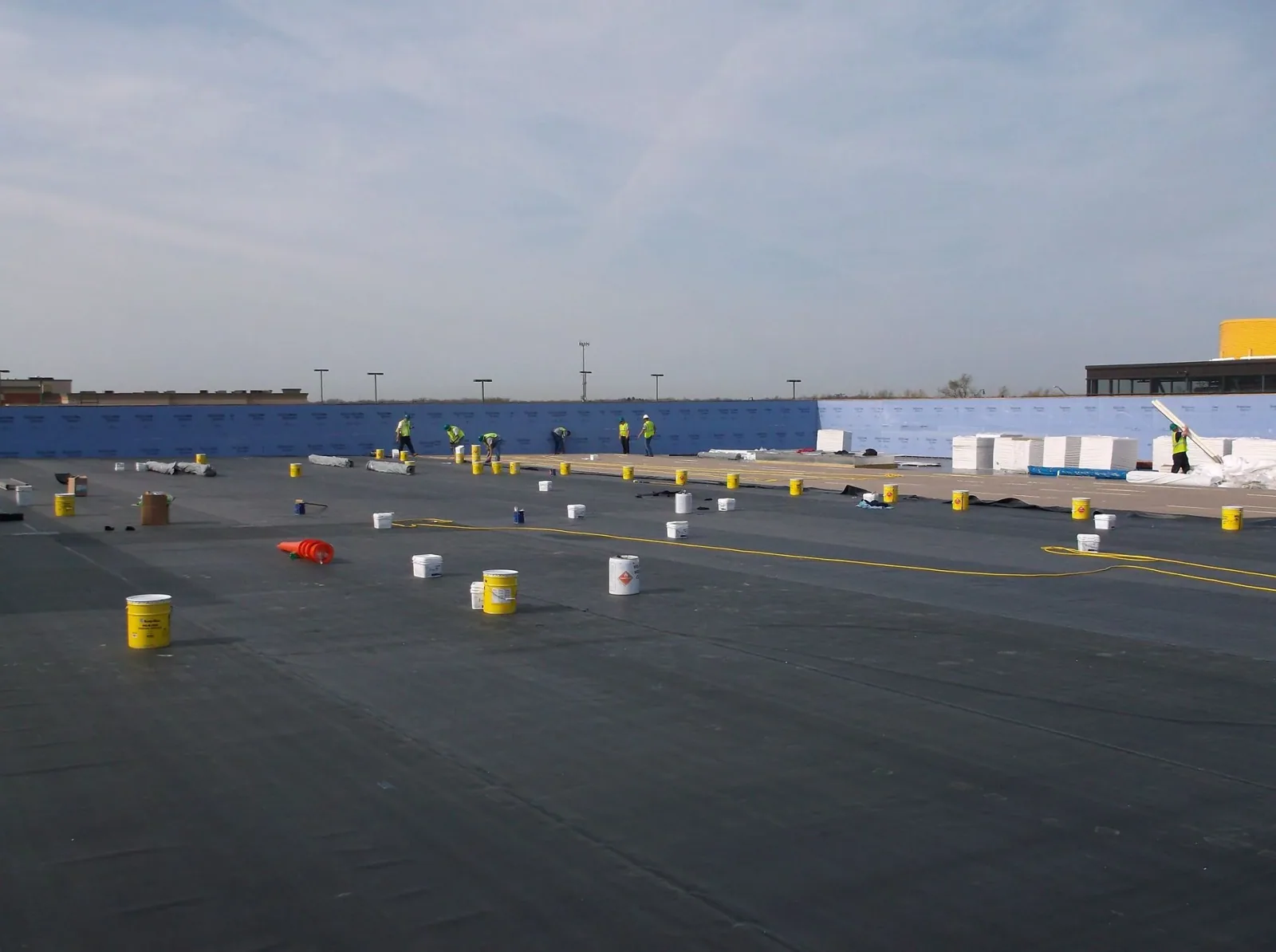
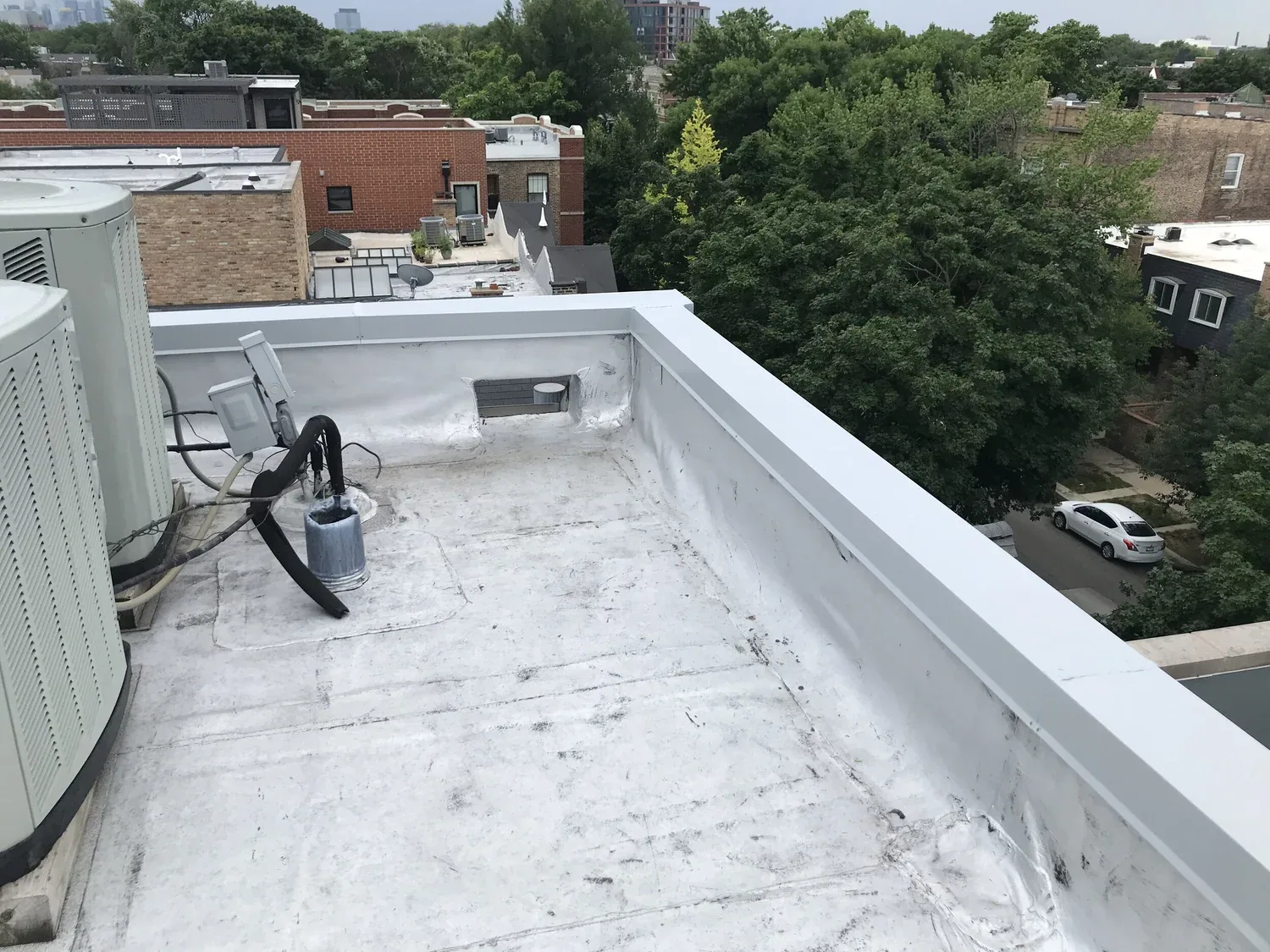
Commercial Roof Edge Metal, Coping and Gutters
See scope, options and what to expect on the roof.
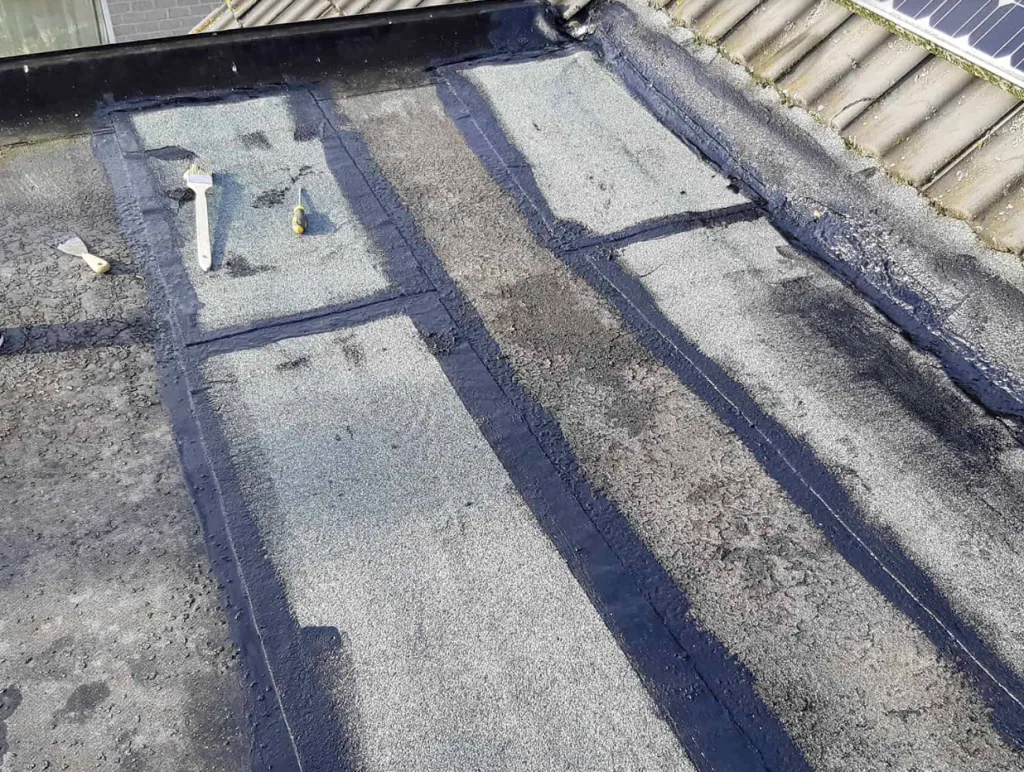
Commercial Roof Insulation and Cover Board
See scope, options and what to expect on the roof.