
Hot Metroplex afternoons change the response of exposed membranes and rigid roof details; an owner needs to know whether a moving curb connection is repairable or part of wider assembly deterioration. Commercial Roofing Irving connects the observed symptom to the roof area, adjoining detail and work that can responsibly follow. That distinction matters when balancing immediate water control against a larger repair or capital plan.
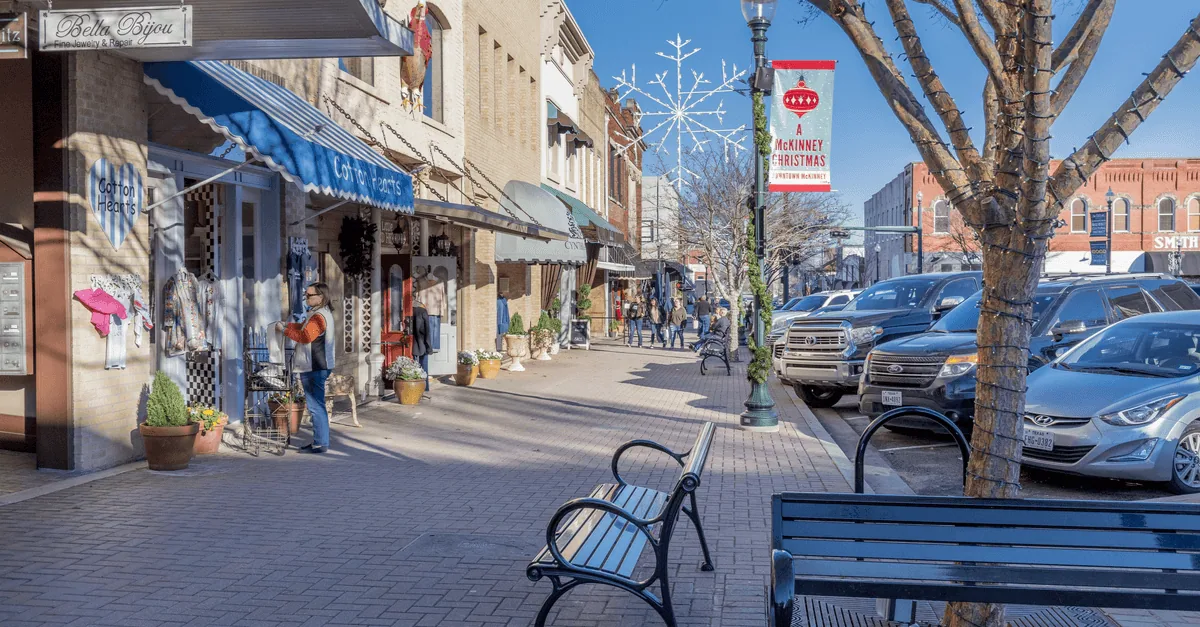
Las Colinas is a master-planned Irving community with commercial, residential, educational and retail uses. Its canals and walking paths are part of the district setting, not evidence about any individual roof. We approach each property on its own terms: confirm access, identify the covering and trace the water path before assigning a repair boundary. Our commercial roof inspection records what can be observed and what needs confirmation.
Which roof area explains the reported symptom?
A useful first visit separates the reported location from the point where water entered the occupied space. Water can travel along a deck, insulation interface or structural member before it becomes visible. We ask when the condition appears, what weather preceded it, whether it changes with equipment operation and what earlier repairs were performed. Those details help us choose where to inspect without treating a ceiling mark as a roof map.
On the roof, we identify the assembly where it can be determined, note transitions, penetrations and perimeter conditions, and follow drainage toward outlets. A repair evaluation also checks the condition of material expected to remain. A patch applied over an unstable surface or incompatible bond can move the leak without resolving its mechanism. If access is restricted or a portion is concealed, the report records that limit instead of implying that the entire area was cleared.
Nearby Las Colinas Urban Center is a distinct part of the broader community. Neither its name nor a neighboring district establishes a property's roof construction; the finding stays tied to the elevation and detail actually examined.
How does the assembly change the repair method?
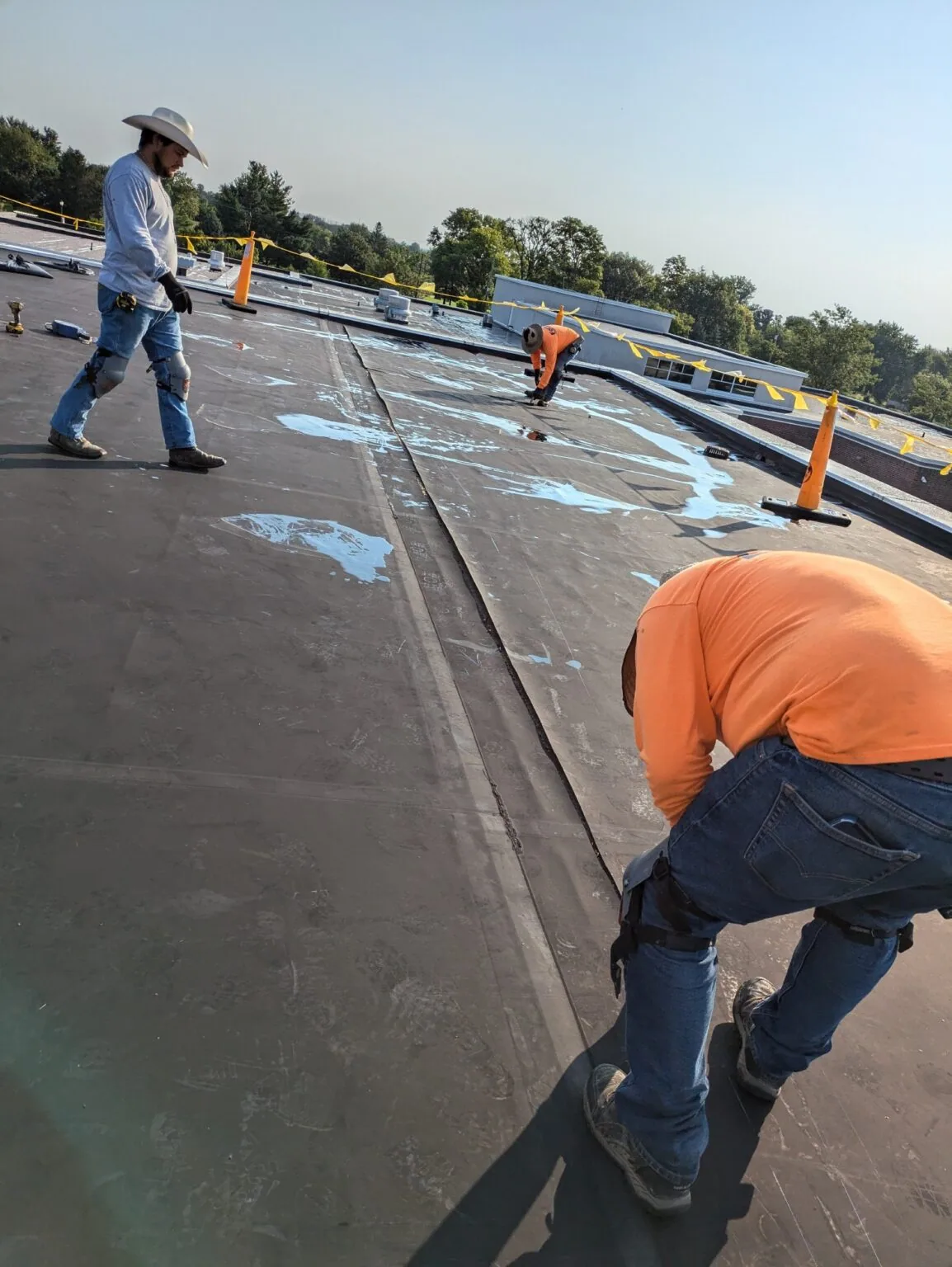
Different coverings ask different questions. On a single-ply field, seam condition, flashing terminations and attachment details may control the repair approach. A modified bitumen assembly calls for attention to laps and transitions; a metal roof requires a look at panel movement, fasteners and closures. The visible surface is only one part of the connection. We assess the adjoining material and the substrate where accessible before deciding whether a local repair has a sound boundary.
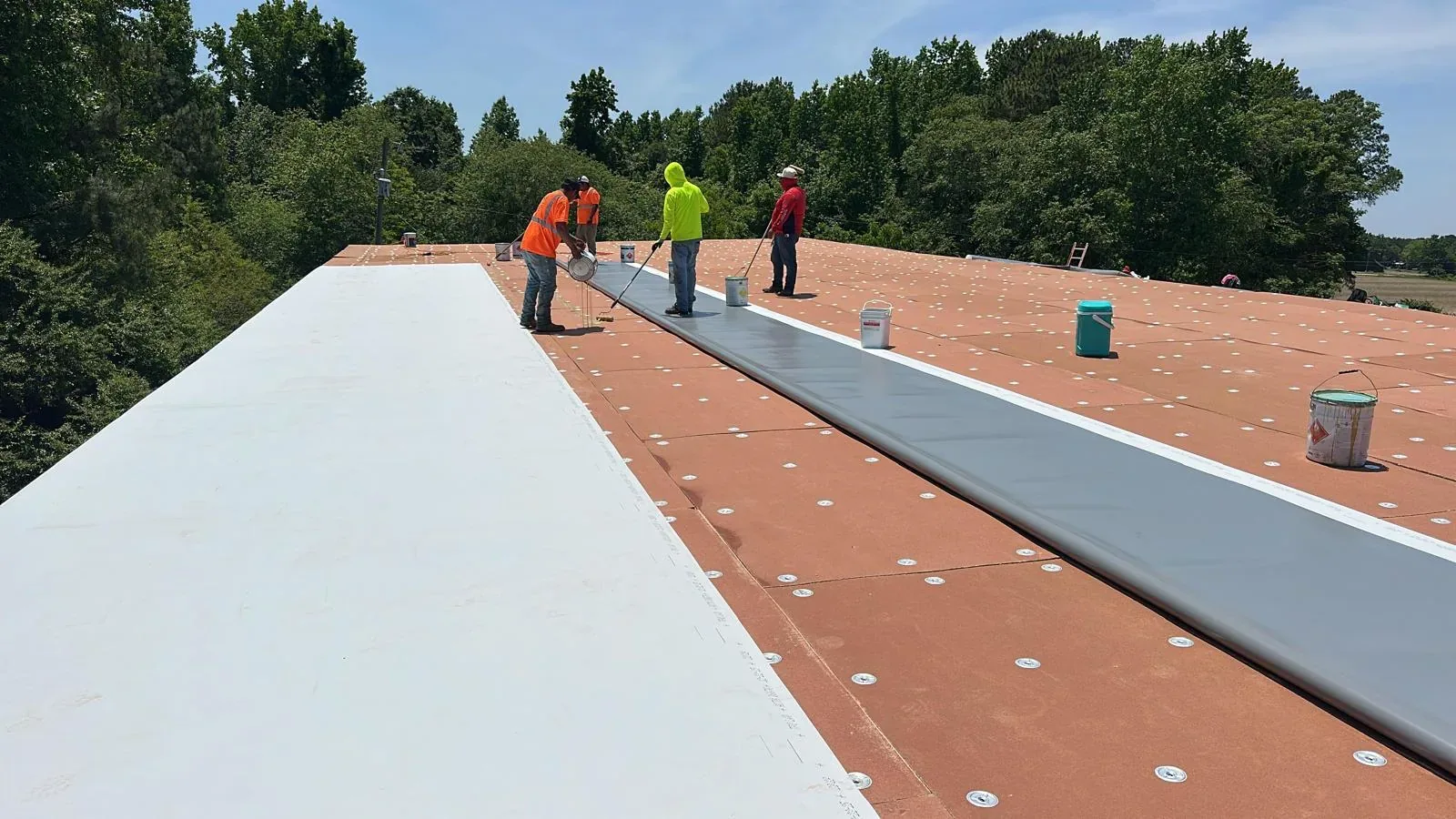
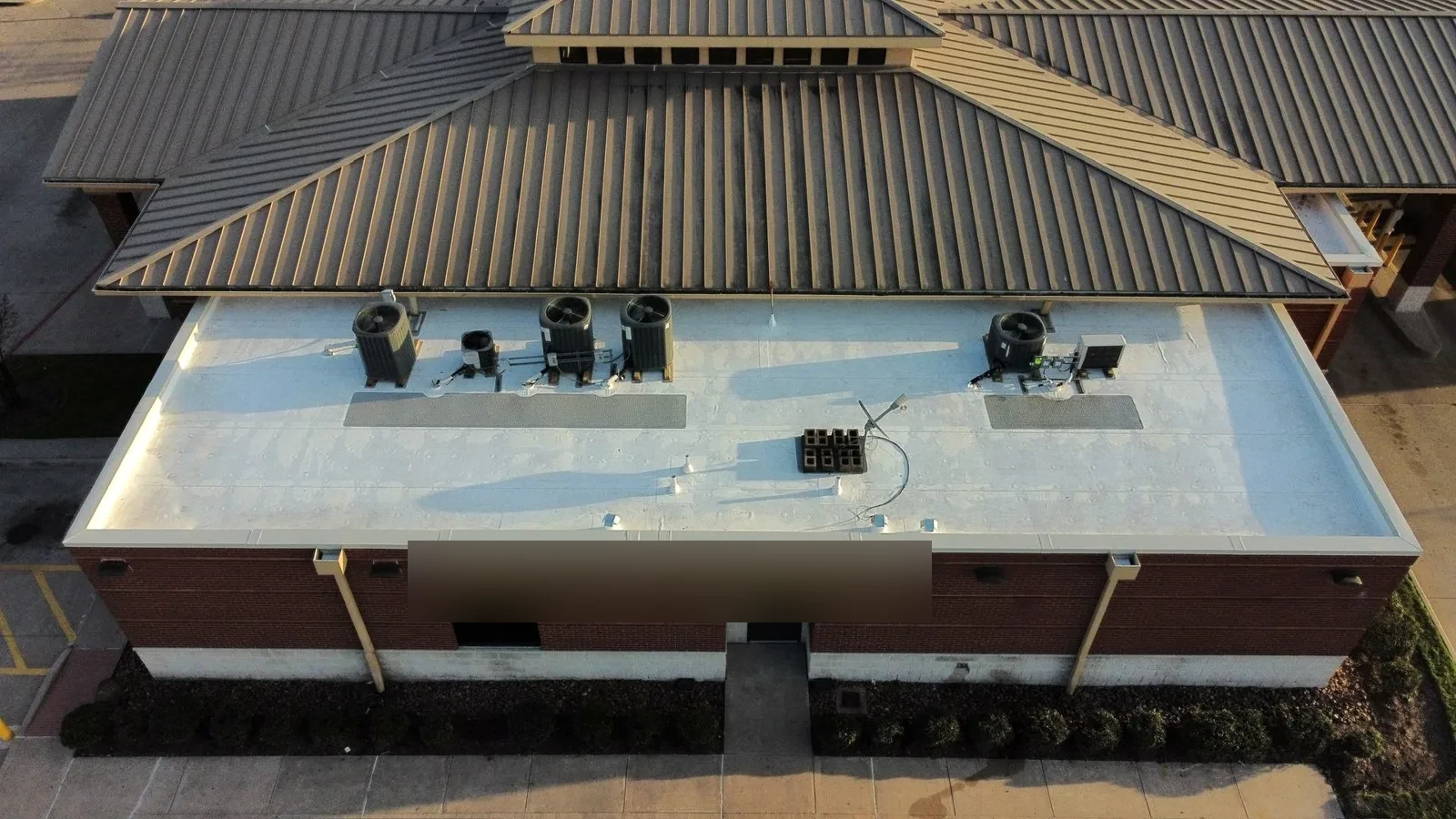
Where a roof is a candidate for TPO roofing, the comparison should include the existing assembly, drainage, attachment constraints and the details that will remain. A replacement plan is not a default response to every leak. It becomes more relevant when deterioration is distributed, previous repairs no longer provide a dependable boundary, or the owner needs to compare service life and disruption across alternatives. The written recommendation states what finding changed the scope and what assumptions still need verification.
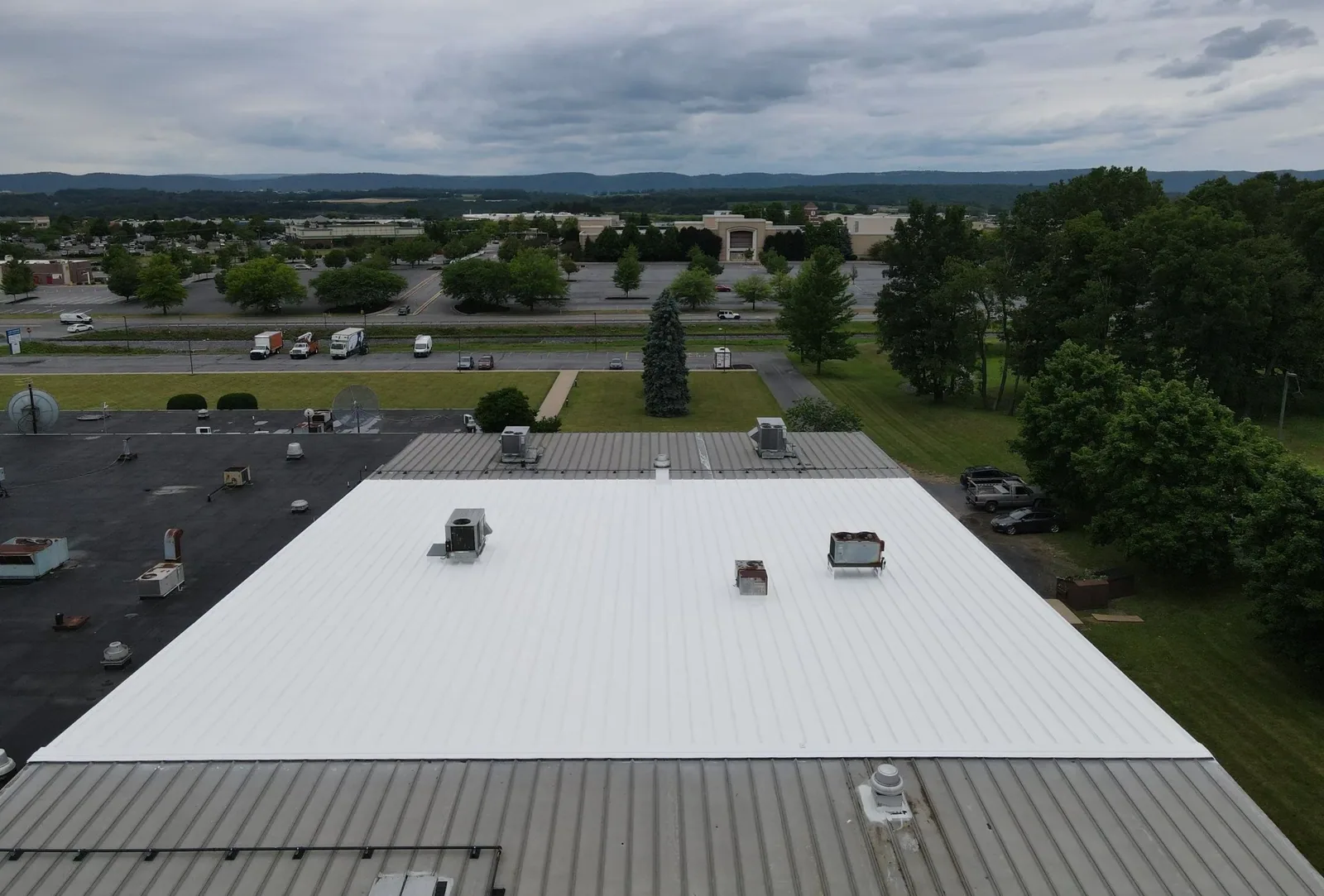
A coating assessment checks substrate, moisture, compatibility and detail repairs before pricing restoration. A coating cannot correct drainage or assembly defects beneath it.
Could drainage explain the retained water?
Water that remains after a storm is a clue to investigate, not a diagnosis on its own. We consider the elapsed time, the path to the drain, visible debris, changes in the roof plane and whether the outlet is open. A blocked inlet, a local depression and a broader slope issue call for different next steps. Photographs need a location reference and context so a manager can distinguish an observation from a conclusion.
At roof edges and wall transitions, we look for continuity from the field membrane into the termination, along with secure counterflashing where present. A flashing repair may be limited if the supporting surface remains suitable. If water has reached concealed materials, a controlled opening may be needed to define the repair footprint. We explain the proposed opening, protection of the exposed area and the condition that would expand or reduce the work.
Regional hot summers add thermal cycling, but do not prove why a particular split occurred. We check movement, material compatibility and attachment before selecting a correction that restores the connection.
How will work affect building operations?
Commercial buildings often need to remain in service while roof work proceeds. Before mobilization, we identify access routes, loading limits, tenant schedules, sensitive interior areas and the location where materials can be staged. The owner and contractor can then coordinate notifications, temporary protection and daily closeout.
A defined work sequence can separate noisy removal, adhesive or welding operations, inspections and final cleanup. If the roof is open at the end of a shift, the plan needs a secure temporary condition and a documented handoff. For an occupied-building reroof, we discuss how each phase affects entrances, equipment and interior protection. The property manager can identify blackout dates or operational constraints before a proposed schedule becomes a commitment.
For multi-building work, consistent roof-area identifiers track completed sections and unresolved conditions. We review concealed conditions with the owner before expanding scope, so cost and schedule changes follow visible construction.
Which option fits confirmed deterioration?
Owners need a clear reason for each alternative. A localized repair can make sense where the defect is bounded and the surrounding assembly remains serviceable. Restoration may be worth evaluating when the substrate and details can support it. Replacement enters the comparison when the condition is broader or the expected performance of retained materials is difficult to defend. These options should not be presented as interchangeable line items without explaining the condition each one addresses.
We describe the repair area, preparation, tie-ins, access requirements and any work that depends on confirmation. Cost and timing can change with roof height, access, existing layers, moisture extent, drainage corrections, occupied-space protection and material lead time. An early budget is a planning range until field quantities and assembly conditions are verified. A roof capital plan can place a near-term repair beside longer-range alternatives while preserving those assumptions.
Warranty eligibility and manufacturer requirements depend on the actual system and contract. We identify documents and questions needing written confirmation instead of assuming a repair preserves coverage.
What should the owner retain at closeout?
Closeout should show what was done, where it was done and what remains open. We provide location-based photographs, a description of completed details and any deviation agreed during the work. If a repair did not expose the full extent of a concern, that limit belongs in the record. A later inspection can then start from the actual construction rather than repeat a guess based on an old leak mark.
Las Colinas is one district in Irving; Valley Ranch is another. The roof record should travel with the property if management changes. A condition report separates observations from recommendations and open questions.
When requesting an assessment, share leak locations, prior repairs, roof plans and operating constraints. We can discuss access and a first scope that separates a repairable mechanism from wider deterioration.
Commercial Roofing Questions
Can a leak be repaired from the visible ceiling stain?
A ceiling stain locates where water became visible, but water may travel first. We trace paths above, inspect nearby penetrations and compare timing with weather and building operations. If concealed construction prevents a reliable repair boundary, we explain the confirmation needed rather than promise a surface patch will solve it.
What should an owner have ready for the first roof visit?
Leak dates and locations, prior repair notes, drawings and roof access instructions help focus the visit. Note tenant schedules or equipment constraints. Missing records do not prevent an inspection, but may leave assembly history uncertain. We identify that gap when it affects the decision.
When should a coating be compared with replacement?
Confirm the existing roof is suitable, sufficiently dry and compatible with restoration. Drainage and detail repairs still matter. If adhesion, substrate or moisture conditions do not support a coating, compare replacement or selective reconstruction. We explain the evidence and assumptions behind each option so cost and expected service can be weighed.
Will roof work require the building to close?
Access, noise, odors, staging and interior protection shape the sequence. We review operating schedules, separate disruptive tasks and identify entrances, tenant coordination and protected areas. If work leaves a temporary opening, the plan specifies a secure end-of-day condition before crews leave.
Ready to review the roof scope?
Request a Roof Assessment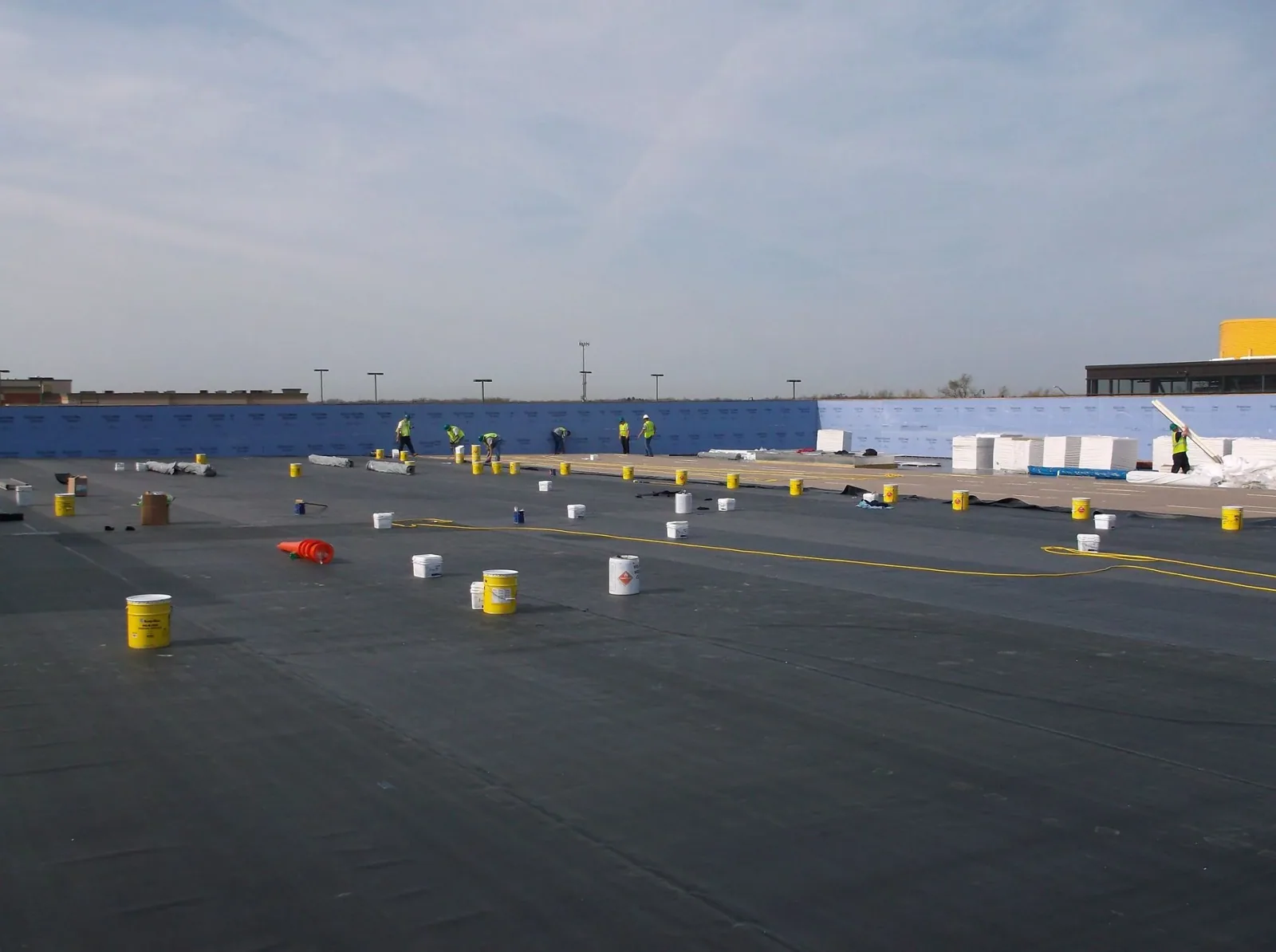
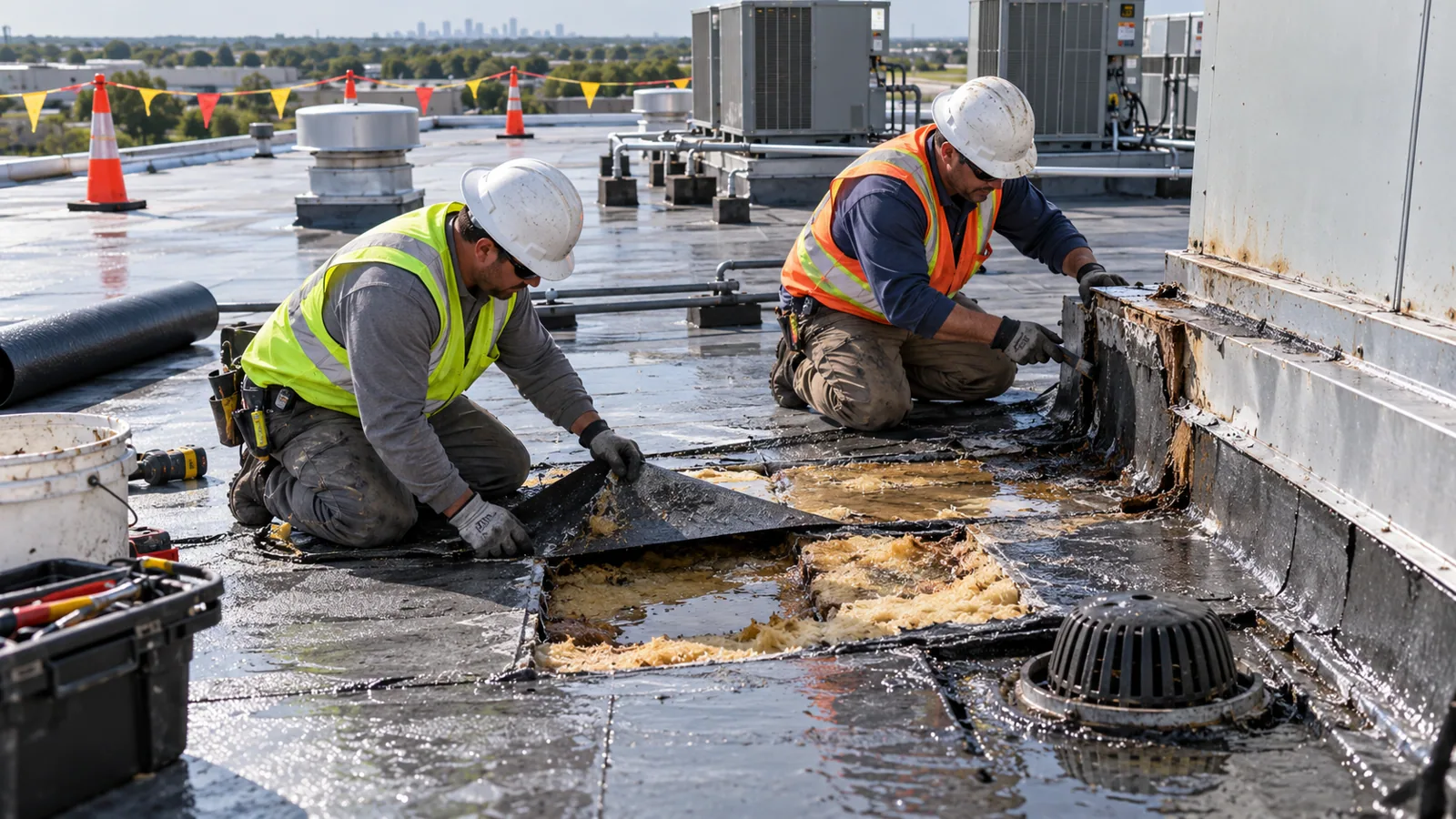
Commercial Roof Flashing Failure Repair
See scope, options and what to expect on the roof.