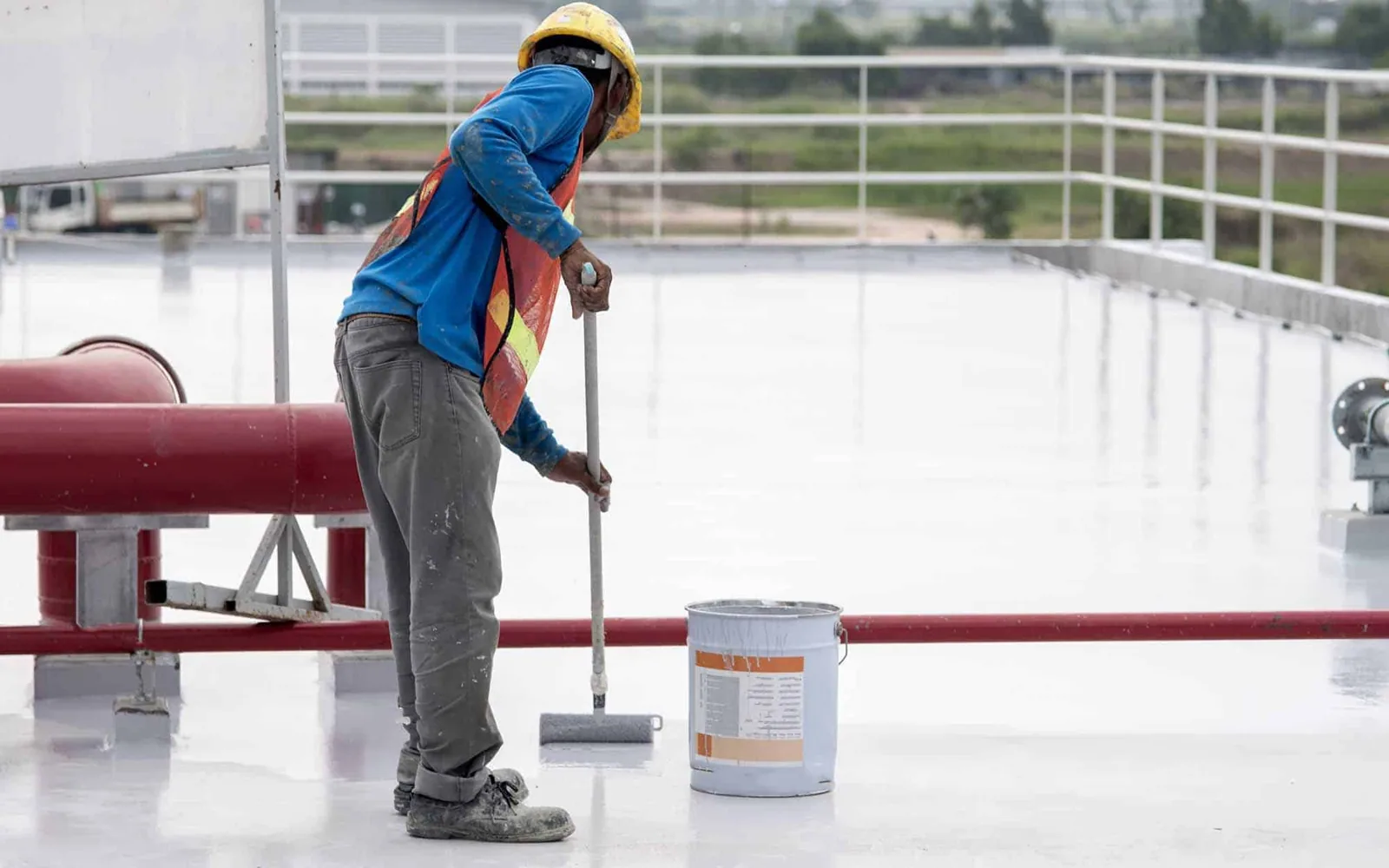
Solar heating and cooling can keep working on a roof seam beneath a reflective coating, so restoration needs a sound connection before the new surface is applied. For a commercial roof in Irving, TX, the choice starts with substrate condition, compatible bonding and the movement the covering must accommodate. Commercial Roofing Irving evaluates those conditions before comparing a coating system with repair, recover or replacement.
Hot summers are part of the Dallas/Fort Worth regional climate, while spring and fall bring wetter periods. A suitable restoration must therefore address both surface exposure and water continuity at details. Commercial buildings along the North Irving Belt Line corridor and offices in Las Colinas have different access needs, but neither use establishes that its roof is dry or suitable for coating. We make that determination through examination of the existing assembly.
What must remain sound below the coating?
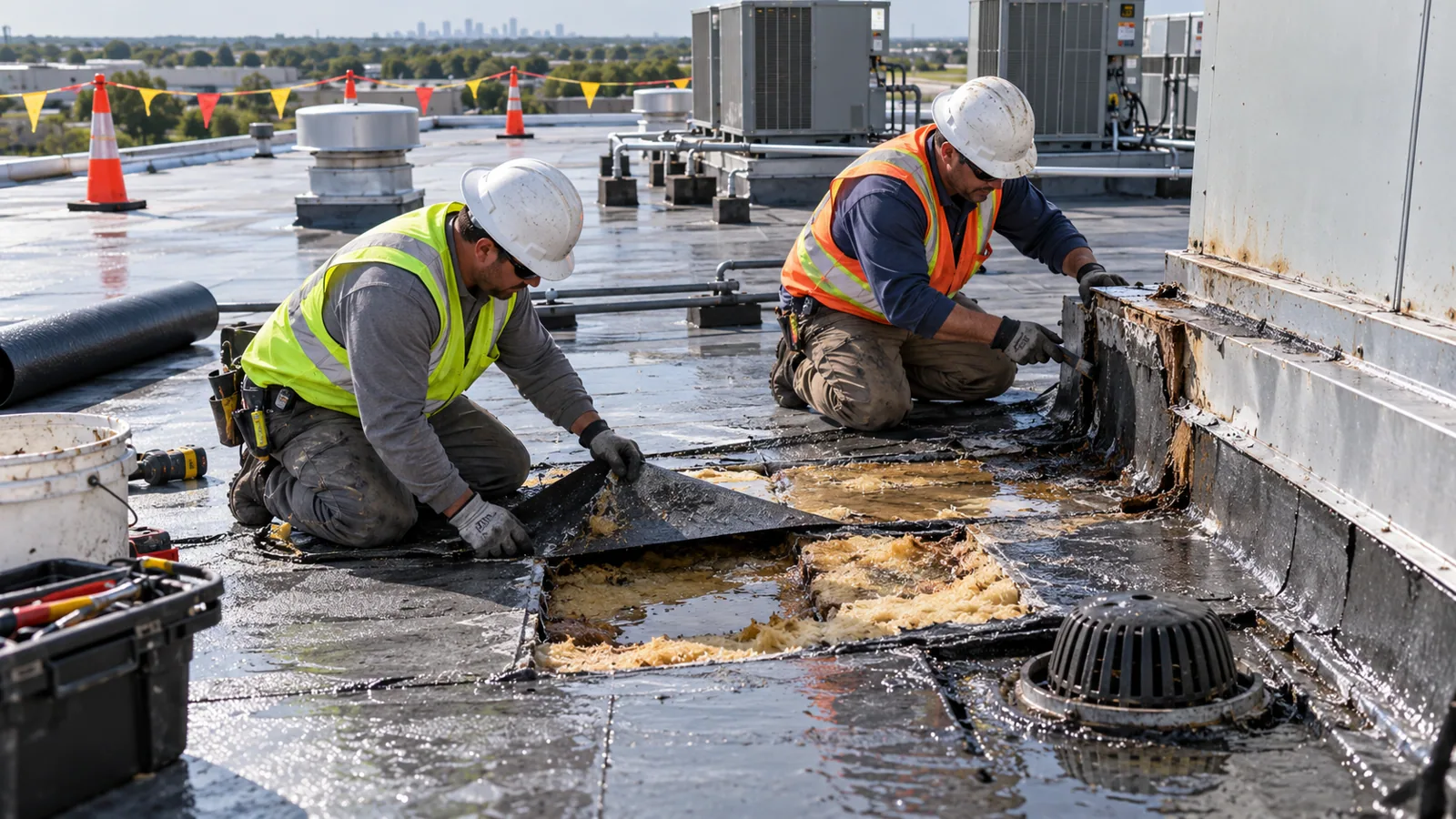
A coating relies on the material beneath it for support and attachment. Loose membrane, deteriorated seams and wet insulation require evaluation before restoration can be selected. We examine whether the field remains workable, whether repairs can establish suitable connections and whether concealed moisture has changed the supporting layers. A sound surface over wet insulation can still present an unsuitable retained assembly, so visible appearance is considered alongside direct findings.
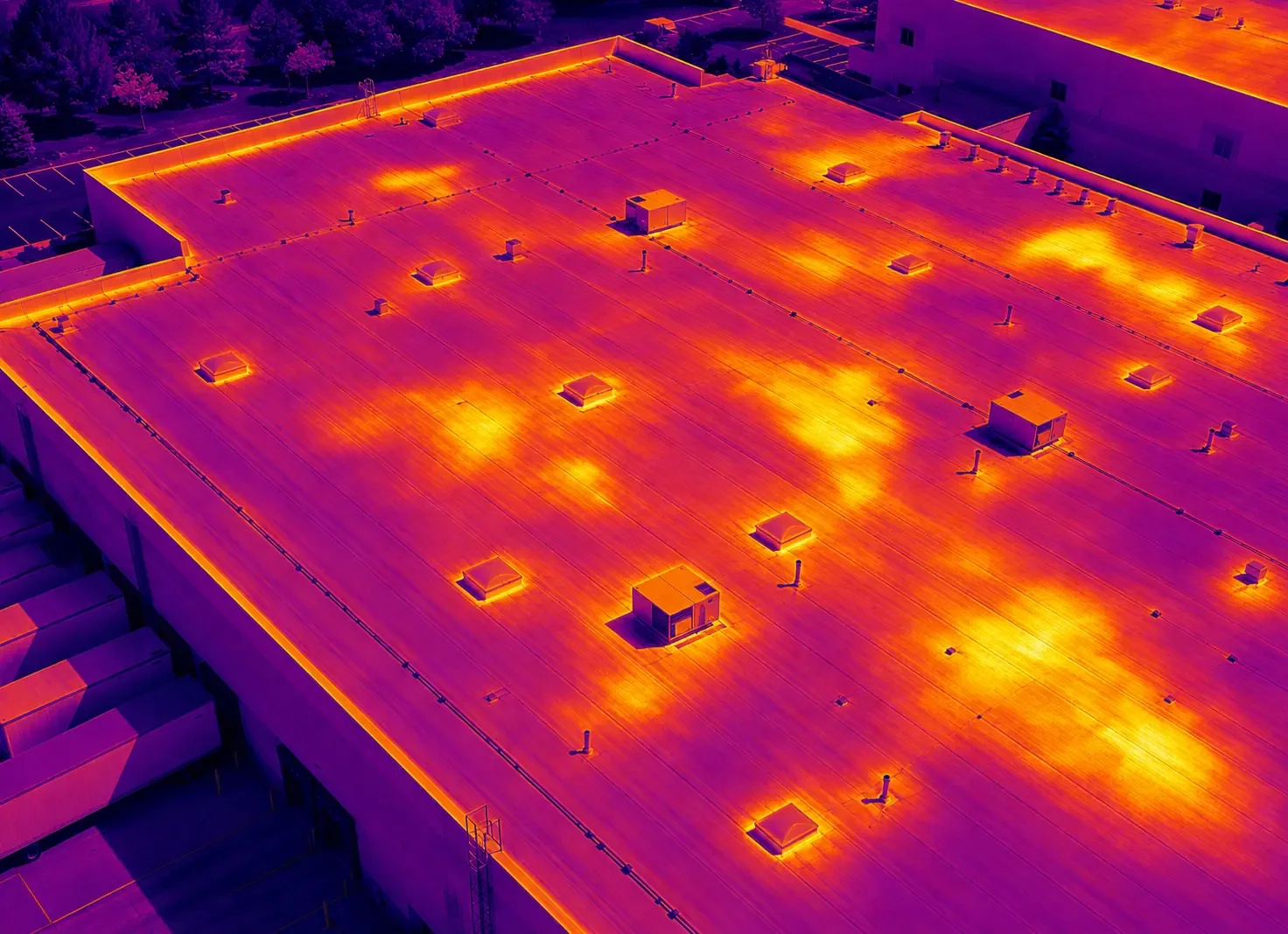
An infrared and core-cut investigation can help define suspect moisture areas where the roof and weather support that method. Confirmed wet material is considered for removal and reconstruction before coating. Where deterioration extends widely or dependable bonding cannot be achieved, roof replacement may provide a more suitable assembly comparison. Restoration should preserve useful materials, not hide a condition that prevents the new system from performing as intended.
How do we establish a compatible bond?
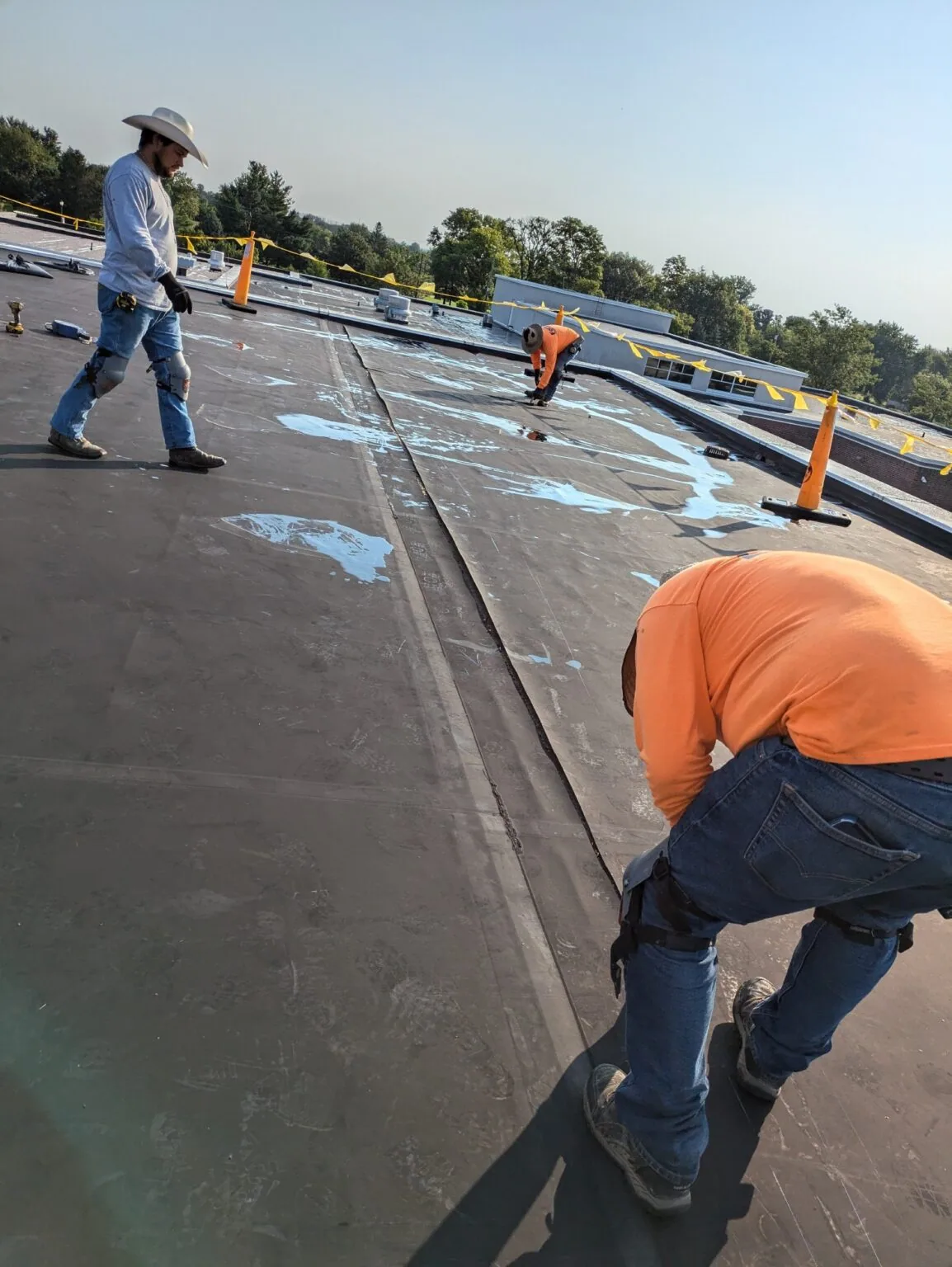
Surface preparation removes contamination and unsuitable material so the selected coating can adhere to the actual roof. Cleaning methods need to suit the existing covering, and the roof must reach the required condition before application. We evaluate compatibility and use adhesion checks appropriate to the proposed system. A clean-looking surface can still contain residues or deteriorated material that interfere with bonding, which is why preparation is part of the work rather than an incidental step.
Primer selection, where needed, follows the substrate and coating requirements. Old repairs may introduce different materials within one roof field, requiring separate preparation or removal. We identify those changes before application and examine whether the coating can connect across them without relying on an unsuitable interface. The application plan also considers surface moisture and temperature, because hot air conditions do not necessarily mean the roof is ready for bonding or that an adhesive interface will develop as required.
Which details need rebuilding before the field is coated?
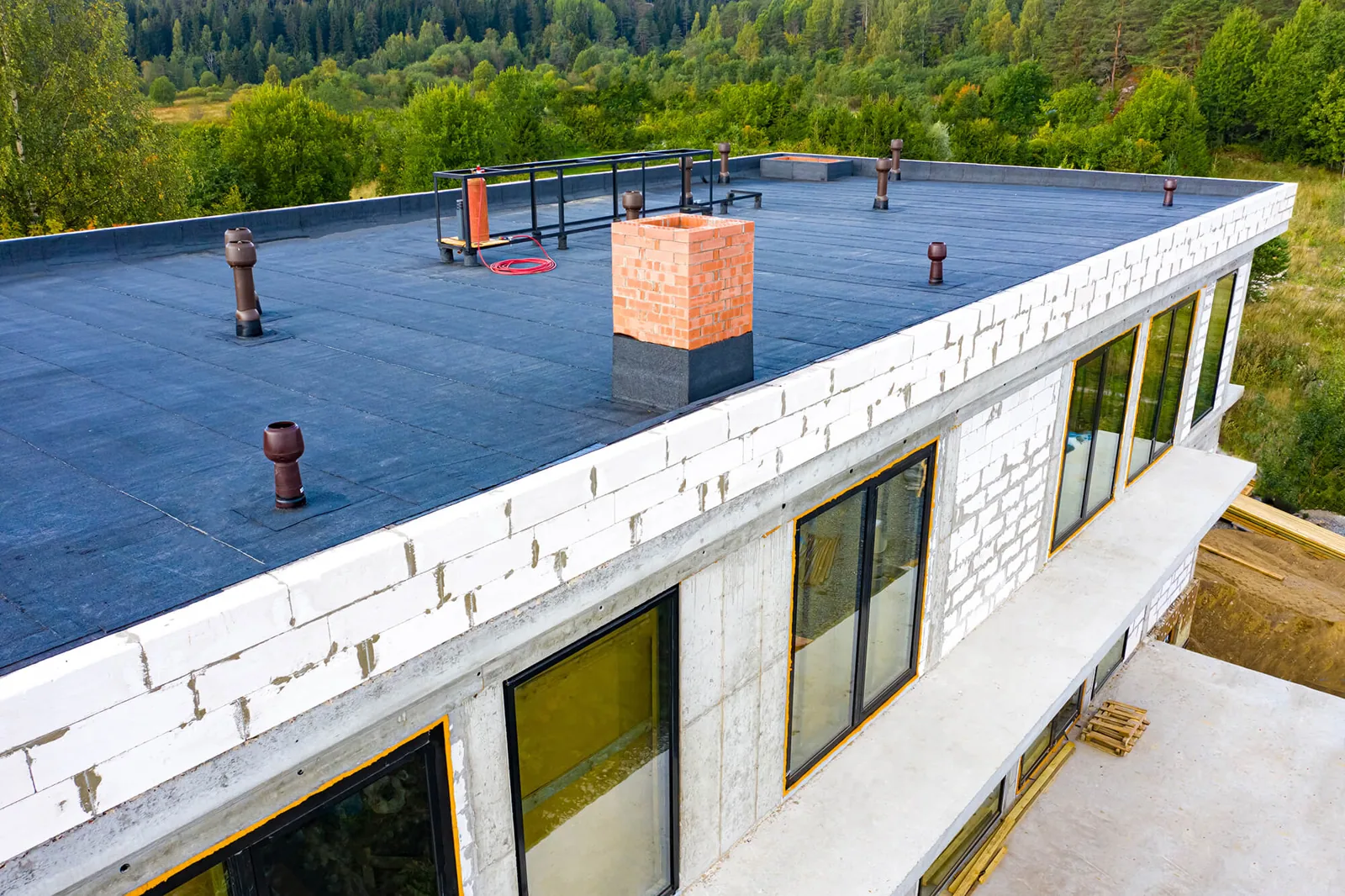
Seams, corners and penetrations concentrate movement and water exposure differently from the open field. We repair those connections and incorporate reinforcement or detail treatments appropriate to the selected system. A split under tension may need reconstruction of its support or movement allowance rather than coating over the opening. Seam repair therefore precedes field application where the connection itself has failed.
Drain bowls, scuppers and perimeter transitions need continuous connections without obstructing flow. We inspect them before coating and keep outlet openings usable throughout the work. Metal corrosion and loose components also require separate assessment; a coating cannot restore missing fastening or reverse loss of metal section. Where the detail cannot be reached beneath equipment, access or lifting may be required to prepare and reconstruct the concealed connection before the restoration is completed.
How do coating choices respond to the roof exposure?
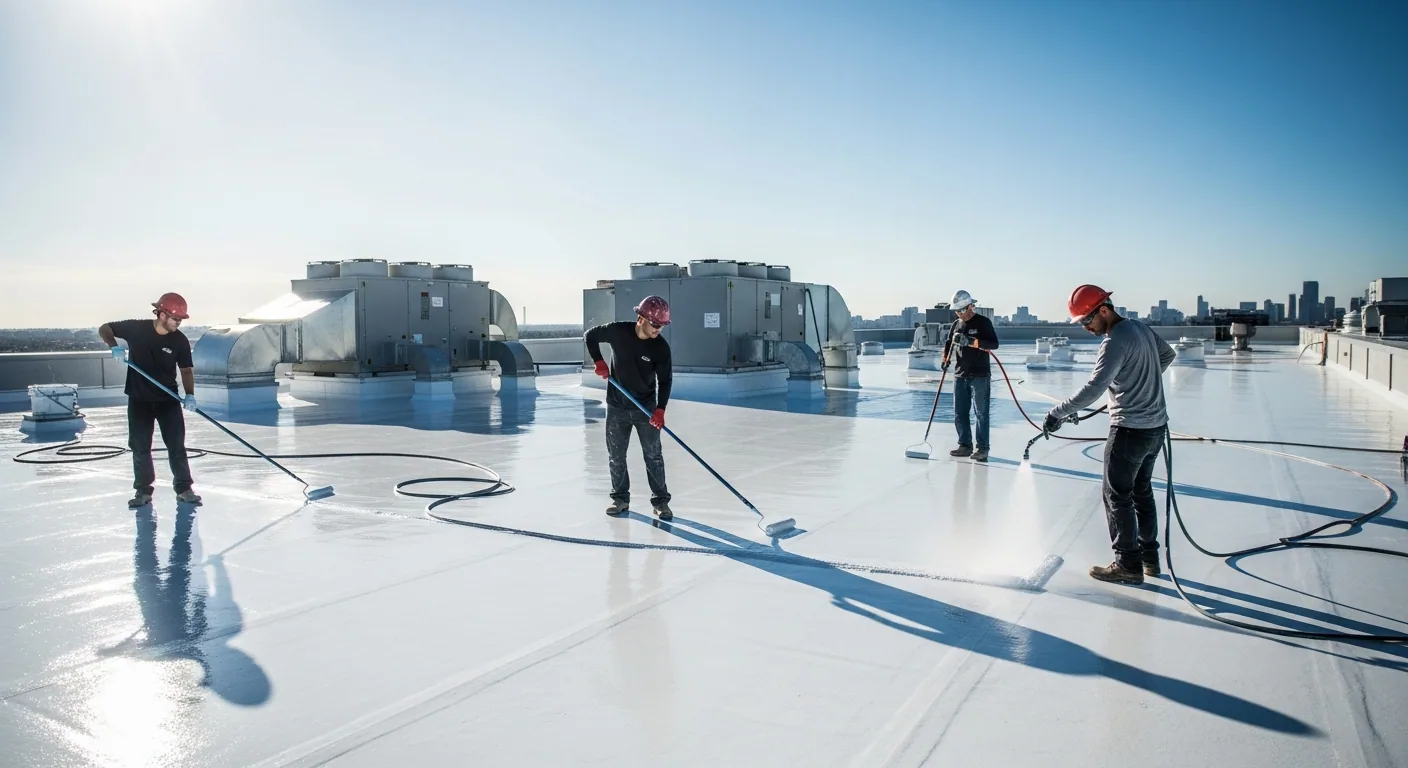
Silicone coating systems and acrylic coating systems have different application and exposure requirements. We compare the selected product's suitability with drainage conditions, substrate compatibility and expected service traffic. A reflective finish can reduce solar absorption, but that surface characteristic does not settle attachment, wet insulation or the continuity of a curb detail. Those conditions remain part of the restoration decision.
Coverage and cured thickness must follow the selected system, with the surface profile and detail complexity considered during application. Thin areas at texture peaks or transitions can leave less protection than the field appearance suggests. We check application conditions and the work as it progresses, including the drying or curing time needed before weather or traffic exposure. Walkway planning may be necessary where equipment service would otherwise concentrate wear on the restored covering.
Application at a drain approach also needs control of the transition thickness so the finished surface does not create a ridge that retains runoff. We examine those local changes separately from the broad field coverage during the work.
What drives the restoration cost and schedule?
Preparation, wet-material removal, detail repair and application requirements drive restoration cost. A relatively sound field with accessible details presents a different scope from a roof with many prior patches, corroded metal or short curbs. We distinguish those items so the owner can compare restoration with another roof option on the same condition basis. Reducing demolition can be useful, but the comparison should include the repairs necessary to make the retained assembly suitable.
For North Irving Belt Line commercial properties, entrances and daily retail circulation need separation from material handling. We coordinate surface preparation, equipment access and any odor-sensitive operations before application. Weather windows must accommodate preparation and cure, not merely the time needed to spread the coating. The wetter regional spring and fall periods can affect that sequence, so unfinished details and exposed repair areas require protection if weather interrupts the work.
After restoration, maintenance examines runoff paths, coating wear and the condition of reconstructed details. Service traffic or equipment changes can create new damage, and accumulated debris can prolong water exposure. We identify those ongoing care needs with the completed work so the restored system remains accessible for examination and any compatible repair needed later.
Commercial Roofing Questions
Can coating cover a roof that already has several wet spots?
The wet-material extent needs examination before selecting restoration. Localized removal may allow the assembly to be rebuilt into a suitable substrate, while connected moisture can make broader removal more practical. We compare direct findings with the proposed coating requirements. Sealing the surface over deteriorated insulation would leave that condition beneath the new covering and may complicate later investigation.
Does a reflective coating correct heat-related seam movement?
Reflection changes solar absorption at the surface, but the seam still needs a sound connection and suitable movement allowance. We examine why it opened and reconstruct the detail where necessary before coating. A coating system can then provide the selected surface treatment over prepared materials. It should not be relied on to correct membrane tension, loose fastening or an unsupported corner by itself.
Will ponding areas need correction before restoration?
Drainage and the selected system's requirements guide that scope. We examine blocked outlets, local depressions and the duration of retained water, then identify suitable correction. Some changes involve cleaning, while others require outlet or insulation reconstruction. Product suitability for water exposure is considered separately from whether the building's drainage condition should be improved before investing in the restored surface.
Can the roof be serviced after the coating is installed?
Equipment access remains necessary, with protection suited to the restored system and traffic route. We plan walkway areas and discuss how technicians can avoid punctures, abrasion and debris accumulation. Repairs after service work need compatible materials and preparation rather than an unrelated sealant applied to the coating. Keeping the access route and detail locations clear supports future examination as well as daily operations.
Ready to review the roof scope?
Request a Roof Assessment