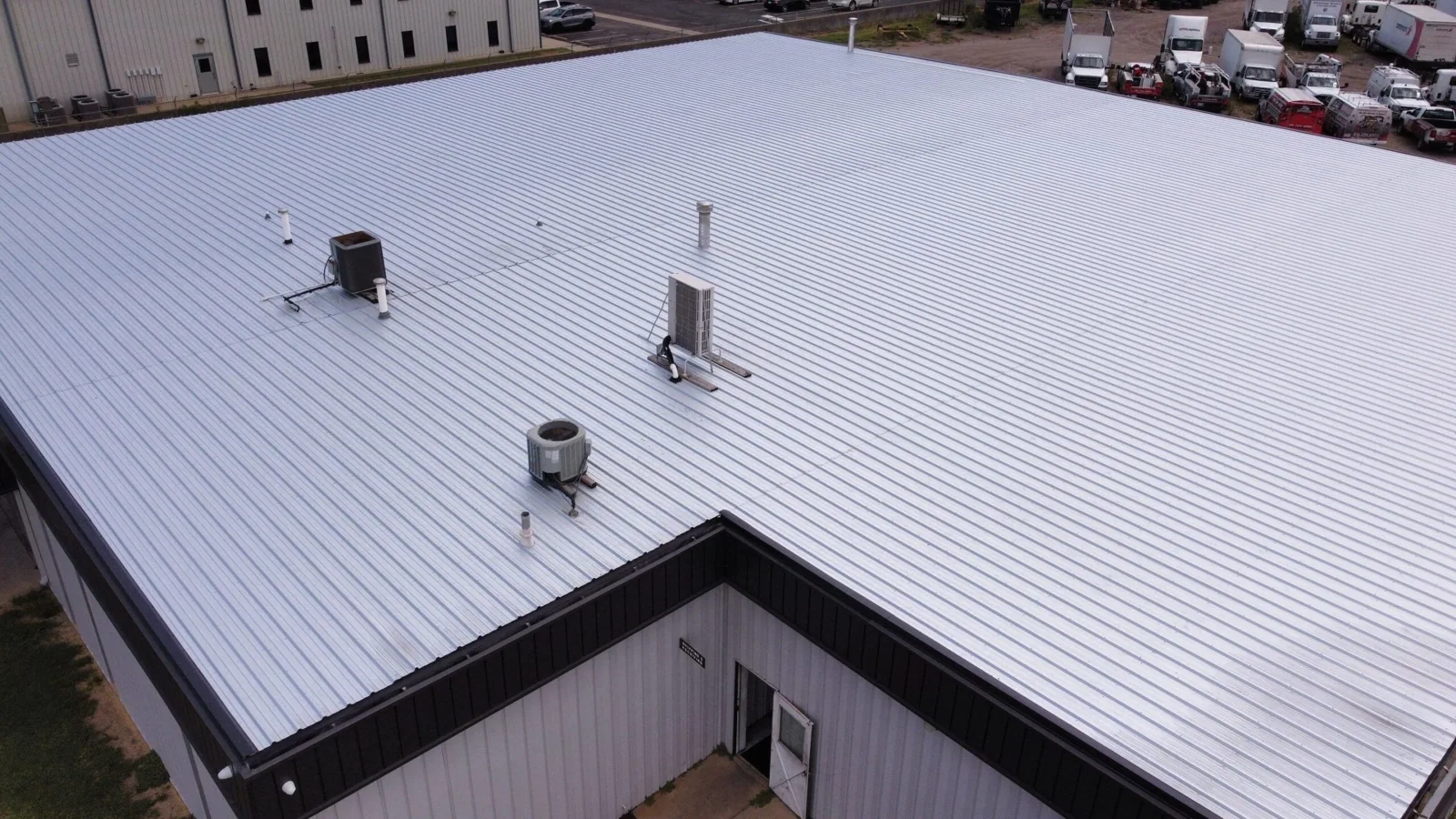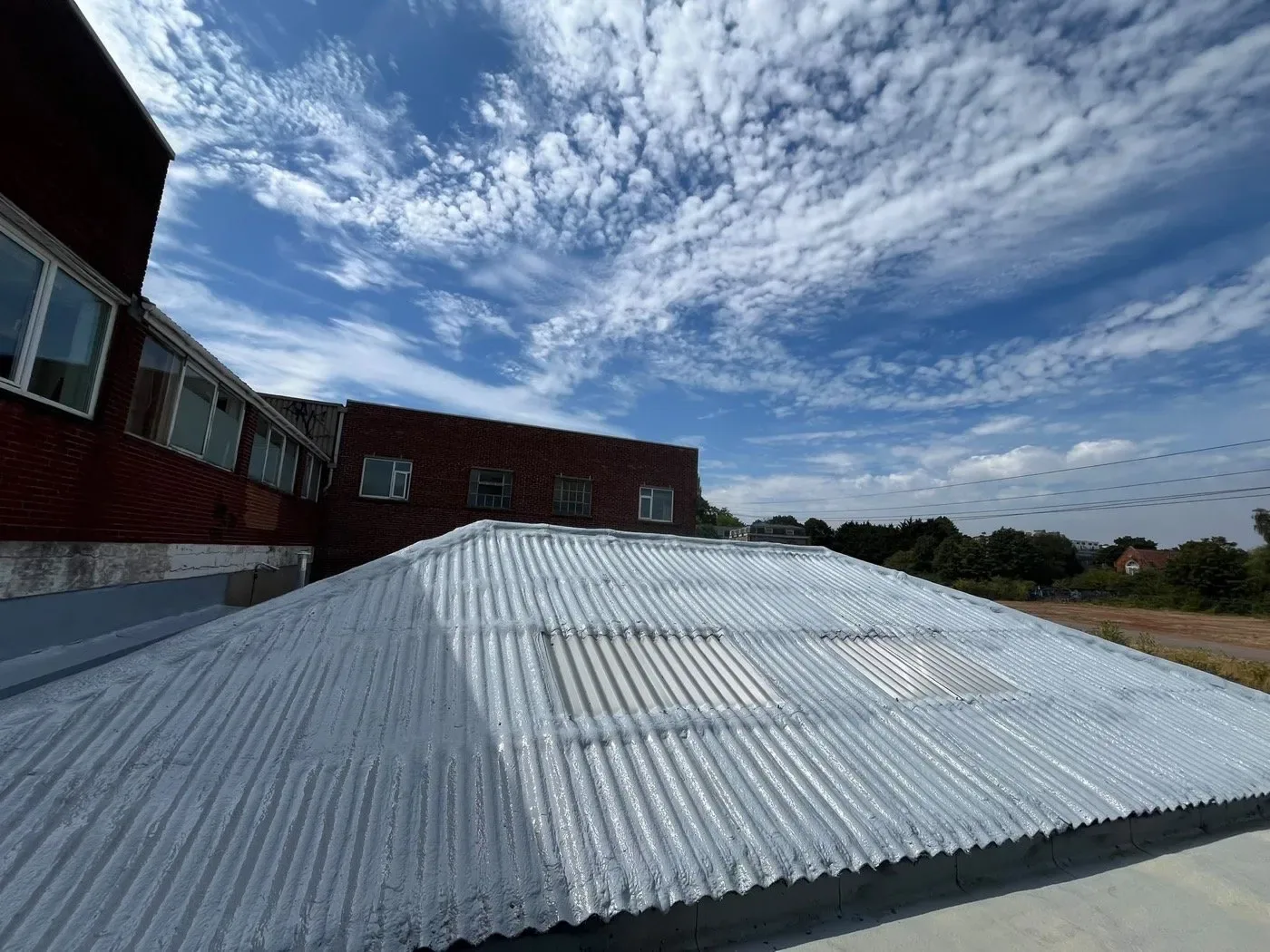
Evaporation during application and solar exposure during service affect an acrylic roof coating in different ways, making the installation window as important as the reflective finish. Acrylic coating restoration in Irving, TX, requires a substrate and weather conditions suited to the selected system. Commercial Roofing Irving examines the roof, repairs unsuitable details and plans preparation before field application begins.
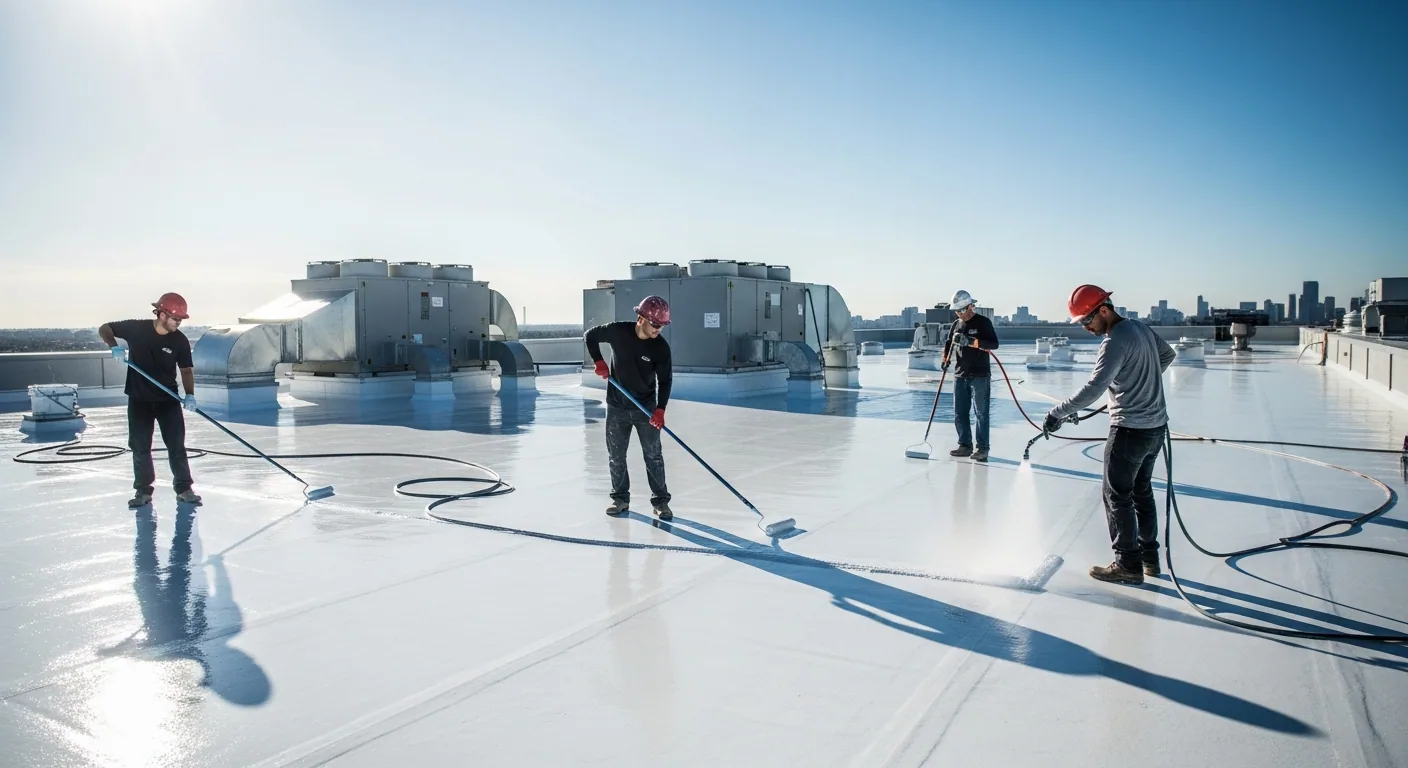
Regional summers in Dallas/Fort Worth are hot, while spring and fall generally receive more rain than the drier seasonal periods. Summer heating affects the finished surface, while rain and humidity affect the time available for preparation and drying before application. Commercial properties in Valley Ranch and office and retail uses in Las Colinas require assessment of moisture, drainage and occupied operations before restoration is compared with another roof option.
What conditions let the coating dry as intended?
The selected acrylic product establishes application and drying requirements, including temperature, moisture and exposure limits. Humidity, surface water, shade and changing weather can affect the available window. We assess the roof condition and product requirements together rather than relying on a warm air temperature alone. The plan needs enough suitable time for preparation, application and the required drying before rainfall or service traffic reaches the new material.
A surface may remain wet after nearby exposed areas have dried, especially at drains, shaded equipment or textured repairs. We examine those local conditions before proceeding. Where the window is unsuitable, timing or method needs adjustment instead of applying the coating to meet an arbitrary schedule. Occupied roof work planning also considers entrances, equipment and odor-sensitive operations, with the material requirements kept intact while the activity is coordinated.
We revisit shaded outlet areas during preparation rather than treating their drying condition as identical to the exposed field.
How should the roof be prepared for an acrylic bond?
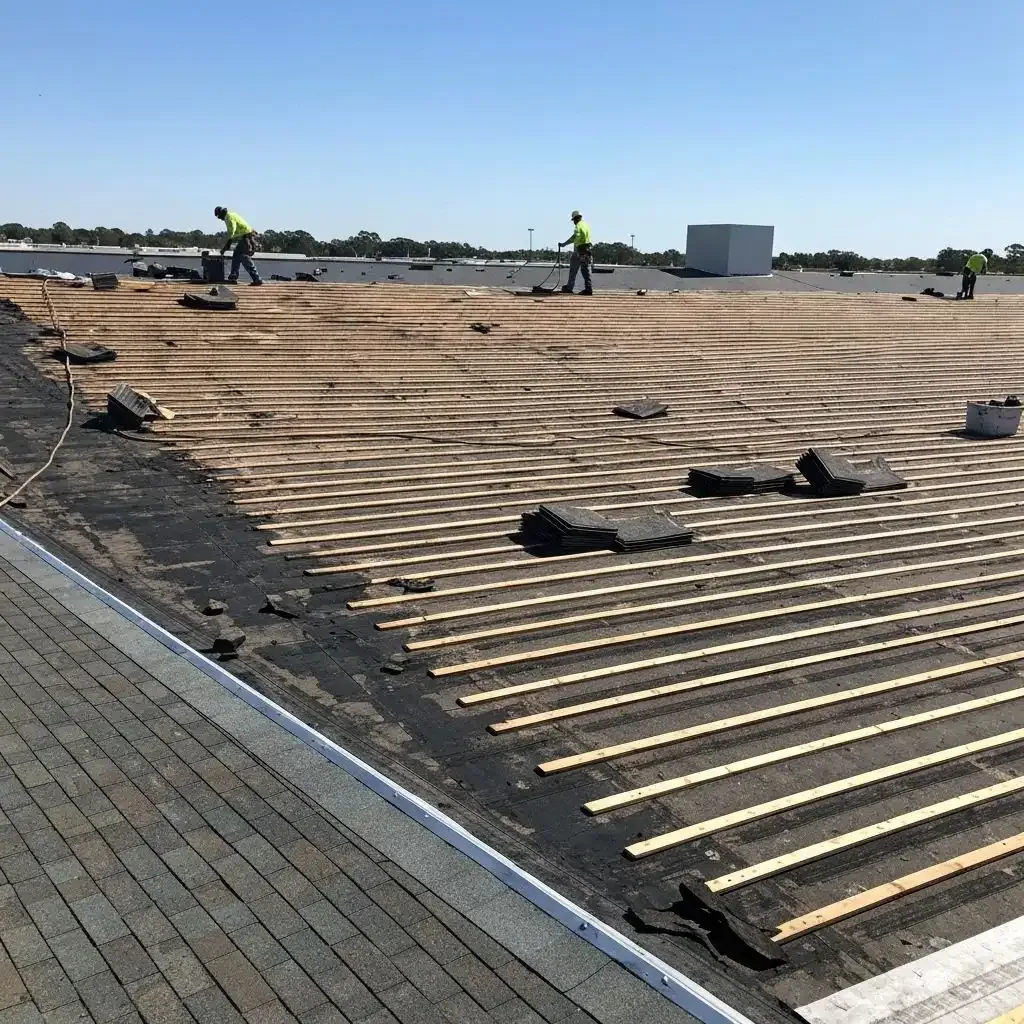
Cleaning removes contaminants and loose material, but preparation also needs to address compatibility and deteriorated surfaces. We identify the substrate and prior repair products before selecting a primer or other system-appropriate treatment. Adhesion checks can help assess whether that preparation creates a suitable interface. A bright or freshly cleaned surface is not enough if the material beneath remains loose, wet or unsuitable for the proposed coating.
Restoration assessment separates field preparation from removal and reconstruction that the existing roof needs first. Old patches can require different treatment or removal to reach suitable material. Surface profile also affects coverage, with rough or porous areas needing attention to the selected application requirements. The coating should connect across a stable prepared roof rather than become the only layer holding a deteriorated finish or loose repair together.
What water exposure is the selected system suited to?
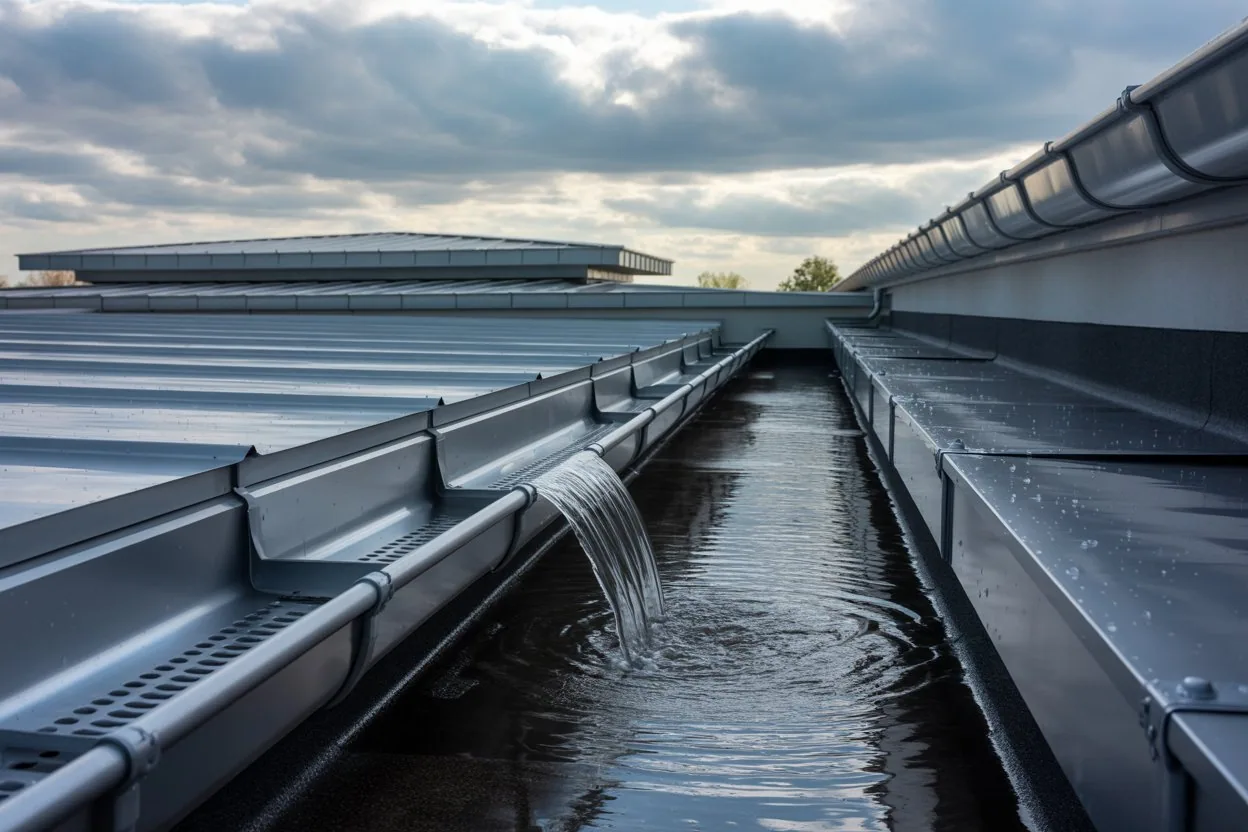
Acrylic products have particular drainage and water-exposure requirements that need comparison with the roof's actual condition. We examine retained water, outlet elevations and the cause of any depression before recommending application. Ponding correction may require cleaning, outlet reconstruction or changes to insulation and slope. The system choice is considered after those conditions are established rather than assuming any reflective coating suits prolonged water exposure.
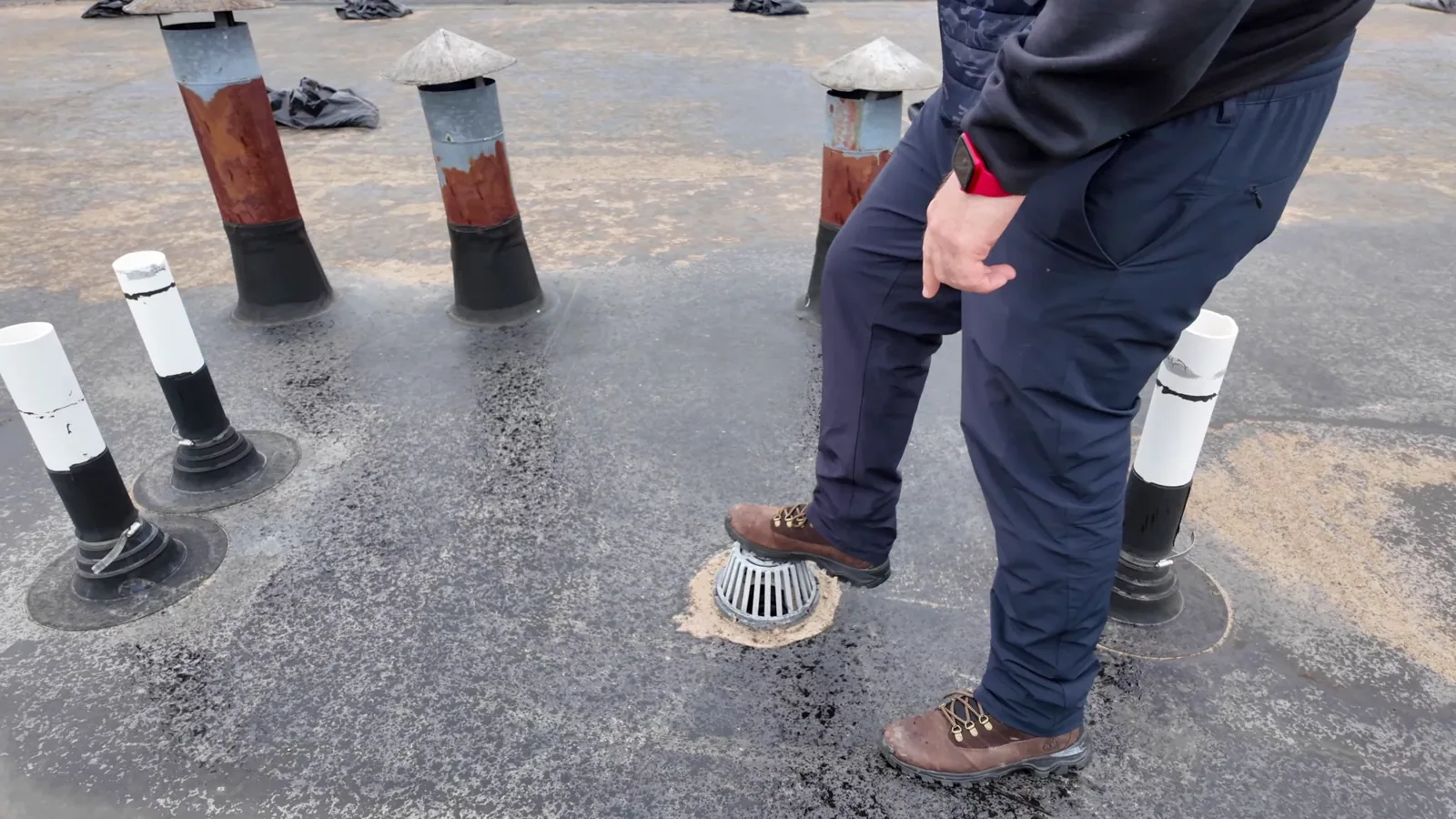
Drain and scupper connections remain accessible and continuous through the work. Application should not narrow an outlet or form a ridge across its approach. We also assess whether walkways or equipment supports are holding runoff upstream. A suitable field coating needs a roof layout that meets its exposure requirements, with the correction explained as part of the restoration scope instead of left as an unresolved maintenance issue.
Which joints need repair or reinforcement before application?
Seams, curbs and perimeter terminations can move independently of the field surface. We examine their condition and correct failed connections before selecting the coating treatment. Reinforcement may be part of the chosen system, but it cannot substitute for missing support or a loose upper termination. The repair reaches suitable materials and addresses the movement or water path that caused the opening rather than merely hiding it under the reflective finish.
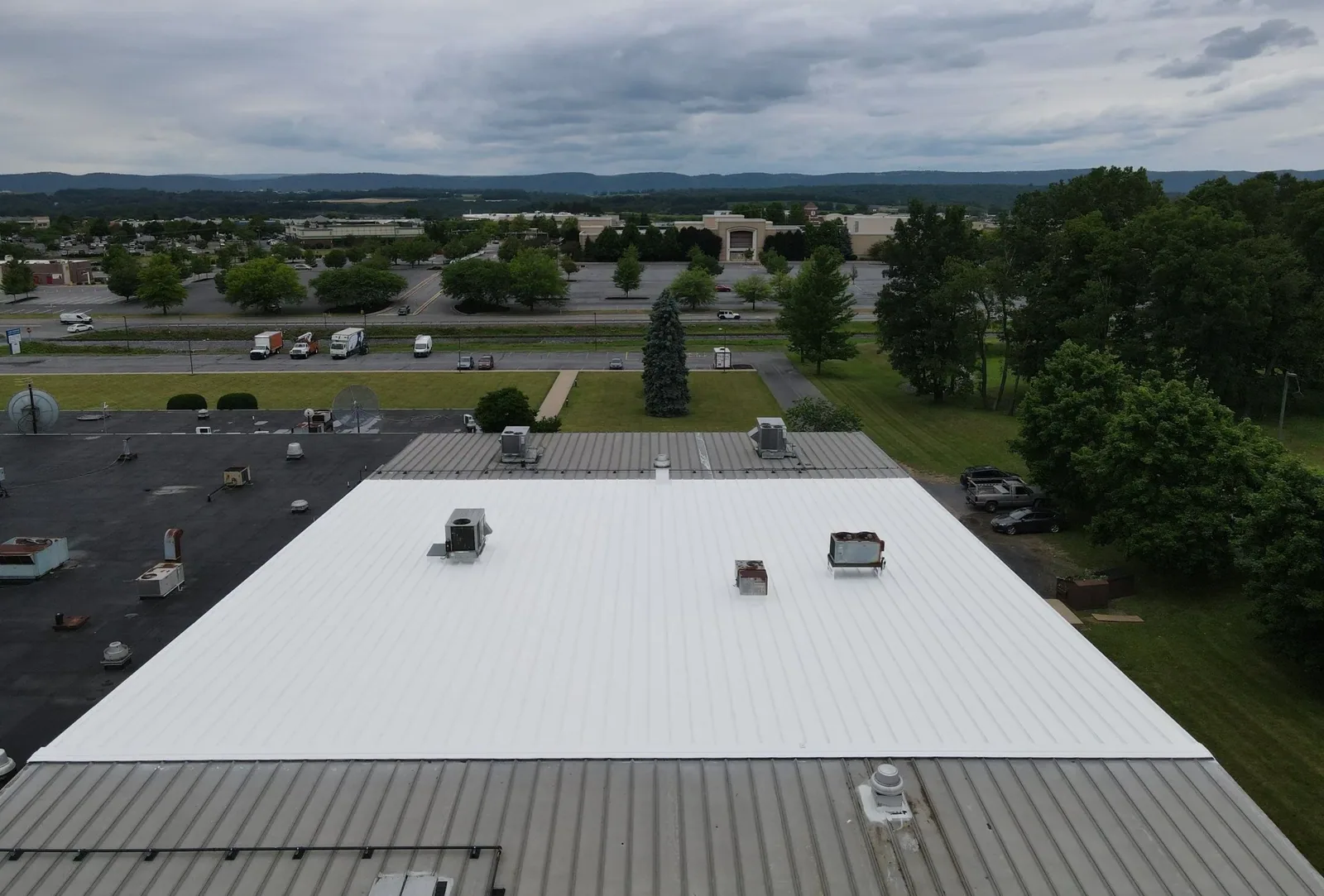
Metal joints require attention to corrosion, fastening and movement as well as adhesion. A restored metal roof must have suitable support and compatible preparation before coating. Metal retrofit alternatives may be appropriate where the retained panels need broader correction. Where the roof uses spray polyurethane foam, we examine the foam's condition separately from the protective surface that is being renewed.
How does the assembly condition change the restoration cost?
Cost follows cleaning, preparation, wet-material removal, detail repairs and the selected coverage requirements. Local reconstruction may allow useful material to remain, while widespread wet insulation or poor bonding can shift the comparison toward removal. We identify those conditions with direct investigation where needed. The proposed coating scope distinguishes known repairs from concealed questions so the owner can compare restoration with another option on the same assembly basis.
For Las Colinas commercial buildings, application staging and service routes need coordination with occupied operations. We plan suitable protection and access while keeping drains and equipment connections usable. The installation sequence follows the preparation and drying requirements of the selected acrylic system, with weather protection established for opened repair areas. Finished coverage is examined through the field and transitions, accounting for texture and detail geometry rather than color alone.
Silicone coating options can enter a comparison where exposure or project requirements differ, but they need their own compatibility and application assessment. Coating families are not exchanged without examining the installed surface and repair interfaces. We explain the chosen system's care needs after installation, including compatible repair methods and the drainage conditions that should remain serviceable throughout use.
Maintenance examines wear near equipment and the condition of repaired joints, with cleaning selected to preserve the finish and underlying roof. Service activity can puncture a coating or leave debris that prolongs water exposure. We identify those local risks and suitable access protection, keeping developing damage visible for timely correction rather than covering it with an unrelated product that complicates future preparation.
Commercial Roofing Questions
Can acrylic coating be applied whenever the forecast is dry?
The surface condition and selected product's drying requirements need evaluation as well as the forecast. Humidity, shading and retained moisture can affect the available window. We assess those conditions and the time needed before weather or traffic exposure. A nominally dry day does not by itself establish that every roof area is ready for preparation and application.
Will adding more coating resolve poor drainage?
Thickness is selected for the system, while runoff geometry needs separate assessment. More field material does not correct a high outlet, depressed insulation or an obstruction that holds water. We identify the cause and appropriate correction before recommending restoration. The finished surface must meet the selected product's exposure requirements, with outlets and approach slopes kept usable through the application.
Can the same acrylic product repair both metal and membrane areas?
Substrate compatibility and the specified preparation need review for each interface. A product may require different primers or detail treatments, or another repair method may be needed. We identify the installed materials and their condition before selection. The scope should explain those transitions rather than assuming one coating process can be applied unchanged across every surface on the roof.
What would make an existing acrylic surface unsuitable for recoating?
Poor adhesion, deterioration, contamination or concealed wet layers can prevent a suitable new interface. We examine the existing coating and supporting roof, with removal or further investigation where needed. Compatible recoating is considered only after that condition is established. A new finish should not become a way to conceal loose material or an assembly that requires reconstruction beneath it.
Ready to review the roof scope?
Request a Roof Assessment