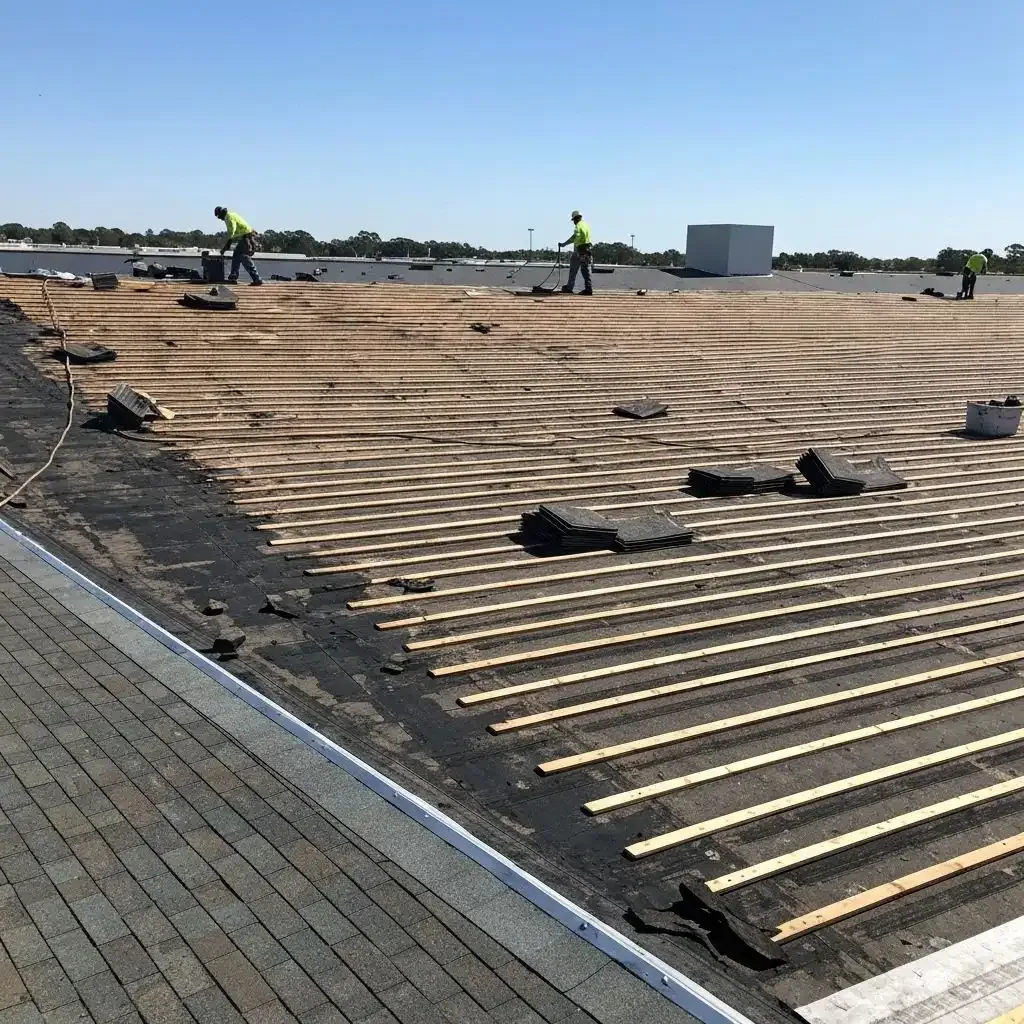
A spray foam roof relies on its protective coating to keep the foam from direct weather exposure, making local coating wear a different concern from deterioration through the insulation below it. Spray polyurethane foam roofing in Irving, TX, needs those conditions separated during examination. Commercial Roofing Irving assesses the foam, its substrate and the coating before selecting a surface repair, restoration or wider reconstruction.
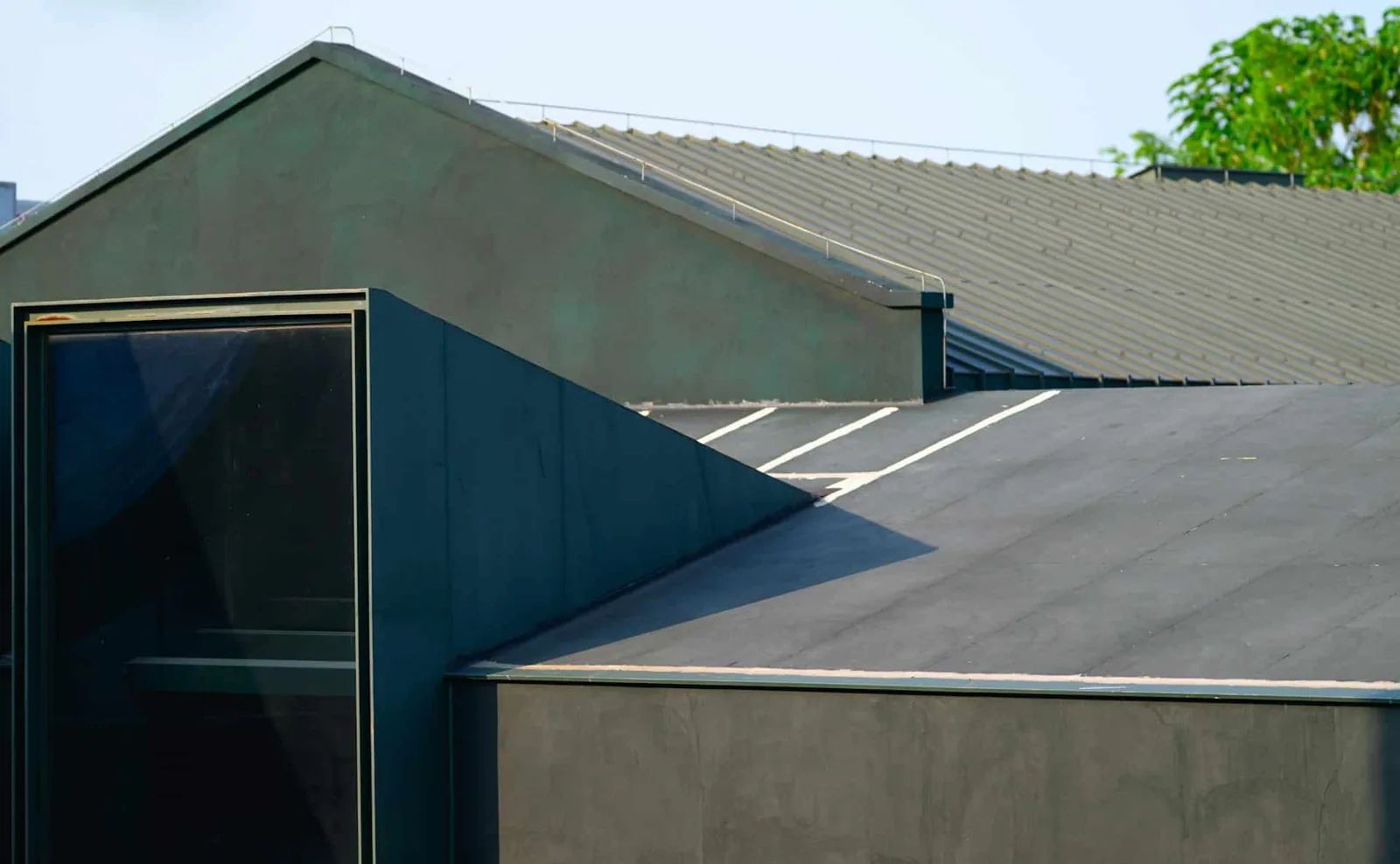
Sun and heat are relevant exposures in the Dallas/Fort Worth regional summer climate, while rainfall tests the coating and detail continuity. Las Colinas commercial buildings and Valley Ranch multifamily properties also require attention to occupied space and equipment access during application. We compare the actual assembly condition with preparation and weather requirements so the selected work restores useful layers rather than covering an unresolved moisture or bonding problem.
What can the foam bond to dependably?
Spray polyurethane foam needs a substrate suitable for the selected system and application process. We examine contamination, moisture, loose material and underlying attachment before deciding whether preparation or removal is necessary. A continuous sprayed layer cannot restore the resistance of a loose covering below it. Retained construction also needs consideration of structural capacity and applicable restrictions when foam is proposed above an existing roof.
Surface dryness, temperature and preparation affect application, so the work window is chosen from actual conditions rather than forecast warmth alone. We identify substrate changes across the roof, including earlier repairs and altered sections that may require different treatment. The proposed assembly explains how those interfaces will be prepared and supported before spraying. Suitable bonding must continue through the transitions, not only across the largest open field where access is easiest.
How do foam thickness and slope work together?
The foam layer contributes insulation and can form drainage slopes as part of an appropriate design and installation. Thickness and geometry are selected for the project rather than inferred from an apparently uniform surface. We compare the layout with drains, curbs and roof transitions, including whether an obstruction needs a cricket or another slope correction. The coating must then cover the completed shape continuously at changes in plane.
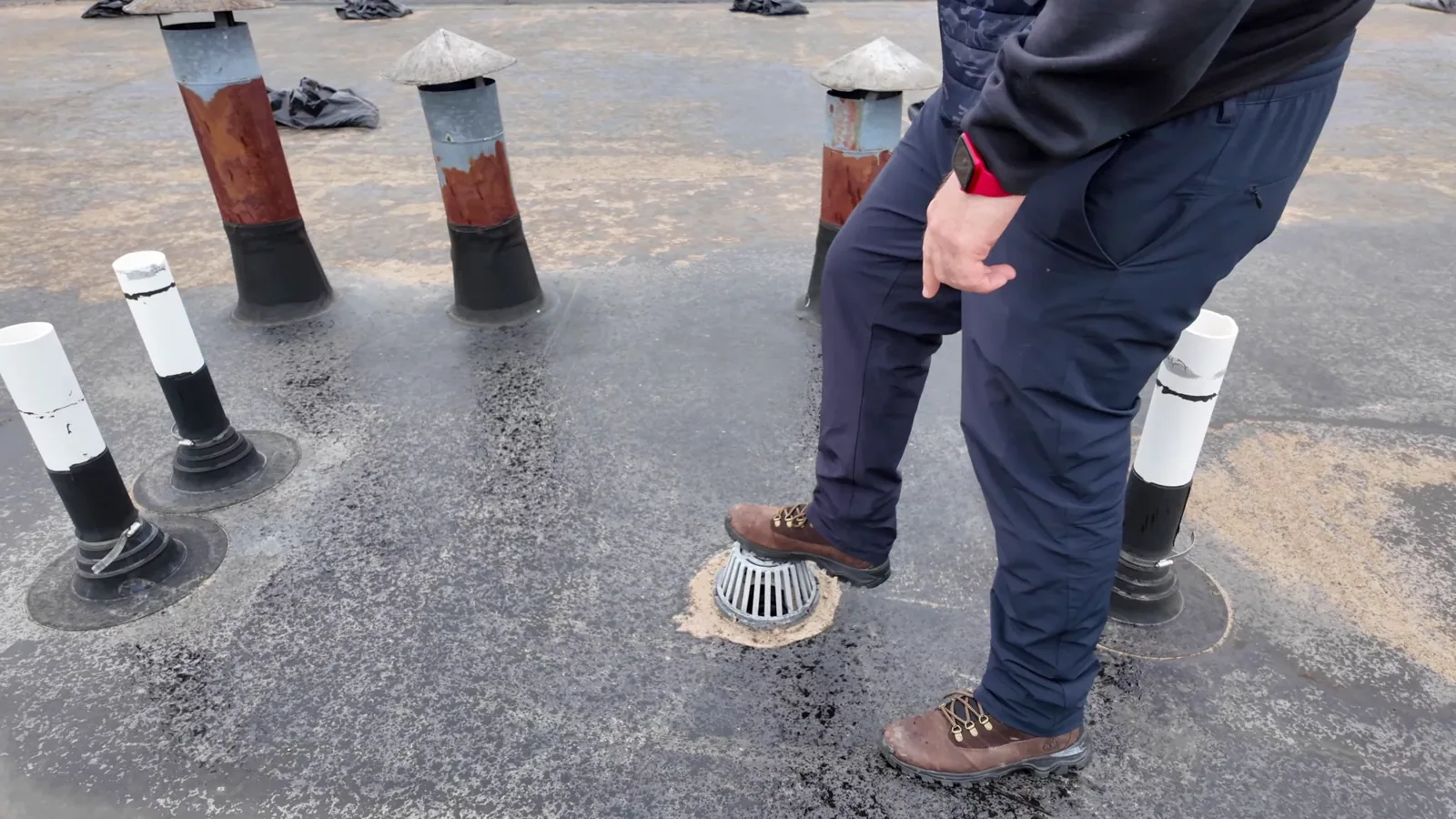
Drainage connection work examines the outlet and approach so water can leave the new surface. A slope improvement that directs runoff toward a high or damaged drain remains incomplete. We coordinate the local elevations and compatible detail construction before application. Where the existing foam has a depression, the underlying condition is assessed before adding material, since damaged or wet support should not be treated as suitable simply because another layer can change the visible slope.
What protects the foam after installation?
A coating system protects the foam and provides the outer surface exposed to weather and service activity. Its compatibility, coverage and cured thickness need to suit the selected assembly. We examine worn areas, cracks and damage that could expose the foam beneath, with particular attention to traffic and equipment contact. Thin or damaged protection can require correction even where the foam remains suitable, while deterioration below it needs another reconstruction boundary.
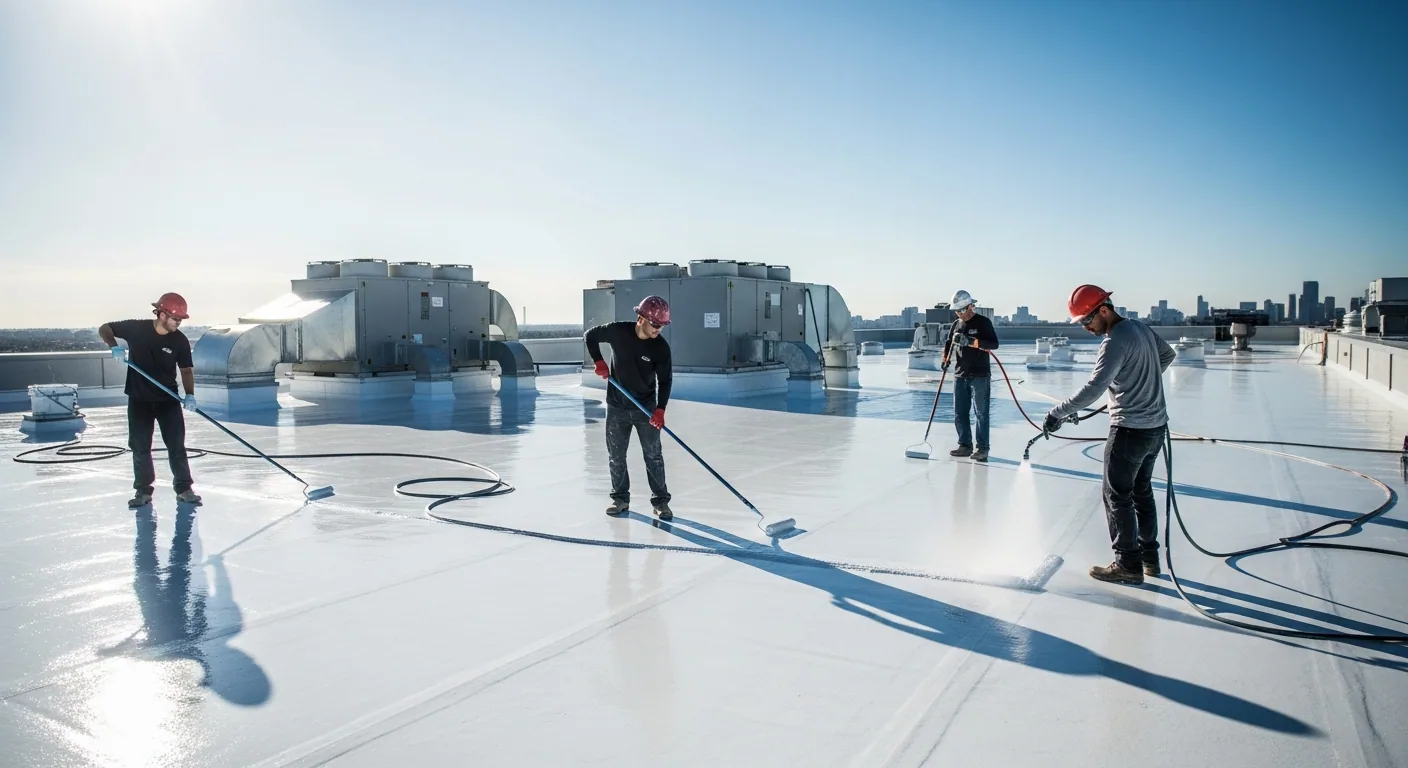
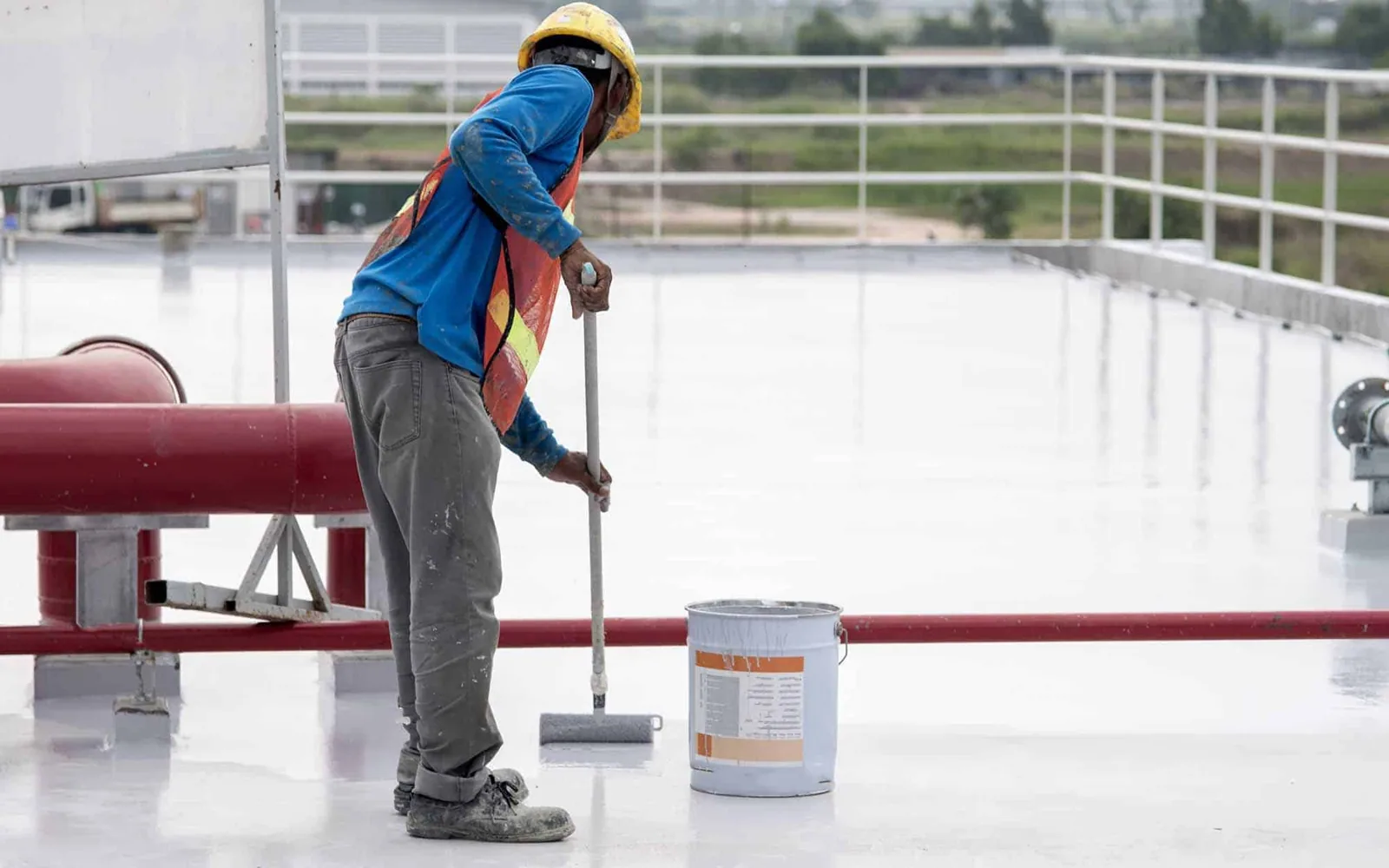
Silicone protective coatings and acrylic protective coatings have different application and exposure requirements. We compare the actual roof conditions with the selected product rather than treating them as interchangeable finishes. Surface preparation and cure conditions are part of that work. A new coating should connect to suitable foam and existing material, with drainage and detail corrections completed where they affect the restored surface.
Coverage at textured areas and sharp transitions deserves separate attention because the surface profile can leave locally thinner protection. We examine those details during application and correction, including the coating connection at drains and penetrations where weather exposure is concentrated.
How far should a damaged foam area be removed?
A puncture through the coating can expose foam to water, and an impact or service injury may damage the material beneath the visible opening. We examine the depth and extent before choosing a compatible repair. Damaged foam is removed to suitable material where necessary, then rebuilt with the system-appropriate connection and protective finish. The repair includes the boundary and coating continuity rather than filling the opening without examining what remains below it.
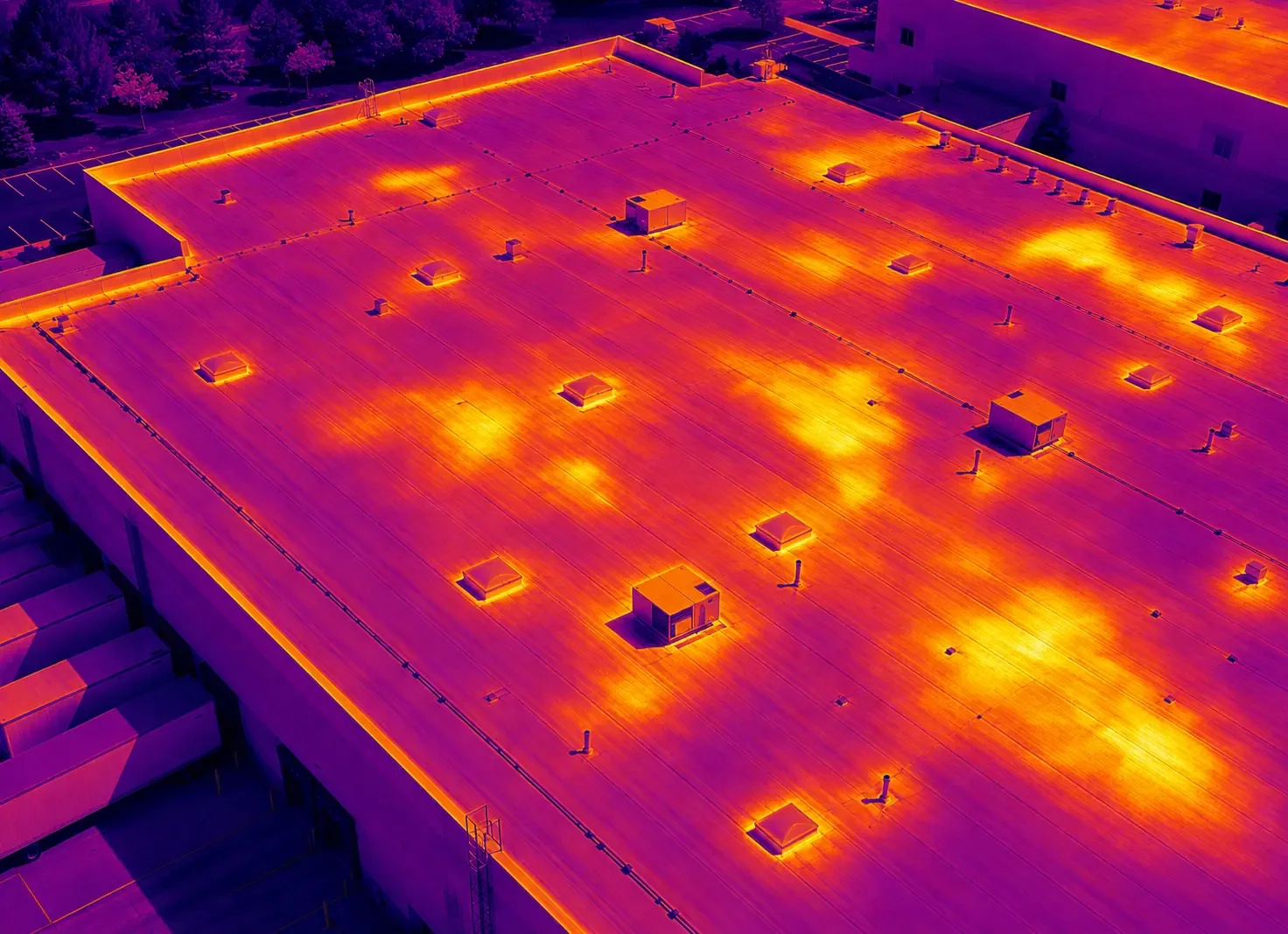
An infrared and direct moisture assessment may help identify suspect areas where the foam assembly and weather support useful thermal contrast. Readings are related to direct checks before removal limits are set. Moisture can spread differently through different layer arrangements, so one wet location does not establish the condition of every roof section. We explain which areas are confirmed, which remain suitable and where further investigation would change the proposed reconstruction.
What controls the application window around occupied space?
Wind, temperature, surface moisture and the selected application requirements affect spraying and coating work. Overspray protection needs planning for adjacent property, equipment and occupied routes. We assess those exposures and coordinate appropriate controls before application begins. Occupied-building work sequencing also considers odors, ventilation and service access where those conditions affect operations. A suitable application window must allow preparation and protection as well as the spraying itself.
For Valley Ranch commercial and multifamily roofs, the sequence may require communication with several occupant groups and coordination around equipment. Cost follows substrate preparation, foam reconstruction, coating requirements and access protection. We distinguish those activities so the owner can compare a contained repair with broader roof restoration or removal where retained material is unsuitable. Each option follows the examined assembly, not the convenience of applying another surface layer.
Maintenance preserves the protective coating and examines service routes, outlets and transitions for injury. Any exposed foam or damaged detail needs assessment and compatible correction before continued water or weather exposure enlarges the area. We identify suitable traffic protection and repair methods after the work, with the coating condition kept visible rather than concealed beneath unrelated patch materials that complicate later care.
Commercial Roofing Questions
Can a worn coating be renewed without replacing the foam?
Suitable foam and a compatible prepared surface can support renewal, but moisture and deterioration need examination first. We identify areas requiring removal or detail correction before selecting the coating scope. A sound insulation layer and a worn finish are different conditions from damaged foam beneath an intact-looking surface. The restoration recommendation explains those boundaries rather than assuming the whole roof needs the same treatment.
Will adding foam resolve every ponding area?
The existing support and outlet geometry need assessment before changing the surface. New slope can help where the assembly is suitable, while wet material, damaged support or a high drain may require separate reconstruction. We compare those conditions with the proposed layout. The correction should provide a continuous route to a usable outlet rather than simply raise the lowest visible spot.
How does wind affect spray work near occupied buildings?
Wind can change application conditions and the risk of overspray reaching adjacent surfaces or people. We assess the exposure and selected system requirements before proceeding, with suitable protection and timing coordinated for the location. Conditions that prevent controlled application can require a different work window. The schedule must support safe and suitable installation rather than treating spraying as independent of the surroundings.
Can equipment technicians walk on the finished foam roof?
Service access needs protection suited to the foam and coating assembly. We identify routes and contact areas that could cause abrasion or concentrated damage, then plan compatible walkway or support details. The protective surface still requires care during equipment work. Tools, parts and loose supports should not be left where they can puncture the coating or interfere with drainage.
Ready to review the roof scope?
Request a Roof Assessment