A reflective silicone coating can change solar absorption at the roof surface while an unrepaired seam continues moving below it. Silicone roof coating work in Irving, TX, therefore begins with the condition that the coating will be bonded to and the details it must connect across. Commercial Roofing Irving evaluates the retained assembly before selecting preparation, reinforcement and application for the proposed system.
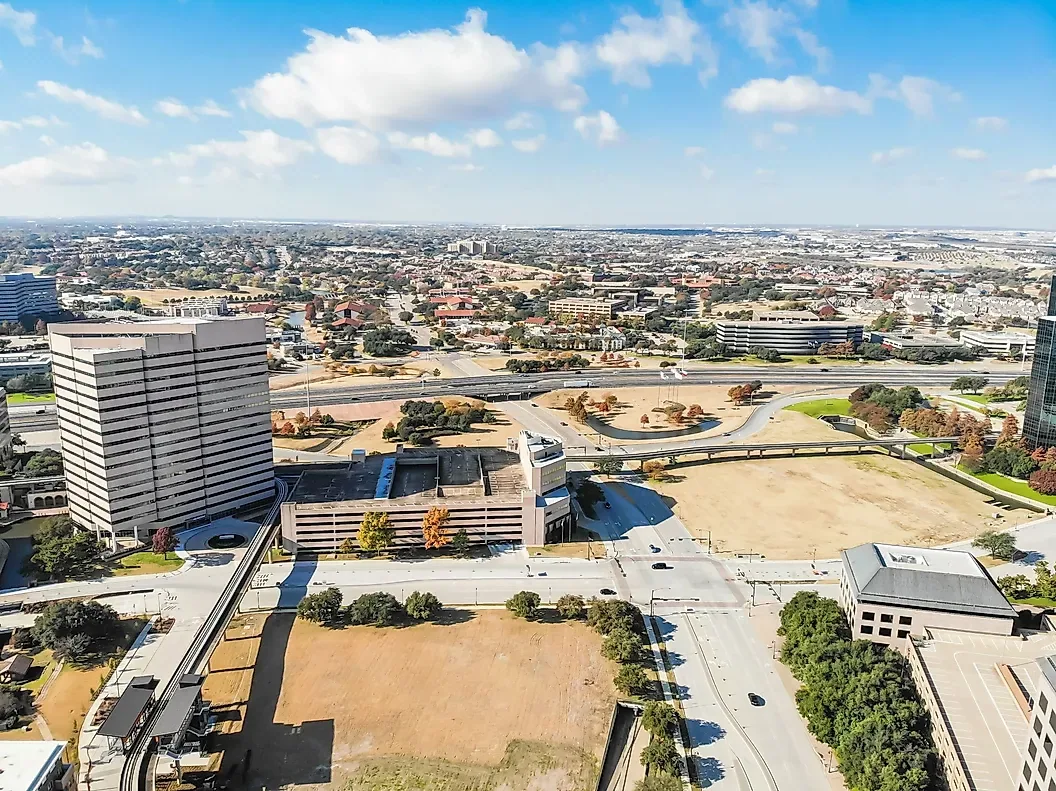
Dallas/Fort Worth summers are hot, and the region also experiences wetter spring and fall seasons. Those exposures make surface response and drainage useful parts of the comparison, but they do not establish coating suitability for a particular roof. Las Colinas office properties and commercial uses in Valley Ranch need their own moisture and substrate examination, followed by work planning suited to occupied areas and equipment above them.
Can the existing surface provide a suitable bond?
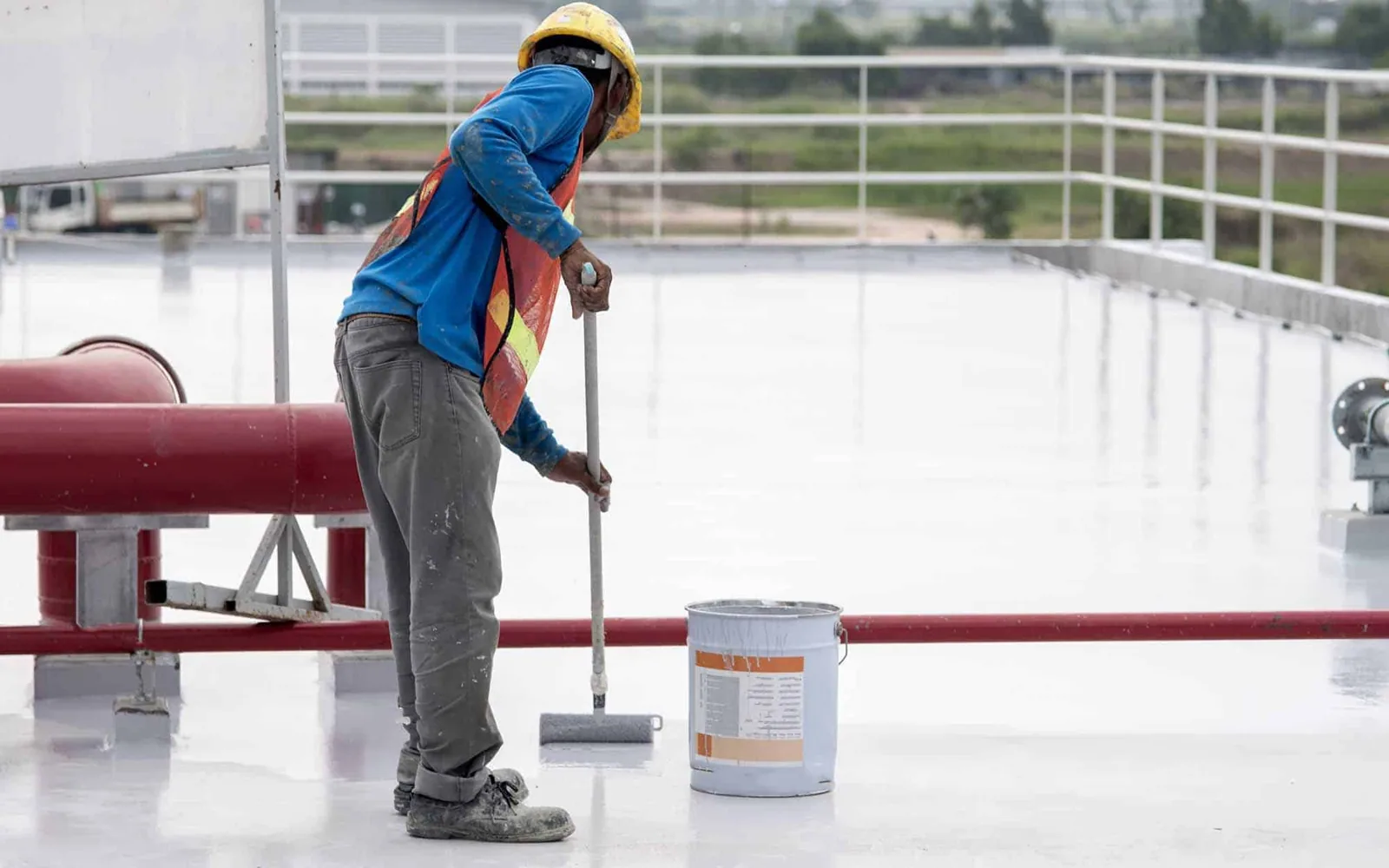
Silicone systems require preparation and any specified primer suited to the substrate and selected product. Dirt, residues, loose finishes and unrelated repair materials can interfere with adhesion. We identify those conditions before application and use appropriate checks to assess whether preparation produces a suitable interface. A cleaned surface still needs examination for deterioration or compatibility questions, especially where earlier repairs have introduced different materials within the same field.
The bond also depends on application conditions and the state of the roof at that time. Surface moisture or unsuitable temperature can change the preparation and installation window. We establish the selected system's requirements rather than assuming silicone can be spread over any existing covering whenever rain stops. Restoration planning includes the work necessary to make the retained surface suitable before the coating becomes the outer layer.
Which concealed layers need assessment before coating?
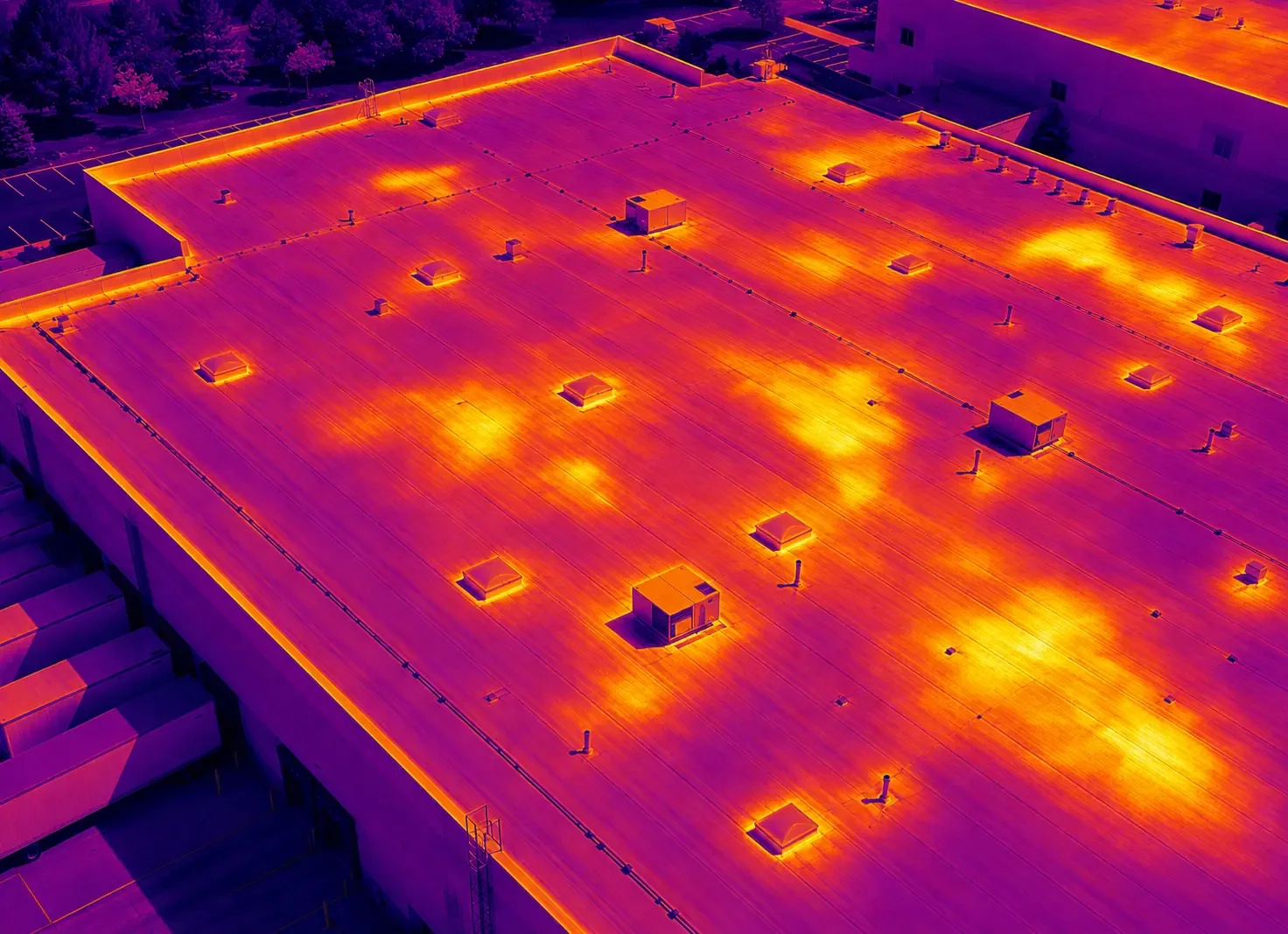
Wet insulation and unstable support can remain hidden beneath a surface that appears ready for restoration. We investigate those conditions through direct checks and an infrared survey where suitable, confirming suspect patterns before defining removal. A coating closes the exposed surface but does not restore deteriorated boards or dependable attachment below it. Those retained-layer decisions precede the application scope.
Localized wet material may be removable and replaceable while preserving useful surrounding construction. Connected deterioration can change the comparison toward broader reconstruction or replacement. We explain the boundary and the connection to retained materials, including insulation thickness and support beneath the repair. A suitable coating interface should not be created above a layer that remains unstable merely because the top sheet can be cleaned or primed.
Removal openings are closed with a suitable covering connection before coating preparation continues, so the reconstructed substrate has its own continuity rather than depending on the field application to cover an unfinished assembly repair.
How are seams and transitions prepared for the coating?
Seams, corners and terminations need appropriate repair and reinforcement for the selected system. We examine why a connection opened, including membrane tension, loose support or movement in adjacent metal. Flashing reconstruction may be required where coating over the surface would leave a failed upper termination or concealed corner unchanged. The correction reaches suitable materials and restores the detail before field application.
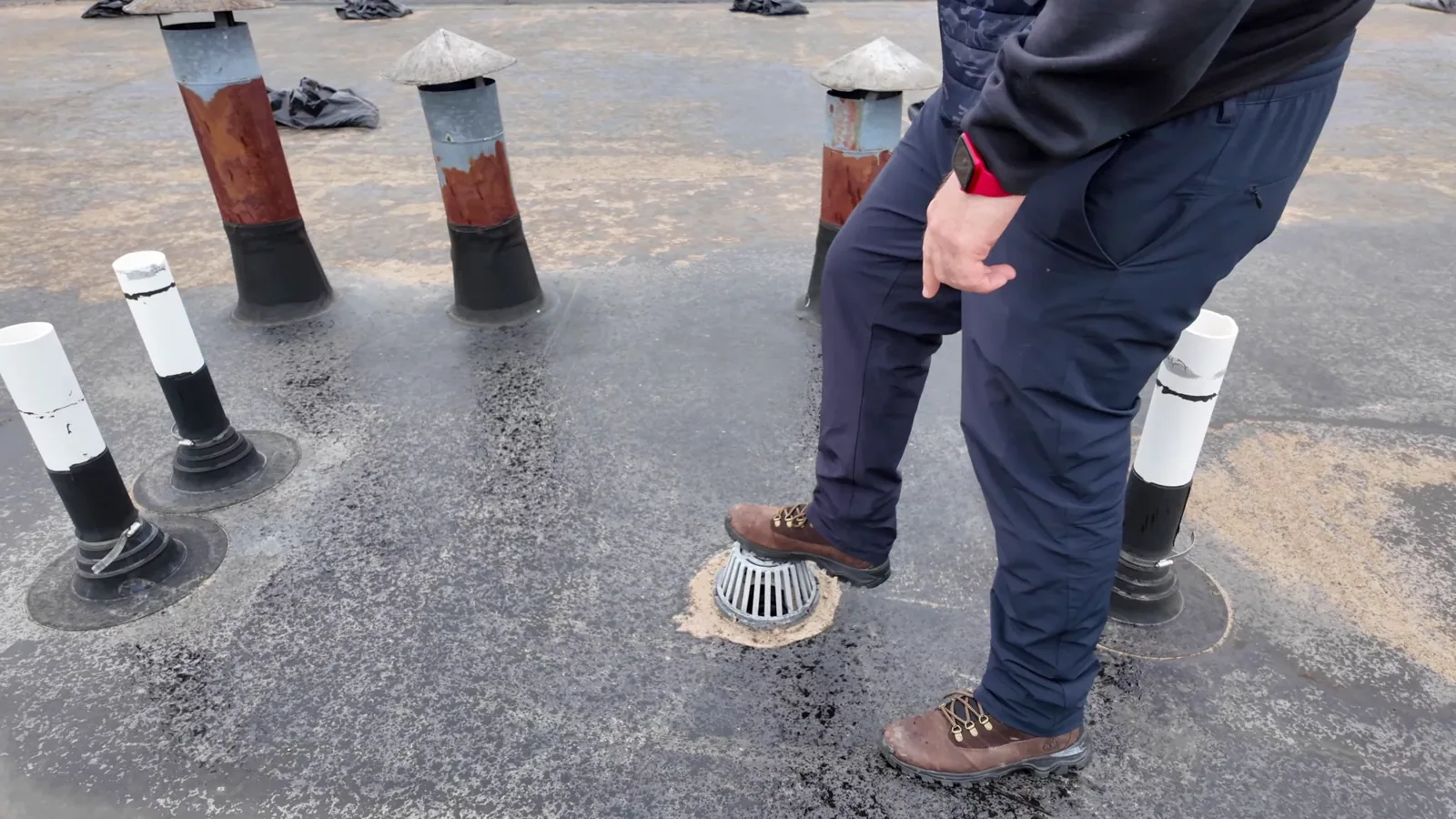
At drains, the coating must connect without obstructing the opening or creating a ridge across the approach. Roof edges need secure metal and a suitable membrane interface, with corrosion assessed separately from surface preparation. We select detail treatments for the materials and geometry present. A product's flexibility does not remove the need to correct a loose component, unsupported transition or joint that has been restrained by an earlier repair.
Does the coating choice remove the need to improve drainage?
The selected silicone product's water-exposure requirements are considered with the roof's actual drainage condition. Product suitability and drainage correction are related but separate questions. We examine whether runoff is retained because of blocked outlets, a raised bowl, compressed insulation or an obstruction. Outlet and slope correction addresses those mechanisms where work is appropriate rather than relying on the coating as the only response.
Retained water can also conceal debris or a detail needing maintenance access. We plan the restored surface so outlets remain examinable and service routes do not interrupt flow. An acrylic system comparison may have different application and exposure limits, requiring a separate suitability assessment. The decision is made for the selected product and assembly instead of assuming all reflective coatings behave the same way under the roof's conditions.
What controls coating thickness and future service access?
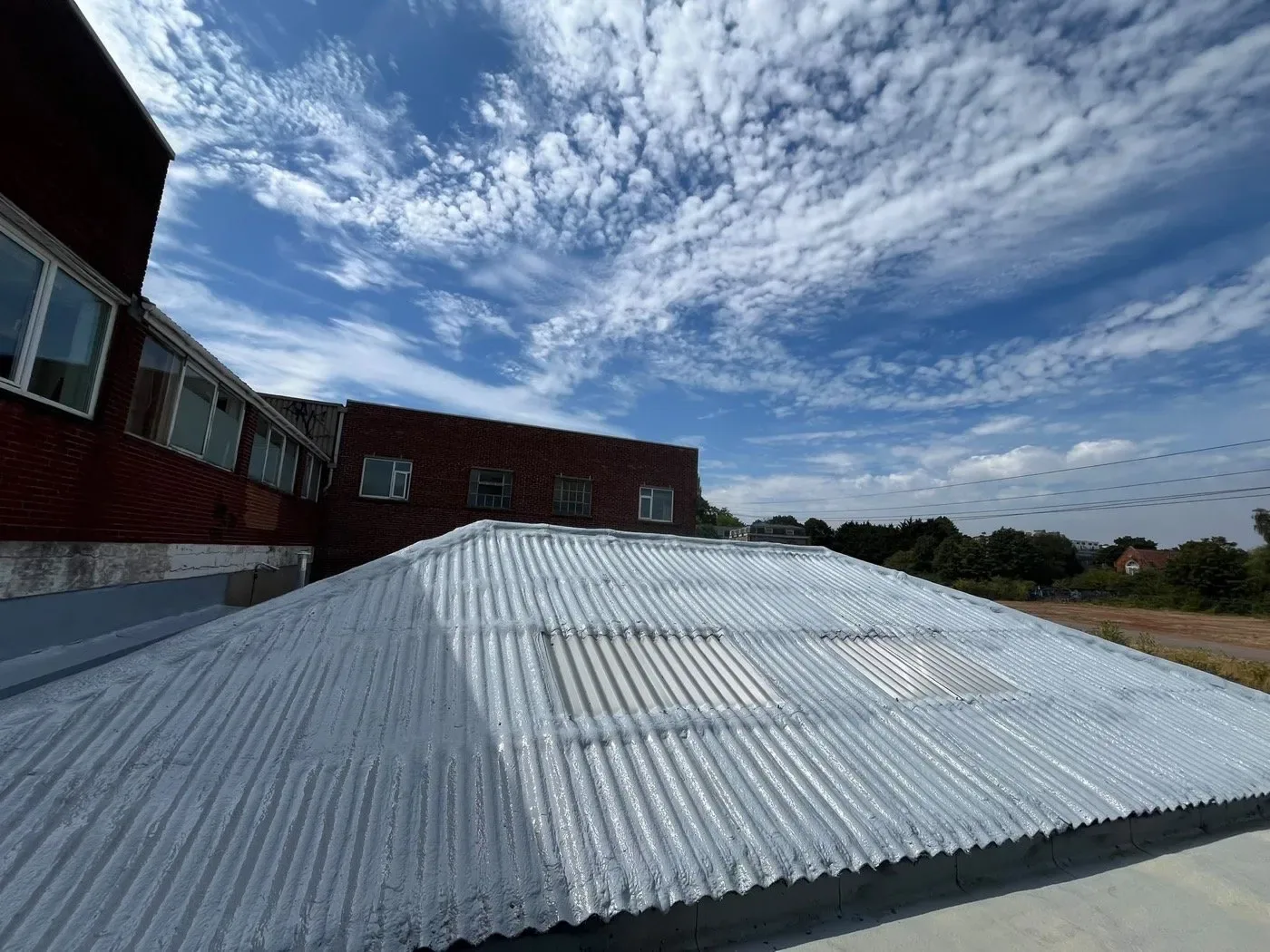
Application coverage and cured thickness follow the chosen system, with substrate texture and detail complexity affecting the work. We examine transitions and areas where irregular surfaces could leave uneven protection. Preparation, cure and weather timing are coordinated so the installed material can reach the condition required before exposure or traffic. A uniform color is useful visual information but does not establish the applied thickness across every textured or reinforced detail.
For Valley Ranch commercial properties, staging and application need coordination with occupied circulation and equipment access. We identify service routes and suitable protection so routine technicians do not wear or puncture the restored covering. Cost is affected by preparation, wet-material removal, detail rebuilding and the coating requirements. Where the roof includes spray foam construction, foam condition is assessed independently before its protective surface is renewed.
Maintenance preserves drainage and examines wear, adhesion changes and the condition of repaired details. Later repair materials need compatibility with the silicone surface and the underlying assembly, which may require specific preparation rather than a general sealant. We identify those needs with the completed work so service activity does not create an unsuitable interface or hide a developing defect beneath another layer.
Foot traffic and accumulated dirt can change the local surface condition differently from the open field. We examine equipment routes and outlet approaches during care, identifying areas where contact protection or housekeeping needs improvement. Those localized needs are addressed without assuming that a worn access strip establishes the condition of the entire coated assembly.
Commercial Roofing Questions
Can silicone be applied over a roof with unrelated patches?
Each repair material needs identification and compatibility assessment. Loose or unsuitable layers may require removal before preparation can create a dependable coating interface. We examine the original covering and the patches together, including concealed moisture where the damage suggests wetting. The application scope explains those corrections rather than treating primer as a universal solution for every material present.
Will coating a leaking curb be enough to stop the entry?
The curb connection needs investigation before the repair method is selected. A split, loose termination or concealed corner may require reconstruction that reaches beyond the visible surface. We correct those details and use compatible coating treatment where suitable. Applying the field system over an unresolved connection can leave the same water path active beneath a newly covered exterior.
Does silicone suitability for water exposure mean ponding can be ignored?
Drainage still needs examination for the building and assembly. A selected product may have particular exposure capabilities, but blocked outlets, damaged connections or deteriorated support remain separate defects. We identify the practical correction and the coating's applicable requirements. The restoration comparison should explain both instead of using one material characteristic to dismiss the roof's runoff condition.
How should future repairs connect to the silicone surface?
Repair materials and preparation need to suit the installed coating and underlying roof system. We identify that interface before reconstruction, especially where service damage reaches through the surface. A patch suitable for the original membrane may need another preparation or detail to connect across the coating. Keeping the installed system information and repair locations available supports compatible care later.
Ready to review the roof scope?
Request a Roof Assessment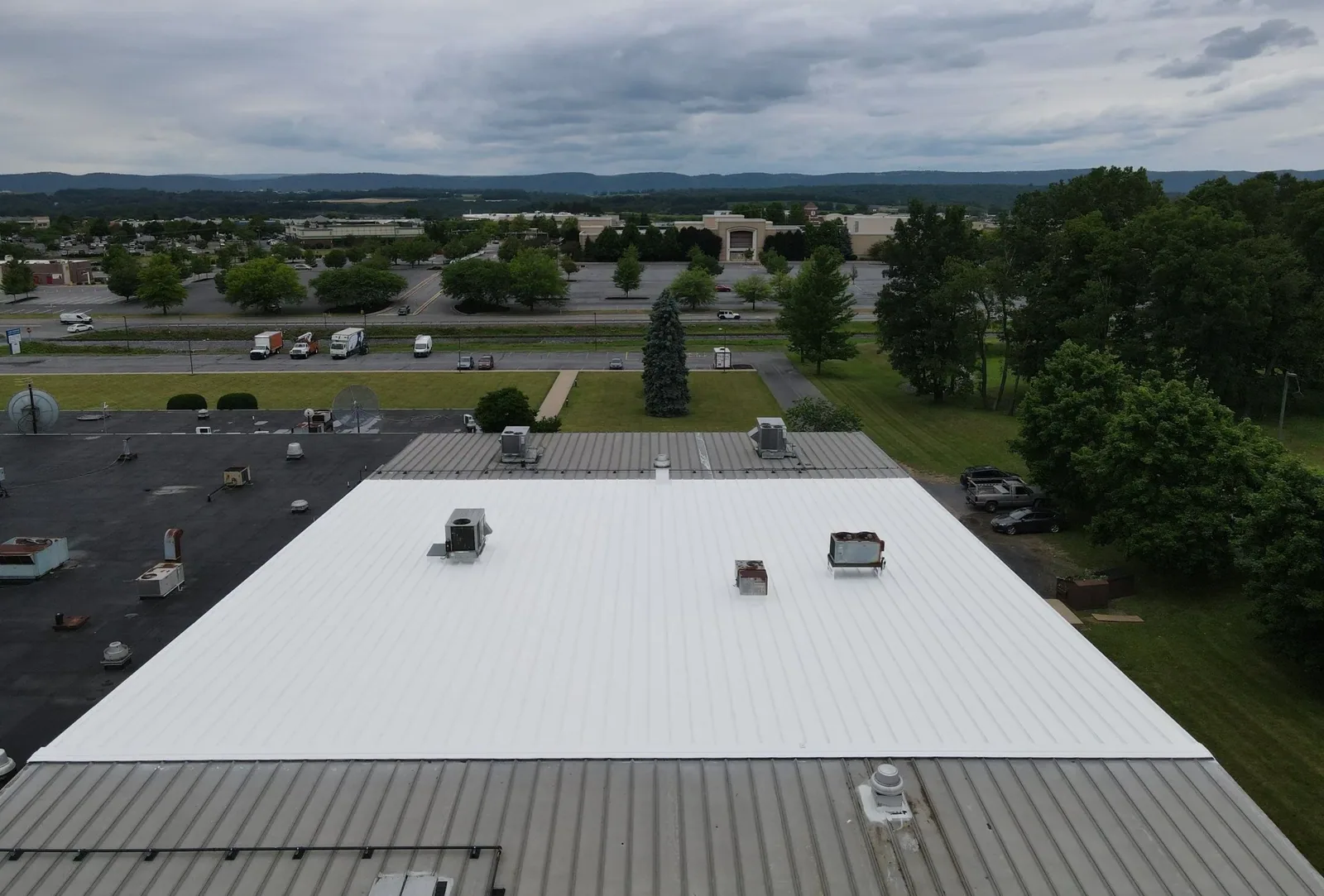
Commercial Roof Flashing Failure Repair
See scope, options and what to expect on the roof.