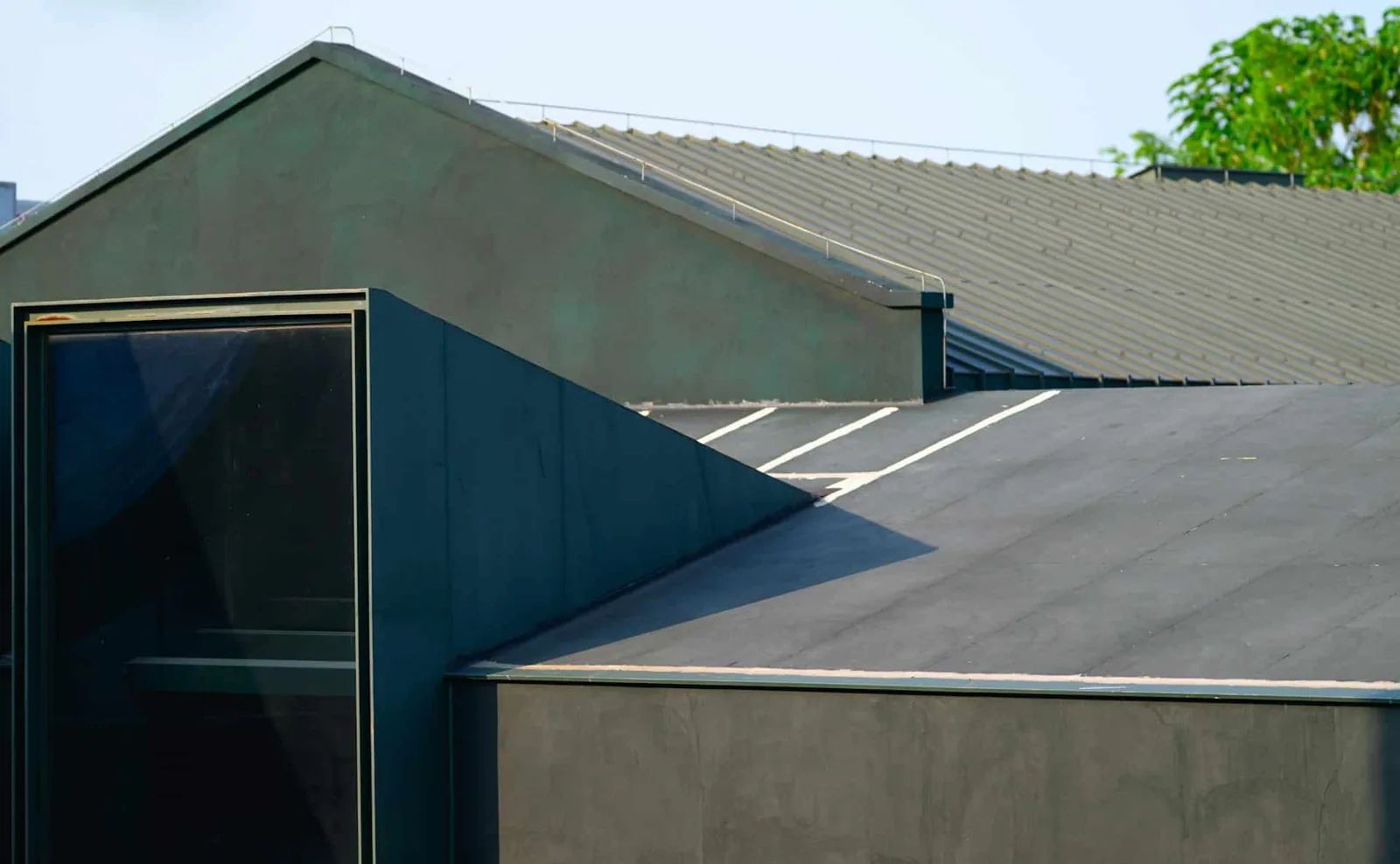
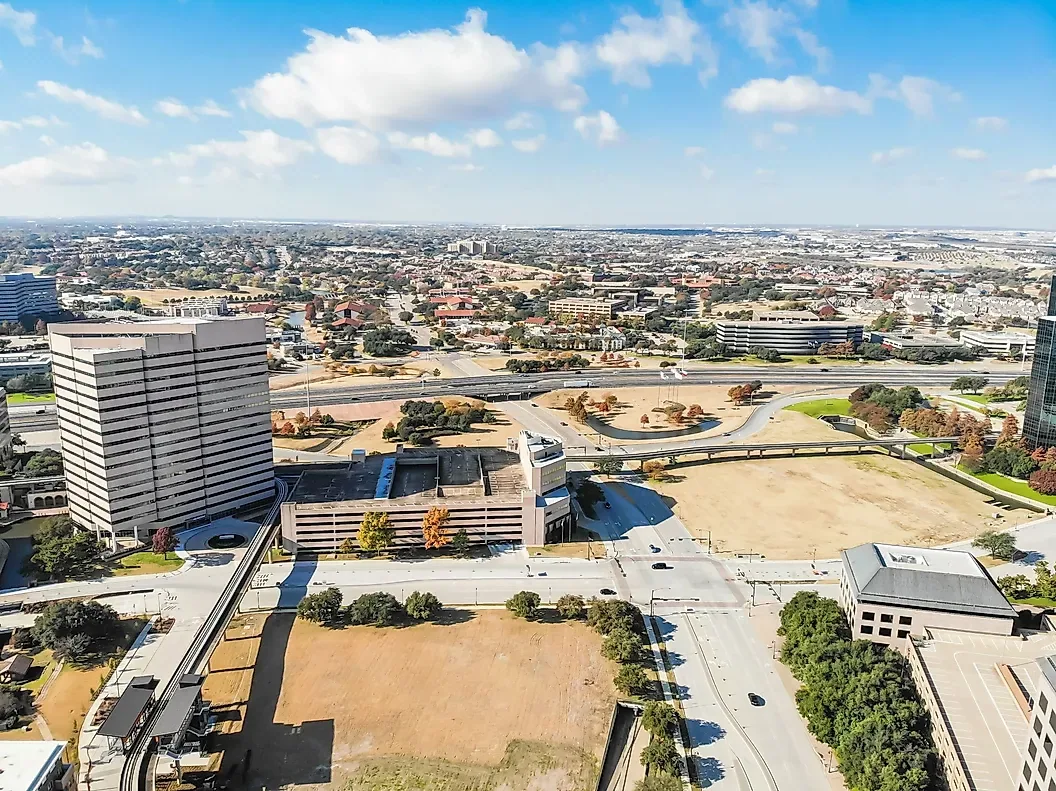
Wind-driven rain can wet a vertical flashing connection that remains dry during ordinary runoff, leaving an Irving, TX, building with a leak that appears only under particular storm conditions. Finding that entry requires attention to the direction of exposure and the way the detail closes against the wall or curb. Commercial Roofing Irving traces those relationships before choosing where to open the roof or rebuild its connections.
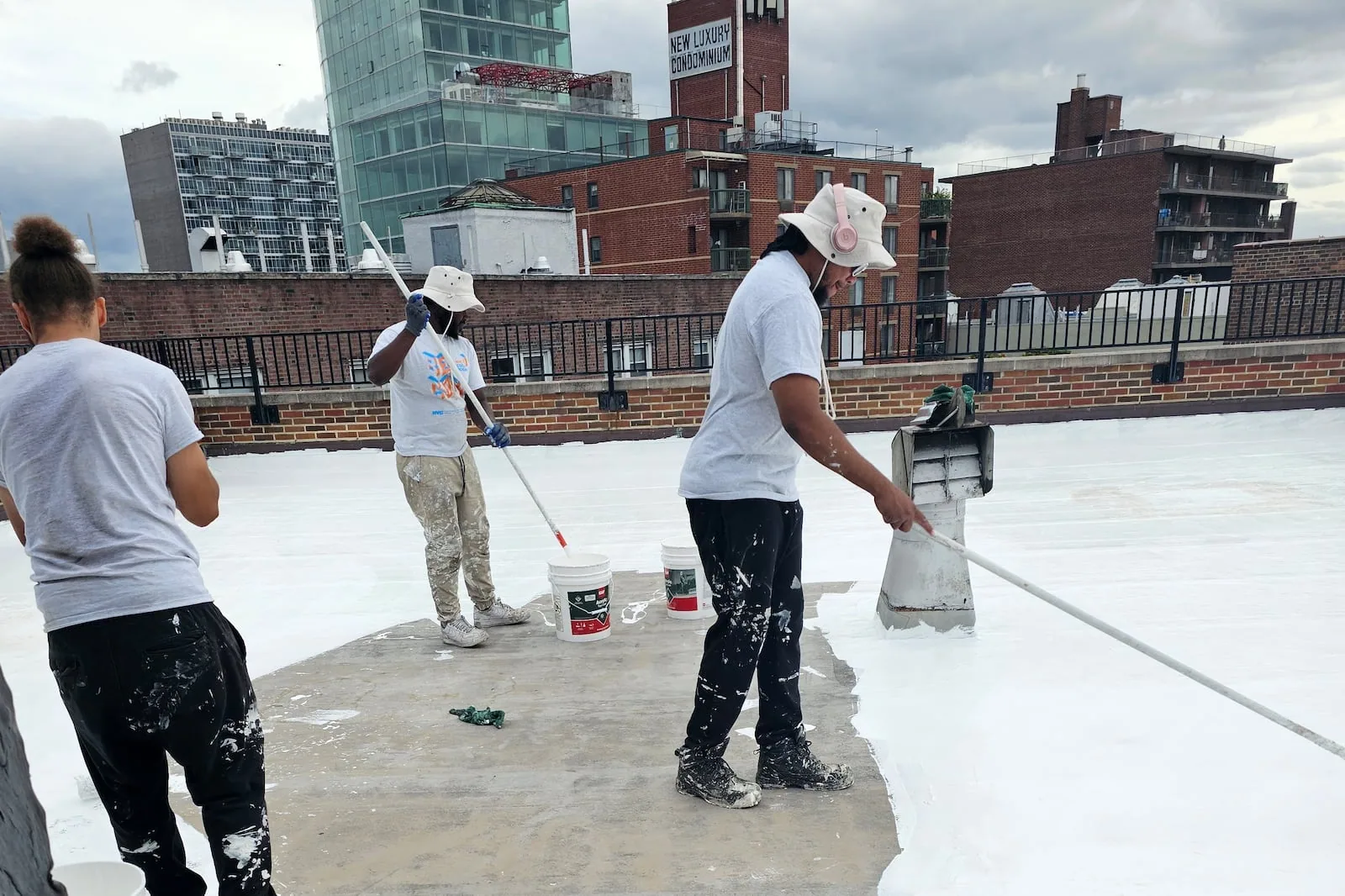
Spring and fall are wetter periods in the Dallas/Fort Worth regional climate, but the sequence of a particular leak is more useful than the season alone. We ask whether water began during rainfall, after the roof had collected water or while equipment was operating. In Las Colinas Urban Center offices and restaurant spaces, that distinction helps connect interior evidence with the roof details and mechanical systems above without interrupting more occupied space than necessary.
What does the timing tell us about the water path?
A leak that starts as wind rises can suggest exposure at a perimeter or flashing above the roof field. Water appearing later may involve retained runoff or a longer path through concealed layers. We record the timing, weather conditions and location of visible water, then compare those observations with the roof geometry. A stain is useful evidence, but its position needs to be related to deck joints, slopes and penetrations before it becomes a removal boundary.
Interior examination also separates possible roof water from plumbing, condensation or equipment discharge. Cooling equipment can produce water independently of rainfall, and a wet pipe or duct may leave evidence resembling a roof leak. We examine those interfaces with the appropriate building personnel rather than applying a roof patch to an unexplained source. Where water threatens electrical equipment or an unstable ceiling, safety and interior protection come first, with emergency water control available at any hour.
Which roof connections need direct examination?
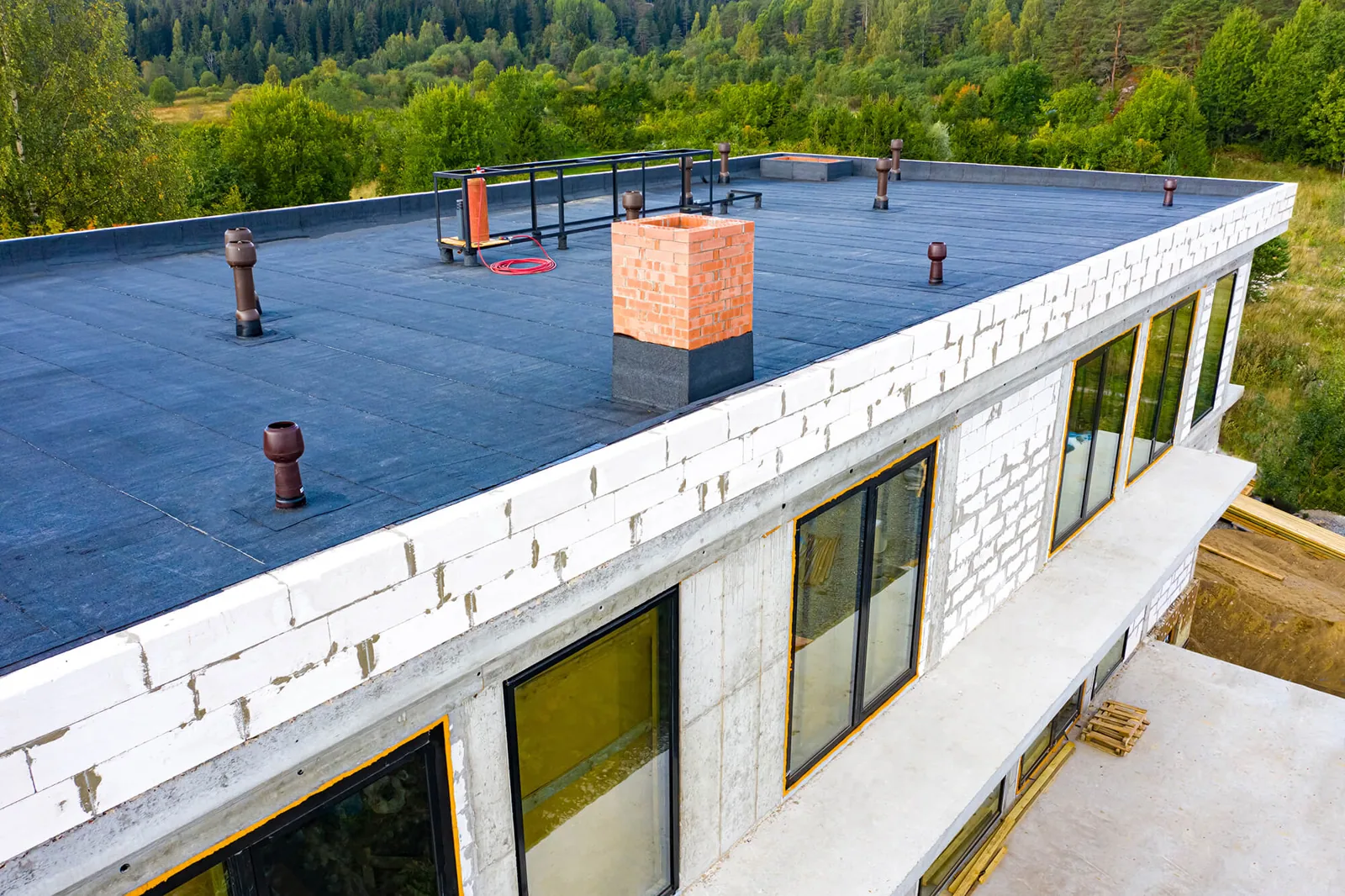
We follow the roof's water paths toward seams, outlets, penetrations and changes of plane that could admit water. At a curb, the examination includes corners, fastening and the upper flashing termination. At a lap, we check whether the connection is open, contaminated or stressed by movement from adjacent materials. A failed seam connection may need reconstruction of the surrounding detail if membrane tension caused the opening.
Surface dirt can conceal a split, and water retained around an outlet can make the suspected defect difficult to reach. Cleaning and controlled examination precede repair selection. We also look for multiple entry points rather than stopping at the first visible defect, particularly where the leak changes location during different rainfall conditions. A roof condition inspection establishes whether the investigated leak is a contained connection problem or part of broader deterioration requiring a different scope.
When does testing help narrow the entry point?
Controlled water testing can be useful where the roof detail and interior observation allow a specific area to be isolated. The sequence matters: wetting several connections together can obscure which one admitted water. We consider drainage, electrical exposure and the risk of adding water to already wet materials before choosing a test. Any test is followed by examination of the affected connection and the conditions under which the leak occurred.
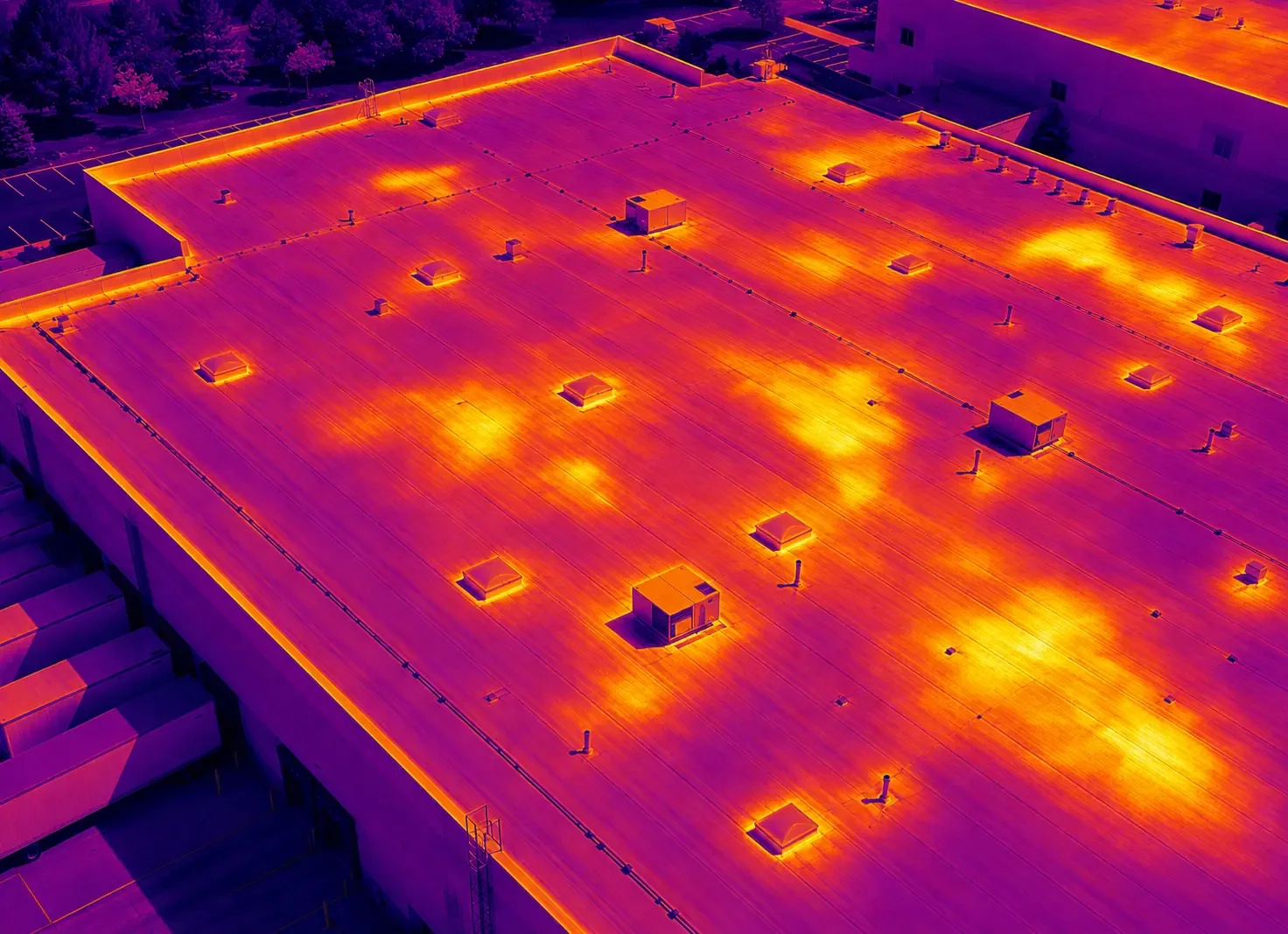
Concealed wet insulation calls for a different investigation. An infrared and direct moisture assessment can help define suspect areas when the roof assembly and weather support thermal contrast. The readings guide direct checks; they do not identify the entry point by themselves. We compare the moisture pattern with roof slope, board joints and leak history so a large wet area does not automatically become a large surface repair without explaining how water reached it.
How do we stop the entry without concealing the damage?
The permanent repair must join suitable materials and restore continuity through the failed detail. A thermoplastic patch needs a compatible welded connection, while modified bitumen repairs require methods suited to the existing membrane and its condition. Wet insulation within the repair footprint may need removal before the covering is rebuilt. Leaving that material beneath a sealed opening can preserve a moisture reservoir and make later assessment more difficult.
At a flashing, we correct the transition and termination that allowed entry, including support or movement allowance where those were missing. Drain connections are examined for clamping, membrane continuity and elevation relative to the field. If a low area keeps water against the repaired connection, drainage correction may be part of the lasting scope. Temporary sealing used during an active leak is evaluated separately so it does not prevent the preparation needed for a permanent compatible bond.
What changes the work in an occupied building?
Leak repair cost follows the investigation required, access to the damaged connection and the amount of wet material below it. An exposed seam can be straightforward to reach, while a concealed equipment curb may require lifting or service coordination. We distinguish diagnostic work, temporary protection and permanent reconstruction in the scope. That separation lets the building manager understand why stopping visible dripping and correcting the entire damaged assembly may involve different activities.
For commercial and multifamily buildings in Valley Ranch, access to occupied rooms may need coordination with roof examination. We arrange observation where the leak is visible and protect circulation routes beneath affected areas. Once the repair is completed, we examine its connections and explain any remaining interior drying needs or separate equipment issues. We also identify the roof details to watch during subsequent rain, particularly when the original leak appeared only with a specific wind direction.
Recurring leakage deserves a comparison of earlier repair boundaries with current moisture findings. A succession of small patches can obscure a larger connection problem or leave concealed wet layers untouched. We examine that history so each new intervention advances the diagnosis instead of merely moving the visible symptom.
Clear repair boundaries also help distinguish a new leak nearby from reopening of the connection that was rebuilt.
Commercial Roofing Questions
Why does the leak disappear during some storms?
Exposure changes with rainfall direction, duration and runoff depth. A damaged vertical connection may admit water in wind-driven rain while remaining above ordinary surface flow. We compare the storm sequence with the suspected detail and any equipment activity at the time. That evidence helps choose a targeted examination or test rather than patching every nearby penetration without a clear reason.
Can a leak repair leave wet insulation in place?
The extent and condition of the wet material affect the removal scope. We examine whether insulation has lost support or thermal performance and how moisture is distributed around the opening. Where it needs replacement, the repair includes suitable new layers and a sound connection to retained material. Closing the surface alone does not resolve deterioration already present below it.
Will you need access inside the leased suite?
Interior access can help connect the visible water with deck layout, penetrations and equipment. We coordinate with the manager and occupant so observations occur safely and with useful timing, especially for intermittent leaks. Roof examination can begin without opening ceilings indiscriminately, but a concealed water path may require selective interior access to distinguish roofing from another building system.
How do you assess an old repair that still leaks?
We inspect the repair's perimeter and the material beneath it, then reconsider the mechanism that caused the original failure. A patch may have a weak bond, but tension, trapped water or a separate entry can also explain recurrence. The revised scope addresses those findings, including removal of unsuitable repair layers where they block access to a sound connection.
Ready to review the roof scope?
Request a Roof Assessment