
Heat can soften the asphalt component of a modified bitumen roof while reinforcement and attachment continue to control how the sheet responds to movement. Modified bitumen roofing in Irving, TX, needs examination of those layers, especially where laps or flashing have separated. Commercial Roofing Irving assesses the installed system before choosing a compatible repair or replacement method.
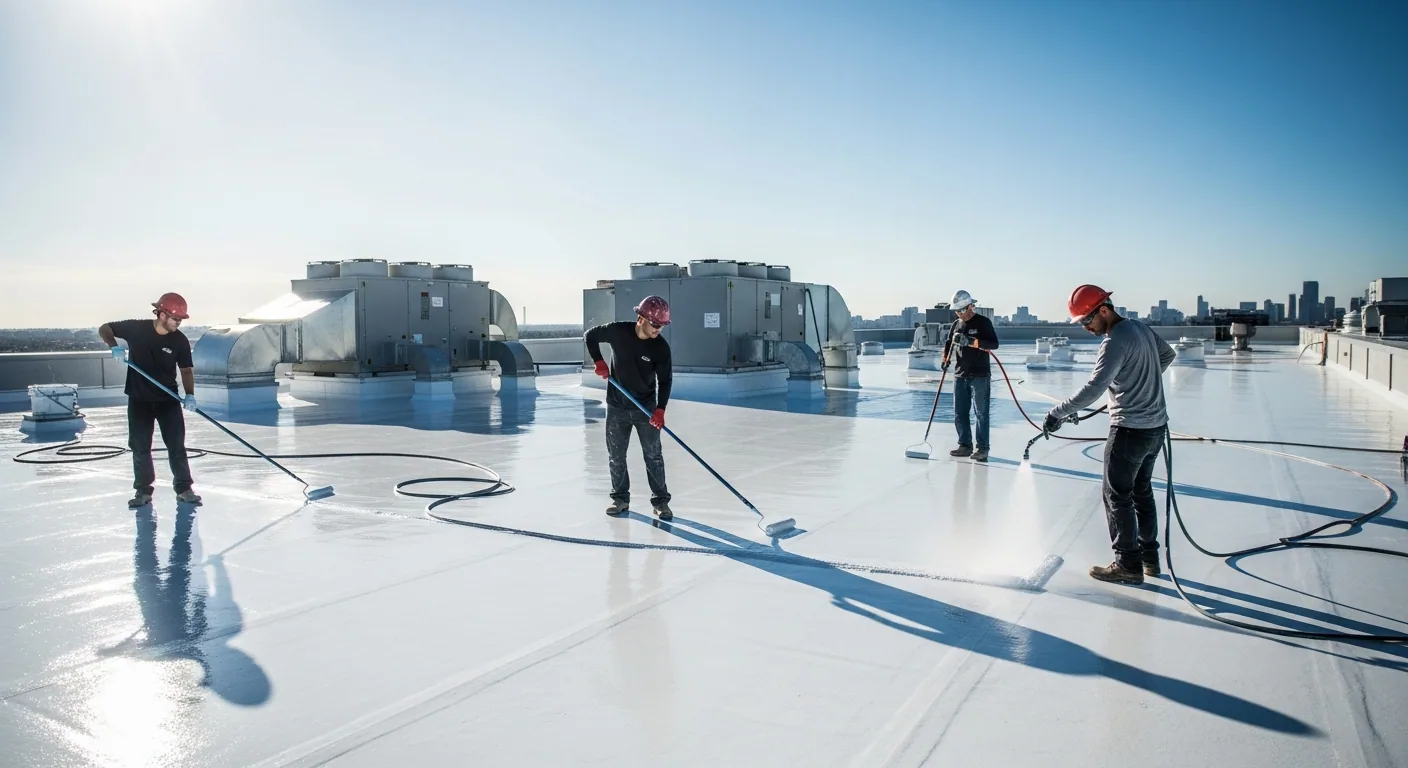
Office and retail uses in Las Colinas and commercial buildings along the North Irving Belt Line corridor can require different preparation and access arrangements above occupied space. The hot summer conditions in the Dallas/Fort Worth region also influence application timing and surface response. We compare the material condition, moisture and available installation methods with those operational needs rather than choosing a process solely from the general appearance of an asphalt-based covering.
How do the modifiers and reinforcement affect the sheet?
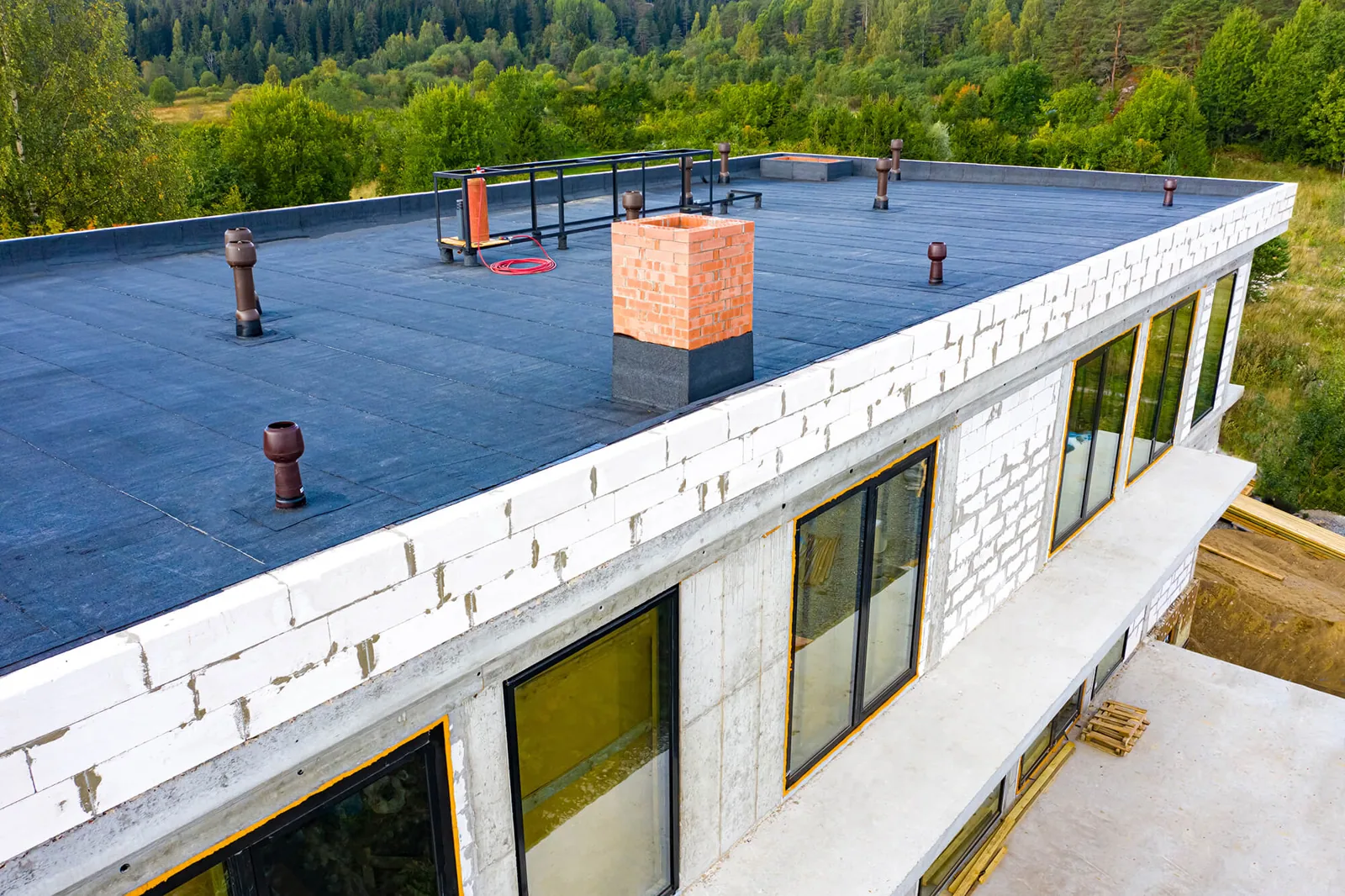
Modified bitumen combines asphalt with modifiers and reinforcement to produce sheets with particular performance and installation characteristics. SBS and APP systems are not automatically interchangeable in repair or application method. We identify the existing membrane and selected system requirements before choosing compatible materials. The layer arrangement also matters: a cap sheet may show the visible injury while a base layer or flashing connection beneath it has a separate condition needing examination.
Surface finishes such as granules protect the covering but can obscure a split or complicate preparation at a repair. We examine the sheet, lap and underlying support rather than treating the finish as the entire roof. Built-up roofing assemblies share some asphalt-based construction features but have a different layer arrangement. That comparison helps identify the actual system before selecting a method that may be appropriate for another roof but unsuitable for the membrane present.
What happens when a lap opens or a sheet splits?
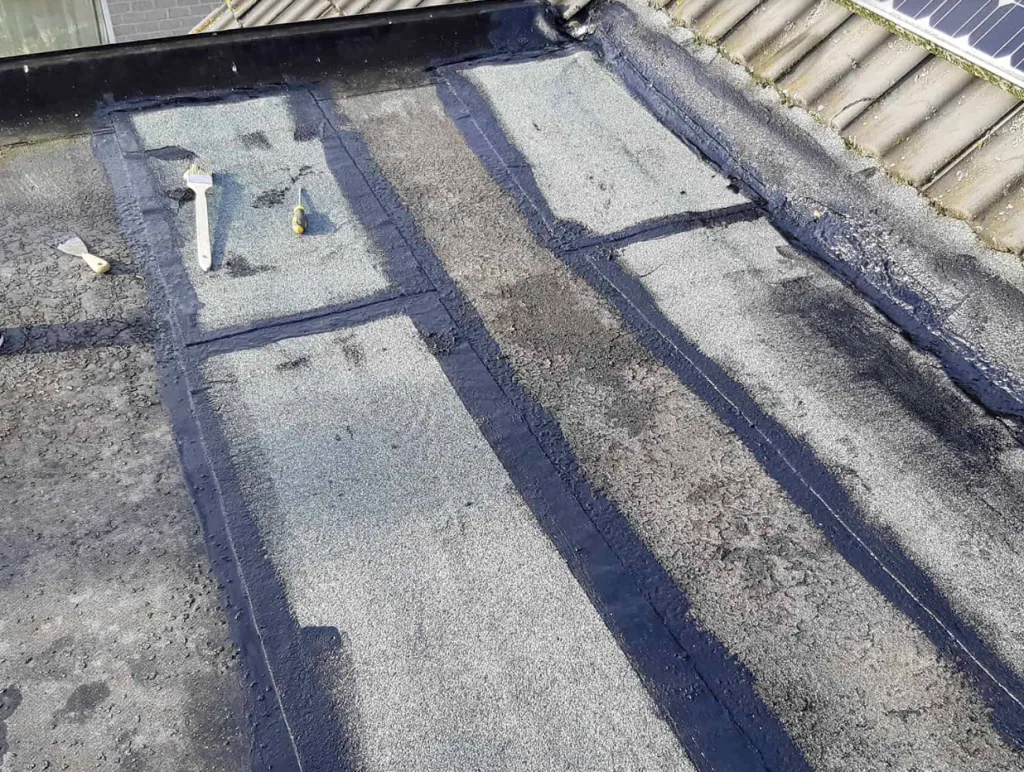
A lap can separate because of unsuitable bonding, contamination or movement imposed by adjoining details. A split can involve strain in the field, a transition or the supporting layer beneath it. We examine the condition and width of the affected connection, then determine how far removal or preparation needs to reach. Lap reconstruction should form a compatible connection to suitable membrane and correct the cause where support or movement contributed to the opening.
Blisters require separate assessment of trapped moisture or air and the bond between layers. We determine whether the condition affects serviceability and whether opening or rebuilding is appropriate under the selected repair method. Cutting a blister without understanding the assembly can create another water-entry point. The repair scope follows the examined layer condition, including whether insulation or substrate deterioration needs removal before a new patch can be supported properly.
At a repair perimeter, granules or other finish material may need system-appropriate preparation to establish the connection. We account for that work and the exposed reinforcement condition before selecting patch dimensions. The boundary should reach membrane that can receive the specified repair, with the surface restored as required after reconstruction.
Which installation method suits the assembly and building?
Modified bitumen systems can use different application methods depending on the product and assembly, including self-adhered, adhesive, hot asphalt or heat-applied approaches where specified. We review the selected requirements and the substrate before choosing the method. Preparation, temperature and drying conditions remain important whichever approach is used. A method convenient for the site still needs to provide the bond and detail continuity required by the particular system.
Fire hazards, odors and nearby operations must be assessed where the chosen process introduces those exposures. We coordinate appropriate precautions and work windows rather than assuming every bituminous roof requires the same application. Occupied-building sequencing also considers interior protection, equipment access and daily closure. The material and operating requirements are compared together so a restricted schedule does not leave insufficient time for preparation or a suitable completed connection.
Are the layers below the cap sheet still suitable?
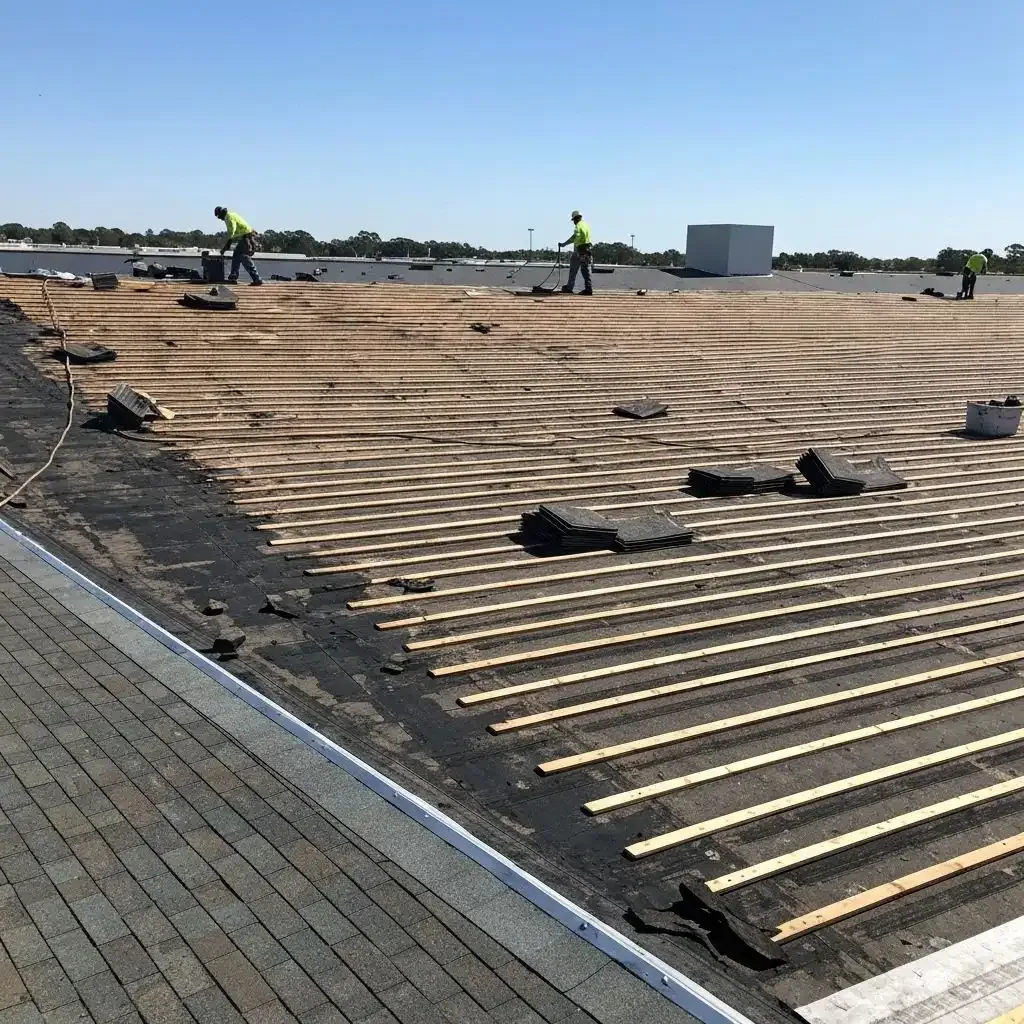
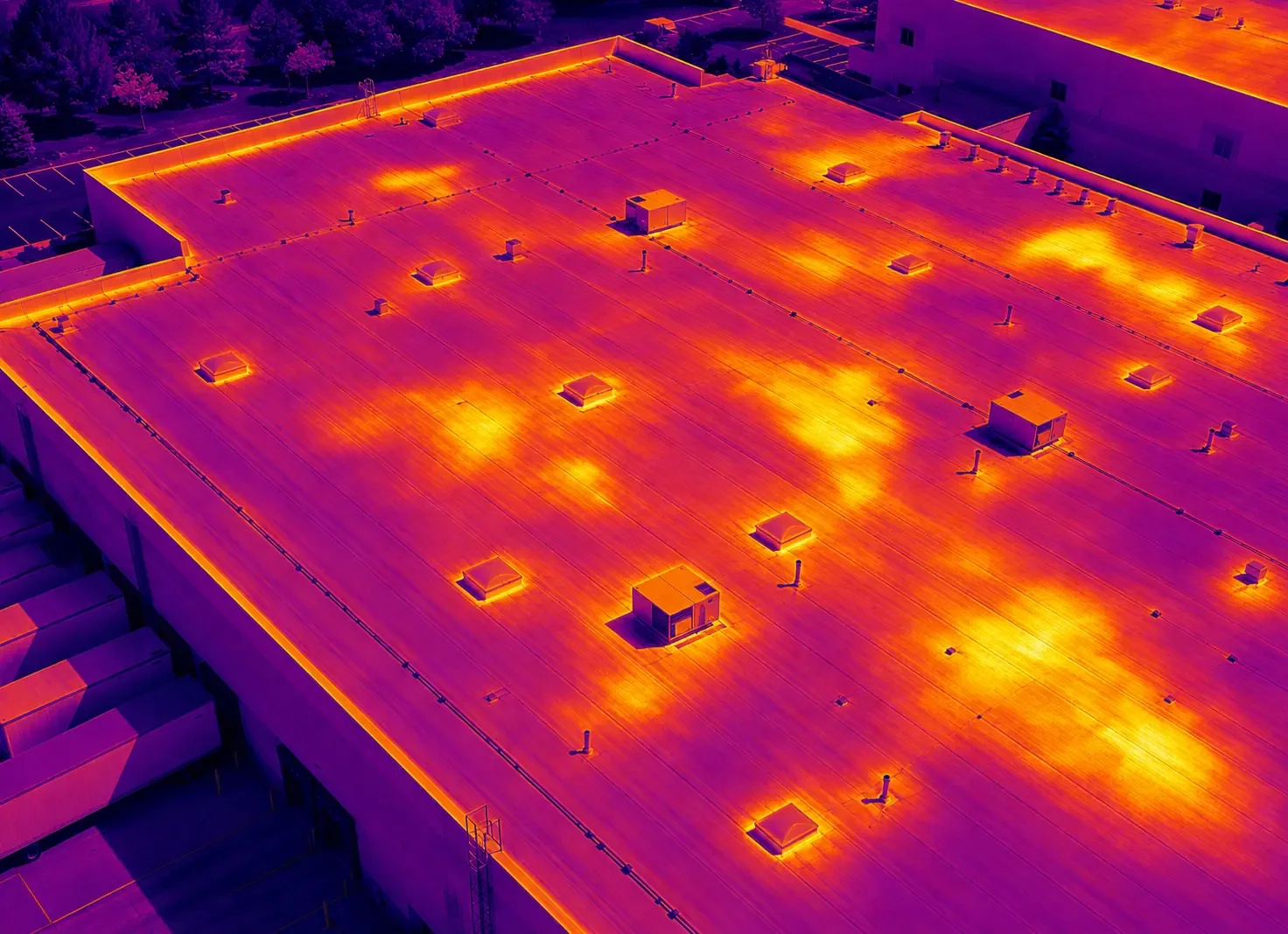
A serviceable-looking cap sheet can conceal wet insulation, loose base layers or deteriorated deck support. We examine those conditions through direct checks, with an infrared investigation and confirmation where the assembly and weather provide useful contrast. The findings distinguish a contained membrane repair from reconstruction that needs to remove damaged layers. Moisture boundaries are established before retaining material beneath a new covering.
Insulation and cover-board correction restores support, thickness and drainage relationships where removal is needed. We compare the rebuilt area with retained layers so the patch does not bridge a gap or abrupt unsupported step. Attachment to the deck and interfaces between layers are assessed with the selected assembly. A new cap sheet cannot restore the strength or thermal usefulness of material that remains deteriorated underneath it.
How should flashing and runoff connections be rebuilt?
Curbs, parapets and outlets need system-appropriate flashing connected to suitable field material. We examine corner support, usable height and upper termination before choosing the reconstruction. Movement between rigid components and the membrane can concentrate at these transitions, requiring a detail that addresses the strain rather than another narrow seal over the split. Drain approaches and any slope correction are coordinated with the layer thickness so runoff does not collect against a shortened connection.
For North Irving Belt Line commercial buildings, staging and preparation may need separation from occupied retail entrances and deliveries. Cost is affected by layer removal, substrate correction, application method and the number of complex details. We identify those drivers before comparing repair with a new modified bitumen assembly or a thermoplastic roof option. Each option requires its own compatible transitions and attachment plan.
After installation or repair, maintenance examines lap edges, traffic areas and outlet connections for developing change. Equipment service can puncture or abrade the finish, and debris can hold water against a previously sound detail. We identify suitable access routes and compatible repair needs, with attention to the installed layer arrangement. Future care should preserve the assembly rather than bury an unexplained defect beneath unrelated patch material.
Commercial Roofing Questions
Does a blister always need to be cut open?
Its location, size and effect on the assembly need examination before selecting a repair. Trapped moisture or air and loss of bond can have different consequences depending on the layer arrangement. We assess whether intervention is needed and how the opening would be reconstructed. Cutting without a suitable repair method can create a water-entry point where the original condition had not yet opened the covering.
Can you use a self-adhered sheet for a contained repair?
The product requirements, substrate and existing membrane must support that application. Preparation and temperature conditions affect the bond, and a compatible transition to retained material is still necessary. We examine those interfaces before selecting the sheet. The method is not chosen simply because it avoids another application process; it needs to suit the repair assembly and the materials exposed.
Will a new cap sheet correct splits at the curbs?
The curb transition and movement need assessment independently of the field covering. A split caused by tension or unsuitable support may require rebuilding the flashing and adjacent layers. We identify that connection before installing a new cap sheet. Covering the field alone could leave the same strained detail active at the perimeter of the new work.
What limits retaining an older modified bitumen roof?
Wet layers, unstable bonding, damaged support or applicable restrictions can make retention unsuitable. We examine the assembly and compare the selected new system's requirements before choosing recover or removal. A sound-looking surface finish does not establish the condition below it. The recommendation explains which layers can remain useful and which findings require reconstruction before a new covering is considered.
Ready to review the roof scope?
Request a Roof Assessment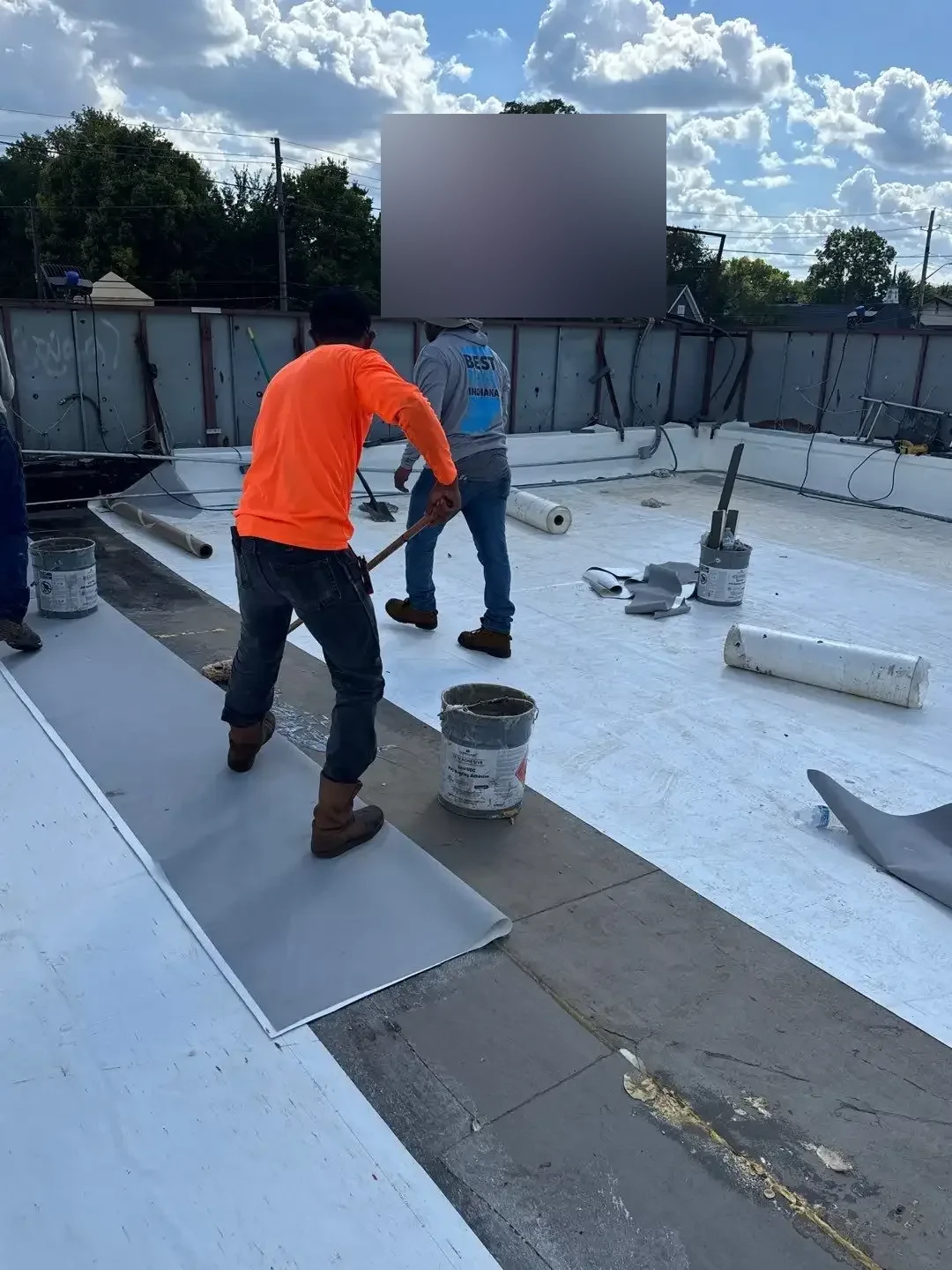
Commercial Roof Insulation and Cover Board
See scope, options and what to expect on the roof.