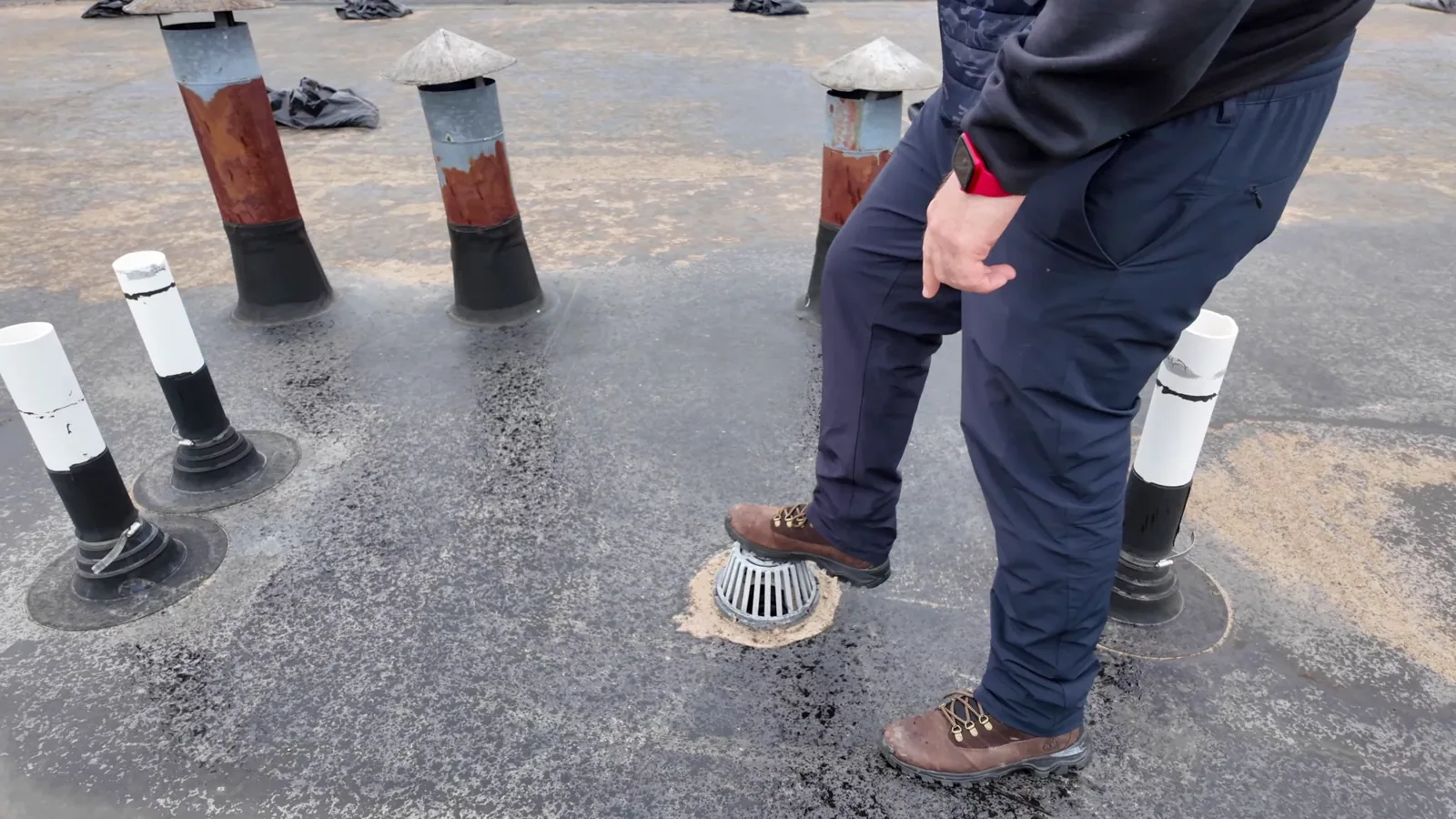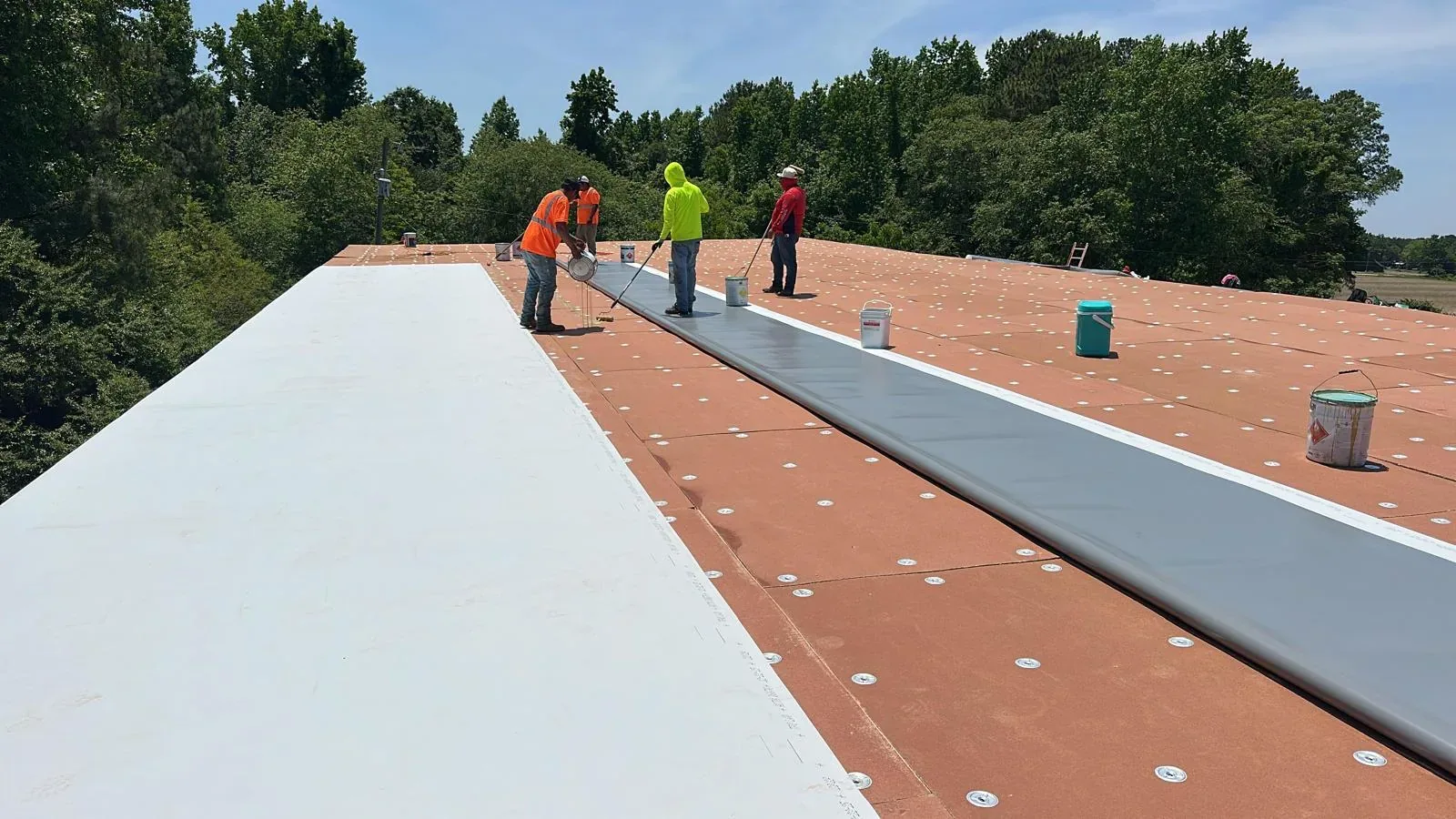
Repeated heating can change the asphalt at a built-up roof surface while splits or loose flashing interrupt the protection provided by the layers beneath it. Built-up roofing in Irving, TX, requires examination through that layered construction, not just a judgment about gravel or surface coating. Commercial Roofing Irving assesses surfacing, plies and support before choosing the repair or replacement scope.
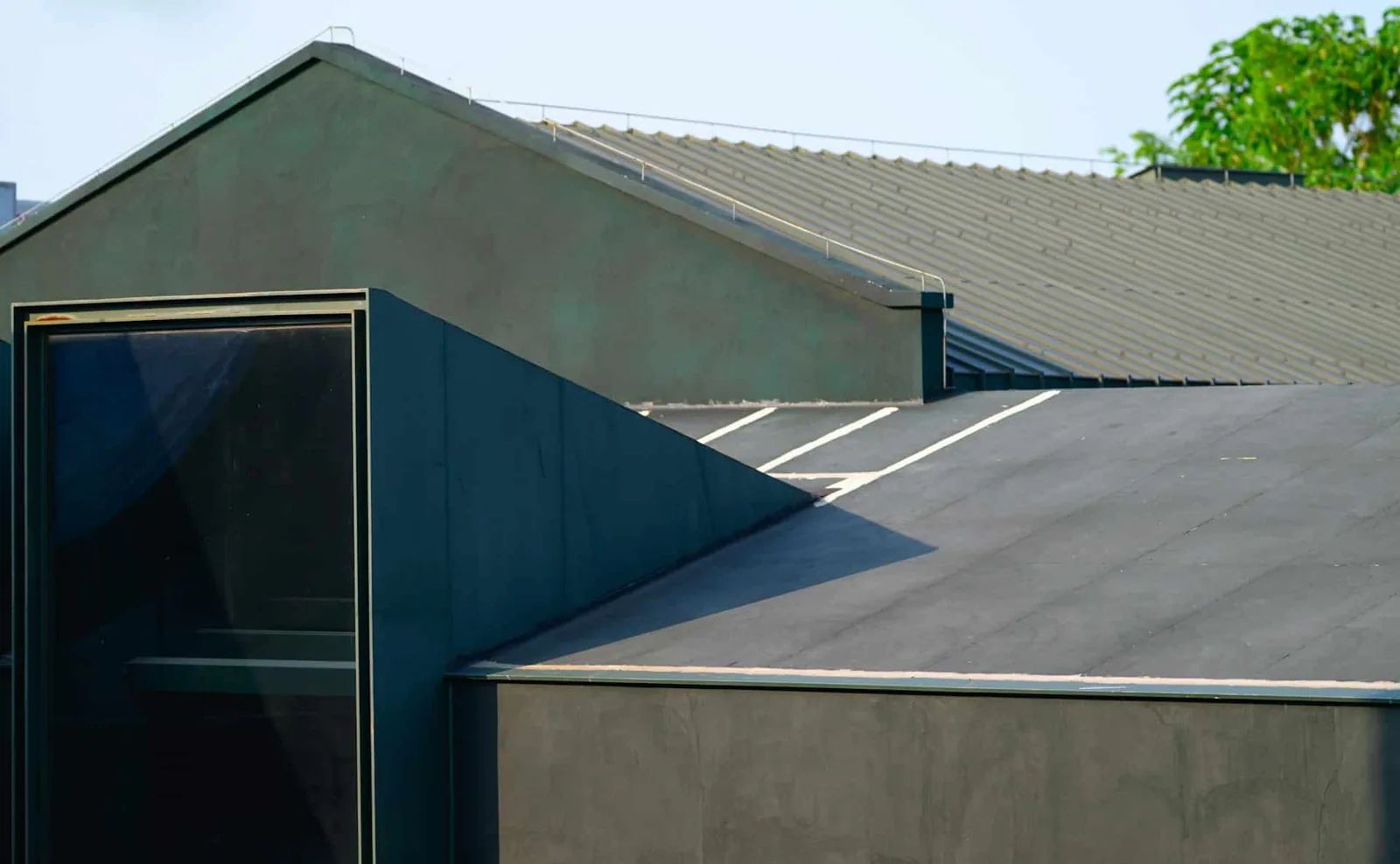
Heritage Crossing includes downtown commercial settings and redevelopment, while Las Colinas contains office and retail uses. Those local building contexts make access and occupied operations part of the roof work, without establishing the roofing system on a particular property. Across the Dallas/Fort Worth region, hot summers and wetter spring and fall seasons provide different exposures, so a built-up assembly is examined for both material response and the path water could take through damaged layers.
Which part of the layered assembly has failed?
Built-up roofing uses reinforcing plies and bituminous material as part of a multi-layer covering, with surfacing selected for the system. A surface injury may not extend through every ply, while a split or failed transition can interrupt the assembly more deeply. We identify the installed construction and examine the affected layers where necessary. The repair needs to restore the appropriate layer connection rather than assume the visible top surface defines the entire defect.
Where construction information is incomplete, selective openings can establish ply arrangement, insulation and deck condition. We compare the findings with modified bitumen construction where a cap sheet or earlier alteration makes the existing system unclear. The materials and repair method follow that identification. Similar asphalt-based appearance is not sufficient to treat different assemblies as interchangeable, particularly when prior repairs have added layers that conceal the original connection.
What does the protective surface need?
Surfacing can protect the bituminous layers from exposure, but displaced aggregate or worn coating can leave areas with different weathering. We examine those changes and the condition beneath them, including whether loose material obscures a split or contributes debris near an outlet. Removing or redistributing surfacing for examination must be done without creating unnecessary damage to the underlying roof. The findings distinguish a surfacing issue from an opening through the water-shedding layers.
Restoration may be considered where the assembly remains suitable and compatible preparation can be achieved. Roof coating evaluation includes moisture, bonding and detail repairs before surface treatment is selected. A new finish should not conceal deteriorated plies or unstable support. We establish whether useful material can remain and which exposed areas need reconstruction, then compare the preparation and application requirements with the actual roof condition.
We also examine service routes where concentrated traffic can displace protection or wear the exposed surface. Suitable access measures should preserve the installed covering and keep loose material away from drains. The correction may include a defined route or compatible protection, with its placement checked for runoff interference before it is installed.
How should splits and blisters be investigated?
Splits can follow movement in the covering or supporting construction, requiring examination of the relationship beneath the opening. A repair that bridges an active movement condition without accommodating it may fail again. We assess the affected plies, support and adjacent detail before selecting a compatible patch. The repair boundary reaches material that can provide the required connection, with damaged layers removed where they prevent suitable reconstruction.
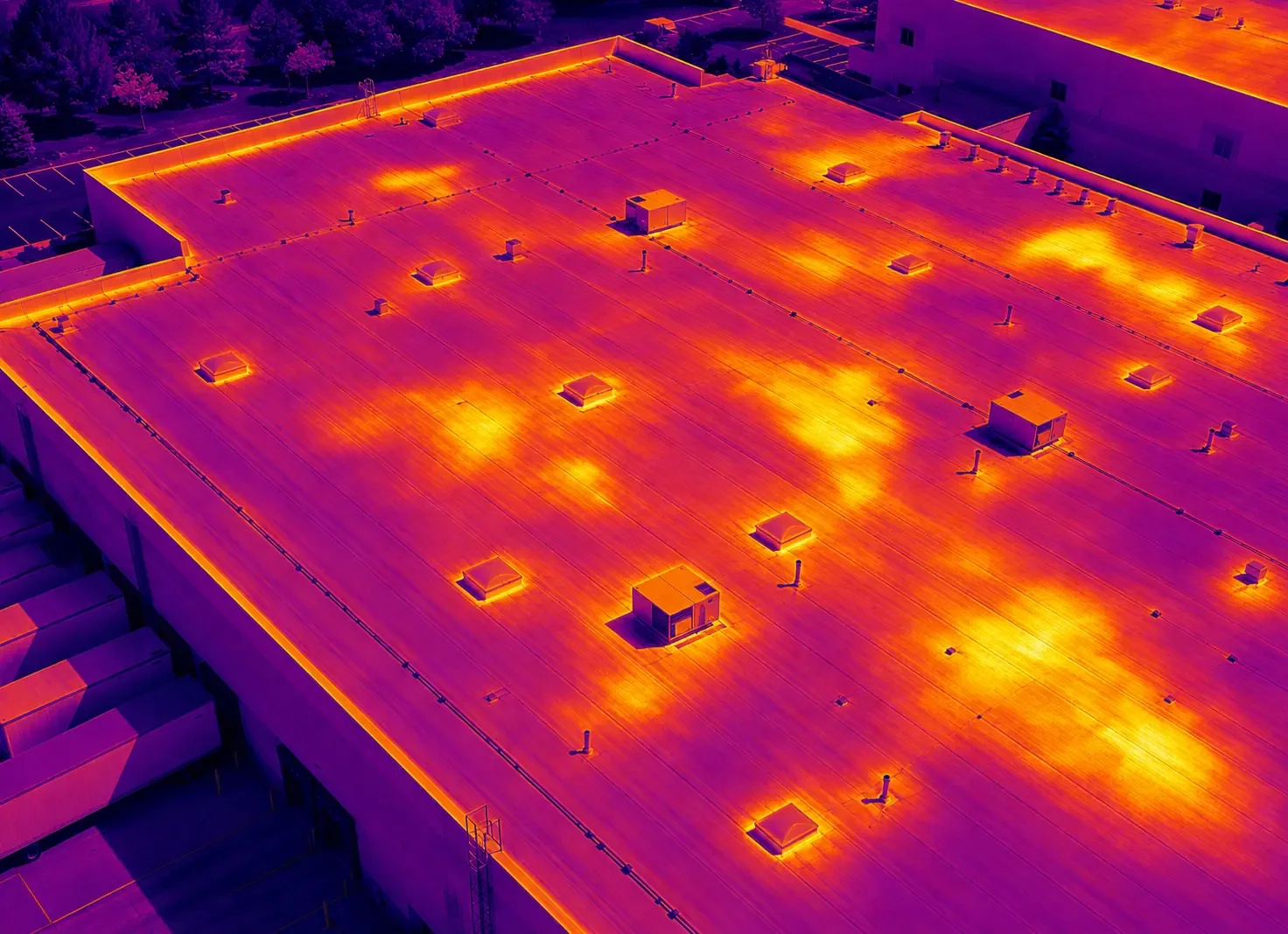
Blisters involve separation within the layered construction and may contain trapped air or moisture. Their location and condition influence whether repair is necessary and how it can be performed without creating another opening. We examine them alongside concealed moisture findings where the assembly permits useful investigation. Thermal patterns need confirmation before removal limits are set. The condition of insulation and deck support is considered separately from the raised surface itself.
Where do walls and equipment interrupt the roof layers?
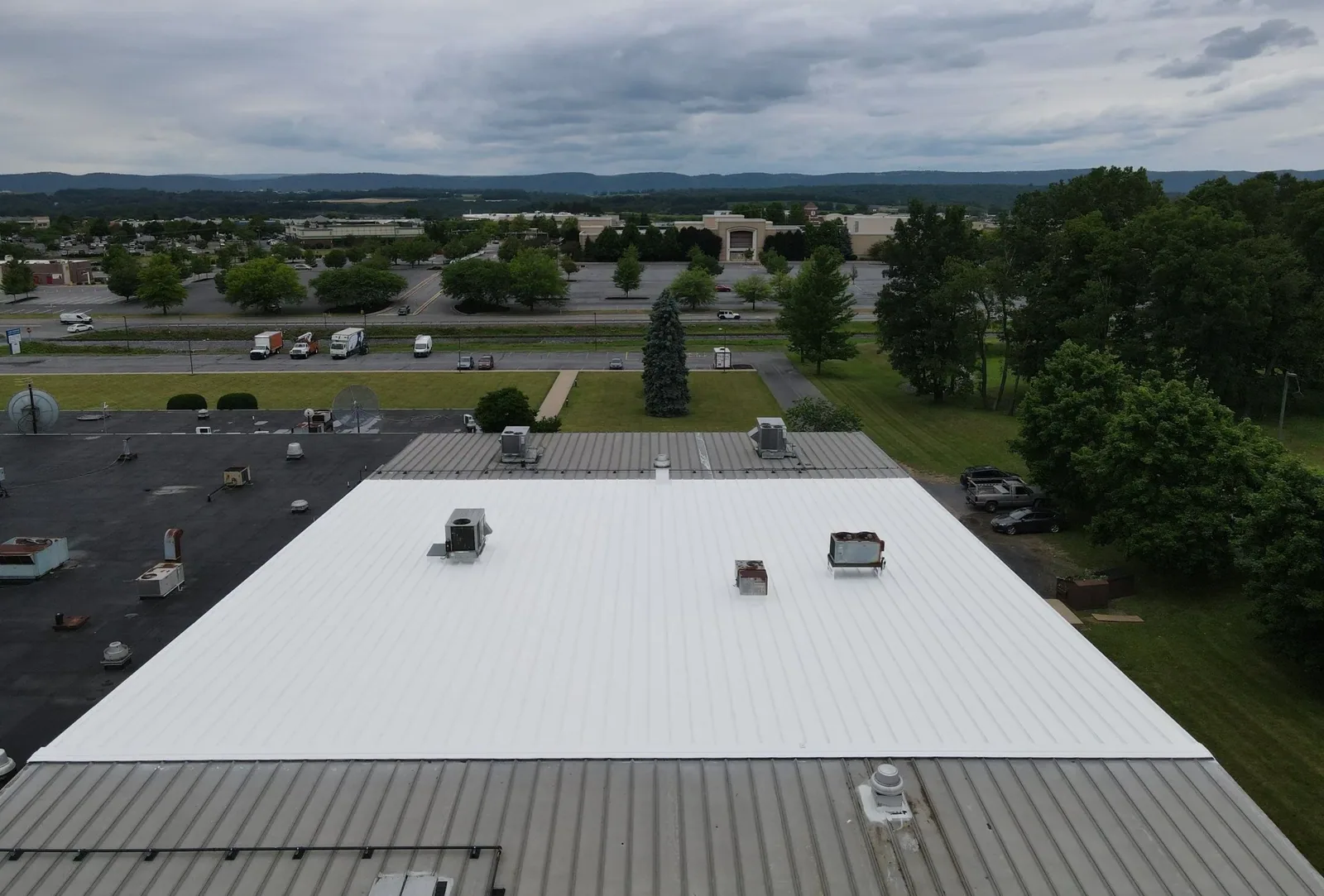
Base flashing rises from the field to a wall or curb, with reinforcement and termination suited to the selected system. Corners and changes of plane concentrate movement differently from the open roof. We examine their support, usable height and upper closure before choosing reconstruction. Bituminous flashing repair may need access beyond the visible split to rebuild the layer arrangement against sound retained materials.
Drain and scupper connections also require continuity through the covering and an approach that directs water into the outlet. We check whether surfacing, debris or local geometry is interrupting that path. Outlet reconstruction can involve the bowl or scupper and adjacent roofing, with plumbing coordination where needed. Surface clearing and a new patch will not resolve a damaged connection or a depression caused by deteriorated support beneath it.
What should the repair or replacement comparison include?
Contained reconstruction is reasonable where suitable retained plies and support can accept the compatible repair. Widespread moisture, loose layers or extensive deterioration can change the comparison toward removal. We distinguish the covering work from insulation, deck and detail corrections so the owner can understand what the new assembly would address. A TPO replacement option has different layer and attachment requirements, which must be assessed independently of the existing built-up covering.
For Heritage Crossing commercial properties, removal and installation planning considers occupied access and the construction actually found, rather than assigning roof materials or age from the downtown setting. Cost depends on layer removal, surfacing handling, substrate repair and the chosen application method. We evaluate fire, odor and interior protection concerns where the process introduces them, coordinating a sequence that allows suitable preparation and closure.
Daily work limits account for the depth being opened and the protection needed if weather changes. Completed repairs are examined at their layer connections and drainage transitions, with maintenance needs identified for surfacing, outlets and traffic areas. Later service work should use compatible materials and preserve those accessible details instead of adding unrelated patches that obscure the assembly and complicate future examination.
Commercial Roofing Questions
Can loose gravel be moved aside to inspect the roof?
Surfacing can be cleared in a controlled area where doing so supports examination without damaging the covering. We assess the installed system and the material beneath before selecting that method. The exposed area may reveal a surface condition or a deeper defect needing another check. Any displaced protection is addressed appropriately after the inspection or repair, rather than leaving the underlying roof newly exposed.
Does a split mean the whole built-up roof needs removal?
The split's mechanism and surrounding layer condition guide that comparison. A contained injury may support compatible reconstruction, while active movement or widespread deterioration can require a wider scope. We examine the support and moisture boundary before selecting removal. The visible length of the split alone does not establish how much of the layered assembly remains suitable.
Can a coating restore worn surfacing without opening the roof?
Restoration requires suitable retained layers, dry support and a compatible prepared surface. We examine those conditions and the details needing repair before considering coating. A worn finish may be one issue, while concealed wet insulation or loose plies require separate correction. The scope explains that distinction so surface treatment is not selected as a substitute for necessary assembly reconstruction.
Will replacement be more disruptive because the roof has several plies?
Removal depth and material handling affect the work sequence, along with substrate repairs and occupied-space protection. We assess the construction and define practical daily openings before scheduling. Multiple layers can change demolition and closure needs, but the useful comparison includes the actual roof and access conditions. The replacement plan separates those removal activities from the installation requirements of the new assembly.
Ready to review the roof scope?
Request a Roof Assessment
Commercial Roof Flashing Failure Repair
See scope, options and what to expect on the roof.