Heat-related movement can become visible first at a roof corner or termination, while the open field continues to look uniform. A commercial roof inspection in Irving, TX, examines those differences in material response so an owner can distinguish an isolated connection defect from deterioration affecting the assembly. Commercial Roofing Irving combines direct roof examination with the building's leak history and operating conditions to define the next useful action.
Las Colinas Urban Center brings offices together with restaurants and entertainment uses, while Valley Ranch includes multifamily and commercial properties. Those uses influence equipment access and the consequences of water entry, but the roof decisions follow observed condition. We examine the field, its transitions and its drainage paths, then describe repair priorities with enough detail to show what needs correction and what requires further investigation.
What changes across the roof field?
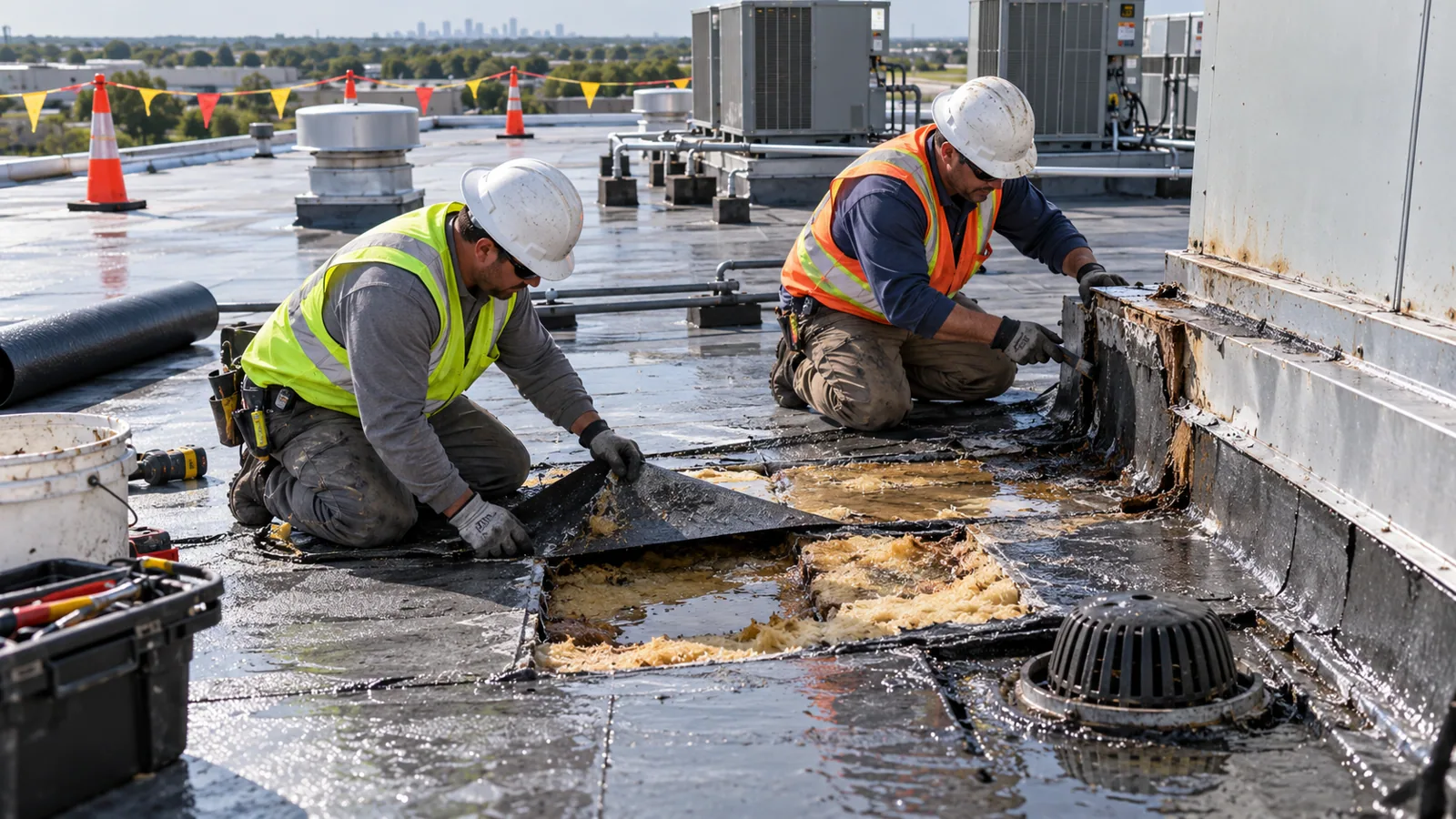
A uniform-looking membrane can contain localized wear around service routes, damaged seams or soft areas above wet insulation. We examine changes in surface texture, stability and attachment, relating them to roof geometry and equipment activity. On a thermoplastic assembly, lap examination differs from assessment of rubber seams or bituminous membrane splits. The inspection method follows the material present rather than applying the same surface criteria to every covering.
We also look for earlier repairs that have altered the local thickness or concealed the original detail. A patch may remain serviceable, or its edge may be separating from the underlying sheet. Direct examination helps distinguish those conditions and set a practical repair scope. Where the surface suggests concealed deterioration, we explain what an opening or additional test would establish before choosing whether to retain the underlying materials.
Are the transitions still accommodating movement?
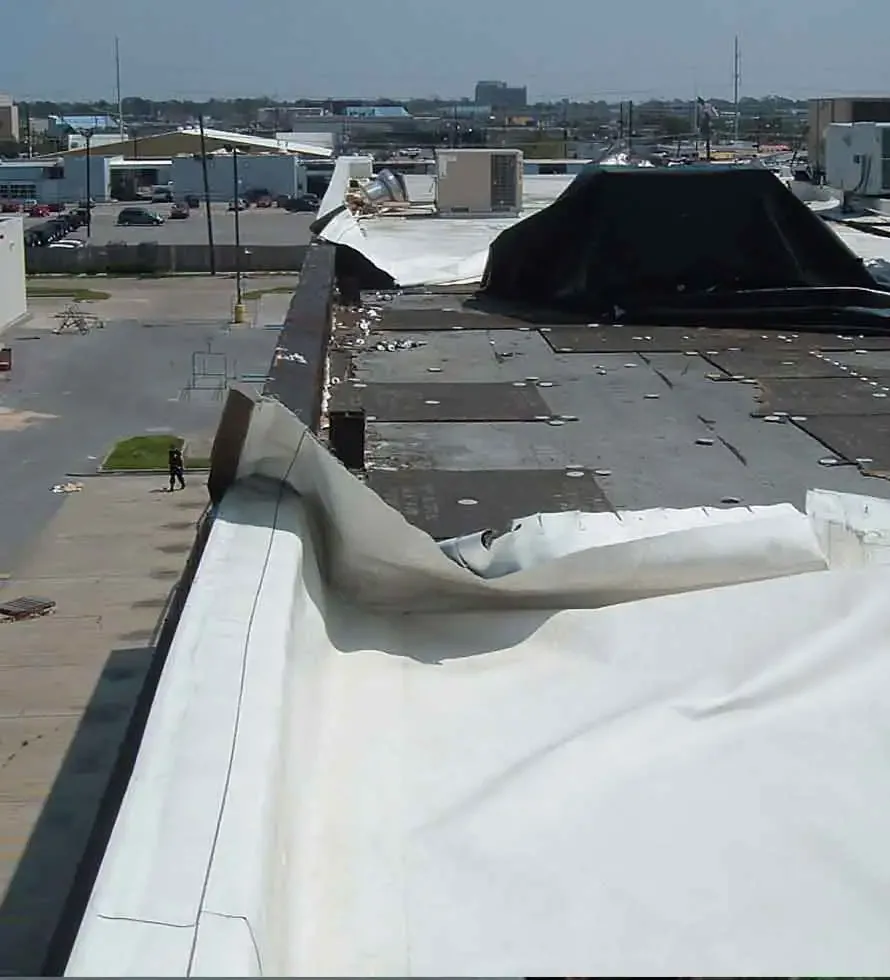
A roof field connects to curbs, walls, pipes and perimeter metal that respond differently to temperature changes. We examine wrinkles, splits and displaced terminations where that movement concentrates. A tight membrane corner can pull against a rigid curb, while unsupported flashing may move independently of the substrate. The inspection relates the visible defect to its support and attachment so the proposed correction can address the mechanism rather than its appearance.
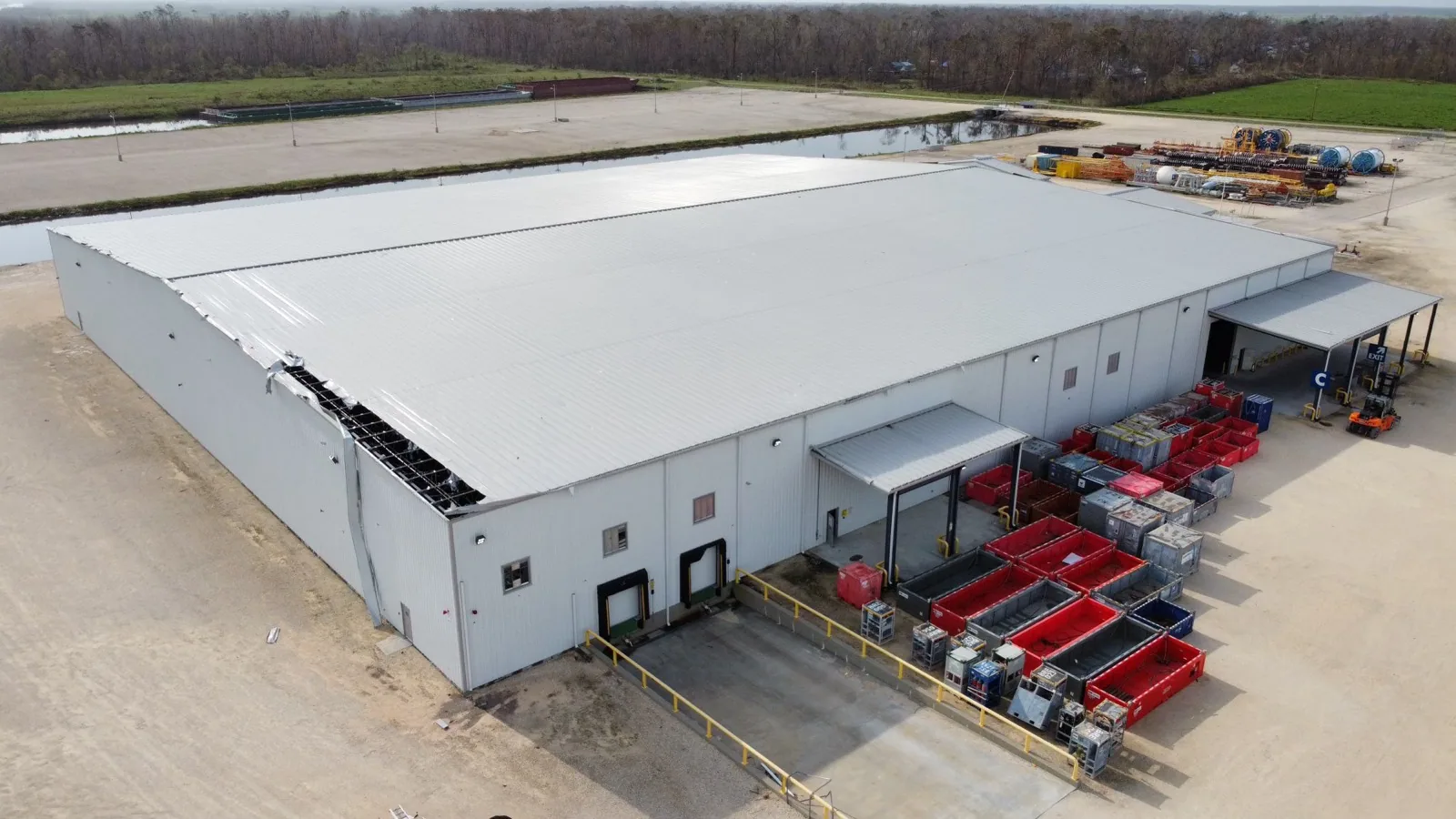
Edge metal needs examination at joints, fastening and the membrane connection below it. A displaced section may expose both a water-entry point and a weakened attachment path. We compare those findings with wind damage mechanisms where appropriate, without assuming a particular storm affected the property. Movement joints, equipment supports and pipe boots receive separate attention because each connection must preserve continuity while accommodating the movement intended for that part of the assembly.
Where does runoff stop moving toward an outlet?
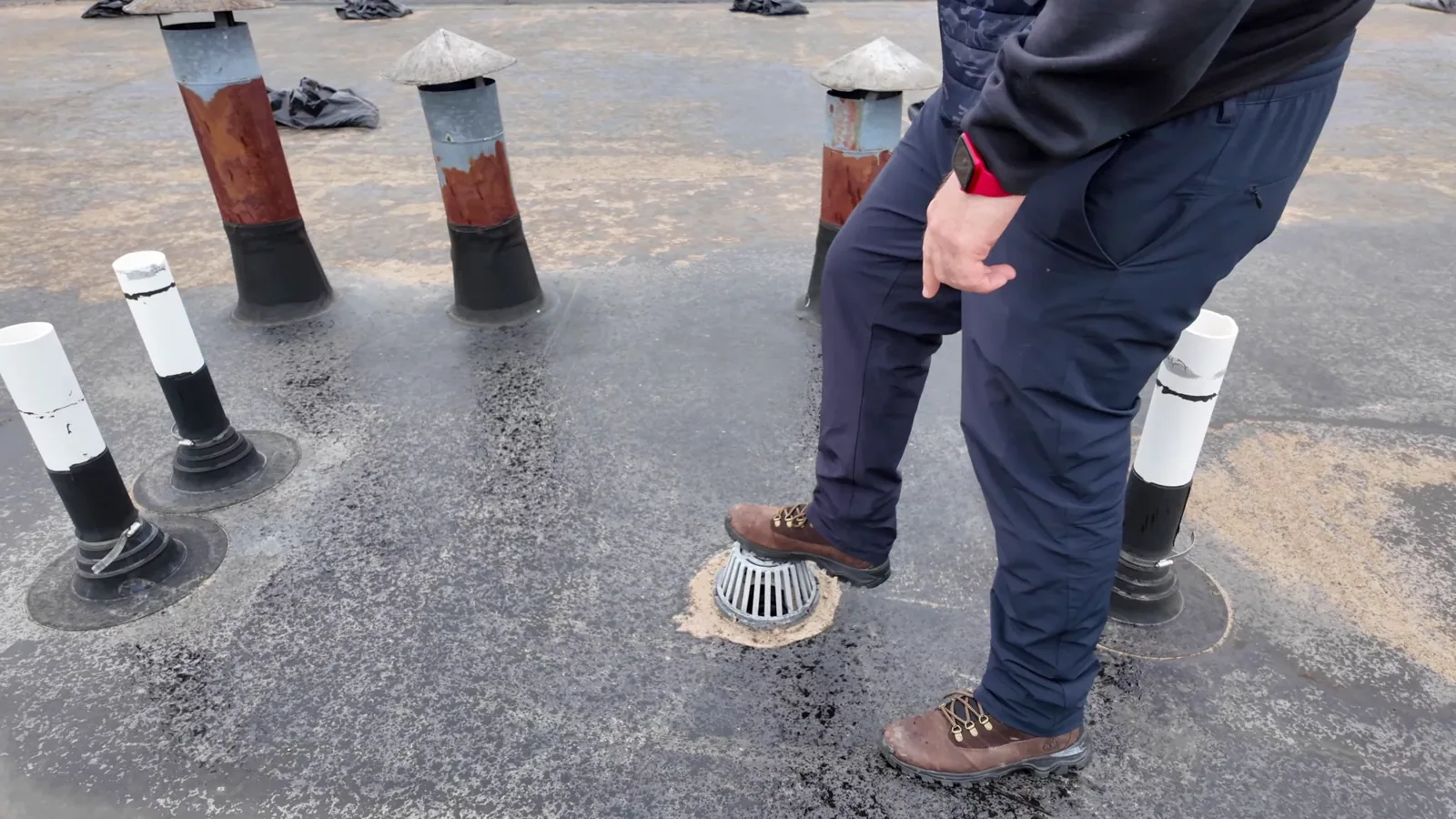
Debris around a drain, staining in a depression and water marks against a curb can reveal how runoff moves across the roof. We examine outlet connections and the surrounding surface elevations, then consider whether the obstruction is temporary or part of the roof geometry. Clearing a drain addresses a different problem from lowering a raised outlet or introducing tapered insulation. The inspection should distinguish those options before an owner commits to work.
We assess primary and secondary outlets where accessible, including whether their discharge routes remain usable. A drain or scupper repair may need reconstruction of the roof connection as well as removal of debris. Surface observations are compared with rainfall history and any retained water at the time of inspection. The Dallas/Fort Worth region has wetter spring and fall periods, which makes dependable runoff paths useful before those seasons rather than only after an interior leak develops.
When should inspection include another method?
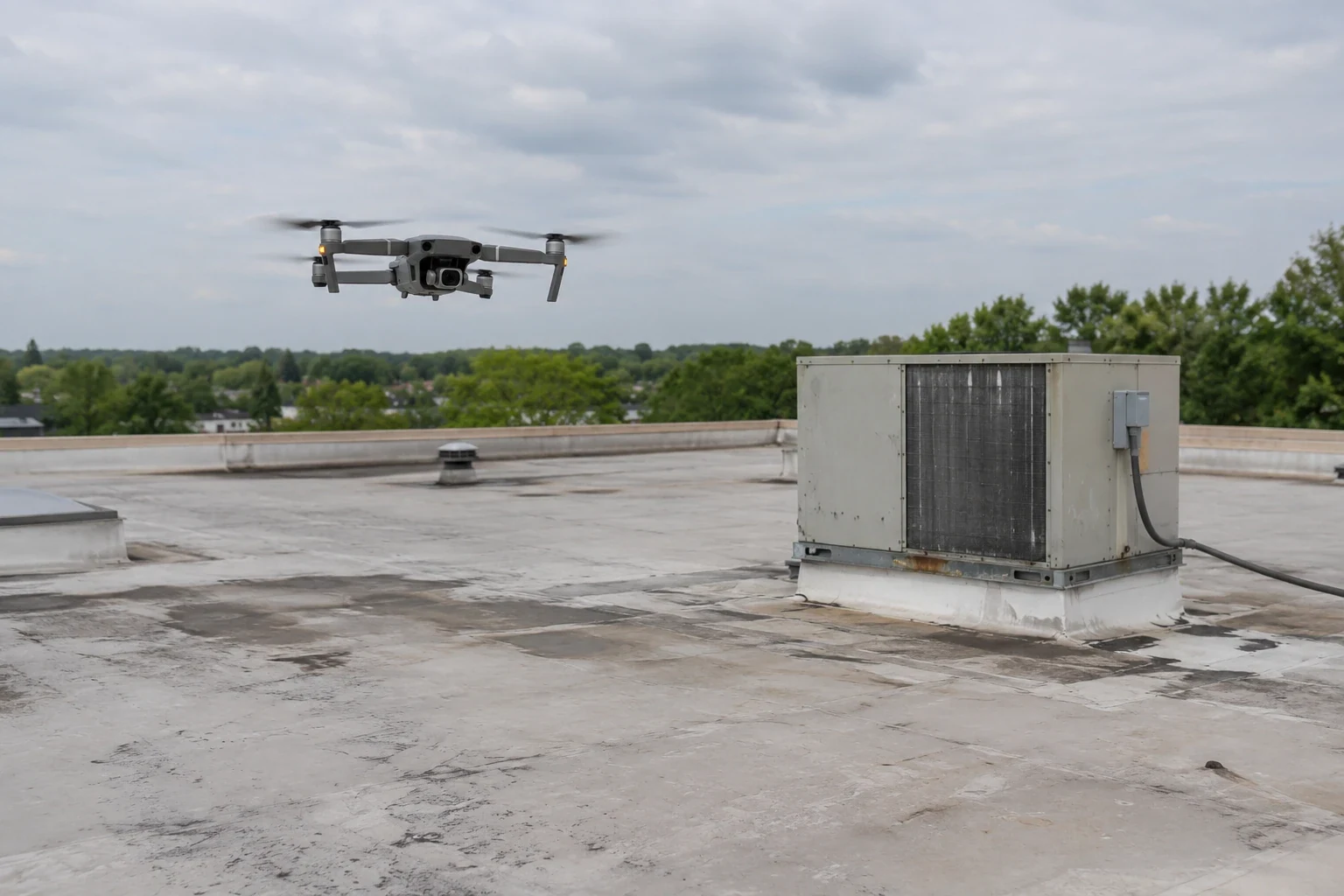
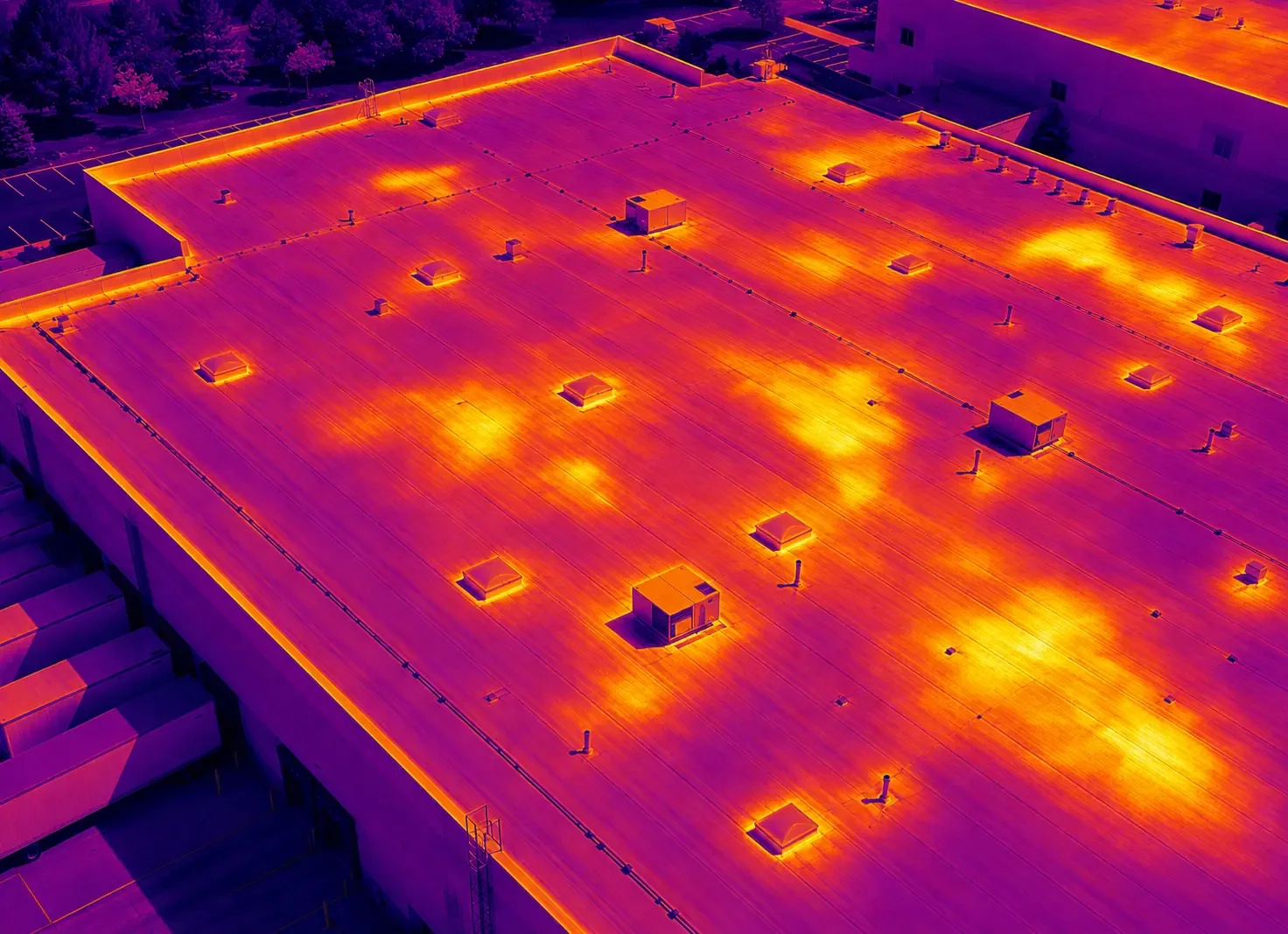
Hands-on examination identifies accessible defects but may leave questions about concealed moisture or areas that cannot be reached safely. We choose additional investigation for the question at hand. Drone roof imaging can extend visual coverage and show how conditions are distributed across a large roof, while direct access remains necessary to assess bonding, material stability and many detail connections. The aerial view and the close examination serve different purposes.
An infrared moisture investigation can help locate thermal patterns for direct confirmation under suitable weather and assembly conditions. Selective openings reveal layer sequence and substrate condition where surface evidence is insufficient. We explain the question each method is intended to answer and which locations need examination. That approach helps keep additional testing proportionate to a repair decision, a purchase evaluation or a larger assembly comparison.
How do the findings become work priorities?
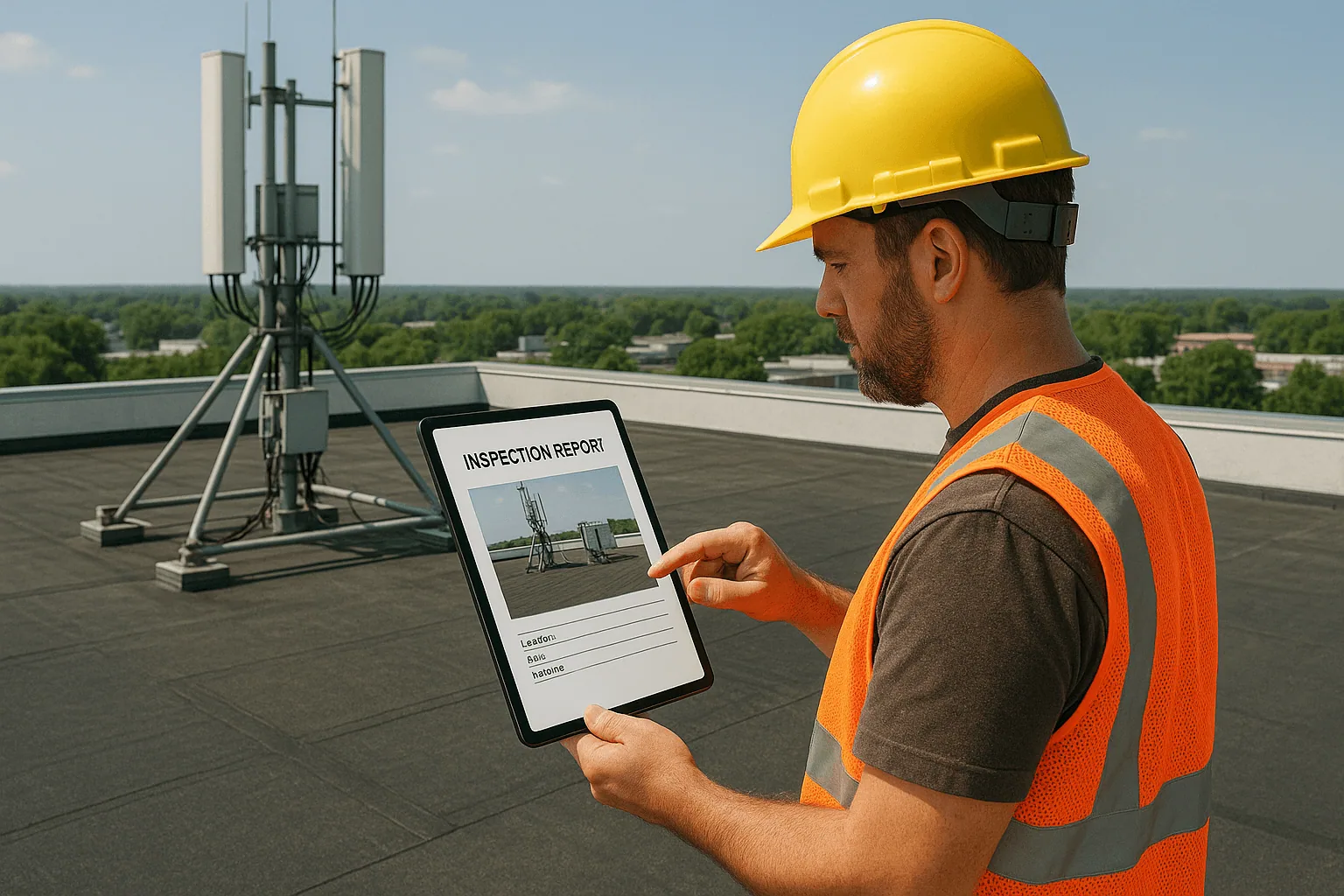
An active entry, loose perimeter component or obstructed outlet may need prompt attention, while another defect can be scheduled with a planned repair. We describe the mechanism and consequence behind each priority, including whether water is already reaching underlying materials. A photo with a general condition label is less useful than a location, an observed defect and an explanation of the repair or investigation needed. We provide written condition findings that support those decisions.
At Las Colinas Urban Center properties, the work priorities may also need coordination with equipment service, tenant circulation or restaurant operating periods. Those constraints affect scheduling rather than changing the observed condition. We distinguish immediate correction, planned work and longer-term replacement considerations so the manager can authorize the appropriate activity. Where a larger project is being considered, the findings establish which retained layers need further examination before the new assembly is selected.
Inspection cost and timing follow roof area, safe access, detail complexity and the depth of investigation needed. Multiple roof levels or concealed equipment connections can require more examination than a simple open field. We define those access needs before the visit and explain which areas could not be examined, together with the next step needed to resolve the remaining question.
We also identify any access improvements that would make recurring examination of drains and equipment connections safer and more practical.
Commercial Roofing Questions
Can you inspect while the roof is still wet after rain?
Wet conditions can reveal drainage patterns but may restrict safe access and some testing. We assess the surface and available routes before proceeding, then identify which observations are useful under those conditions. Bond assessment, preparation or thermal investigation may require a different weather window. A follow-up visit can therefore be necessary to complete a particular decision rather than repeating the same examination.
What should I provide if different tenants report different leaks?
Provide the locations, dates and rainfall or equipment conditions associated with each report. A roof drawing or interior layout helps relate those observations to penetrations, deck direction and drainage. We compare the separate reports instead of assuming they share one entry. Access to affected rooms may help resolve intermittent paths, especially where equipment or plumbing could contribute water independently of rainfall.
Will the findings tell me whether to repair or replace?
Observed material condition supports that comparison, with further investigation where concealed layers remain uncertain. A contained defect against sound surrounding materials may support repair; widespread wet insulation or attachment deterioration can shift the scope. We explain the finding that leads to each option and identify unresolved questions before recommending a larger investment. The recommendation follows the assembly condition rather than its reported age alone.
Can maintenance staff use your findings for routine work?
The findings can distinguish suitable maintenance tasks from repairs needing roofing reconstruction. Debris removal and access housekeeping differ from rebuilding a seam, termination or drain connection. We identify the affected locations and explain any safety or material concerns before those tasks are assigned. Subsequent maintenance observations can then be compared with the original photos to track changes in the corrected and retained areas.
Ready to review the roof scope?
Request a Roof Assessment