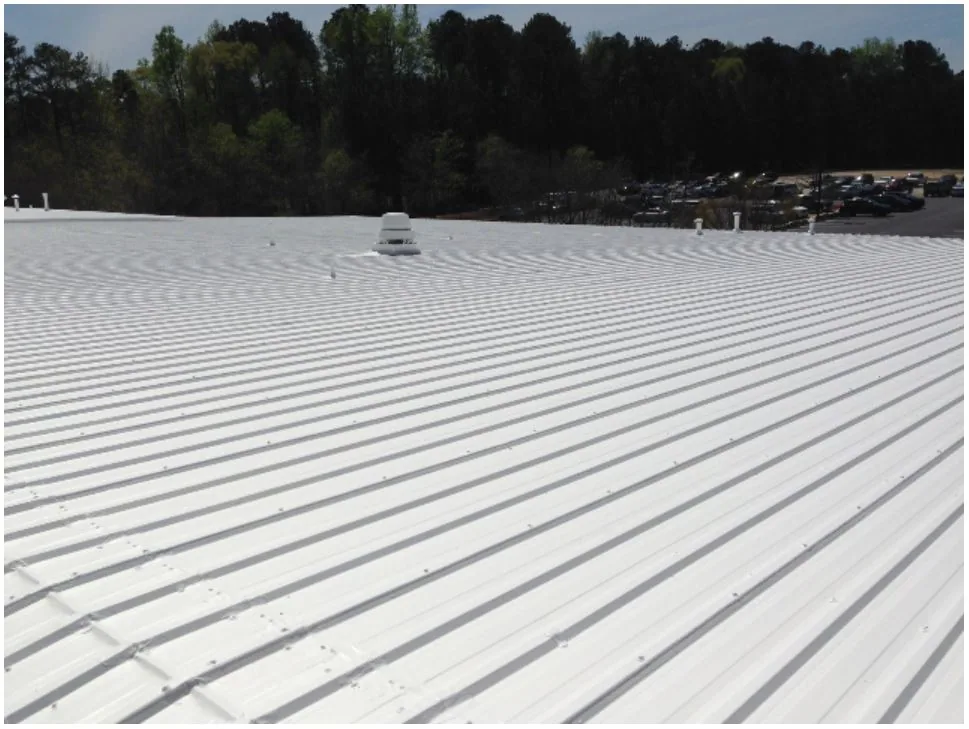
Cooling after a hot afternoon can produce a roof-surface temperature pattern that deserves investigation without proving that insulation is wet. A useful condition report preserves that distinction: what was observed, how it was checked and what decision the finding supports. In Irving, TX, Commercial Roofing Irving develops the written assessment from accessible construction and appropriately selected investigation rather than treating an image as a diagnosis.
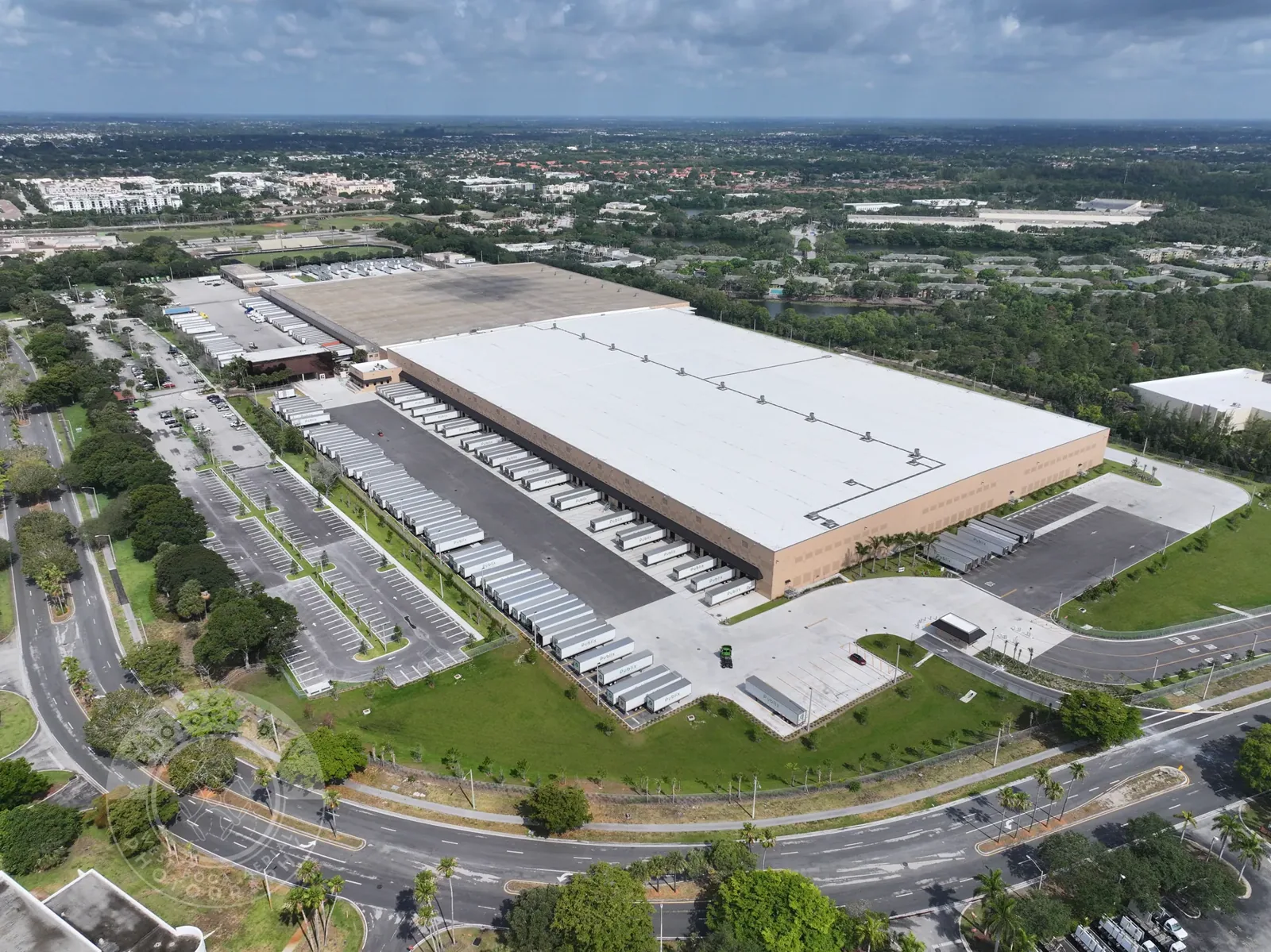
The Metroplex's summer heat provides regional context for thermal response, while the assembly controls what an examination can establish. Offices and restaurants in Las Colinas Urban Center also affect interior access and the consequences of opening a roof detail. We connect those operating conditions with located photographs, material observations and specific next actions. A reader should be able to relate a recommendation to a part of the roof and understand what remains uncertain beneath it.
What does the examination actually cover?
The report begins with the roof areas examined and the method used to reach them. Separate elevations, additions and different coverings need recognizable identifiers. We note accessible drainage routes, equipment transitions and perimeter conditions, along with any area excluded because safe access or authorization was unavailable. A photograph of an accessible field does not establish the condition of a concealed wall junction or a separate elevation that was not reached.
The scope of a hands-on roof examination differs from the scope of an image-only survey. We describe which seams, terminations and substrate conditions received direct attention and which findings depend on further work. Available drawings and earlier repairs can inform that examination, but an unconfirmed record is identified separately from observed construction. This boundary matters when the assessment will support a budget, acquisition decision or another professional's review of the building.
How does a photograph support a finding?
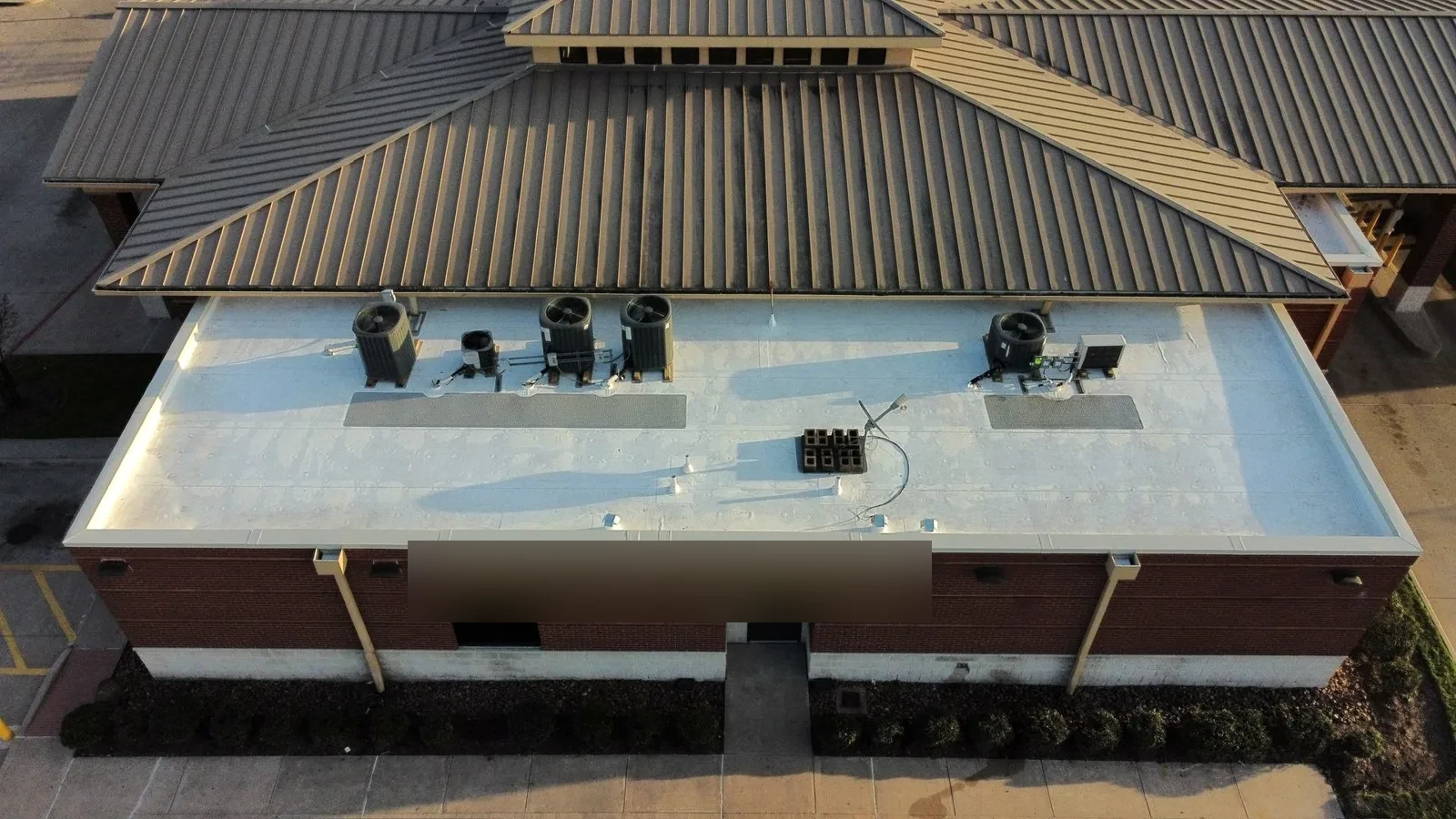
A defect image needs enough context to locate and interpret it. We pair useful close-up views with a roof-area reference and describe the component involved. An open lap, a displaced termination and a crack in unrelated equipment are different observations. The text explains the roof connection at issue and the accessible surrounding condition, rather than assigning a broad replacement recommendation to an unlabeled photograph.
The condition of a modified bitumen assembly includes its laps, flashings and supporting layers where examination permits. Surface wear alone does not establish concealed moisture or deck damage. When a detail is opened, the report records its position and the construction found beneath it. This allows the reader to distinguish a confirmed local finding from an inference about the wider roof. We identify the additional investigation needed before that local result can reasonably define a larger removal boundary.
Drainage observations need their own description. Water present during rainfall differs from water retained after runoff should have reached an outlet. We record the observed condition, visible obstruction and relationship between the drain and surrounding roof. Where slope or discharge performance requires further checking, the recommendation identifies that work. A photograph of standing water can locate the concern, but it does not by itself distinguish an obstructed inlet from a low roof area or an undersized discharge path.
Which observations need another method?
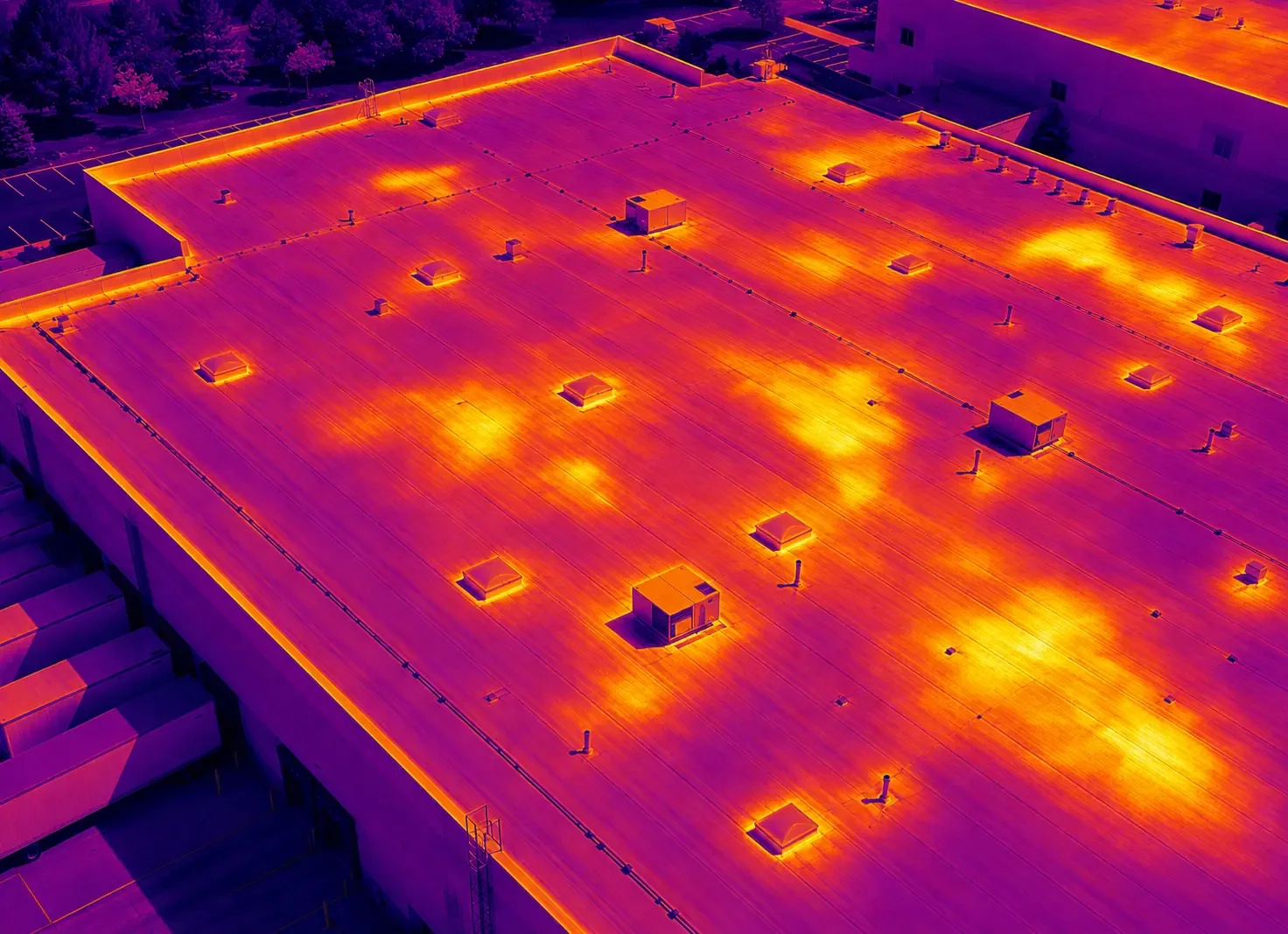
A thermal anomaly can reflect moisture, a material change, a previous repair or another influence on heat flow. A moisture investigation with selected confirmation explains the conditions under which the survey was performed and the direct checks used to investigate suspect areas. The report should retain those relationships instead of labeling an entire colored region as wet insulation without confirmation.
Selective openings introduce their own limits. An opening describes the construction at that point, and additional areas may differ. We record the layers and observed condition, explain why the opening was selected and identify any remaining boundary question. Where testing would create an unsuitable risk or needs further authorization, that limitation remains in the assessment. The next action can then be chosen with a clear understanding of the evidence already available and the information that another method would add.
Why does the recommendation follow from the evidence?
A repair recommendation should identify the defect, the surrounding material expected to remain and the connection that must be restored. Where those retained materials have not been examined sufficiently, investigation can be the next step instead of an assumed repair. We distinguish immediate water control, permanent detail reconstruction and further examination so the property manager can authorize a specific action rather than one broad response to every observation.
A flashing repair may be appropriate when its support and adjoining roofing remain suitable. More extensive deterioration can require comparison with replacement or a different removal scope. The report explains that change in reasoning and the condition that drives it. A capital-planning assessment can then use the findings without confusing a preliminary planning alternative with a fully investigated construction specification.
How can the next reader use the record?
Location references, defined methods and dated findings make the record usable after the inspection conversation ends. A manager should be able to identify completed repairs and unresolved items, while a later examiner should be able to locate the same detail. We explain the actions needing authorization and the access arrangements needed to complete them. Keeping those items together prevents an inaccessible area from quietly becoming an area assumed to be satisfactory.
Roof assessments in Heritage Crossing's downtown area need the same separation of findings from operating context as assessments in Las Colinas Urban Center. The property's actual entrances, tenants and equipment set the access arrangements. The district name does not establish its roof construction. We include the building-specific restrictions in the record and connect subsequent changes with the ongoing roof condition history, so later equipment work or a new leak can be compared with what the assessment actually established.
An executive overview can make priorities easier to identify, but it should remain consistent with the detailed findings. We keep the reason for each proposed action available alongside its priority, including the uncertainty that prevents a firmer conclusion. That connection is useful when a different person must approve the work.
Commercial Roofing Questions
Can a report establish deck condition without opening the roof?
Accessible observations and available records can identify concerns, but covered portions of a deck may remain unexamined. We describe what was visible and the investigation needed where concealed condition affects the decision. A report should distinguish an observed sound area from an assumption about inaccessible construction. Structural evaluation may require another professional and a separately agreed examination scope.
Should a thermal image appear beside a repair quantity?
The image can show an area requiring investigation, while a repair quantity needs an appropriate confirmation method and a defined boundary. We connect the image with direct findings where available and identify uncertainty elsewhere. This keeps the proposed work tied to established construction rather than allowing a temperature contrast alone to become a demolition quantity.
What makes two inspection reports comparable?
Use consistent roof-area identifiers and preserve the methods and access limitations of each examination. Changed weather, different equipment or a different inspection scope can affect the observations. We describe those differences before interpreting a change as deterioration or improvement. Located photographs and a completed-repair record help the next examiner compare the same connection instead of merely comparing similar-looking images.
Does the report serve as a construction specification?
An assessment identifies condition and recommended action within its agreed scope. Detailed assembly design, structural work or permit documents may require further development and appropriate professional involvement. We identify that next step where it is needed. The owner can then use the findings to commission the required work without assuming every design decision was resolved by the inspection.
Ready to review the roof scope?
Request a Roof Assessment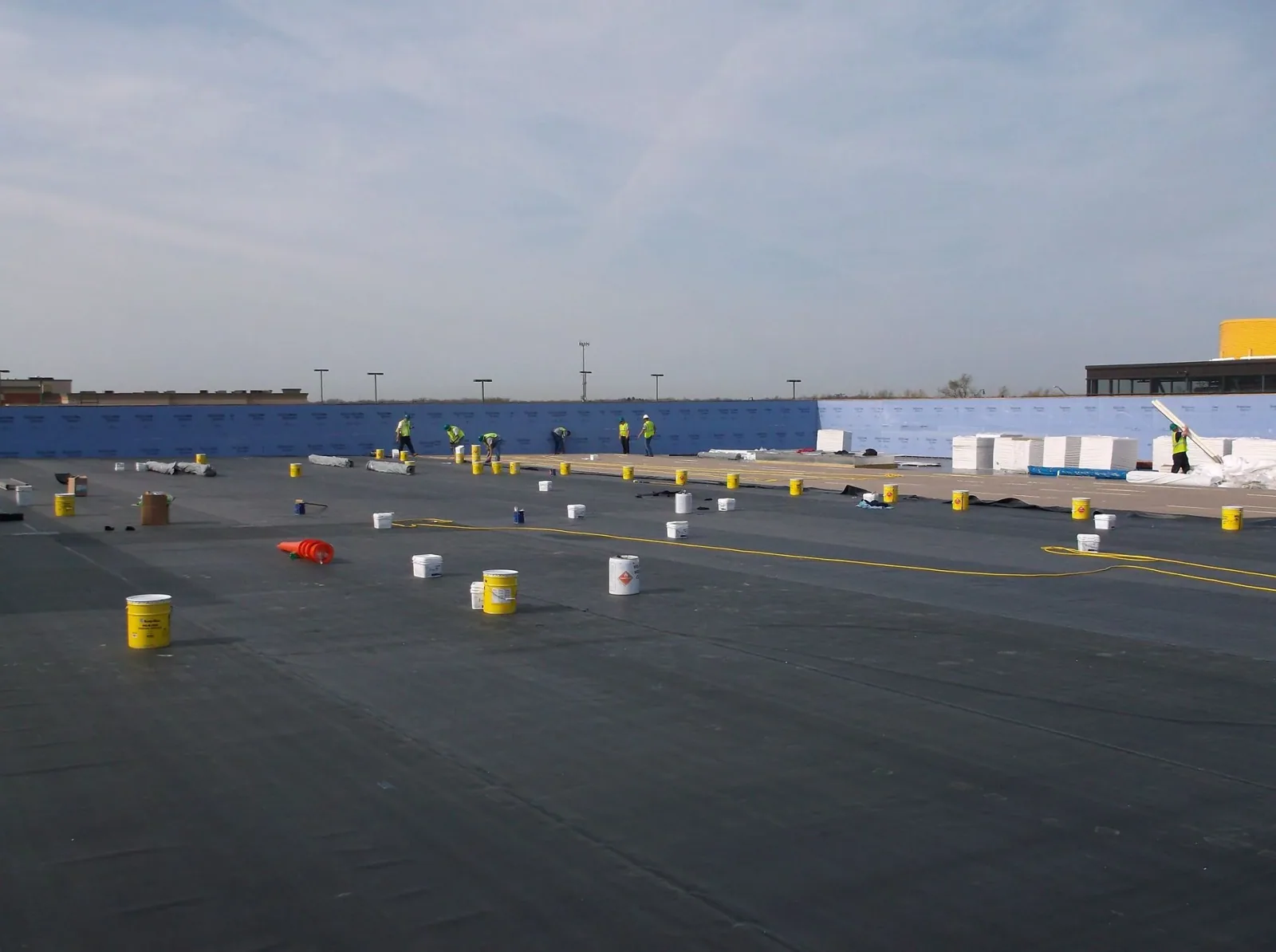
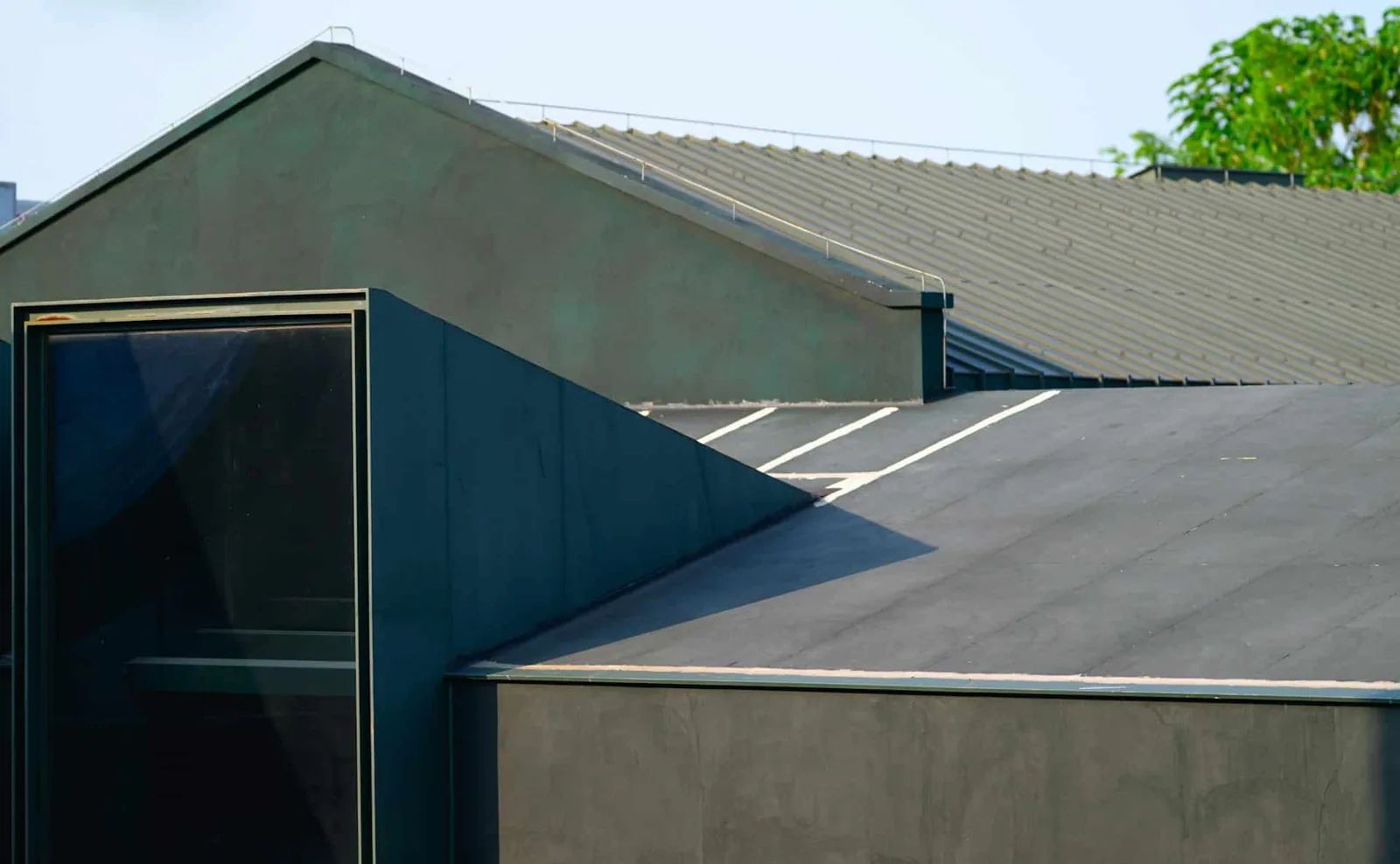
Commercial Roof Flashing Failure Repair
See scope, options and what to expect on the roof.