A seam that opens after repeated heating provides a useful asset-management signal only when its location, supporting layers and earlier condition are known. Without that comparison, the next inspection can record another split without explaining whether a contained detail is deteriorating or the wider assembly is losing serviceability. In Irving, TX, Commercial Roofing Irving treats the roof record as a sequence of material findings tied to decisions about repair, investigation and removal.
Hot Metroplex summers make movement at connections relevant to that sequence. The roof over a Las Colinas office and the roof over Valley Ranch multifamily space may have different operating restrictions, yet both require a record that distinguishes observed defects from assumptions about concealed layers. We establish the roof areas, describe their assemblies where known and retain the findings needed to compare the next examination with the current one.
What needs a baseline before condition can be compared?
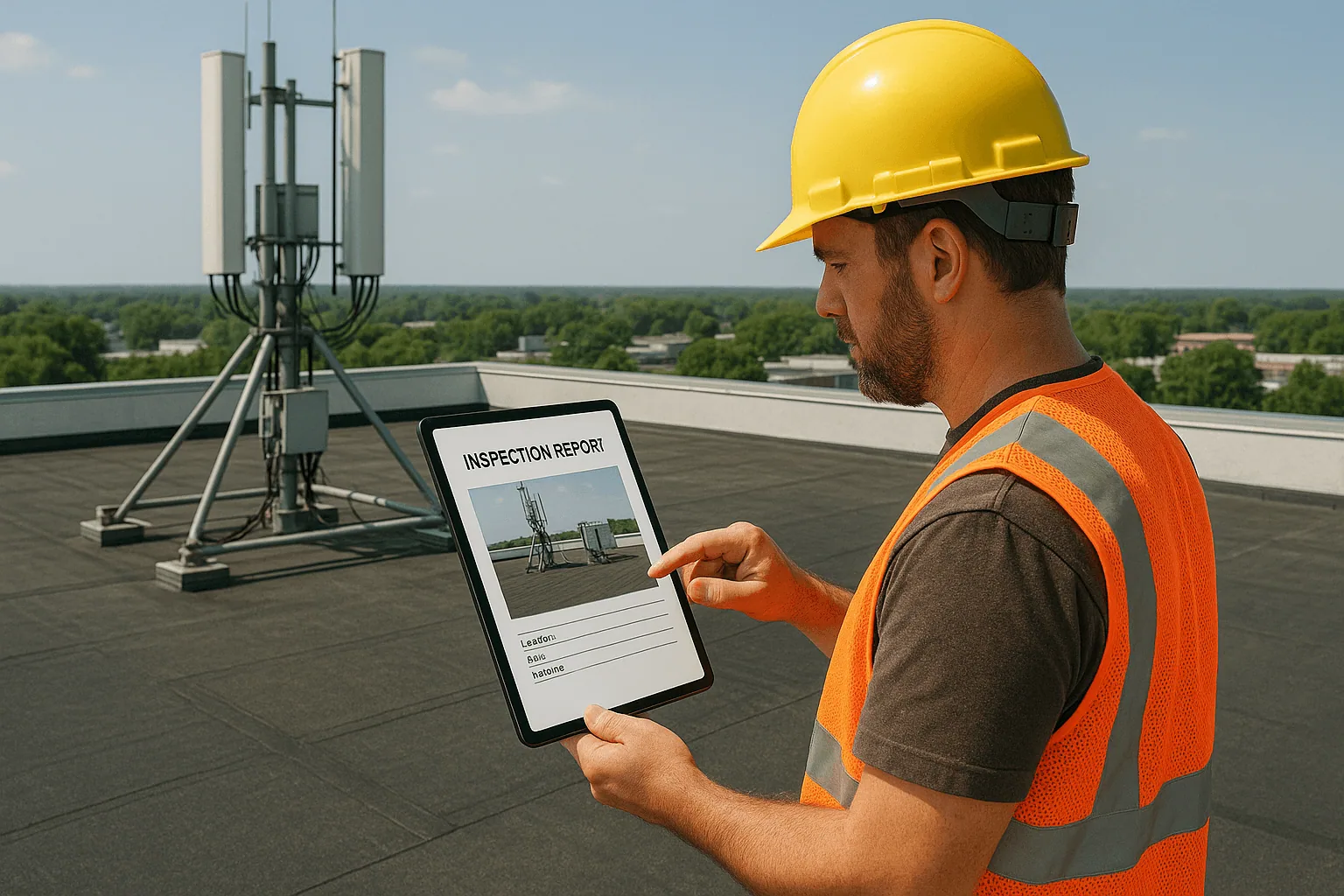
A building identifier is too broad where additions, separate elevations or different installation periods have produced several roof assemblies. We divide the roof into useful areas and record the boundaries between them. The baseline identifies accessible material, drainage routes, penetrations and any construction that remains uncertain. Photographs need a position and a subject so a later observer can locate the same connection instead of comparing unrelated close-up images.
A baseline condition inspection also establishes which findings require action before routine tracking is useful. An open seam, unstable edge or active water entry needs an appropriate response; entering it into a register does not protect the building. We separate those actions from observations that can be watched, and explain the evidence that would change a watched condition into a repair. The result gives the property team a practical starting point rather than a list in which every roof item has equal urgency.
How can repeated observations distinguish movement from spread?
Location alone does not make two inspections comparable. The record should identify the defect's extent, the accessible substrate and any conditions that affected the examination. A short split at a rigid transition differs from separation along several connected seams. Water staining beneath one roof area differs from confirmed moisture distributed through its insulation. We use descriptions that preserve those distinctions so apparent change can be checked against the assembly rather than attributed automatically to age.
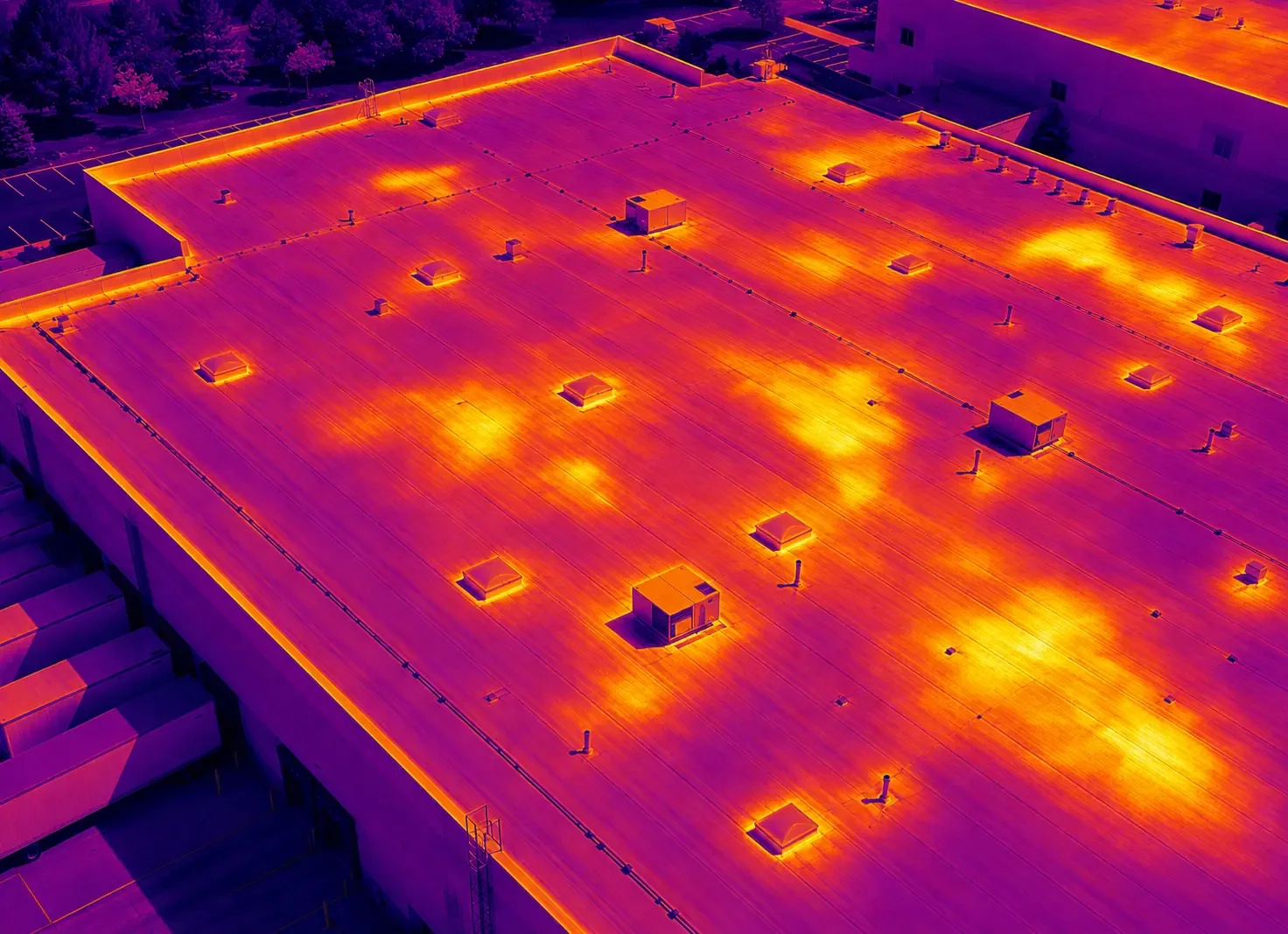
Where concealed moisture could alter the decision, a thermal survey with confirmation checks can supplement the visible findings under suitable conditions. A thermal pattern is an investigation lead, not a measured quantity of wet insulation. We record the confirmation method and the areas it covers, then identify the remaining uncertainty. Comparing later findings requires that same attention to method; a different survey condition or inaccessible area should not be treated as evidence that moisture disappeared.
Inspection access also needs a record. A locked equipment enclosure or an unsafe perimeter can leave part of the roof unexamined, even when the accessible field appears sound. We identify that boundary and the arrangement needed to complete the examination. The next budget review can then distinguish a genuinely stable area from an area whose condition has not yet been established.
Which finding changes the next investment?
The purpose of tracking is to identify a useful response to a changing condition. An isolated penetration defect may support a defined repair against suitable material. Repeated failures at several transitions can require investigation of attachment, movement or concealed deterioration before another patch is approved. We relate the proposed action to those findings and show what the intervention would leave in place, including any retained area that needs continued observation.
A roof capital plan uses that condition history to compare maintenance, sectional work and replacement. It should not assign a precise remaining life from membrane age alone. The material response, moisture findings and cost of sustaining the existing assembly provide a more useful basis for a planning range and its assumptions. We identify the next inspection or opening that could strengthen that range, allowing the owner to resolve a consequential unknown before committing a larger construction budget.
What should the record retain after a repair?
A completed repair changes the baseline. We retain its location, removal boundary, materials and relevant concealed findings so the next inspection can distinguish the rebuilt connection from untouched roofing nearby. A reconstructed seam detail deserves a record of the preparation and finished junction, especially when movement from an adjacent component contributed to the original opening. That information helps explain recurrence without assuming every later leak comes from the same defect.
Equipment changes also belong in the roof history. A new curb, shifted service route or altered outlet can affect waterproofing and drainage even when it is outside a roofing project. We discuss how the property team can record those changes and arrange examination of affected connections. For office roofs with continuing equipment access, the usefulness of the register depends on linking trade activity to a recognizable roof area rather than keeping equipment work and roof observations in separate, unconnected files.
How do different properties share a useful comparison?
Portfolio comparison needs consistent descriptions without treating different assemblies as interchangeable. A leaking membrane above an occupied suite may deserve a different immediate response from an isolated damaged detail above a less sensitive space. We describe condition and operating consequence separately, then explain their combined effect on the work priority. That makes a comparison usable without allowing occupancy alone to disguise the material problem or a condition score alone to overlook interior exposure.
For properties in Valley Ranch, roof access and occupied multifamily space influence the investigation schedule. Las Colinas office and retail uses create another set of operating windows. A written condition record should preserve those constraints alongside the roof findings, with clear responsibility for the next action. We review outstanding items and update completed work so the manager can see which decisions remain open. Delayed investigation can leave a budget based on a material condition that has already changed.
Commercial Roofing Questions
Does every building need the same inspection interval?
Exposure, condition and the consequences of water entry affect a useful interval. We consider recent findings, equipment activity and significant weather before recommending the next examination. A uniform calendar can help administration, but a roof with an unresolved connection or a new alteration may need attention sooner. The record should explain that reason rather than present the date as a prediction of failure.
Can an old roof have a better condition record than a newer one?
Installation date is only one part of the comparison. An older assembly can have suitable retained material and well-maintained details, while a newer roof can contain a damaged transition or wet insulation. We examine the actual condition and the evidence behind it. A useful record keeps age visible without using it as a substitute for attachment, moisture and detail findings.
What happens when earlier roof records are missing?
Begin with the construction and condition that can be established now. Accessible edges, selective openings and current observations can create a baseline, with uncertain layers identified explicitly. We distinguish that baseline from unconfirmed accounts of earlier work. The owner can then improve the record as investigation and repairs expose more of the assembly, instead of assigning an unsupported history to concealed material.
How should a property sale affect the roof register?
Keep the roof-area identifiers, findings and completed repair records together so the next owner can relate them to the building. Open decisions and inaccessible areas also need to remain visible. A register supports examination during a transaction; it does not replace a current assessment where the acquisition decision relies on the roof's present condition or the cost of correcting a known defect.
Ready to review the roof scope?
Request a Roof Assessment