A separated roof seam exposes a narrow line, but the force that opened it may extend well beyond that edge. In Irving, TX, hot Metroplex summers create temperature changes across an exposed membrane and its supporting deck. That difference can load a seam where a flexible sheet meets a rigid curb or termination. Commercial Roofing Irving inspects the weld or lap, nearby attachment and substrate before deciding whether a local repair can restore continuity.
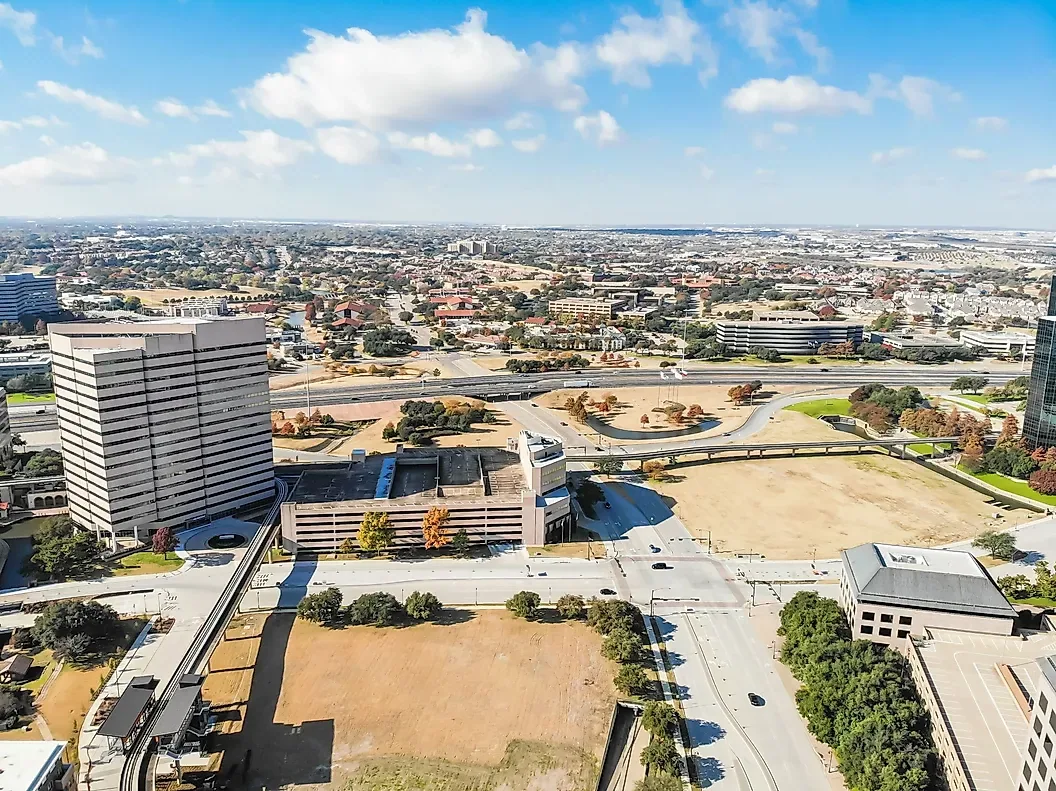
Las Colinas offices and Valley Ranch commercial properties have varied roof equipment and operating schedules. We account for those conditions while tracing whether the separation is isolated, under tension or part of a broader release. A repair boundary must reach material that can accept a compatible connection, not simply cover the length that first caught attention.
Did the seam lose bond, weld or support?
Thermoplastic membranes depend on a continuous heat weld, while EPDM and other systems use different lap materials and preparation. We identify the assembly before selecting a repair method. Dirt, moisture, surface aging and unsuitable previous materials can interfere with the connection, but the seam may also be opening because the field is being pulled by an adjacent detail. We check the lap and surrounding sheet to distinguish an interface failure from a tension problem that remains active.
A probe can locate where a weld has separated, but it does not establish what lies below the sheet. We check the substrate and any visible fastener lines, then note whether the opening follows a board joint or a change in plane. If the connection is sound beyond one point, the repair can be contained. If several adjacent laps release together, wind-related movement or broader attachment loss may need investigation before a final boundary is set.
What is pulling at the seam?
Membrane movement can concentrate where a roof field meets a parapet, equipment curb or expansion joint. A detail that restrains movement may transfer strain into the nearest lap, causing repeated separation after surface repairs. We examine the sheet layout, fasteners, bond and transitions to see whether the seam itself failed or is carrying load from elsewhere. The distinction directs work toward the cause rather than adding another strip over a connection that remains under stress.
Metal panels have their own seam behavior. Standing seams, panel clips and closures accommodate movement differently from a welded membrane lap. We examine whether panel alignment changed and whether fasteners or support are affected before selecting a compatible correction. If a curb or wall connection has also opened, flashing reconstruction may be needed with the seam work so the repaired field does not terminate against a failed detail.
How is a durable seam repair prepared?
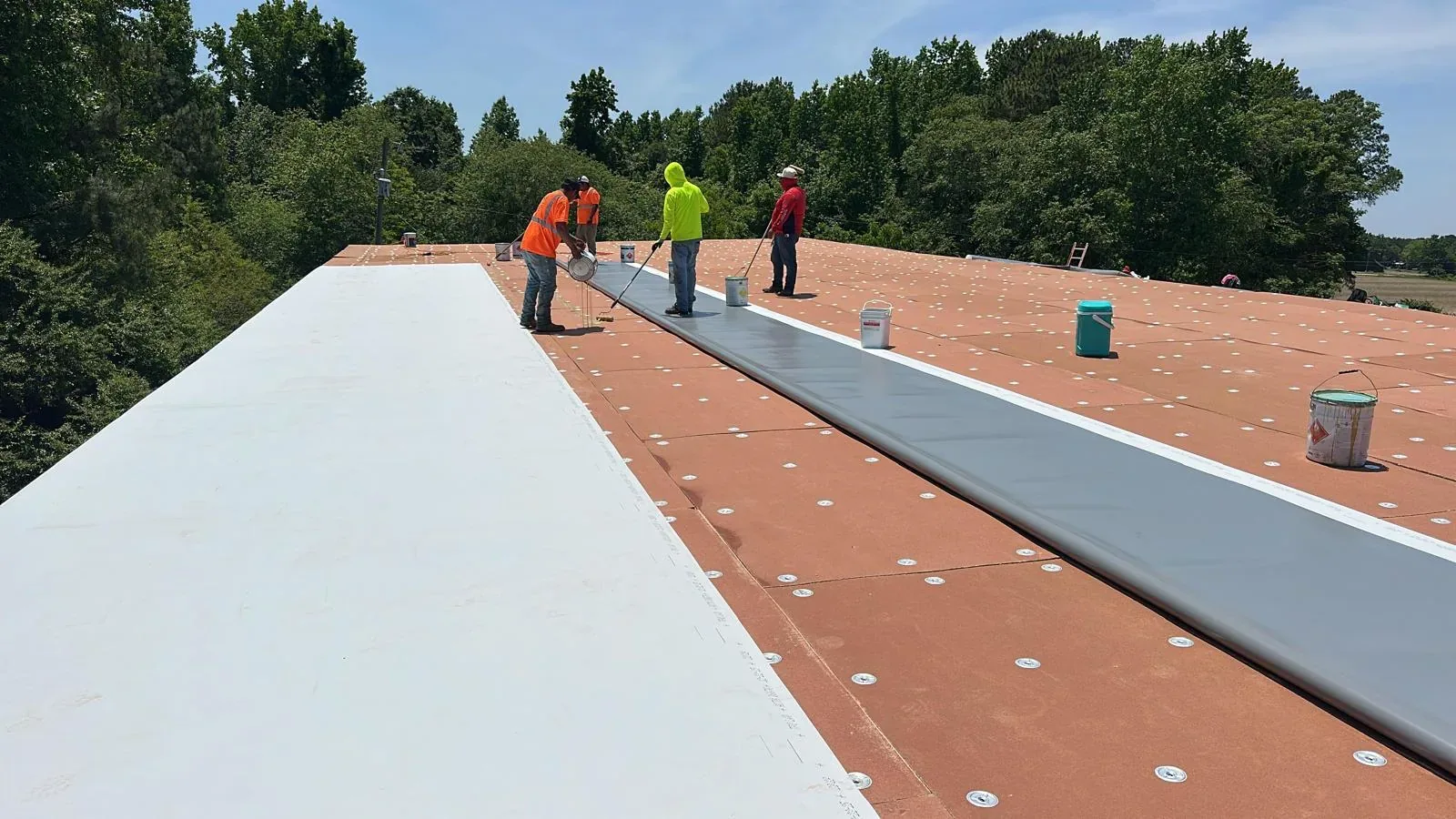
Preparation starts by removing contaminants and material that prevents a suitable bond or weld. The repair reaches sound membrane beyond the separated area, with compatible components selected for the existing system. On weldable sheet, we control the heat and movement of the tool so the new connection is continuous. An aged surface may require additional preparation or testing before the method is confirmed. We do not assume that a new patch will adhere to an old repair simply because both materials look similar.
Where insulation has softened or become wet, we remove it to a stable boundary and rebuild the support beneath the seam. A membrane bridge over a void can flex under service traffic and reopen. We examine how the repaired sheet meets nearby penetrations and field laps, then document those transitions. TPO seam work uses a different weld interface from an EPDM repair, so identification of the installed material is part of planning, not an afterthought.
Did water reach layers under the lap?
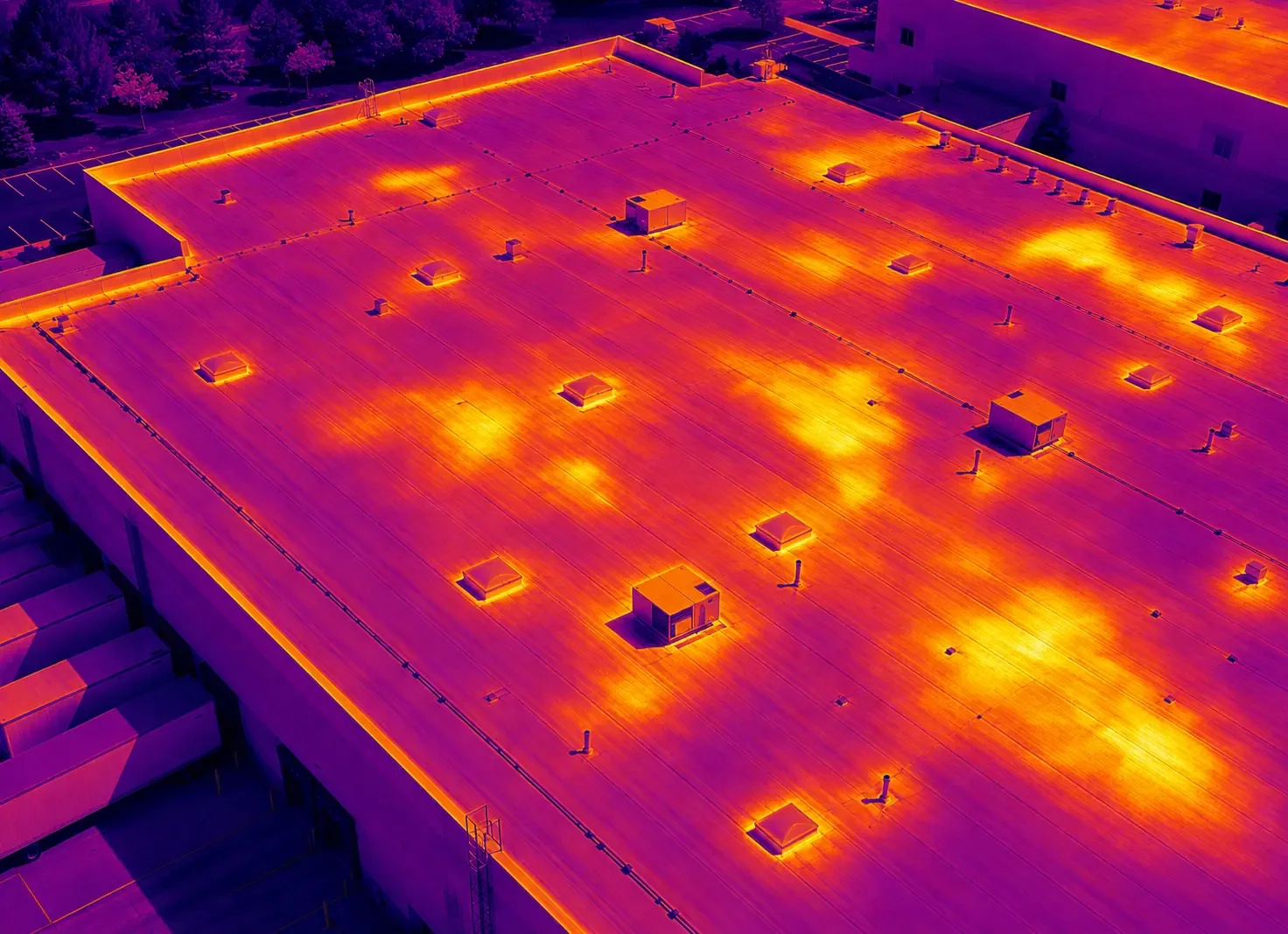
An open seam gives water a path, but its travel depends on slope, board joints and the membrane attachment. We compare interior reports with the separation and inspect whether water could have moved under the sheet. A moisture investigation may guide selective openings when suitable thermal contrast exists; direct confirmation sets the wet-material boundary. We record the difference between water that entered at this seam and conditions that were already present elsewhere.
Drainage matters because a lap exposed to retained water experiences longer contact than one that sheds runoff. We check nearby drains and scuppers for obstruction or connection defects and note if correction belongs in the same scope. A repair can require removal of saturated insulation, restoration of slope or replacement of a weakened substrate before a seam can be closed. Targeted moisture assessment helps direct that examination without treating an image as proof by itself.
How can the work fit active roof operations?
Seam repair needs a clean, dry working area and access to the full connection. In Las Colinas office buildings, we coordinate staging and roof access around tenants, equipment service and entrances. Valley Ranch commercial properties can have multifamily circulation alongside business operations, so access and material handling need a plan that keeps routes clear. The sequence protects exposed layers and gives each welded or bonded connection time for inspection before it is covered.
If an open lap is admitting water, emergency protection may be needed while permanent work awaits suitable conditions. We distinguish that temporary measure from the completed repair, then record the seam length, preparation and adjoining details. A roof inspection can also identify repeated openings elsewhere, so the broader field condition is considered when recurrence suggests a systemic attachment or movement issue.
When is seam separation part of wider replacement?
A single lap can be repaired when the surrounding sheet remains bondable, supported and properly attached. Repeated release, widespread embrittlement, wet insulation or poor deck engagement may make sectional removal or replacement more practical. We state which condition changes the comparison and how much additional examination is needed. The owner receives a scope that identifies the seam, the supporting layers and any related transitions separately, rather than a price for an unexplained surface patch.
After repair, access and housekeeping affect future inspection. Equipment technicians and other trades need clear walk paths and should avoid placing tools on vulnerable laps. We note where the seam can be examined and what adjacent condition remains outside the correction. Cost reflects preparation, wet-layer removal, substrate repair, access and the number of transitions involved. Request an Irving seam assessment when a lap repeatedly opens; the important decision is whether the connection failed alone or was the first visible sign of force elsewhere in the roof.
Commercial Roofing Questions
Can we seal a seam without removing the existing patch?
We first check whether the old material is bonded, compatible and covering a stable connection. Loose or incompatible material can prevent preparation of a new weld or bond. If the underlying lap is under tension, another surface layer will not remove that force. The repair boundary follows the material that can accept a continuous correction.
Why does the same lap keep opening after repairs?
Repeated separation points to a condition that may remain active beneath the seam. We examine movement, attachment, substrate and nearby curbs or edges before choosing a new detail. A repair to the lap can hold only when the adjacent assembly supports it. The field findings show whether a localized correction remains suitable.
Does a long open seam mean the whole roof needs replacement?
Length alone does not decide scope. We check the condition of membrane, bond, insulation and deck around the opening. A continuous seam can still have a contained repair boundary if its surroundings remain serviceable. Widespread release or wet layers change the comparison toward sectional work or replacement.
Can seam work be completed while the building remains open?
Often, with sequencing around access, noise, odors and equipment service. We protect any exposed assembly and coordinate the work zone with building operations. If a detail requires a shutdown or temporary isolation, that need is identified before the crew reaches it. Weather and preparation conditions still determine when the permanent connection can be completed.
Ready to review the roof scope?
Request a Roof Assessment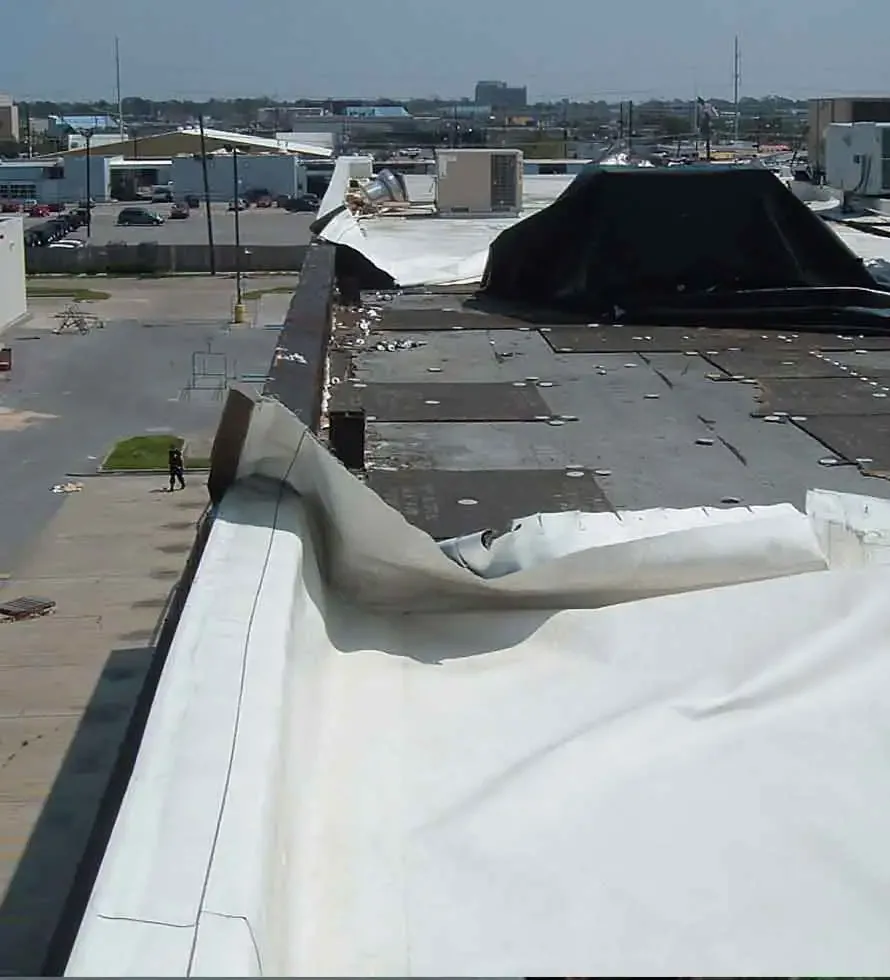
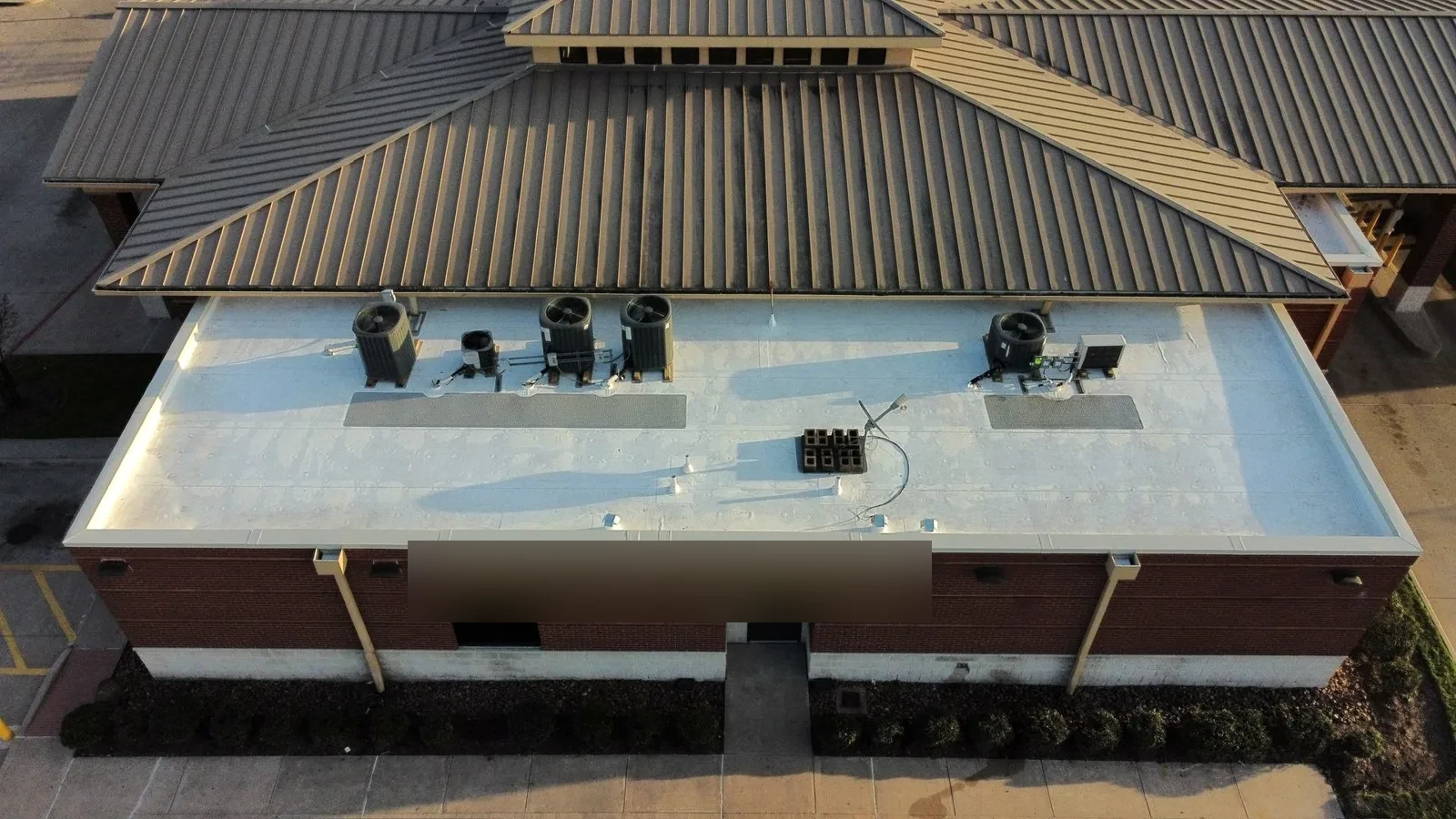
Commercial Roof Flashing Failure Repair
See scope, options and what to expect on the roof.