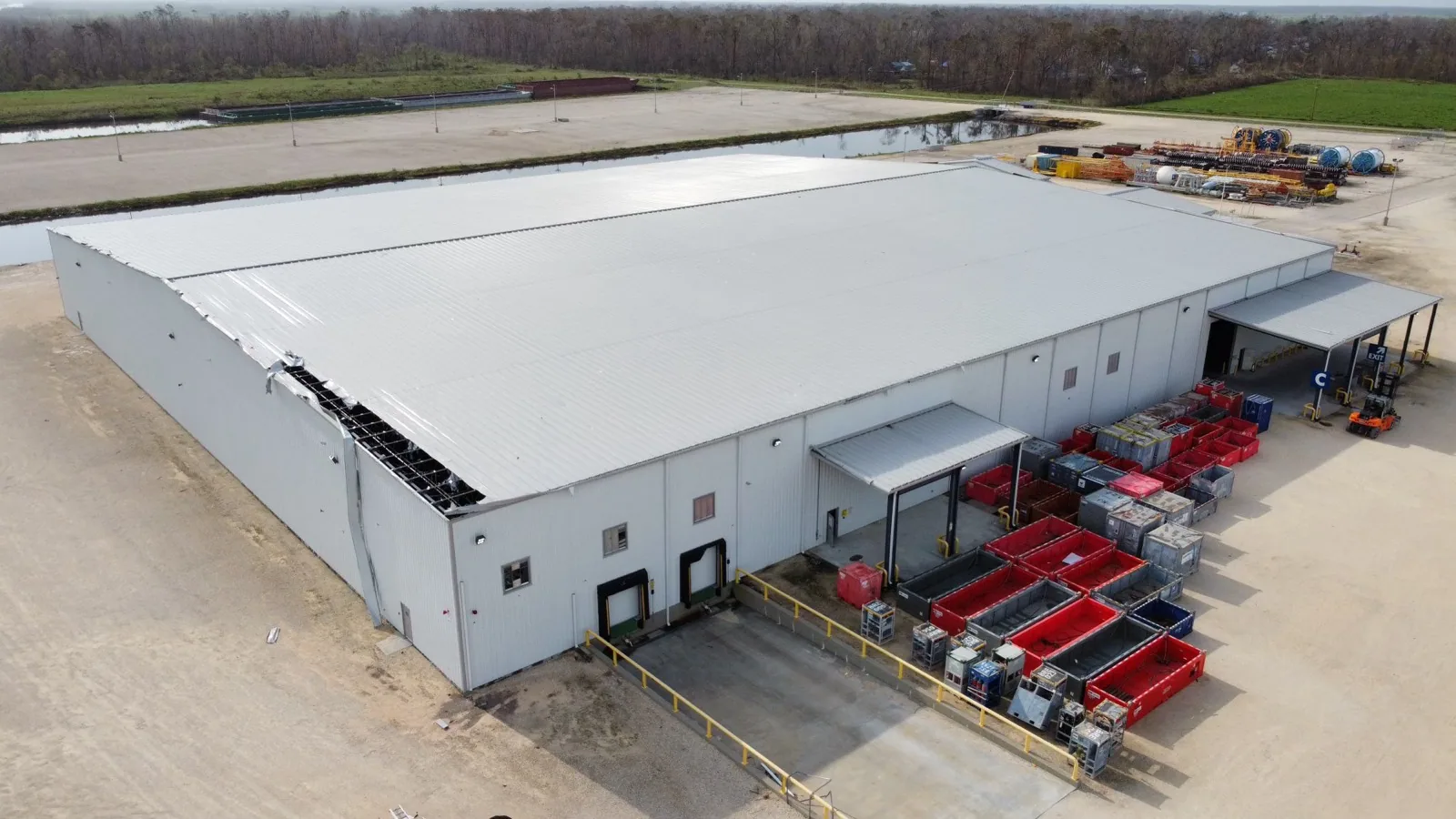
Storm wind can move a roof edge, loosen a termination or drive debris into a membrane, and each condition leaves a different repair boundary. In Irving, TX, the Dallas/Fort Worth region experiences damaging wind and tornadoes, but a regional event does not establish what happened at one building. Commercial Roofing Irving examines the covering, its connections and the layers below before deciding whether urgent protection, a contained repair or broader reconstruction fits the observed condition.
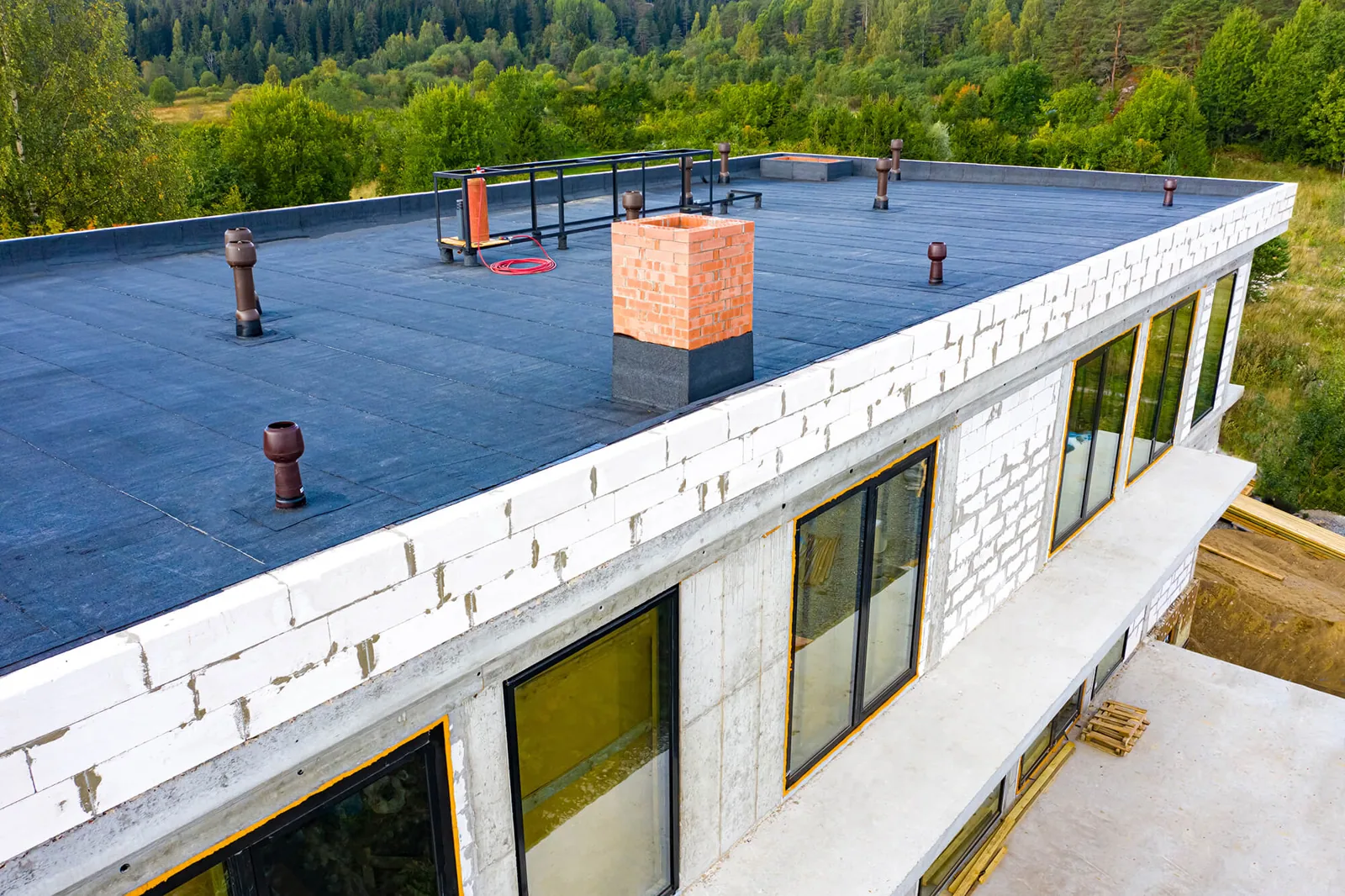
Las Colinas office properties and Valley Ranch commercial buildings bring different equipment and access patterns to the roof. We trace each reported opening to a physical path, then separate the damaged component from surrounding material that remains suitable for attachment. That distinction matters when water has entered an occupied space or a loose edge could continue to move.
Which part of the field moved?
Wind-related damage can appear as a lifted sheet, a displaced fastener line, a separated lap or an object impact. We document the location and direction of each condition, then compare nearby seams and terminations to see whether movement is confined to one repair footprint. A wrinkle alone does not establish that the membrane has released, while a firmly seated surface can conceal a failed attachment beneath it. Direct checks help distinguish visible deformation from a connection that no longer transfers load into the deck.
On mechanically attached roofs, we examine fastening rows, plate condition and the material supporting each point. An adhered sheet calls for a different investigation of bond and substrate. The repair method follows that assembly, rather than a generic patch choice. Where a seam is open, its tension and support need attention alongside the weld or adhesive; seam reconstruction should restore continuity without trapping a stressed edge under another layer.
Did the perimeter connection remain engaged?
Roof edges transfer pressure through coping, fascia, membrane termination, fasteners and supporting construction. A loose metal section can expose the roof field or strike adjacent materials as it moves. We examine the length of the disturbed edge, the condition of its attachment and the transition from metal to membrane. Refastening only the visibly shifted piece may leave a weak connection beside it, especially where the substrate or blocking has deteriorated. A sound repair needs a stable path from the roof covering to the building structure.
Wind can also lift a corner at a curb, parapet or roof-to-wall transition. The upper termination may remain in place while the flashing below separates, or a rigid component can restrict movement until the membrane tears. We distinguish those cases before choosing a replacement detail. Where metalwork is involved, edge and coping reconstruction is coordinated with the roof covering so each material finishes at a compatible, inspectable connection.
Where did rain travel after the opening?
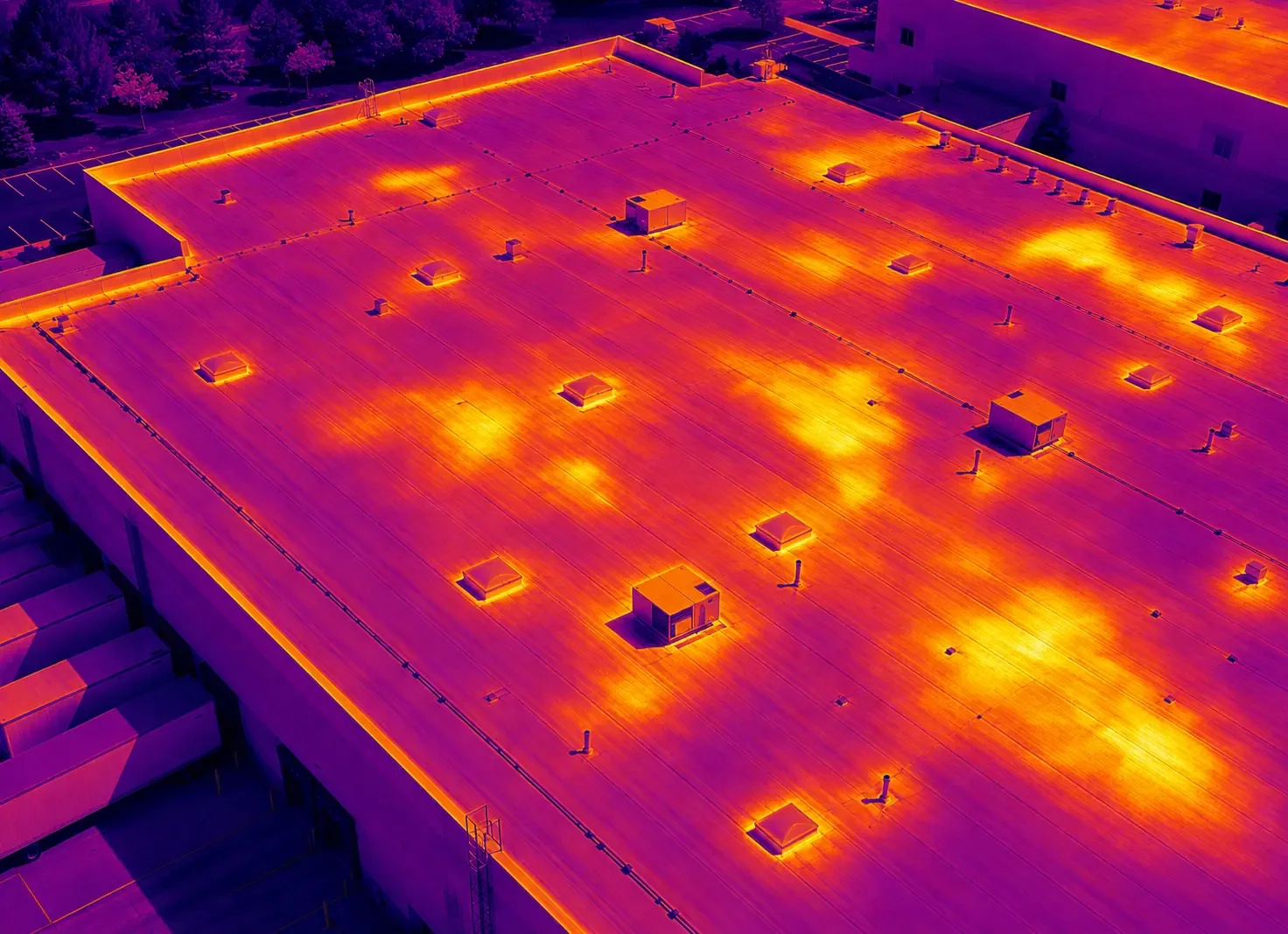
Rain entering a wind-created opening may move along insulation joints or beneath a sheet before a ceiling stain appears. We compare the interior report with roof slope, drains, curbs and the opening itself, then identify where a selective check would answer an unresolved question. A wet patch in one room does not define the boundary above it. When conditions support thermal contrast, an infrared moisture survey can guide further examination, with direct confirmation used where the assembly needs a closer look.
Water retention can keep a compromised connection exposed after the storm passes. We examine drains and scuppers for debris or damage, while separating a blocked outlet from a failed roof detail. If water remains near the repair area, the permanent scope may need drainage correction as well as a new covering connection. We identify insulation that has lost useful support and extend removal to suitable material, rather than sealing over a wet layer that can continue affecting bond and surface response.
What changed at curbs and penetrations?
Wind-driven movement often concentrates where a flexible roof covering meets a rigid equipment curb, pipe or skylight. We inspect corners, flashing height and upper terminations for separation, puncture or a loosened attachment. Equipment can limit access to the concealed side of a curb, making service coordination part of the repair plan. If a unit needs to be lifted or disconnected, we schedule that work with the responsible trade and protect the opening until the detail is closed. A bead of sealant over a displaced flashing edge does not restore the connection beneath it.
Metal roofs require attention to panel seams, clips, closures and penetrations rather than a membrane patch approach. A panel that has shifted can place stress on adjoining fasteners or expose the underlayment. We identify whether the movement reaches one panel or a longer run and select compatible components for the installed assembly. Flashing repair can be part of the same scope where a transition opened, but the component and its support must be rebuilt together.
How can repair proceed around an occupied building?
Temporary protection and permanent repair have different purposes. When an opening is active, we assess access and loose materials, then provide emergency roof response at any hour when needed and safe. The first measure limits additional entry; it does not establish that concealed insulation is dry or that displaced attachment has been restored. We record what was temporarily secured and set follow-up examination around safe roof access and appropriate weather conditions.
For an occupied office in Las Colinas, material staging, noise and entrance routes can affect sequencing. A multifamily building in Valley Ranch may require clear communication about work near resident access and equipment service. We coordinate those logistics without treating occupancy as a reason to leave a damaged detail in place. Photos and located condition findings distinguish the initial opening, temporary measures and completed reconstruction for the owner's maintenance and budgeting records.
When does a repair boundary become replacement scope?
A localized opening can remain a repair when the retained covering, substrate and attachment provide a workable connection beyond the damage. Wet insulation, widespread release or a weakened deck changes the comparison because a patch cannot restore those layers. We show which finding expands the work and compare a contained repair with sectional removal, recover or replacement where appropriate. Cost follows access, attachment reconstruction, concealed material removal and the number of details requiring compatible transitions.
The decision is not made from the wind report alone. Regional weather supports the reason for a prompt inspection, while the building's own connections determine what must be repaired. A written scope identifies temporary protection separately, locates each permanent correction and notes conditions that remain unresolved. If safe access or unstable material limits an inspection, we explain which area still needs examination before closure. Request an assessment when a roof edge, seam or curb has shifted, so the repair can address the load path and water path together.
Commercial Roofing Questions
Does wind damage always leave a visible opening?
No. A connection can lose attachment beneath a covering that still appears in place. We compare fastening, bond, seams and perimeter details with the reported movement, then make selective checks where needed. The useful finding is whether the assembly can still transfer pressure to its support, not whether the surface looks smooth from one point.
Can a temporary cover be left in place through the repair schedule?
Temporary protection is selected for the opening and current conditions, then checked against the planned permanent work. It can reduce new water entry, but it does not restore damaged insulation or attachment. We identify its limits, monitor the area as needed and schedule reconstruction around safe access and materials that can be installed correctly.
What should we do when a leak appears far from the lifted roof area?
The interior location is a clue, not a map of the roof opening. We compare the report with roof slope, layer joints, drains and nearby penetrations to trace possible travel. A selective opening or moisture survey may help establish the extent. The repair boundary follows confirmed wet or damaged material rather than the ceiling mark alone.
Can an edge repair include damaged coping and membrane?
Yes, when both parts of the termination have been affected. We examine metal attachment, substrate and the membrane connection, then coordinate a scope that restores the whole transition. Replacing coping without securing the roof edge, or patching membrane beneath loose metal, can leave a weak load path. The finished connection needs to be accessible for later inspection.
Ready to review the roof scope?
Request a Roof Assessment
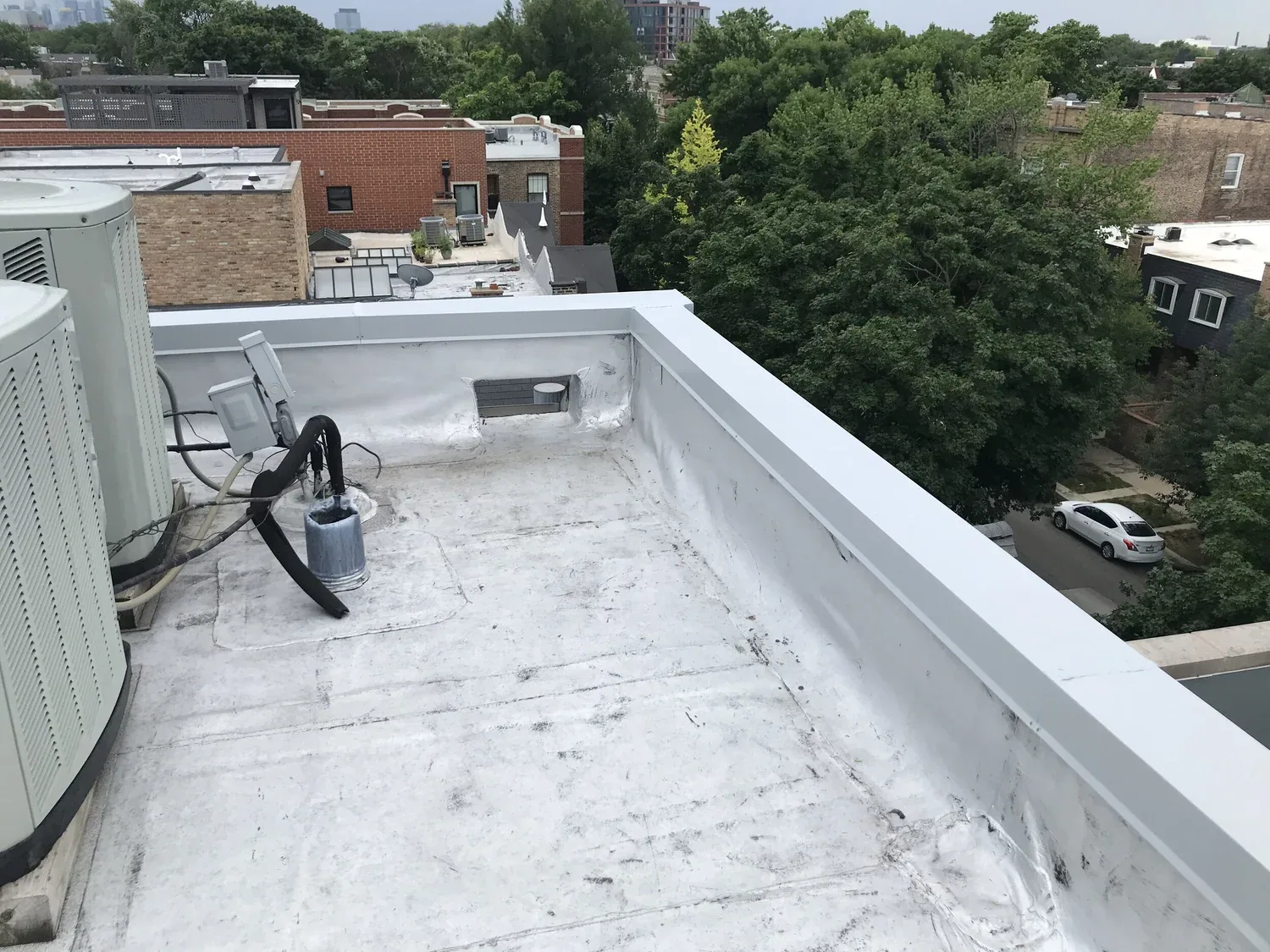
Commercial Roof Edge Metal, Coping and Gutters
See scope, options and what to expect on the roof.
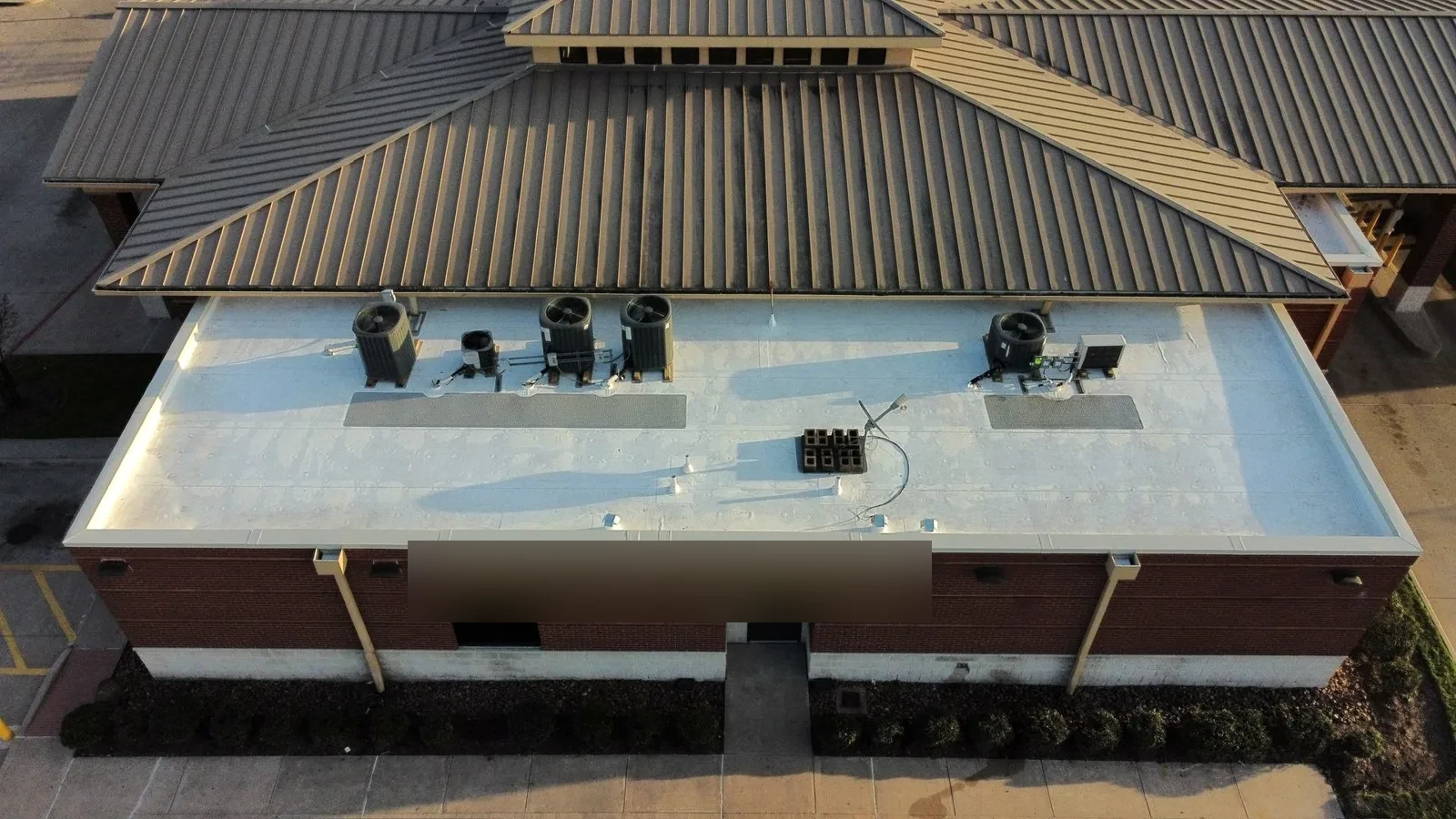
Commercial Roof Flashing Failure Repair
See scope, options and what to expect on the roof.