
About Commercial Roofing Irving
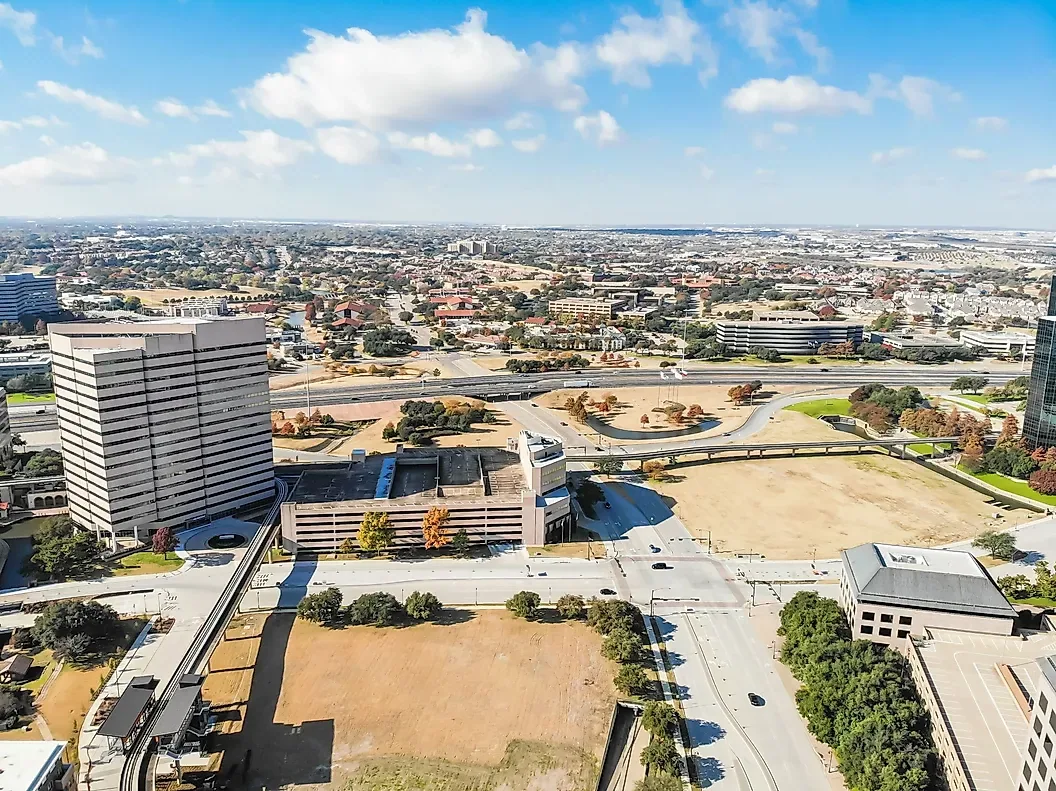
Commercial Roofing Irving provides a local point of contact for owners who need to understand a commercial roof condition and decide what to do next. The work begins with the property rather than a preset answer. A leak, loose seam, standing-water concern, or aging assembly may call for inspection, testing, temporary protection, repair, maintenance, or replacement analysis. We document observations and explain how they relate to a proposed scope. The goal is a decision record the owner can use with facilities, finance, tenants, and other project partners.
How does an assessment begin?
Before a site visit, we ask for the building location, roof plan if available, reported symptoms, prior work, and access rules. On the roof, the inspection looks at the assembly, drainage, penetrations, edges, seams, and areas where movement or water may concentrate. Interior reports are compared with exterior evidence because water can travel before it appears below. A photo tied to a plan location is more useful than a collection of unlocated images. Start with a commercial roof inspection when you need a baseline. If the conditions remain uncertain, the report states whether moisture testing or a selective opening could resolve a specific question.
How is North Texas exposure considered?
For an Irving roof, start with the observed membrane and deck conditions. Heat and storms provide the setting for inspection, yet the visible seam, edge, or drain condition determines what the report can support. Temperature change can affect the relationship between exposed membrane and the roof deck. Storm wind and hail may affect perimeter details, rooftop equipment, or the membrane field in different ways. We use regional context to guide questions, then rely on site observations and suitable tests to describe the actual roof. A weather event does not automatically establish damage, and a general climate average is not a measurement of one facility. Owners should preserve dated photographs, service records, and interior reports so the sequence of observed conditions is clear.
How are repair boundaries documented?
A repair scope should identify the location, preparation method, compatible materials, tie-in limits, and any steps used to confirm substrate condition. When a leak remains active, temporary protection can be tracked separately from permanent correction. If a test finds wet insulation beyond the proposed opening, the owner should receive the finding and an approval point before work expands. A contained defect may support a commercial roof repair; multiple openings, widespread moisture, or deteriorated attachment can change the comparison. The written recommendation should explain the evidence for each option, including what remains unverified.
When should replacement be compared?
Replacement enters the discussion when deterioration is not confined to a repairable area, when the assembly has reached a project constraint, or when testing shows that a recover would leave unsuitable material in place. The analysis should address removal limits, insulation, cover board, attachment, drainage, edge details, staging, and expected disruption. A recover or coating may be possible only if existing conditions meet technical and project requirements. Roof age by itself is not a diagnosis. We compare alternatives using observed conditions, the owner’s priorities, budget timing, and the building’s operating needs.
How are occupied buildings handled?
Facilities teams should identify required entrances, quiet periods, loading routes, security procedures, sensitive areas, and equipment that cannot stop. We use those constraints to define work zones, staging locations, protection, and daily closeout. Irving has distinct business settings, including office uses in Las Colinas and multifamily and commercial settings in Valley Ranch. Those districts help establish local context but do not tell us a particular tenant’s hours or roof design. The owner confirms site-specific rules. If another contractor needs access, the parties should agree in advance on temporary dry-in responsibility and who can approve an opening.
What can the owner expect at closeout?
A useful closeout record includes before-and-after photographs, the location of completed work, material and preparation notes, the approved scope, and any remaining observation or test. The report should say what was not inspected and why. For a portfolio, each building needs its own history even if the owner uses one reporting format. A facilities manager can then compare a later symptom with documented work, while a finance team can track capital needs using clearly stated assumptions. Roof condition reports can provide a consistent record, and capital planning can organize timing and scope. These records support decisions; they do not promise that unrelated or unobserved areas are free of defects.
Questions from Irving Building Owners
Can Commercial Roofing Irving diagnose a roof from a photograph?
A photo may help identify a reported location or visible condition, but it does not show the entire assembly. A site assessment may be needed to confirm cause and repair limits.
Do you recommend replacement whenever a roof is old?
No. Age is one context item. The recommendation should reflect observed membrane, insulation, attachment, drainage, repair history, and project requirements.
Can operations continue during roofing work?
Sometimes work can be phased around operations. The owner must confirm access, safety, noise, tenant, and equipment constraints before the schedule is finalized.
What documents should an owner retain?
Keep roof plans, inspection reports, photographs, repair scopes, warranty documents, test results, and records of approved changes together for each property.
Does a service-area listing mean a property was inspected?
No. It describes broad coverage geography. A specific building receives an assessment only after the location and project are confirmed.
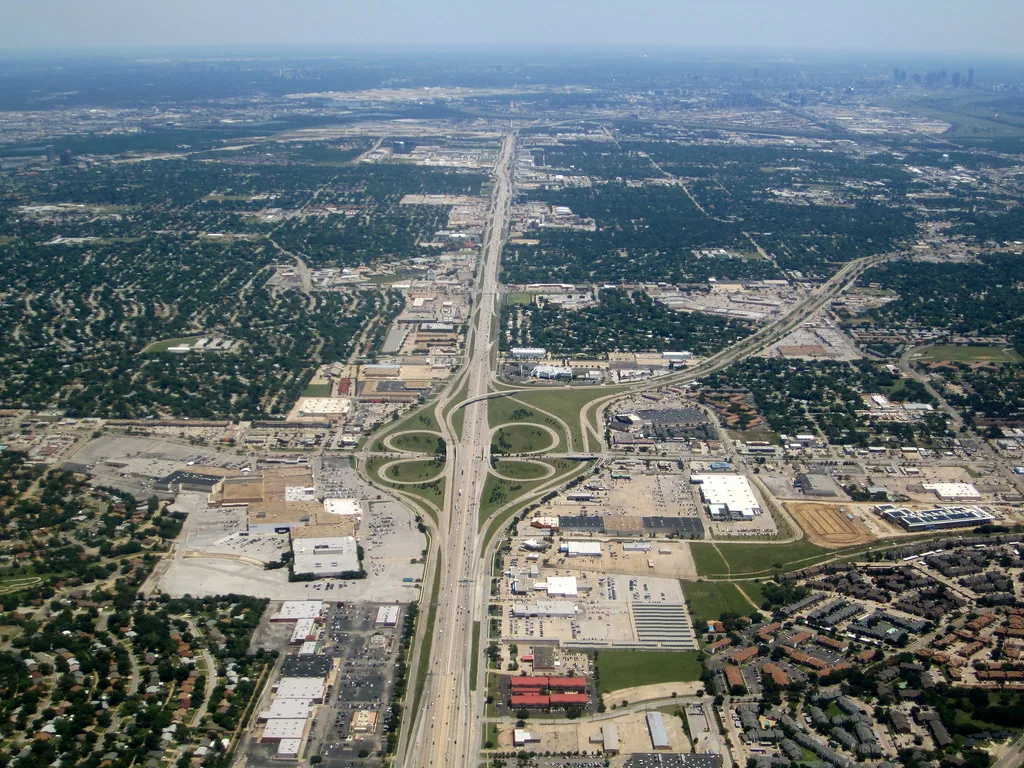
Roofing Across Irving and Dallas-Fort Worth
- Commercial roof repair, replacement and inspection
- 30 Irving and Dallas-Fort Worth service areas
- Roof assessments for owners and property managers