Heating can move an exposed-fastener metal panel against its fixed connections, working the washer and opening around the screw over time. A metal roof retrofit in Irving, TX, has to address that retained construction before another covering is placed above it. Commercial Roofing Irving compares panel condition, supporting structure and moisture with the proposed retrofit or restoration system.
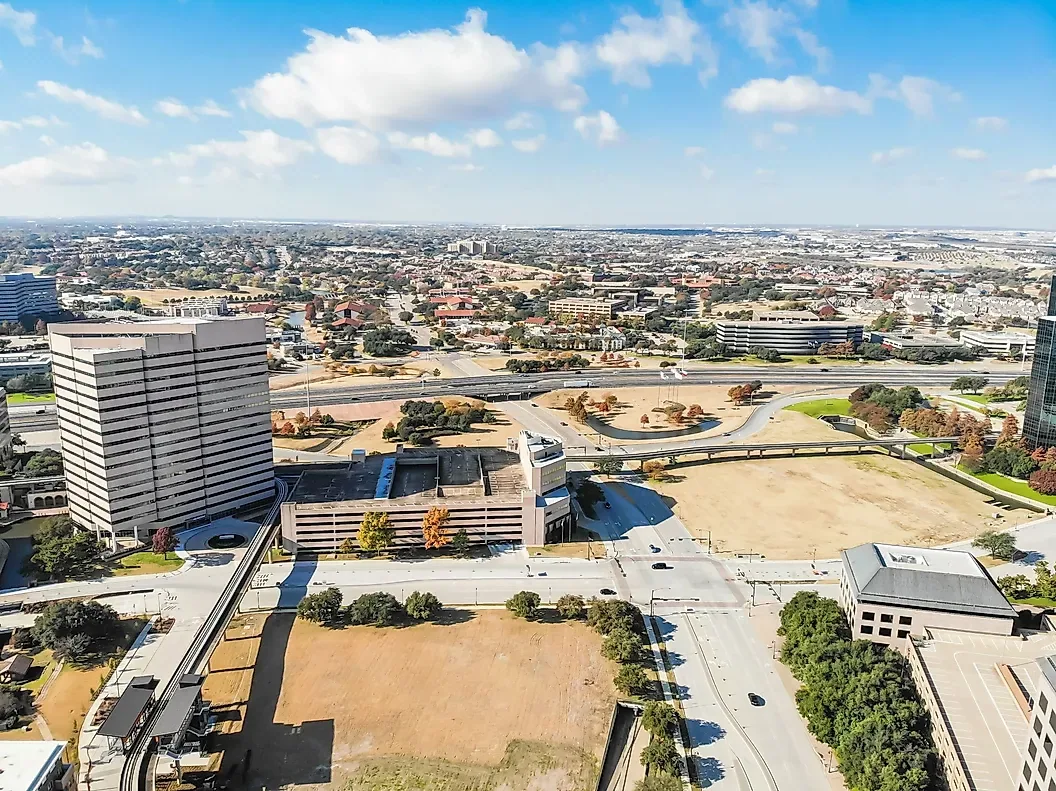
The hot Dallas/Fort Worth summer climate makes those movement interfaces relevant, while rainfall reveals discontinuities at laps and penetrations. Commercial uses in Valley Ranch and office and retail buildings in Las Colinas also require access planning above occupied space. We evaluate the actual metal roof before deciding whether it can support a useful retained assembly or whether damaged components need removal, repair or a different replacement approach.
The retained panel profile is measured during that assessment because its ribs and valleys influence fill, attachment and access to old connections. We also identify where different roof sections or earlier alterations change the construction. A retrofit layout that suits one panel field may need another transition at a joined section, so the proposal describes those interfaces before selecting materials for the broad field. That examination helps prevent an apparently simple overlay from leaving an unsupported edge or a concealed water path at the division.
What is happening around the existing fasteners?
Loose screws, deteriorated washers and elongated openings can create different repair needs. We examine the fastener, panel and substrate together before selecting replacement or another correction. A larger screw may not be appropriate where support has deteriorated or movement has damaged the hole. The repair needs a suitable connection and compatible seal, with the panel's intended movement considered rather than simply tightening every visible fastener indiscriminately.
Metal roof leak investigation also examines laps, closures and penetrations that can admit water independently of the fasteners. The pattern of interior water is compared with those connections and roof slope. We distinguish a contained sealing or component repair from widespread deterioration that changes the retained-roof decision. A retrofit scope should explain what happens to those defects before the new assembly makes them less accessible.
Can the panels and structure carry the proposed system?
Retrofit adds materials and changes how loads transfer through the roof. The retained panel and structural arrangement need assessment for that proposed assembly, with engineering input where required. We examine corrosion, attachment and support conditions before treating the metal as a suitable substrate. A sound-looking upper panel can conceal deterioration below or a connection that lacks the resistance needed for the new work.
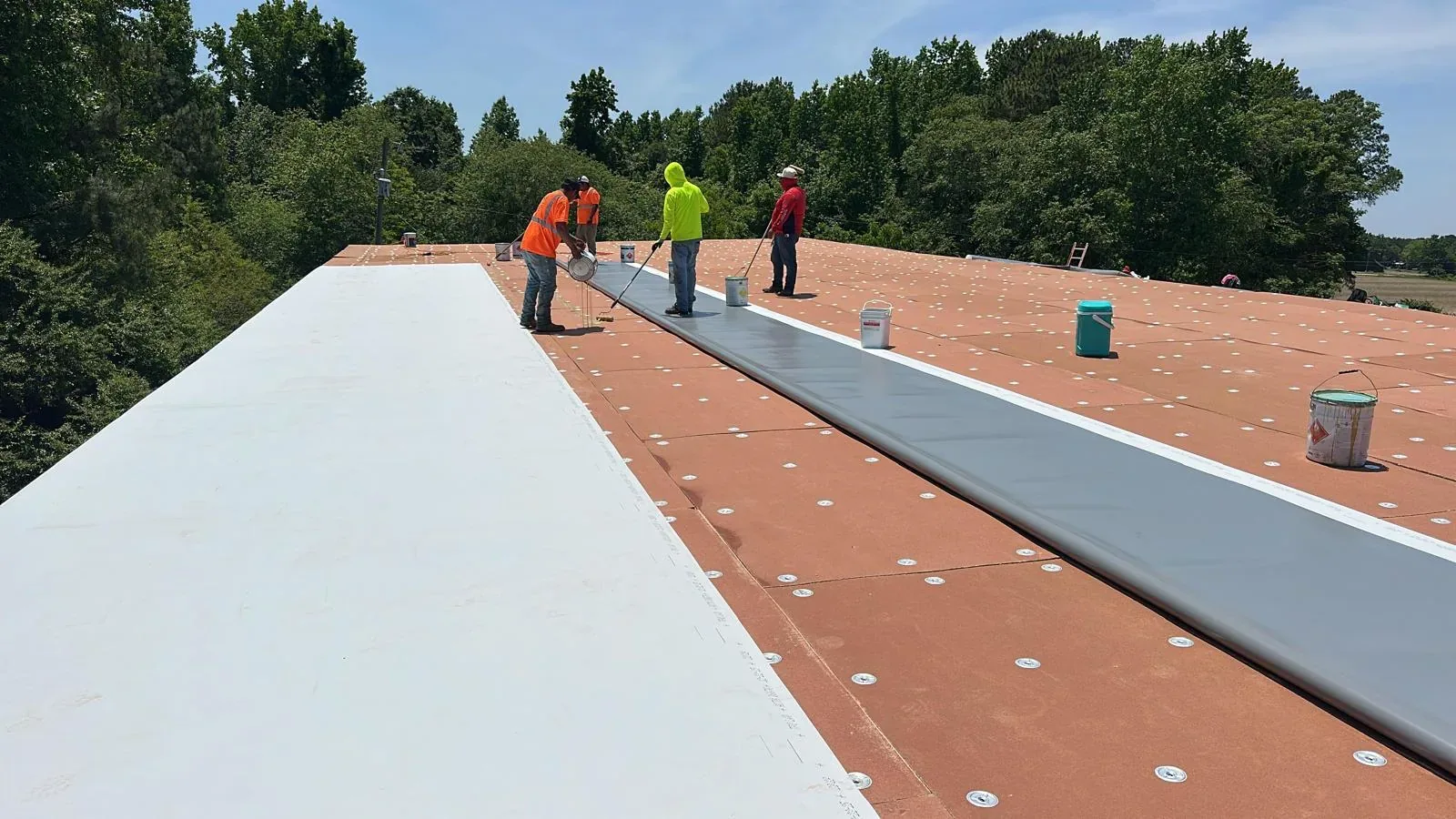
Flute-fill insulation, framing or other retrofit components must be selected for the approved arrangement and actual geometry. Insulation and cover-board coordination establishes suitable support for a new membrane and resolves transitions in thickness. The proposed attachment needs to engage a dependable substrate or structure as designed. Covering irregular metal with rigid boards alone does not establish the load path, attachment or moisture suitability of the retained construction.
What moisture could become concealed below the retrofit?
Rain entry and condensation can both contribute moisture in a metal assembly, with different corrections needed. We compare operating conditions, insulation and air paths where wetting suggests more than an open fastener. A new covering may change the temperature profile and drying potential of retained layers, so those conditions require review before installation. The retrofit decision should account for the existing wetting mechanism as well as the visible surface defects.
Direct examination identifies damaged insulation and support where concealment leaves uncertainty. Investigation methods are chosen for the construction present rather than assuming a thermal survey will work through every metal configuration. Confirmed deteriorated material is considered for removal and reconstruction. We explain which retained layers remain useful, which need correction and how the proposed assembly will connect to them, avoiding a retrofit that hides an unresolved moisture condition under a newly closed surface.
Is restoration or a new covering the better comparison?
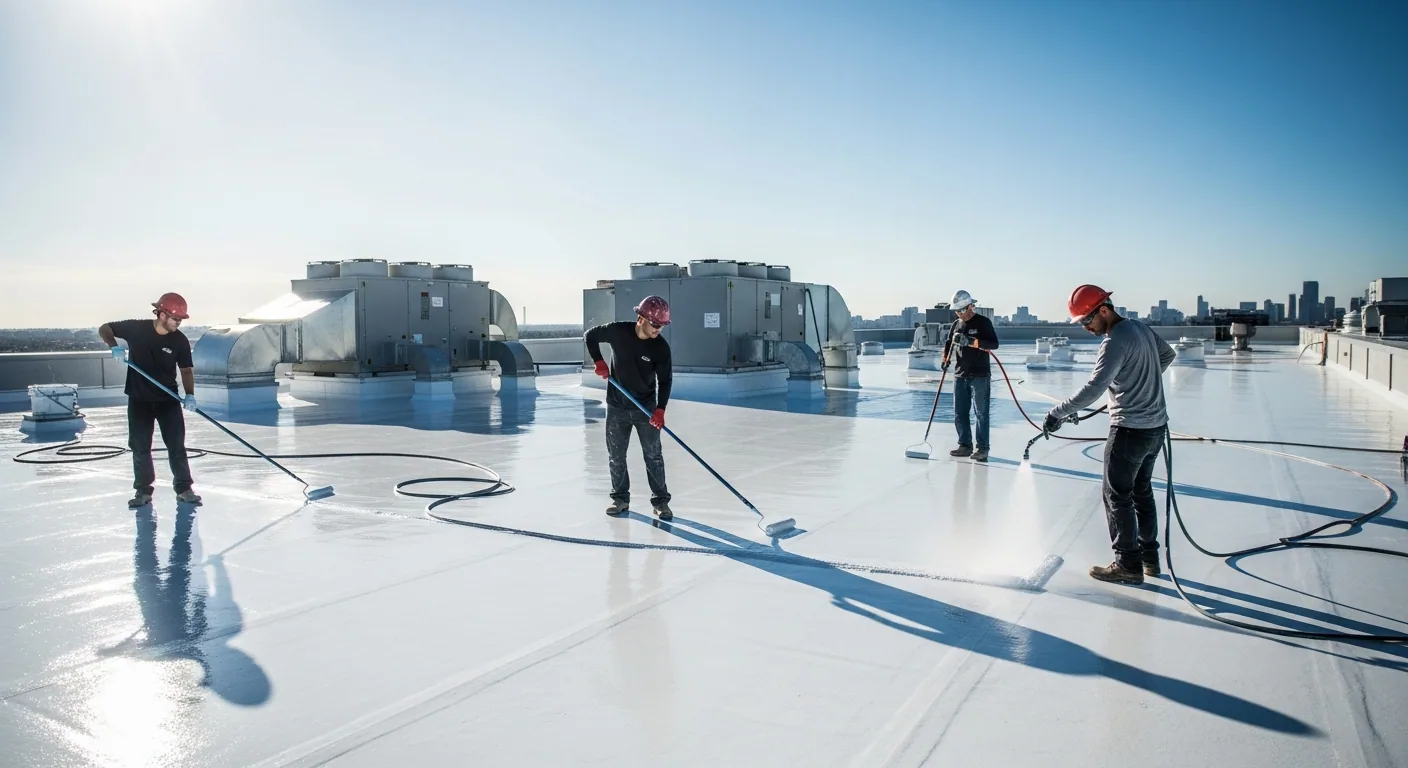
Silicone coating restoration may be considered where panels, support and compatible preparation are suitable. It requires examination of fasteners, laps, corrosion and details before application. A TPO retrofit assembly has different insulation, attachment and transition requirements. We compare those options with the roof condition rather than treating coating and a new membrane as equivalent ways to conceal the same defects.
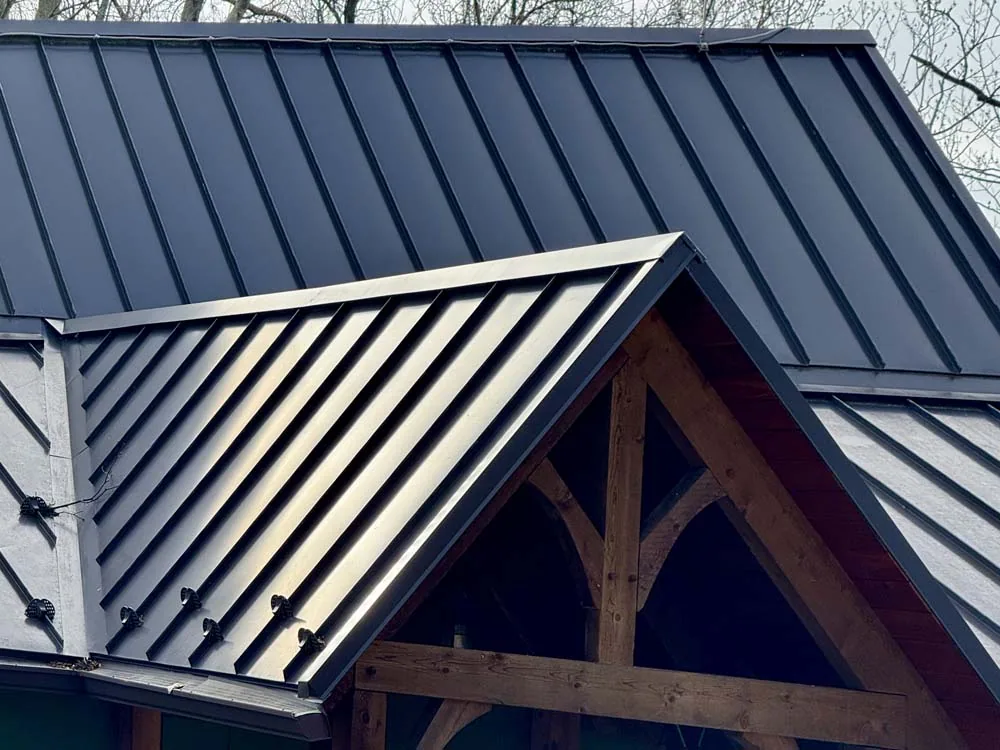
A standing seam replacement system may offer another comparison where retained panels or support are unsuitable. Each choice has its own movement and water-shedding details. The scope identifies removal, repair and preparation separately, so the owner can understand what remains under each option. It also describes the support or design work needed before roofing installation, rather than relying on a surface treatment to restore damaged structural components.
How will the new assembly meet edges and equipment?
A retrofit changes roof elevations and the way the covering connects to curbs, drains and perimeter metal. We measure usable flashing height and examine whether equipment lifting or curb extension is needed. Drainage routes must remain workable after flute fill, insulation or framing changes the surface. The new covering should connect continuously through those transitions without leaving concealed low areas or short details around retained equipment.
For Valley Ranch commercial roof projects, access and temporary protection are coordinated with occupied entrances and equipment service. Cost follows retained-metal repair, structural or support needs, insulation, attachment and detail reconstruction. We distinguish those activities from field installation so a reduced-demolition option can be compared on the full scope. Weather windows need to suit preparation and closure, including protection of any opened or rebuilt areas beneath the new assembly.
Maintenance after retrofit follows the installed system while keeping information about the retained construction available for later work. Equipment changes may need reassessment of support and penetration details, and outlets must remain accessible. Preventive care examines those connections and traffic areas so new damage can be corrected with compatible methods rather than introducing another unrelated layer above a concealed defect.
Commercial Roofing Questions
Can a membrane be installed above corroded metal panels?
The corrosion and support condition need examination before retention. Loss of metal section or damaged attachment may require repair, removal or structural review for the proposed system. The retrofit must connect to suitable support and account for the retained material. A new membrane does not restore deteriorated panel strength simply by covering the surface.
Will replacing fastener washers resolve recurring leaks?
Fastener condition is one possible mechanism, but laps, closures and movement can contribute separate entries. We examine the panel and substrate around the screw as well as the sealing component. A damaged opening or unsuitable support needs a different correction from a worn washer. The repair scope follows the actual connection condition rather than assuming every leak on an exposed-fastener roof has the same cause.
Can coating be compared directly with membrane retrofit pricing?
The comparison needs the full preparation and reconstruction scope for each option. Coating depends on suitable panels and compatible adhesion, while a membrane retrofit has its own support, insulation and attachment requirements. We identify retained-metal correction, detail changes and access work separately. Comparing only the field covering would omit the assembly work that can make the options materially different.
What changes around equipment when a retrofit raises the roof?
A higher field reduces exposed curb height and changes the approach to drains and penetrations. We measure those relationships before choosing the package, then identify extensions, lifting or detail reconstruction where needed. The retrofit also needs service routes that preserve access to the completed connections. Raising the covering should not leave equipment concealing a short or inaccessible flashing detail.
Ready to review the roof scope?
Request a Roof Assessment
Commercial Roof Insulation and Cover Board
See scope, options and what to expect on the roof.