A long metal panel can change length during a hot day while its clips and connections guide that movement into designated paths. Standing seam roofing in Irving, TX, needs those paths preserved when a leak, penetration or panel repair is addressed. Commercial Roofing Irving examines the panel system, support and details before adding a connection that could restrain expansion or introduce another opening.
Irving's commercial building stock includes corporate office complexes, and Las Colinas contains office and retail uses where equipment and occupied operations influence roof work. The regional Dallas/Fort Worth summer heat makes thermal movement relevant, while storm wind tests attachment. We assess the actual metal assembly and its connections rather than assigning a panel type or fastening arrangement from the building's use.
How does the clip arrangement guide movement?
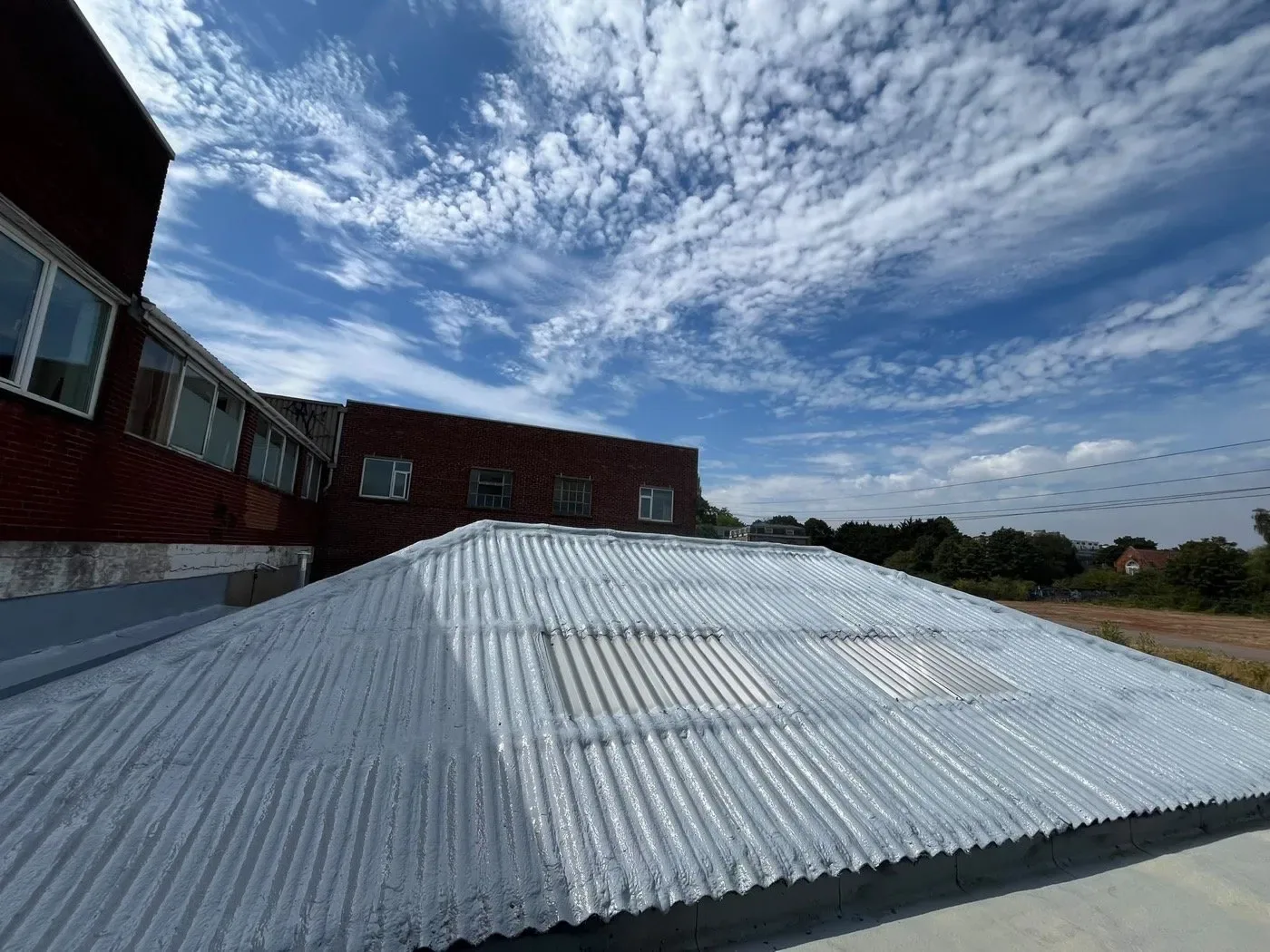
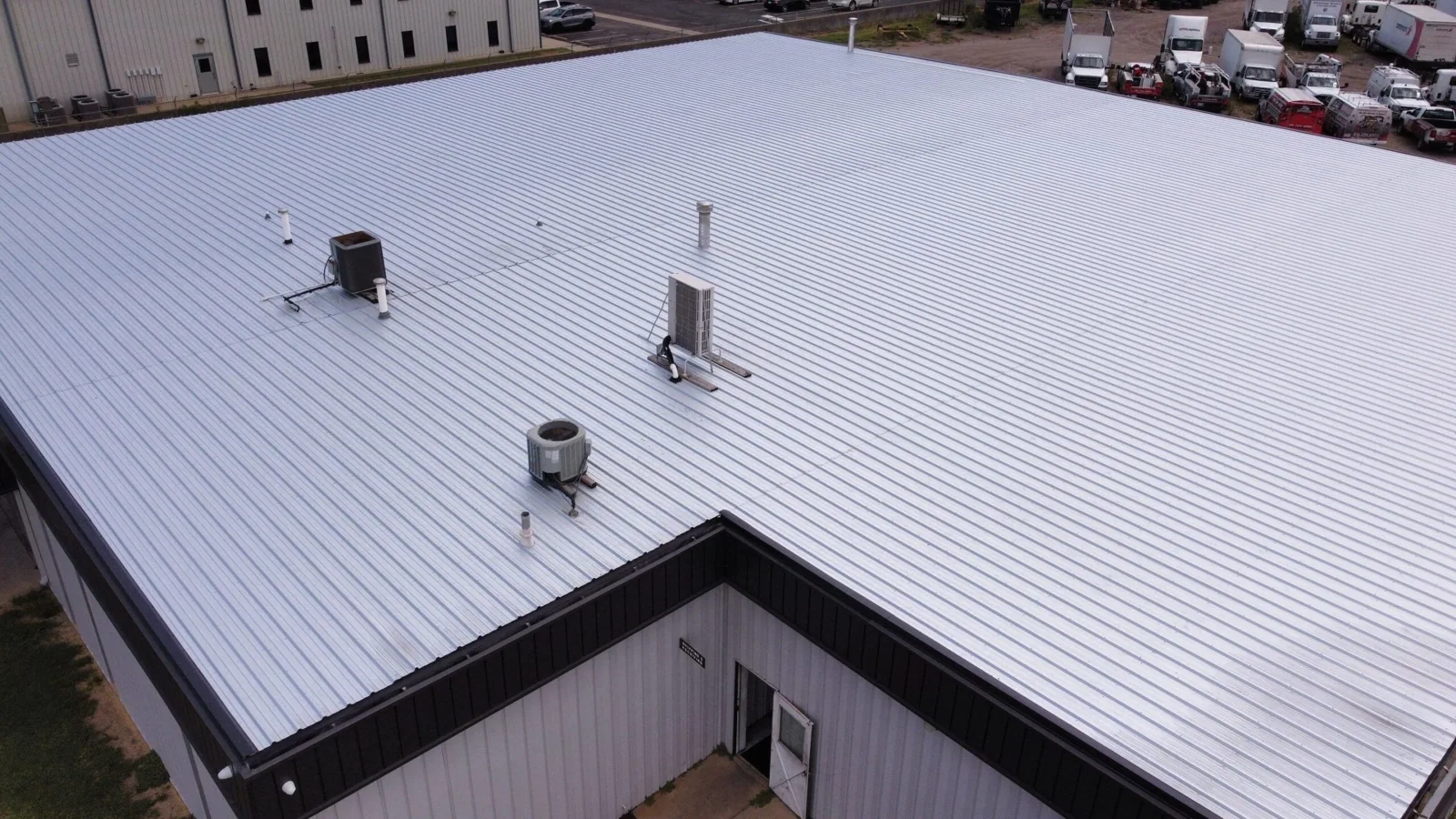
Standing seam systems use panel seams and concealed attachment arrangements selected for the particular assembly. Some connections allow sliding movement while others establish fixed points, according to the design. We identify that arrangement before choosing a repair. Adding a through-fastener in the wrong place can change how the panel moves, transfer strain into nearby details or create a water-entry point that was absent from the original system.
Support and clip attachment also need suitable resistance in the substrate. Where storm loading has disturbed the roof, metal roof wind assessment examines panels, clips and supporting connections as a load path. A visibly intact panel does not establish the condition of concealed fastening. We identify where further access or design review is needed before deciding whether reattachment, component replacement or broader reconstruction can restore the system appropriately.
What happens at a distorted or open panel seam?
Panel seams have a geometry and closure method specific to the selected system. Distortion, incomplete engagement or damage can affect water shedding and structural interaction between panels. We examine the seam and surrounding support before choosing a correction, with attention to whether the opening reflects a localized injury or movement elsewhere in the assembly. The repair should preserve the intended seam function rather than simply cover the visible gap.
A metal roof retrofit comparison may be appropriate where widespread deterioration changes the scope beyond a contained seam repair. The retained panel and supporting structure still need examination before another system is placed above them. We compare removal, retrofit and repair by the conditions each option would address, including corrosion, attachment and condensation questions. An added covering cannot be used to assume a damaged load path has become suitable.
Can a penetration detail move with the panel?
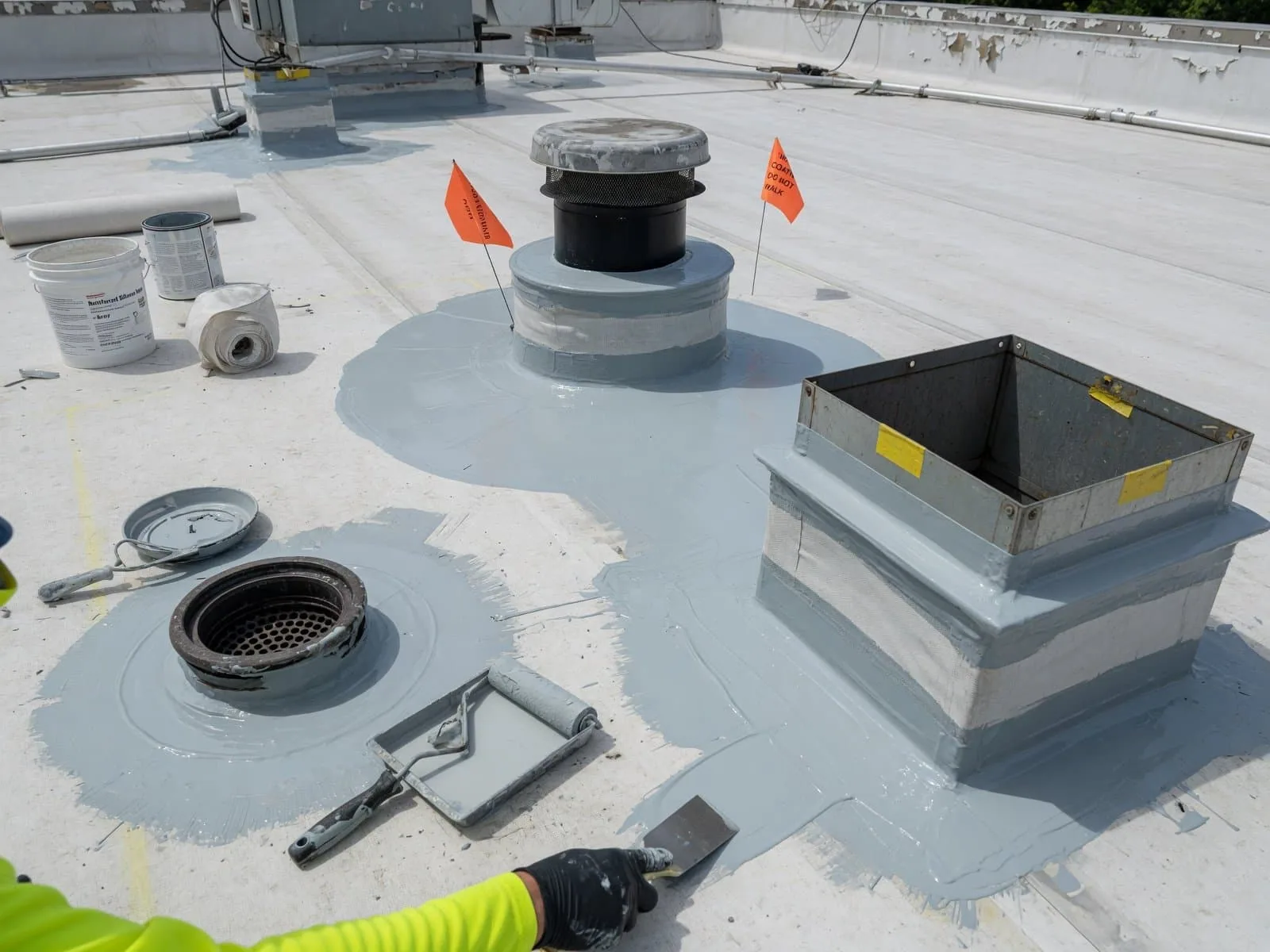
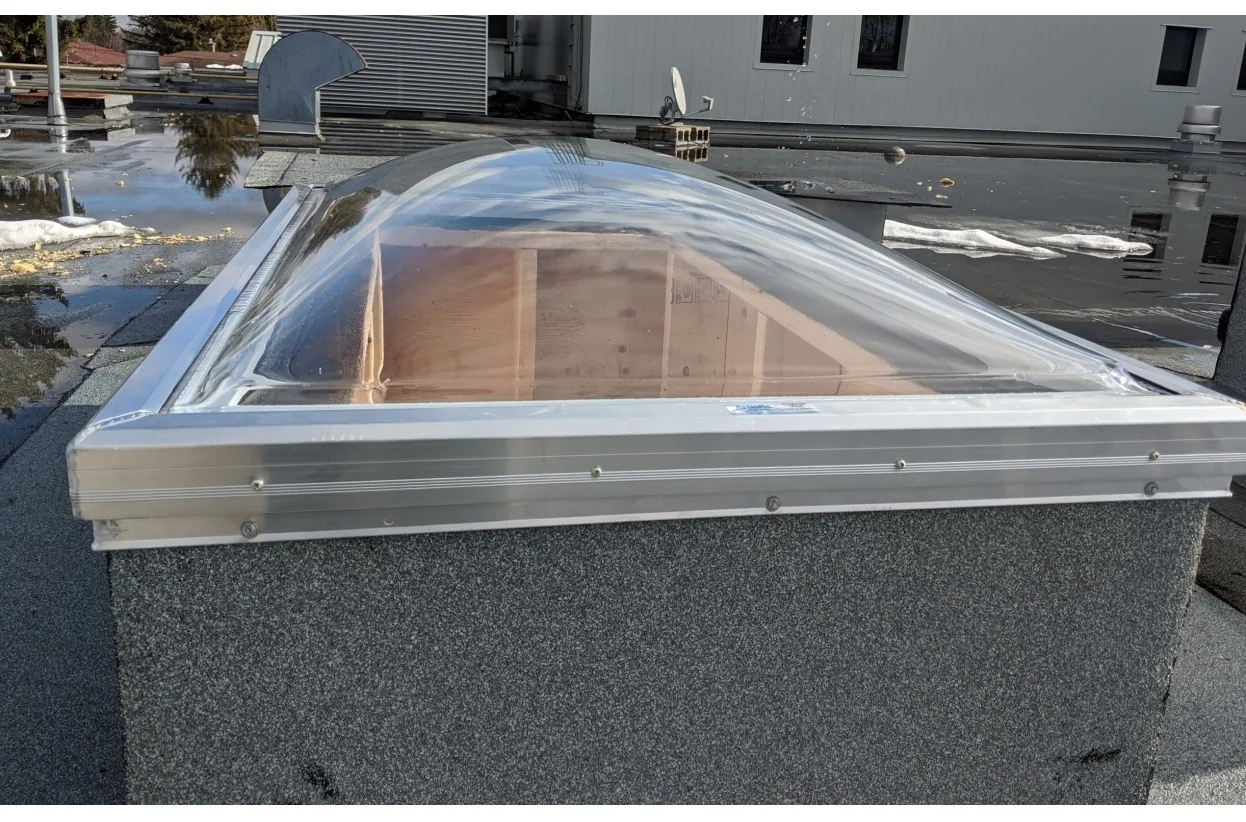
Pipes, curbs and equipment can interrupt the panel's movement if their attachment bridges a sliding path or joins materials with different responses. We examine the penetration geometry and support before selecting compatible flashing. A flexible closure may be needed at one interface, while another connection needs rigid support. The detail is chosen for the actual movement and water path, not from the opening's size alone.
Metal roof penetration work can require reconstruction around a curb or access beneath equipment to reach a concealed connection. We coordinate that work with service personnel where lifting or disconnection is necessary. Sealant condition is examined within the joint geometry and material compatibility, since repeated sealing cannot resolve every restrained panel or unsupported transition. The repair also considers how runoff reaches the penetration and whether the surrounding layout is holding water against it.
How do slope and closures keep water outside?
Panel slope, lap arrangements and closures must suit the selected system's requirements. A low-slope metal assembly needs details appropriate to that exposure, while a different panel profile may have another drainage limitation. We identify the installed configuration before choosing repair materials. Eaves, ridges and changes in roof plane are examined for closure condition and the route water could take behind the visible surface.
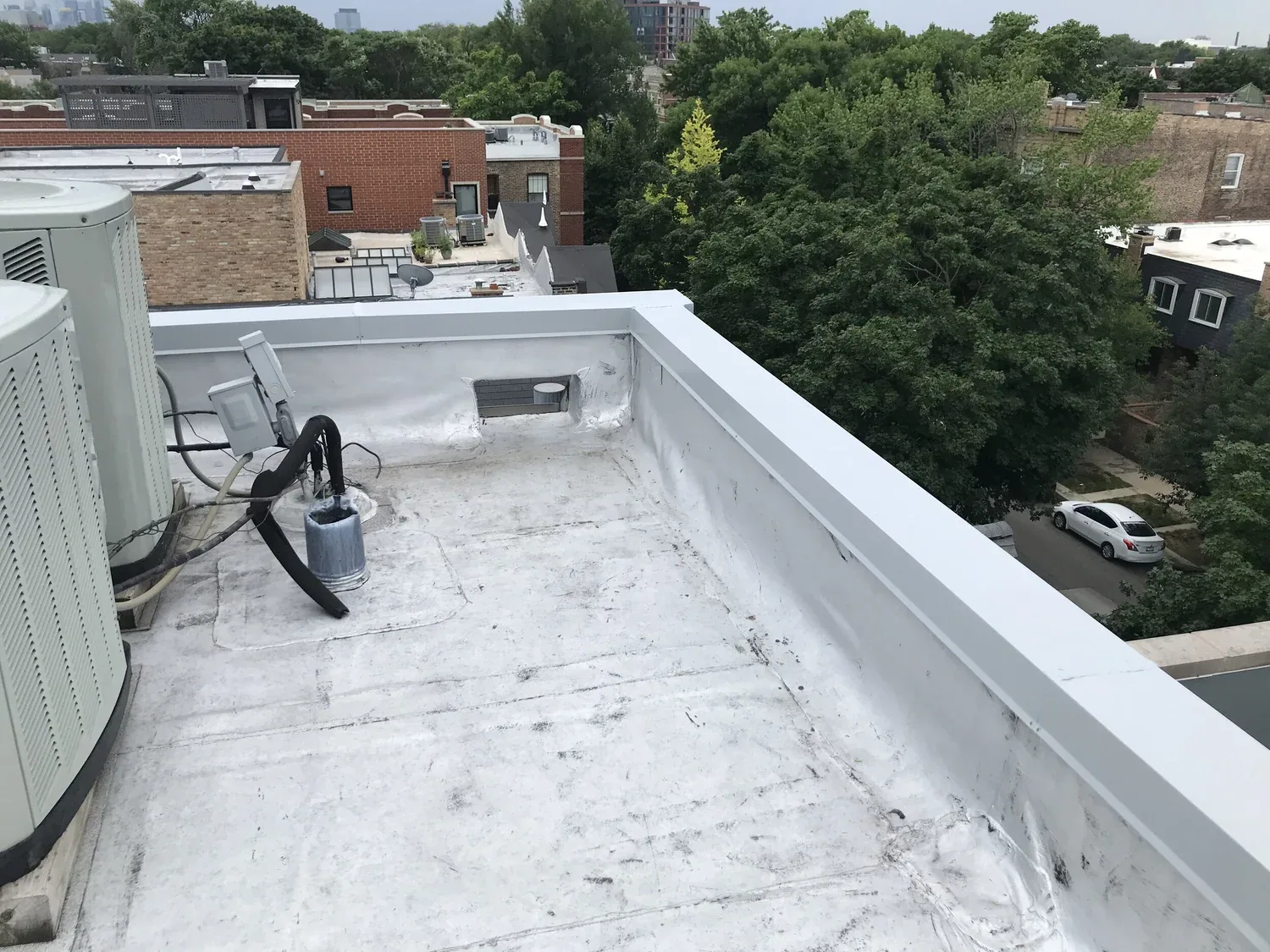
Gutter and edge connections receive the runoff and need suitable support and discharge. A blocked gutter or displaced eave detail can hold water where the panel connection was intended to shed it. We examine those components together rather than ending the repair at the sheet metal edge. Corrosion or deteriorated support below the metal is assessed separately, with removal or structural input where the condition affects the proposed connection.
Panel ends and changes in plane also need to shed water without interfering with expansion. We examine whether a closure has moved, whether a joint has been restrained by an earlier repair and how the transition engages the next roof section. The proposed correction identifies the function of each component so a new piece of metal does not solve one opening by creating strain or retained water at another connection.
What should the underside and insulation examination establish?
Condensation, air leakage and insulation condition can affect a metal roof independently of rainfall entry. We compare interior operating conditions with the assembly where wetting suggests more than a surface leak. Water-path investigation distinguishes those mechanisms before a panel seam is treated as the cause. Changes in insulation or air control may need coordination with the roof system and supporting construction.
For Las Colinas commercial properties, access and equipment operation can affect how panels or details are reached safely. Cost follows panel geometry, attachment access, support repairs and the number of complex transitions. We compare those activities with a membrane assembly option where replacement or retrofit is being considered, keeping each system's requirements distinct. The selected work restores the intended load and water paths with suitable movement allowance.
Maintenance examines seams, penetrations, coatings and drainage without introducing fasteners or restraints that alter the panel system. Service routes and support details should be coordinated before equipment additions are installed. We identify the connections that need continued access, so a future repair can examine movement and support rather than rely on another surface seal over an unexplained opening.
Commercial Roofing Questions
Can a loose standing seam panel be secured with exposed screws?
The original attachment and movement arrangement need assessment before adding fasteners. A screw can create an opening or restrain a panel that was intended to slide. We examine the clips, seams and substrate to select a suitable correction. Where design input is needed, the repair follows that arrangement rather than using a convenient exposed connection that changes the system's behavior.
Why does a curb leak after the panel seams are sealed?
The curb has its own flashing, support and movement interfaces. Water may enter at an upper termination or a transition that seam sealing did not address. We examine the runoff route and concealed connection where access permits, then identify the reconstruction needed. A restrained panel near the curb can also keep straining the detail until the movement problem is corrected.
Can dents remain without replacing the panels?
The impact's effect on seams, coating, water shedding and attachment needs examination. A surface dent and a damaged connection can require different responses. We identify the particular injury and whether it affects serviceability, with further checks where concealment leaves uncertainty. The repair recommendation follows that condition instead of assuming every visible mark or every undented panel has the same structural or waterproofing consequence.
Will a retrofit eliminate the need to inspect the metal underneath?
The retained panels and supporting assembly still need evaluation for load, moisture and attachment suitability. A new covering may conceal conditions that require correction before retention. We examine those questions and the selected retrofit requirements before comparing it with removal. The added assembly must connect to suitable support and preserve workable drainage and movement details.
Ready to review the roof scope?
Request a Roof Assessment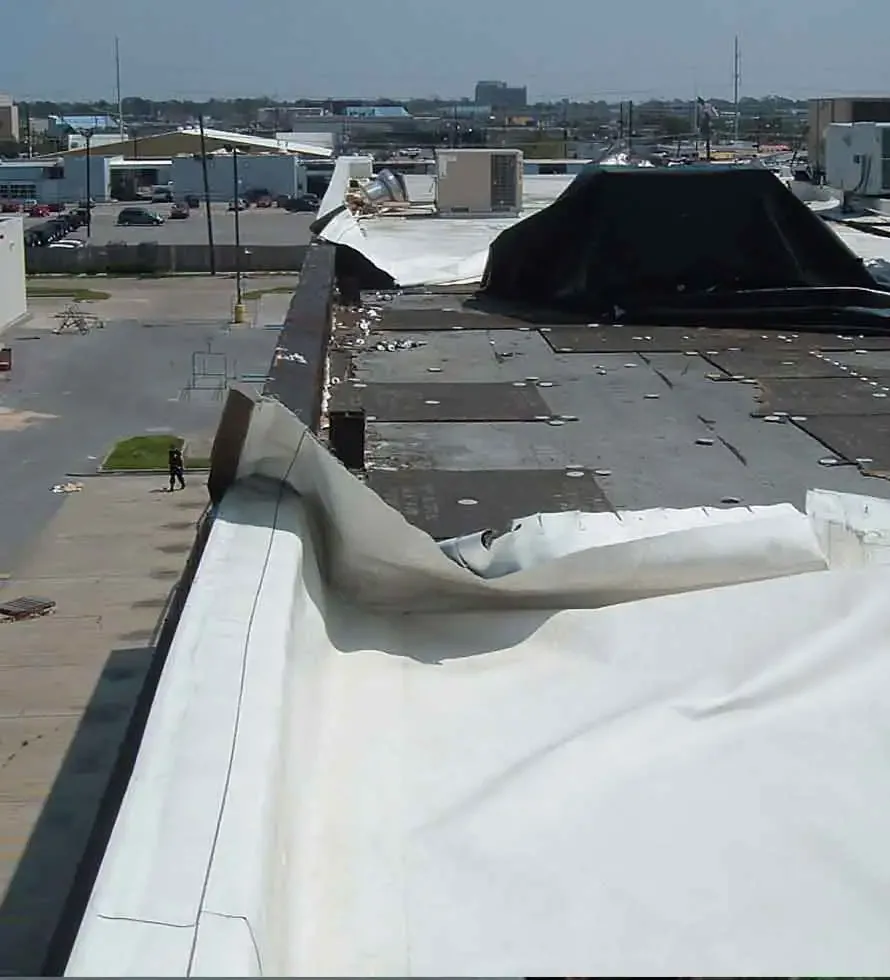
Commercial Roof Edge Metal, Coping and Gutters
See scope, options and what to expect on the roof.