A small amount of debris can keep rainfall against a roof connection that would otherwise drain, allowing ordinary thermal movement to work on a persistently wet detail. Preventive roof maintenance in Irving, TX, starts with those interactions between material response and changing exposure. Commercial Roofing Irving examines drains, service routes and connections so routine care preserves the assembly instead of treating a roof visit as debris collection alone.
The Dallas/Fort Worth region combines hot summers with wetter spring and fall periods. That makes maintenance timing useful when it addresses the roof before a change in exposure, including clearing runoff paths and examining stressed transitions. Las Colinas office uses and Valley Ranch multifamily properties also bring equipment service and occupied space into the schedule, with maintenance organized by the actual roof construction and operating needs.
What should be removed before rainfall accumulates?
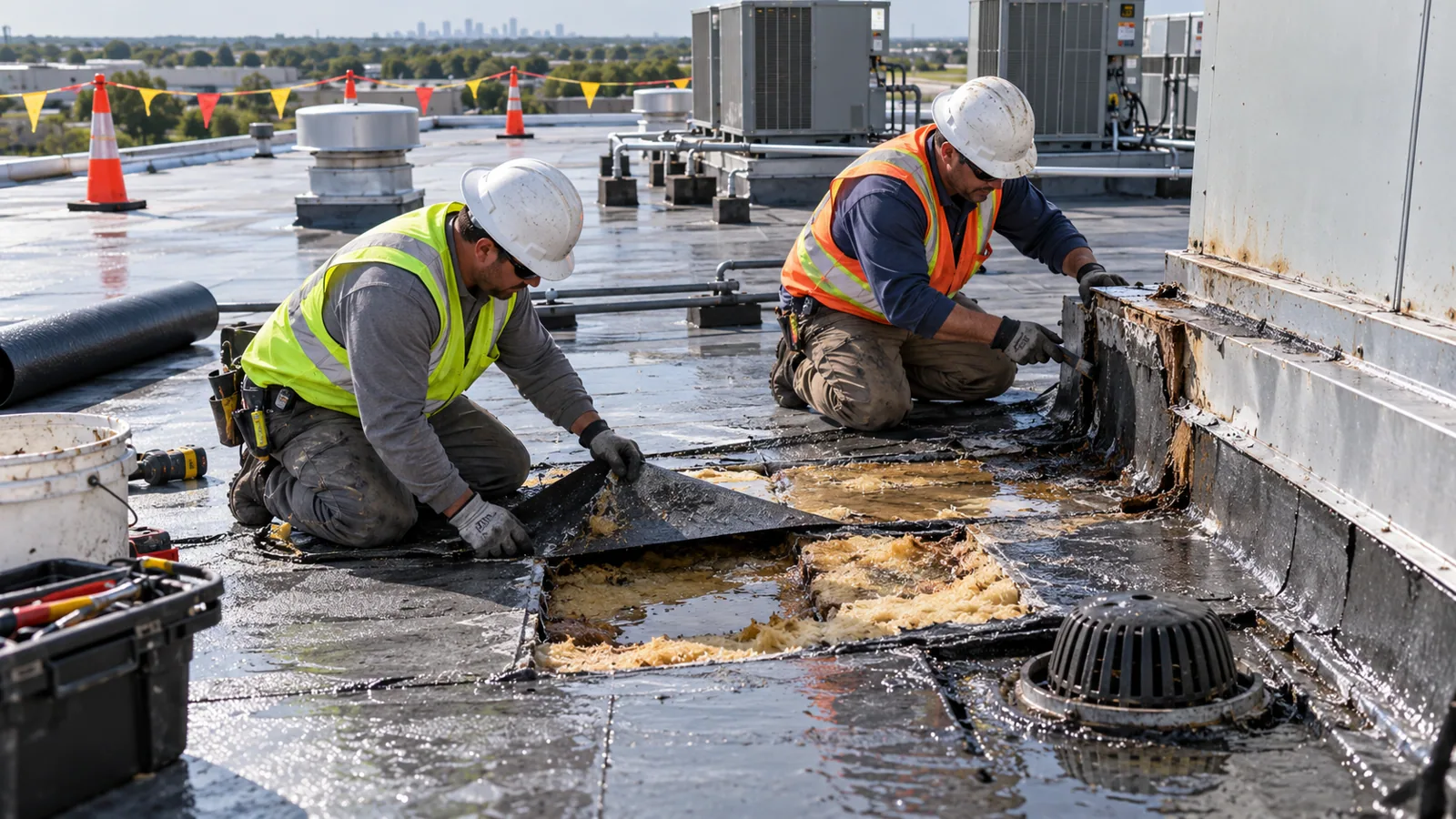
Leaves, packaging and service debris can collect at drain strainers, scuppers and the base of curbs. We examine the approach to each outlet as well as the outlet itself, because a cleared opening can remain ineffective if runoff is blocked upstream. Debris is removed without damaging the membrane or pushing material into the plumbing. The surrounding connection is checked for displacement, splitting and evidence that water has been standing above the intended drainage level.
Drain and scupper maintenance also includes identifying components that need reconstruction rather than cleaning. A missing strainer, loose clamping connection or high drain bowl requires a different scope from accumulated leaves. We distinguish those conditions and explain the correction needed. Where stains show a persistent low area, we compare roof elevations and obstruction patterns before recommending insulation changes, so routine care does not repeatedly clear an outlet while leaving the water approach unresolved.
Which connections need attention through temperature changes?
Flexible membrane meets rigid metal at curbs, terminations and roof edges. Repeated heating and cooling can concentrate stress at those joints, particularly where the membrane is tight or the supporting component has moved. We examine the connection for splits, separation and loose fastening, then distinguish serviceable movement from a detail beginning to fail. Maintenance should preserve access to that connection rather than conceal it under repeated applications of sealant.
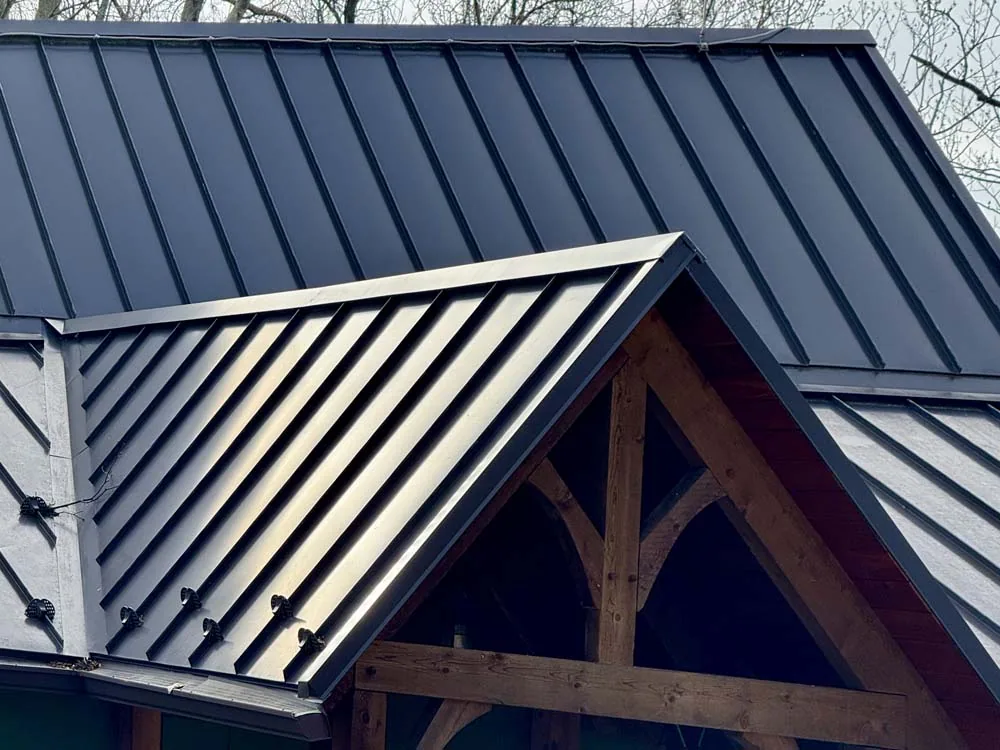
With standing seam metal roofing, clips, closures and penetrations need consideration of the panel's movement. A fastener added without regard to the design can restrain expansion or create a new water-entry point. We inspect the existing arrangement before recommending a correction. Flashing repairs are planned where the detail needs rebuilding, while routine examination tracks the condition of connections that remain suitable for service.
We also check whether later equipment additions have interrupted a movement joint or covered a termination that previously remained accessible, since those changes can alter the maintenance needs without changing the roof membrane itself.
How does equipment service change the maintenance plan?
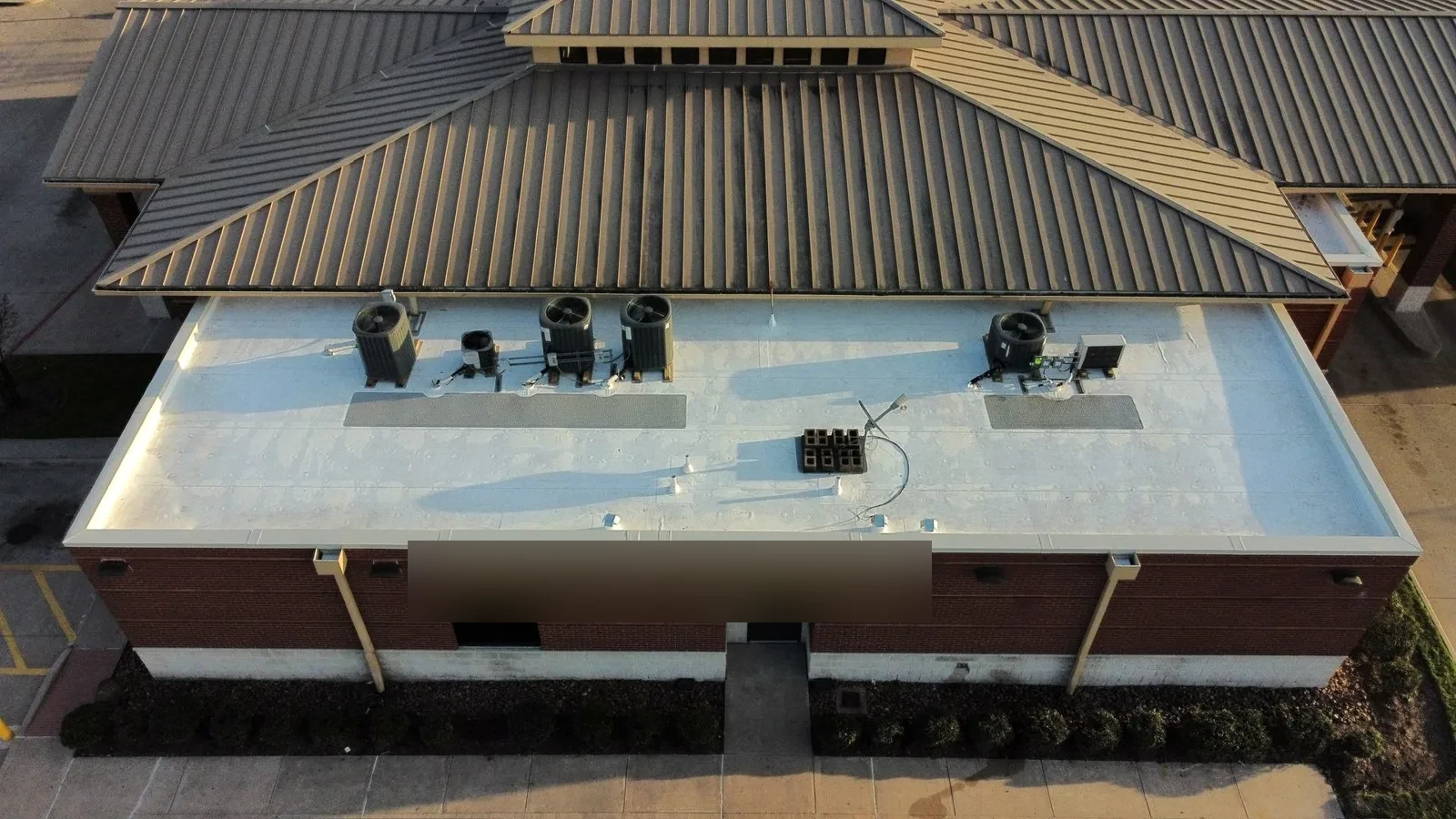
Repeated foot traffic can wear a membrane near access points and equipment, while tools or replacement parts can puncture the covering. We examine those routes and the condition of walkway protection, including whether it directs technicians across a suitable surface. Walkways need secure installation and should not block runoff. A path added without attention to drainage can protect against traffic while creating a different wetting problem beside the equipment.
Service activities can also leave loose cable, sharp objects or displaced supports on the roof. We identify those conditions and coordinate responsibility for removal or repositioning where another trade is involved. Equipment curbs are examined for vibration-related wear and disturbed flashing after service work. A contained membrane repair can address an isolated injury when the surrounding materials remain serviceable, but recurring damage may call for a revised access route or support detail as well.
What should determine the next maintenance visit?
The next visit follows roof condition, drainage exposure and the amount of service activity rather than a single interval applied to every property. A roof below trees or with frequent equipment access may need different attention from a relatively clear roof field. We also consider recent repair work and details that need follow-up observation. A scheduled condition examination provides the findings needed to adjust that maintenance plan.
Storms can justify an additional visit where debris, displaced metal or visible damage has been reported. The Metroplex experiences hail and damaging wind, but the response follows the property's exposure and observed change. We assess accessible connections and runoff paths before continuing ordinary maintenance. Active leakage or loose components are treated as repair or emergency conditions, with around-the-clock response available where water entry threatens occupied space.
How do routine tasks stay separate from reconstruction?
Clearing debris, examining accessible details and maintaining suitable service routes differ from removing wet insulation or rebuilding a failed termination. We describe each task and identify defects needing a repair scope before work proceeds beyond routine care. That separation helps an owner understand the maintenance cost and authorize reconstruction based on condition. It also prevents a recurring defect from disappearing into a general description of a completed roof visit.
For Valley Ranch commercial and multifamily buildings, access coordination can involve entrances, occupied areas and equipment service windows. We arrange the roof route and any interior observation needed without assuming all activities require the same access. Findings are related to roof locations and photographs, including what was cleared, what was corrected and what remains. The information supports subsequent comparison rather than relying on an undocumented description that the roof was checked.
Maintenance preserves suitable materials; it does not reverse deterioration that has already spread through an assembly. Where repairs become extensive or wet layers remain beneath the covering, we explain the investigation needed for a larger comparison. A well-defined maintenance program keeps those capital decisions visible while continuing useful care on the roof sections that remain in service.
Commercial Roofing Questions
Can maintenance staff clear drains between your visits?
Safe access and the outlet condition need to be considered first. Staff can address appropriate housekeeping tasks where they have the equipment and access to do so safely, but loose connections or damaged roofing require a repair assessment. We identify those differences in the findings. Debris should be removed from the roof rather than pushed into the drain or left where the next rainfall can return it.
Should a repaired flashing detail stay on the maintenance watch list?
A reconstructed detail can benefit from follow-up observation during later thermal and rainfall exposure. We compare its condition with the completed repair and look for movement in adjacent components that might affect it. The purpose is to preserve the corrected connection and detect a separate developing problem. Follow-up does not replace the preparation and compatible materials required when the repair is installed.
Will maintenance include sealing every visible joint?
Joint condition and construction guide the appropriate action. Some joints need freedom to move, and indiscriminate sealing can obstruct that movement or hide a failed connection. We examine the detail and distinguish a serviceable joint from one needing repair. Sealant is used where appropriate to the system, with preparation and geometry considered rather than as a general treatment for every roof transition.
How can we compare maintenance findings from one visit to another?
Located photographs and descriptions let the manager compare the same outlet, seam or curb over time. We identify completed tasks and the defects still needing attention, including any access limits that affected examination. Changes can then be assessed against the earlier condition rather than a general roof rating. That comparison supports decisions about additional repair, altered visit timing or a larger assembly investigation.
Ready to review the roof scope?
Request a Roof Assessment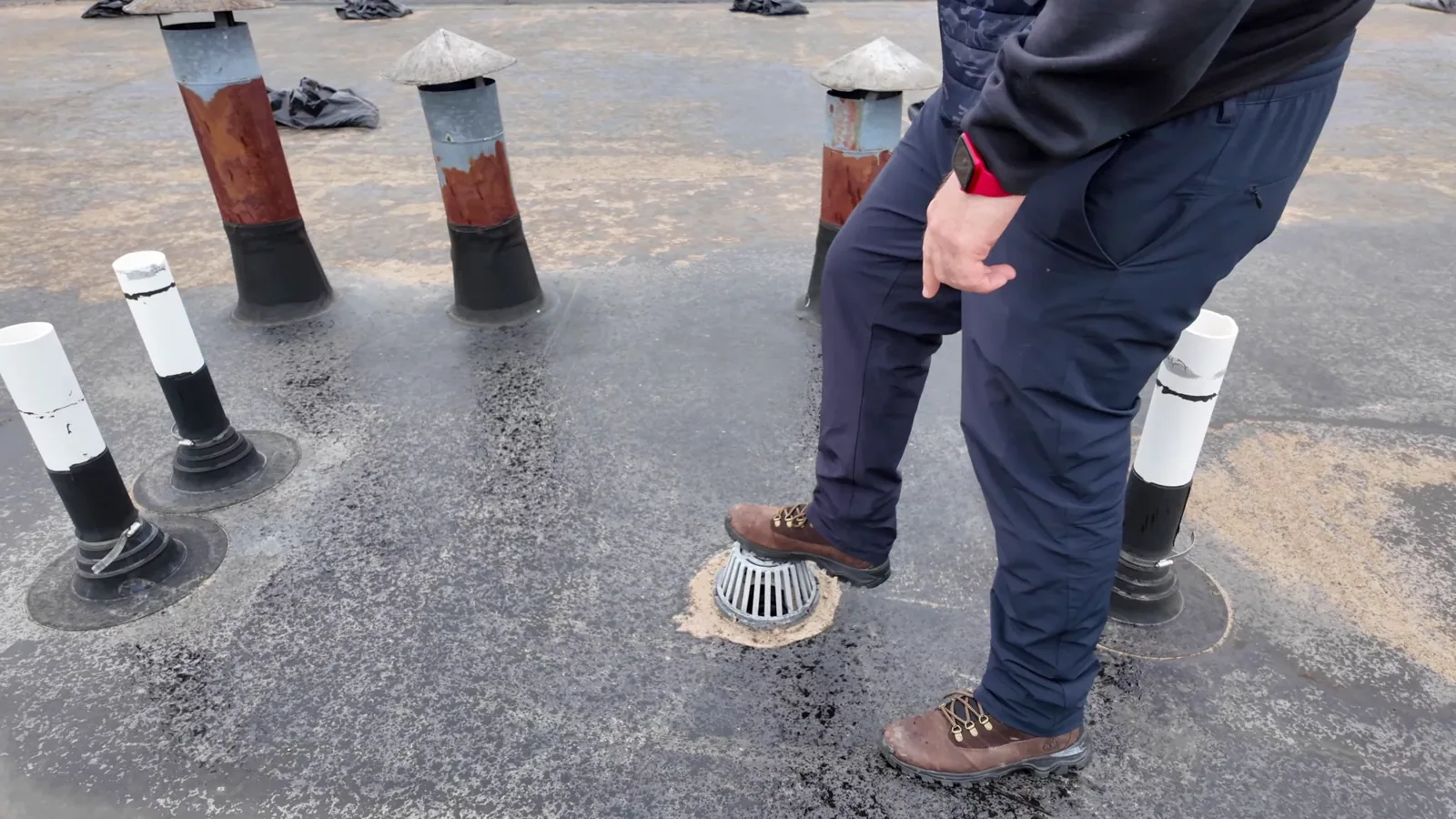
Commercial Roof Flashing Failure Repair
See scope, options and what to expect on the roof.