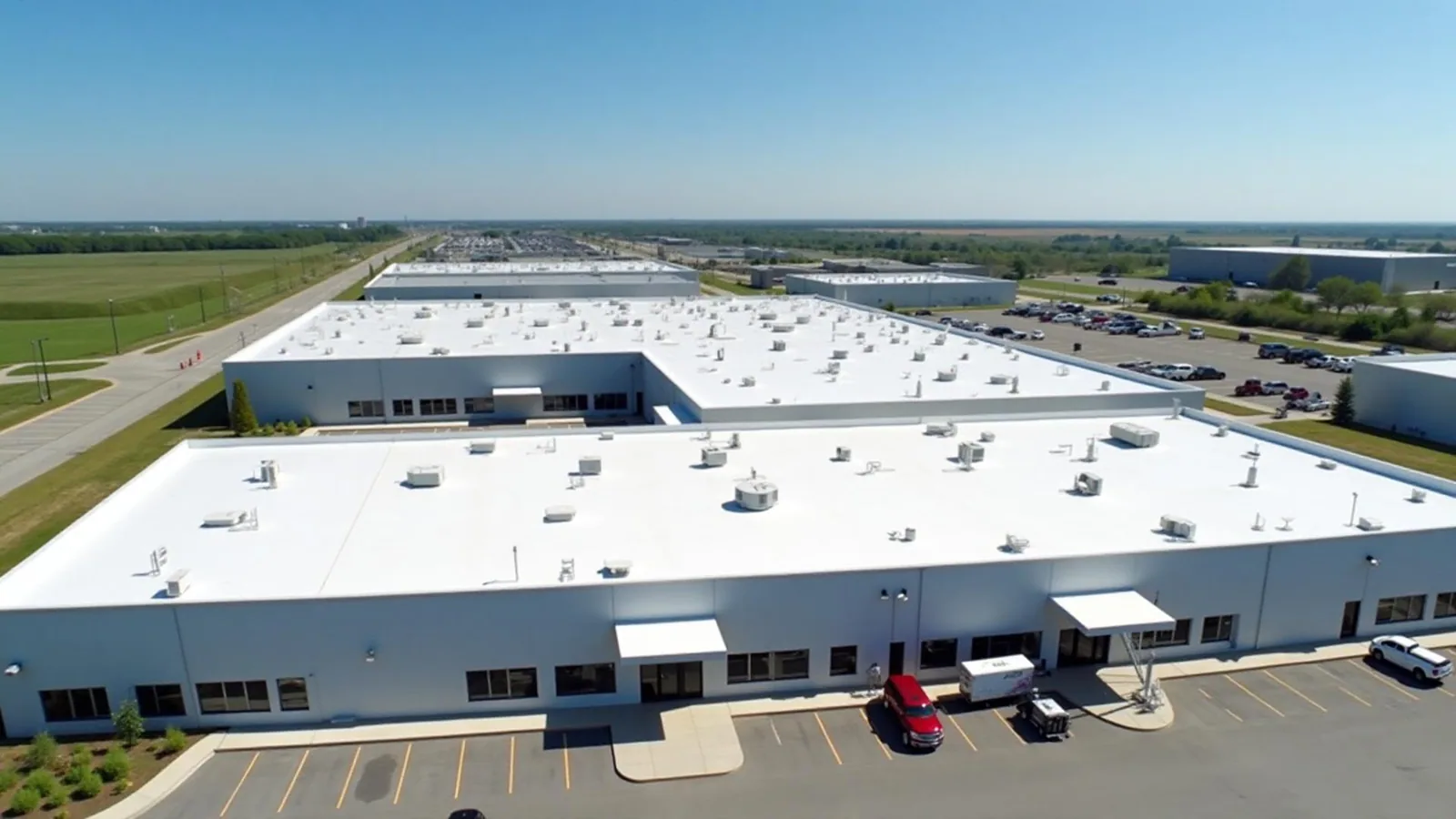
Rubber membrane can accommodate movement across a roof field while a seam or curb connection concentrates that movement in a smaller bonded area. EPDM roofing in Irving, TX, needs examination of those interfaces as the surface cycles through summer heating and cooling. Commercial Roofing Irving assesses the rubber sheet, seam materials and supporting assembly before defining a compatible repair or installation.
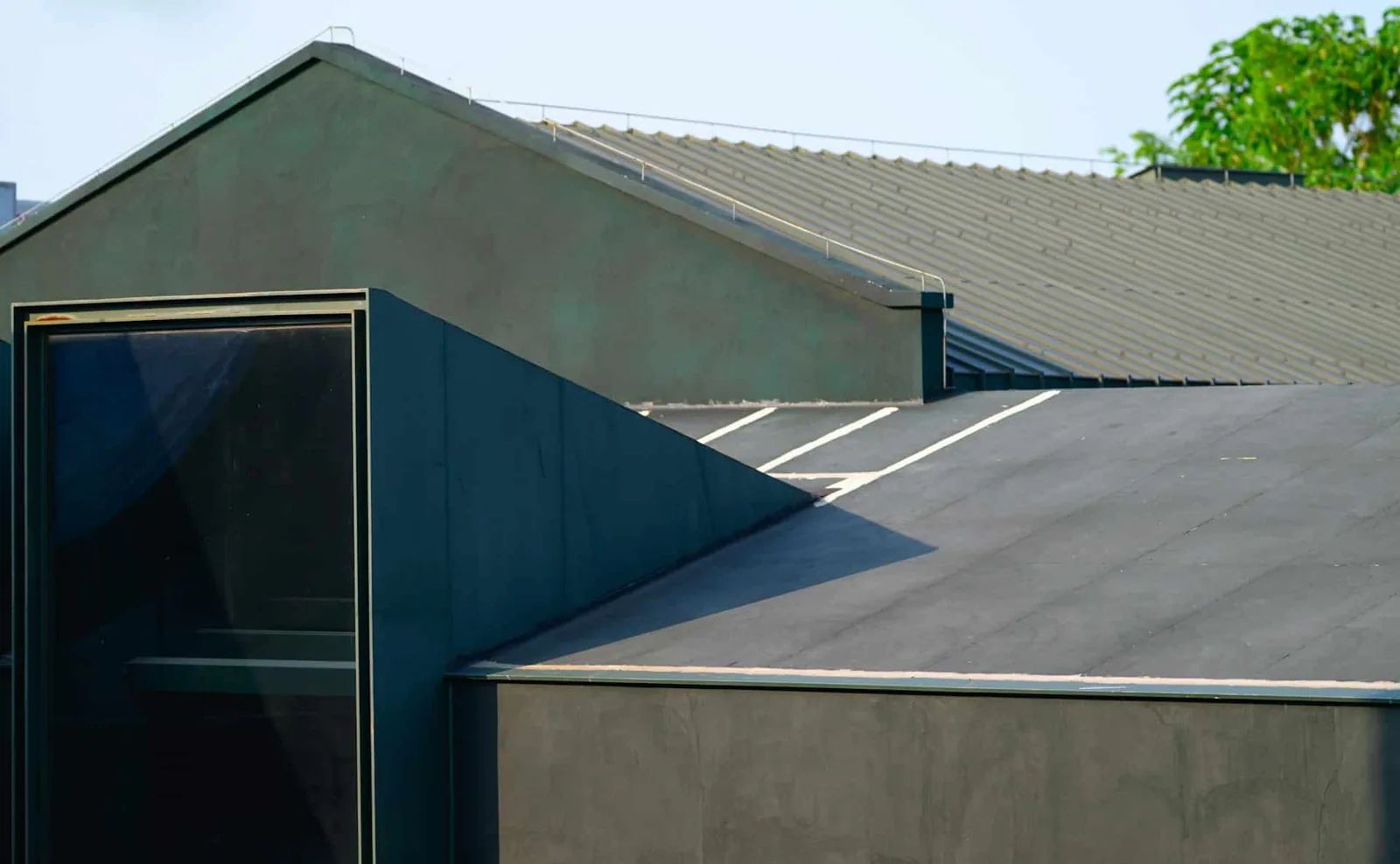
Valley Ranch includes commercial and multifamily properties, and Las Colinas has office buildings where equipment and occupied space affect access to roof details. Those uses guide work coordination, while the actual roof condition guides material selection. The hot summer climate across Dallas/Fort Worth makes surface exposure relevant, but it does not establish whether an existing EPDM seam remains bonded or whether insulation below the covering is dry.
What does the sheet condition tell us?
We examine the membrane for cuts, abrasion, surface deterioration and tension near details, distinguishing an isolated injury from a sheet that is no longer suitable for the proposed repair. Flexible appearance alone does not establish the condition of a bonded seam or the stability of underlying support. Areas near equipment may have a different exposure from the open field because of traffic, discharge or repeated contact with service components.
Repair of an EPDM puncture reaches sound material beyond the defect, with examination below where water or impact may have affected the layers. Compatible preparation and repair materials are selected for the rubber assembly. Where an unsuitable previous patch conceals the sheet, removal may be needed to establish a usable interface. The work also identifies the contact or service activity that caused the injury so a new repair is not left beneath the same damaging condition.
How is the seam bond assessed and rebuilt?
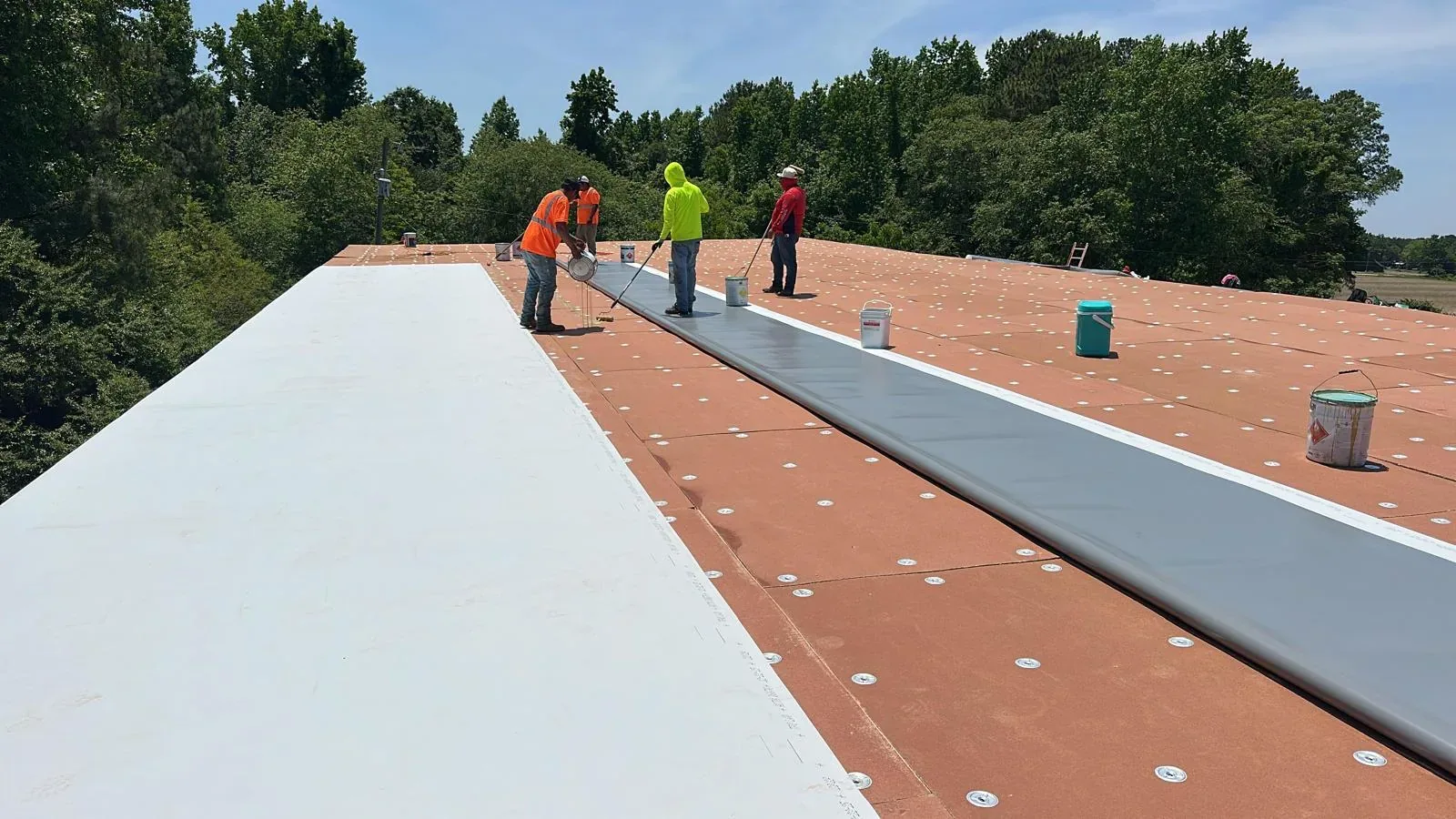
EPDM seam methods differ from thermoplastic heat welding. Compatible primers, tapes or other system-appropriate materials need a suitable prepared surface and installation conditions. We examine the seam edges, adhesion and any earlier repair layers before choosing the method. Dirt, moisture or incompatible material can interfere with bonding, so preparation addresses the actual condition rather than applying another strip over an unexplained separation.
A rubber membrane seam repair also considers movement and support. If the sheet is under tension at a curb or termination, the connection may need reconstruction beyond the lap itself. We assess where the strain comes from and whether the retained materials can support the correction. TPO systems use different seam and repair processes, which is why a method suitable for a visually similar roof should not be transferred to EPDM without identifying the material.
We also check whether the repair can be applied with the access and pressure needed for the selected bonding method. A connection tucked beneath an obstruction may need that obstruction moved before preparation and installation can be completed properly, even when the visible seam opening is small.
What happens where rubber meets a rigid detail?
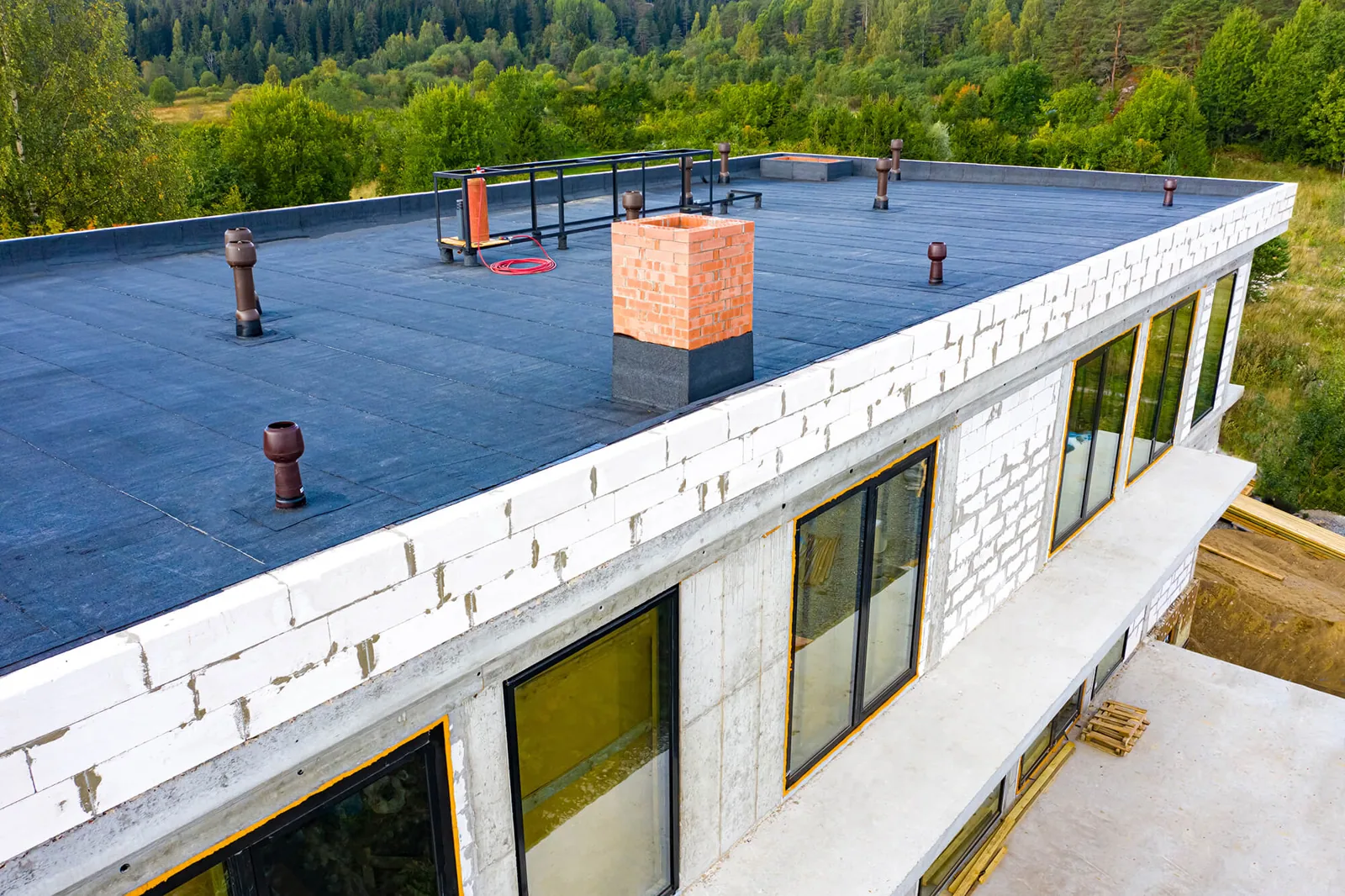
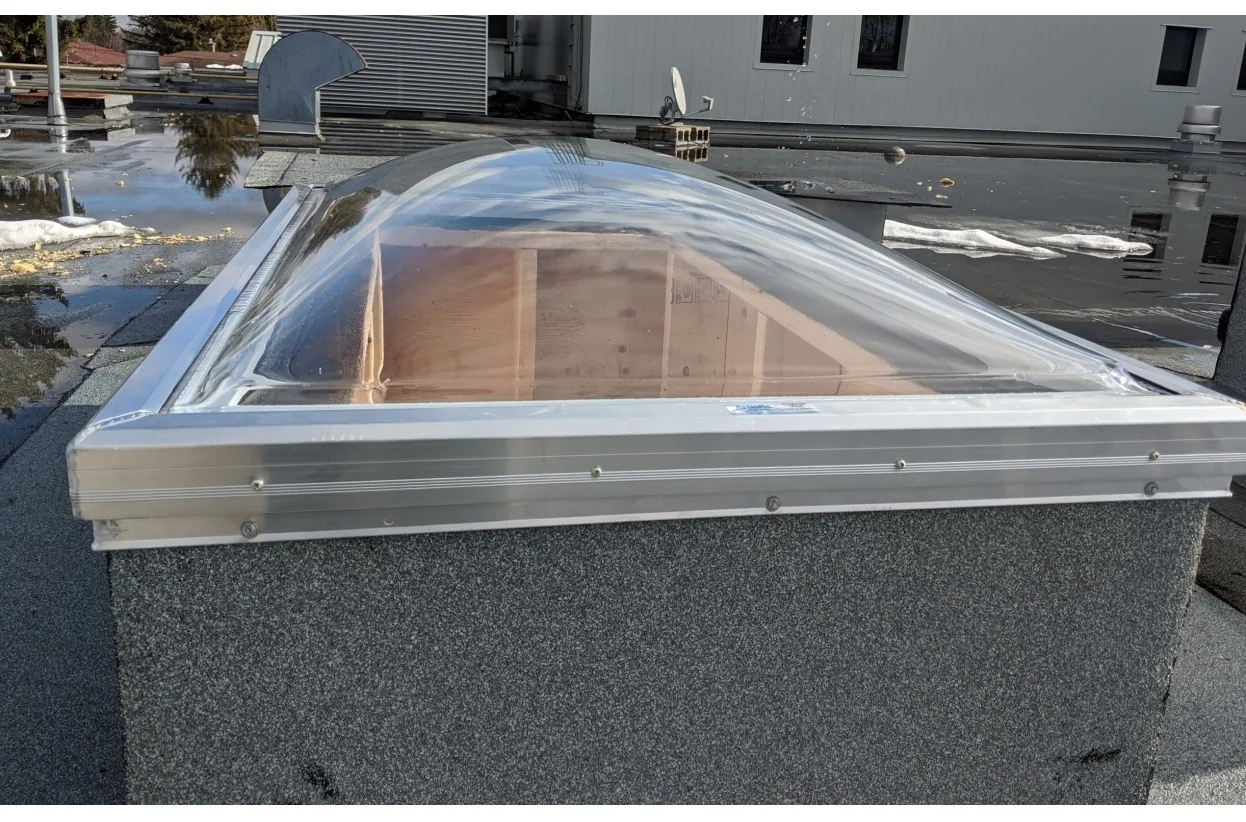
At curbs and walls, the flexible sheet changes direction and connects to a rigid substrate or termination. We examine usable height, support and the corner arrangement before selecting a repair. Flashing materials need compatibility with the field membrane and a detail that allows the expected movement. A narrow patch over a strained corner can leave the same tension active, particularly if adjacent attachment has been disturbed.
Pipe penetrations and irregular shapes may require formed or adaptable flashing suited to the geometry, with the upper closure and field connection examined separately. We identify whether equipment blocks access needed for preparation or termination work. Penetration reconstruction can require mechanical coordination to reach a concealed curb connection, rather than treating the accessible lower edge as the entire flashing detail. Movement joints need their intended freedom preserved through the correction.
Which retained layers can support the installation?
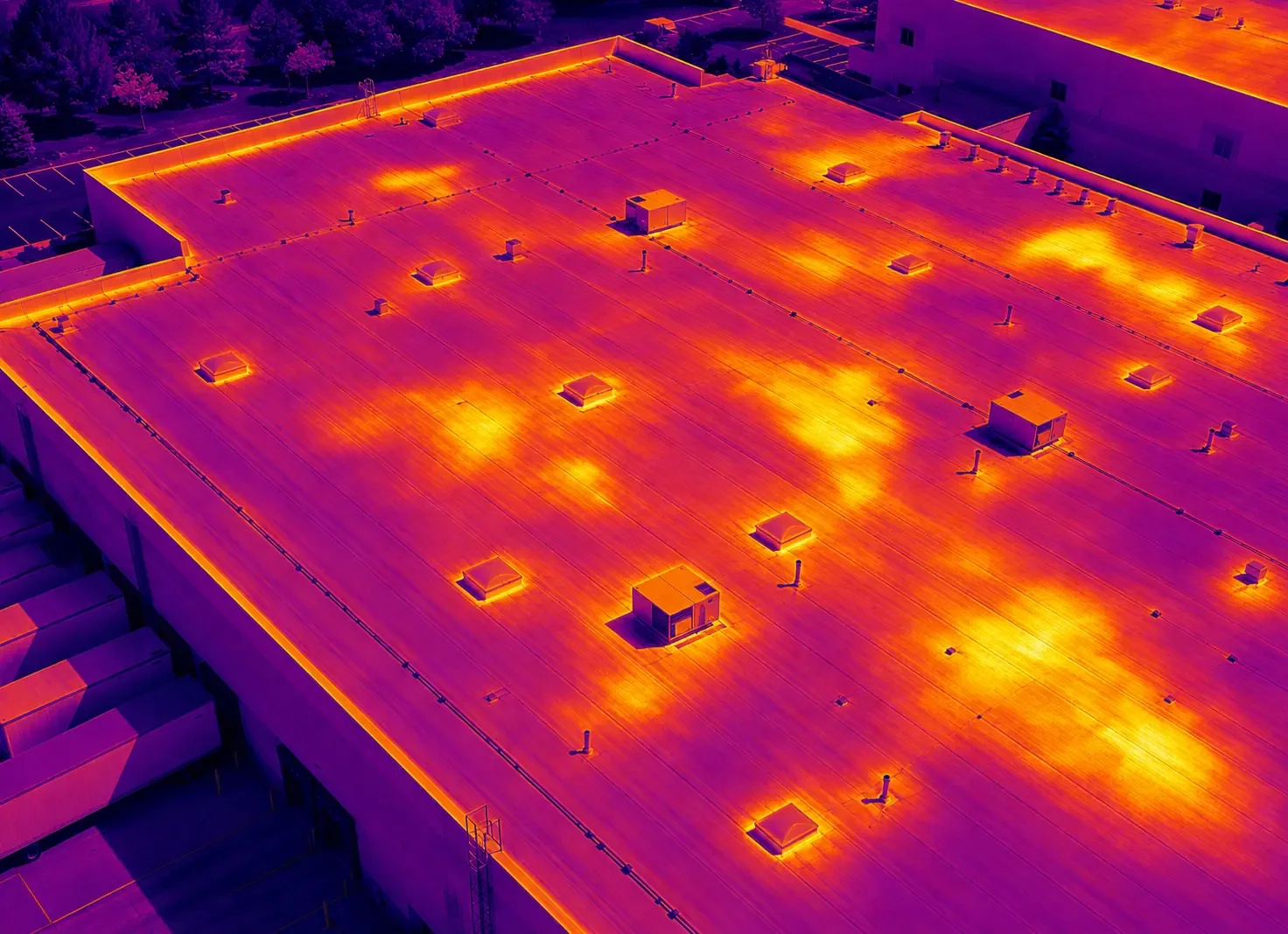
An adhered, mechanically attached or ballasted assembly has different attachment and support requirements. We examine the existing arrangement and the substrate before comparing repair, recover or replacement. Wet insulation, loose layers or damaged deck connections can prevent retention even when the rubber field remains serviceable. An assembly moisture assessment may guide direct checks where conditions support useful investigation of concealed wetting.
New insulation and cover board are selected with the membrane system and attachment method, including compatible separation where required. A repair transition must restore suitable thickness and support beside retained material. The deck and fastening arrangement need the resistance required for the proposed assembly, with testing or structural input where appropriate. Surface flexibility does not compensate for an unstable substrate or an attachment path that cannot carry the intended loading.
How do color, drainage and operations affect the choice?
EPDM products and finishes can have different surface characteristics, so the selected material's thermal response should be considered rather than assumed from the system name. We compare the covering with insulation and building operations before making any heat-related recommendation. PVC assembly options or another suitable system can enter a replacement comparison where exposure or project requirements justify it. Each option needs its own compatible substrate and detail arrangement.
Drainage remains essential whatever covering is chosen. We examine outlets, retained water and the support beneath depressions, then coordinate correction with the membrane work. For Valley Ranch occupied properties, access and material handling may need to account for both commercial activity and residential circulation. Cost follows surface preparation, concealed-material removal, attachment and detail complexity, with equipment coordination identified where it changes the work.
Maintenance preserves service routes and examines seam edges, terminations and traffic areas for developing change. Later repairs need compatible rubber-system materials and preparation rather than unrelated sealants or patches. We explain those interfaces with the completed work, including which outlets and details should remain accessible for examination. Keeping the material identity and repair boundaries clear makes future care more useful than relying on the general appearance of a dark or light roof sheet.
Commercial Roofing Questions
Can an EPDM seam be repaired with a heat welder?
EPDM uses repair methods suited to the rubber assembly, not the heat-welded process used for certain thermoplastic membranes. We identify the sheet and existing seam materials, then select compatible preparation and bonding components. The repair also assesses tension and underlying support. Identifying the system before work prevents a method from being selected simply because it was used on another single-ply roof.
Will a new patch work over an old sealant repair?
The earlier material and remaining sheet condition need examination. Unsuitable or loose repair layers may require removal before a compatible interface can be established. We assess whether the exposed rubber remains workable and whether wet material below needs correction. The new patch should connect to suitable membrane rather than depend on a deteriorated sealant layer for its bond.
Can you keep the rubber field while rebuilding the curbs?
A serviceable field can support contained detail reconstruction where a suitable connection boundary can be established. We examine the membrane, support and movement around each curb before selecting that scope. Wet insulation or strained material may extend the removal area. Equipment access is also considered so the upper termination can be rebuilt rather than leaving a concealed failed connection in place.
What would make recover unsuitable above an EPDM roof?
Moisture, unstable attachment, unsuitable layers or applicable assembly restrictions can prevent retention. We examine those conditions and the compatibility of the proposed new system before comparing recover with removal. A flexible sheet that still sheds water does not by itself settle the condition of the layers below. The recommendation follows the whole retained assembly and the requirements of the new covering.
Ready to review the roof scope?
Request a Roof Assessment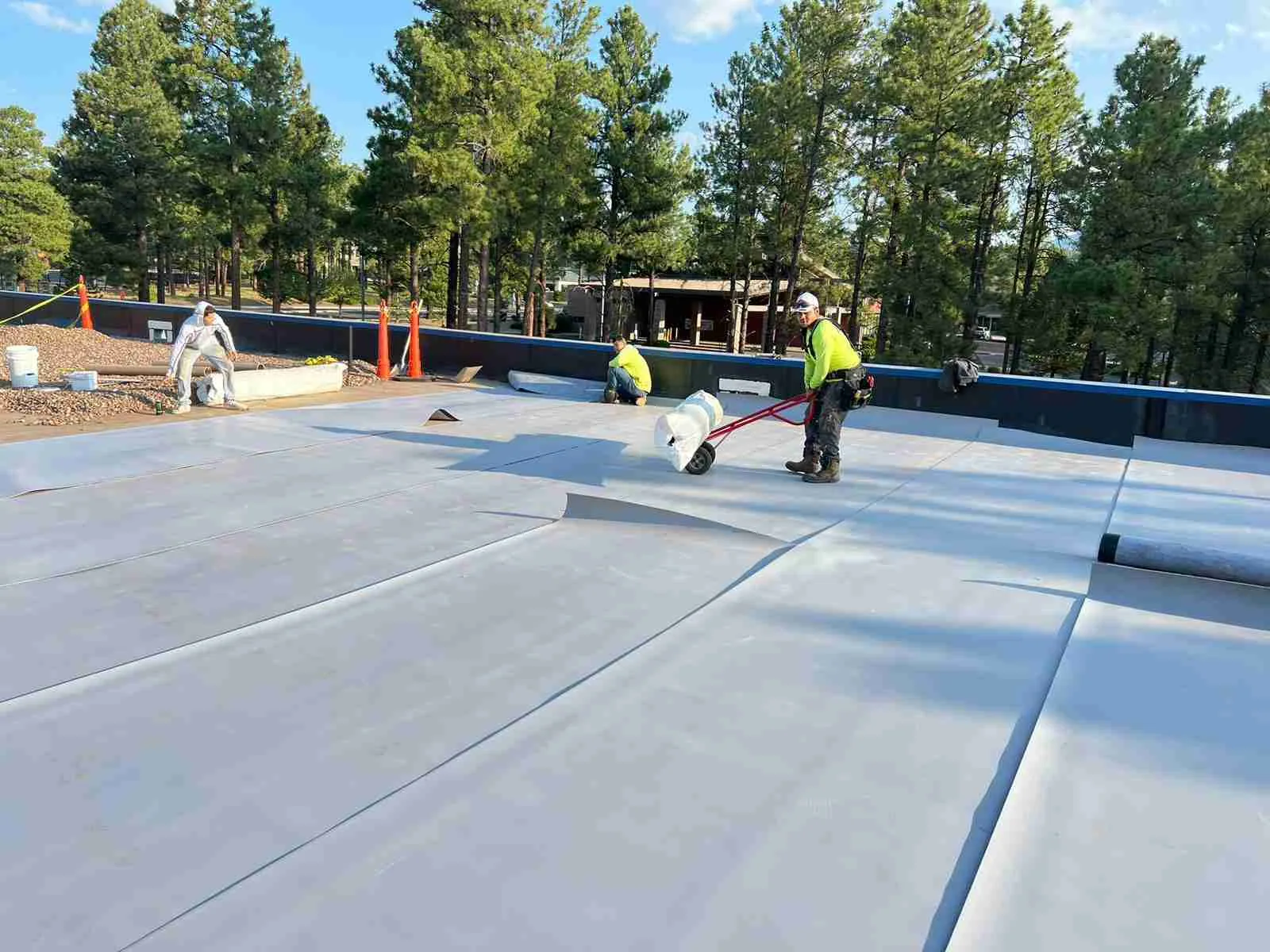
Commercial Roof Membrane Puncture Repair
See scope, options and what to expect on the roof.