Equipment can transmit vibration into a rigid curb while the surrounding membrane moves with the summer temperature cycle, concentrating strain at their connection. Rooftop curb and support work in Irving, TX, examines that interface and the path carrying the equipment load into the building. Commercial Roofing Irving coordinates the roofing detail with the equipment and structural requirements before rebuilding a curb, support or penetration.
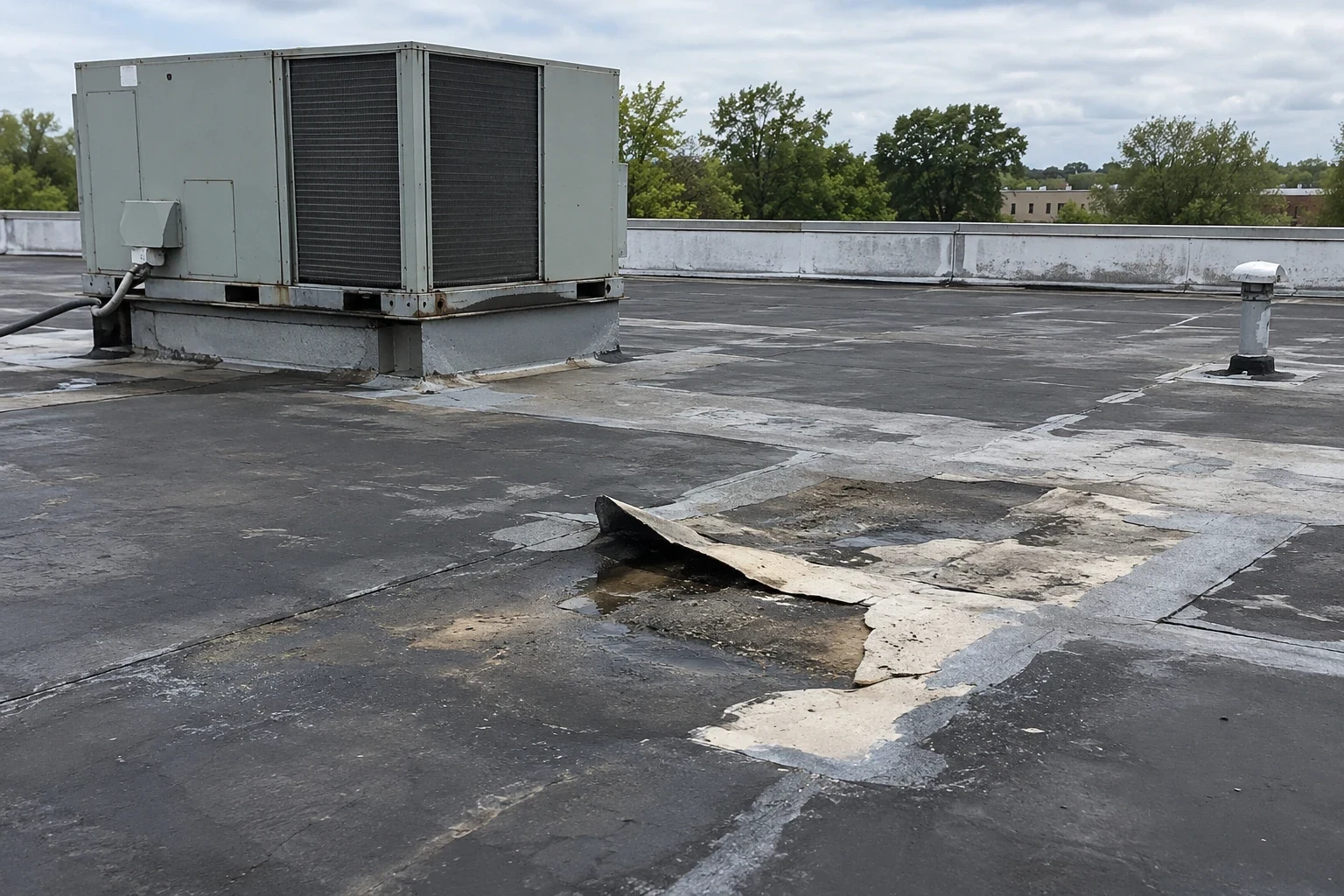
Corporate office complexes support financial and healthcare organizations in Irving, and Las Colinas Urban Center combines offices with restaurants and other uses. Those operations depend on roof-mounted services that may need access or shutdown during construction. The Dallas/Fort Worth region's heat and seasonal rainfall also make movement and drainage relevant, so support work is planned as part of the assembly rather than as a separate object placed on the covering.
Where does the equipment load reach the structure?
A curb or support must transfer load through a suitable arrangement to the building structure, not rely on compressible insulation or membrane alone. We examine the existing connection and identify where structural review is needed for equipment replacement, changed weight or damaged support. The roofing work then coordinates with the approved support arrangement. A visibly sturdy curb does not establish the condition of concealed fastening or the structure beneath it.
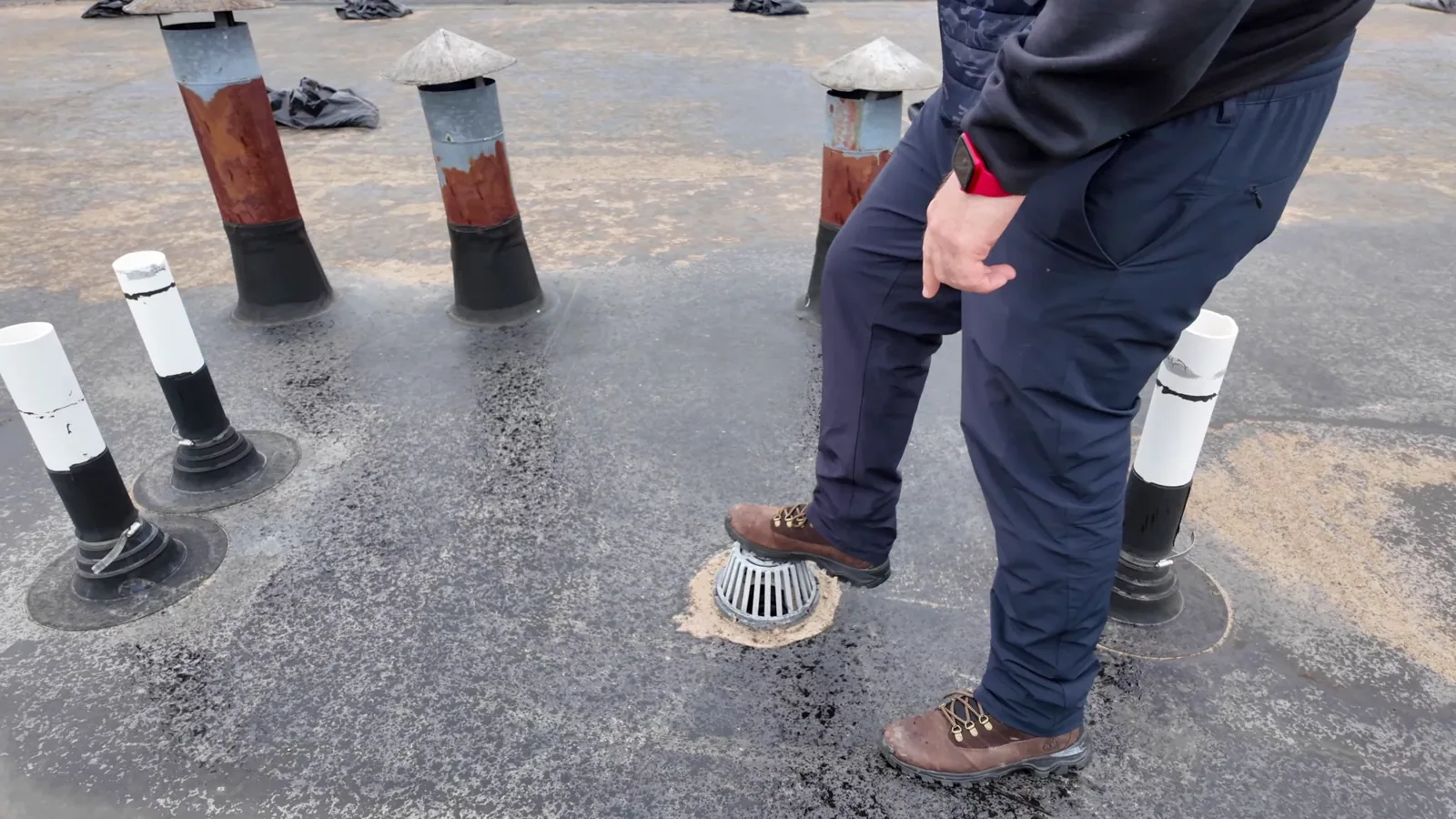
Pipe and conduit supports require the same attention to load distribution and movement, with the selected system suited to the roof assembly. Loose blocks or improvised supports can abrade the membrane, concentrate load or shift during service work. We distinguish an appropriate support detail from one that needs redesign or relocation. Any changes affecting the building's structural or mechanical system are coordinated with the relevant professionals before the roof connection is reconstructed.
Can the flashing be rebuilt without lifting the unit?
Equipment can conceal the upper flashing termination or limit access to corners and fasteners. We examine the working space before deciding how the connection can be repaired. Some curbs permit contained reconstruction with the unit in place; others need lifting or disconnection to reach the failed detail. Curb flashing reconstruction includes those access requirements so the work does not stop at the visible lower edge while leaving an inaccessible defect above it.
Equipment service connections, lifting arrangements and shutdown requirements need coordination with the mechanical trade. We establish the sequence that exposes the curb, allows suitable preparation and returns the equipment to service after the roof detail is closed. Where a replacement unit changes curb dimensions or attachment, the transition must be designed for the new arrangement. A metal adapter should not conceal a short or deteriorated roof flashing connection that still needs correction below it.
How do supports avoid damaging the membrane during movement?
Thermal changes can move piping and equipment independently of the roof surface. The support detail needs to accommodate the intended movement without dragging across the covering or restraining a line that must expand. We examine where wear or displacement is occurring and coordinate the correction with the service system. Membrane injury repair may be necessary after a support is repositioned, but repairing the sheet alone would leave the moving contact unchanged.
With an EPDM roof assembly, compatible protection and repair materials are selected for the rubber covering. Other membranes have their own requirements. Support pads, walkway materials and fastening need consideration of drainage and material compatibility as well as contact protection. We compare the proposed detail with the actual assembly so the support does not introduce an incompatible surface, unsupported penetration or barrier to runoff while correcting its load distribution.
Will the support interrupt the runoff route?
A curb or line of supports can hold water upstream if it blocks the approach to an outlet. We examine flow around the equipment and identify whether a cricket, revised support arrangement or outlet correction is needed. Drainage evaluation considers the full route rather than moving one obstruction into a different low area. The corrected layout should leave service access and water flow usable at the same time.
Changing insulation thickness affects the exposed curb height and the position of support bases relative to the field. We measure those relationships during reroofing or local reconstruction. A curb extension may be needed where the new assembly reduces flashing height, while supports may need removal and resetting to suit the rebuilt surface. Insulation and cover-board work is coordinated with those details before the covering is installed around them.
What should be resolved before equipment work begins?
The roof scope identifies the existing detail, removal needed, support arrangement and connection to retained materials. Mechanical and structural responsibilities are clarified where they affect equipment service or load transfer. Cost depends on access, lifting, concealed damage and the complexity of flashing and support reconstruction. We separate those items so the owner can compare a contained roof repair with the work needed for an equipment change.
At Las Colinas Urban Center properties, shutdown timing can be particularly relevant where offices or restaurants rely on the affected equipment. We coordinate the exposure window with the service trade and protect open roof layers during the transition. The completed detail is examined for continuity, drainage and usable access. Any disturbed membrane around the work is assessed before the area is returned to ordinary equipment service.
Future service routes also belong in the planning. Technicians need access that does not require stepping across fragile connections or moving supports each time a component is reached. We identify suitable paths and protection while keeping drains and terminations accessible. Later equipment modifications should prompt examination of those interfaces again, since a change above the roof can alter movement, loading or water flow without replacing the membrane.
We also check how removed supports will be stored and reset during the work, so loose components are not placed on unprotected membrane while the equipment is being serviced.
Commercial Roofing Questions
Can a heavier replacement unit use the existing curb?
The curb and structural load path need review for the changed equipment. We examine the roofing connection and coordinate the support assessment with the appropriate professionals. A matching footprint does not establish adequate support or compatible attachment. Once the arrangement is established, the roof scope can identify adapter, flashing and insulation changes needed for the replacement.
Will replacing pipe blocks require opening the membrane?
The selected support arrangement and existing damage establish the roofing work. Some supports can be reset without a penetration, while others need a different connection or repair of abrasion beneath them. We examine compatibility, movement and load distribution before selecting the detail. Any membrane opening is reconstructed with suitable materials and support rather than left as an incidental part of the service work.
Why does water collect behind the equipment curb?
Water may be held upstream because the curb interrupts slope toward an outlet, or a low area may have developed in the surrounding assembly. We examine elevations and runoff marks before choosing a cricket or other correction. Wet or compressed insulation is assessed separately where support has changed. The reconstruction should provide a continuous route around the obstruction without shortening the curb flashing below a suitable height.
Can the roof detail be repaired during a short equipment shutdown?
Shutdown planning has to accommodate access, preparation and closure as well as lifting the unit. We assess whether the concealed materials are likely to require removal and how weather could affect the work. A suitable sequence can reduce disruption, but the window must allow a compatible connection to be completed. Where uncertainty remains, we identify the investigation needed before committing to that schedule.
Ready to review the roof scope?
Request a Roof Assessment
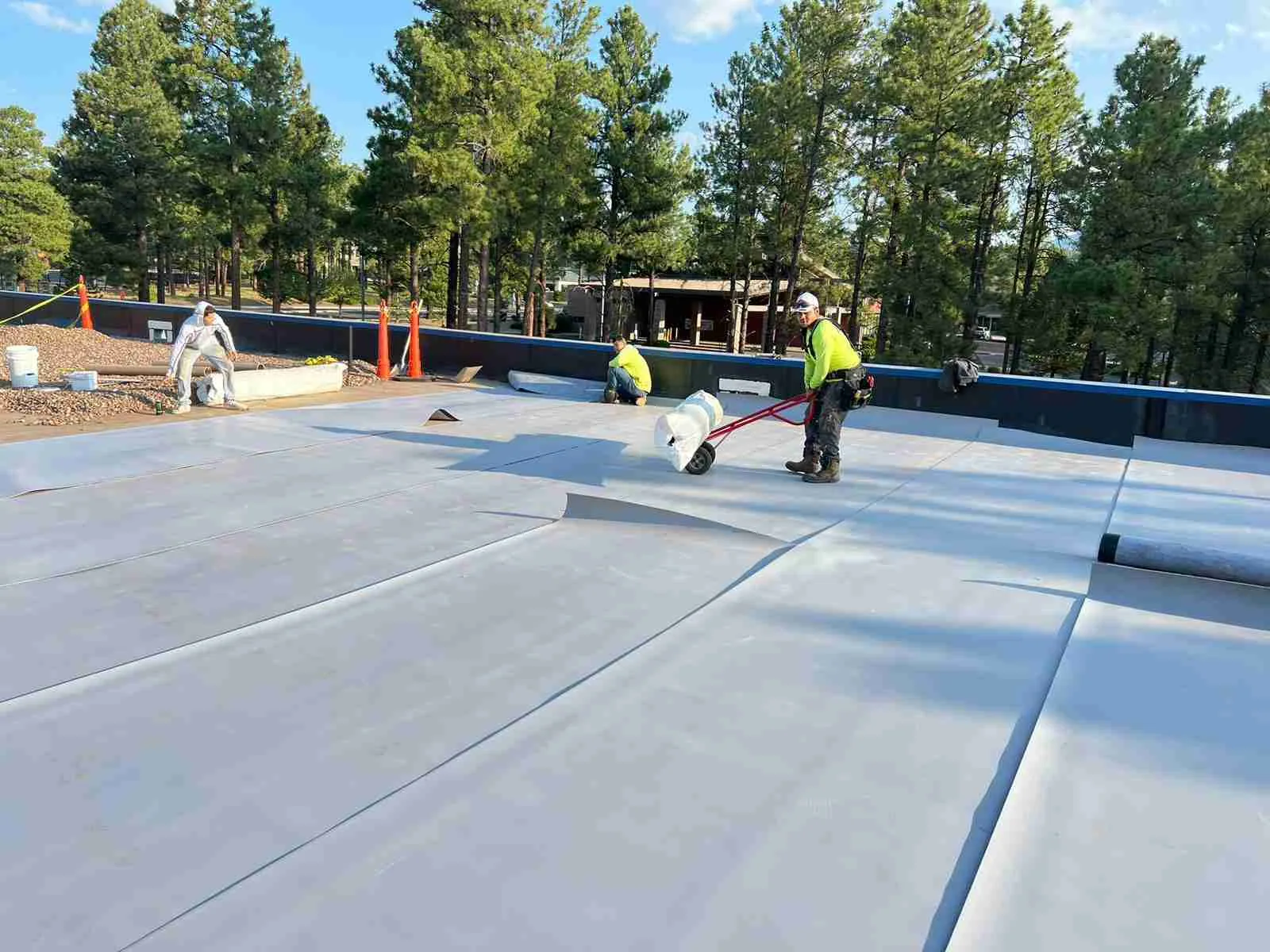
Commercial Roof Membrane Puncture Repair
See scope, options and what to expect on the roof.
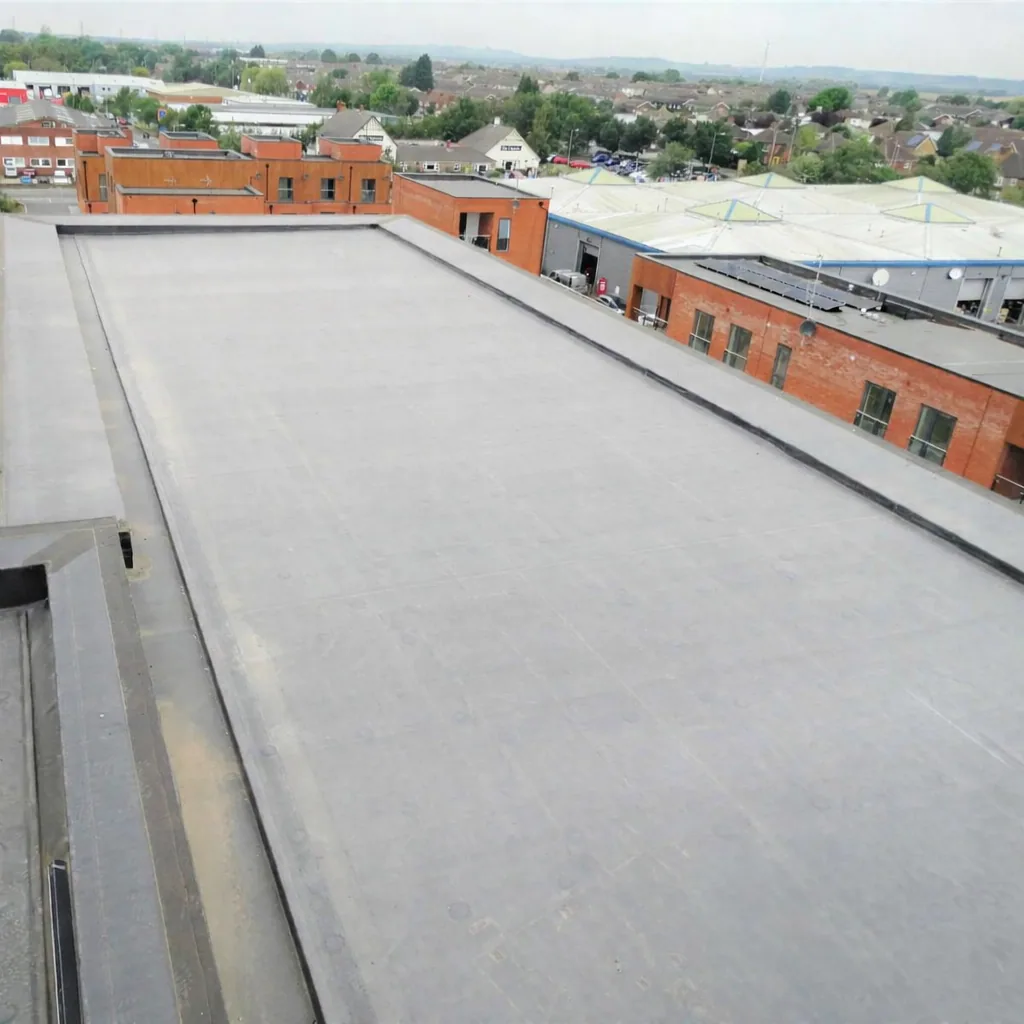
Commercial Roof Insulation and Cover Board
See scope, options and what to expect on the roof.