
Summer heat in Irving, TX, changes the surface temperature of a roof faster than it changes the deck beneath it. That difference puts movement at seams, curbs and perimeter metal into the inspection, especially on a large hangar field where a connection can be far from the point where water appears inside. Commercial Roofing Irving examines the covering, attachment and supporting layers before recommending a repair or broader reconstruction. The scope also accounts for how the building is used and what access the project authority permits.

Navy buildings can include hangars, ground-support spaces, maintenance shops and other occupied structures, each with different roof penetrations and operating constraints. The roof assembly does not reveal its full condition from the surface alone. Las Colinas office buildings and Valley Ranch multifamily properties have different access patterns; a hangar needs a work window set by its operating schedule and access authority. We identify the examination needed, the material boundary it supports and the next decision the owner can make.
How does a hot field load the connections?
Hot Dallas and Fort Worth summers can leave exposed membrane much warmer than the deck below, creating a temperature difference that works at seams and rigid curbs. As the surface cycles through heating and cooling, a flexible sheet and a rigid curb do not move in the same way. We inspect the edge of each transition, checking whether the membrane remains bonded, whether the termination is secure and whether a split extends into the substrate. A patch is considered only after those pieces can make a compatible connection again.
Hail and damaging wind also occur in the Metroplex. After a reported event, we compare impact marks, displaced metal and seam separation with the roof layout and available observations, then determine whether the repair can stay at one detail or must include attachment and insulation. A hail-related roof examination distinguishes a puncture or fractured detail from ordinary surface aging. That distinction changes whether the repair footprint can stay local or whether attachment and insulation need further examination.
Which assembly fits the hangar span?
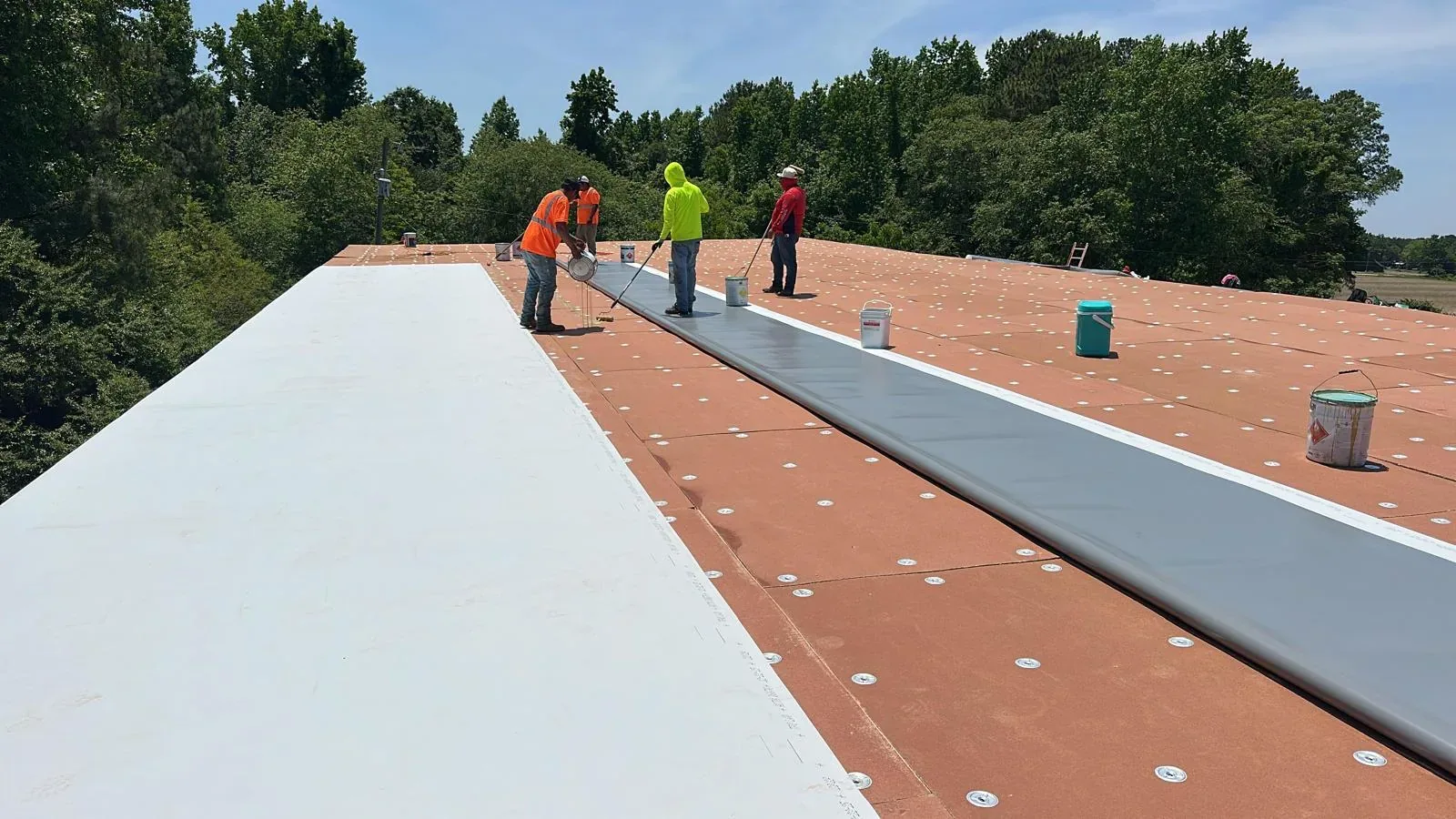
A broad roof field can use an attached membrane, a multi-ply assembly, metal panels or another system selected for its substrate and drainage. Each option changes demands at the deck, perimeter and penetrations. We compare existing layers with the proposed assembly, noting where added insulation changes field height or a termination needs new support. The proposal connects observed conditions to an assembly that can meet the hangar's span, support and drainage needs.
With a sound deck and suitable attachment, a thermoplastic membrane assembly may remain an option. Standing-seam metal handles panel movement differently; modified bitumen has its own seam and substrate demands. The authority establishes project design and procurement criteria for a military property. Irving's municipal requirements apply only to projects within Irving's jurisdiction.
Maintenance or ground-support use can place equipment, exhaust, lighting and service paths across the field. The housing roof profile and hangar maintenance profile create different penetrations and work windows. A recover remains under consideration only when the existing layers, attachment and moisture condition support retention and the resulting height works at edges and drains.
What can the project team authorize?
The responsible authority sets access, escort, photography and operating rules. We confirm them before scheduling a walk or material opening. If an area cannot be entered or documented, the report states that limit rather than presenting an unseen layer as confirmed. The project may need a separately authorized visit or a scope based on the areas that can be examined.
Work near aviation or ground-support activity may require coordination around equipment and vehicle paths. Project personnel determine what can be isolated and when an opening must be closed. A military roof project assessment separates the roof condition from contract eligibility, security approval and federal qualification requirements. We identify proposed tasks; the agency or prime contractor establishes procurement and work authorization.
Las Colinas Urban Center has office and transit uses, unlike a controlled maintenance zone. Those are different access settings, not interchangeable rules. The authority determines its property's requirements. We sequence the permitted examination, delivery and closure window, with a protection response if concealed damage makes the phase larger than expected.
Where should the removal boundary stop?
Water can travel along a seam or insulation joint before reaching a ceiling, so the interior mark is not a cut line. We compare wetting with roof slope, drains and transitions. An infrared moisture survey can help select places for direct confirmation when construction and conditions suit the method. Where authorized, selective openings check the material itself and distinguish wet, sound and unexamined layers.
That distinction matters over a hangar where removal can interrupt operations below. The repair footprint includes material that cannot support a compatible bond or attachment, but it does not expand because a roof looks old. If wet insulation extends past a local seam, the scope explains the changed boundary and how the opening will be secured between work periods. A roof condition report separates confirmed findings from questions that need further access.
Las Colinas and Valley Ranch have varied occupied uses. At a hangar, we map the moisture distribution from roof slope, drains and direct material checks, then compare contained repair with wider removal based on drainage, support and the operating window.
What changes repair into replacement?
A repair is reasonable when damaged details can be rebuilt over stable material with a suitable bond or attachment. Replacement enters the comparison when deterioration reaches the field, insulation or securement beyond a contained area. The scope identifies which layers remain and where the perimeter or curb needs a different height. Cost and timing reflect the confirmed removal area, access limits, equipment coordination and reconstruction actually required.
A training or maintenance building may need phases that separate work from operations and close each section before activity resumes. We coordinate the window and protection with project personnel. Time constraints do not remove preparation needs or make an unsuitable substrate ready for cover. A Grand Prairie project and one in Irving each receive jurisdiction review; Irving's code does not transfer automatically to a neighboring or federal property. The agreed review checks seams, curbs, edge metal and drainage, recording completed work and any areas that required separate access.
Commercial Roofing Questions
Can an inspection confirm the condition of areas behind restricted access?
No, an inaccessible area remains outside the direct findings. We state what was examined and what further authorized step could reduce uncertainty. A second visit or selective opening can add useful findings when permitted. A nearby visible section does not establish concealed conditions elsewhere.
Does a hail mark show that a hangar roof needs replacement?
A mark is evaluated with the membrane, seam, substrate and attachment. Metroplex storm reports help prioritize inspection, while observed impact and connection condition determine whether the correction stays local. We document the roof and test material where authorized. Repair remains an option when damage is contained and surrounding layers can support a compatible connection.
Can naval facility work proceed in short windows?
A short window works only when the phase allows preparation, installation and dependable closure. We compare the sequence with periods the authority makes available. A larger wet area or unstable support may change the phase before removal continues. Temporary protection and a defined closure point belong in that decision.
Who determines procurement and access approval?
The agency, owner or prime contractor establishes project requirements. Our technical review identifies the roof work proposed and the observed conditions it addresses. Contract eligibility, escorts, security and documentation permissions follow the authority's process. We confirm requirements before scheduling a visit or committing to the work.
Ready to review the roof scope?
Request a Roof Assessment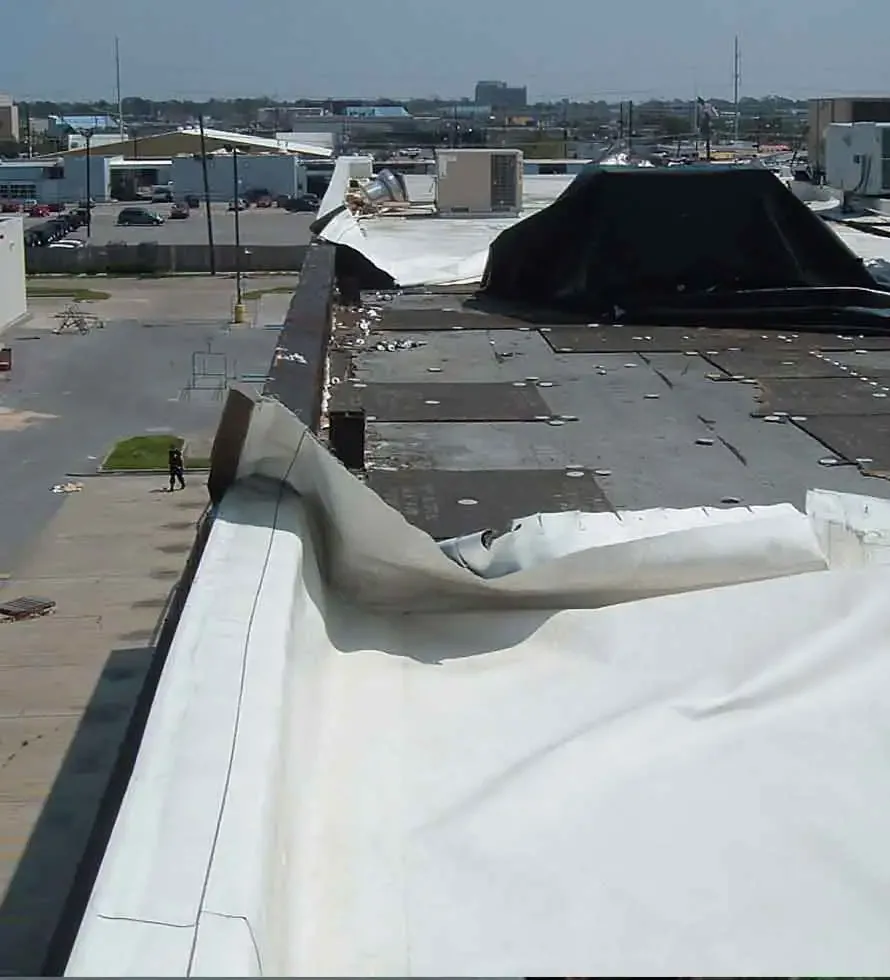
Military Hangar and Maintenance Facility Roofing
See scope, options and what to expect on the roof.
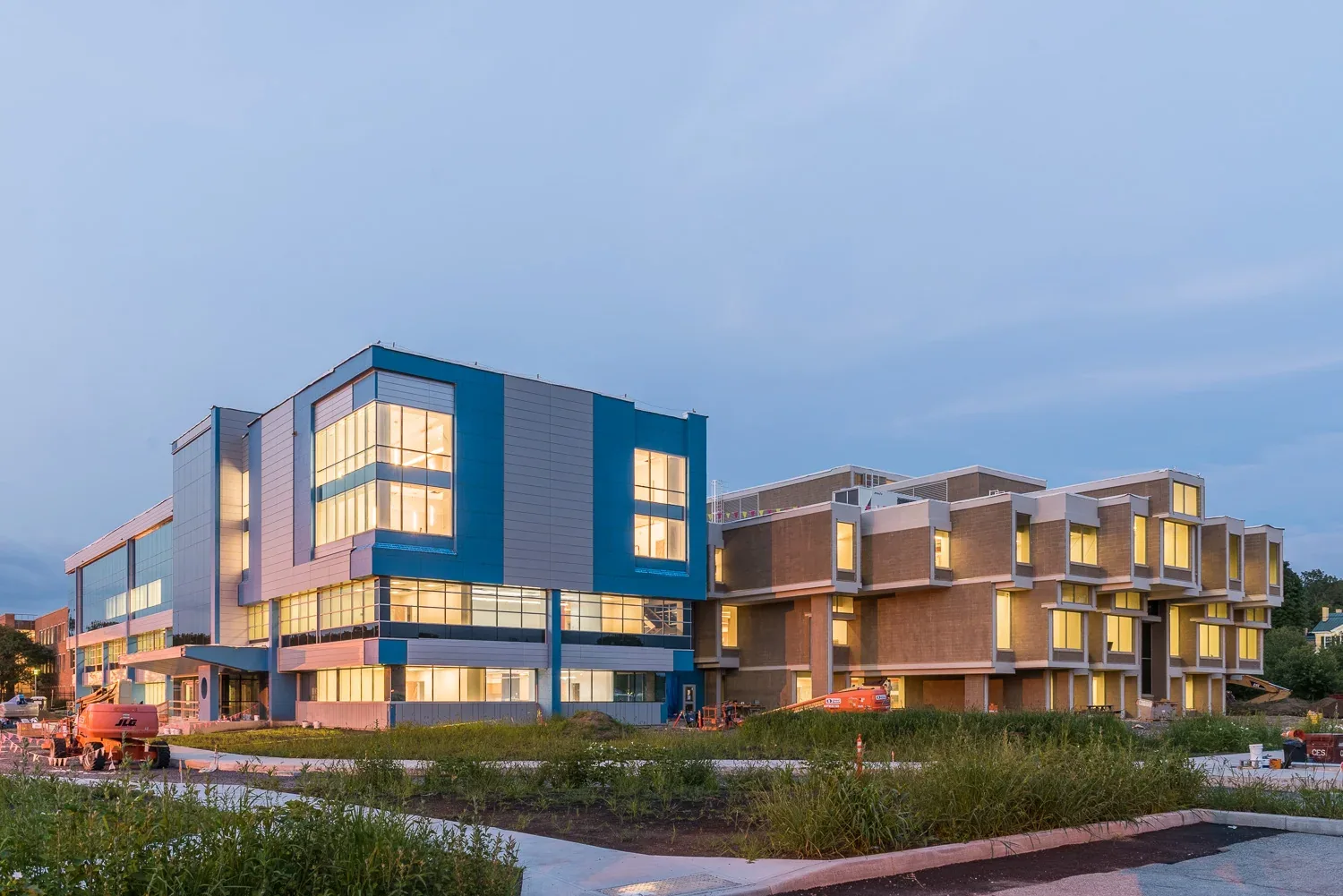
Military Installation Roofing Near Irving, TX
See scope, options and what to expect on the roof.