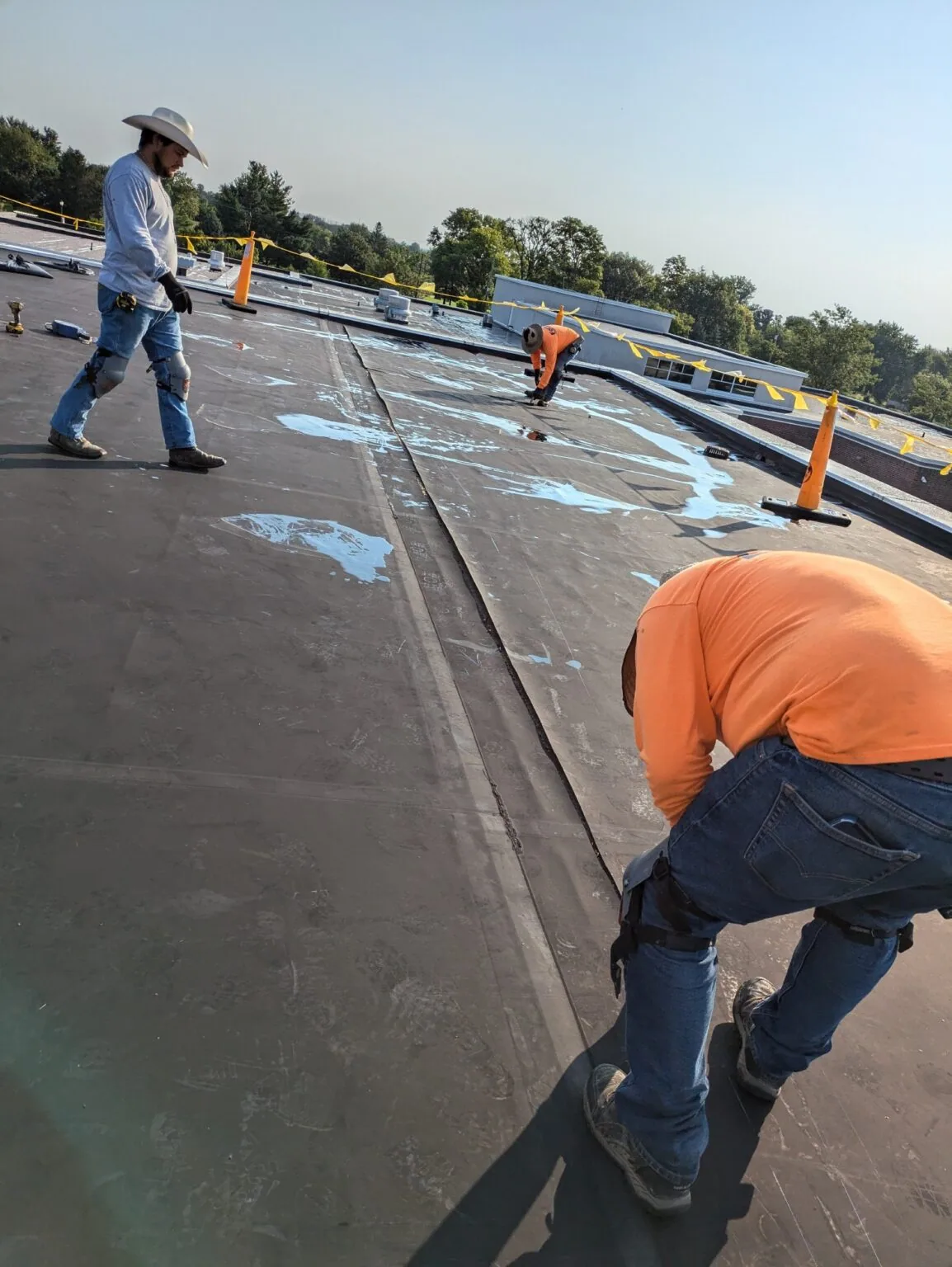
Thermal cycling across the Metroplex changes exposed membrane temperature before the hangar deck reaches the same condition. The movement concentrates at rigid curbs, large exhaust openings and long perimeter runs, where a small separation can become a path into the assembly. Commercial Roofing Irving checks those connections and the material supporting them before proposing a repair. The project authority also needs to set aircraft, equipment, personnel and access restrictions before any roof opening is scheduled.
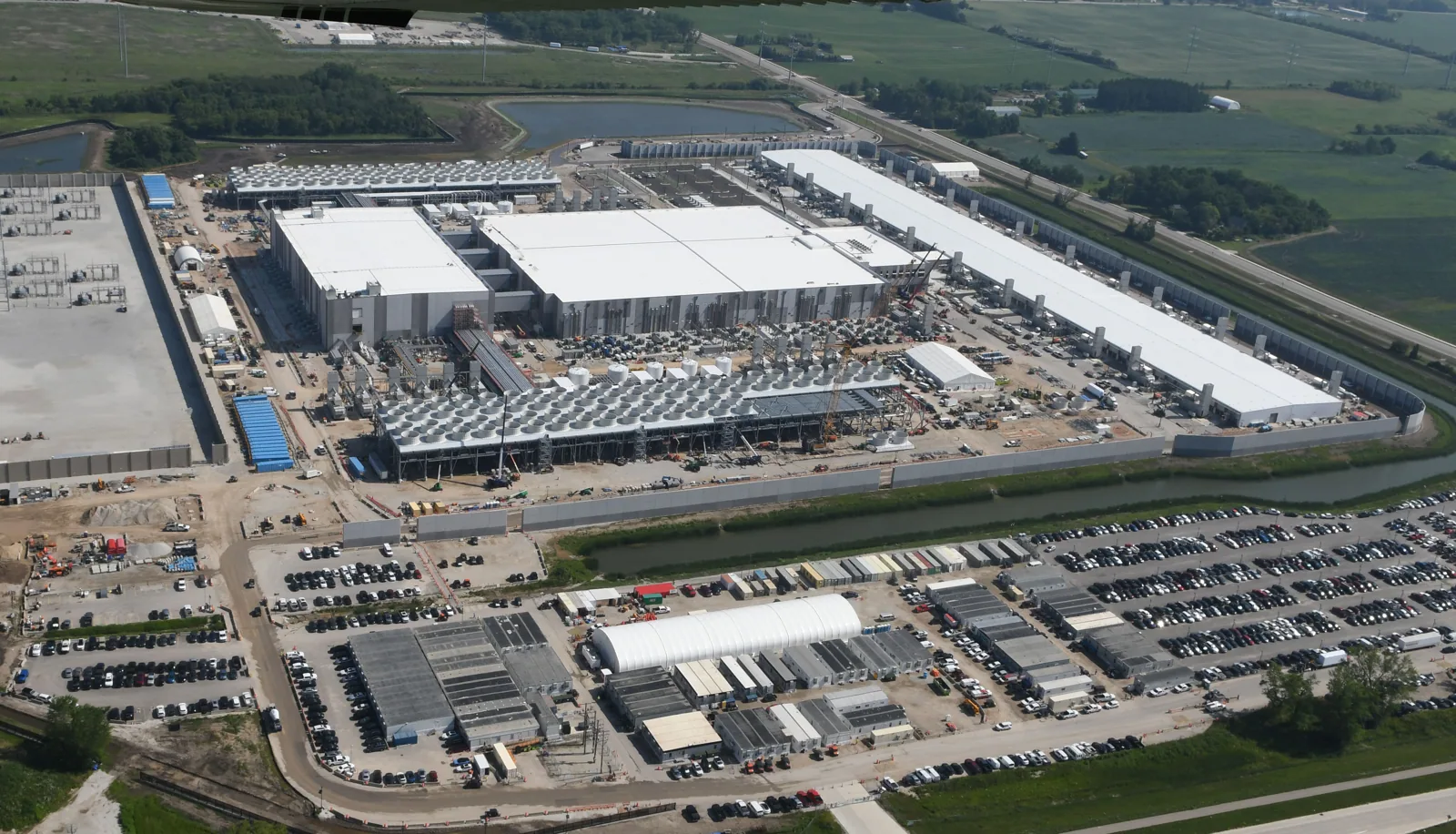
A military hangar or maintenance facility may have broad roof spans, overhead services, extraction equipment and work areas that cannot simply stop for roofing. Those are planning questions, not assumptions about an individual building. In Irving, TX, Las Colinas office activity and the commercial-residential mix in Valley Ranch create different delivery and occupant patterns from a controlled maintenance property. The roof scope follows the actual assembly, then adds the authorized examination, protection and closure sequence required for that operation.
Which openings interrupt the roof field?
Large fans, ducts, exhaust stacks and service penetrations break up the roof surface and create transitions that move differently from a sheet membrane. We examine the curb or sleeve, membrane attachment, counterflashing and any accessible support. If service equipment blocks the upper termination, the maintenance group may need to isolate or lift it before the roofing connection can be rebuilt. Applying sealant to the exposed lower edge can leave the entry point untouched.
For an older hangar, a new curb height can matter as much as the membrane selected for replacement. Added cover board or insulation changes the field elevation and the clearance at nearby metal. A roof curb and equipment review checks access, flashing height and movement allowance before work begins. Penetration flashing is coordinated with the responsible equipment personnel so the completed roof does not restrict maintenance or leave an unsealed upper edge.
How does the large field transfer wind load?
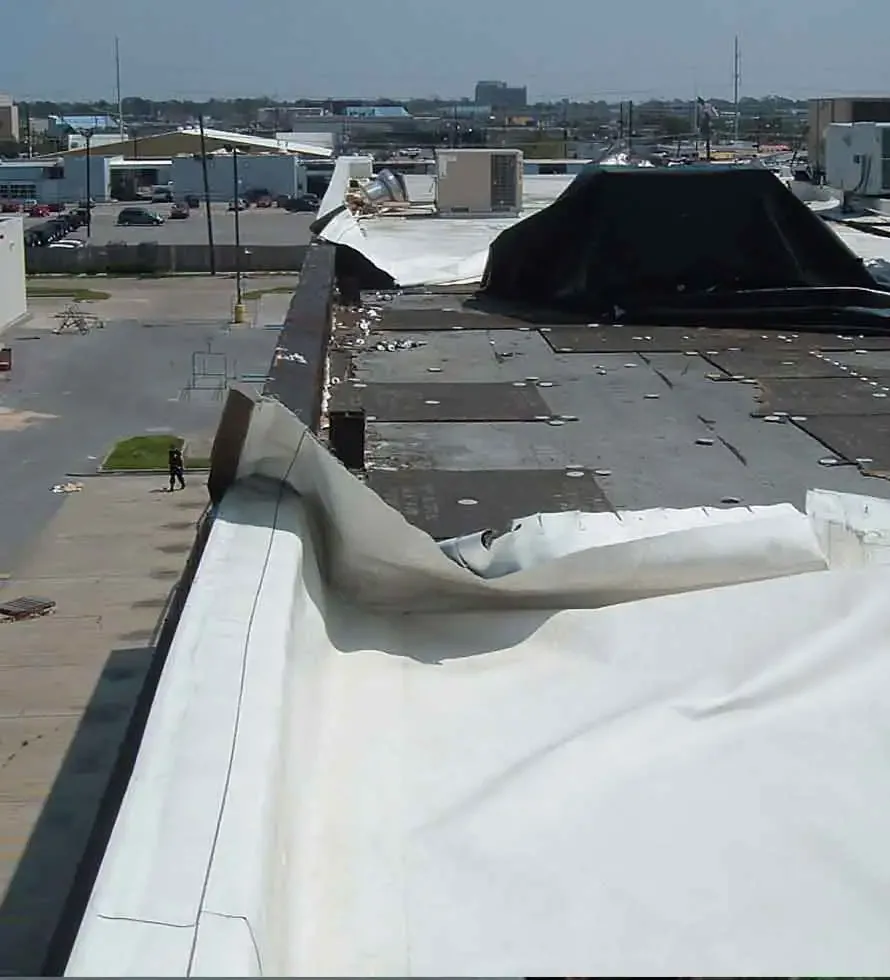
A broad roof is only as reliable as the path that carries load through its covering and attachment into the deck. We check perimeter metal, seams, fastening and the accessible supporting surface, then identify any structural question that needs a design professional. A loose edge or split membrane can point to a wider attachment issue, but the visible location alone does not define the affected zone. Selective opening or testing may be needed to determine whether the substrate can accept a new connection.
Large hail and damaging wind occur in the Dallas and Fort Worth region. After a reported event, we document marks, displaced metal and attachment condition, then compare those observations with prior roof records. A wind-related roof repair assessment distinguishes a storm-related opening from loose material or deterioration that predates it. We then establish whether the correction is limited to the perimeter, a penetration or a wider section of field.
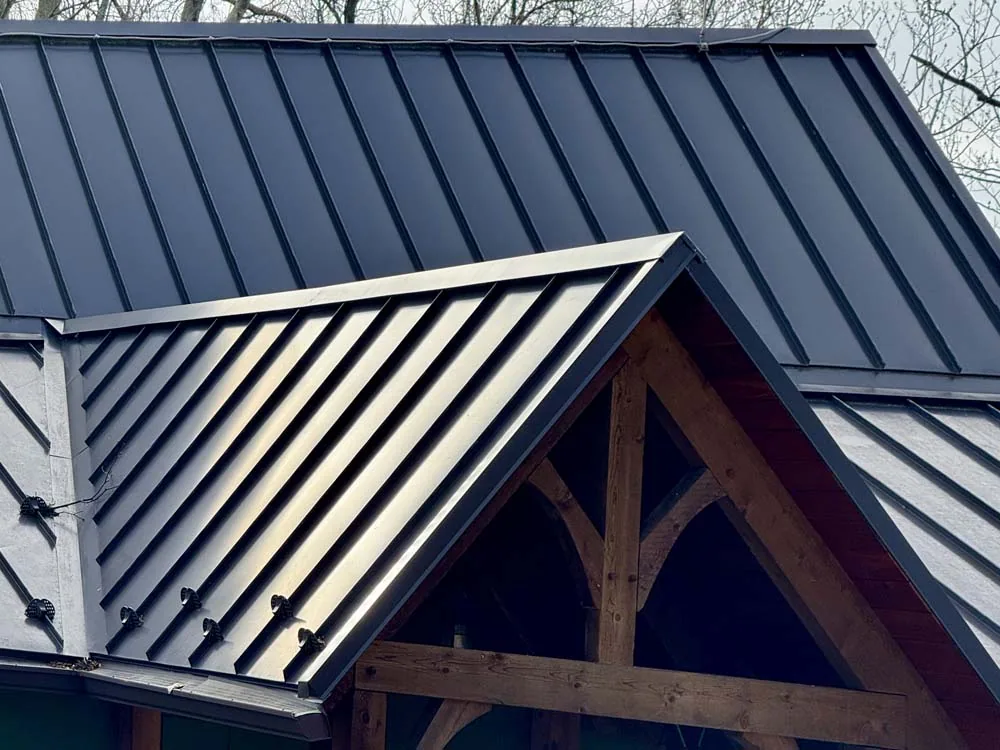
A standing-seam metal roof and a membrane assembly respond differently at panel ends, fasteners and curbs. We compare those details with the deck and building movement rather than selecting by appearance. Irving's municipal requirements apply to work under its jurisdiction; a military project authority determines the applicable federal, local and design requirements for its own property.
What must be coordinated before removal?
Base access, escort requirements, photography limits and the operating window come from the responsible authority. We confirm them before an inspection or material opening, including the permitted route to the roof and any equipment that cannot be approached. If a zone remains inaccessible, our report states the limit rather than implying that an observation from an adjacent bay verifies concealed conditions throughout the hangar.
Work above aircraft, maintenance pits or sensitive equipment may require a separate isolation plan. The project staff determine which areas can be cleared, how overhead protection will be provided and when operations can resume. Our military property assessment distinguishes technical roof findings from procurement eligibility and authorization to work. Federal or military criteria, where applicable, are reviewed through the project process before the selected assembly and detail are submitted for approval.
Grand Prairie has reserve-related functions in the wider regional setting; the responsible authority sets access and permissions for each property. Unlike a naval facility, a barracks roof serves a different use; each authority sets its limits. For any Irving-area job, we base the phase on approved access, daily operating periods and the time needed to prepare, install and close the selected assembly.
Where does concealed moisture change the phase?
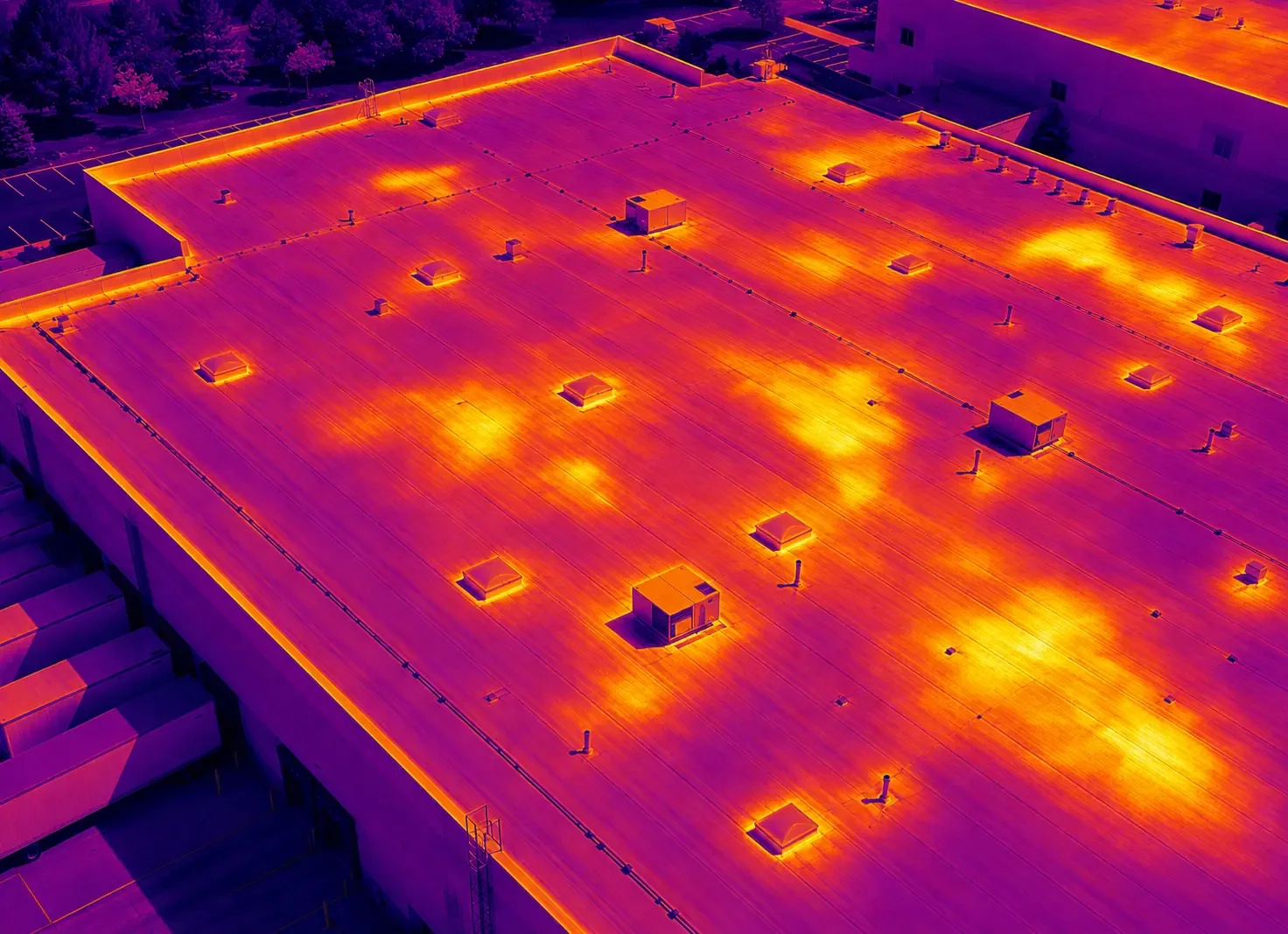
Water can migrate along deck flutes, insulation joints or a seam before reaching a visible interior area. We compare reports of wetting with roof slope, penetrations and drainage. If the construction and weather permit, an infrared moisture survey can help locate places for direct examination. Authorized openings verify the insulation and substrate, with findings separated into confirmed wet material, suitable retained layers and areas that remain unseen.
A wet bay may support a contained repair; moisture across several sections can change removal and aircraft protection below. We show the inspection findings behind that boundary and identify how a partially opened roof will be secured if the phase cannot finish on schedule. A roof survey can organize observed conditions and open questions for a facility decision, but direct investigation remains necessary where hidden material governs retention.
Irving's hot summers and wet spring and fall periods make temporary closure and drain protection important during roof work. We select a closure method compatible with the materials and the period available. The project team then knows whether a phase can be safely completed around maintenance operations or needs a different window.
When does repair compare well with replacement?
A local correction fits when a split, curb or edge can be reconstructed over stable layers with a compatible bond or secure attachment. Replacement becomes more practical when wet insulation, unsupported deck or repeated connection failures extend beyond a repairable area. We show which observations support each choice and what additional access would narrow the remaining uncertainty. A recover is considered only when the layers below can remain and the new height works at drains, edges and equipment curbs.
Cost and duration follow the confirmed repair footprint, removal depth, attachment changes, equipment coordination and the protection needed below the work. A roof replacement plan can be divided into phases when project access allows, with each section prepared and closed according to the selected material requirements. A wind or weather constraint cannot be solved by reducing the preparation time below what a durable connection needs.
For work in Grand Prairie or Irving, the jurisdiction and governing specifications are confirmed for that property. After construction, the agreed review checks seams, penetrations, perimeter metal and runoff. The record identifies reconstructed areas, retained materials and locations that could not be accessed. Future equipment changes should be coordinated before a new curb or service path crosses the roof field.
Commercial Roofing Questions
Does a new membrane correct an unstable hangar deck?
No, the support needs examination before a covering is selected. We identify accessible deck conditions and any connection that requires testing or structural review. A new membrane cannot restore a deficient load path by itself. The scope separates roof construction from design questions that need the appropriate professional.
Can equipment remain operating during curb reconstruction?
The equipment owner and project authority determine whether it can be isolated, lifted or left in service. We coordinate the roofing detail around the permitted work. If the upper flashing cannot be reached, the scope identifies what remains unresolved rather than treating an exposed lower edge as the full repair.
Does a moisture survey replace opening the roof?
It can help target direct checks when the assembly and conditions support the method. Selective openings confirm what the insulation and substrate actually contain. We compare those results with the survey and report access limits. The removal boundary follows confirmed material condition, not an isolated signal alone.
What controls the order of hangar roof phases?
Access authorization, aircraft and equipment activity, weather protection and material closure needs all affect sequence. We coordinate those constraints with the responsible project staff. The phase has to leave the roof protected if hidden deterioration expands the work or if the operation window changes.
Ready to review the roof scope?
Request a Roof Assessment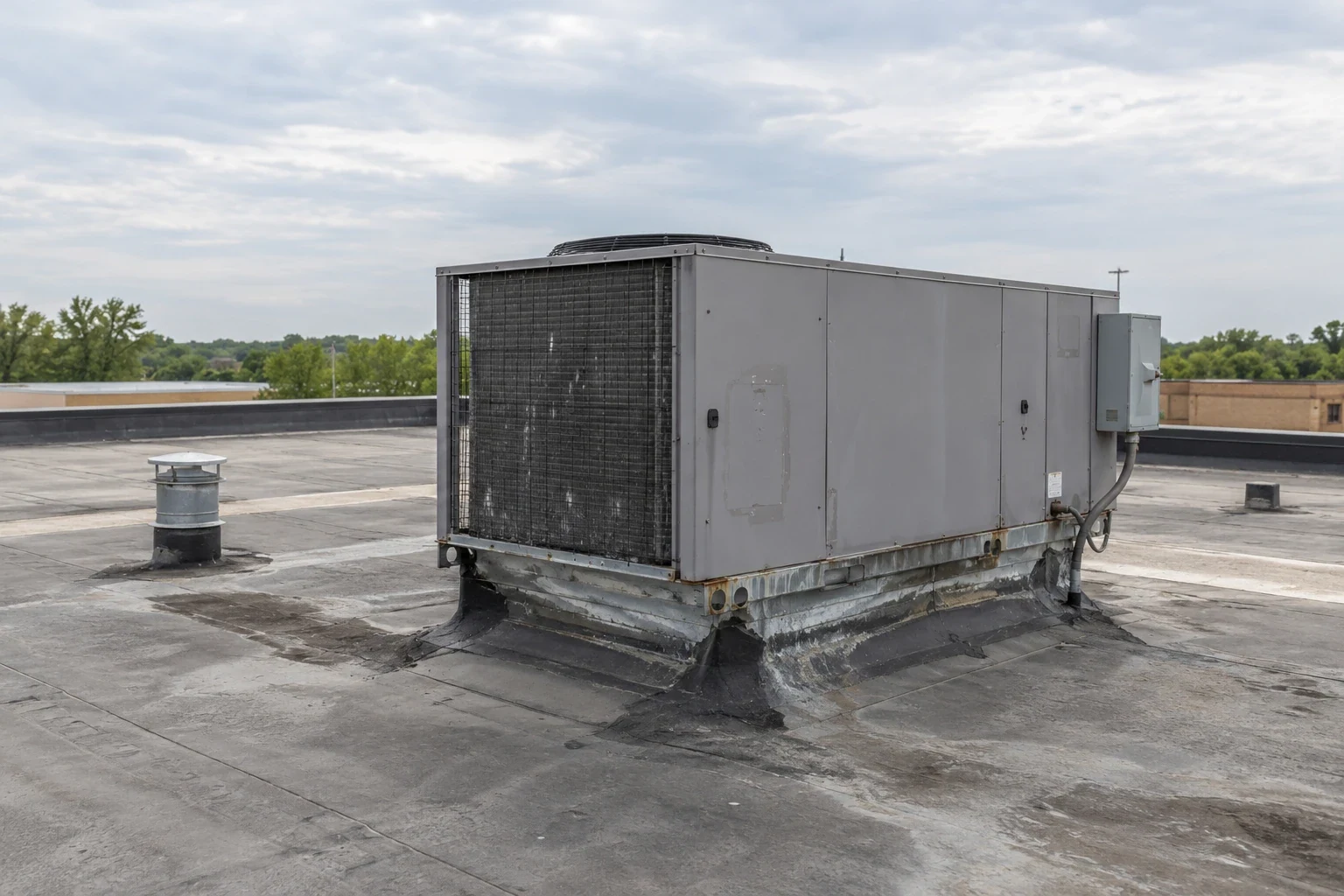
Military Installation Roofing Near Irving, TX
See scope, options and what to expect on the roof.