Temperature changes across a broad roof field can place different strains on open membrane, dock-side edges and equipment transitions, while water entry below may interrupt the movement of goods. Distribution center roofing in Irving, TX, connects that material assessment with the facility's loading and circulation requirements. Commercial Roofing Irving defines the roof work from observed condition and plans how each phase can be protected above active operations.
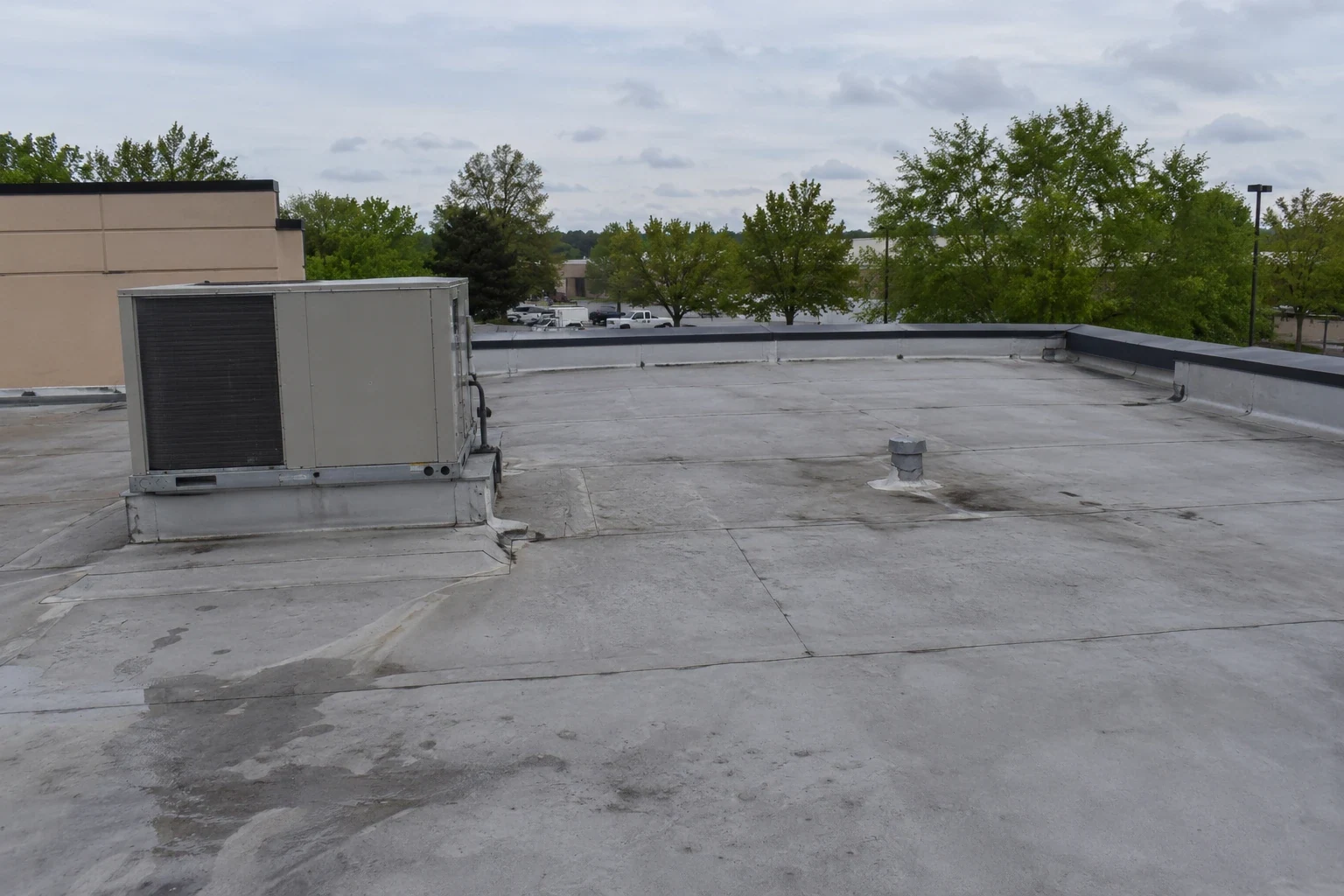
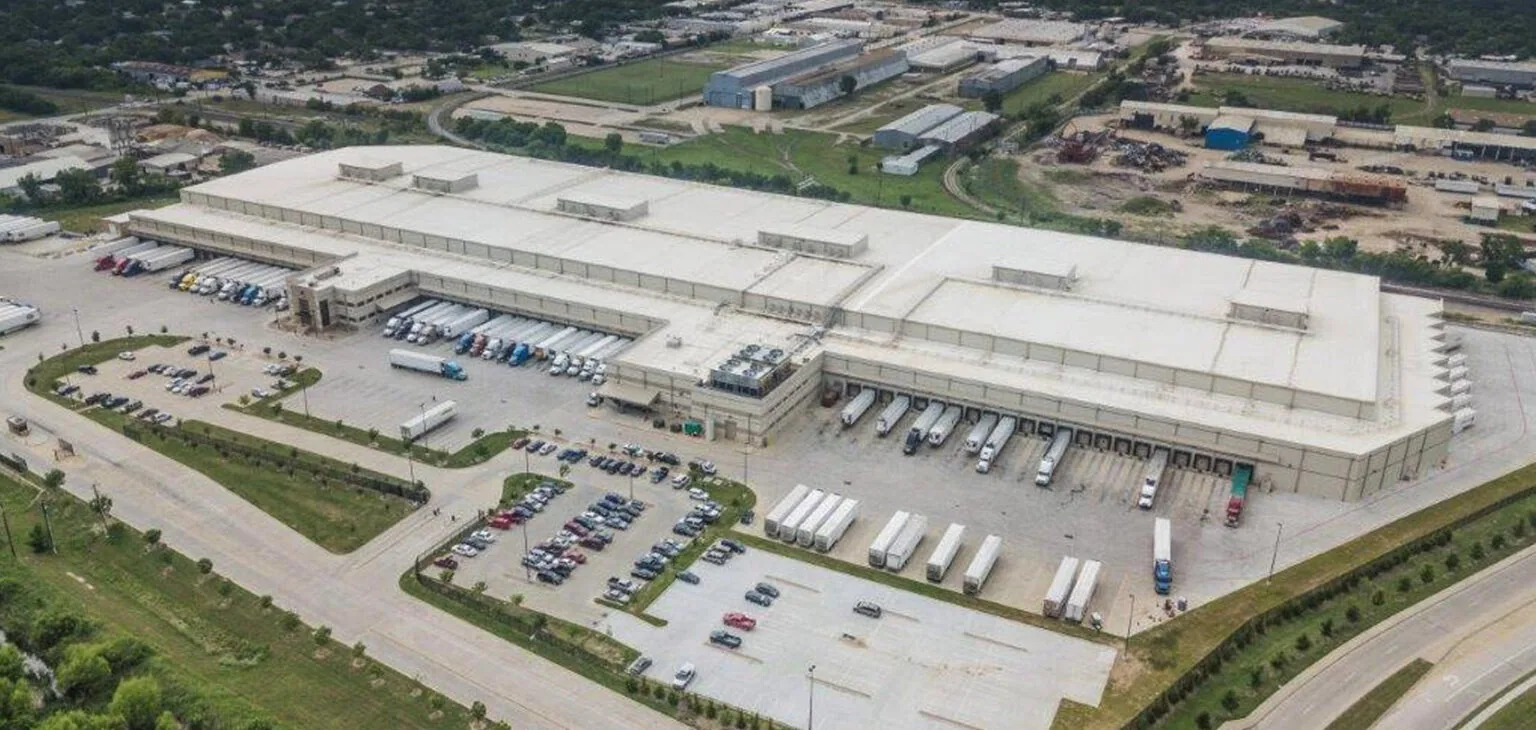
Grand Prairie is an established distribution setting supported by interstate and rail connections, and Coppell has commercial warehouses in its building inventory. Distribution roof work serving those logistics settings needs delivery routes and staging coordinated with the manager before removal, lifting or reconstruction affects occupied circulation. We examine the actual deck, covering and insulation, considering hot Dallas/Fort Worth summers and rainfall exposure alongside the movement of inventory and equipment.
Which work areas can be separated from daily goods movement?
Loading positions, conveyor routes and interior circulation can make roof access coordination more specific than a general occupied-building plan. We relate proposed removal areas to the operations below, then establish where protection, observation or temporary restrictions are needed. The roof assembly still determines how much can be opened and reconstructed in a suitable window. A quiet loading period may not provide enough time to repair hidden substrate damage and close the covering.
Reroofing phase planning accounts for that relationship before the work reaches an active area. We identify delivery and debris routes separately from ordinary goods handling, including any lifting activity above occupied entrances. The manager is informed when direct findings change the removal depth or detail work. Material flow can then be coordinated with the actual construction task rather than a general promise that roof work will have no operational effect.
What changes at the dock-side roof edge?
Roof edges above loading areas need assessment of attachment, water shedding and any loose components that could affect people or goods below. We examine the membrane connection to metal, its support and adjoining fastening where accessible. A displaced gutter or edge section may need correction before contained membrane work proceeds. The repair boundary reaches stable material outside the disturbed connection instead of relying on the first visually intact piece as suitable support.
Edge and gutter reconstruction can require planned closure of a loading position while materials are removed or lifted. We establish those access needs with the manager, including whether another route is available. The assembly also needs movement allowance through metal joints and membrane transitions. Regional heat and wind are considered through those mechanisms, not used to assume that every roof edge on the property has suffered the same damage.
The outlet discharge near a dock is also examined where it could affect circulation or deliver runoff onto a lower roof. A repaired edge needs a usable receiving path, not only new metal at the upper connection. We identify any downstream component requiring correction before considering that portion of the water-shedding assembly complete.
How is concealed wetting mapped above storage and sorting areas?
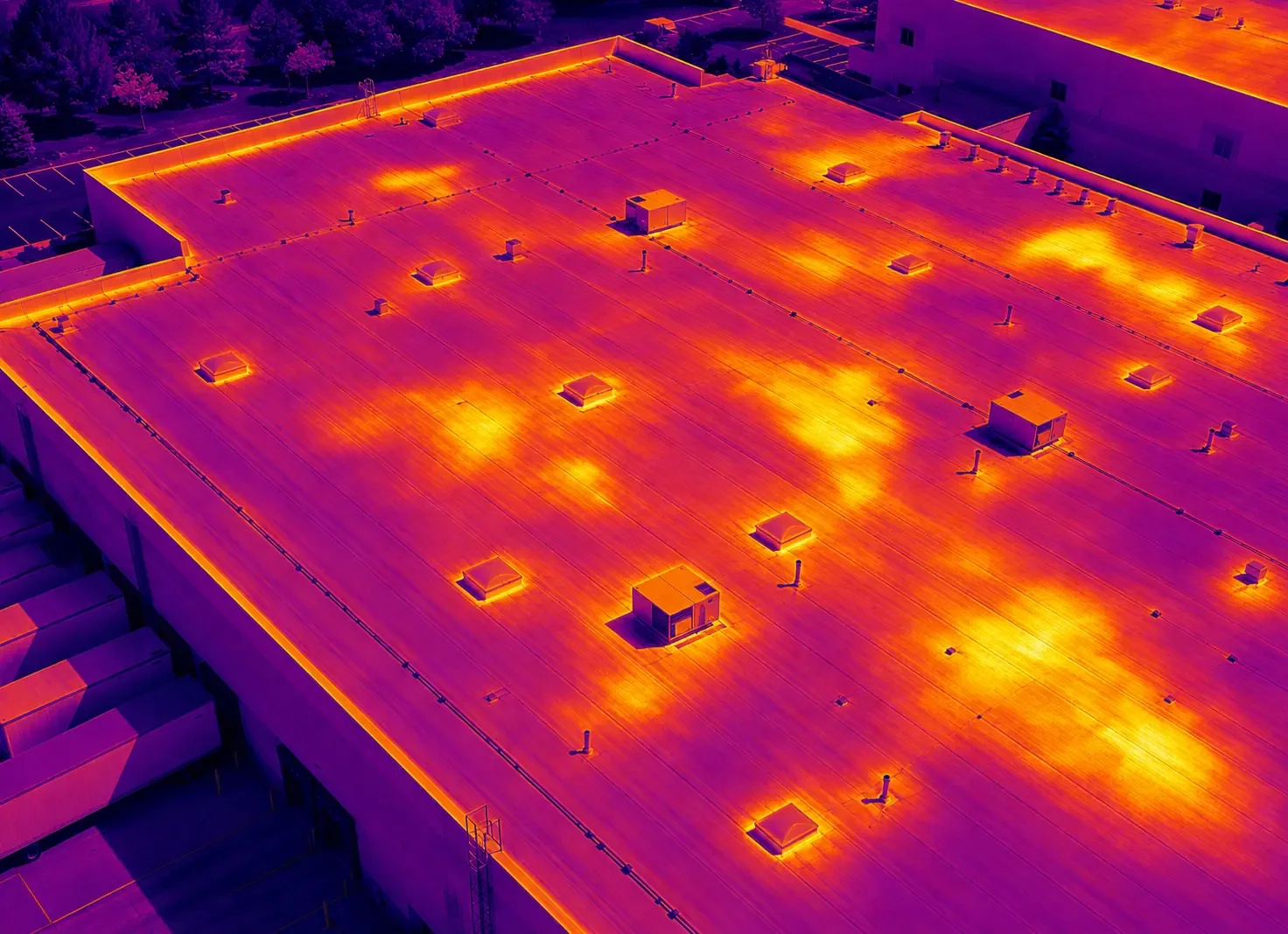
Water can move through insulation joints or along a layer below the covering before appearing inside. We compare leak timing, interior observations and roof geometry to choose examination locations. An infrared survey with material checks may identify suspect areas in a suitable assembly and weather window. Direct confirmation then establishes the reconstruction boundary, including layers that need removal beyond the visible surface defect.
Where the facility contains cold-storage areas, the temperature and indoor moisture comparison can introduce additional assembly questions. We identify those operating conditions before deciding whether condensation or air leakage needs further assessment. For ordinary warehouse storage, the same discipline distinguishes rain entry from other water sources. A repair should correct the entry mechanism and damaged layers rather than equate every interior report with the nearest visible seam opening.
Can runoff pass equipment and reach the outlets?
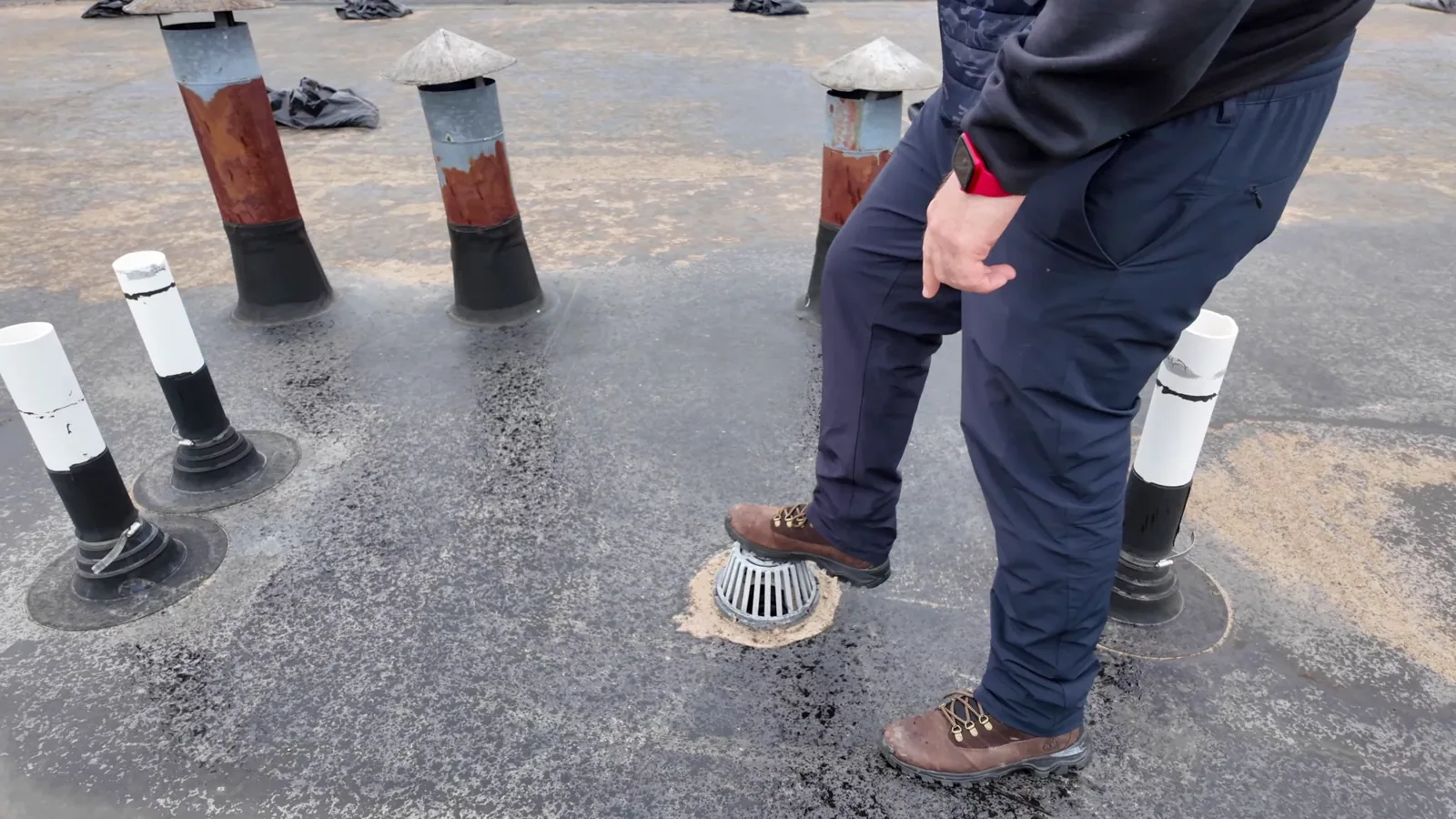
Equipment curbs, walkways and later service additions can interrupt the drainage route across a distribution roof. We examine low areas and outlet elevations before selecting a correction. Drainage reconstruction may involve a bowl connection, scupper transition or revised insulation slope. Debris clearing is distinguished from those geometry and assembly changes so recurring retained water is not treated as the same maintenance task indefinitely.
Wet or compressed boards under a depression need investigation before new slope is added. The reconstructed area should restore suitable support and connect continuously to retained roofing. With a TPO roof covering, changes in plane and outlet transitions need welded continuity and the appropriate reinforcement. Other systems have their own methods, which are selected after the installed material and supporting layers are identified.
What determines whether a repair remains contained?
A localized defect can support repair when the surrounding covering, insulation and attachment remain suitable. Connected wetting or extensive loss of attachment may require a wider assembly comparison. We explain which finding expands the work and whether it affects one section or several connected areas. The construction scope separates removal, substrate correction, insulation and detail work so the owner can compare the physical benefit of contained repair with a larger investment.
For Grand Prairie distribution properties, the regional logistics setting makes access planning useful, but the actual loading schedule is established with the manager. Cost follows investigation, removal depth, attachment and operational coordination. We define temporary protection for opened areas and maintain workable drainage during the transition. Finished sections are examined at their boundaries before later phases introduce traffic or material handling above them.
Maintenance preserves outlet access and the routes used for equipment service. We identify fragile or reconstructed areas that should not become storage positions for parts or tools. Later changes to rooftop equipment can affect support, runoff or penetrations, requiring roofing coordination before installation. The completed work remains easier to care for when its material identity and repair locations are clear and accessible rather than buried beneath unrelated additions.
Commercial Roofing Questions
Can a loading position remain active beneath edge repairs?
Lifting, removal and loose-material hazards need assessment before sharing the area with occupied loading. We coordinate a suitable restriction, protected route or alternate position where needed. The access plan follows the actual activity and available protection, not merely its expected duration. Once the edge work is secured and the hazard controlled, the manager can restore circulation under the agreed arrangement.
Will the roof assessment identify which interior zones need protection?
We relate the investigated roof areas to the layout and operating information supplied by the facility. Deck construction, removal method and water paths influence the protection needed below. The manager's knowledge of sensitive goods and equipment is part of that planning. Direct roof findings can change the boundary, so the sequence includes communication before expanded reconstruction reaches another occupied zone.
Can we budget repairs section by section?
Roof divisions can support sectional planning where suitable transitions and moisture boundaries exist. We examine whether runoff and concealed layers cross the proposed division, then define the connection between retained and reconstructed roofing. A convenient operational boundary may need adjustment for the assembly. The budget should reflect that work rather than assume every mapped section can be repaired independently.
How does a new rooftop unit affect a distribution roof plan?
Its support, penetration and service route need coordination with the covering and structure. We assess access for flashing reconstruction and whether the unit or supports interrupt runoff. Any lifting or shutdown is planned with the equipment trade. The roof scope then restores compatible connections and usable drainage instead of leaving those details to be improvised after the equipment is positioned.
Ready to review the roof scope?
Request a Roof Assessment
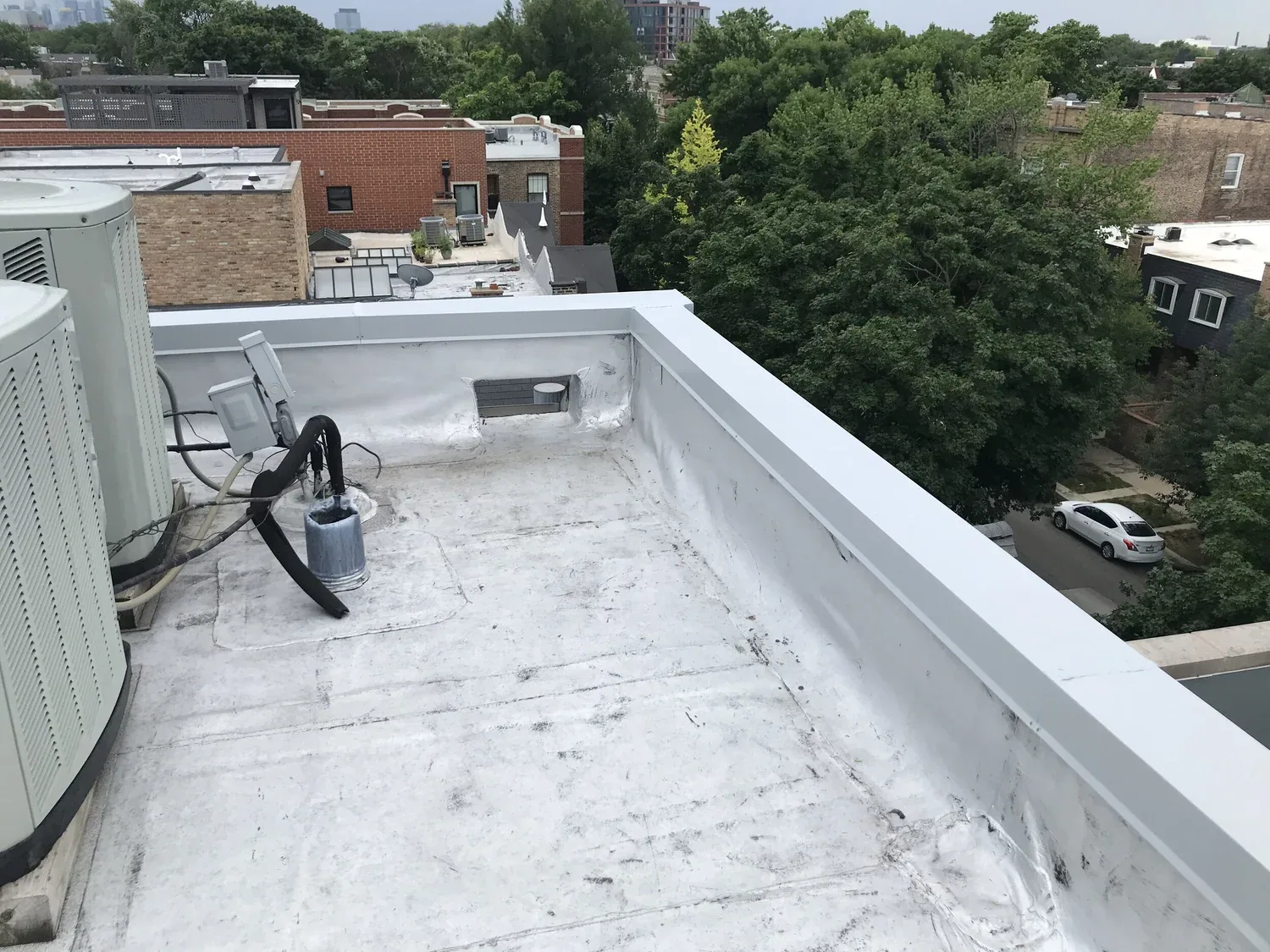
Commercial Roof Edge Metal, Coping and Gutters
See scope, options and what to expect on the roof.