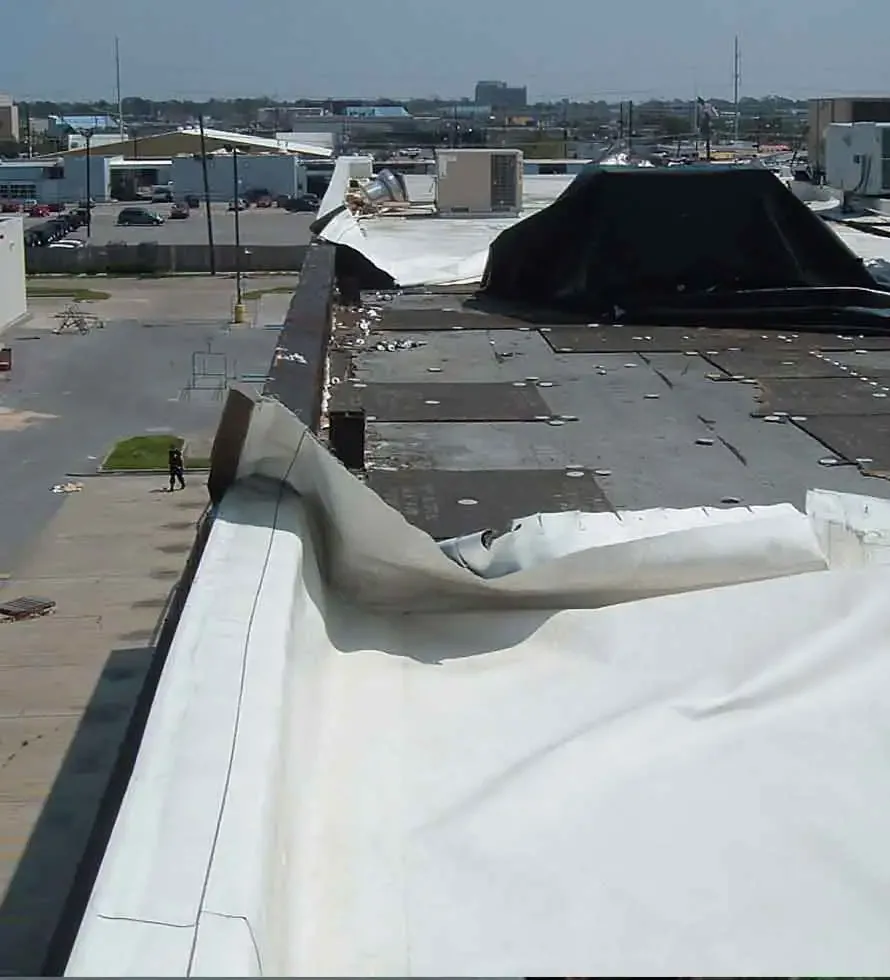
Hotel operations share the roof-work sequence with guest rooms, public areas, kitchens, mechanical systems and staff routes. Irving sits within a region with hot summers and wet spring and fall periods; those conditions make membrane response, drainage and work protection worth considering, without diagnosing a particular property. We inspect the accessible assembly, document the issue and plan the sequence with the operator so guests and staff can use the building safely while the roofing work proceeds.
Grapevine’s tourism and convention activity supports a substantial hotel inventory, and Las Colinas Urban Center combines office, restaurants and entertainment. These facts show the larger hospitality context near Irving. They do not establish the roof design, guest capacity or operating schedule at a named hotel. The property’s facilities lead provides access rules, blackout dates and service constraints; we match the roofing scope to the building actually examined.
How can work stay clear of guest activity?
The operator identifies quiet hours, room assignments, event schedules, loading routes, public entrances and areas where equipment may need to remain available. We plan crew entry and material movement around those rules and mark the area below the roof where protection is needed. If a hotel wants to keep rooms in service, the facilities lead decides which spaces may be affected and communicates changes to staff. The roofing scope describes noise, work boundaries and access assumptions for that plan.
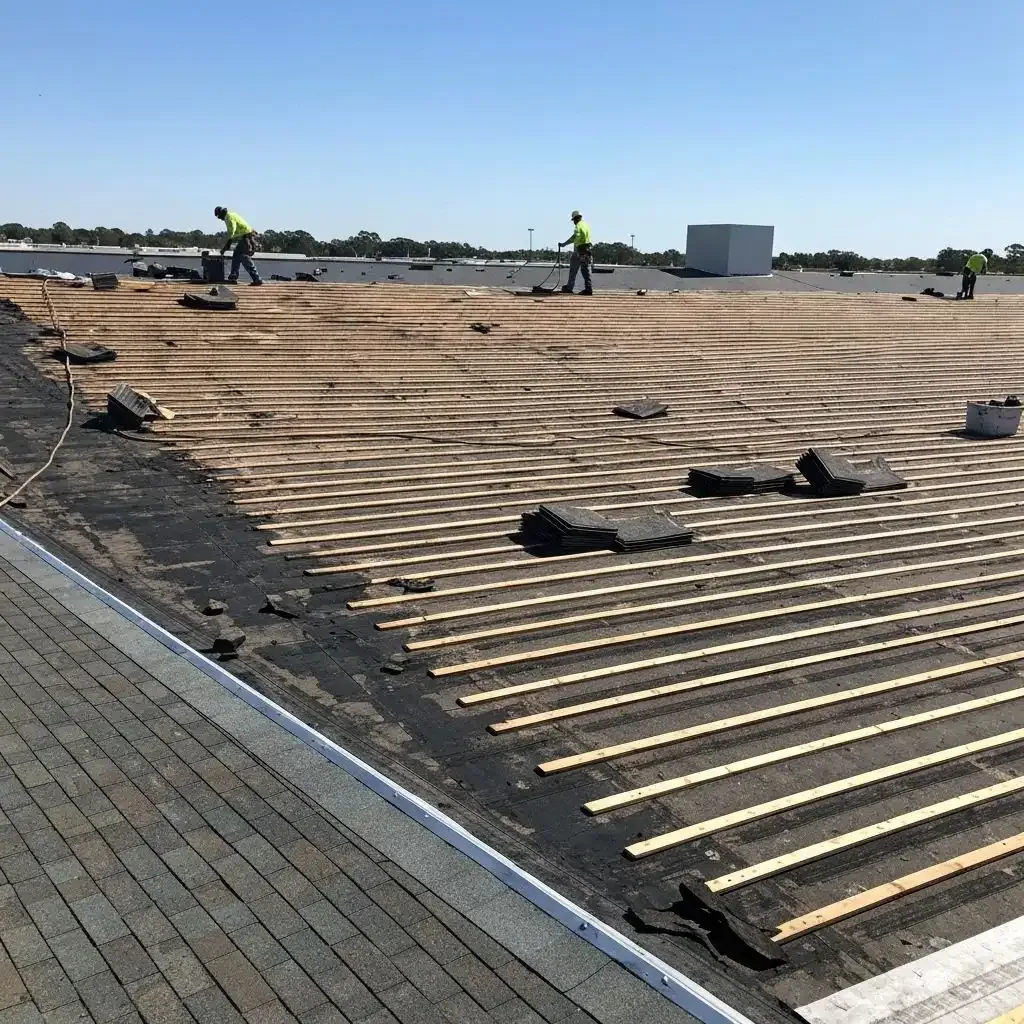
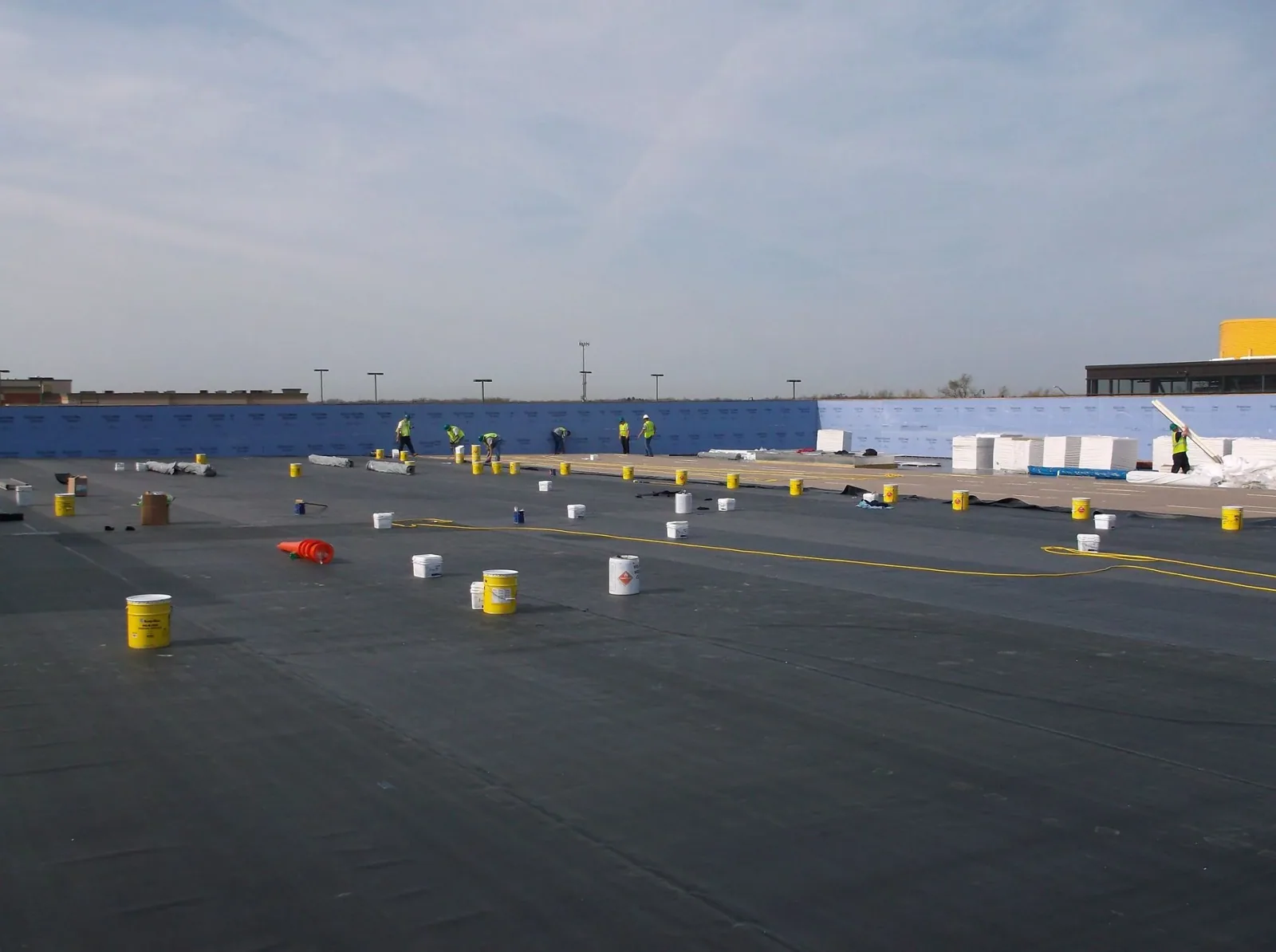
Work above a lobby or occupied guest wing can require a different sequence from a back-of-house repair. We phase material removal and closure so the assembly stays protected, and we state when an area can be checked and released. Occupied-building roofing sets out the work sequence and control points, while the operator retains decisions about reservations, guest routing and room availability. If the leak remains active, emergency stabilization is documented apart from permanent repair.
Which roof details deserve close attention?
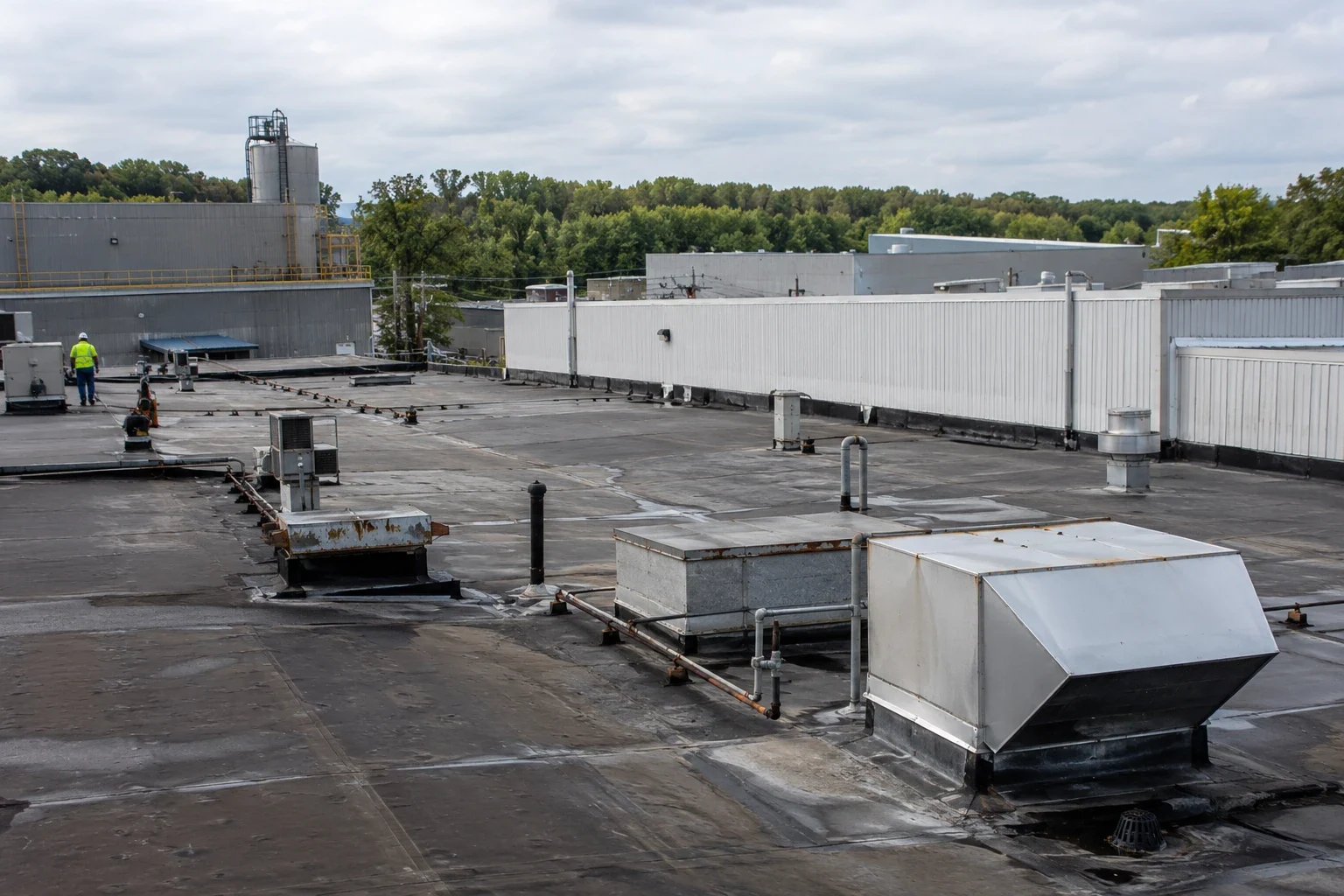
Hotels and resorts may combine guest rooms, meeting spaces, kitchens, laundry, pool-related equipment and large mechanical systems, but a property’s records should confirm which uses occur on its roof. We inspect visible drains, expansion joints, curbs, exhausts, skylights and membrane transitions within the work area. A weak seal at one exhaust does not prove another detail is failing. We identify each observed condition and note whether water could travel along the assembly before reaching a guest room or corridor.
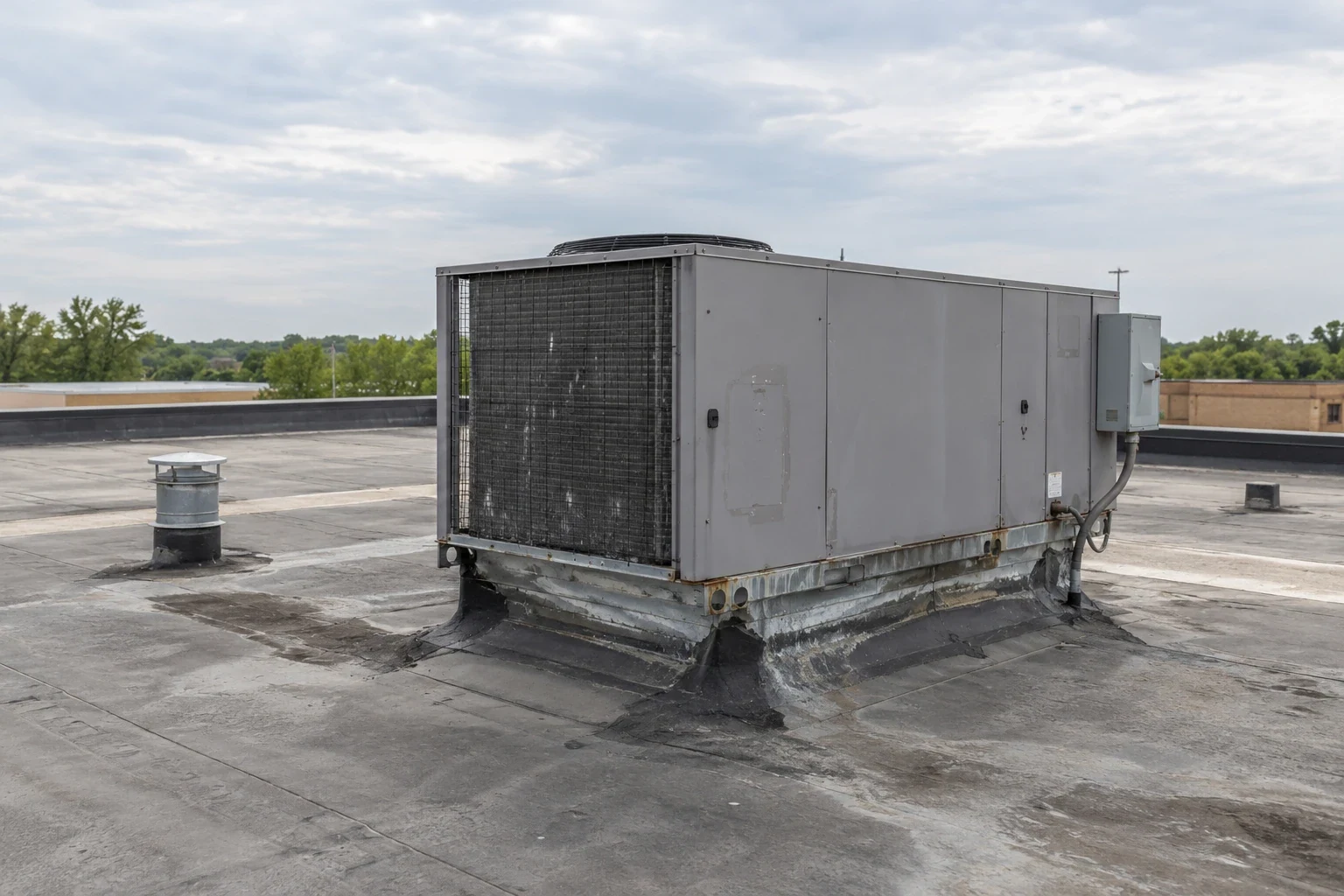
For a replacement unit or exhaust change, the equipment contractor supplies dimensions and service requirements, and the property confirms any shutdown. The responsible design professional addresses structural needs. We coordinate the curb height, flashing and membrane tie-in that the approved roofing scope includes. Our equipment curb roofing addresses the waterproofing interface; it does not replace mechanical or electrical service. The permanent detail should be agreed before the new equipment is placed.
What does an inspection tell the owner?
The inspection record should connect the reported symptom with observable roof details. We note where water appears, the time or weather conditions reported and the accessible areas examined. A ceiling stain may point toward a general section, while drainage paths, deck joints and insulation can move water before it reaches the interior. We distinguish the likely mechanism from a confirmed entry point and identify where a moisture survey or selective opening could clarify the assembly before a broader repair is priced.
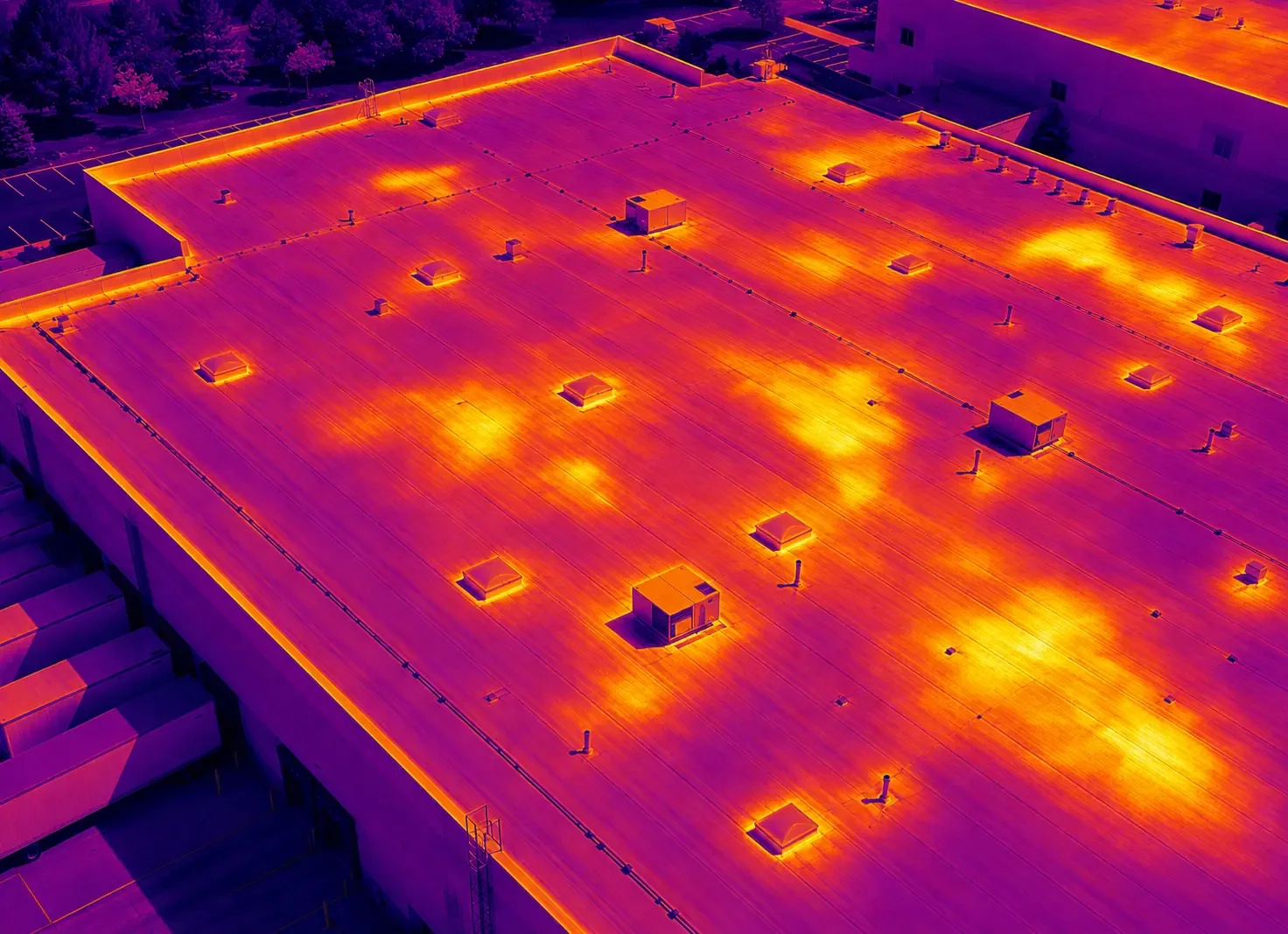
If the roof surface remains compatible and the substrate supports a repair, a contained detail may be the suitable choice. If insulation is wet or attachment has failed across a larger area, the option changes. A commercial inspection gives the owner a documented starting point, while infrared survey work can direct investigation under appropriate conditions. The scope explains the coverage and what the survey cannot confirm without additional examination.
How should a hotel respond after a storm?
DFW regional records describe recurring hail, damaging wind and tornadoes, along with hot summers and wet seasonal periods. A reported event may justify an inspection of the property, but the region’s weather does not prove the hotel sustained roof damage. We examine the actual membrane, metal perimeter, skylight and equipment details for observable changes. When a guest room or service area is still taking water, emergency protection can limit further entry during the active event. Once roof access is safe, we inspect the assembly and decide whether a local connection repair or broader removal is supported.
The operator should connect the roofing record with the incident time, guest report and any interior protection. We identify which affected area was examined and which conditions are unrelated or pre-existing where the evidence supports that distinction. A wind damage assessment can focus on displaced edges, opened seams and penetrations. A claim decision remains with the policyholder and insurer; the contractor’s documentation describes observed roof conditions and recommended work.
What should a hospitality closeout include?
Closeout should identify the roof area, material installed, preparation, photographs, work dates and any remaining condition. If a temporary measure was used, distinguish it from the permanent repair. When concealed layers were opened, document what was found and how the assembly was restored. The owner can retain that record with maintenance, equipment and guest-service incident files, while future roof reviews continue to be based on new observations.
Grapevine’s hotel inventory is supported by tourism and conventions, while Heritage Crossing includes an older downtown commercial setting and redevelopment. Each market context can affect access and delivery planning, but a hotel’s own service entrance, event schedule and roof details decide the working method. A retail and restaurant facilities record addresses related guest and customer operating constraints; each property still receives its own scope. For each work order, retain the approval record with the photographs and scope that produced it. The asset manager can then reconcile a planned repair with the approved work and schedule another examination without treating a prior estimate as a completed repair. Property management teams can connect roof records with owner approvals and tenant coordination. The owner can pair completed repairs with roof maintenance focused on the inspected assembly.
Commercial Roofing Questions
Can hotel guests remain in rooms during roof repairs?
The property operator decides which rooms stay available after reviewing the work boundary, noise, access and protection plan. We define the roofing sequence and identify any area that must be controlled. Guest routing, room assignments and service changes remain with hotel staff, who can confirm those arrangements before mobilization.
How does a leak investigation protect guest areas?
We compare the reported room and timing with accessible roof details, drainage and equipment, then identify immediate stabilization and permanent work separately. Water can move within the assembly, so the interior location does not alone set the roof repair limit. The hotel coordinates interior protection and room access.
Can an infrared scan identify every wet area?
A scan can direct further examination when conditions are suitable, but the assembly and survey conditions affect interpretation. We state the coverage and recommend confirmation where a repair quantity depends on concealed moisture. An unscanned or inaccessible section remains a separate question.
Who approves rooftop equipment shutdowns?
Hotel facilities staff and equipment service provider identify affected units and authorize operating changes. We coordinate roofing access and flashing work in the agreed sequence. Structural, mechanical and electrical decisions stay with the responsible design or service participants.
What should be documented after emergency roof work?
Record the affected roof area, temporary measure, photographs, permanent repairs, materials, work date and any follow-up. If a guest report prompted the response, link the roofing record to the property’s incident file without assuming an indoor mark proves a particular roof defect.
Ready to review the roof scope?
Request a Roof Assessment