A leak over a dining room, checkout lane or stock area becomes an operations question as soon as water appears. Irving’s hot summers and wet seasonal periods challenge exposed membranes and drainage, while regional hail or wind can prompt a closer look at seams, edges and rooftop equipment. The weather pattern does not establish damage at a particular store. We examine the actual roof and document the condition, repair boundary and operating constraints so the facilities team can weigh a roof decision alongside customer hours and delivery schedules.
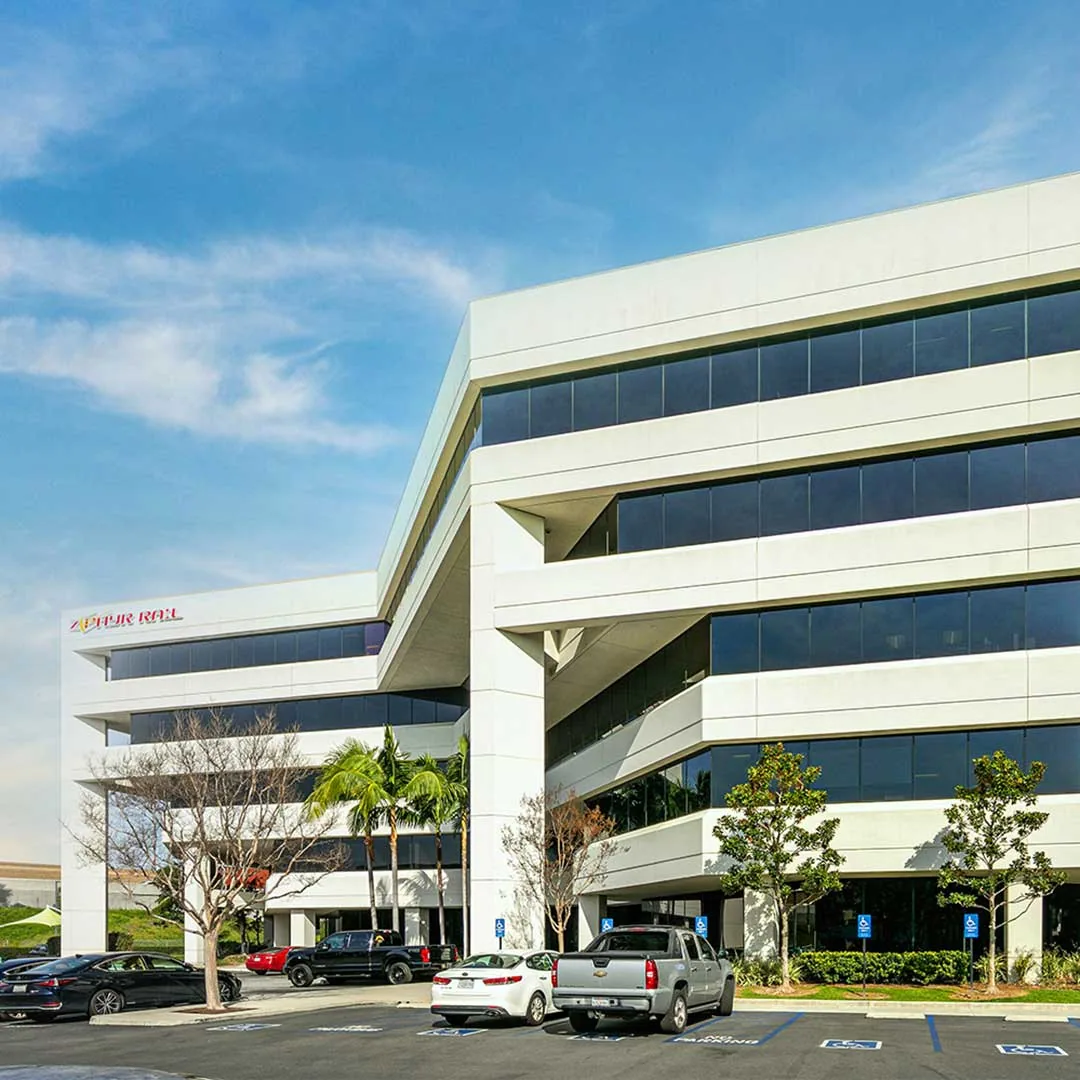
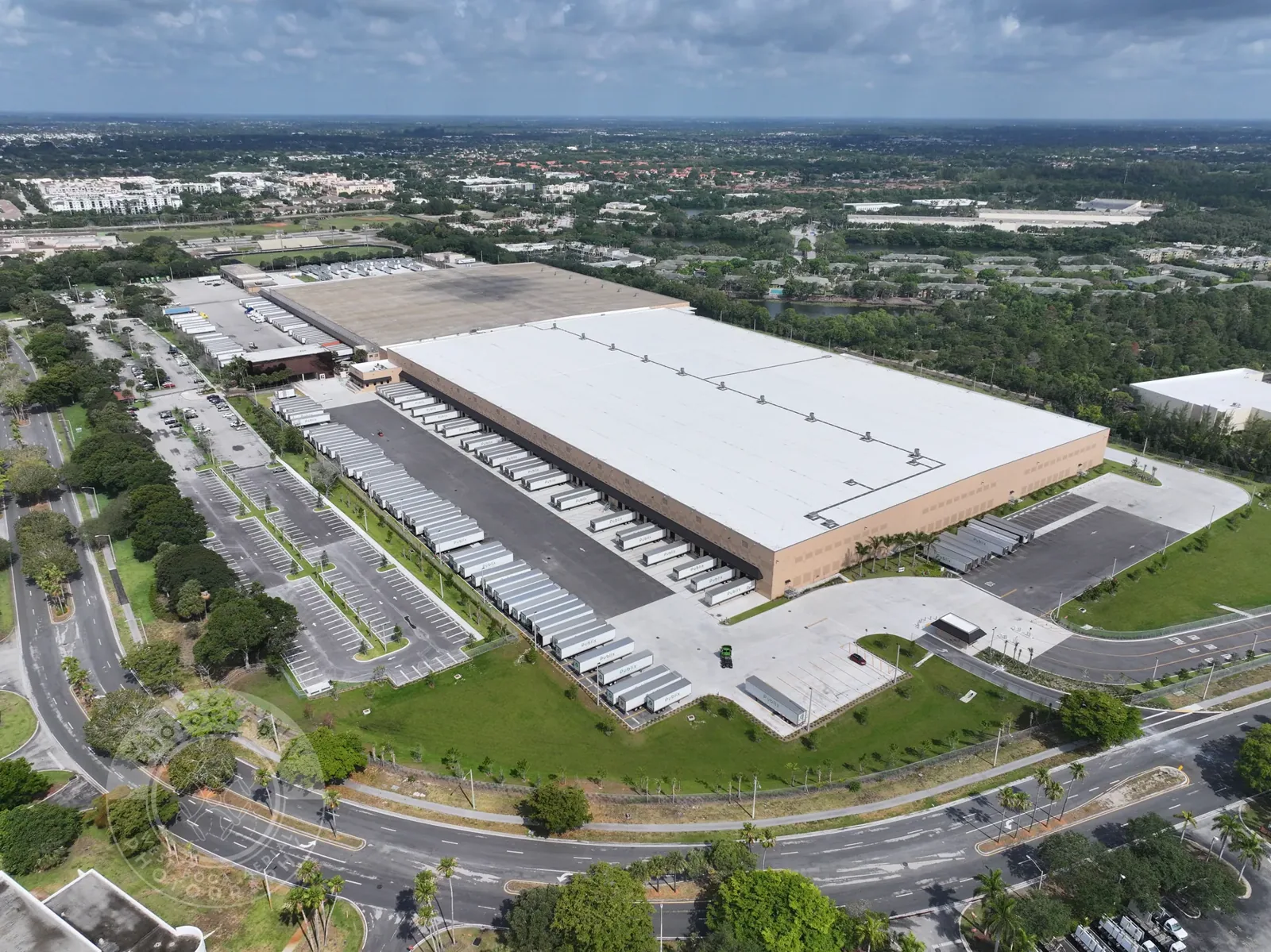
The North Irving Belt Line corridor includes an established retail setting, and the Las Colinas Urban Center combines office uses with restaurants, retail and entertainment. Southlake also has a significant retail and restaurant inventory. These areas provide useful market context, not evidence about any one chain’s roof type or maintenance history. Each location needs its own inspection findings, even when the operator uses common equipment and store plans.
How do repairs fit around customer traffic?
We start with the store’s operating hours, receiving schedule, kitchen or refrigeration service, pedestrian paths and the manager authorized to approve access. Roof entry may be straightforward while material movement, debris control or work above an open dining area requires a specific window. The operator determines customer routing, public barriers and any closure. We define where roofing activity will occur and how the crew will protect the building below, with delivery and setup assumptions visible in the proposal.
For a chain, repeatable planning fields make the next store visit easier to prepare, but they should not force the same repair at each address. A property-level coordination plan can connect roof observations with approval contacts and tenant constraints. We record which location, roof area and detail support the recommendation. That allows a regional facilities lead to compare tasks without treating one store’s drain, curb or membrane condition as a standard condition across the portfolio.
What do exhaust and refrigeration details require?
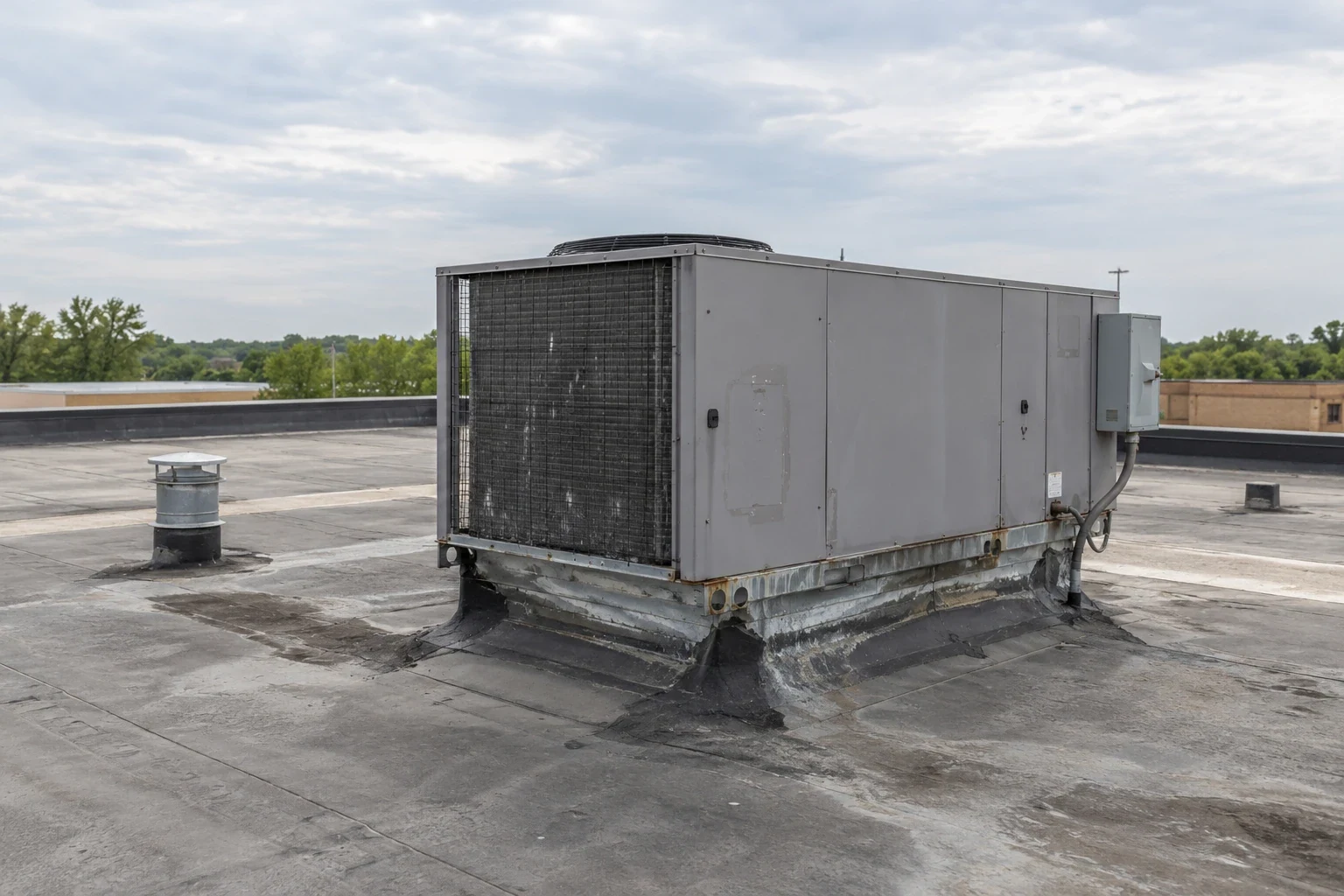
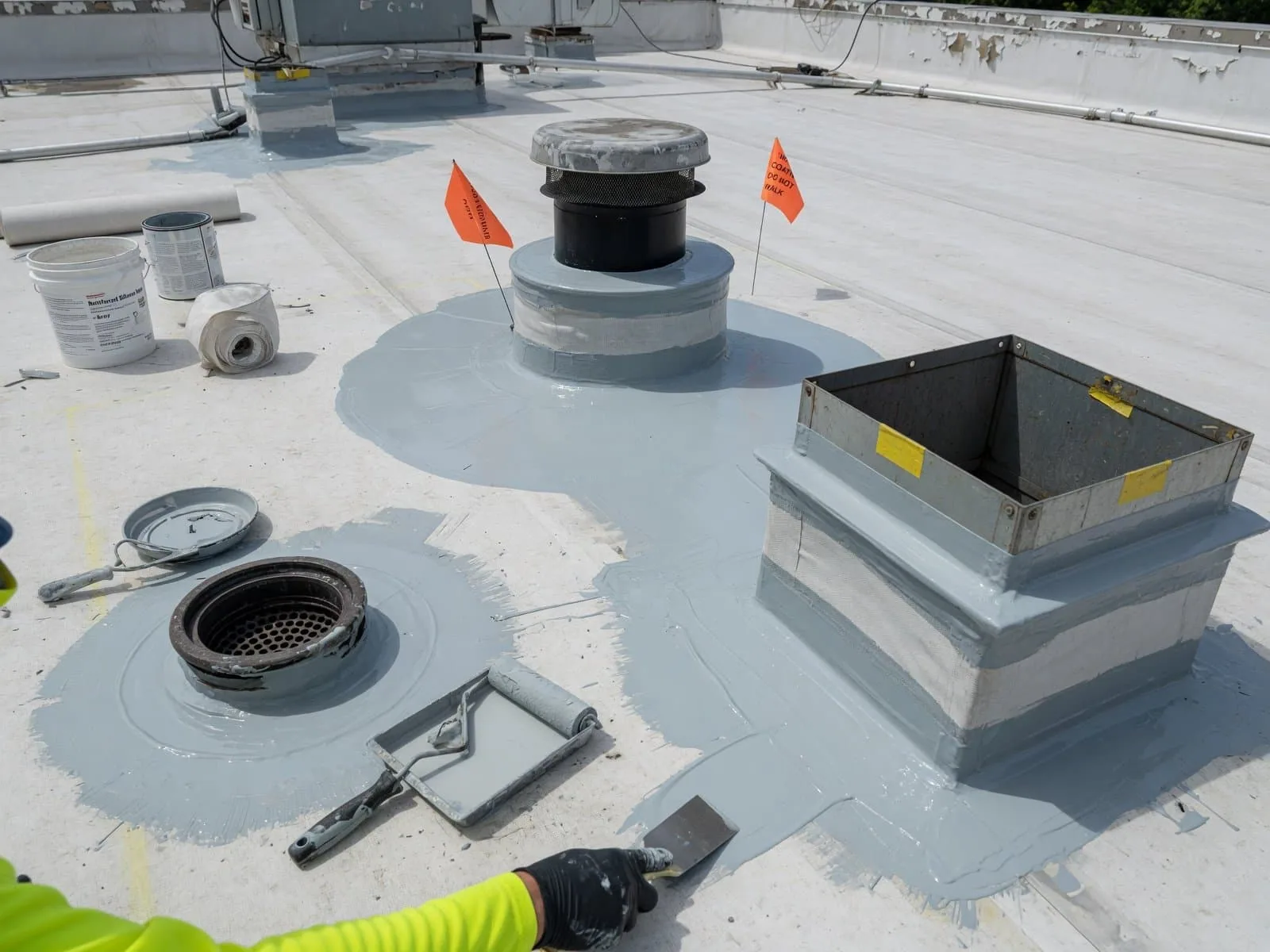
Kitchen exhaust, make-up air, refrigeration lines and rooftop units create penetrations or curbs that interrupt the waterproofing surface. We inspect the flashing, adjacent membrane, supports and drainage around each detail included in the request. Grease or other service residue may affect surface preparation, so a repair should account for the actual condition at the bond area. A stain near a hood does not by itself identify whether water entered at the curb, traveled from elsewhere or came from another building system.
When a kitchen or refrigeration unit is replaced, the equipment vendor confirms dimensions, weight and service needs. Design professionals address supporting structure where appropriate, the operator authorizes any shutdown, and the roofer coordinates the waterproofing detail before equipment placement. Curb and penetration work includes the roof connection and nearby assembly in the accepted scope. Abandoned openings need a permanent closure detail based on the actual roof layers, not just a cap placed over an unknown opening.
How do we trace a ceiling leak?
An indoor drip helps identify a room and time, but it does not establish the roof opening. Water can move along insulation, seams or a deck before it reaches the ceiling. We compare the report with accessible drains, membrane transitions, skylights, curbs and past repairs. If the building has separate food-service and retail areas, note which space, equipment and conditions were involved. The inspection record should identify what was examined, what was found and where a controlled opening or moisture survey would change the decision.
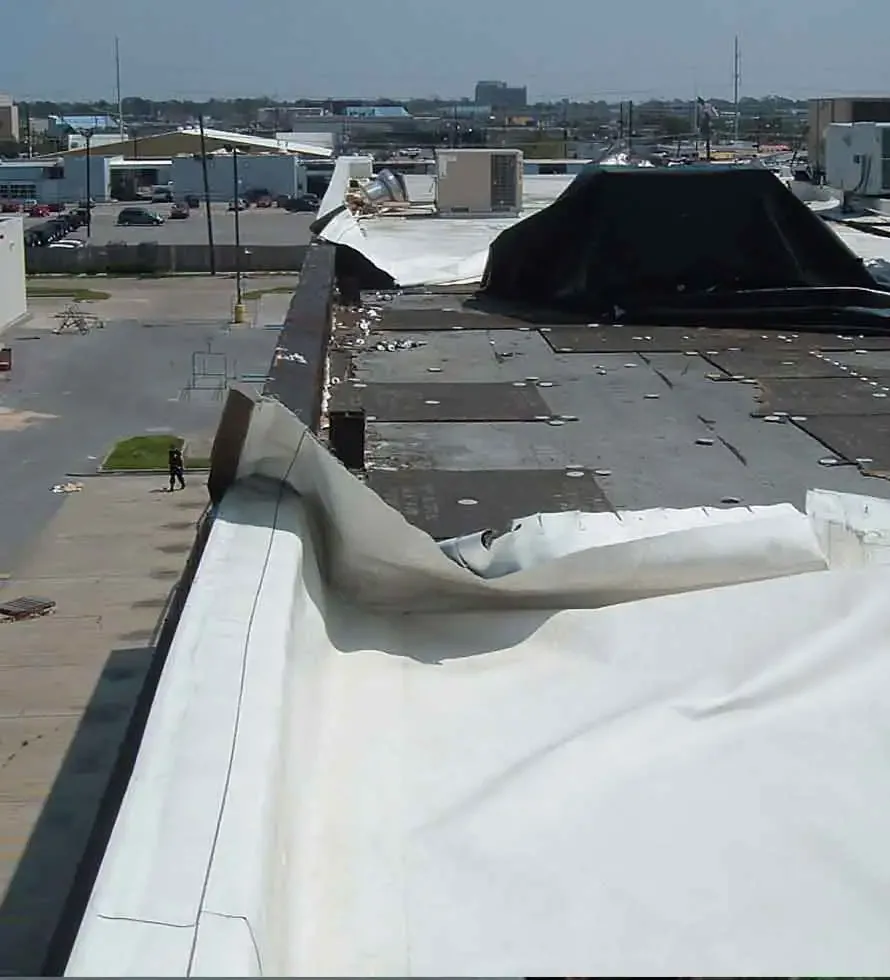
A contained repair can work when surrounding materials remain suitable for preparation and bonding. If the moisture pattern or attachment issue extends beyond the apparent leak, the store may need a broader assessment before choosing repair or replacement. Our commercial leak repair documents the suspected mechanism and confirmed boundary. If the call follows a reported storm, a hail roof inspection can address visible event-related conditions without presuming damage across every chain location.
What records help a multi-store facilities team?
Useful records contain the store address, roof area, visible condition, photographs, materials repaired, work date, access limits and follow-up. Keep equipment changes and prior coating or repair information with the location it describes. If a survey or opening tests for wet insulation, record its exact coverage and method. A reading or repair at one section does not establish the condition of another. These details help a facilities lead assign work and revisit an unresolved issue without converting a past task into an unsupported roof-life forecast.
Maintenance can focus on drains, seams, kitchen penetrations, refrigeration curbs and edge details that the inspection identifies. The visit schedule depends on the assembly, observed condition and operator’s goals. Our preventive roof maintenance can document conditions over time, while a multi-site program can organize responsibilities across locations. Restoration claim records can sit beside maintenance findings when an event-related repair is reviewed. A chain can keep common documentation fields while retaining a separate finding and authorization history for each property.
What sets the repair window?
Roof access, weather, store hours, equipment service and delivery traffic influence the timing. Irving’s July and August regional average highs approach 96 degrees, while spring and fall bring wet periods. Those conditions affect crew sequencing and protection planning, but current site forecasts and the roof’s specific exposure set the daily decision. We identify when materials arrive, how the work area will be isolated and what condition must be met before a section is closed for the day.
The North Irving Belt Line corridor and SH 183 meet in a commercial corridor with an established retail setting. For a store near that route, the operator’s loading and customer-access rules still determine staging. A roofing schedule should identify which shift or delivery period the work affects rather than assume a quiet window. If an active opening requires emergency stabilization, we can respond around the clock and document the permanent work separately after safe inspection.
Commercial Roofing Questions
Can roof work happen before a store opens?
The operating window depends on roof access, delivery schedules, weather, equipment and the selected repair method. We can plan a phase outside customer hours when the building’s rules and material sequence allow it. The operator approves closures, customer routing and kitchen or refrigeration shutdowns; the roofing proposal identifies crew access and protection.
Does a leak above a kitchen mean the exhaust curb is failing?
It identifies an area to examine, not a confirmed entry point. We compare the interior report with the curb, membrane, drainage and other accessible details. If water could be traveling within the assembly, we state what is known and which examination would establish the repair boundary.
Can the same repair be used at each chain location?
A repeatable scope format can help with records, but the repair follows each roof’s material, detail and observed condition. Store use affects access and timing, while the assembly itself determines preparation and compatibility. We keep separate findings and approvals for each property.
How do you document hail after a regional storm?
We inspect the individual roof and record observable conditions, affected sections and access limits. A regional event can prompt the visit but does not prove damage at each store. We separate new findings from prior wear and identify further examination if concealed moisture or attachment affects the repair choice.
What should facilities retain after a roof repair?
Keep the location, roof area, photographs, materials, preparation, work date, access limits and any remaining issue together. For an opening or moisture survey, record coverage and what the examination established. That file helps the next facilities reviewer distinguish completed permanent work from temporary water control.
Ready to review the roof scope?
Request a Roof Assessment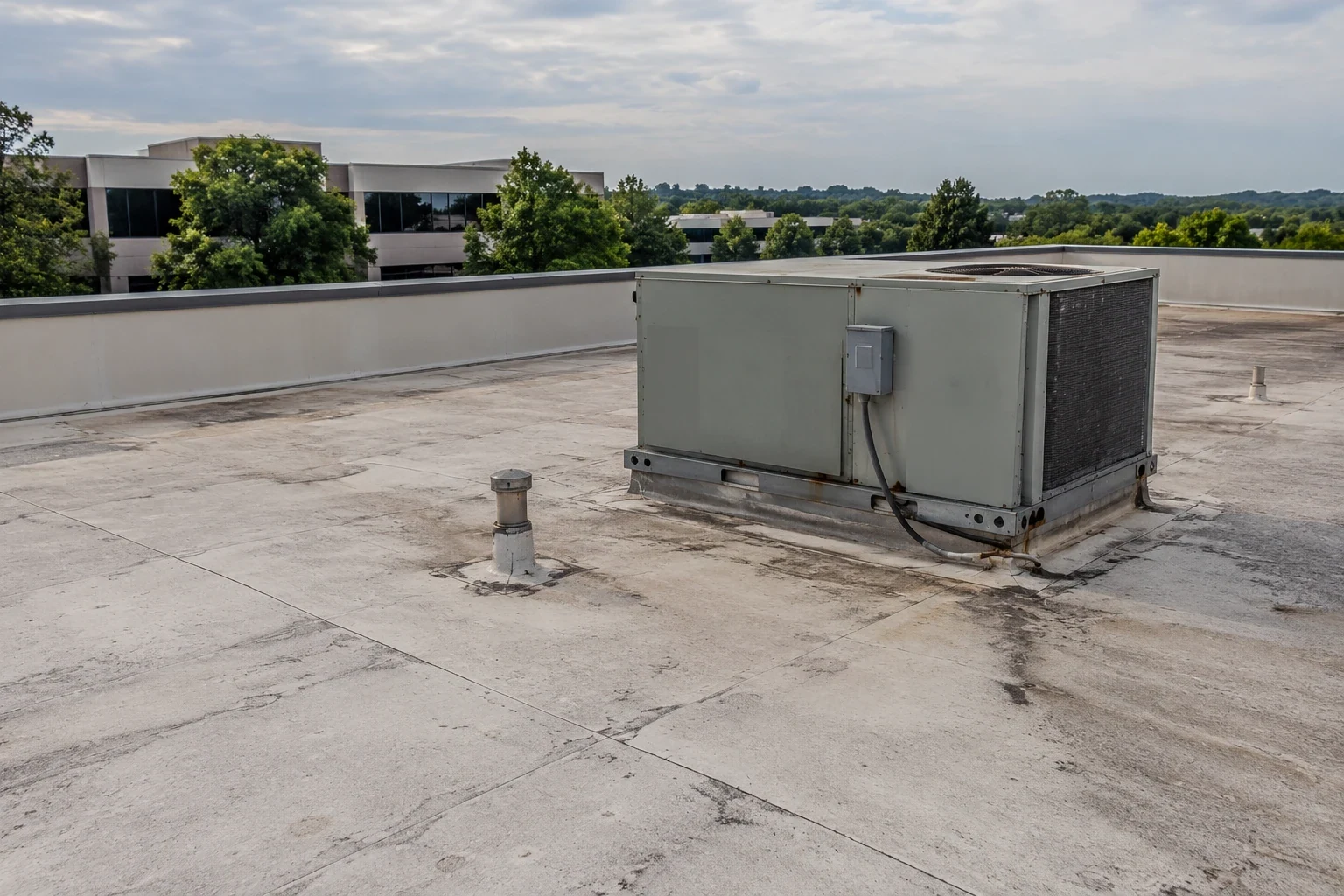
Commercial Roofing for Property Managers
See scope, options and what to expect on the roof.