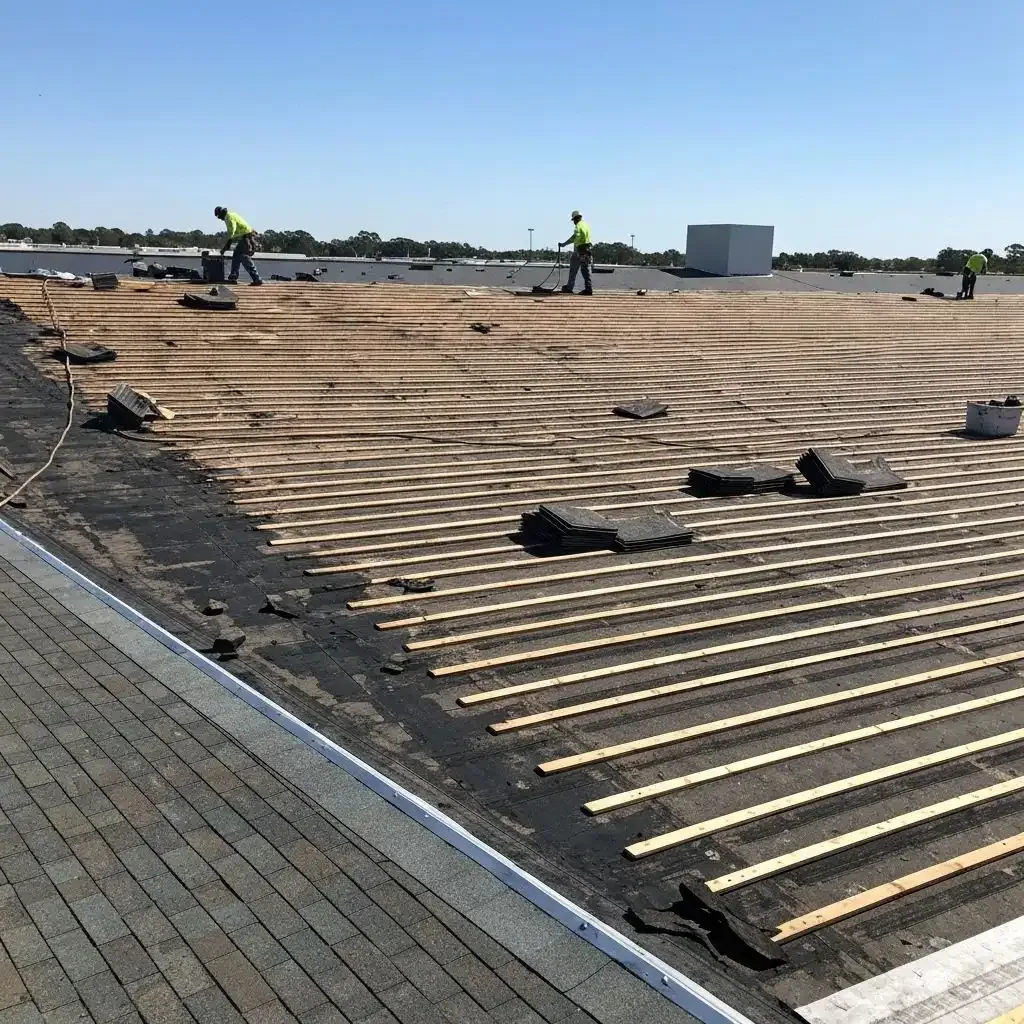
After hail or wind, the owner needs to know what the roof shows at the property before a repair quantity is set. Large hail, damaging wind and tornadoes recur across the Metroplex, but regional weather does not establish damage at a specific Irving building. We inspect accessible seams, membrane, edges, penetrations, drains and rooftop equipment, then document observable conditions and access limits. If water is actively entering, an around-the-clock response can stabilize the opening while permanent work is developed from the examination.
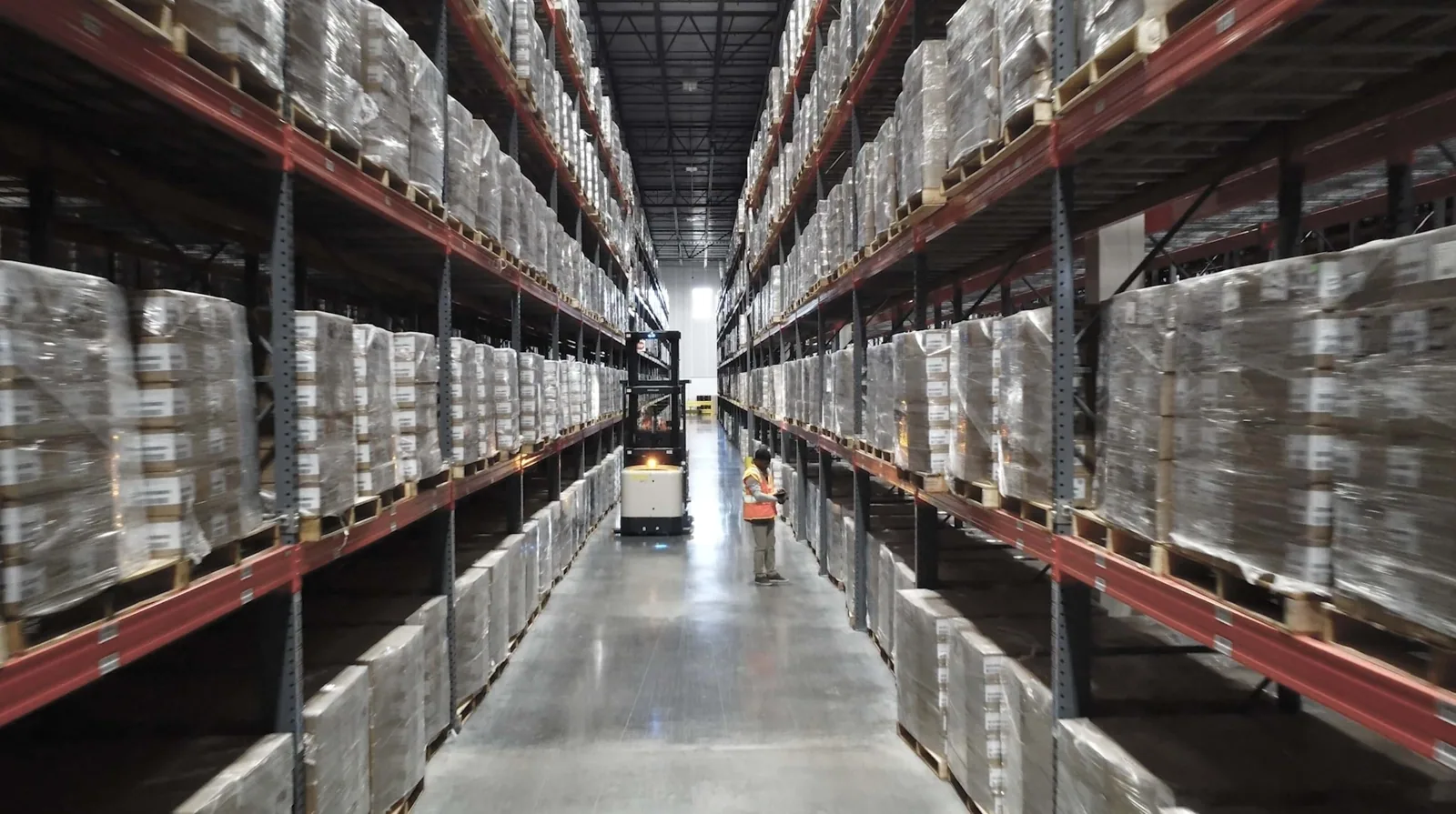
Las Colinas includes office, retail and multifamily properties, and the North Irving Belt Line corridor contains an established retail setting. Those broad land-use facts help orient a property assignment; they do not show that a specific tenant’s roof sustained event damage. The claim file should distinguish the property’s reported timeline, the roof conditions observed and any unrelated maintenance issue that falls outside the event scope.
What should the initial roof record show?
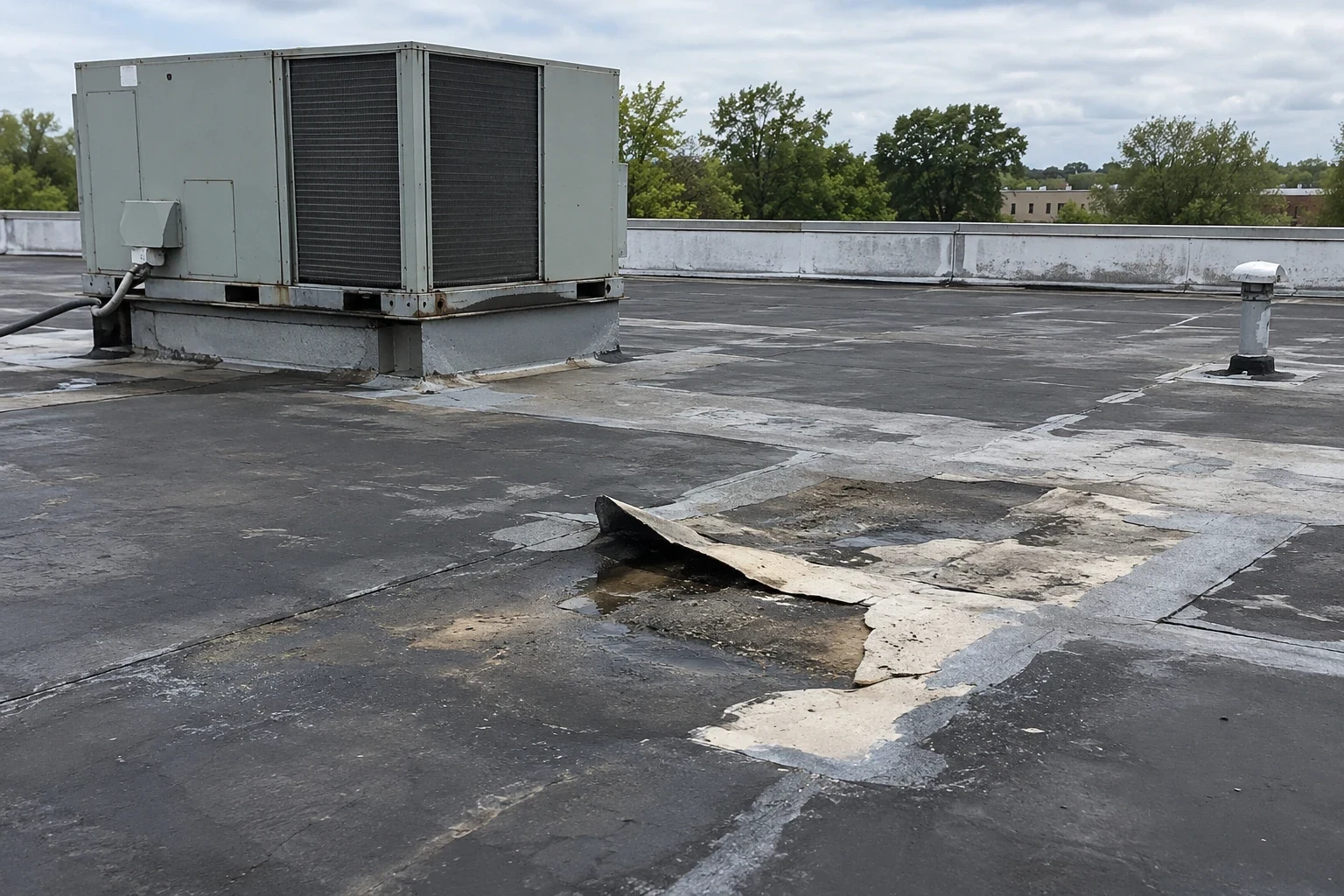
Start with the building, roof section, date, reported event, weather or interior information supplied by the owner, and the parts of the roof that could be safely inspected. Photographs should locate a visible condition and show enough context to find it again. We note open seams, punctures, displaced metal, damaged flashings or debris impact only where observed. Construction trade coordination can also affect access and restoration sequencing. A report should also say what was inaccessible or not examined, instead of treating an incomplete view as a finding about the entire roof.
The interior leak location helps direct attention but does not necessarily mark the roof opening. Water can travel through insulation or along deck joints before reaching a room. We compare the reported time and location with accessible roof details and identify whether a moisture survey or selective opening would establish more. A commercial roof inspection records the observed condition and next step, keeping likely mechanism distinct from confirmed damage.
How should storm cause be separated from existing wear?
A storm report provides context; the property inspection establishes what can be seen. We describe the visible condition and compare it with the reported date, prior maintenance, existing repairs and roof materials. A damaged edge after a wind event may warrant a close look at attachment and adjoining metal, while an old patch or open seam may predate the event. We keep those findings separate unless evidence connects them, and avoid assigning every roof condition to one weather date without support.
The DFW region has hot summers and wet spring and fall periods, with occasional wintry cold spells. Heat cycling and water exposure can contribute to aging, but the assembly’s condition needs direct examination. A hail damage evaluation can document impact conditions and repair options. If storm damage is present, a wind damage review can identify displacement or openings at the affected area, then recommend stabilization or permanent work as supported.
What belongs in a repair estimate?
A repair scope should show the affected area, preparation, materials, termination details, disposal, access assumptions, temporary protection and closeout. It should distinguish known work from quantities that depend on concealed layers. If a removal opening exposes wet insulation, the contractor documents the size and condition before expanding the authorized area. The owner can review the additional finding and decide whether to proceed under a stated price method, without confusing a provisional allowance with measured damage.
If a roof remains compatible with a repair, a localized correction may limit removal. If water or attachment failure extends beyond the initial defect, the comparison may include broader replacement or another system option. We explain what evidence supports each alternative and identify further examination needed where the decision depends on hidden conditions. Roof claim documentation records the roofing observation and scope; coverage and payment decisions remain with the insurer and policyholder.
How are immediate protection and permanent work related?
Temporary stabilization reduces active exposure but does not answer every question about the assembly. We record the emergency measure, its location, date and limitations, then inspect the roof for a permanent repair plan as conditions allow. If the repair boundary includes equipment, drains or damaged edge metal, those details are included rather than assuming a membrane patch is sufficient. Any further tear-off or moisture review should be authorized under a clear scope before the work expands.
The facility can have separate responsibilities for interior cleanup, electrical safety, equipment operation and roof access. We coordinate the roofing work with the owner’s representative and identify other trade tasks where they affect the roof sequence. If the building is occupied, our occupied-building approach describes protection and phasing. A condition record then connects the emergency response to the permanent repair and any remaining inspection item.
What can the owner expect in a closeout package?
The completed record can include inspection date, affected roof sections, dated photographs, observed conditions, materials and preparation, work completed, temporary measures and remaining questions. Attach relevant estimates or authorization notes to the scope they addressed. If a condition was not visible or access was restricted, state that boundary. This lets an adjuster, owner or future facility manager review the roofing evidence without turning a photographed section into proof about an area that was not examined.
Irving requires permits for commercial construction, additions and remodeling, and project approvals may vary with the proposed work. A storm repair and a wider alteration should not be assumed to follow identical requirements. The property management team can assemble site access and approval records. The property owner and design participants confirm the applicable path before construction. For facilities in the Central Irving SH 183 corridor or Las Colinas, local context can guide service planning, while the property’s actual roof evidence controls the restoration scope.
Commercial Roofing Questions
Does a Metroplex storm report prove my roof was damaged?
No. Regional weather explains why an inspection may be useful, but the specific roof must be examined. We document observable conditions, the areas accessible and any follow-up needed. The claim file should identify what was found at the property rather than infer damage from a regional report alone. Keep the inspection date and any access restriction with the work record so later reviewers can trace how the scope was developed.
Should emergency tarping and permanent repair be in one scope?
They can be related but should be recorded as distinct tasks. We identify the temporary protection, its limits and the later examination needed to scope permanent work. If removal exposes concealed conditions, the owner can review the evidence and authorize additional work under the agreed process.
Can a roof inspection determine which damage insurance will cover?
A roofing inspection describes visible conditions, repair needs and available documentation. Coverage depends on the policy and insurer’s review. We do not decide coverage; we provide photographs, locations and a work scope tied to the roof observations so the owner can submit the relevant evidence.
What if old damage and recent damage appear together?
We record each observed condition and compare it with available maintenance history and the reported event. We only connect a defect to the event when evidence supports that conclusion. Unrelated wear or a previous repair remains a separate item, with its own scope and timing.
How are concealed moisture quantities established?
A survey may direct an investigation, while selective openings can confirm conditions at specific points. We document the coverage and findings and do not extend a measured quantity beyond the evidence. If the affected material appears wider, the owner authorizes an additional examination or scope review before expanded removal.
Ready to review the roof scope?
Request a Roof Assessment
Commercial Roofing Coordination for General Contractors
See scope, options and what to expect on the roof.
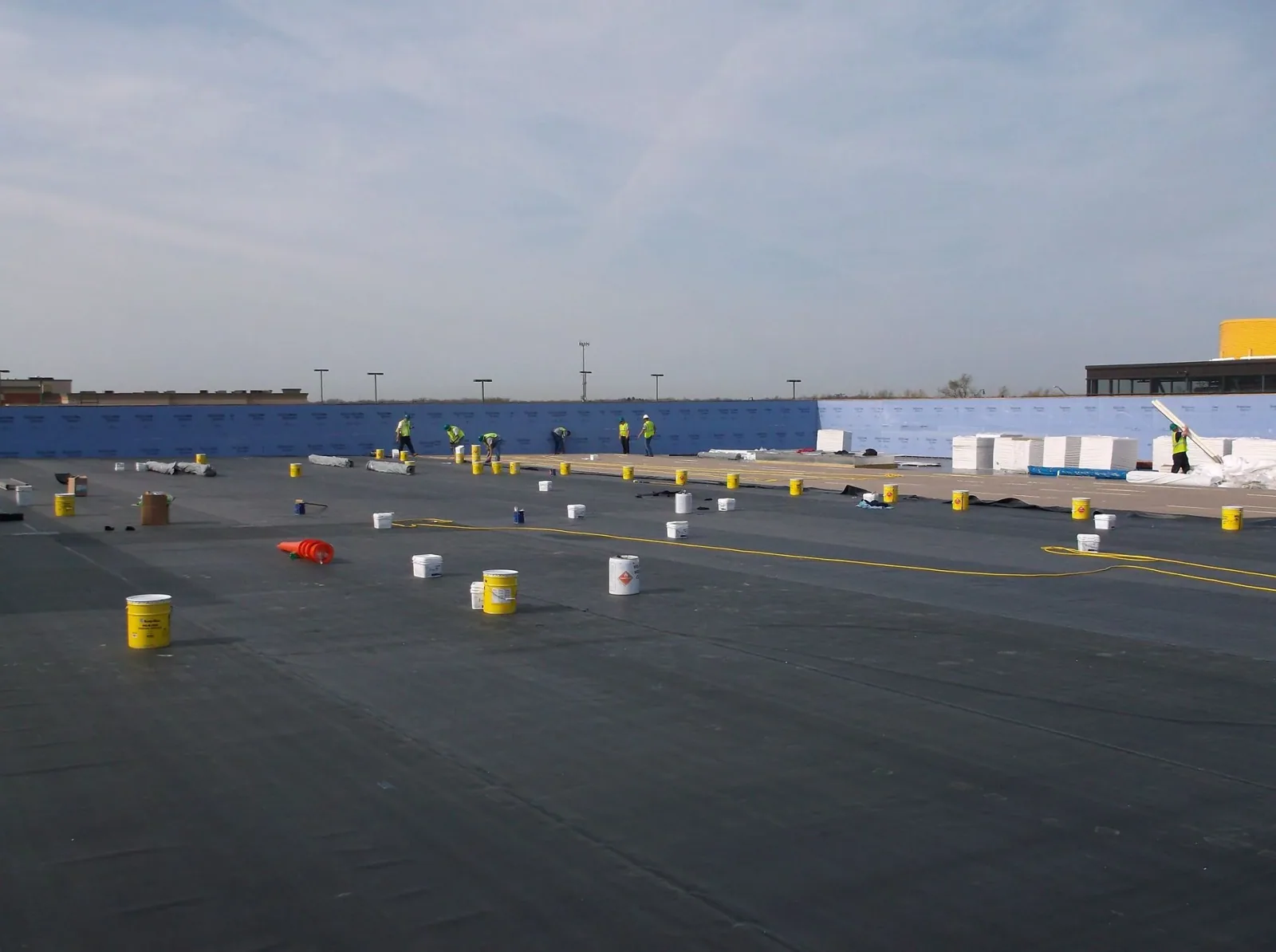
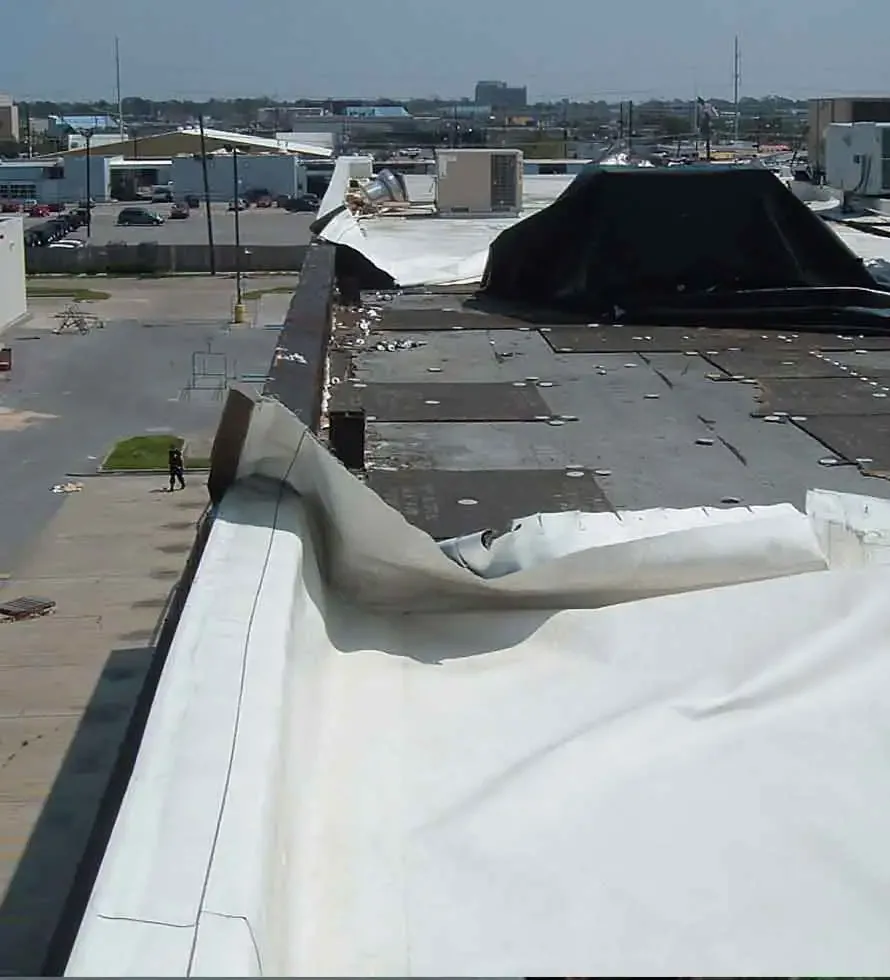
Commercial Roof Insurance Claim Assistance
See scope, options and what to expect on the roof.