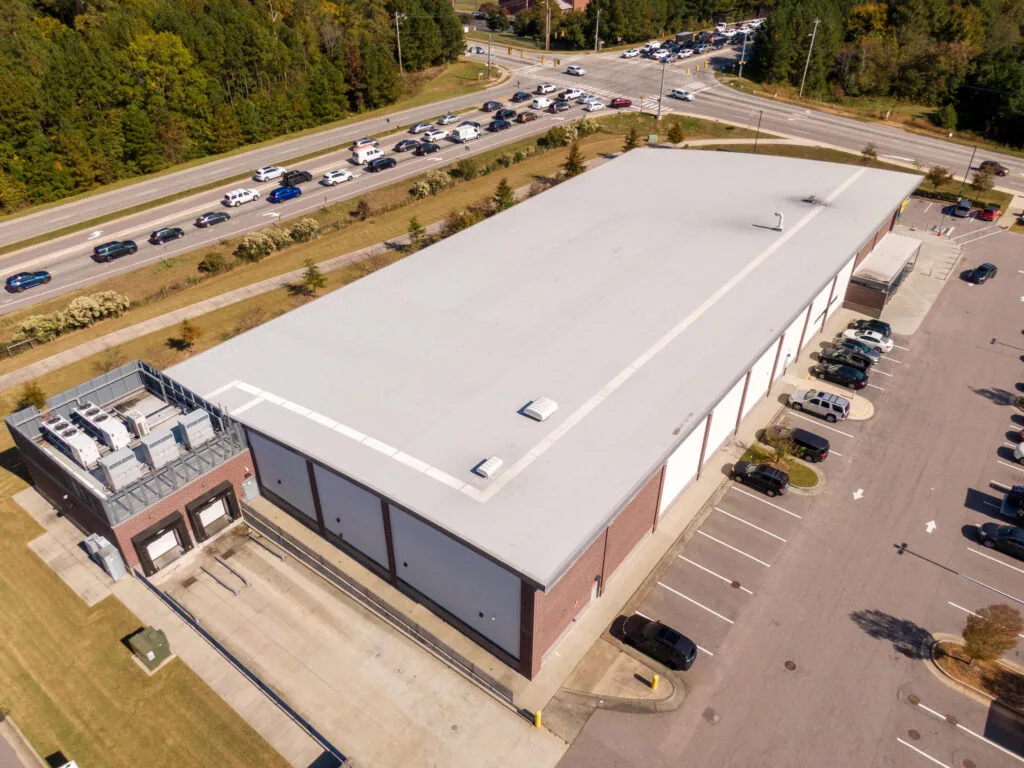
Summer heat across the Dallas-Fort Worth region drives repeated temperature changes at exposed membranes, metal edges and rooftop equipment, while wet spring periods can test drainage and repaired seams. For an Irving property manager, those stresses matter because the roof decision must fit a lease, a maintenance plan and the building’s operating calendar. We inspect accessible conditions, trace how water could move through the assembly and distinguish an isolated defect from a larger question about insulation or attachment. The result is a work scope the manager can explain to an owner without treating an indoor stain as the full diagnosis.
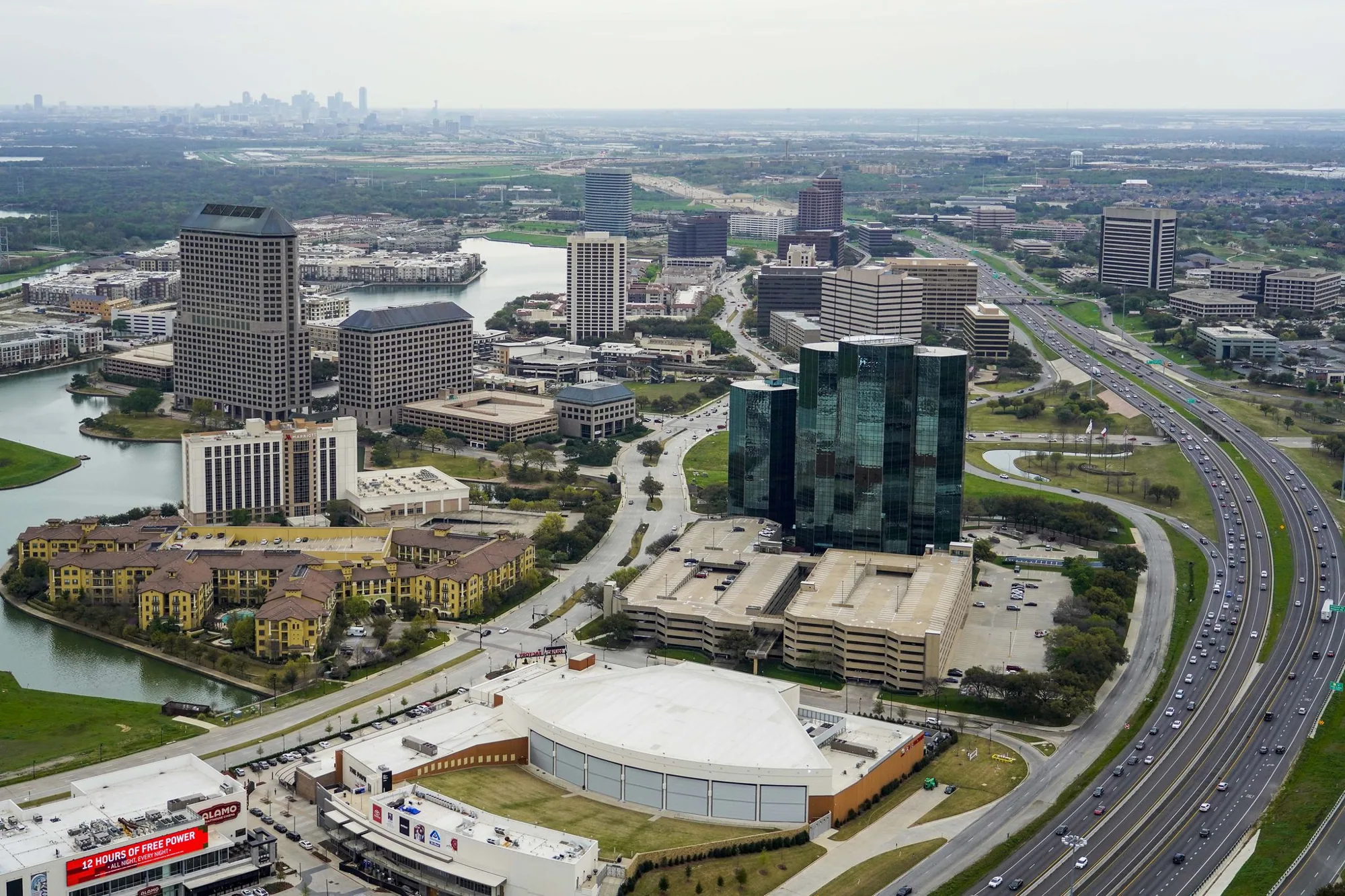
Las Colinas combines office, retail and multifamily properties, while Valley Ranch includes commercial uses alongside multifamily buildings. Each property has its own access rules, tenants and approval path. We identify the actual roof area, the person who can authorize entry and the operating constraint that changes how a repair is staged. A property portfolio gains value from consistent records, but each roof still needs a finding tied to its own materials and observed condition.
What does the condition support today?
Where a repair is supported, the scope names the materials to be prepared and the connection to be rebuilt. A compatible bond depends on the existing membrane, prior coatings, surface condition and details at the repair boundary. We mark the proposed repair footprint and note where concealed moisture or weak attachment could change the extent. If those conditions are not visible, a selective opening or moisture survey may be the next decision, with authorization and safe access settled first. That approach gives the owner a reasoned choice between targeted work and a broader assembly review.
Portfolio teams can use a repeatable record format without imposing the same repair on every building. Our roof condition reports pair location references with observations and photographs so an owner can compare related work over time. The record should preserve the limits of the inspection too: a clear view at one drain is not evidence about every drain, and a dry test location does not establish that another area is dry.
Which approvals change the sequence?
Healthcare property coordination starts when the person who reports a leak may not control roof access, approve expense or direct a tenant’s equipment vendor. Before setting a work date, we identify the owner representative, management contact and any party responsible for the space below. We note restricted hours, loading paths, quiet periods and protection requirements that affect material handling. When the roof sits above an occupied office, restaurant or residence, the sequence can matter as much as the repair itself: equipment shutdown, ceiling protection and a temporary water-control measure may need separate authorization.
Before scheduling a larger roof alteration, we identify the proposed assembly changes and the documents available for city review. Irving routes most commercial construction, addition and remodeling applications through relevant departments, so the owner can align that review with tenant access and contractor sequencing. Las Colinas owners also review association declarations separately from municipal approval.
How do repeat inspections become useful records?
If water is found within insulation, the question changes from surface repair to the size and distribution of affected material. Infrared indications can help direct further investigation under suitable conditions, but interpretation and confirmation matter. A test at one location answers a narrow question. The scope should state the sample area, access limits and how additional removal would be authorized if the assembly differs from what the initial inspection shows. This keeps an owner from approving a broad quantity on the strength of one isolated indication.
For a portfolio spread across Irving and adjacent cities, our multi-property owner review connects each asset’s condition to a distinct decision date and approval contact. Irving’s corporate office complexes support financial and healthcare organizations, while Heritage Crossing includes older downtown commercial settings and redevelopment. Those land uses help identify useful inspection questions; they do not establish the age, membrane or concealed condition of a particular roof.
What makes a repair plan workable?
A sound work plan accounts for the roof and the property below it. We describe the area to be protected, the materials needed, the method for keeping water out during the work and the conditions that could expand the repair. The manager can review proposed timing against tenant activity, loading schedules and planned equipment service. During a storm-related call, an around-the-clock response can help stabilize an active opening, followed by a closer assessment when conditions allow. A temporary measure is identified as temporary, with permanent work scoped after the assembly can be examined safely.
Belt Line Road and SH 183 meet in an established North Irving commercial corridor. In that busy mixed-use setting, access windows, delivery traffic and safe staging can affect labor and timing. The property manager supplies current site rules and identifies the authorized point of contact; we incorporate those conditions into the roofing scope rather than assuming a standard route or unrestricted roof access.
What belongs in the owner’s approval packet?
A concise approval packet includes the inspected area, observed defect, supported cause, recommended repair, quantity basis, access assumptions and exclusions. Photographs should help the reviewer locate the condition instead of serving as decoration. If the choice is repair versus replacement, the comparison should identify what is known about the assembly and what remains uncertain. We explain the practical consequence of waiting when water entry or deterioration is continuing, while avoiding unsupported predictions about damage elsewhere in the building.
When the file includes tenant reports, prior work, warranties or equipment drawings, keep those records attached to the asset and tie each to the roof area it describes. Warranty terms and coverage depend on the actual documents. Our warranty record support can help organize the roofing scope and inspection history for review, without replacing the manufacturer’s or owner’s contract requirements.
Commercial Roofing Questions
What should the approval request explain before a repair is scheduled?
Identify the roof area, visible condition, proposed work, price basis, access assumptions and any hidden condition that could change the quantity. We also state who must approve added investigation and which operating restrictions affect the date. The owner can then authorize a defined task instead of a general instruction to fix a leak.
Can a single tenant report establish the roof repair location?
A tenant report identifies an interior symptom and its timing. Our inspection traces likely paths upward to roof seams, penetrations, drains and nearby transitions, then records which detail has evidence of entry. When water may travel within the assembly, the report explains what remains unknown and whether a controlled opening or moisture survey can define the repair limit.
How do you keep a portfolio standard from becoming a standard repair?
We use consistent fields for location, condition, photographs, recommendation and follow-up, while determining the actual repair from each roof’s materials and findings. Las Colinas and Valley Ranch include different property uses, but neither use alone identifies a membrane or concealed moisture. Each property receives its own condition-based scope.
What changes when a roof repair affects an occupied property?
Entry, tenant notice, protection, equipment operation and material handling can change the sequence. We confirm the property’s rules with its authorized contact, include roofing-related staging in the plan and identify separate mechanical or electrical tasks. The building representative approves any change to tenant operations or equipment service.
When does a moisture survey add value to the file?
It can help direct investigation when the owner needs to understand whether wet material extends beyond a visible opening. The method and conditions affect interpretation, so a survey result should be read with the roof assembly and confirmed where needed. We state the area examined and keep any wider, untested area as a separate question.
Ready to review the roof scope?
Request a Roof Assessment

Commercial Roofing for Healthcare Systems
See scope, options and what to expect on the roof.
Commercial Roofing for Real Estate Investors
See scope, options and what to expect on the roof.