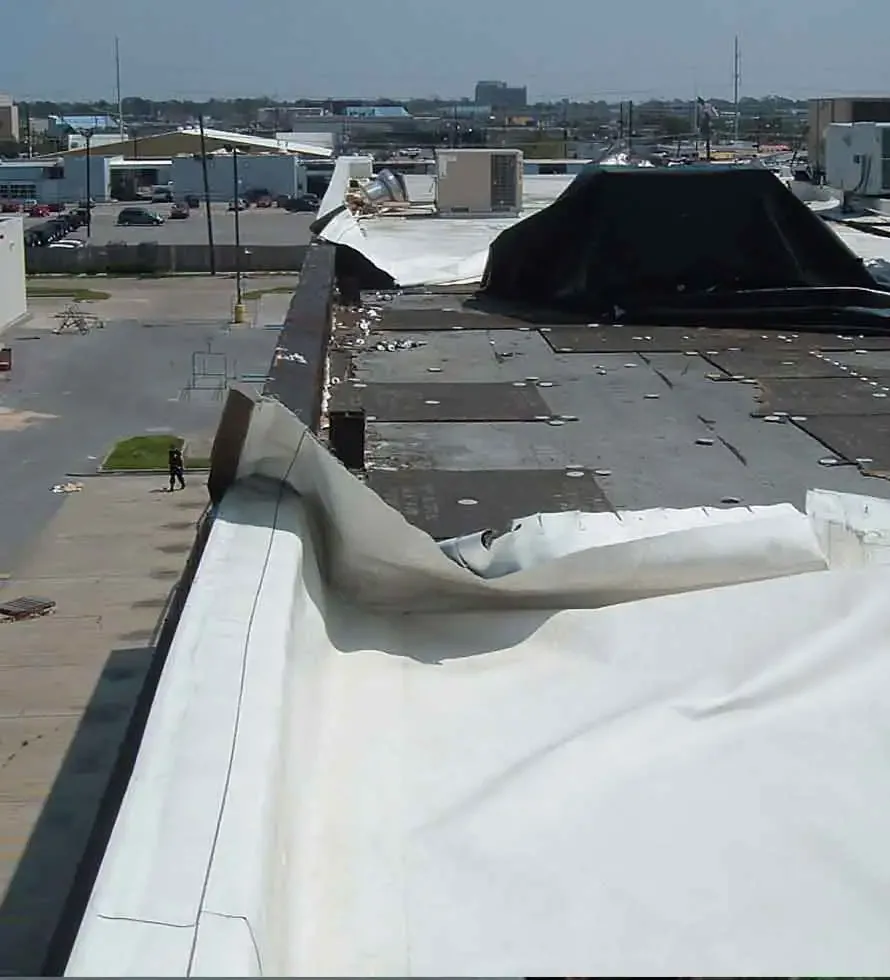
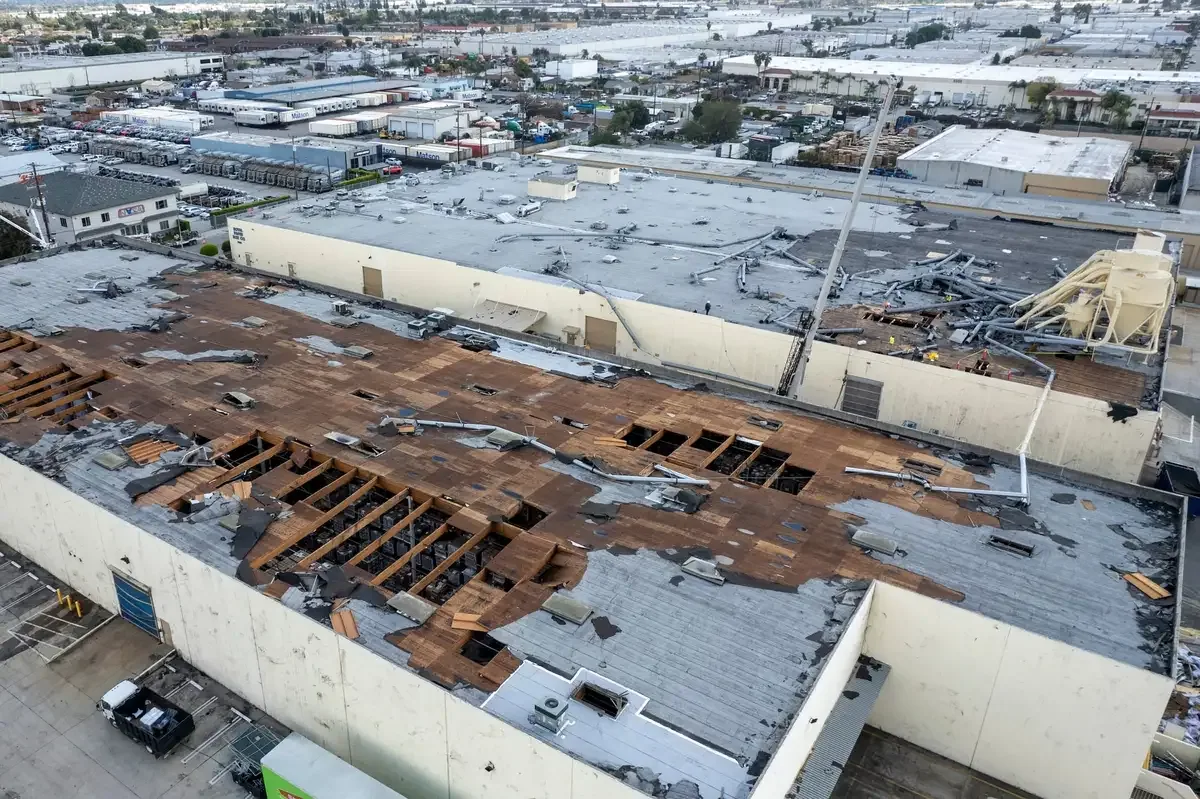
A hail fracture and a wind-disturbed termination can require different repairs even when they were noticed after the same storm. Commercial roof claim assistance in Irving, TX, begins with a construction assessment that preserves those differences. Commercial Roofing Irving documents observed damage, examines the supporting assembly and describes the work needed, giving the owner useful roof information for coordination with the insurer.
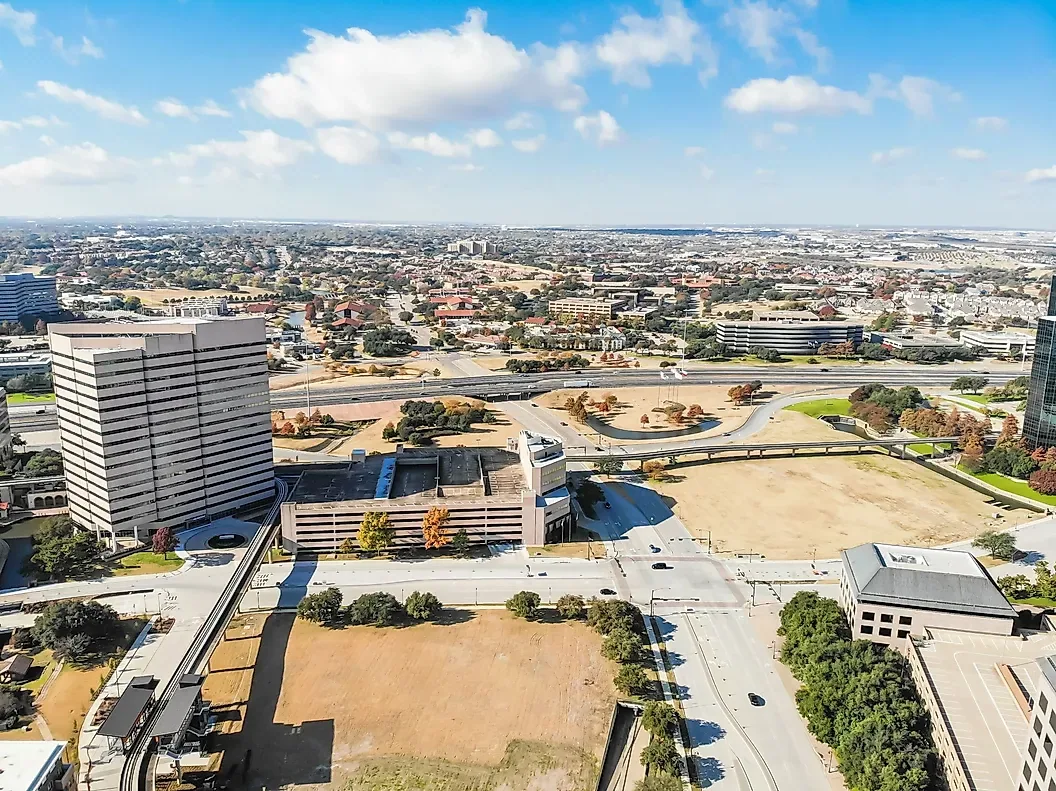
Hail, damaging wind and tornadoes occur across the Metroplex, but each property's claim needs its own condition evidence. Las Colinas office buildings and Valley Ranch commercial properties can also have equipment, interior finishes and occupied areas affected by water entry. We distinguish the roof findings and construction needs from the insurer's coverage process, without treating a regional weather event as proof that a particular roof component was damaged.
What should the initial damage record preserve?
The first record identifies the roof locations examined, visible openings, displaced components and any temporary protection performed. Photographs are related to the roof geometry so a close view of a damaged seam can be located later. Timing information from the manager helps connect observations with rainfall and reported interior water. We also identify access limits that prevented examination, because a preliminary damage record may need further findings once safe access becomes available.
Where urgent exposure requires temporary roof protection, we document accessible conditions before and after that work when practical. Stabilization should not be delayed merely to obtain more photographs of unsafe damage. The record explains what was protected and which permanent repair questions remain. Wet insulation, concealed attachment or inaccessible details may require later openings, with those findings added to the roof assessment rather than assumed from the initial exterior appearance.
How do we distinguish the observed failure mechanisms?
An impact injury can differ from a seam opening caused by material movement or a loose perimeter connection. We examine the covering, support and damage pattern through storm damage assessment. Earlier patches, wear and deteriorated materials may be present in the same area. The findings describe those conditions separately where evidence supports a distinction, so the construction scope does not merge unrelated defects under one broad storm label.
Roof condition before the reported event can affect the material response, but concealed history is not established merely by appearance. We use available maintenance and repair information to support the comparison, with direct examination where needed. If cause or timing remains unresolved, we state the construction finding and the additional investigation needed. The claim process can then consider that information without the roof scope making an unsupported conclusion about which policy provision applies.
Why might the repair scope extend beyond the visible opening?
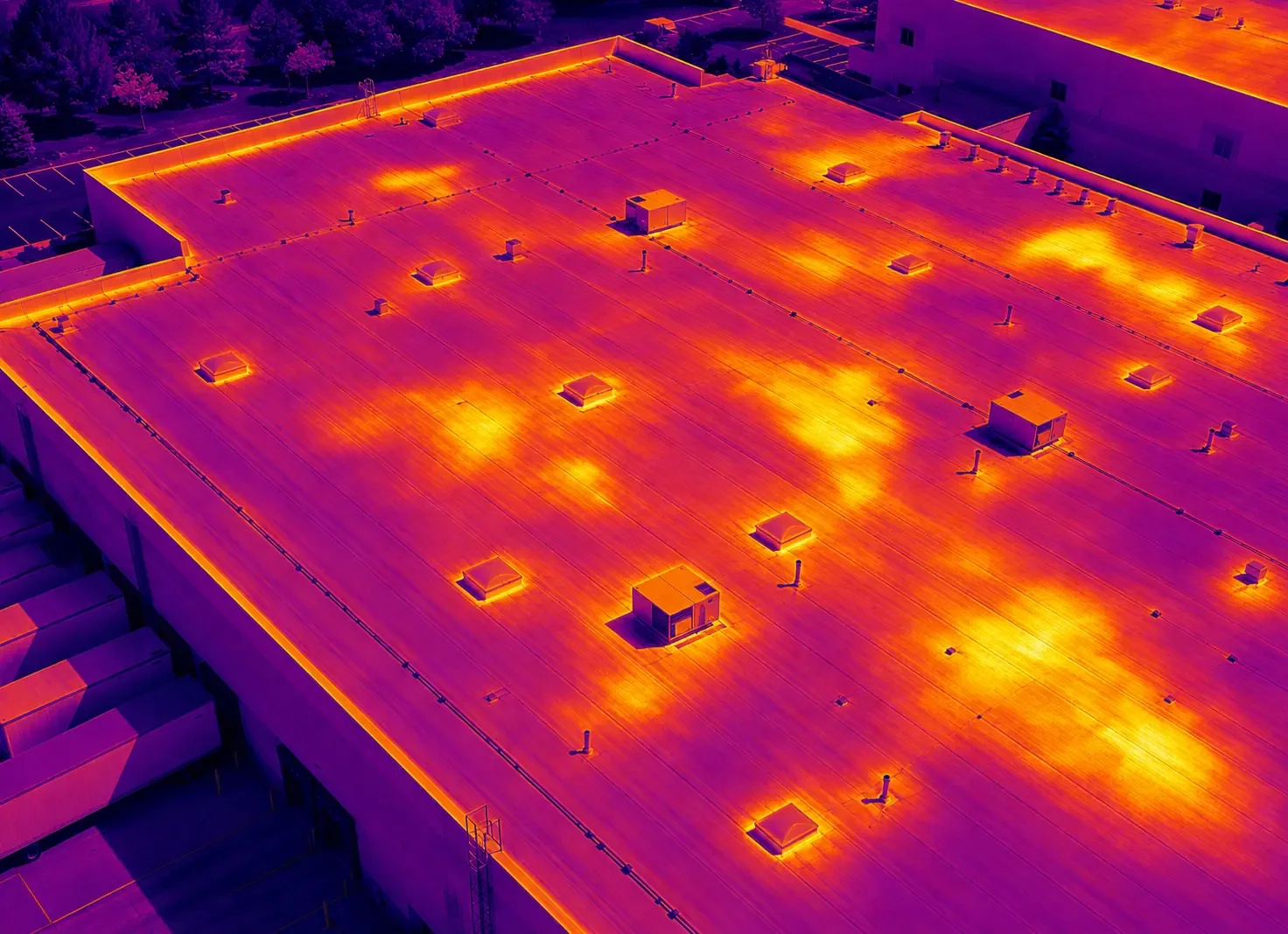
Water can travel below the covering into insulation or supporting layers outside the surface defect. An infrared and direct moisture investigation can help establish that distribution when conditions support the method. Confirmed wet material may need removal and reconstruction to restore support and thermal performance. The scope explains how the boundary was examined rather than equating the size of the interior stain with the amount of roofing requiring work.
Deck damage or disturbed fastening can also extend the work beyond the top sheet. We distinguish those findings from membrane repair and identify any structural or mechanical input needed. A repair connection must reach suitable retained material, which may require removal of earlier patches or unstable layers. That construction explanation helps an owner understand why a visually small opening can involve several different work items without relying on unsupported quantities or a generalized replacement recommendation.
What belongs in the construction comparison?
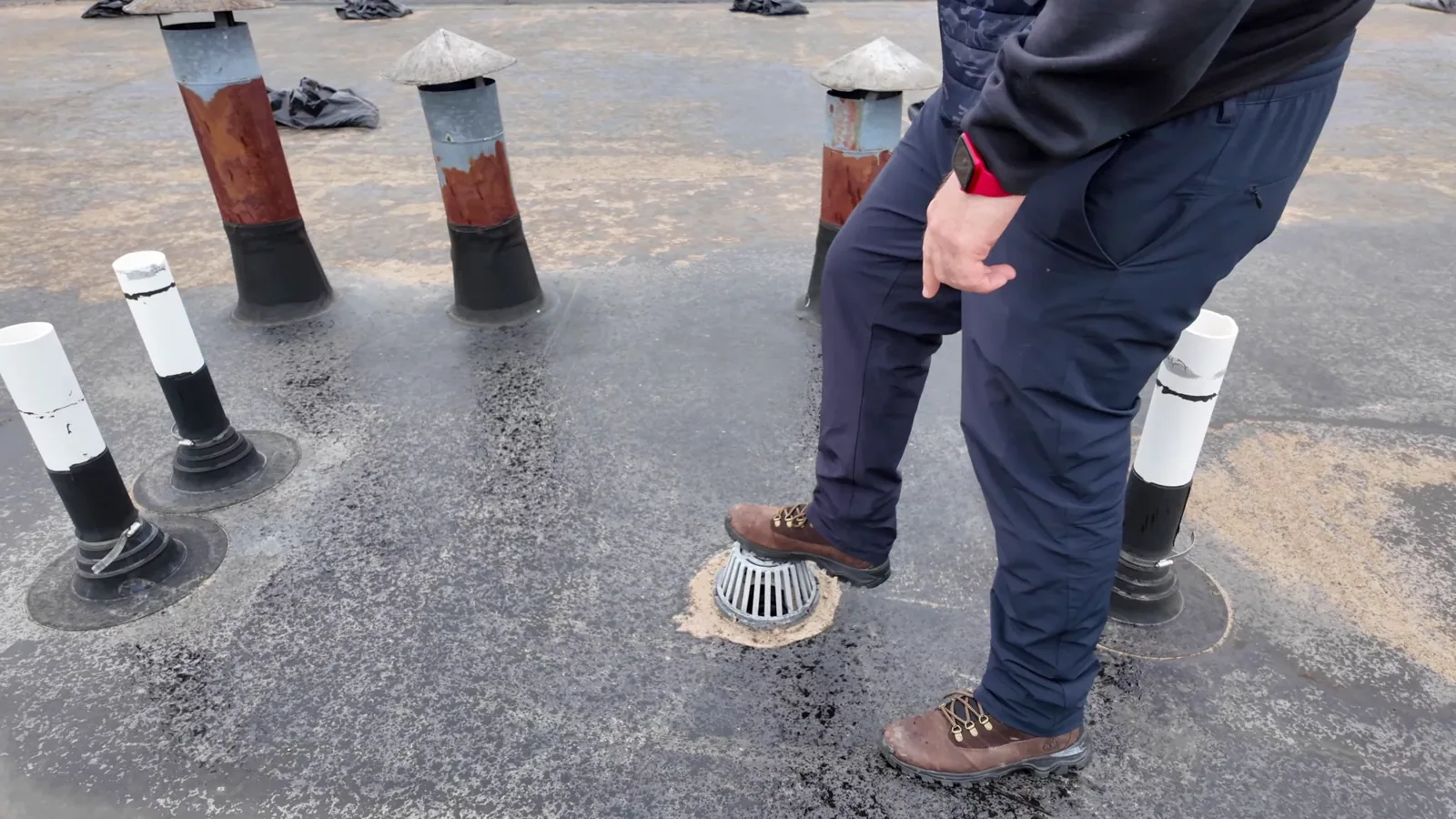
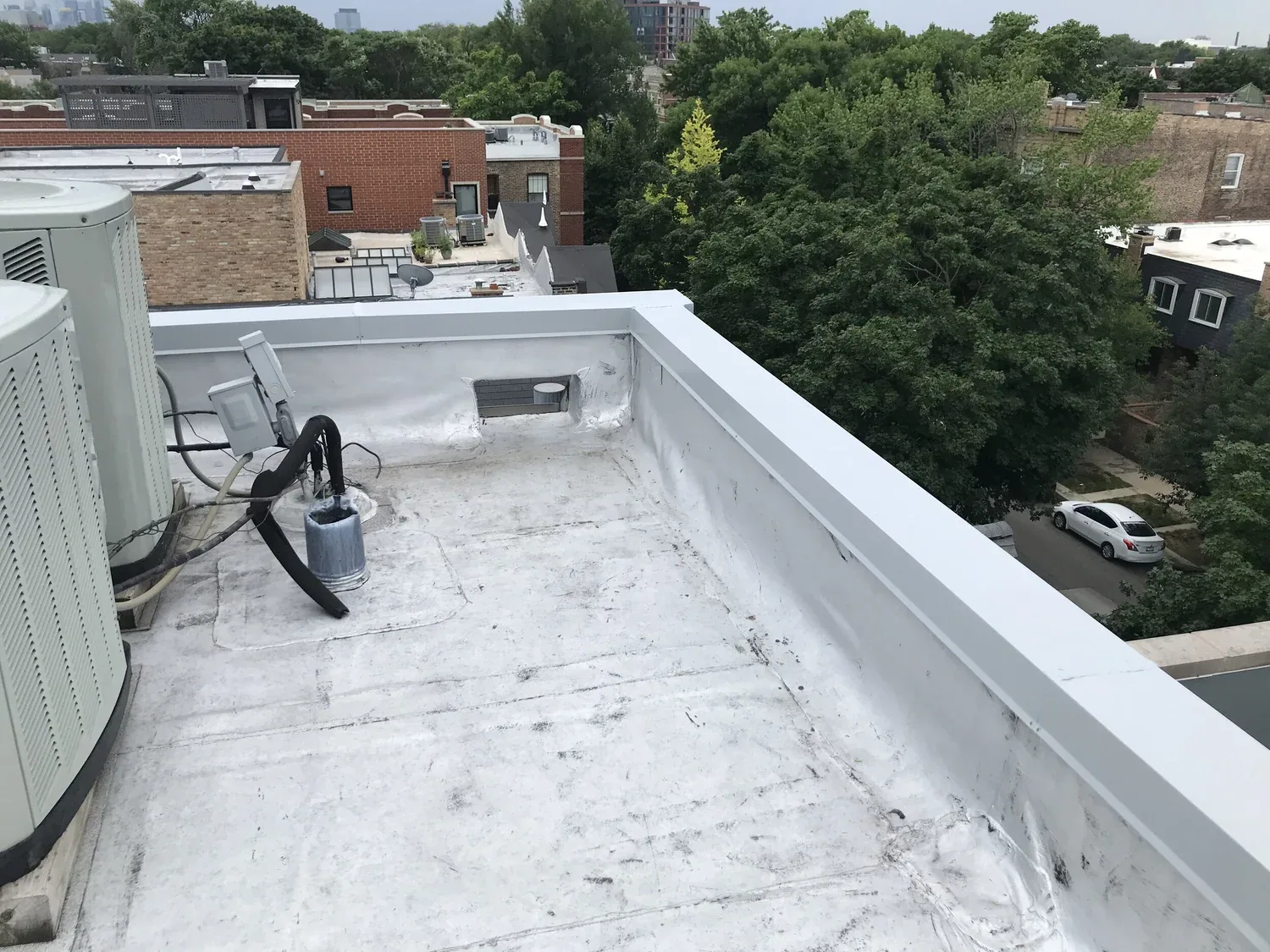
A useful repair scope separates removal, substrate correction, insulation reconstruction, covering installation and detail work. At an edge, metal and gutter reconstruction may be necessary in addition to membrane repair. At equipment, lifting or service coordination may be needed to reach the failed flashing. We explain these connections so the work can be considered as an assembly rather than a list that omits the access or preparation necessary to install it.
For hail-related material injuries, the proposed method follows the actual covering and support condition. For wind damage, attachment and perimeter reconstruction may be the deciding construction issues. We compare contained repair with sectional or wider replacement where the findings justify that consideration. The scope identifies which option corrects the observed mechanism and which retained components would remain, allowing the owner to understand the physical work independently of the eventual coverage decision.
We also identify temporary materials that must be removed before the permanent system can receive a compatible connection.
How do site meetings and occupied operations affect the work?
Roof access for an insurer's representative or other project participants needs coordination with the property manager and safe conditions. We can explain observed defects, review the repair scope and provide photographs or additional construction findings from accessible areas. Coverage, settlement and policy interpretation remain with the insurer and the applicable claim process. Our role is to clarify the roof condition and the work required, including any further examination that could change the construction scope.
At Valley Ranch occupied commercial properties, interior access and equipment service may need separate scheduling from roof examination. We identify those requirements before removal or detail reconstruction affects operations. Written roof findings can distinguish emergency protection, permanent repair and unrelated maintenance needs. Cost drivers include the extent of wet-material removal, attachment correction, detail complexity and access, with the scope kept current as concealed conditions are examined.
The owner should also retain the roof-related communications and available maintenance information that explain when damage and water entry were observed. We relate our findings to the construction work without replacing the owner's claim responsibilities. If the proposed repair changes after opening the roof, the new finding and its effect on materials, access or removal limits are described before the additional work proceeds.
Commercial Roofing Questions
Can you tell us whether the insurer will cover replacement?
Coverage and settlement are determined through the policy and insurer's process. We assess whether replacement is a suitable construction response to the roof findings and explain why repair may or may not be practical. That assessment can support the claim discussion, but it does not promise a coverage outcome. We keep the condition evidence and proposed work clear so the owner can use them in the appropriate review.
Will emergency protection be documented separately from the permanent work?
Temporary measures and permanent reconstruction serve different purposes. We describe the accessible damage, the water control performed and the remaining assembly questions. Follow-up findings can identify wet insulation or disturbed attachment that was not visible during stabilization. Keeping those activities separate helps explain the sequence and avoids treating a temporary dry-in as a completed permanent repair.
What happens if removal exposes more damage than the initial assessment?
The concealed finding is documented with its roof location and construction consequence. We explain whether it changes substrate repair, insulation removal or the connection to retained roofing before expanding the work. An initial visual assessment may leave those layers unexamined, so the revised scope should show what became visible and why the original repair boundary needs adjustment.
Can you attend a roof review with our insurer's representative?
We can coordinate a site review under suitable access and weather conditions to explain the observed roof defects and proposed construction. The meeting can address repair methods, material compatibility and areas needing further investigation. We provide roofing information while the coverage discussion remains within the claim process. Unsafe or concealed areas may require another examination method rather than a conclusion from the meeting alone.
Ready to review the roof scope?
Request a Roof Assessment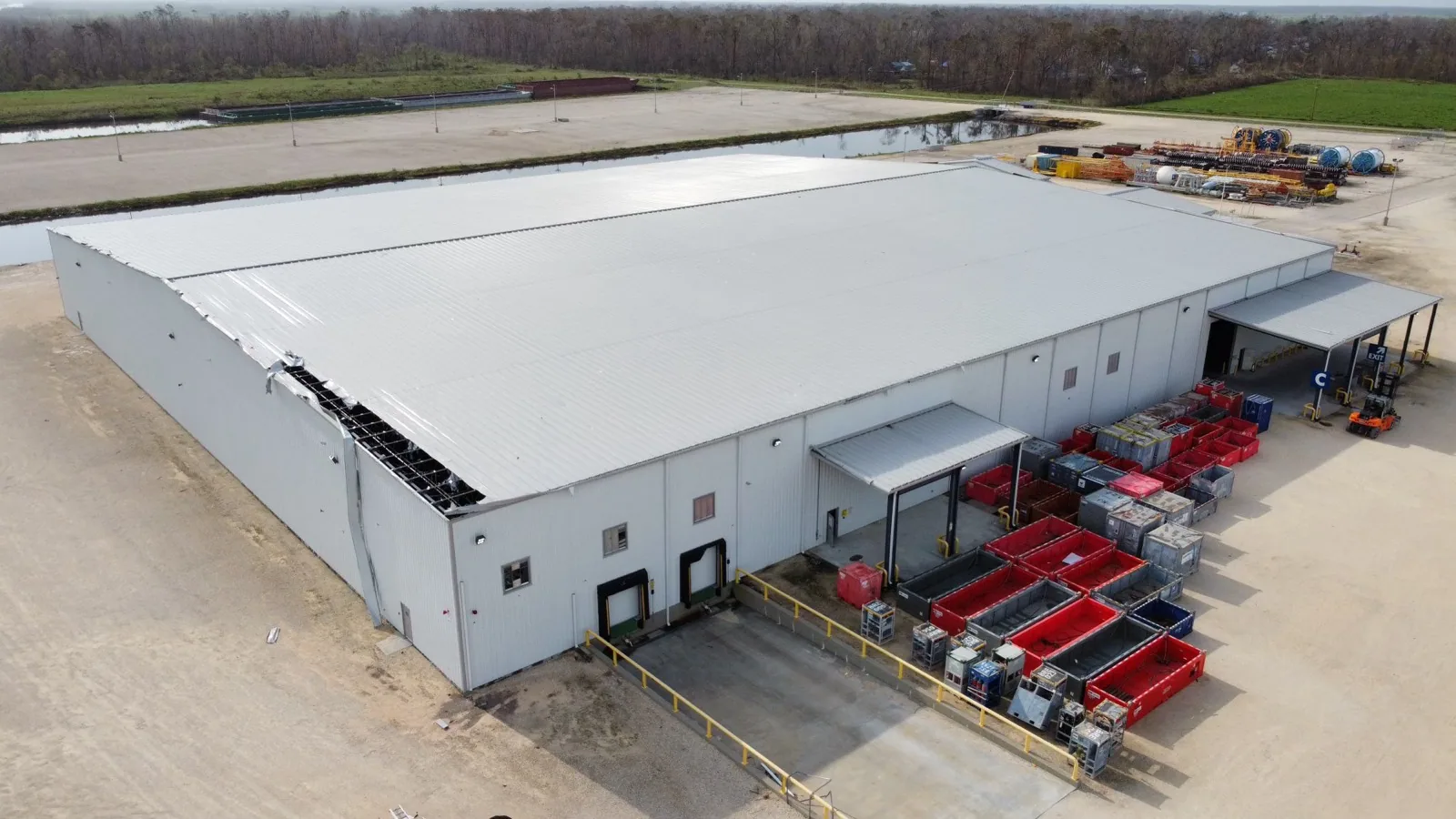
Commercial Roof Edge Metal, Coping and Gutters
See scope, options and what to expect on the roof.