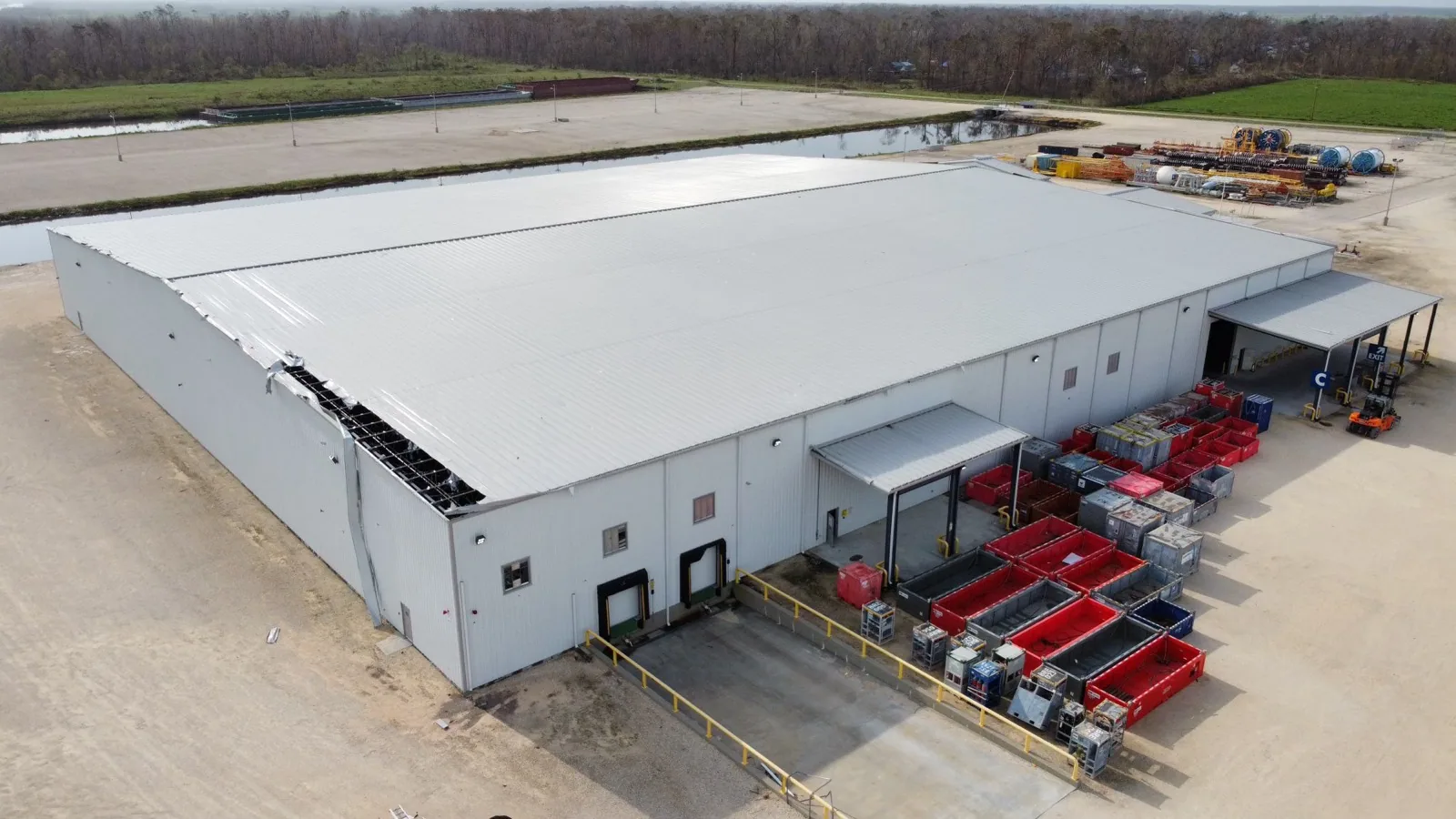
Impact and uplift can leave different injuries on the same roof, with hail damaging the covering while wind disturbs the connections that hold it in place. Storm damage repair in Irving, TX, needs to distinguish those mechanisms before deciding how far reconstruction should extend. Commercial Roofing Irving examines the visible damage and its supporting layers, then separates urgent protection from the permanent work needed for the assembly.
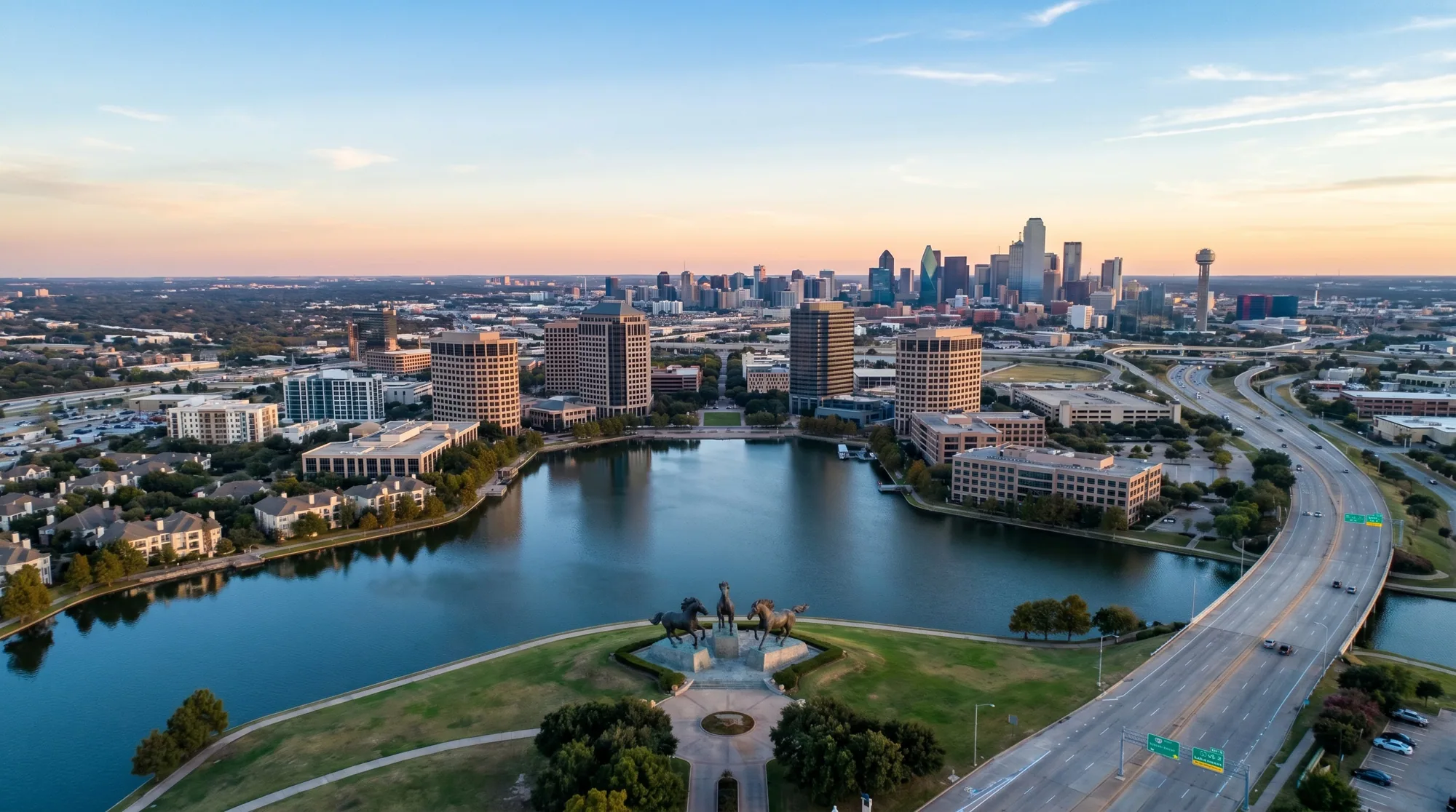
The Metroplex experiences hail, damaging wind and tornadoes, but a regional event does not establish the condition at an individual building. We assess the actual exposure and observed changes, including roof edges, equipment and runoff paths. Las Colinas commercial properties and offices in Irving's corporate building stock require attention to occupied areas below, so the assessment also identifies water entry and any conditions that need immediate isolation.
Which damage needs protection before examination continues?
An open covering, displaced metal or active leak can require protection before a complete investigation is practical. Safe access depends on weather, roof stability and loose components around the damaged area. We evaluate those conditions and provide emergency roof protection at any hour when a response is needed. Temporary work must connect to suitable support and direct runoff away from the exposure rather than relying on the damaged component to hold it.
Inside the building, water near electrical systems or unstable ceiling material needs attention from the appropriate personnel. We coordinate the roof response with the manager's interior protection and keep the temporary measures distinct from permanent reconstruction. A dry-in may reduce new entry while wet insulation or interior finishes continue releasing water. Those retained effects are assessed during follow-up instead of assuming the assembly became dry as soon as the opening was covered.
How do we assess hail injuries across different materials?
A membrane can puncture, split or suffer damage at an impact without every surface mark representing the same injury. We compare the covering, its support and the observed pattern during hail damage examination. Material condition before the event can influence its response, including brittleness or deteriorated seams. Direct inspection helps distinguish an open defect from a superficial mark and identifies areas where further examination of underlying layers is needed.
Metal can show dents while remaining closed to water, or an impact can affect a seam, coating or penetration in a way that needs correction. We examine those details separately from the appearance of the panel field. Damage at a rigid curb or skylight connection can also differ from impact in a supported membrane area. The repair method follows the specific injury, with compatible materials and suitable preparation selected for the roof that is actually present.
Where has the attachment path been interrupted?
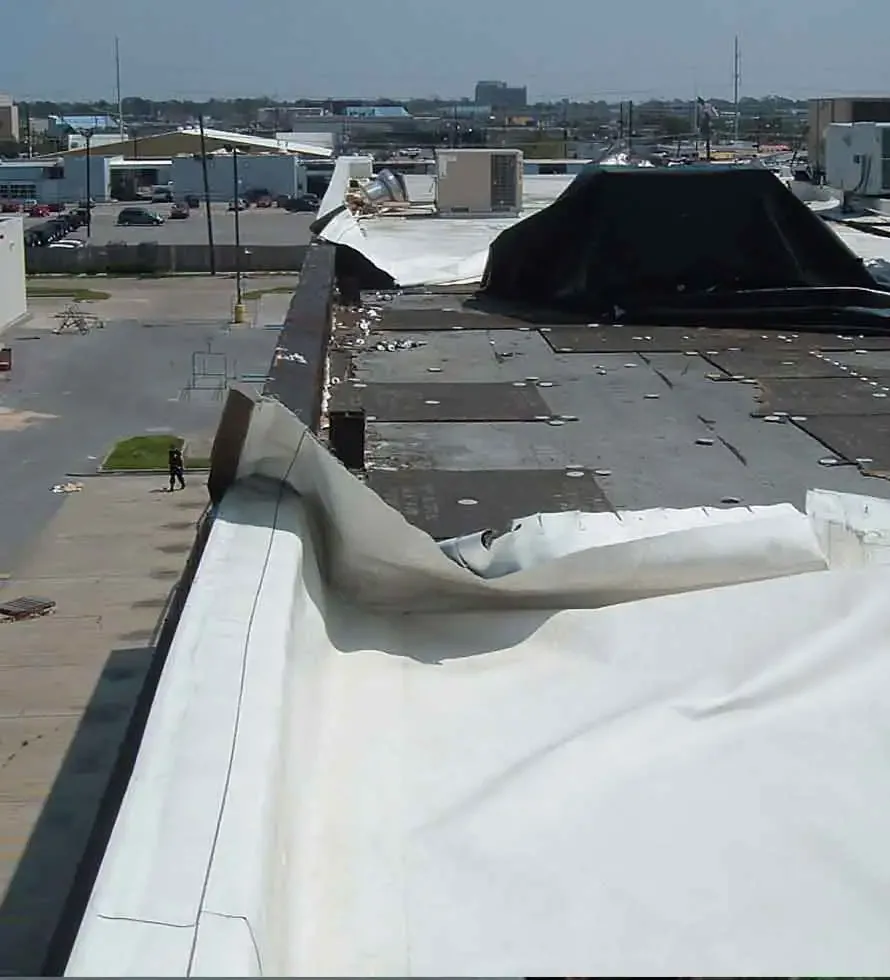
Wind loading transfers through membrane, fastening, perimeter components and the roof deck. A displaced section may expose a weakness beyond the visible opening, so we examine the retained connections before choosing a repair boundary. Wind damage reconstruction can require rebuilding edge details, replacing disturbed fastening or removing material that no longer provides dependable attachment. Adding a surface patch alone does not restore that load path.
Loose coping, gutter sections and equipment-related components can also damage adjacent roofing as they move. We consider their support and connection to the building, with structural or mechanical input where the damage reaches beyond the roof covering. The examination identifies which components can remain and which must be rebuilt. A repair should reconnect to stable materials outside the disturbed area rather than treating the first visually intact edge as a dependable attachment boundary.
How far did rain enter after the damage?
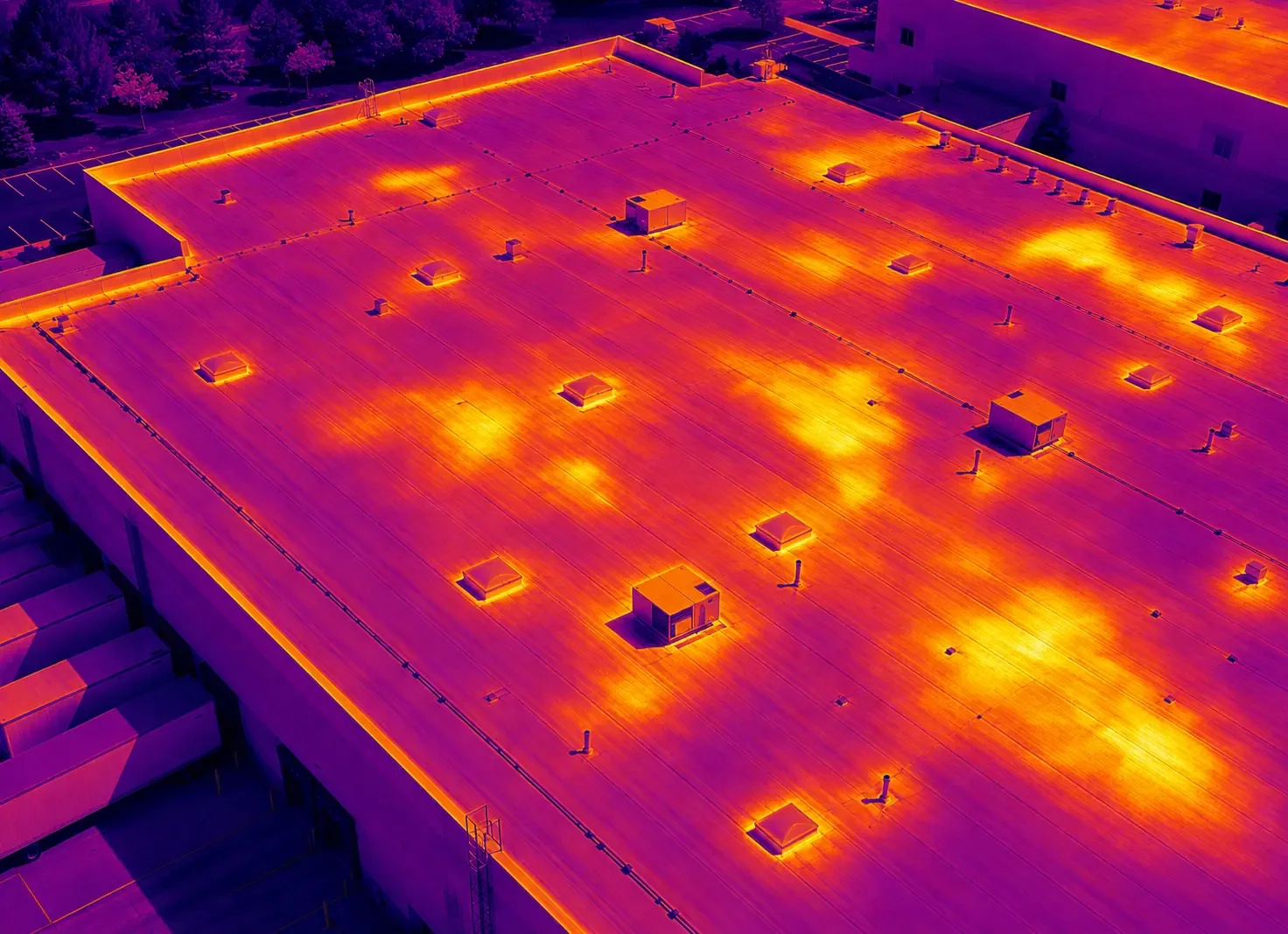
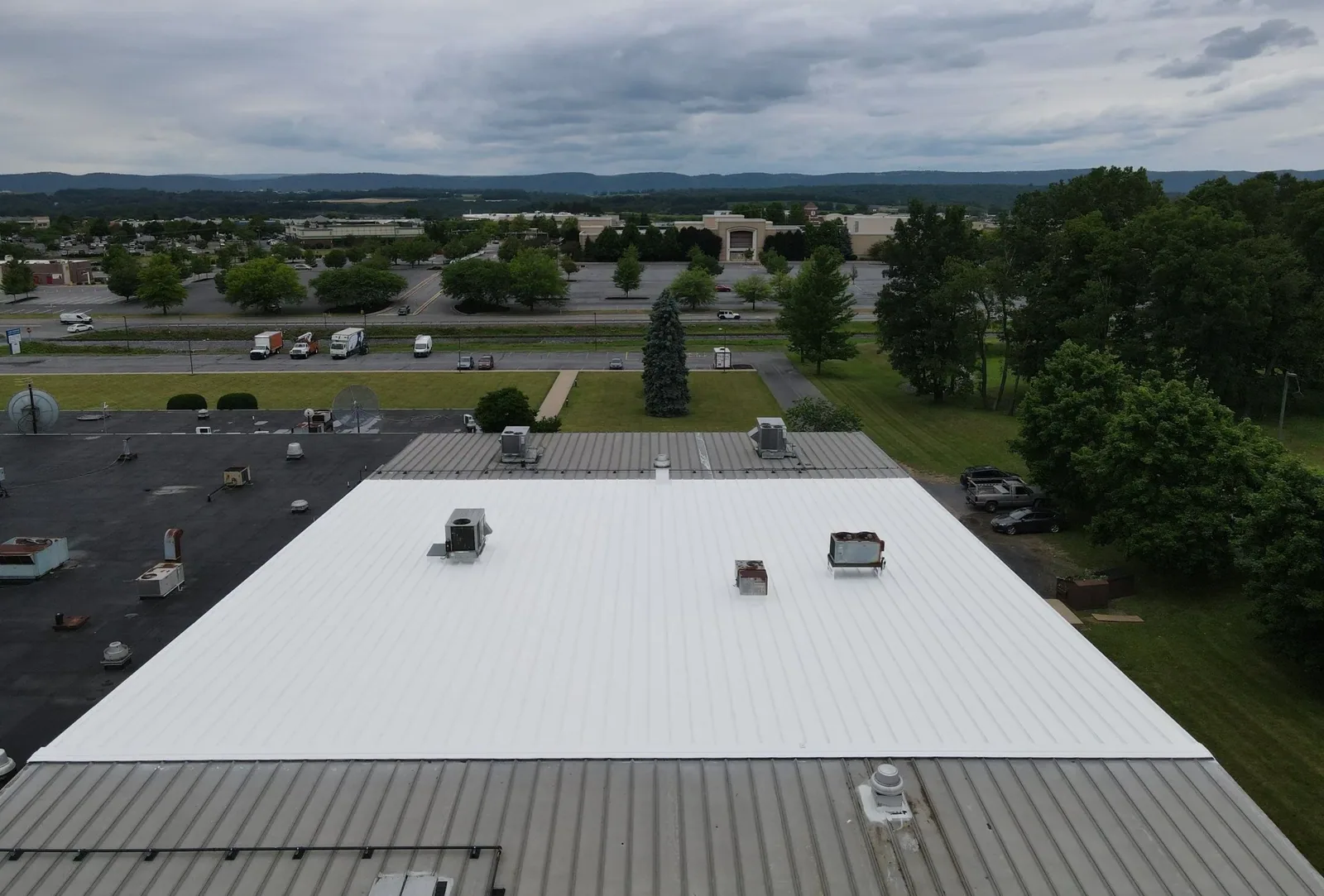
Rain entering through a storm opening can spread beneath the covering before interior evidence appears. We compare leak locations, roof slope and layer construction to choose direct checks. An infrared moisture investigation may help locate suspect areas under suitable conditions, followed by confirmation of the materials. The wet-material boundary can extend beyond the impact or lifted section, which affects removal and reconstruction even when the surface repair looks small.
Debris at drains or scuppers can increase water exposure during the same event. We examine those runoff paths and distinguish clearing an obstruction from repairing a damaged outlet connection. Where retained water reaches a compromised detail, drainage correction may belong in the permanent scope. Damaged insulation is replaced with suitable layers that restore support and elevations, so the repaired covering does not conceal a depression or an unstable substrate left by the original wetting.
How do we compare repair with wider replacement?
A localized storm injury can be repaired where the surrounding assembly remains suitable for bonding and attachment. Widespread disruption, wet insulation or damaged substrate can change the comparison toward sectional or broader replacement. We explain the finding that expands the scope, including whether it concerns the covering, underlying materials or supporting connections. Located condition findings and photographs preserve those distinctions for the owner's repair and budgeting decisions.
For Las Colinas occupied buildings, the construction plan accounts for entrance routes, equipment access and tenant operations affected by removal. Permanent work is scheduled for appropriate preparation and weather conditions rather than simply repeating the temporary response. Cost depends on material damage, wet-layer removal, access and the detail reconstruction needed to restore continuity. We identify those drivers so the scope can be compared with other work required on the retained roof.
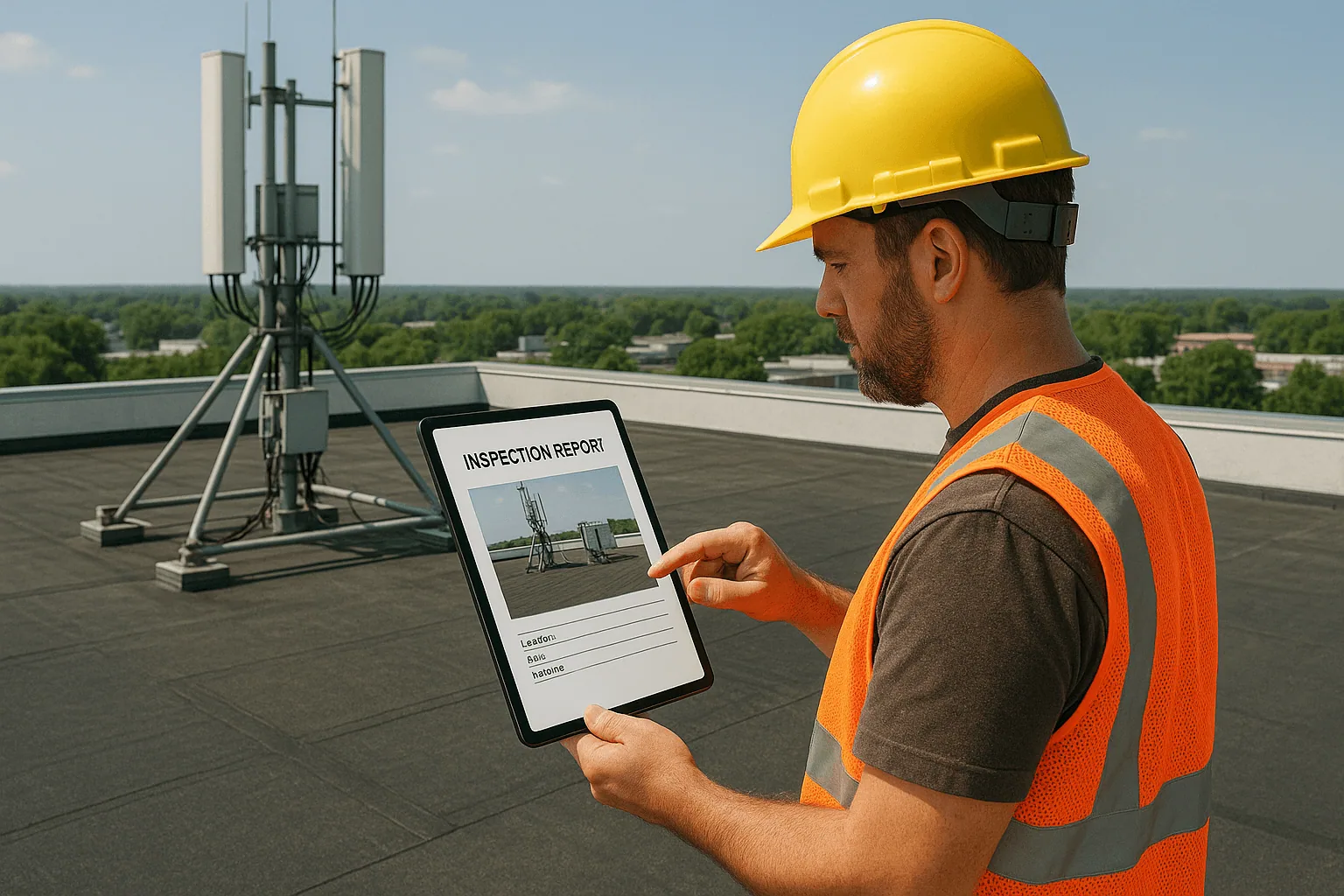
We can also supply damage and repair information for insurance coordination, while coverage and claim decisions remain with the insurer and policy process. The useful construction record distinguishes observed storm injuries, earlier conditions encountered during examination and the work proposed to correct each item. That separation supports a clear discussion of the roof without overstating what the event evidence establishes.
At commercial properties along the North Irving Belt Line corridor, retail circulation also influences debris handling and staging. We establish those routes before removal so displaced roof material can be contained without blocking the daily entrance path.
Commercial Roofing Questions
Should every roof mark after hail be treated as damage?
Material response needs direct examination. Some marks may be superficial, while others reveal fractures, punctures or damage at a connection. We compare the pattern with the covering and support beneath it, then identify the repair or investigation needed. The decision follows the injury and its effect on the roof rather than the presence of a visible mark alone.
Can a lifted section be reattached without removing nearby roofing?
The retained connection and substrate condition control that possibility. We examine whether the membrane, fastening and supporting layers remain suitable for reconstruction. Disturbed attachment can extend beyond the visibly lifted section, so the work may need to reach further to establish a stable boundary. Reusing damaged material without that assessment can preserve the same weak connection beneath the repair.
Will you separate older defects from storm-related findings?
We describe the observed conditions and distinguish their apparent mechanisms where the evidence supports that distinction. Earlier patches, wear and concealed deterioration may become visible during the storm assessment without having been created by the event. Photos and located findings help preserve those differences. Where timing or cause remains uncertain, we explain the additional examination needed instead of assigning it without support.
What changes if the roof was already being considered for replacement?
The existing capital plan can be compared with the new damage and protection needs. Immediate water control may still be necessary while the replacement scope is evaluated. We assess which storm repairs are useful to maintain service and which work would be superseded by removal. That comparison considers the actual assembly condition and schedule, rather than assuming an earlier replacement discussion makes every storm repair unnecessary.
Ready to review the roof scope?
Request a Roof Assessment