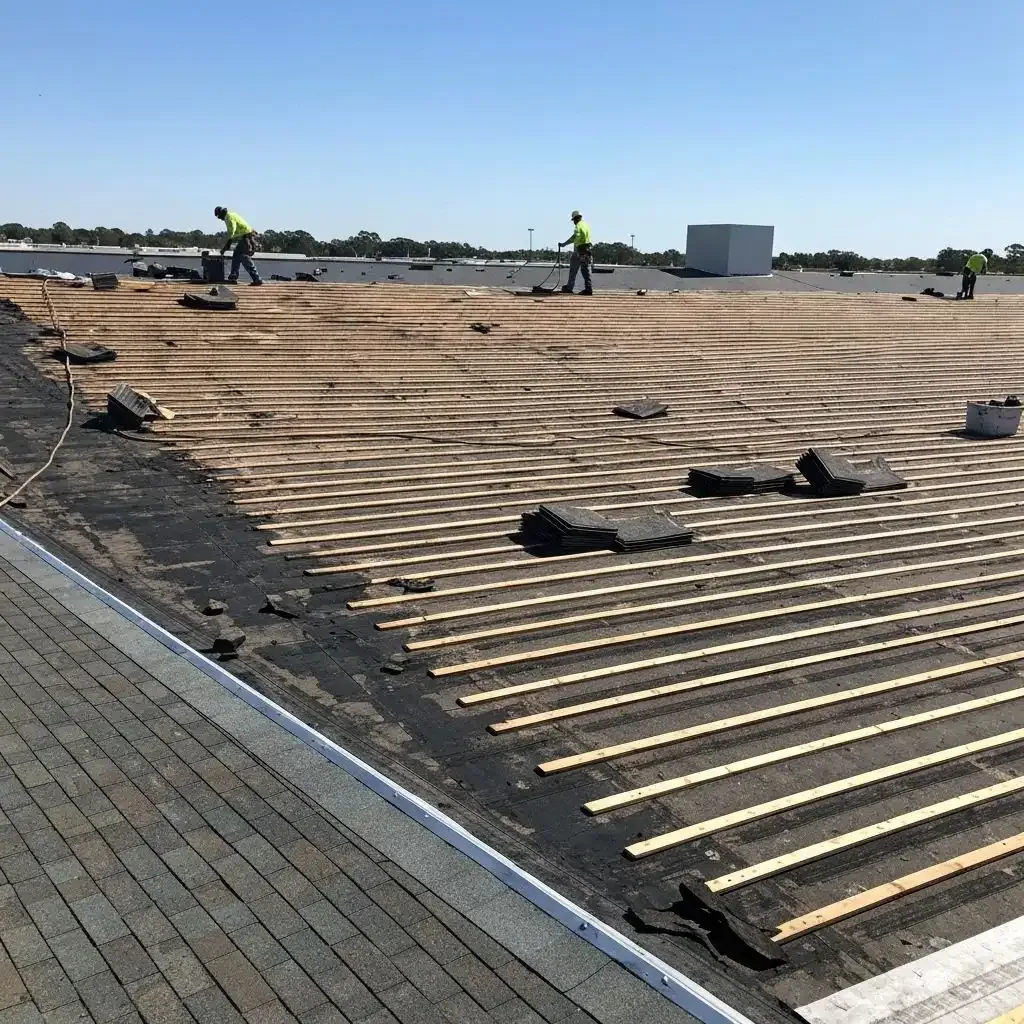
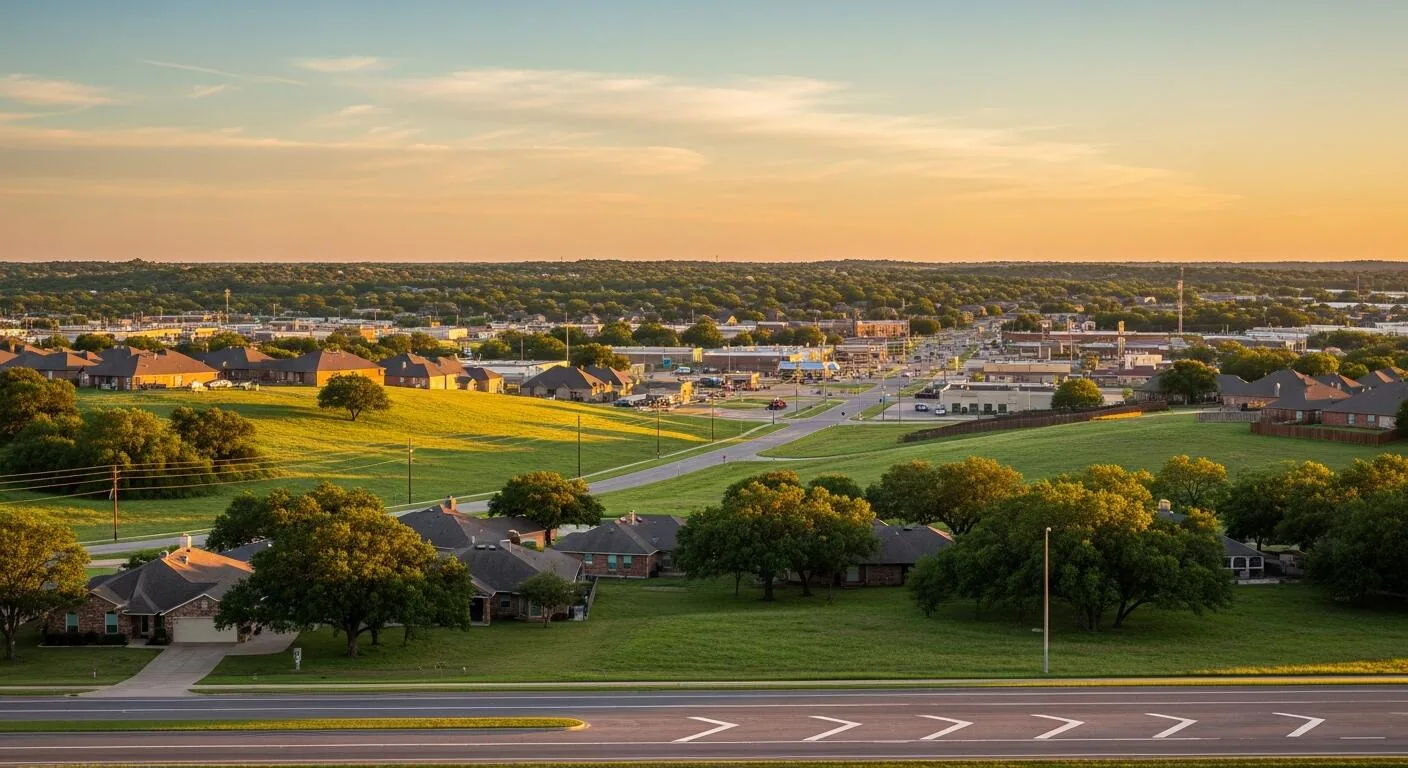
US 67 runs beside Cedar Hill’s industrial district, where manufacturing, flex and integrated warehouse-office development are part of the planned commercial setting. That mix makes roof access and building operation central to the first decision. We identify the actual assembly, examine seams and transitions, and map the affected area before setting a repair boundary. The district’s intended uses do not tell us what any particular property has overhead, so the roof itself supplies the evidence.
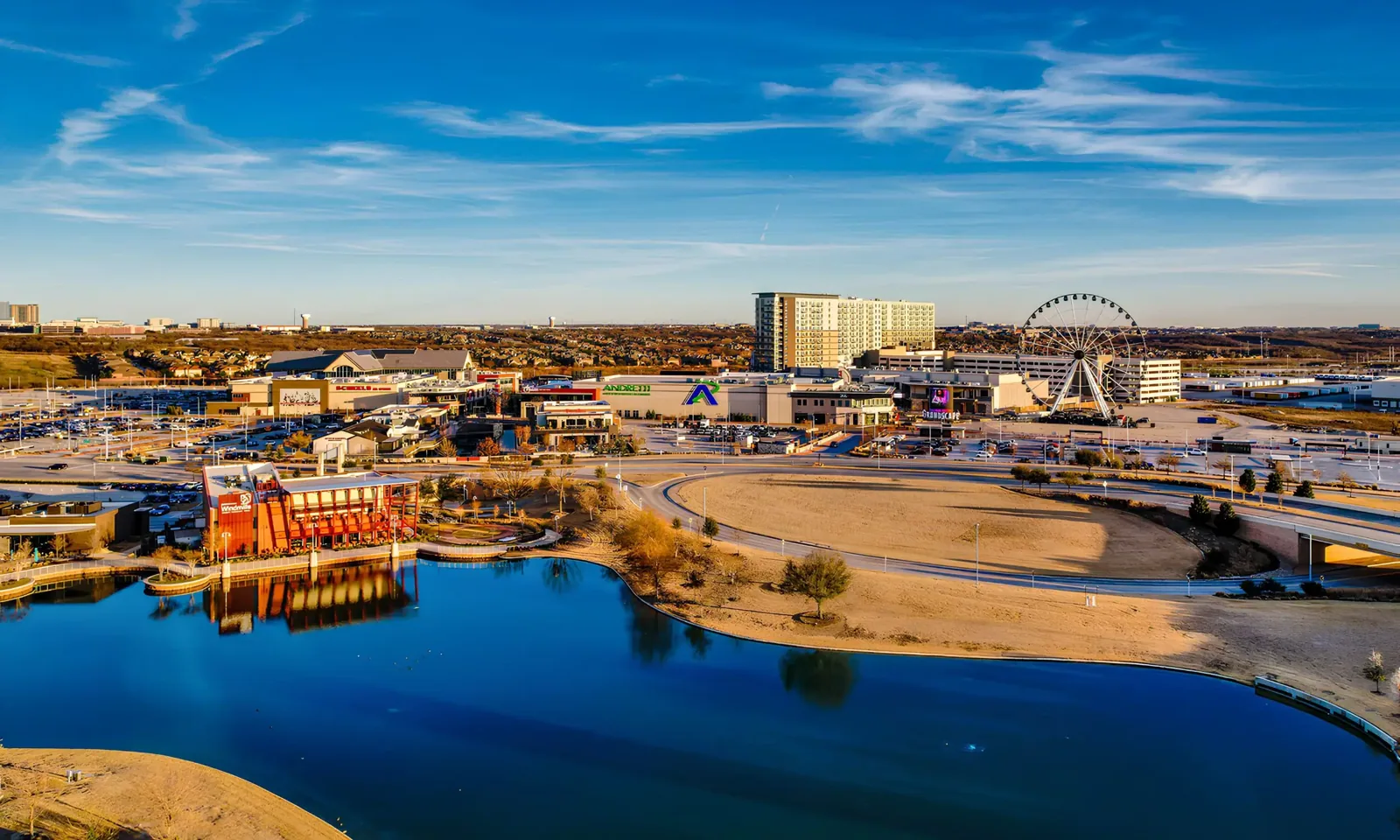
For a distribution-oriented building, equipment, loading activity and interior use can shape staging. A flex property may combine work areas with offices that need separate protection. Our commercial roof inspection records the visible condition and separates a localized defect from signs that moisture or attachment loss extends farther into the assembly.
What changes across the industrial district?
The industrial area follows US 67, and BNSF rail plus interstate connections support distribution. Those connections speak to how goods move through the area, not to the construction of a specific roof. On a property walk, we map rooftop equipment, loading doors, production zones and office portions so the repair sequence works with actual activity. We also confirm how material reaches the roof and whether a work zone can be closed while a seam or curb is rebuilt.
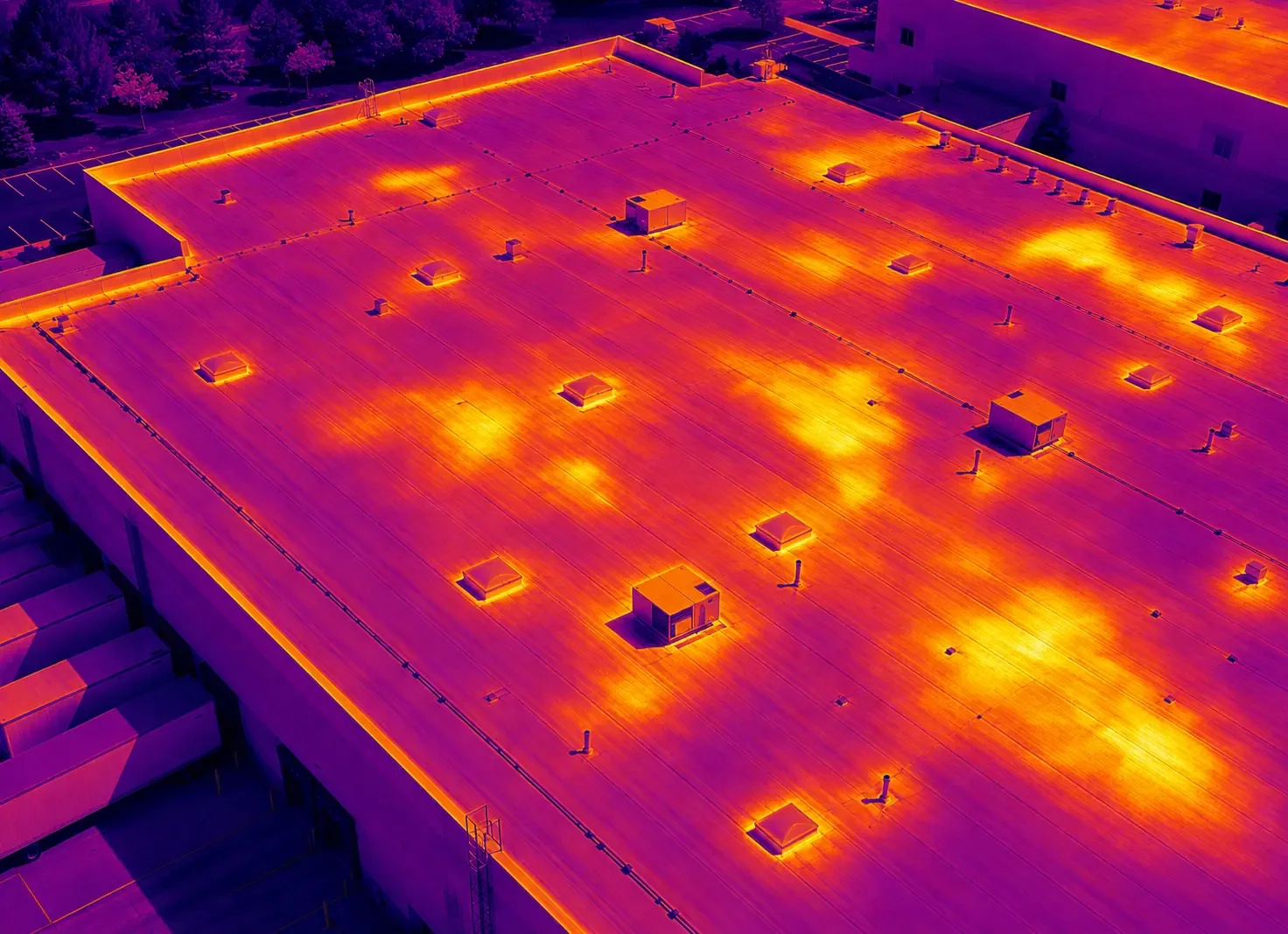
Warehouse-office construction can place unlike interior uses under one roof plane. Water near a production bay may have a different consequence from moisture over a records room or tenant suite. We tie each reported symptom to its roof location and inspect the likely water path. A moisture survey can help distinguish a local wet area from a broader pattern, while a small selective opening can confirm layers and substrate where the surface alone is inconclusive.
How do hot days affect seams and transitions?
Across the Dallas-Fort Worth area, humid subtropical weather brings hot summer conditions and wetter intervals in spring and autumn. An exposed sheet can heat ahead of the deck beneath it, cycling movement through seams and rigid transitions. The repeated movement tests laps, fasteners, metal edges and rigid equipment curbs. We examine whether each connection can move while holding its bond and attachment, rather than treating a loose edge as an isolated cosmetic issue.
Metroplex storm reports include hail and damaging wind. At a Cedar Hill property, we inspect the field for punctures, the seam line for separation and the perimeter for movement, then record where those conditions stop. A contained finding can support localized work; a wider pattern changes the repair comparison. If the repairable area remains bounded and surrounding material has compatible surface response, a seam repair may fit. Wider moisture or weak attachment changes that comparison.
Which assembly can accept the proposed repair?
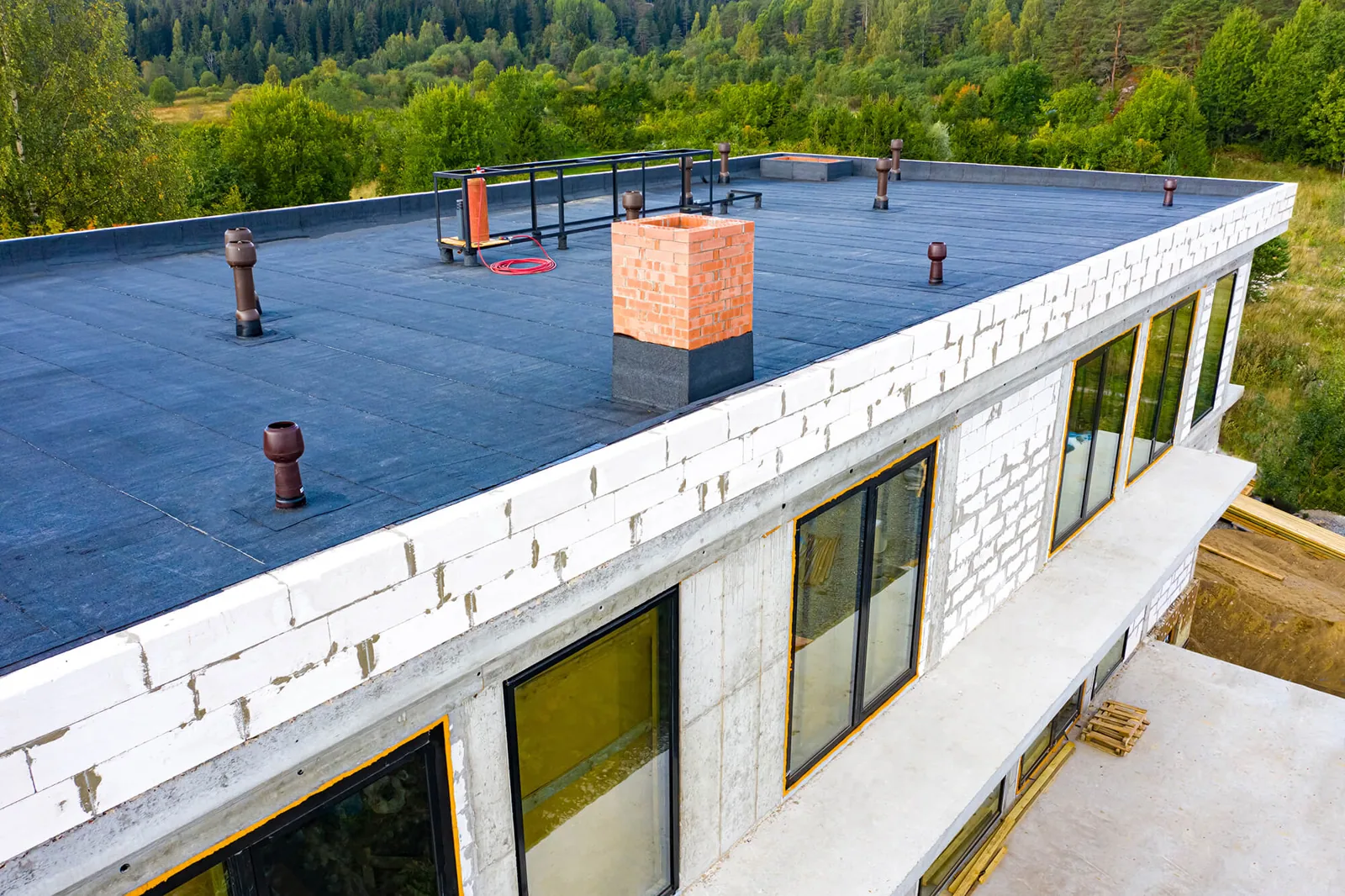
Before choosing material, we confirm whether the existing roof is a single-ply membrane, a layered bituminous system, a metal roof or another assembly. Different surfaces need different preparation and joining methods. A patch that does not bond to the existing membrane can fail at its edge, and a coating placed over wet or unstable material can conceal rather than resolve the underlying issue. We inspect previous work, check the perimeter around the defect and note any change in substrate condition.
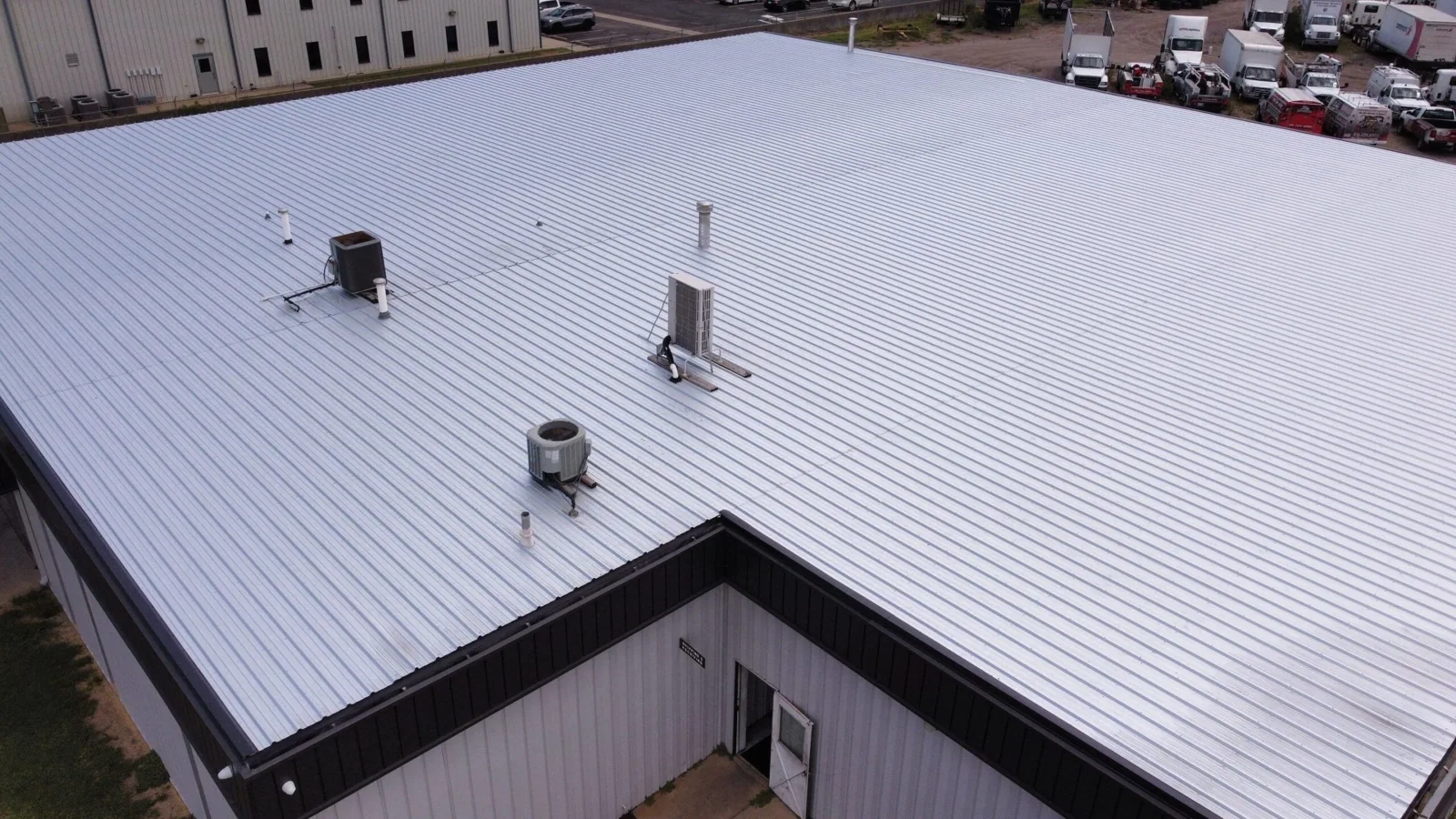
Metal buildings near an industrial district may be considered for retrofit, but the building type alone does not establish panel condition, slope or fastening. We check panel seams, penetrations, corrosion, clips and drainage before comparing repair with an overlay. For a confirmed metal roof, metal roof retrofit options can be weighed against the existing substrate and attachment. Any system choice remains tied to that property's verified layers and the demands of its use.
How can roof work avoid disrupting distribution?
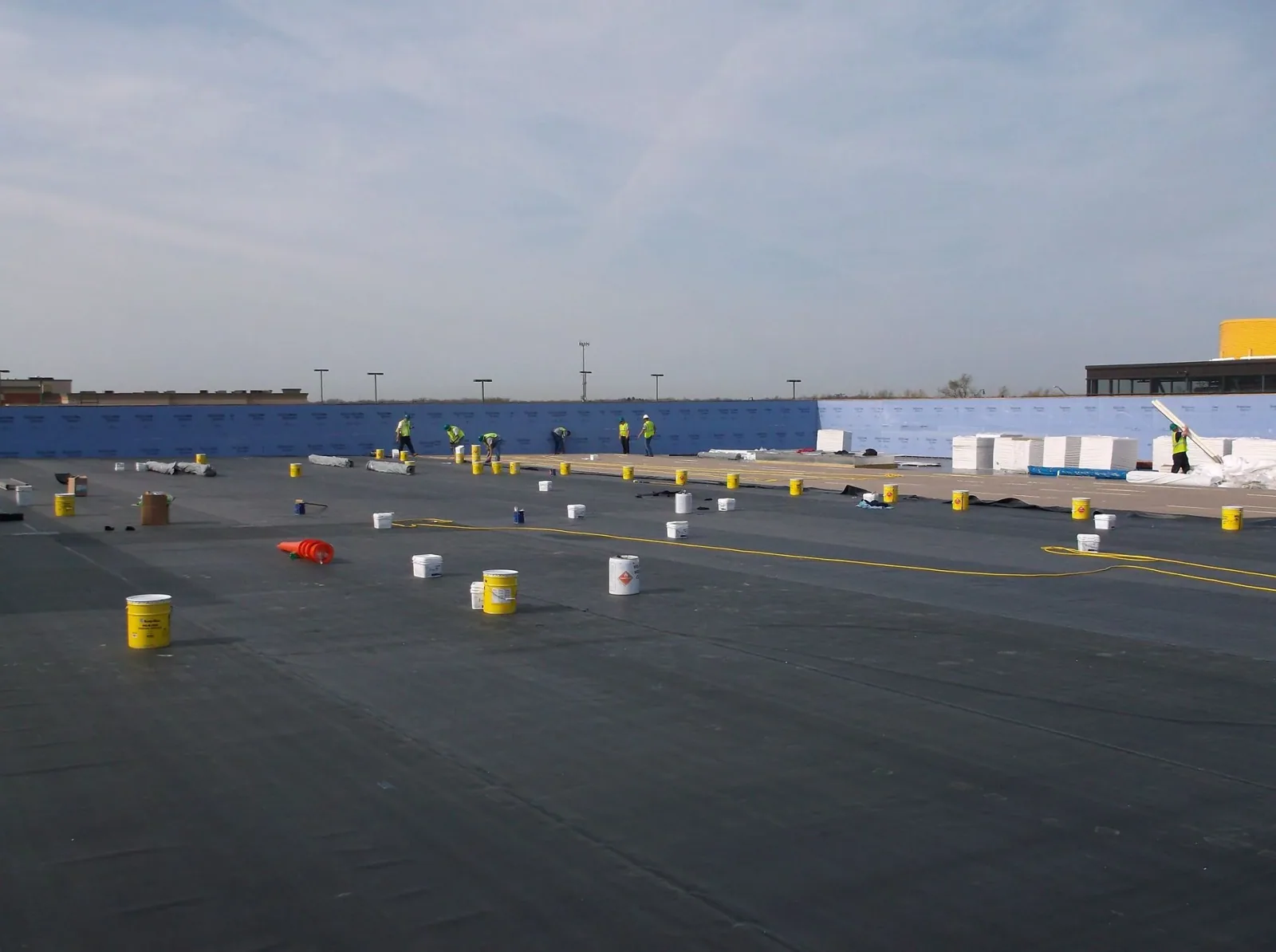
Distribution operations depend on predictable access, and roof work can affect loading, vehicle movement and interior protection. We set the work zone after confirming delivery windows, roof entry, crane or material staging needs and the location of sensitive operations. Sound material around a bounded failure can keep the repair local. If removal or recover work is needed, phased sections can limit the time a roof area remains open and keep debris away from occupied spaces.
We coordinate temporary water control, daily cleanup and closeout observations with the site contact. Emergency response is available every day and overnight, including holidays, when active water entry needs prompt attention. A visit still requires safe access and a clearly identified leak area. For a planned scope, the occupied-building reroof approach can align work periods with the actual operation, while roofing in DeSoto addresses another nearby city with different property facts.
When is a wider scope more practical?
A localized repair is useful when the defect has a clear perimeter and sound material remains around it. A recover may be possible if the existing layers, moisture condition, attachment and drainage permit another assembly. Replacement enters the comparison when wet insulation, repeated failures or weak attachment cannot be contained within a dependable repair footprint. We use selective openings or additional survey work when needed, then explain what is confirmed and what remains uncertain before recommending a direction.
Timing and cost move with roof layers, access, edge details, insulation, disposal, equipment conflicts and operating limits. A condition record helps a facilities manager separate urgent water control from deferred capital work. The roof condition report can preserve photos and repair locations for later comparison. It should state which observations came from the surface, which came from an interior check and which still need confirmation. That distinction prevents a moisture indication from being treated as an automatic removal order. We also identify any area that needs a temporary repair while longer-term funding or access is arranged. A clear record makes it possible to revisit the same detail after work and compare the assembly response without overstating what a single visit established. If another property in Farmers Branch is part of the same portfolio, each roof still needs its own inspection; neither the US 67 district nor an I-35 location proves what the other assembly contains.
Commercial Roofing Questions
Does the US 67 industrial district identify a roof type?
No. The district’s planned manufacturing, flex and warehouse-office uses describe development, not the assembly on one building. We inspect the surface, seams, edge metal, penetrations and attachment before choosing compatible repair materials.
Can a metal roof be coated instead of repaired?
We compare coating, retrofit and panel repair only after inspecting seams, corrosion, fasteners, substrate and drainage. Loose panels or entry at a penetration must be corrected before a restoration layer is considered; the existing metal has to hold the work that follows.
What does a moisture survey add to a roof walk?
A survey helps locate patterns that may not be visible at the surface, which can narrow where a selective opening should confirm the assembly. We combine those findings with seam, drain and interior observations before defining the repair footprint.
How do rail and interstate connections affect roofing work?
They are useful context for distribution activity, but they do not tell us a property's roof composition or access route. We confirm the actual delivery schedule, loading needs and staging area with the site contact before sequencing materials and work.
When should Cedar Hill owners compare repair with replacement?
Compare them when moisture, attachment loss or recurring failures extend beyond a stable patch boundary. We document the affected area, inspect substrate and drainage, then weigh repair, recover and removal against the roof's condition and the building's operating constraints.
Ready to review the roof scope?
Request a Roof Assessment