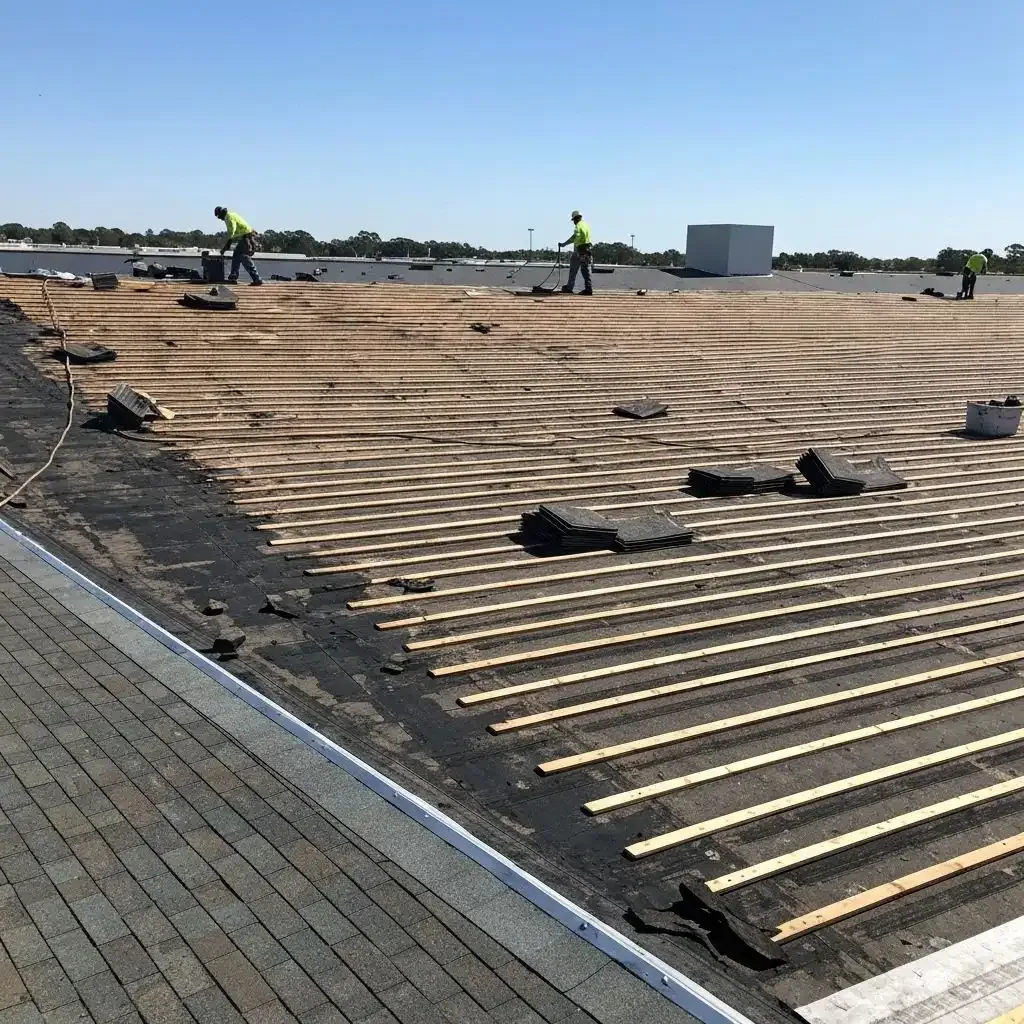
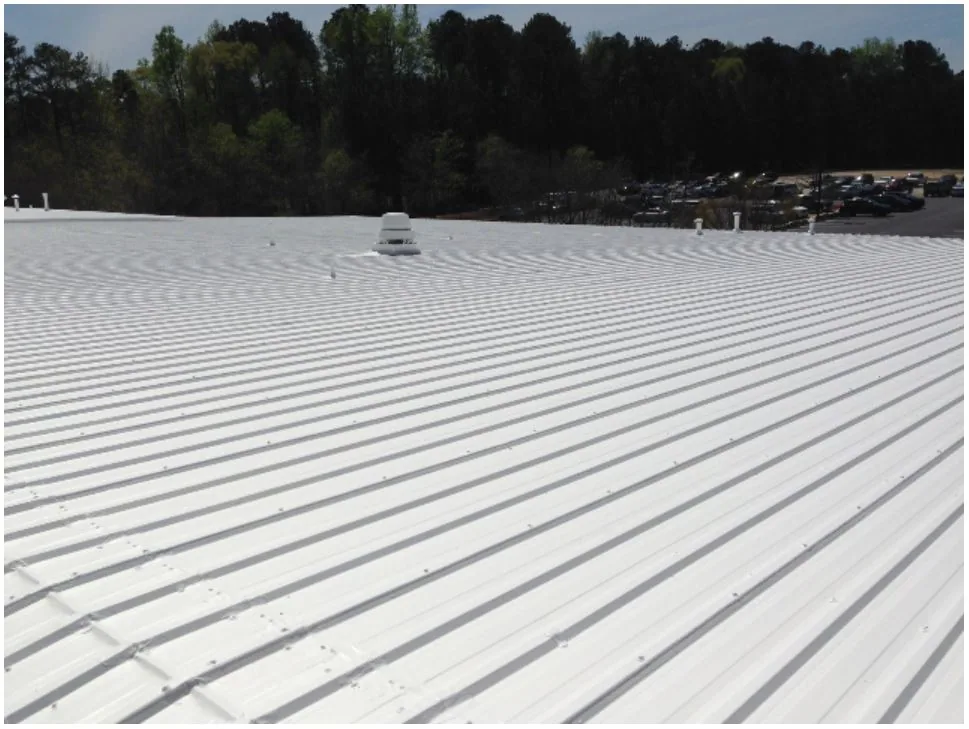
Hot Metroplex afternoons put a larger temperature difference between an exposed roof surface and the deck below it. On a commercial roof in DeSoto, that movement makes membrane seams, curb transitions and edge details worth checking before a repair boundary is set. The decision is not simply whether the top sheet looks worn. We identify the assembly, trace the water path and determine whether the materials around the damaged detail can still accept a compatible repair.
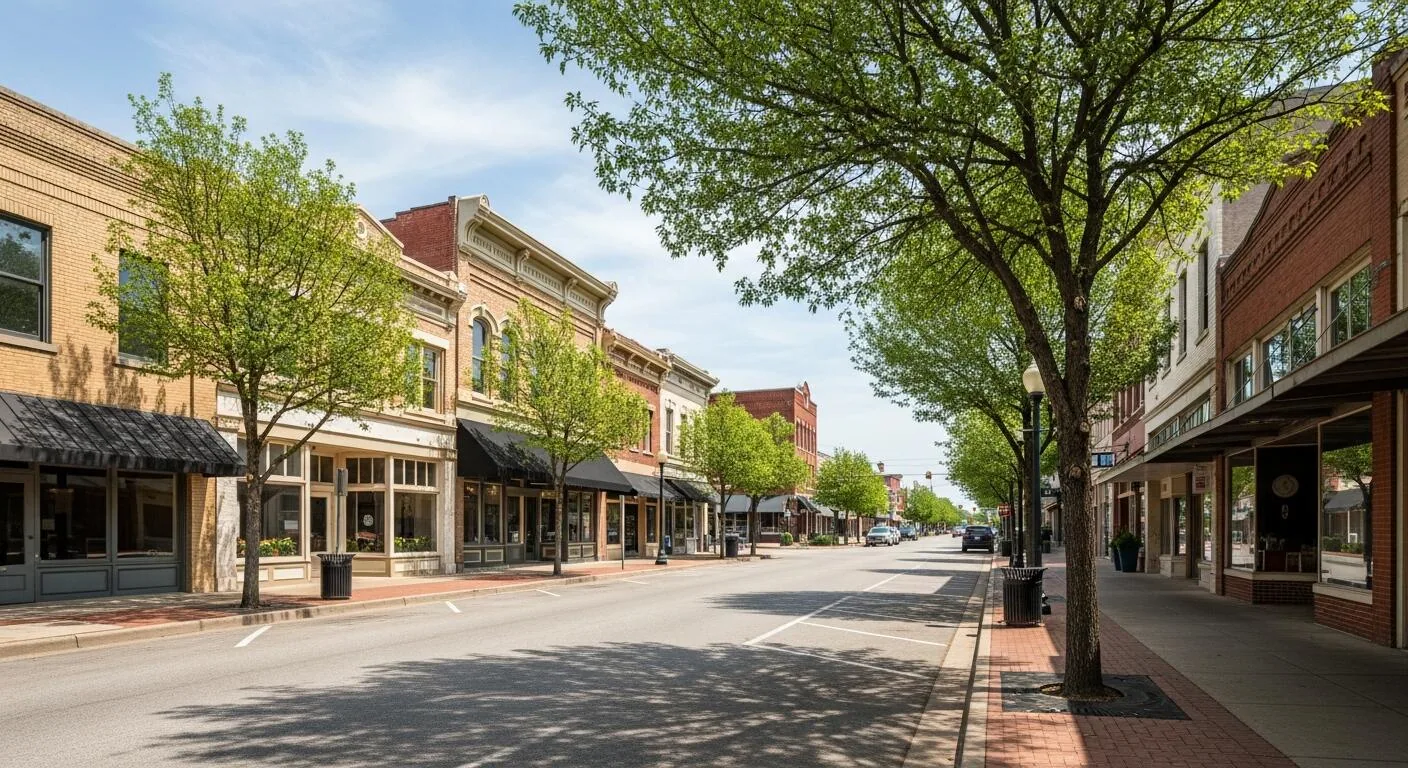
DeSoto has an established industrial complex, alongside apartment housing and commercial investment. Those uses create different access and scheduling needs, but they do not establish a roof type or condition. We begin with the actual building and can connect field observations to a written commercial roof inspection that separates an immediate leak response from broader deterioration.
Which building use changes the roof walk?
An industrial property asks for a different walk than an occupied apartment building. At a warehouse or production facility, we note loading areas, rooftop equipment, interior activity and the safest route to each roof section. At multifamily housing, the work plan must also account for residents, entries and the path from the roof to the reported interior symptom. DeSoto’s industrial and apartment settings make those questions practical, not assumptions about what is installed overhead.
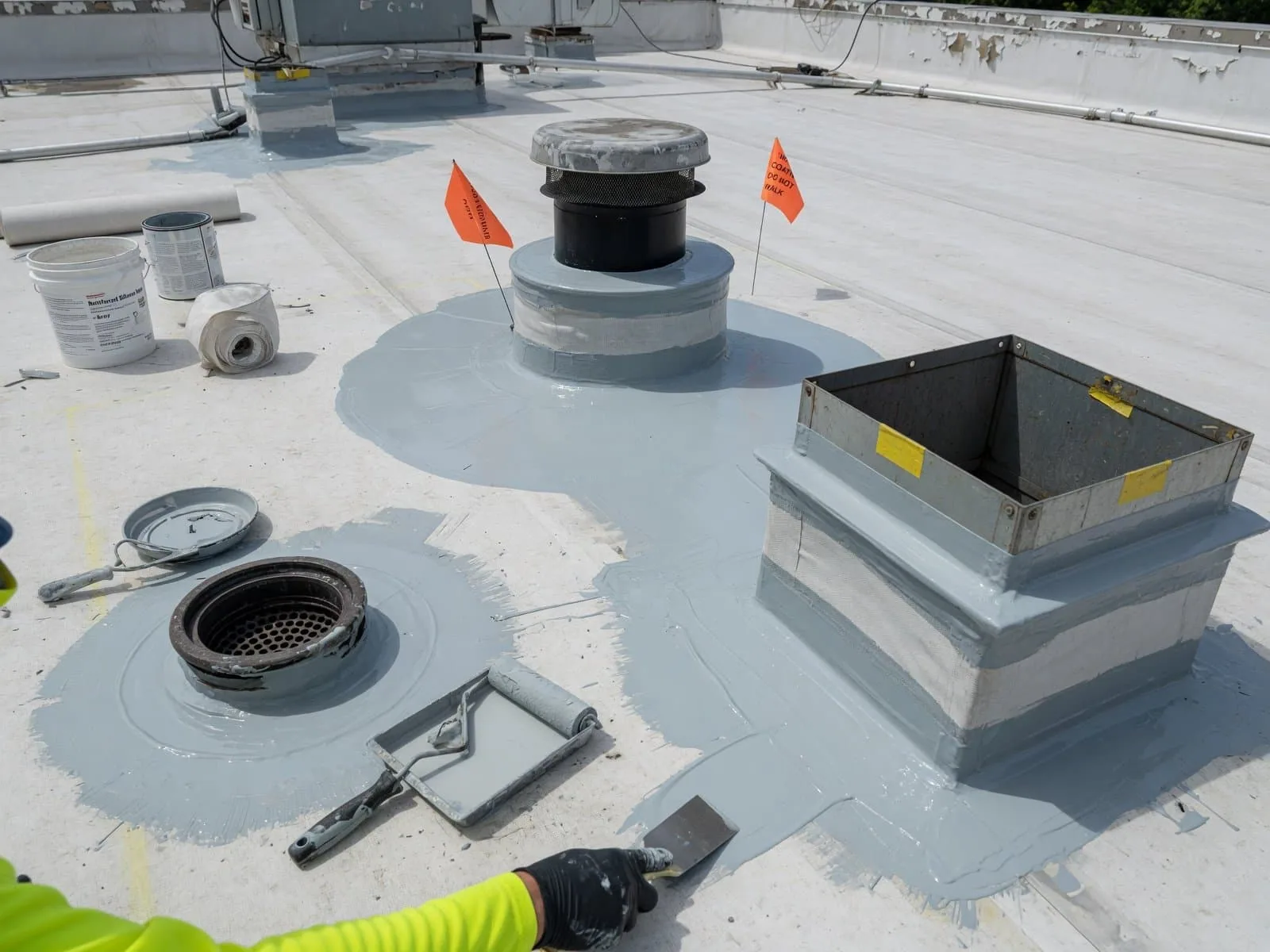
The roof record starts with what can be seen: membrane type, seam condition, edge securement, penetrations, drainage points and signs of previous patching. A photograph and location reference help another manager understand the finding later. We keep an observed condition separate from an unconfirmed cause, then mark where a commercial leak repair can stop or whether more of the assembly needs examination.
How does regional heat change the assembly?
In greater DFW, summer heat and humidity sit alongside rainier stretches in spring and autumn. As an exposed surface heats and sheds water, its response can differ from the deck and interior below. That thermal cycle concentrates at curb transitions and perimeter metal, so we check bond condition, movement allowance and attachment resistance before designing a repair.
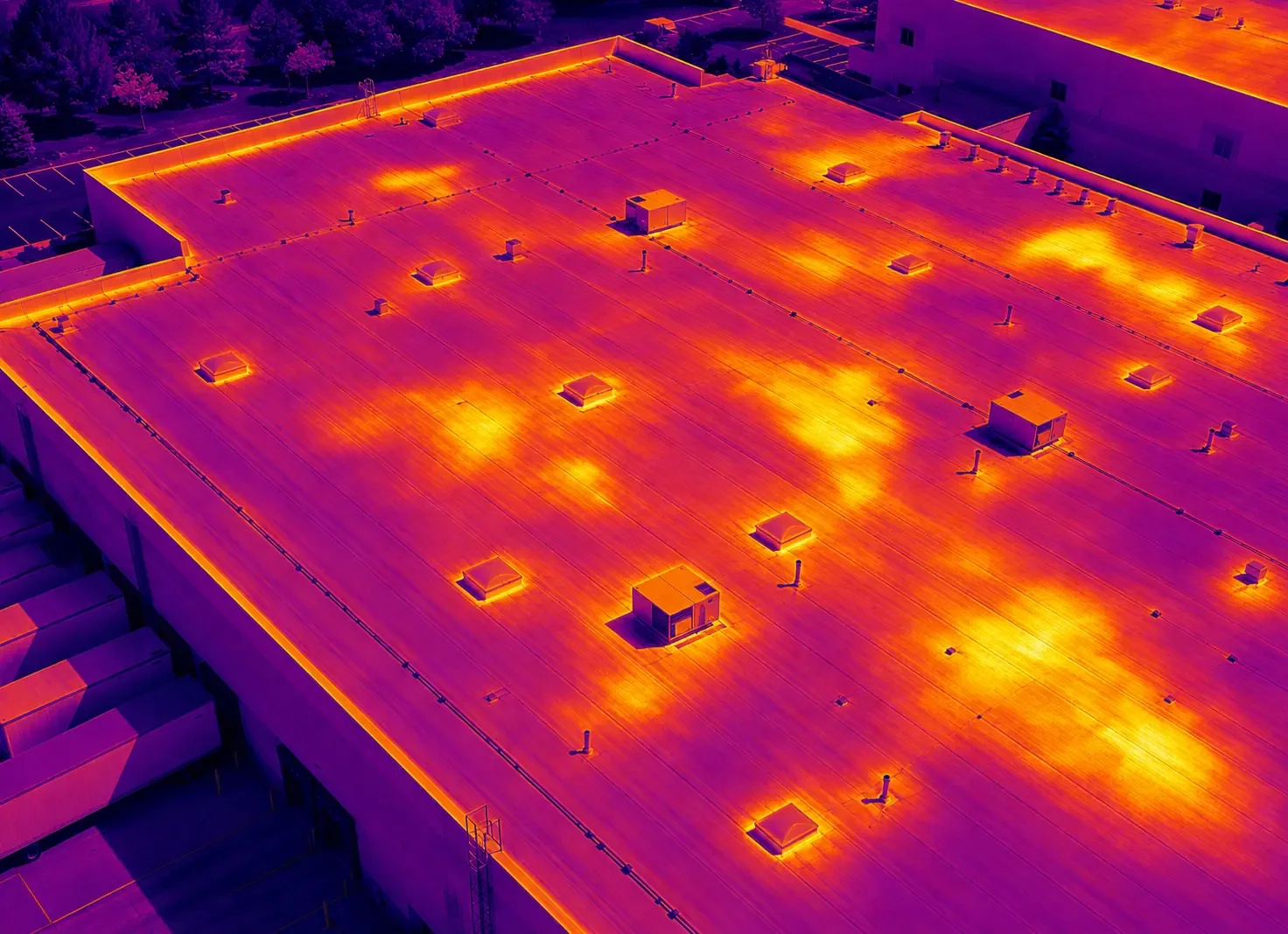
The Metroplex sees large hail, damaging wind and tornadoes in recurring years. For a DeSoto property, the event record tells us which details to inspect; punctures, loosened perimeter metal, separated laps or impact marks still need to be found on the roof itself. We compare the surface evidence with prior photos when available, then identify damage and wear as separate conditions. If moisture may extend below the cover, an infrared moisture survey can help map distribution before a repair footprint is chosen.
What makes a repair boundary hold?
A patch succeeds only when its perimeter can bond to sound, compatible material and the underlying attachment remains suitable. We open the inspection with the roof system, not a product assumption. On a single-ply membrane, that means checking seam edges, prior repairs and the surface response around a puncture or split. On a multi-layer roof, it means determining which layer is moving, saturated or detached. A visible opening is evidence of an entry point, but it does not show how far moisture traveled.
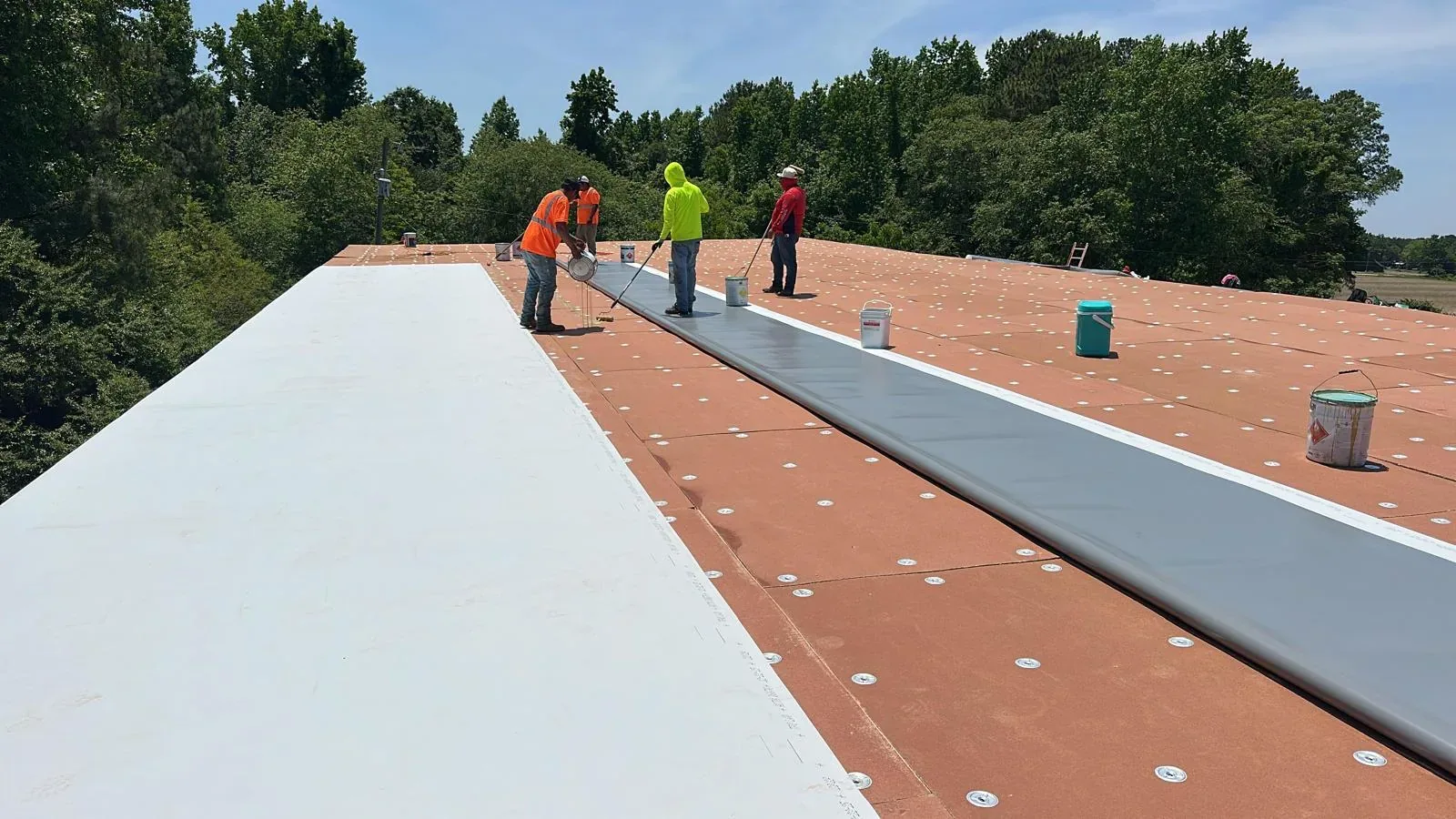
Drainage belongs in the same assessment. We inspect drains, scuppers and nearby crickets for debris, deformation and changes in slope, then compare retained water with the roof plan and field conditions. If the opening is narrow and adjacent material remains sound, localized work may be appropriate. If moisture distribution or attachment loss crosses several areas, the repair expands or an assembly comparison begins. The TPO roof assembly is one system we can identify and evaluate where the actual property has it.
How can work fit an occupied property?
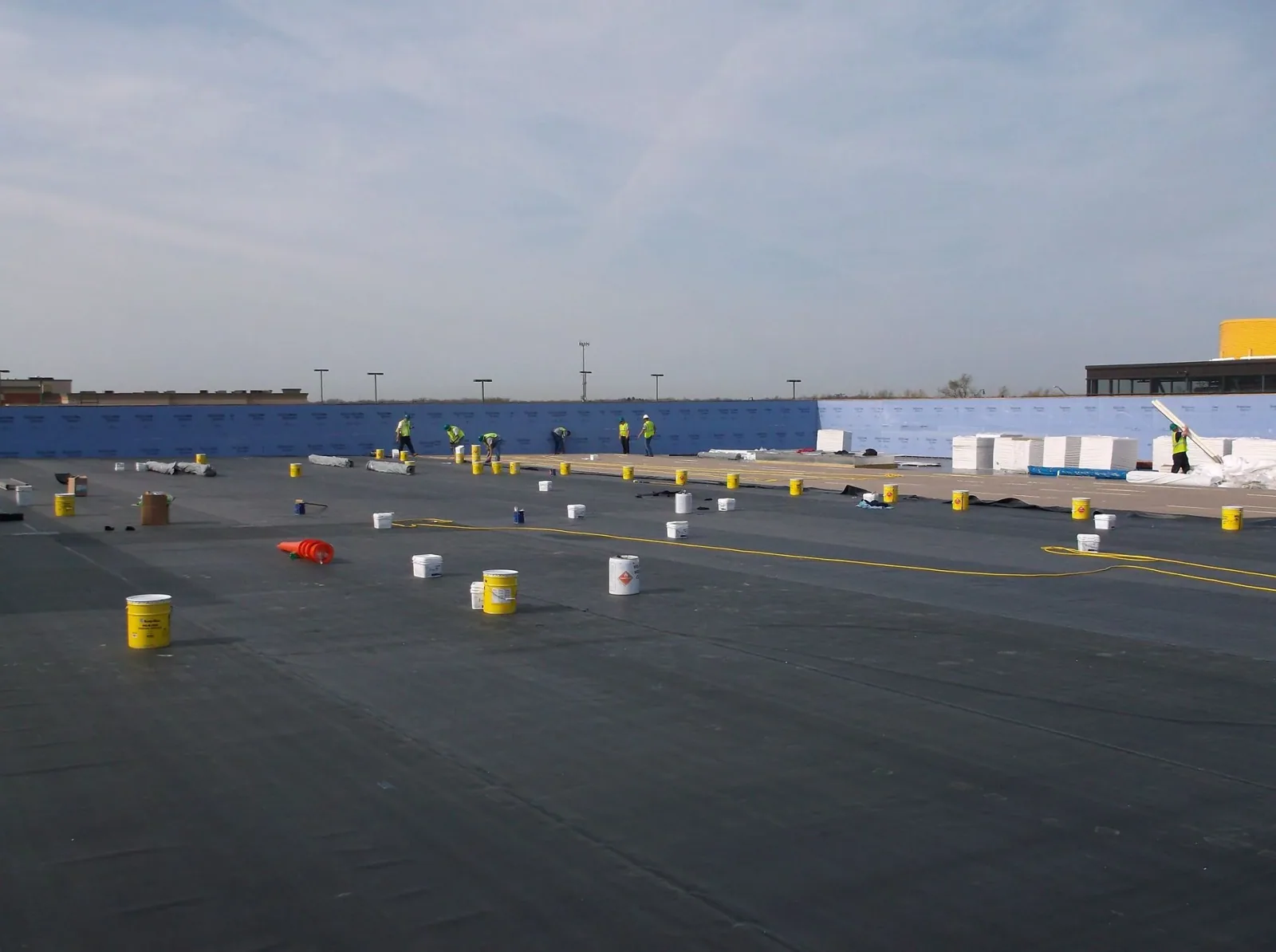
At an industrial complex, deliveries, production access and roof traffic can compete for the same work window. At an apartment property, residents need clear information about entries, noise and any temporary restriction beneath the work area. We set the scope after confirming how the roof is reached, where equipment can be staged and what interior space needs protection. When water is entering after hours, our emergency crews can respond overnight, through weekends and on holidays. Safe access and a clearly marked entry area still come first, followed by temporary water control and a trace of the path through the roof layers.
For planned work, we divide the roof into workable sections and coordinate transitions so a temporary opening is not left exposed when the crew leaves. The owner should identify operating hours, security requirements and any areas that cannot be interrupted. We assess a coating only after checking whether the surface, seams, drainage and substrate can accept its bond. A phased occupied-building reroof can help keep active areas in use when the existing assembly and project scope support that sequence.
When does replacement enter the comparison?
Repair, recover and replacement answer different condition findings. A repair addresses a contained failure when surrounding membrane, insulation and attachment remain serviceable. A recover may preserve a suitable existing roof while adding a new approved assembly, but only after moisture, load, drainage and code constraints are reviewed. Removal becomes more likely when wet insulation, repeated failures or deteriorated attachment extend past a practical repair boundary. We compare the options against the observed roof, not the appearance of a single blister or stain.
Timing and cost depend on access, roof layers, affected area, edge and flashing detail, insulation condition, disposal and how the building must operate during the work. Selective openings can confirm what a surface survey cannot. We document what is established and what remains open, then define the next decision with the owner. For a larger capital choice, a roof capital plan can connect present conditions to a staged scope. Owners tracking another building on I-35 in Farmers Branch can keep condition language consistent while still evaluating each roof separately. A membrane, drainage pattern or repair history at one address does not predict another roof, especially when tenant hours, substrate and previous work differ. The local facts must remain tied to the property where they apply. We keep those observations separate in the record, which makes portfolio decisions easier without treating two buildings as the same assembly. Commercial roofing in Cedar Hill requires its own field review as well.
Commercial Roofing Questions
Does DeSoto’s industrial complex tell us which roof system is present?
No. The local industrial setting describes property use, not an individual roof assembly. We identify the membrane, metal or built-up layers during the walk, then record seams, penetrations, drainage and attachment clues before pricing repair or replacement.
Can Irving climate numbers be applied to a DeSoto roof?
The DFW airport normals are regional context reported for Irving, TX, not measurements taken at a DeSoto building. They help explain thermal movement in this part of the Metroplex, while the actual roof condition must come from its surface, details and substrate.
What should an apartment manager prepare before roof work?
Start with entry and operating constraints: occupied units beneath the work zone, quiet periods, security rules and the route for moving materials. We use that information to sequence access and protect the interior, then confirm each item against the roof scope.
When is a coating a poor fit for an industrial roof?
A restoration coating cannot dry saturated insulation, resecure a loose assembly or clear a drain. We test the substrate, surface response and seam condition before deciding whether a coating belongs in the comparison; moisture beneath the cover or movement at several details can point toward recover or removal instead.
What will an early assessment leave the owner with?
The useful record identifies observed conditions, their locations, recommended repairs and open questions that need a selective opening or further survey. That gives facilities staff a basis for immediate water control and for deciding whether capital work belongs in the next budget cycle.
Ready to review the roof scope?
Request a Roof Assessment