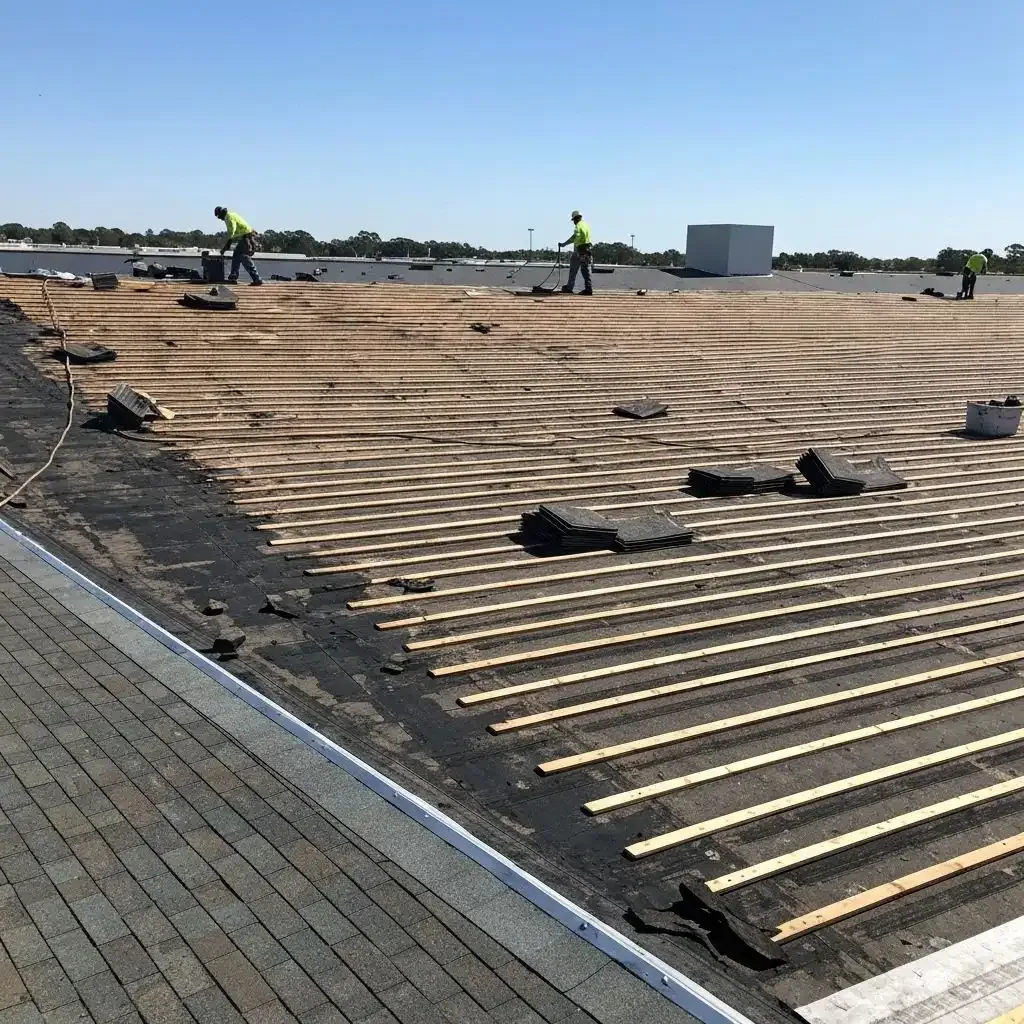
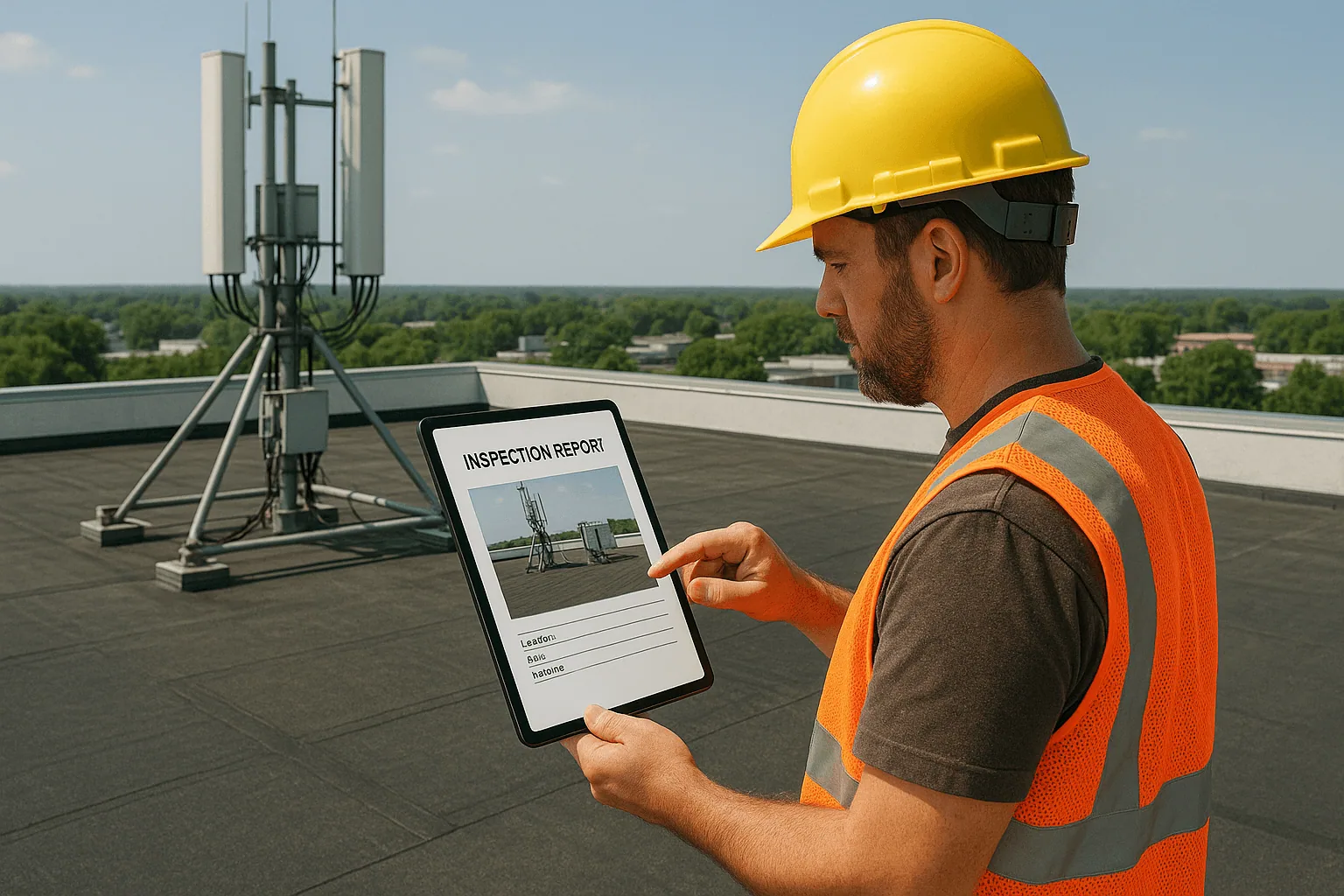
I-35 runs through Farmers Branch in northwestern Dallas County, where the city’s industrial history includes metal products, building materials, food products and printing. Those examples are historical, not a current tenant list, and they do not establish what any roof is made of. We begin by identifying the actual assembly and the reported symptom, then trace the water path to a seam, curb, drain or edge that can be examined.
Rail connections also influenced the city’s industrial development. For a working property, what matters during the roof walk is the present operation: access, material staging, hours and the interior areas that need protection. A commercial roof inspection gives the owner a record grounded in observed conditions instead of historical context or assumptions about the building.
How should industrial history inform the inspection?
Farmers Branch has a documented manufacturing history spanning metal goods, building materials, food products and printing. That history helps frame the range of commercial uses associated with the city, but it does not tell us whether a specific building remains in production or what roof system covers it. We confirm current use with the site contact, then note rooftop units, vents, exhausts, penetrations and interior activity that can affect how access and protection are planned.
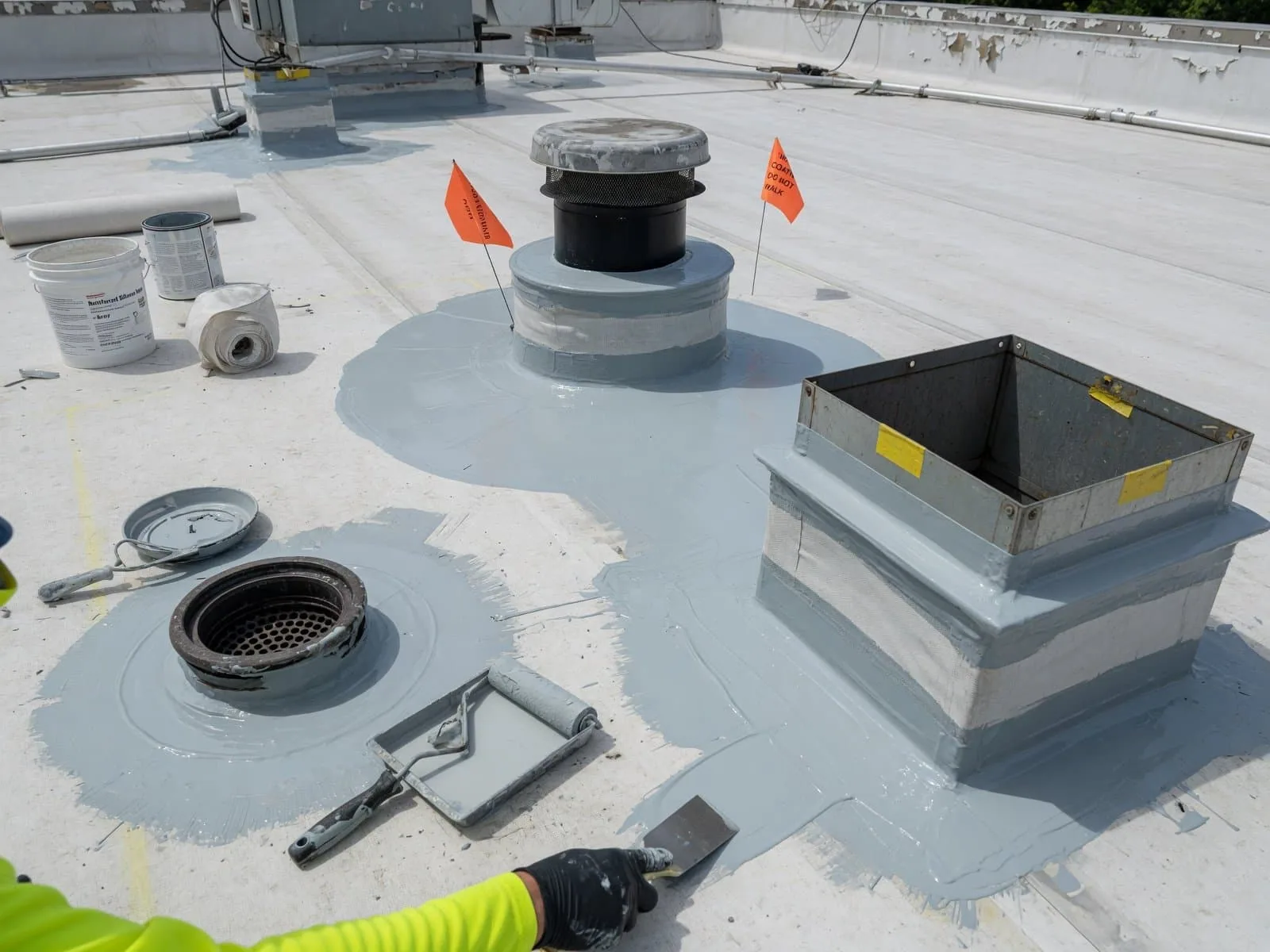
On the roof, we identify the membrane or panel type before selecting a repair material. A previous patch may have a different bond than the surrounding field, and an old overlay can hide layers that change how water moves. We map seam conditions, flashings, edge metal and drainage with photos tied to a roof location. Where a leak is active, a commercial leak repair begins with temporary water control and a traceable repair boundary.
What does the regional climate change at the details?
For Farmers Branch, the DFW weather context pairs humid subtropical conditions with a hot summer and wetter spring and autumn. A hot surface can move differently from the deck beneath it, cycling stress through membrane laps, metal terminations and rigid curbs. Those details need enough movement allowance to stay bonded, and we connect each observation to the roof assembly it touches.
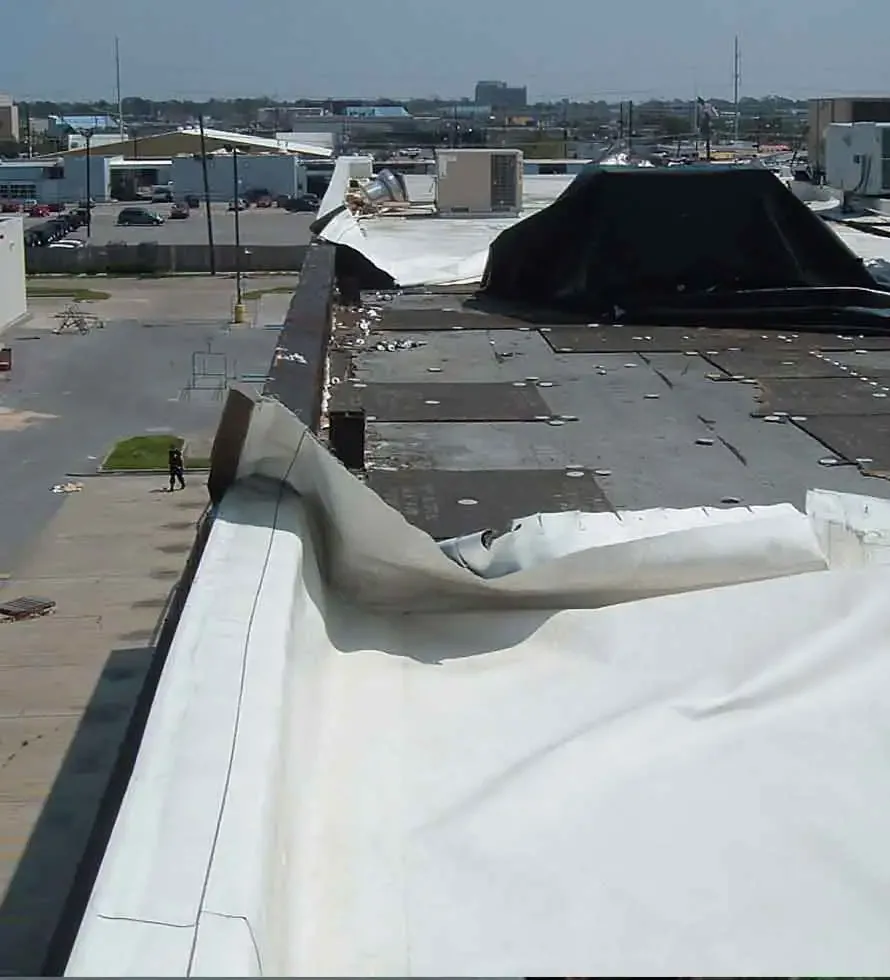
Metroplex storm histories include hail, damaging wind and tornado activity. At a Farmers Branch property, the membrane, seam and edge details show whether repairable damage is present; we record those findings before connecting the scope to a reported event. The extent of a repair follows observed damage and the material around it, not the event label. An impact assessment can distinguish a visible mark from a confirmed opening and identify where another inspection method is needed.
Where can water travel below the visible opening?
A ceiling mark gives the interior location where moisture became visible; the entry may be at a curb, seam or penetration elsewhere on the roof. We trace connected details above the affected room, inspect the nearby substrate and note whether moisture follows a layer or slope. A roof plan with photographs lets us show which area was examined and where the path remains unconfirmed.
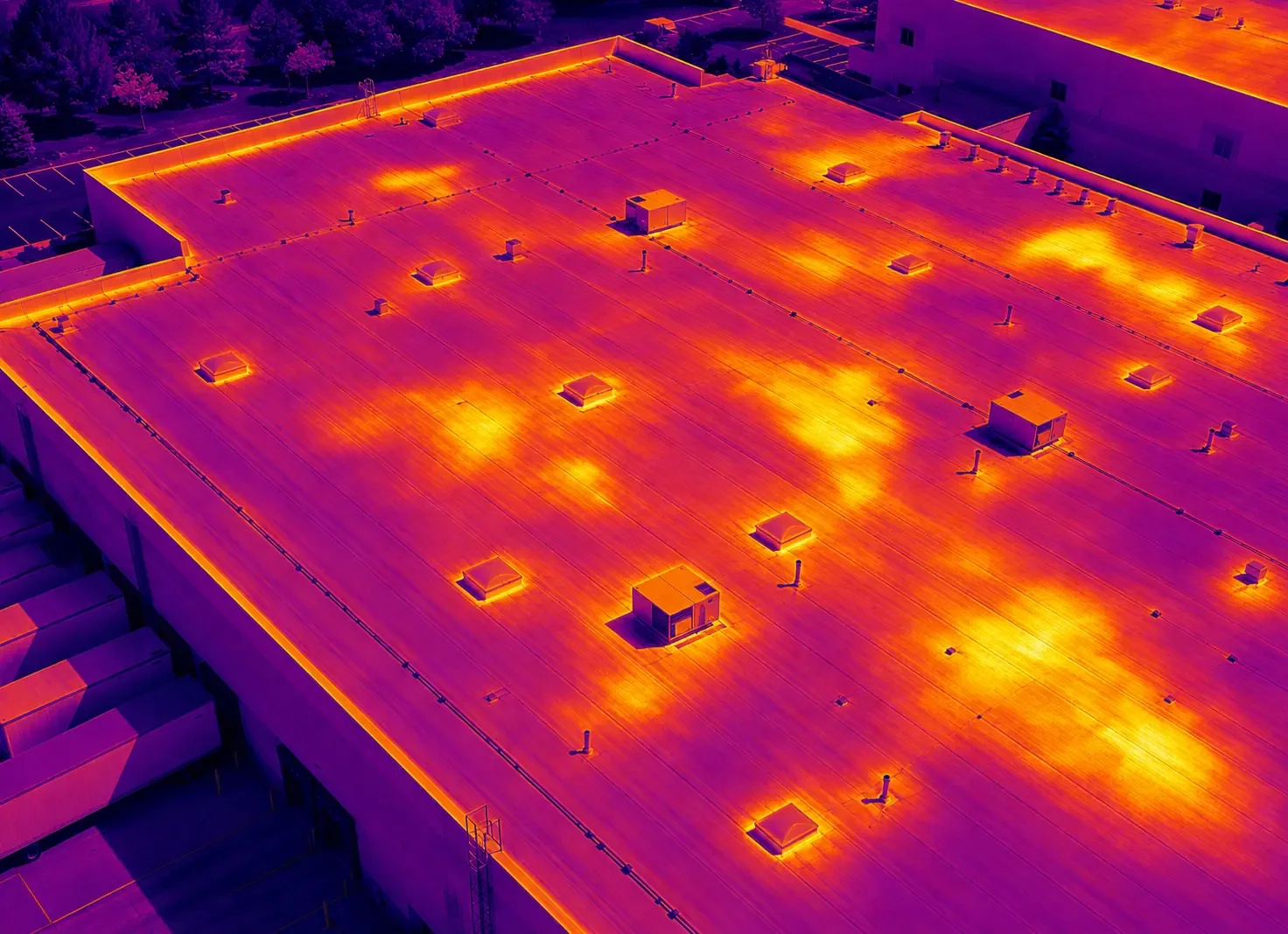
Drainage also changes the reading. A clogged outlet, deformed scupper or settled section can direct water toward a seam even when that joint is sound. We inspect the path from the field into each drain, note ponding and compare it with the assembly's slope. If moisture appears beyond the opening, an infrared moisture survey may help map distribution before a selective opening confirms the layers. We do not expand a repair solely because an interior stain looks large. The field map also helps separate a drain issue from a seam failure when both sit near the reported leak. We inspect the lower points first, check whether water can move beneath the membrane and note any change in insulation firmness or cover-board support. When a roof has prior patches, each transition gets its own review because the new material may not bond to an older repair in the same way it bonds to the original field. The owner receives a scope that labels each repairable detail, the area that needs further confirmation and any temporary measure that protects the interior while that confirmation is arranged. This keeps the repair footprint tied to the roof evidence rather than a guess from one interior location.
How can work fit an active business?
Commercial and industrial work needs a sequence that fits the building underneath. We confirm production hours, loading routes, equipment access and any interior areas that cannot be exposed to dust or falling material. Rail history is part of Farmers Branch’s development record, but it does not describe a present property's logistics. The site contact gives us the current constraints, and we build the roof plan around those verified conditions.
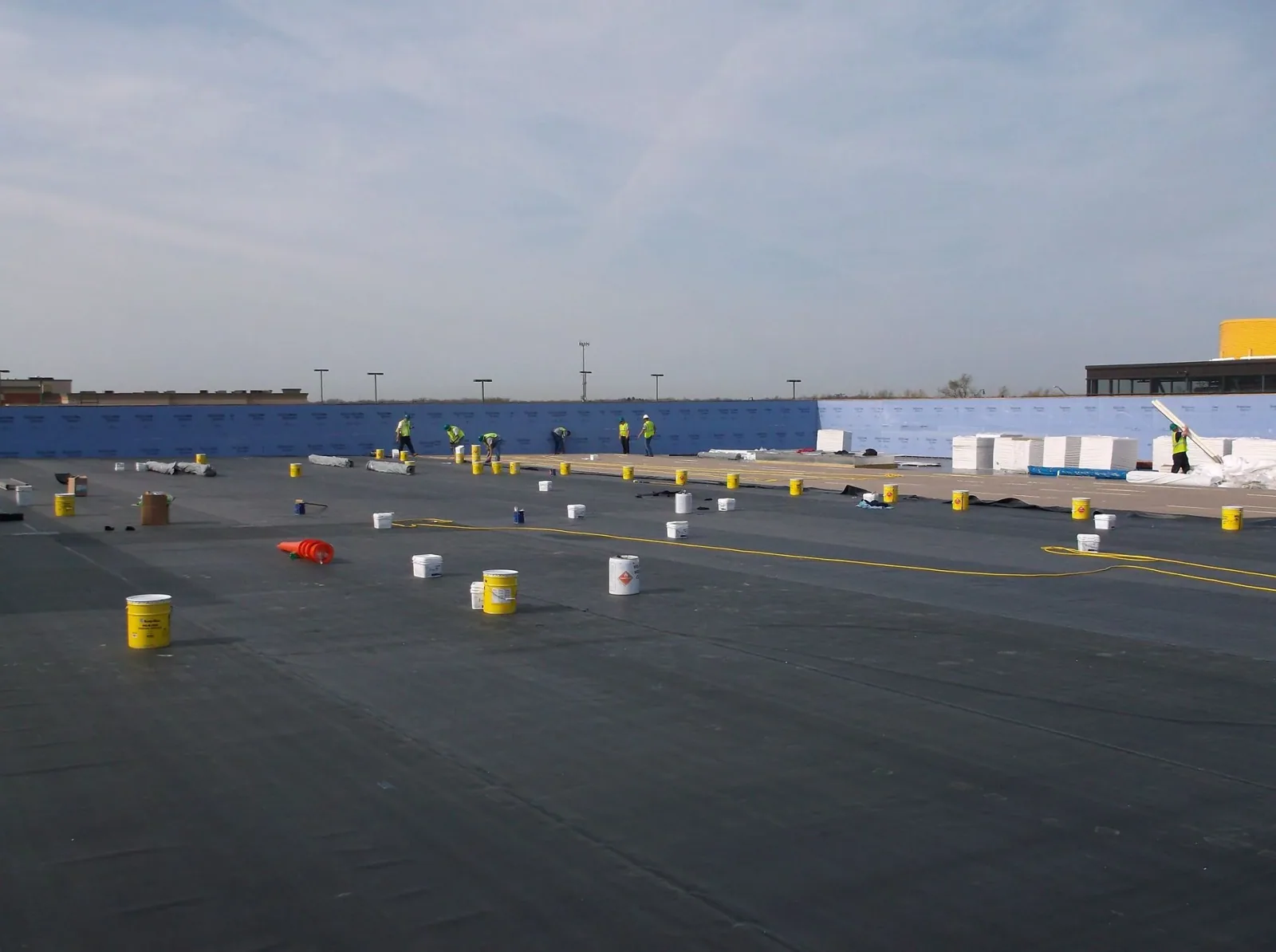
When water is entering, response planning starts with protecting the interior and recording the reported location before roof access. For planned work, we section the roof so temporary protection and daily closeout are clear. Replacement may require removal that affects interior operations; recover work may reduce tear-off only when moisture, loading, attachment and drainage allow it. A phased occupied-building reroof can be compared when work must proceed without an unnecessary interruption to active areas. Before a crew leaves, the closeout should identify completed areas, temporary conditions that remain and the next decision owner so building staff can plan around the roof work rather than infer what changed.
When is a patch no longer the right boundary?
A repair stays credible when the failure is contained, the substrate is stable and the adjacent materials can accept a compatible bond. If wet insulation, deteriorated attachment or repeated seam failures continue past the proposed edge, enlarging the patch may only postpone a broader decision. We compare localized repair, recover and replacement against what an inspection establishes, using a selective opening where the layer condition cannot be confirmed from the surface.
Timing and cost depend on the roof's layers, affected area, perimeter detail, access, disposal, equipment conflicts and the operating window. An owner's record should distinguish confirmed conditions from items that need follow-up. A roof condition report keeps observations tied to locations over time. For portfolios that include Carrollton along I-35E, we evaluate that roof separately; a shared historical manufacturing story does not establish a shared assembly. North Richland Hills likewise calls for its own inspection and scope.
Commercial Roofing Questions
Does Farmers Branch’s manufacturing history describe current roof conditions?
No. The recorded industries are historical context, not a present tenant roster or roof survey. We confirm the building's current use, then inspect its membrane or panels, penetrations, drainage and attachment before recommending work.
Will an I-35 property have the same roof as one in Carrollton?
Not necessarily. The corridor is a location reference, not a roof specification. We identify each building's assembly, layers and prior repairs independently, even when two properties share nearby access or similar business history.
Can a leak surface away from its roof entry?
Moisture can follow a deck joint, insulation edge or roof slope before surfacing in a room. We compare the interior mark with details overhead, then use mapping or a selective opening when the exposed surface does not establish the path.
Can hail damage be confirmed from the storm date?
A storm report does not establish that a roof was struck. We inspect the surface and perimeter for impact, puncture or displacement, document what is visible and distinguish it from wear or conditions that require further examination.
How do you keep repair choices useful for budgeting?
We separate immediate water control from work that can be planned, then state the repair boundary and unresolved questions. The owner can compare those findings with access, operating limits and the condition of the wider assembly.
Ready to review the roof scope?
Request a Roof Assessment