Storm wind in the Dallas and Fort Worth region can expose weak points where a roof edge, deck and fasteners carry load through different materials. On an armory or readiness center, that connection may sit beside a training room, storage area or vehicle bay with a different schedule below. Commercial Roofing Irving inspects the assembly before recommending a correction, then coordinates examination and protection with the authority responsible for the property. The project needs clear inspection findings and a workable plan for the occupied rooms beneath it.
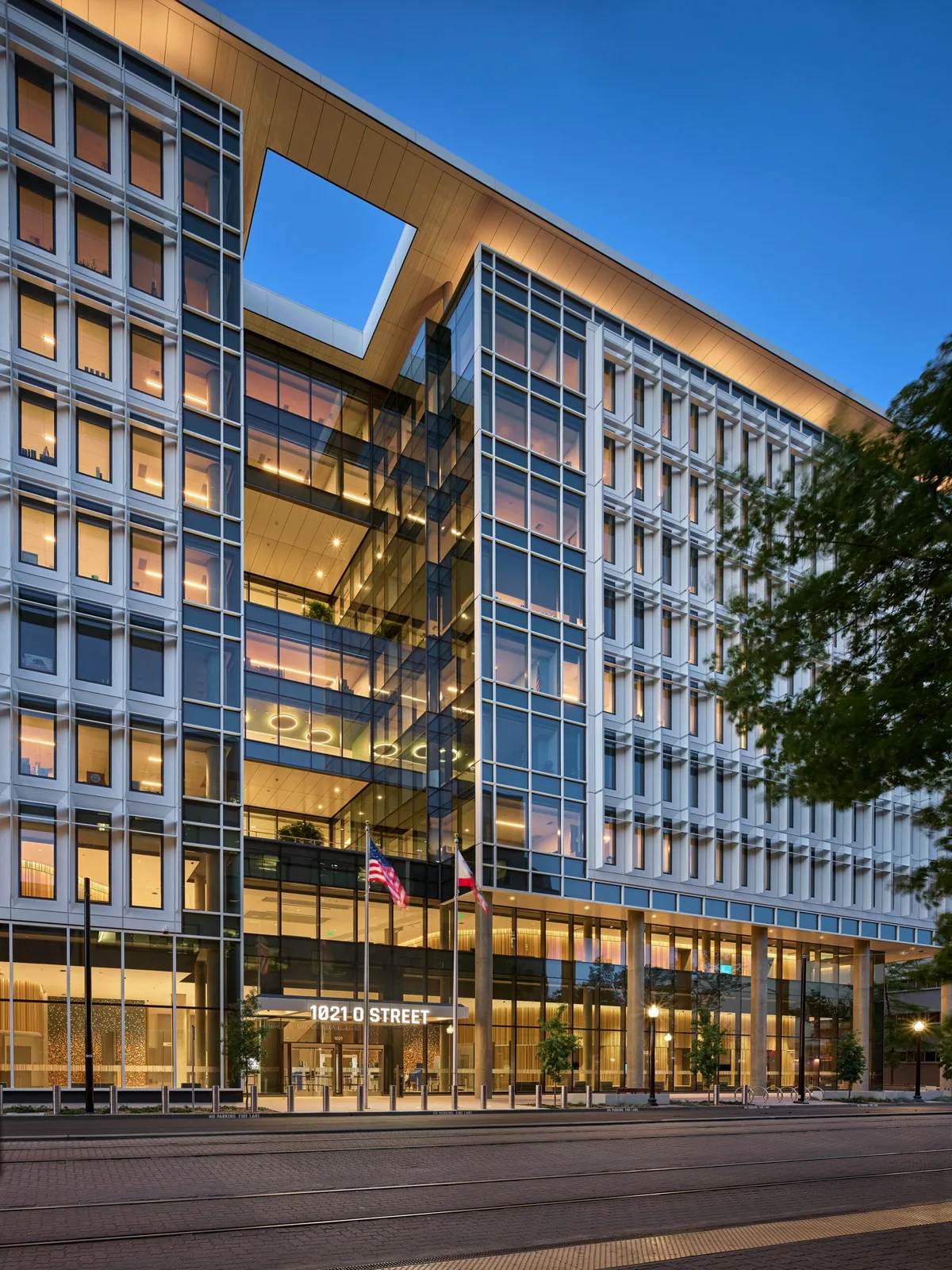
Irving, TX, is one part of a regional market where reserve activity also exists in Grand Prairie. The roof type and condition come from the actual membrane or panels, attachment, substrate and drainage, not from the building's function. Las Colinas office properties and Valley Ranch multifamily buildings show how different occupied uses can shape access and interior protection. An armory has its own restrictions, confirmed with project personnel before work is proposed.
Where does the load path become uncertain?
A loose edge, lifted seam or pulled fastener is a visible condition, not the whole load path. We trace the connection from roof covering through insulation or cover board into the supporting deck. A fastener can appear intact while the material around it has deteriorated, or a membrane seam can open because its bond no longer suits the surface beneath. The inspection records the exact condition and identifies where a test or selective opening is needed before specifying added securement.
Hail and damaging wind occur across the Metroplex. After a reported event, we compare the roof's edges, field seams and rooftop objects with available inspection observations. A wind-related roof assessment checks for displaced metal and attachment changes while separating them from pre-existing deterioration. That distinction supports a repair limit the project team can review instead of treating every roof zone as affected.
Can the deck carry the selected attachment?
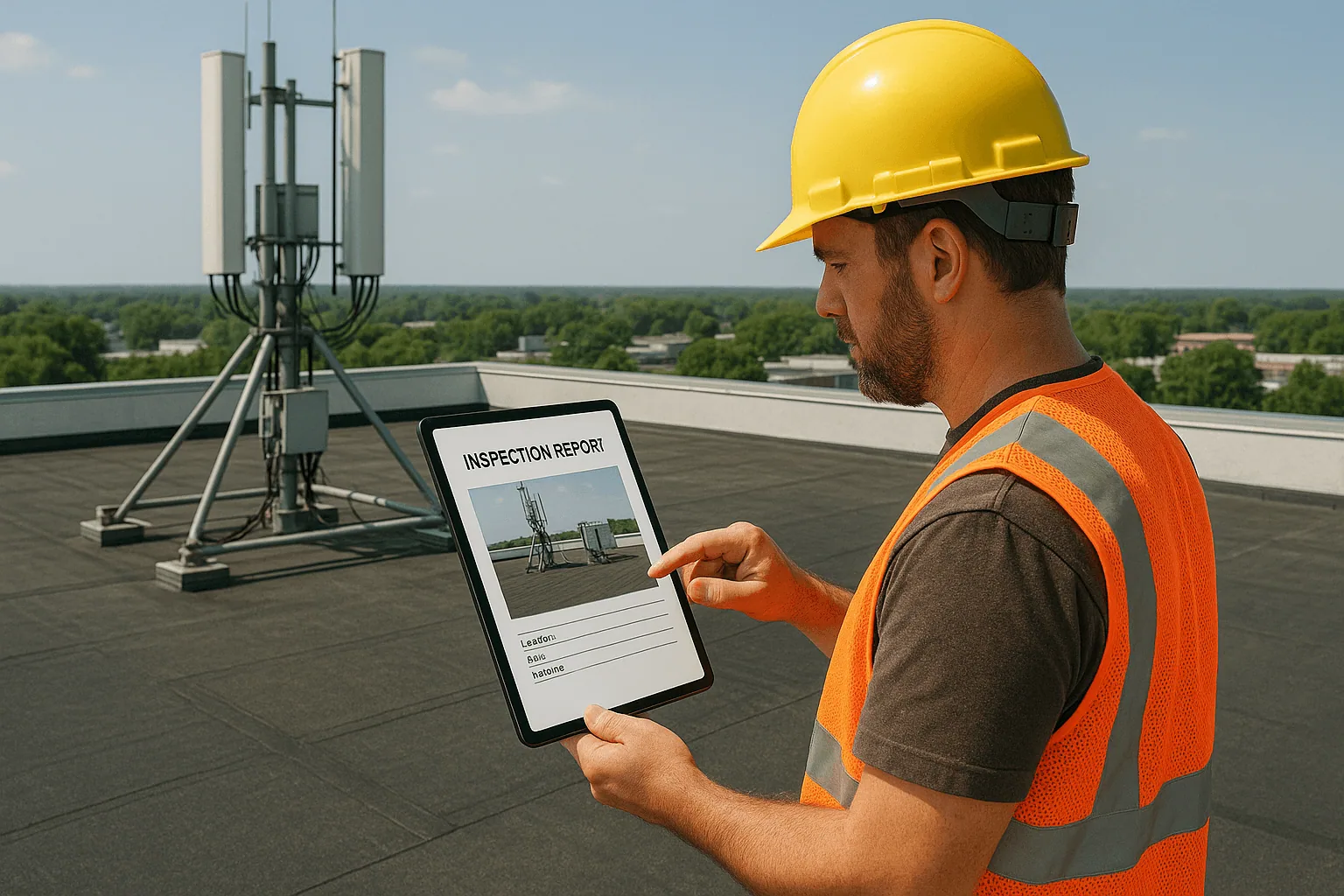
A fastening pattern performs only when the deck can receive it. We check accessible deck areas, existing fasteners and signs of corrosion or movement, then identify structural questions for the appropriate design professional. New membrane over an uncertain deck can conceal a weak connection. A written condition report records where the load path was observed and what remains outside the examination.
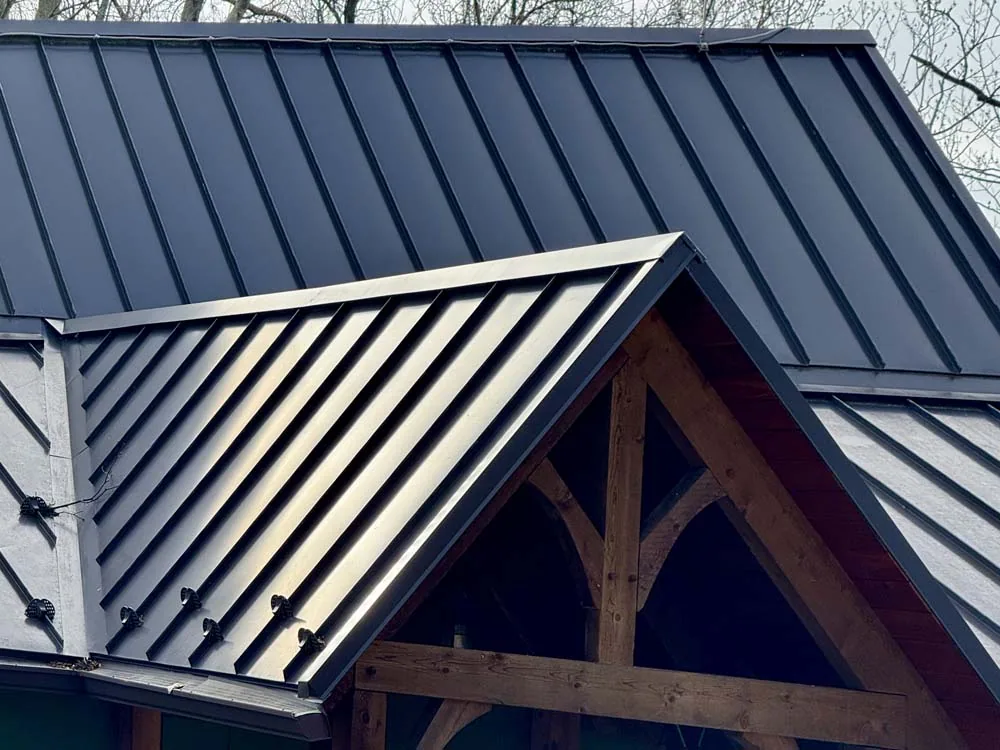
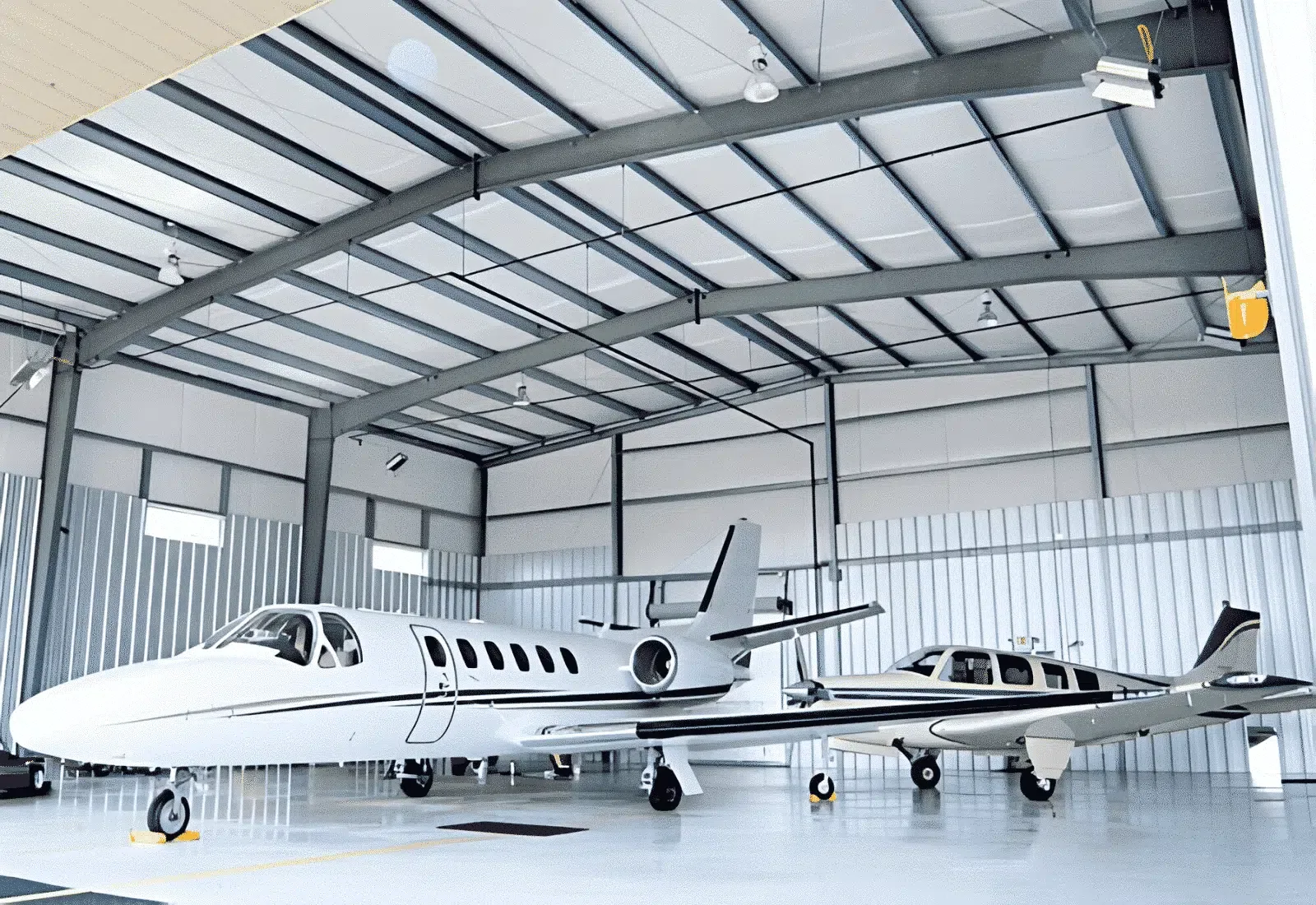
The maintenance-facility roof profile may have wider clear spans and larger openings than an armory, while barracks roofing must account for occupied residential rooms. Those comparisons help define the questions. We review deck type, span, openings and attachment resistance on the armory itself. A standing-seam metal assembly and a membrane system transfer loads differently, so the supporting construction and perimeter details must be compared before selection.
Where an opening is authorized, the examination checks the material around the connection and documents the observed result. If access remains limited, the report states that and identifies the next review needed. The project authority identifies applicable specifications, design review, procurement and access steps. Our roof scope states proposed construction, preparation, protection and closure tasks for that process.
How should an active armory stay protected?
Training rooms, storage and vehicle functions can place different limits on overhead work. Project staff identify occupied areas, isolation periods and roof access. We match the phase to those conditions, including interior protection and a defined closure point. A change in access affects sequence, but not the preparation the selected system requires.
Las Colinas office and transit use creates different logistics from Valley Ranch multifamily occupancy. An armory requires its own authorization and work window. A phased roof replacement can keep portions of a property in use where permitted. The scope identifies protected areas, material routes and a contingency if opened layers reveal more deterioration than the phase can close.
Emergency response runs around the clock, including holidays. For an active leak, we limit water entry and protect the interior where authorized, then examine the assembly when conditions permit. Any temporary measure is identified with its limits and the permanent repair path. This helps facility personnel plan room use without treating short-term protection as the completed correction.
What happens when runoff crosses the work zone?
An opening can change runoff where an outlet receives several slopes or a lower roof remains in service. We map drains and overflow routes before dividing the work. Stored materials and temporary protection must leave the receiving path open. If new roof height changes the outlet, the assembly includes a connection that continues drainage.
Irving's wet spring and fall periods and hot summers make closure planning part of every roof opening. Each phase needs protection suited to site conditions and the selected material before removal proceeds. A drain review identifies where ponding or a height change affects the work boundary. The receiving side also matters: an open outlet cannot correct a low area or blocked path upstream.
If insulation near an outlet is suspect, an infrared survey may identify candidate areas for selective openings when roof makeup and weather allow interpretation. Opened samples establish the material condition. We trace the confirmed area to the drain and overflow path before comparing a limited repair with broader removal.
Which findings change the project scope?
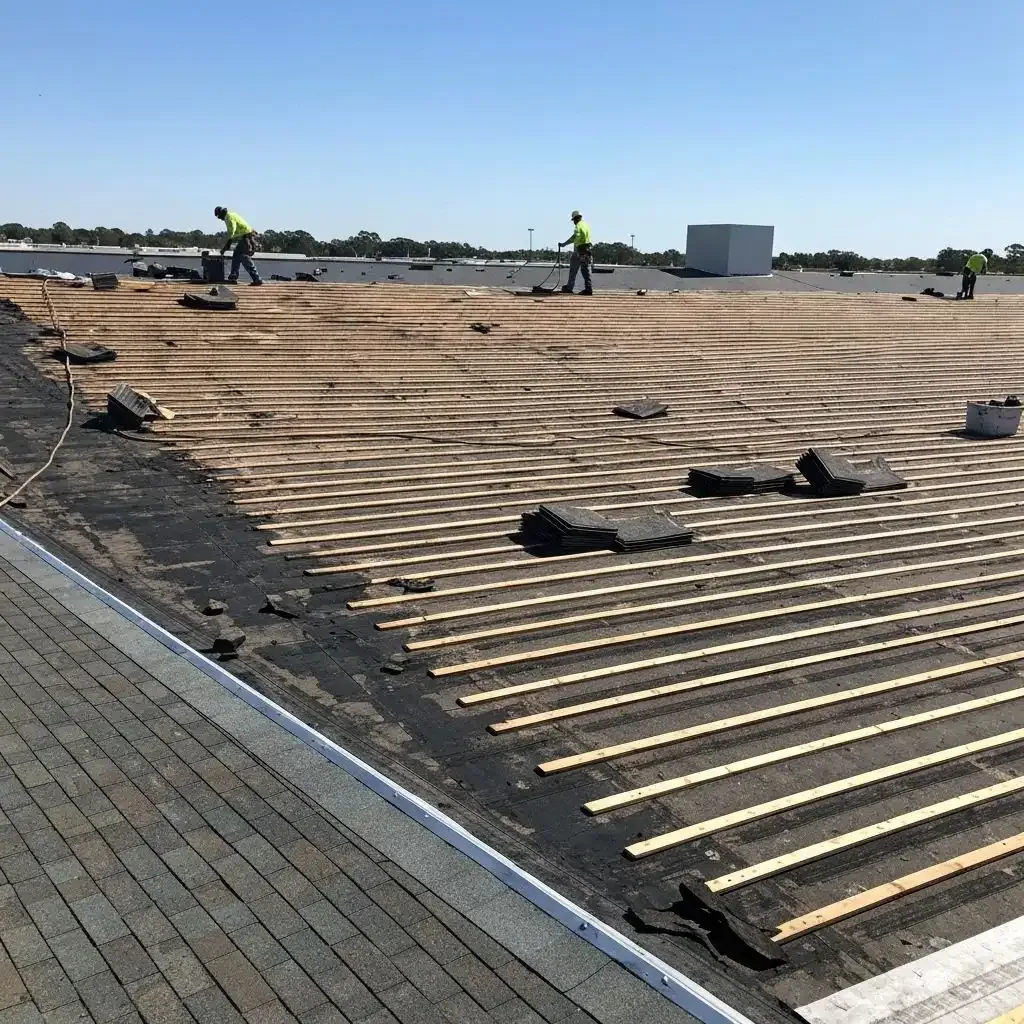
A contained split over stable substrate can support repair. Wet insulation, a deteriorated deck or loose attachment beyond that detail can make broader removal necessary. We separate confirmed areas from those that need more access. The proposal identifies layers to retain, material to remove and terminations needed at curbs and edges.
Cost and timing follow repair area, access, protection, material choice and equipment coordination. A replacement scope is compared with repair or recover where conditions permit. Recover does not conceal wet or unstable layers. At Grand Prairie properties, the authority and jurisdiction are confirmed; Irving's code does not transfer to federal or neighboring property.
The agreed review checks seams, penetrations, edges and runoff after each phase. Closeout distinguishes completed work from retained material and notes inaccessible areas. Later equipment changes need roofing coordination so a new curb or cable path does not damage a completed transition.
Commercial Roofing Questions
Can a loosened fastener be corrected from the roof surface?
Sometimes, but the surrounding deck and attachment need examination first. If the support has deteriorated, adding a surface patch does not restore the load path. We identify the affected components and recommend a repair only when the proposed securement has suitable material beneath it. The scope notes any access limits that prevent confirming the connection.
Does a storm report prove the armory roof was damaged?
No. Regional hail and wind history helps establish exposure, while the building inspection documents observed effects. We compare any reported date or event with the actual seams, perimeter and rooftop equipment. The findings distinguish storm-related damage that can be supported from ordinary deterioration or conditions that need further examination.
Can roof work continue during training or vehicle operations?
Project personnel set permitted work windows and protected zones. We compare those periods with the opening, preparation and closure sequence needed for the selected assembly. A phase may shift if the roof reveals additional wet material or if the building activity changes. Protection below and a reliable closure point remain part of the schedule.
When does repair become a replacement decision?
The condition below the visible defect is the deciding factor. A contained opening over stable layers can support repair. Wet insulation, compromised deck or widespread attachment problems can make broader removal more appropriate. We show the inspection findings and proposed limits so the project authority can compare the work alongside the roof's age and maintenance history.
Ready to review the roof scope?
Request a Roof Assessment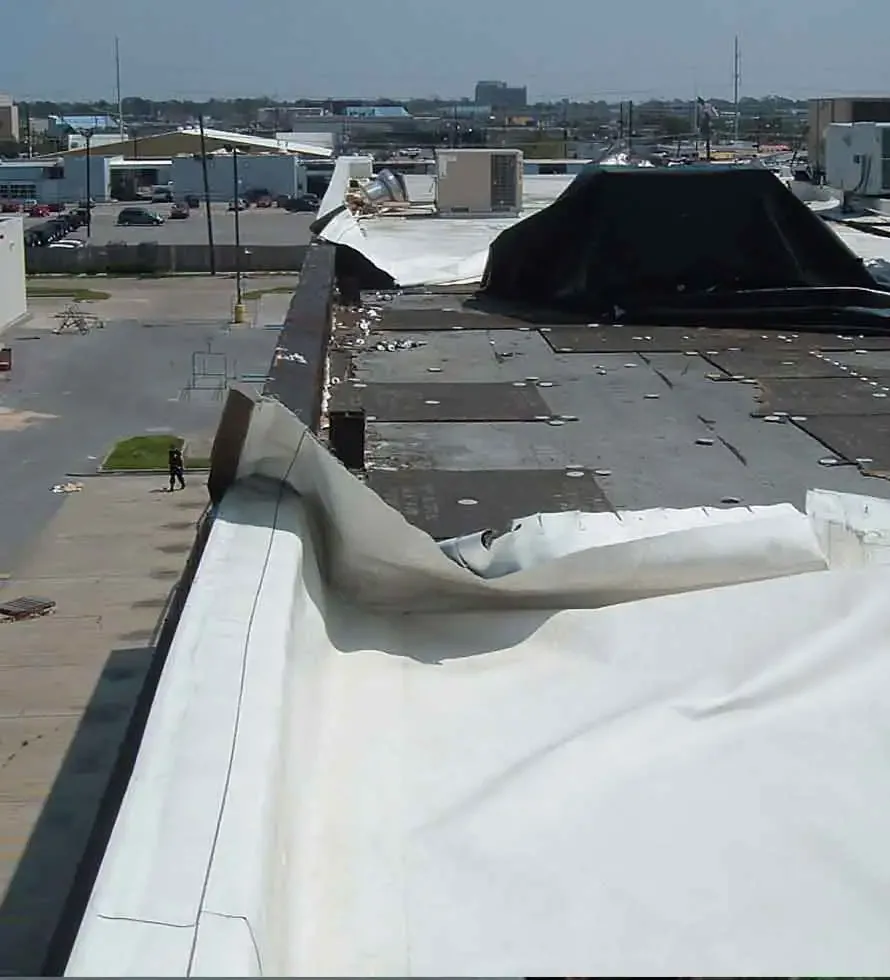
Military Hangar and Maintenance Facility Roofing
See scope, options and what to expect on the roof.