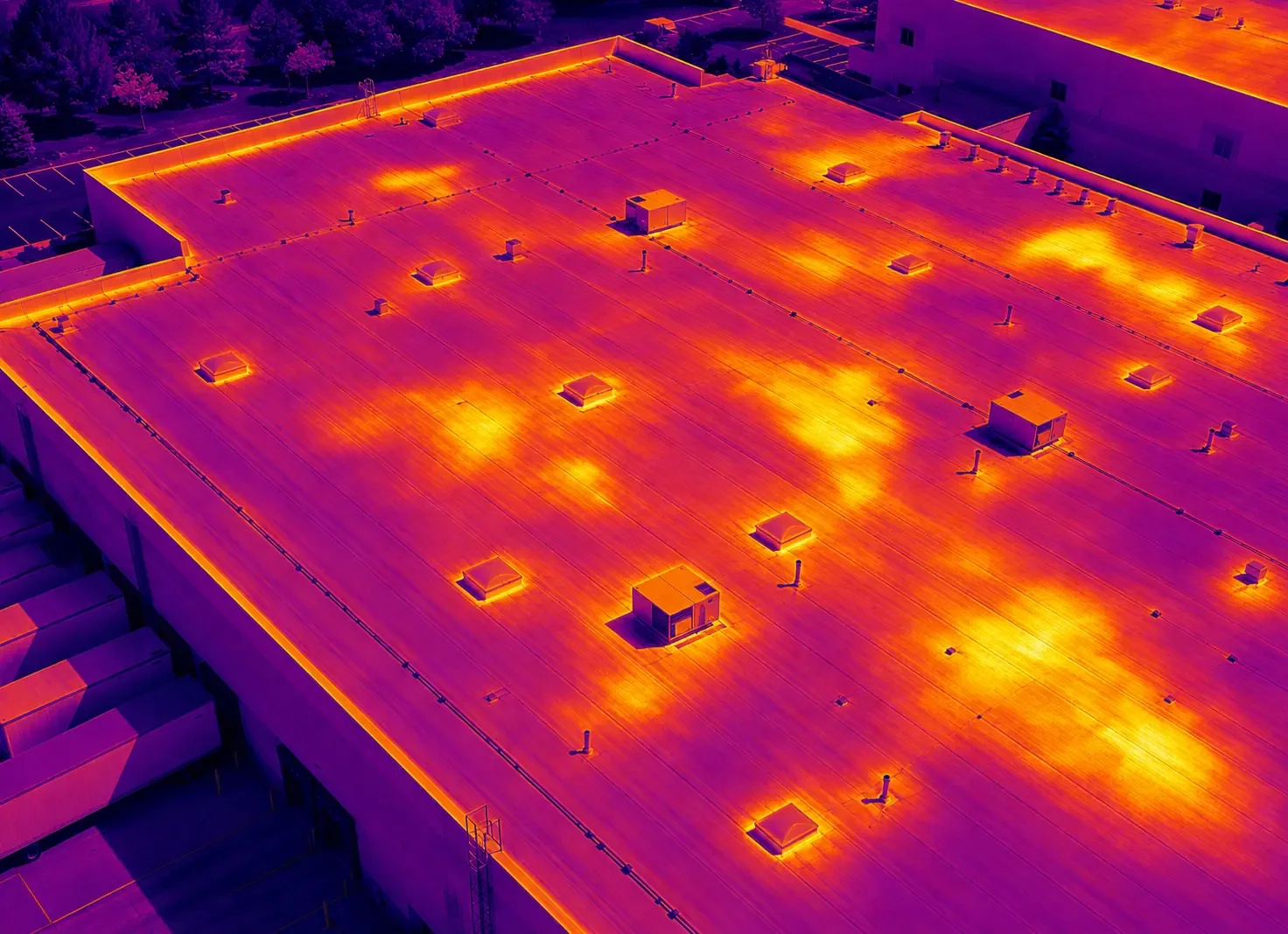
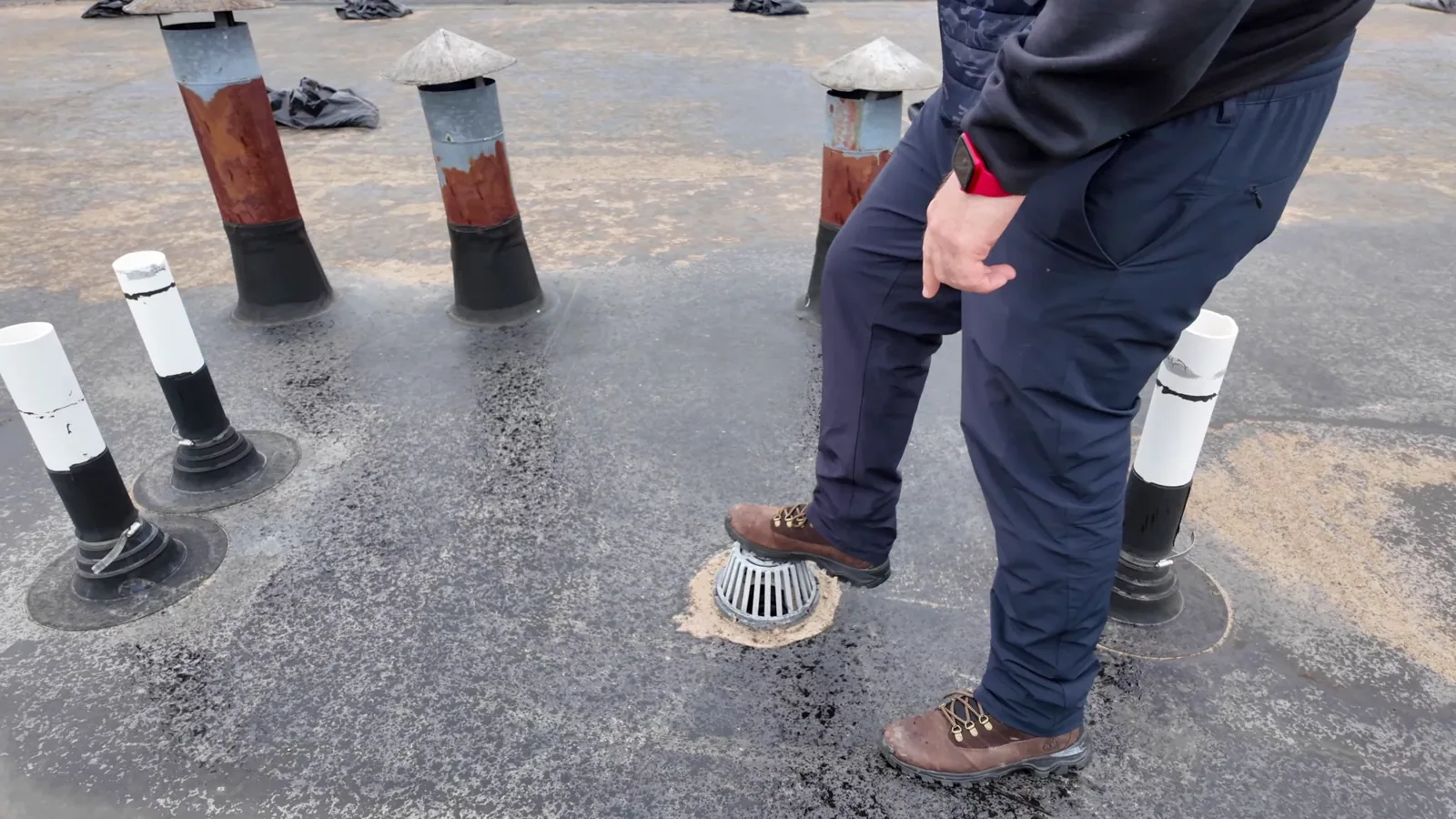
Temperature-controlled areas below a grocery roof and sun-heated equipment connections above it can create different moisture and movement questions within one building. Grocery store roofing in Irving, TX, examines those relationships before a wet area is assigned a surface repair. Commercial Roofing Irving assesses the covering and concealed layers, then plans construction with the manager's product, equipment and circulation requirements.
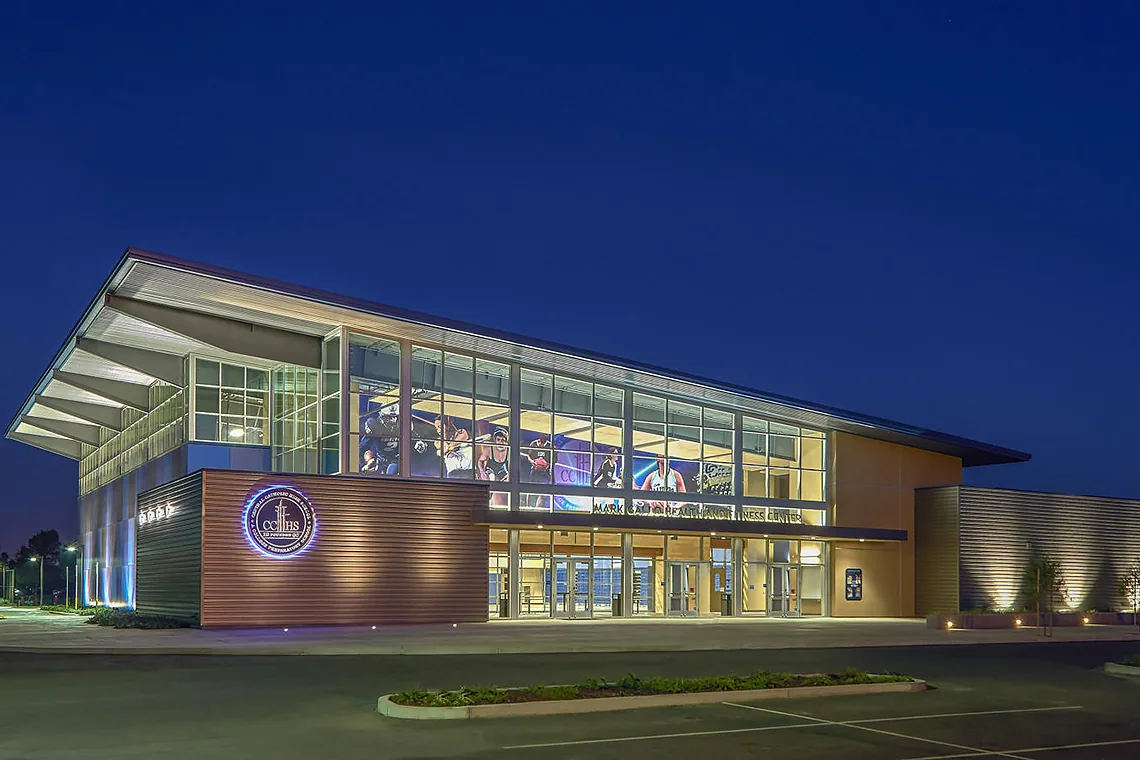
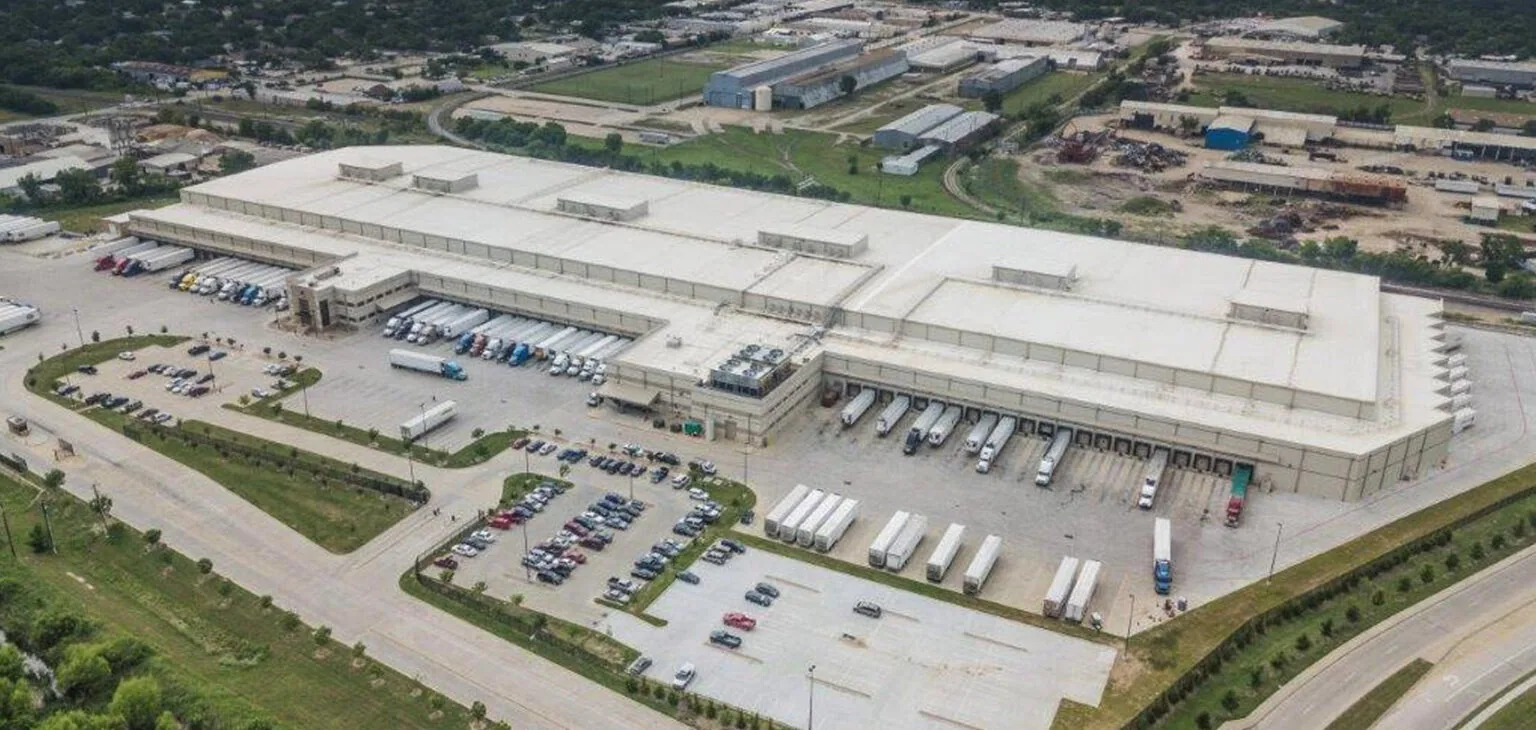
Retail uses are established along the North Irving Belt Line corridor, while nearby Flower Mound's employer inventory includes grocery businesses. Grocery roof work in those retail settings needs coordinated delivery access and protection of the operating areas beneath the construction. The Dallas/Fort Worth region's humid subtropical climate and hot summers make temperature differences relevant, with the actual refrigeration arrangement and indoor conditions established on the project rather than inferred from the grocery use alone.
Is the moisture entering from rain or another system?
Reported timing, location and equipment activity help distinguish rainfall entry from condensation, plumbing or discharge. We compare the interior observations with roof penetrations and drainage before selecting an examination area. Grocery-area water tracing can involve targeted room access and service personnel where another building system may contribute. A nearby seam opening is investigated on its own evidence rather than assumed to explain every wet area below.
Refrigerated spaces can require evaluation of air leakage and the temperature profile through the enclosure. Where those conditions affect roof moisture, additional mechanical or enclosure input is coordinated. Cold-storage roof construction has different questions from general retail sales areas, even within one store. We relate findings to the actual operating zone and assembly instead of extending one area's diagnosis across the whole roof.
Which equipment connections need access beneath the unit?
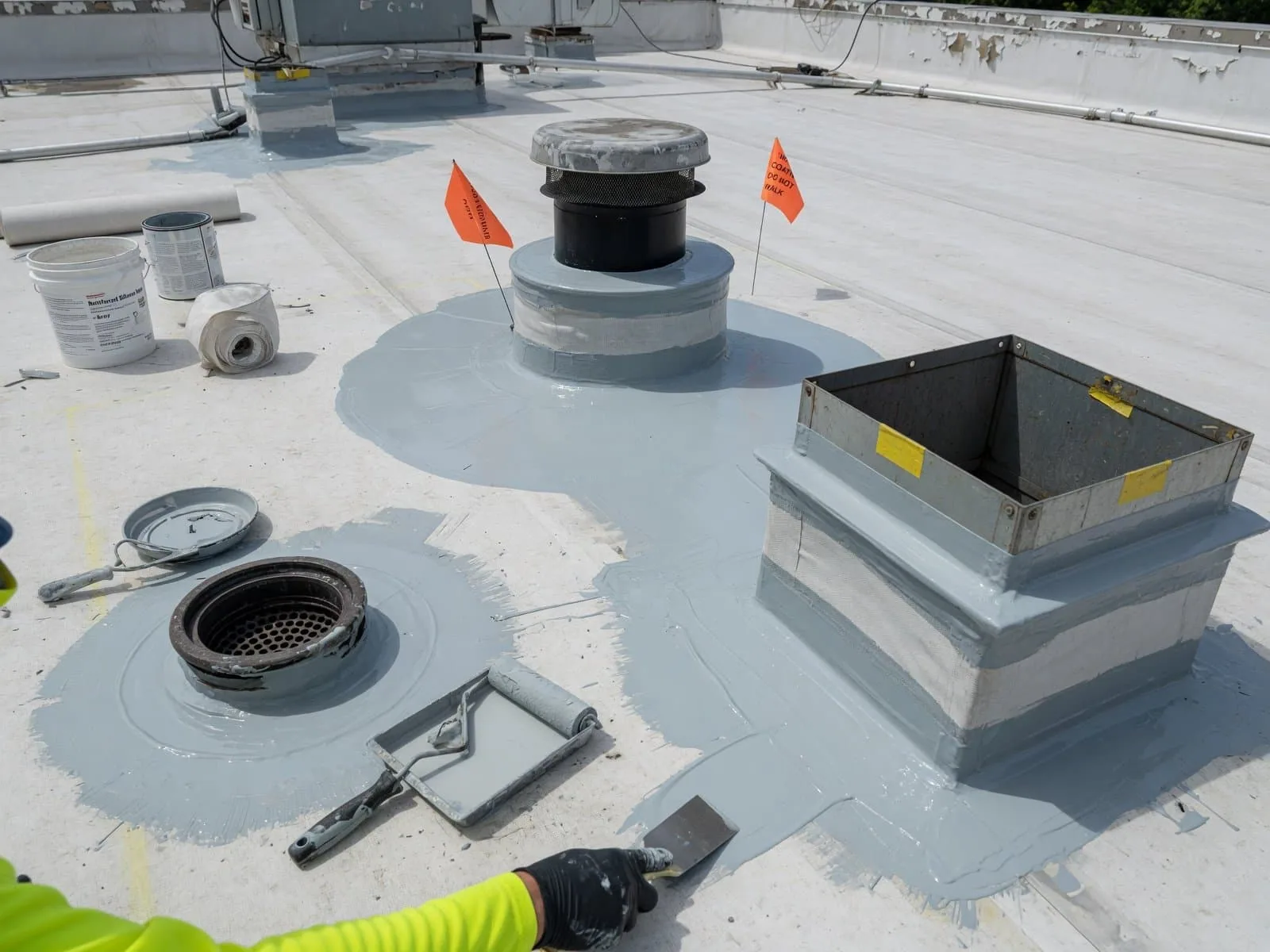
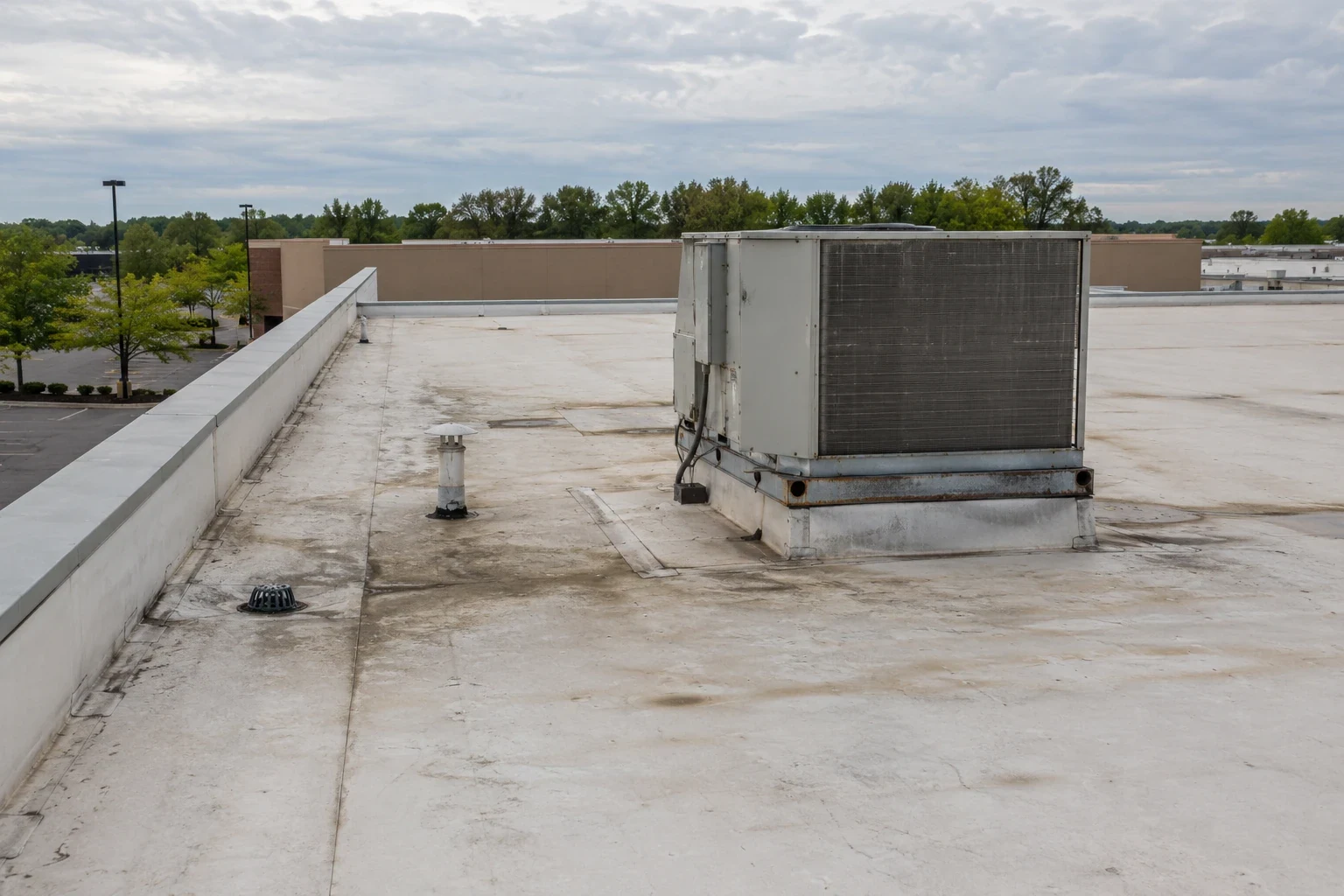
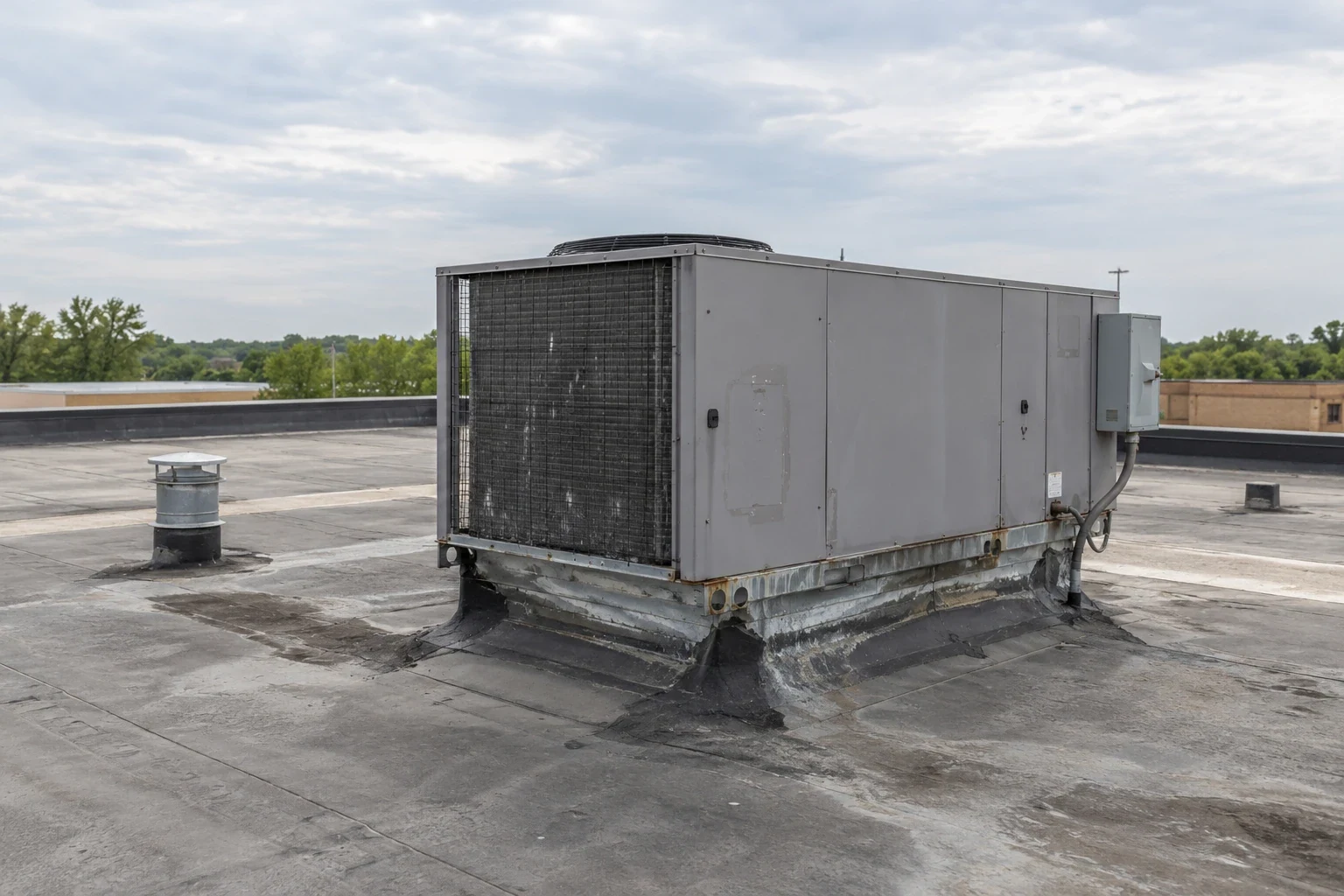
Curbs, pipes and service supports can concentrate movement or vibration at a flashing detail. We examine the support, corner arrangement and upper termination before selecting reconstruction. Equipment may conceal the connection requiring repair, making lifting or disconnection necessary. Grocery equipment curb coordination identifies those interfaces with service personnel so the roofing work can reach the failed component rather than stop at the visible base.
The available equipment window needs to allow preparation and closure after access is gained. We discuss operational limits with the manager and identify which activities require separate scheduling. Service traffic and loose supports near the unit are also examined for abrasion or puncture risk. Compatible roof repair is coordinated with correction of that recurring contact, preserving runoff and access for later equipment care.
How are wet insulation boundaries established?
Moisture can extend through insulation joints or along another layer beyond the exterior opening. We examine the assembly and choose suitable direct checks, with thermal investigation and confirmation where conditions support a useful pattern. Different indoor temperature zones can affect those readings, so they are interpreted with the building's construction and operation in mind. Removal is selected from confirmed condition rather than surface appearance alone.
Wet or unstable material is considered for reconstruction before the covering is closed. Replacement layers restore support and thickness at the boundary, including transitions around equipment and outlets. A contained repair needs suitable retained material beside it, while connected deterioration may change the comparison toward larger removal. The scope explains the affected layers and the remaining questions, allowing the owner to compare the physical work without assuming every board beneath a uniform sheet is identical.
Can roof water reach the outlet without interfering with access?
Curbs, walkways and later service additions can interrupt runoff, while blocked drains hold water against seams or flashing. We examine local elevations and outlet connections before selecting clearing, bowl repair or slope changes. Store roof drainage correction also considers the discharge route below, where a gutter or scupper can affect entrances or receiving roof areas. The whole water path should remain useful after reconstruction.
The selected TPO grocery roof assembly or another covering needs compatible attachment and details at those transitions. Added insulation thickness can alter curb heights and drain approaches, requiring measurements before the package is finalized. A new reflective surface is considered with thermal resistance and indoor moisture conditions, not used to assume a particular energy saving or to avoid correction of wet support beneath it.
We keep any walkway protection clear of the outlet approach and examine its edges, since an access improvement should not redirect runoff into a previously dry equipment transition.
How should product protection and roof closure be coordinated?
Removal, dust and lifting exposure are related to the sales and storage layout before construction phases are chosen. The manager identifies product and operating requirements, while the roof assessment establishes what needs to be opened and rebuilt. Occupied grocery reroofing sets work limits that allow suitable preparation, concealed repairs and closure. A short gap in deliveries can be useful only if the physical task fits that window safely.
For North Irving Belt Line retail properties, staging is planned around the actual entrances and loading routes rather than a general corridor schedule. Cost follows investigation, removal, material reconstruction, equipment access and protection. The comparison separates equipment access and product protection from the material reconstruction, allowing each roof option to be evaluated with its actual operating needs. Active leakage needs immediate attention where goods or occupied space are threatened, with emergency response available day or night.
After work, connections and drainage areas are examined before the roof returns to routine service. Maintenance preserves outlets and identifies wear along equipment routes. Later refrigeration or ventilation changes should include roofing coordination where they affect support, air paths or penetrations. Located findings help the manager distinguish reconstructed areas from retained layers and use compatible care rather than hide a developing defect beneath another unrelated patch.
We also examine how parts and service materials are temporarily placed during equipment work. Suitable protection and support should be provided before components are moved across the covering, with no storage at outlets or fragile corners. That coordination can prevent a service activity from damaging the roof area that was just reconstructed.
Commercial Roofing Questions
Can roof work proceed above refrigerated stock without disruption?
The operating zone, enclosure and construction exposure need assessment with the manager and service personnel. Suitable protection or sequencing may support continued use in some areas, while other work requires a restriction. We establish that plan before opening the roof. The available window must allow dependable reconstruction and closure rather than assume every refrigerated area can remain unchanged beneath removal.
Will insulation replacement resolve condensation near a refrigerated area?
The temperature profile and air path need evaluation before selecting the assembly change. Wet insulation may require replacement, but an open control-layer connection can continue admitting moisture afterward. We coordinate further enclosure or mechanical assessment where needed. The scope identifies both damaged material and the wetting mechanism so a new board package does not conceal the unresolved path.
Can a leaking equipment curb be repaired between service visits?
Access beneath the unit establishes whether contained work is practical or lifting is needed. We examine the concealed connection with service personnel and identify preparation and closure time. A repair window should include the activity that restores the full detail, not only an accessible seal at the curb base. Operating requirements are then coordinated around that suitable sequence.
What should the manager provide for the initial assessment?
Leak locations, timing, equipment changes and the layout of sensitive areas help relate observations to the roof. We also need access information and any available construction or repair history. The examination uses those details to select useful checks, while the material findings establish the repair boundary. Product protection and scheduling are coordinated with the manager once the roof activity is understood.
Ready to review the roof scope?
Request a Roof Assessment