A long metal roof panel expands in summer heat, with its clips and transitions needing to accommodate that movement while preserving attachment. Aircraft hangar roofing in Irving, TX, evaluates those functions together. Commercial Roofing Irving examines the covering and supporting connections before comparing a contained repair with broader reconstruction, then coordinates the work with the operator's aircraft and access requirements.
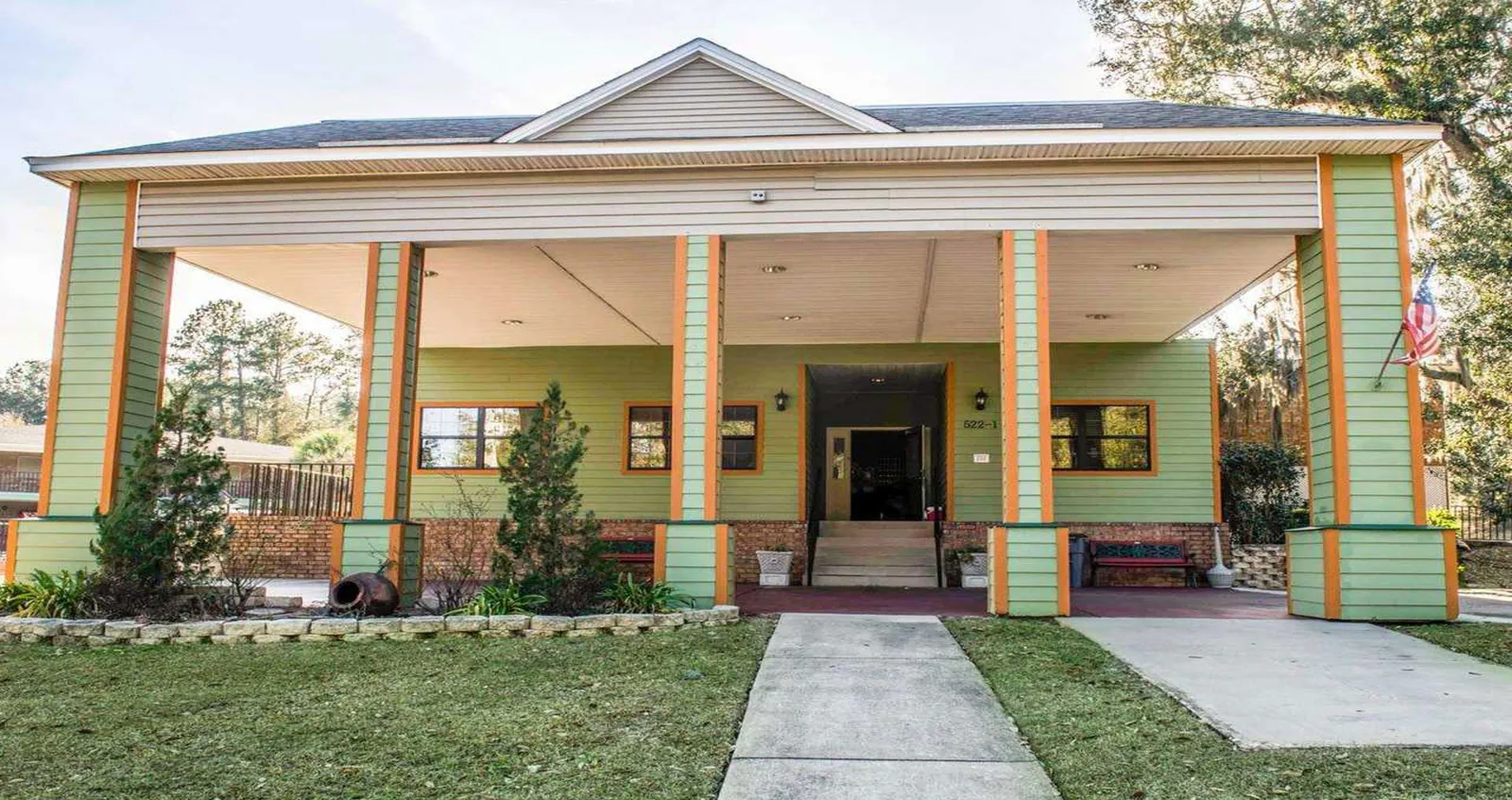
Aviation is among Irving's economic sectors, and regional transportation connections support varied commercial operations. Grand Prairie has a substantial industrial setting served by interstate and rail routes. Those regional uses make equipment protection and working access relevant planning questions for aviation buildings. Hot Dallas/Fort Worth summers and occasional severe storms provide exposure context, with the actual hangar's construction and condition establishing the roofing scope.
Can the panels move without losing their connection?
Long panel runs need examination at fixed points, clips, seams and end transitions. A panel that cannot move as intended may distort or transfer strain into a flashing. The visible split can therefore be a consequence of another constrained connection. We assess that relationship before selecting a patch or replacement detail, preserving the designed movement function rather than using rigid repair material to restrain the roof indiscriminately.
Hangar standing seam assessment includes the accessible support and attachment path. A repair needs suitable engagement beneath the covering as well as a weather-resistant seam. Corrosion or damaged support changes what can be retained. Where concealed clips or structural conditions need further evaluation, selective access and appropriate professional input establish the correction before another panel is installed across an uncertain connection.
What needs evaluation beside the large opening?
Roof edges and taller wall transitions near hangar doors can have different geometry from an ordinary low-roof perimeter. We inspect the actual connection and discuss door operation with the appropriate service personnel. Roofing work should not assume the door support can serve as a lifting or material-storage point. Structural or door-system concerns are separated from the covering repair and coordinated before alterations are made.
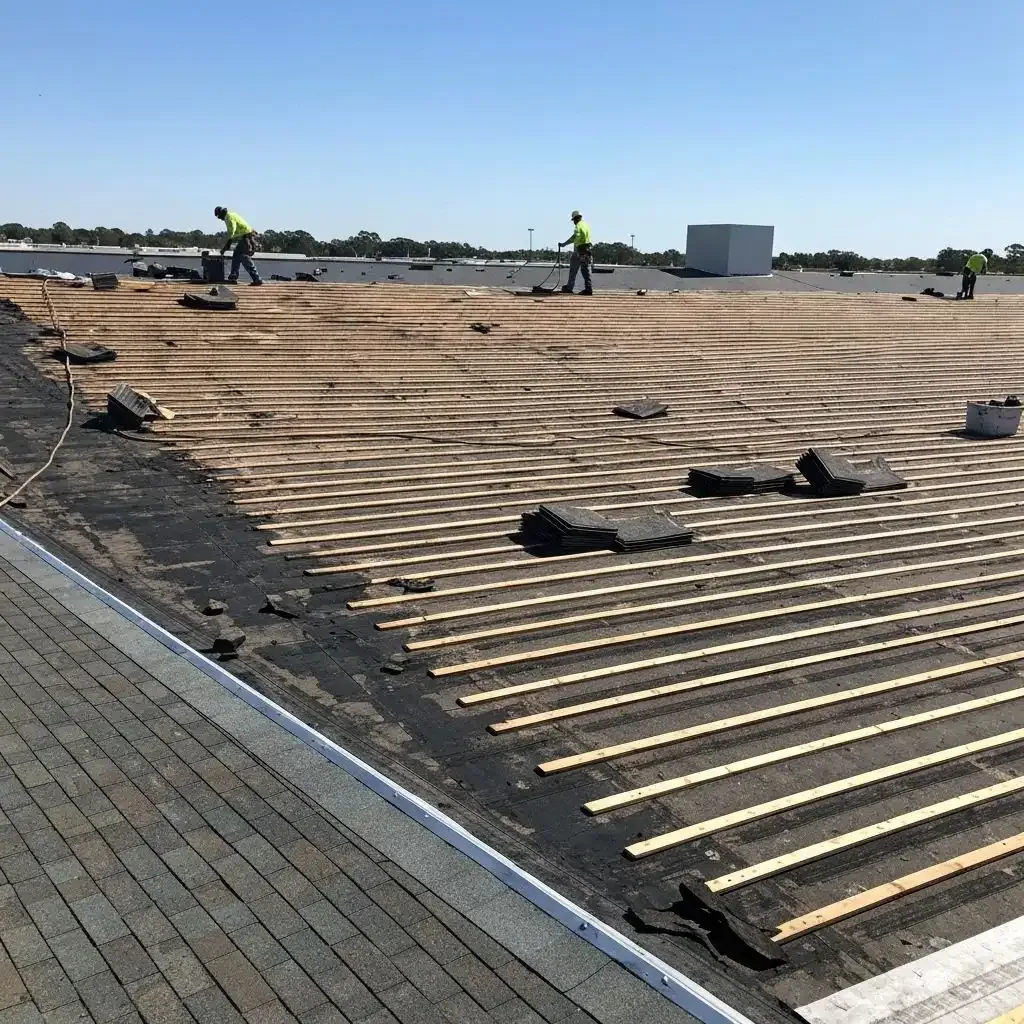
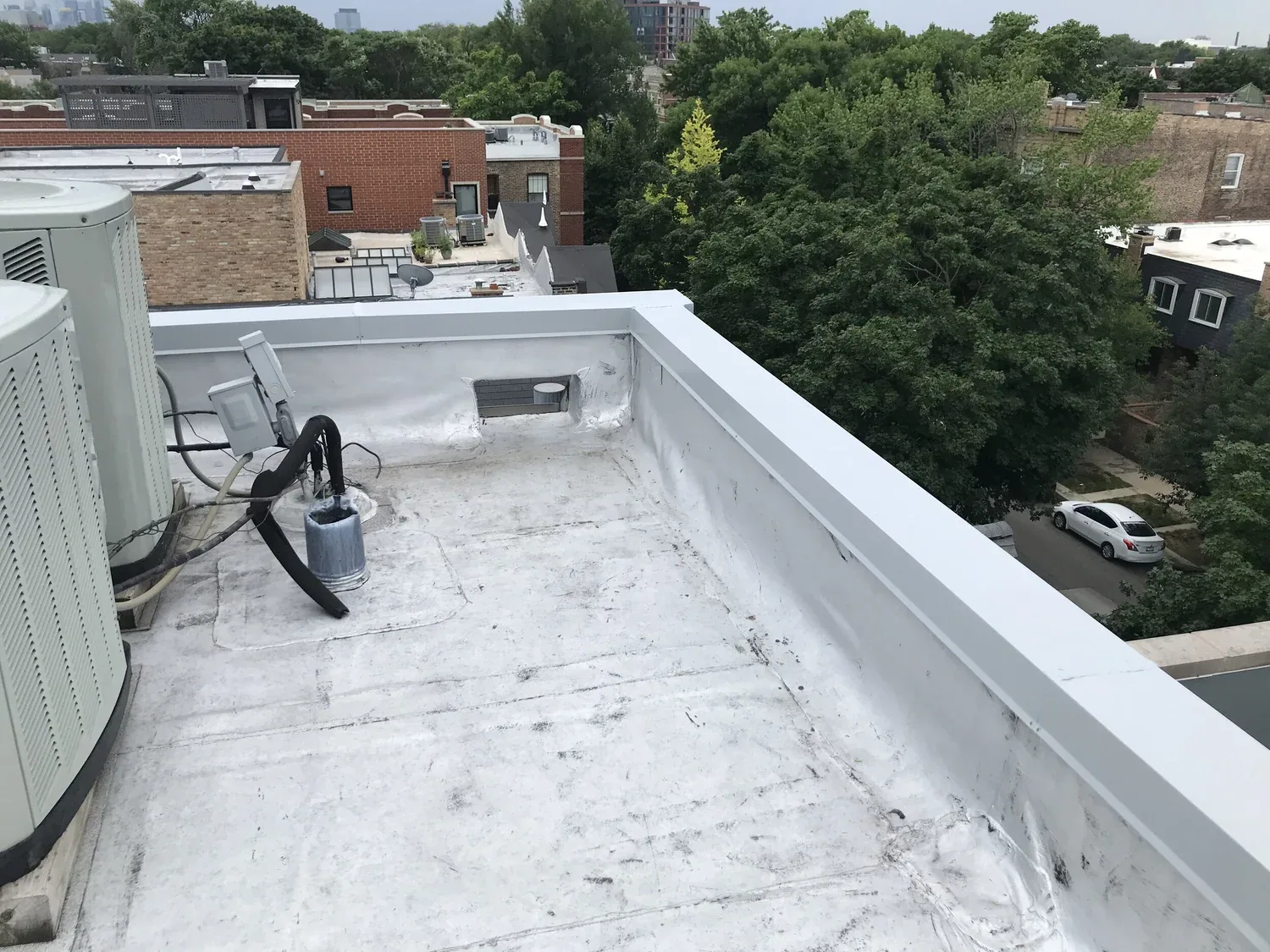
Aviation roof-edge reconstruction considers fastening, laps and runoff alongside the covering termination. Wind resistance depends on the assembled connection, including suitable support for the fasteners. Replacing an exposed metal component alone may leave a deteriorated attachment beneath it. The proposed scope identifies that support work and the access needed to make it dependable.
The evaluation also distinguishes water entering the door or wall assembly from entry through the roof termination, so another building component is not left unresolved by a roof-only repair.
Where can work proceed without exposing aircraft?
The operator establishes aircraft positions, movement routes and restricted areas before the roofing sequence is set. Removal above an occupied hangar can create debris exposure even where the roof opening is small. We review the protected work zone and any relocation or operating restriction required. The arrangement also accounts for tools and loose material near entrances and the route used for lifting equipment.
Aviation-building replacement sequencing keeps preparation and closure within the available weather and access conditions. Controlled areas or special operating requirements are established through the operator rather than assumed from general commercial experience. Roofing materials still need suitable installation conditions. A short approved window that cannot accommodate preparation, reconstruction and protection requires a revised scope or sequence before work begins.
Is interior moisture caused by roof entry?
Large interior volumes can make the visible wet area distant from the entry point. Water may follow a panel, support or concealed layer before reaching the occupied space. We compare leak timing with roof slope and likely transitions. Condensation and equipment discharge are also considered where observations do not fit rain entry, with further building-system evaluation coordinated if needed.
Hangar roof leak investigation targets plausible paths while recording the limits of accessible examination. A survey signal or interior stain guides the next check rather than establishing the full removal boundary by itself. Direct confirmation helps distinguish suitable insulation from damaged material. Related protection questions arise on manufacturing roofs and large storage roofs, with aircraft operations requiring their own access arrangement here.
Would a retrofit correct the existing assembly weakness?
A retrofit option needs a suitable retained structure, attachment method and moisture condition. Adding another covering does not make an inadequate support path adequate or remove concealed wet layers. We assess those components before comparing retention with removal. The proposal explains whether the work corrects weather shedding, replaces compromised material or requires a separate structural response to support the selected assembly.
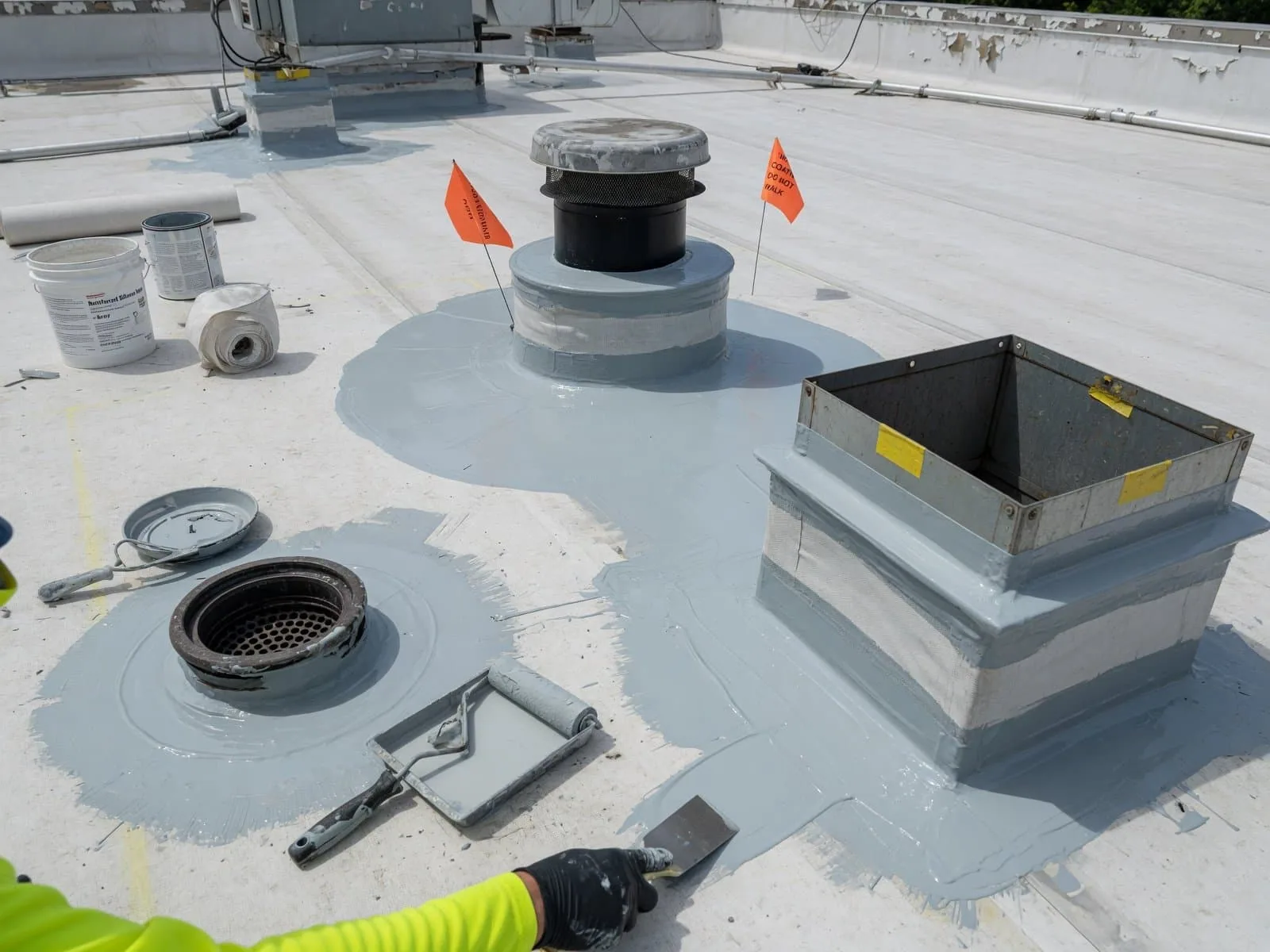
Metal roof retrofit planning also considers condensation control and transitions at the new surface height. Insulation and ventilation choices depend on the actual arrangement rather than a generic assumption that another layer always improves interior conditions. Penetrations and gutters need reconstruction coordinated with the new geometry. The comparison identifies the work remaining necessary even where the existing panels are retained below.
For regional projects in Grand Prairie, interstate and industrial access can support delivery planning, with the property's operating restrictions determining the usable route. Cost follows examination, support reconstruction, aircraft protection, access equipment and the covering installation. A difficult concealed connection can affect the scope more than its small visible area suggests. These requirements are made explicit before the operator compares repair with a larger project.
After completion, the field and transitions are reviewed for secure connections and usable runoff paths. The operator receives retained-area and maintenance priorities. Later equipment additions or access changes need roofing coordination before altering panels or penetrations. The roof record distinguishes reconstructed support and covering from areas that were examined but retained, supporting a more focused response to subsequent observations.
Temporary material placement is also reviewed against the roof's available support. An open-looking span should not be treated as suitable storage for concentrated loads without the required assessment. The lifting plan addresses safe movement to the working area and removal of loose packaging. Those practical controls keep the installation sequence from introducing damage to retained panels before the intended reconstruction is complete.
Commercial Roofing Questions
Does aviation roof work require moving every aircraft off the property?
The proposed opening, overhead exposure and safe separation establish the protection arrangement. Some phases may require relocation from an affected work area, with another phase allowing suitable separated operation. We coordinate the actual layout and restrictions with the operator. A general roof repair description cannot establish that aircraft can remain beneath every removal or lifting activity.
Can a long panel seam be sealed without inspecting its clips?
A weather-seal repair may be suitable where the underlying movement and attachment functions remain sound. Recurrent distortion or separation calls for assessment of the concealed connection where necessary. The repair addresses the mechanism producing the opening rather than merely covering its visible result. Suitable retained support and compatible materials establish whether that contained option is dependable.
Is an interior drip always evidence of a punctured roof?
Rain can enter at an edge or transition and travel before appearing inside. Condensation can also produce moisture without an exterior hole. We compare the timing and location with the assembly and operating conditions. Targeted checks help identify the path, with the eventual reconstruction boundary based on confirmed material condition rather than the drip's position alone.
Does Commercial Roofing Irving claim special aviation approvals?
Project-specific access, procurement and operating requirements need review with the owner before work is accepted. An aviation roof assessment does not itself establish every credential or authorization. We discuss the applicable documentation and restrictions alongside the technical scope. Roofing recommendations remain based on the examined assembly, with other specialist responsibilities coordinated as needed.
Ready to review the roof scope?
Request a Roof Assessment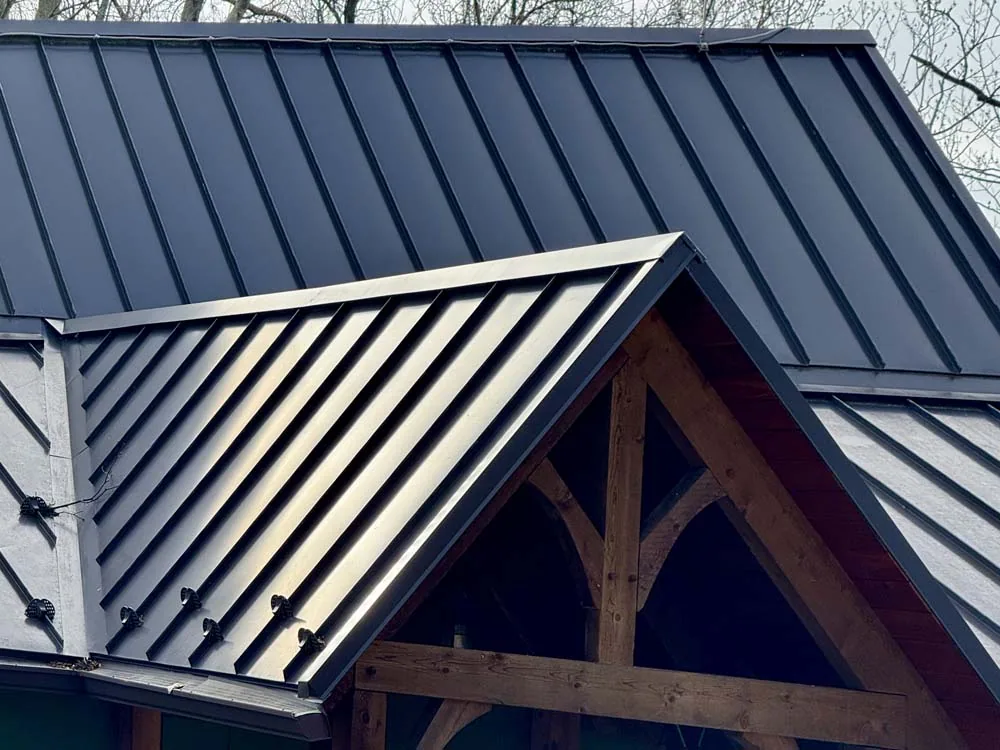
Commercial Roof Edge Metal, Coping and Gutters
See scope, options and what to expect on the roof.