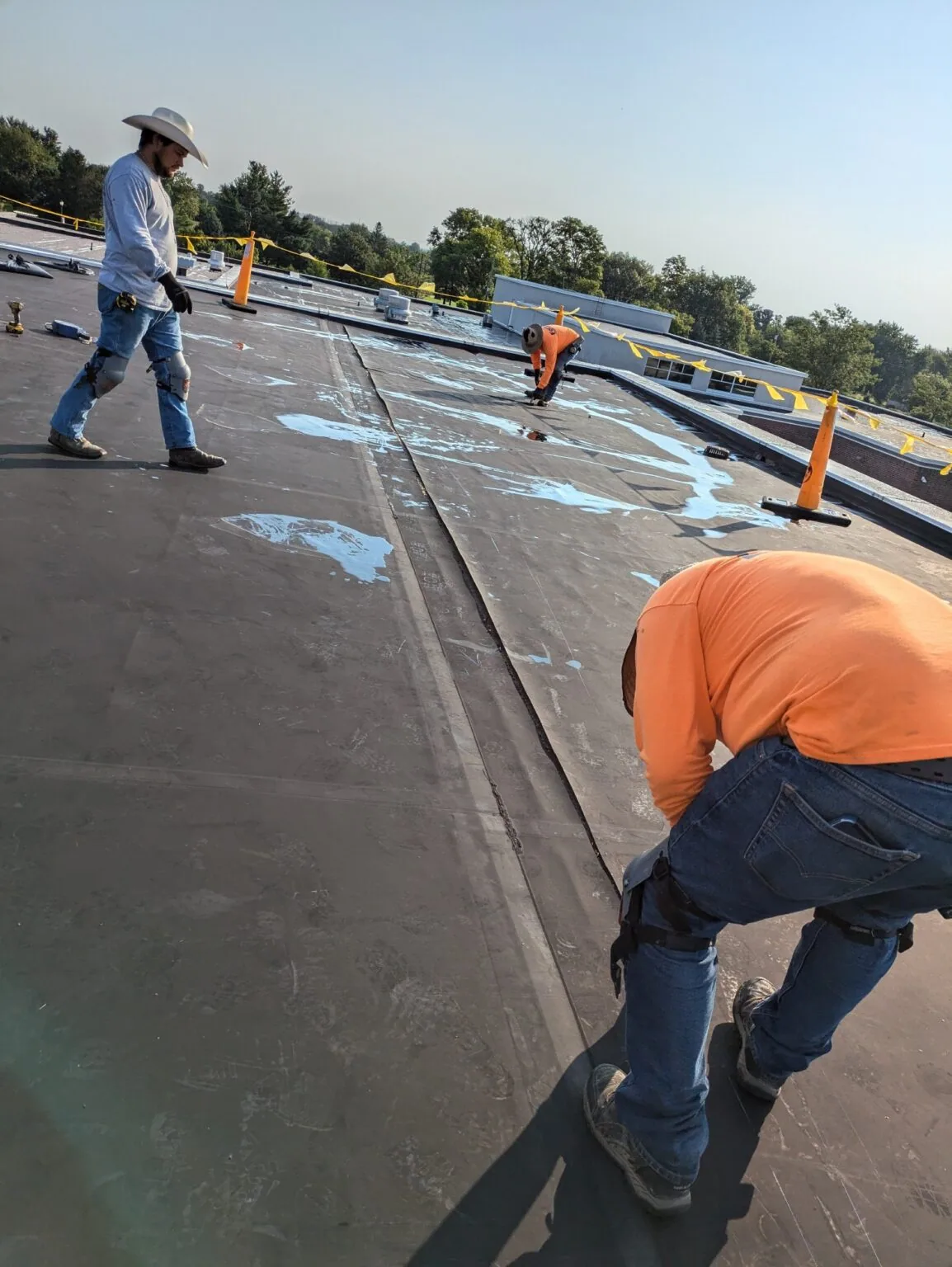
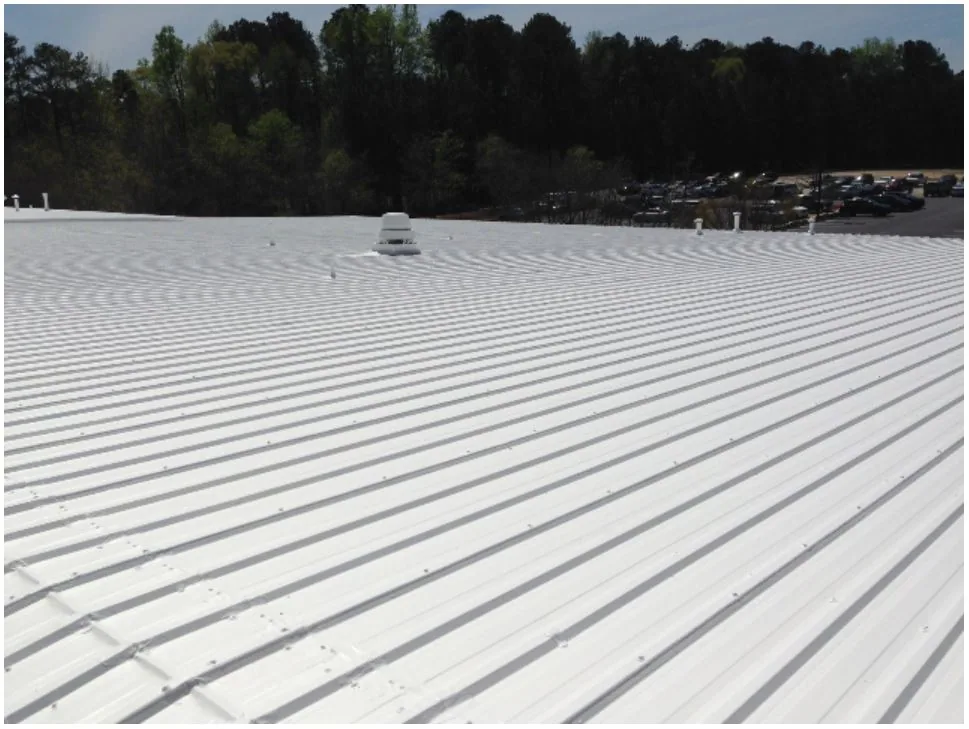
A commercial roof in The Colony, TX, needs an inspection that starts with its actual membrane, edges and drainage, even when transportation access is part of the property’s regional context. The city’s economic-development information identifies the Sam Rayburn Tollway along with Dallas North Tollway and I-35 connections. Those connections do not tell us what assembly is on a particular building or how it can receive material. Commercial Roofing Irving confirms roof access, loading and condition with the owner before planning the work.
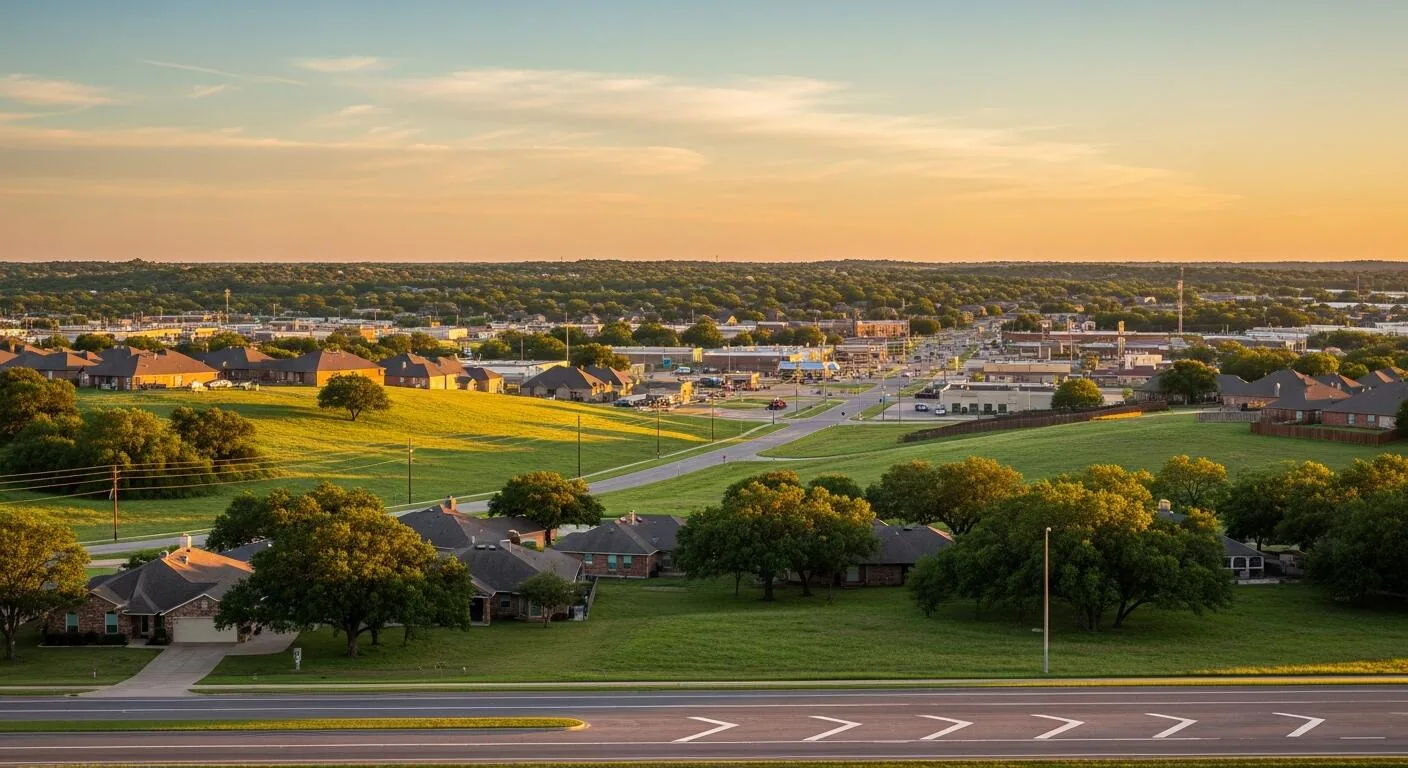
Across the Dallas/Fort Worth region, hot weather cycles materials and severe storms can test seams, terminations and penetrations. That regional pattern guides where we look; it does not prove a leak or storm impact at one address. We inspect the reported area and surrounding roof details, then compare field observations with repair records and interior symptoms. A sound recommendation connects a visible failure to the concealed layers that may determine whether repair or replacement is appropriate.
What does regional access mean for roofing logistics?
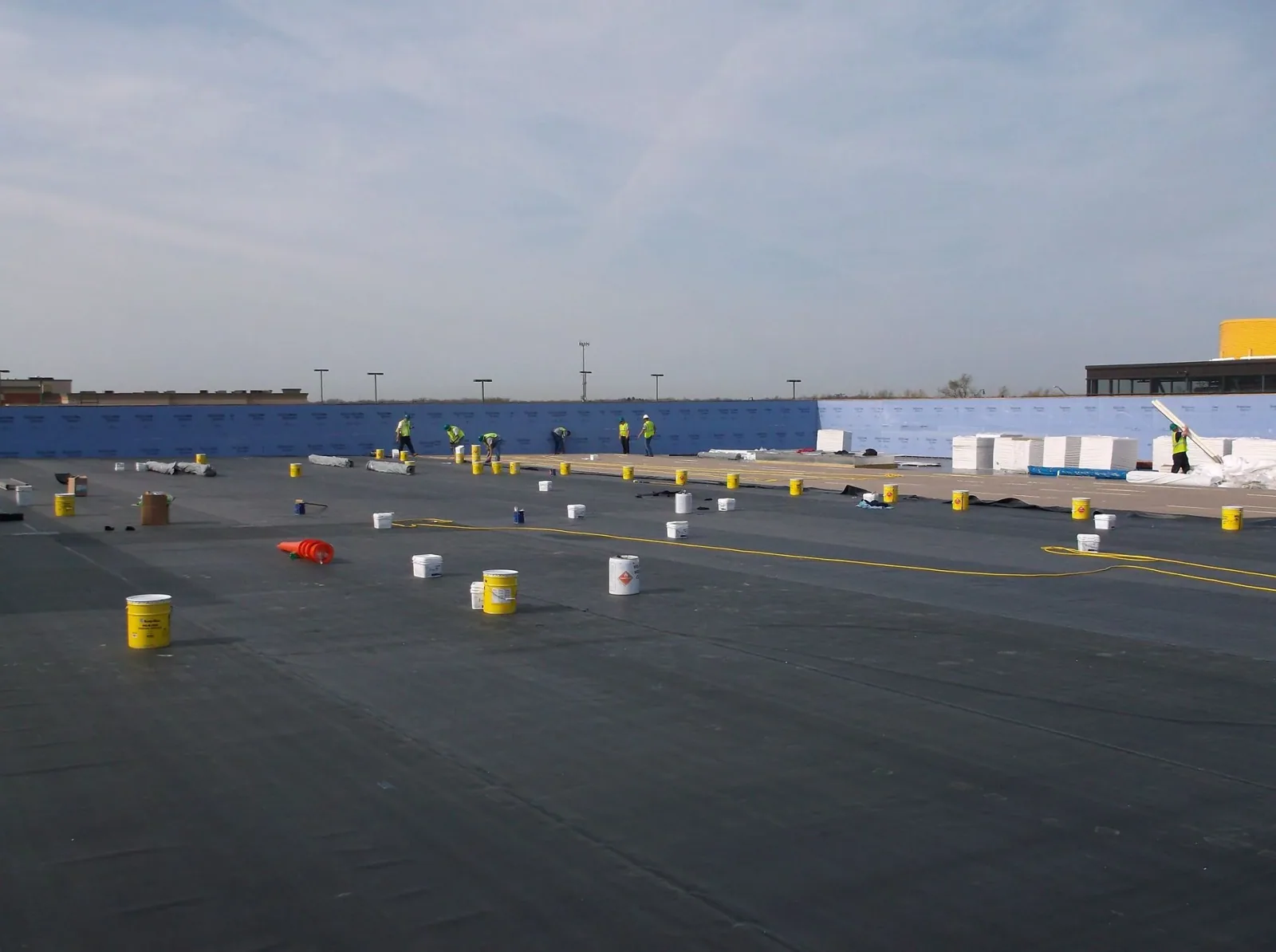
A nearby tollway or interstate is not a delivery plan. Before work begins, we verify the driveway, loading space, staging permission and route from the material drop to the roof. A building may have restricted vehicle access, shared parking or equipment movement that affects where a crane or hoist can operate. Those details are confirmed at the property, not inferred from the map. We coordinate the approved arrival and staging window with the manager. A lift, crane or hand-carry plan also depends on roof height, access clearance and where the work area can be protected. We confirm those facts on site, then assign delivery windows that avoid interfering with tenant circulation or scheduled services.
The Colony’s information also places passenger rail access at Lewisville’s Old Town Station nearby, not inside The Colony. That distinction matters when a project discussion includes transit proximity: the station is regional context, while roof access still depends on the subject property. We set protection and material movement around the actual site. The occupied-building sequence identifies entrances and work zones, and a roof inspection records the areas that can be reached safely.
How do drainage and seams show where water is entering?
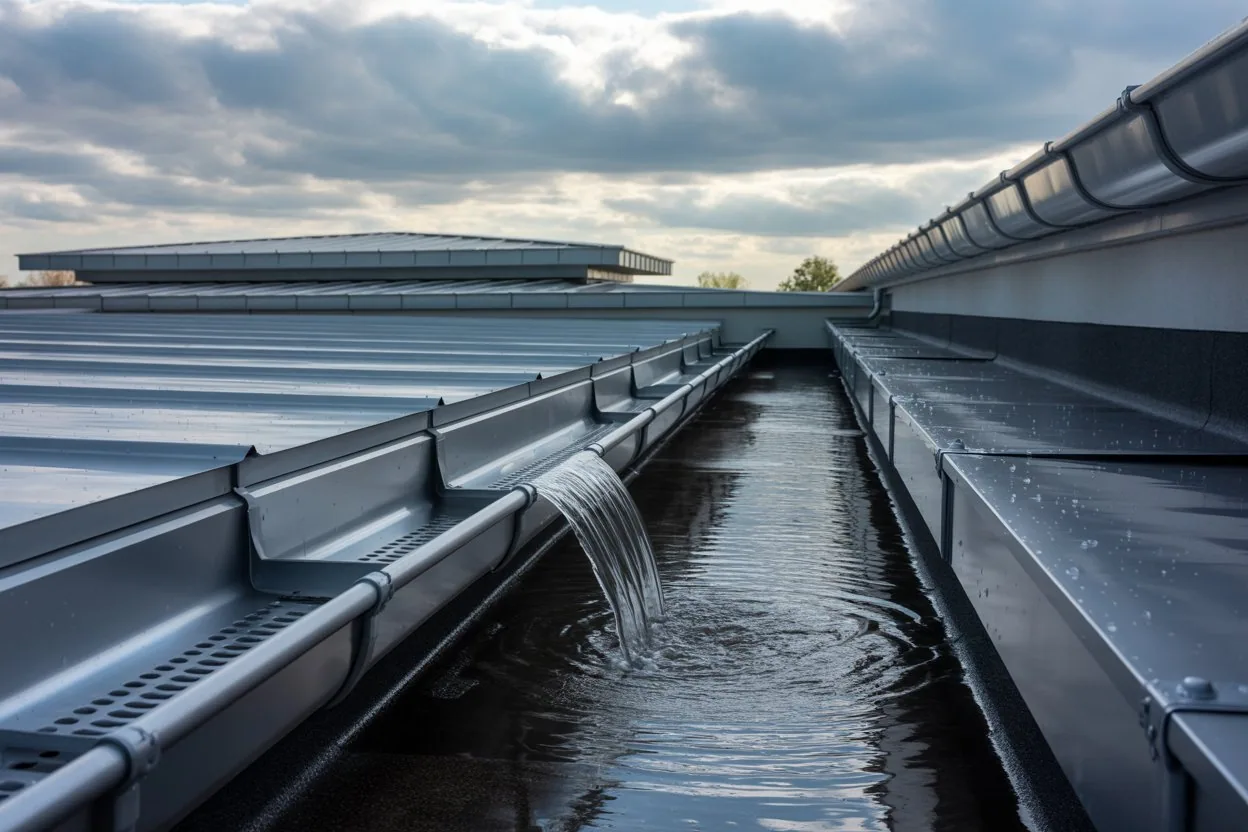
Water that remains at a low point can stress an older seam, drain flashing or repair boundary. We first check whether the outlet is open, whether the adjacent roof directs water toward it and whether the membrane around the assembly is secure. A blocked strainer calls for a different task than a depressed deck or a loose drain flange. We record the reason water is retained before recommending work, because a surface patch will not correct a profile that continues to hold water.
Inside, the stain can appear away from the entry point. We compare its location with roof slope, deck joints and penetrations, then inspect plausible paths rather than open the nearest visible roof detail without a reason. A ponding-water evaluation can separate a maintenance issue from a drainage change. If moisture could extend beyond the surface, an infrared survey or selective opening may help define the removal boundary.
Which repair material can bond to the roof that remains?
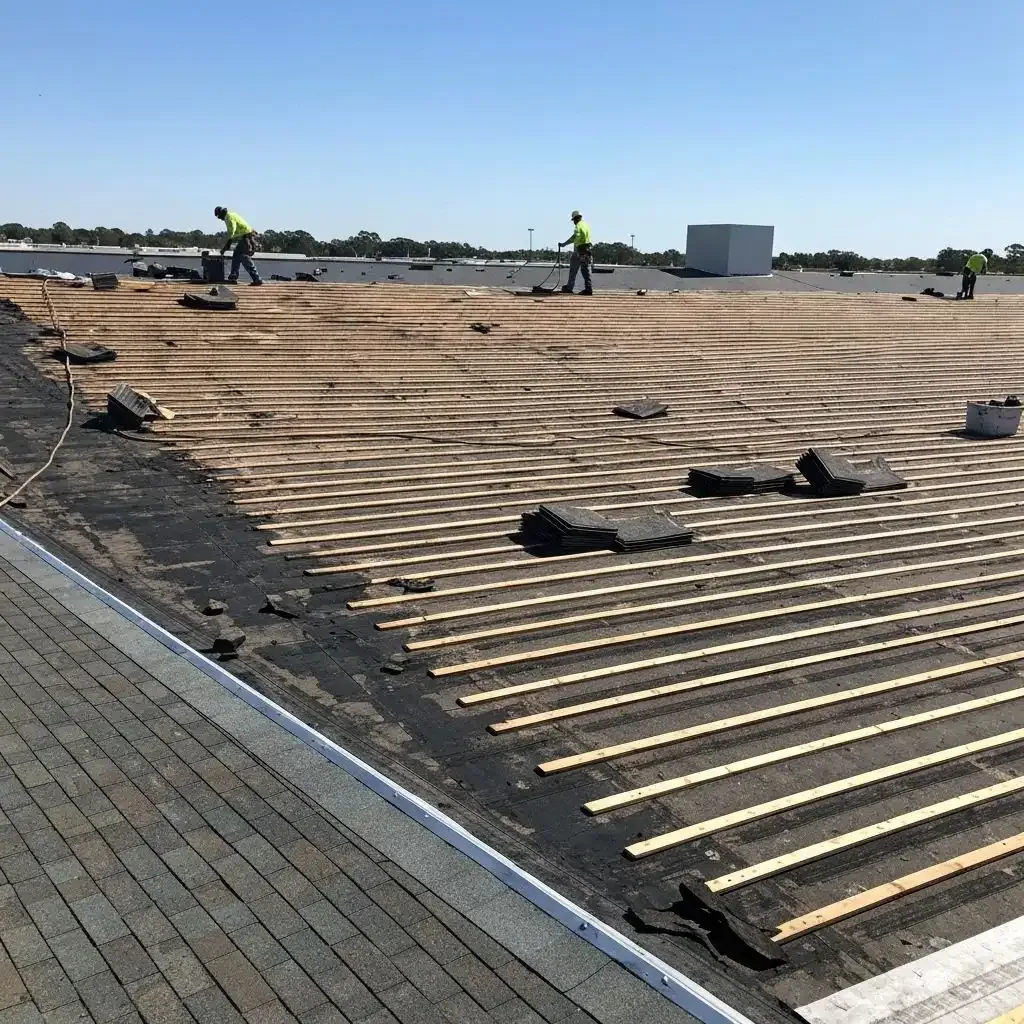
Before rebuilding a seam or flashing, we identify the existing material and prepare a suitable bonding surface. Old sealant, contamination and incompatible patches can limit adhesion. We remove failed material to a stable boundary and examine insulation or cover board where water has entered. If the field remains dry and secure, localized repair may preserve usable assembly. If concealed layers are wet or attachment has deteriorated, removal should follow that evidence.
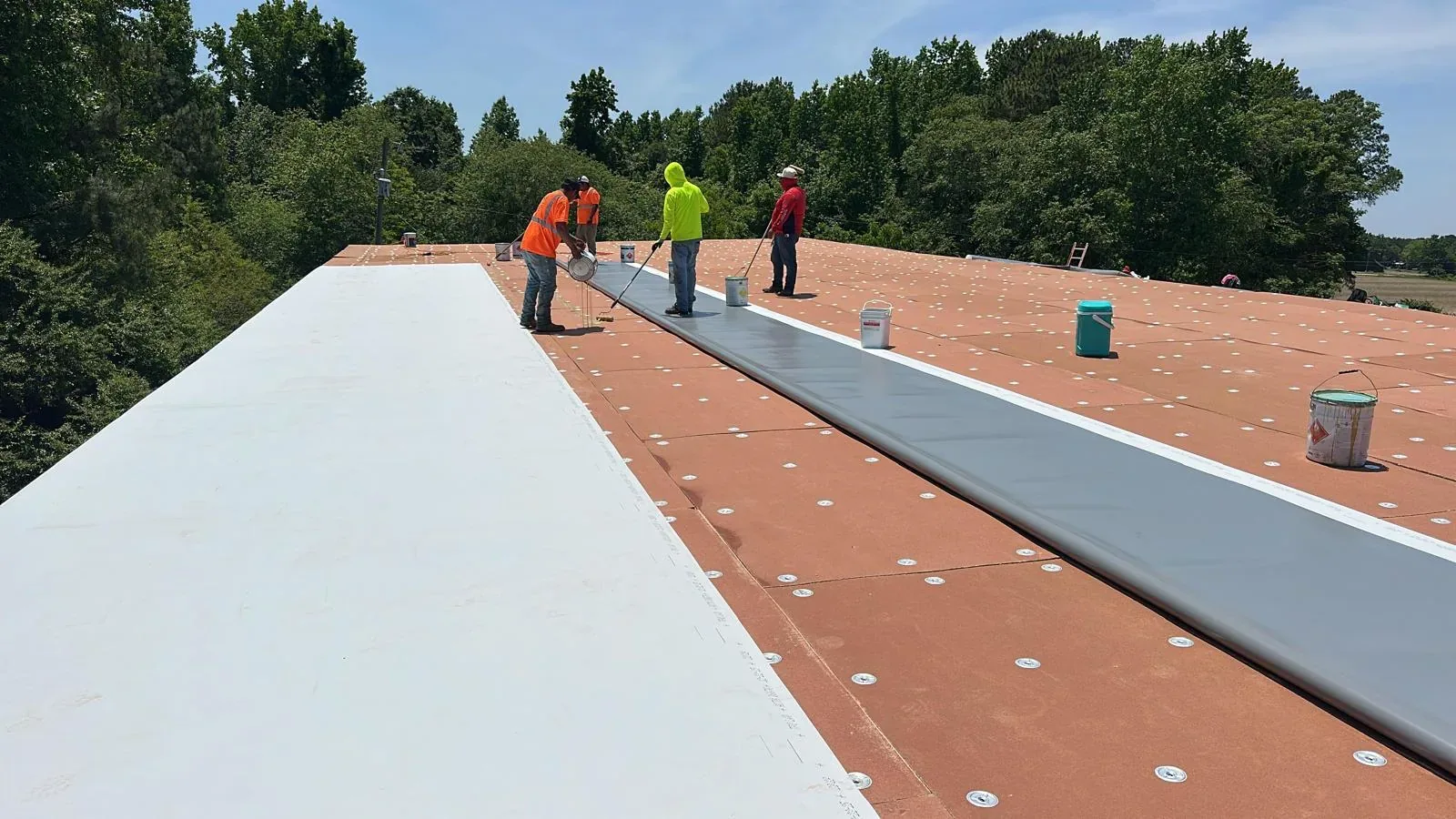
A TPO assembly, a standing-seam metal system or another roof type requires its own details at edges and penetrations. A recover is considered only after we establish existing layers, added weight, attachment and the heights available at walls and curbs. A coating also requires a compatible, serviceable substrate; it cannot replace wet insulation or correct a failed drainage slope. The option comparison should name the materials and preparation needed rather than describe a membrane as a generic waterproof layer.
How should the owner compare repair and replacement?
A repair proposal identifies the defect, nearby transitions and the material expected to remain. Sectional replacement may be appropriate when deterioration crosses a defined boundary. Full replacement comes into view where moisture or weak attachment extends broadly or the roof cannot provide a reliable bond for local work. We explain what has been confirmed and which concealed condition could expand the scope after a selective opening.
For a larger project, the replacement scope should account for removal, insulation, attachment, perimeter metal, drainage and equipment transitions. A capital plan can compare immediate work with a phased project, while retaining the individual roof’s findings. Las Colinas Urban Center and the commercial areas in The Colony are separate places with different properties; an owner managing both should not treat one inspection as evidence for the other.
Permits, code requirements and inspections must be confirmed with the jurisdiction governing the property. Irving’s municipal requirements do not transfer to The Colony. We include the applicable local review and owner approvals in the project sequence so materials are not ordered against an assumed permit path.
What records help keep the roof decision current?
Keep the roof plan, repair notes, photographs and leak dates with a consistent location reference. Those records help us compare a new symptom with a prior seam, drain or penetration repair. We describe each finding and action in terms the next manager can follow, including the portion that remains inaccessible or concealed. A condition record is more useful when the same roof-area labels appear in inspection photographs, repair notes and future service records. A record should show what was examined, what work was completed and what still needs a decision.
Preventive maintenance can revisit drains, debris, fasteners and flashing before a small change becomes an interior interruption. Around-the-clock emergency response is available seven days a week and on holidays when active water entry needs attention. We first arrange safe temporary protection, then inspect and document a permanent repair. For comparison within the broader market, the Flower Mound and Coppell locations need their own access and assembly review.
Commercial Roofing Questions
Does tollway access establish a quick material delivery?
No. We confirm the actual loading point, vehicle limits, site permission, staging area and roof-handling method. A route on a map does not confirm a gate schedule or a safe path to the work area. Those details are coordinated with the property manager before delivery so the planned material does not obstruct operations.
Does nearby rail service mean a roof project can use station access?
No. The economic-development information identifies Old Town Station in neighboring Lewisville, not a station inside The Colony. Roofing access remains subject to the building’s own site controls. We keep regional transit context separate from project logistics and confirm access directly with the property team.
How can a manager tell whether ponding needs a repair?
We check the drain and strainer, membrane attachment, roof profile and signs of retained moisture. A cleared outlet may resolve debris-related ponding, while a low deck or poor drainage path can need a different correction. The recommendation should address the cause and explain whether the surrounding assembly remains suitable.
What should be included in a storm-related repair record?
Record the reported date and symptoms, then connect the roof observations with photographs and the work performed. We identify damage actually observed, the boundary of any repair and any area needing confirmation. A regional storm report can help orient the inspection, but the building record should describe the property condition rather than assume a particular event caused it.
Ready to review the roof scope?
Request a Roof Assessment