Hot Metroplex roof surfaces can move against rigid flashing and edge metal, while spring storms test whether seams still control water. A Roanoke inspection separates those mechanisms instead of treating every leak as a field failure. We examine the detail, follow moisture evidence and define how far the repair must reach before comparing a local correction with wider replacement.
Roanoke sits at US 377 and SH 114 in south-central Denton County, and its town center developed along the railway. Historical accounts also describe shopping centers and manufacturers in its late-twentieth-century economy, which does not establish current tenants or roof types. We identify the building and assembly on site, then coordinate the work with its actual use. Start with a roof inspection when the condition needs a defined boundary.
What is the first useful distinction on a leaking roof?
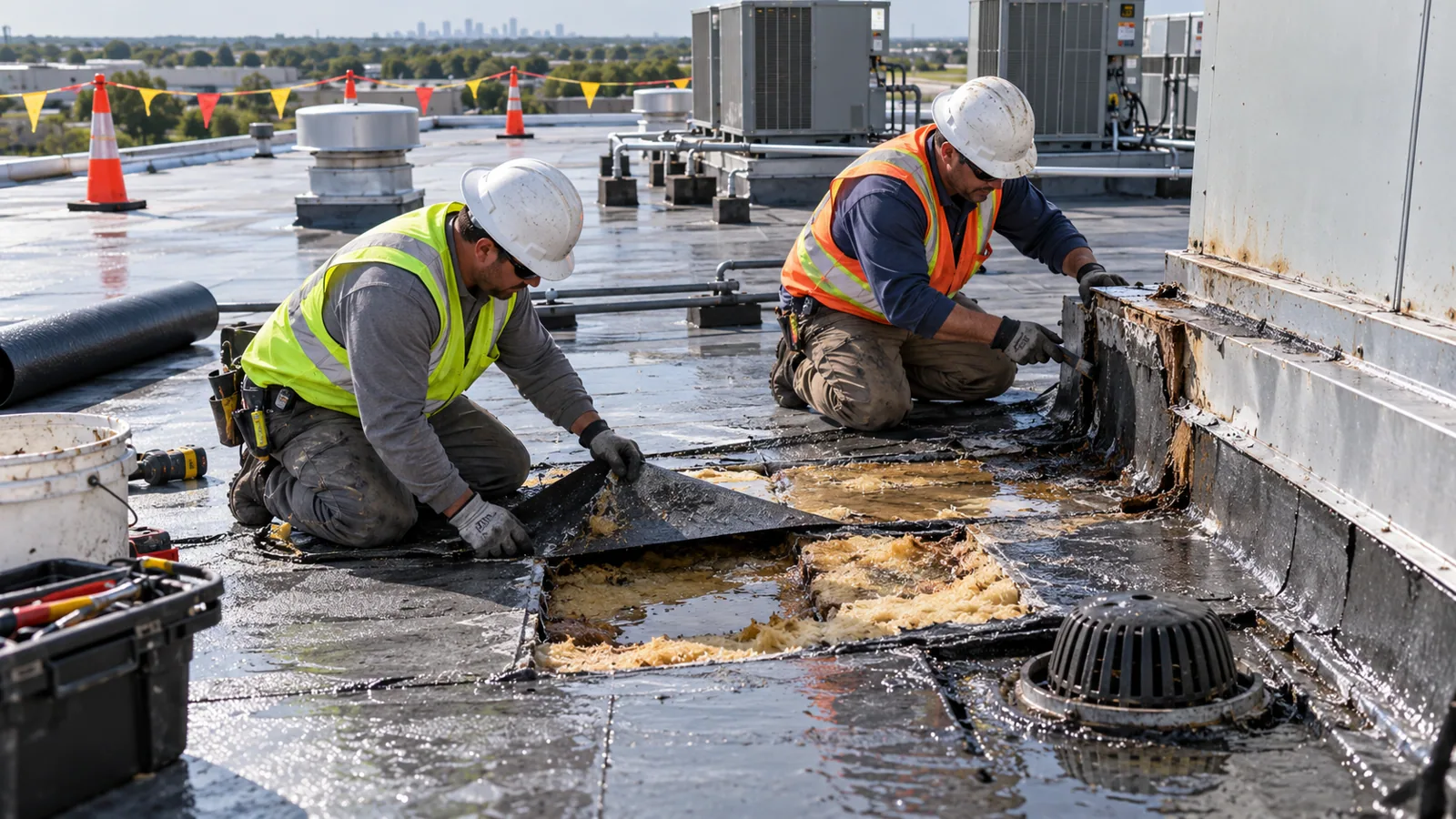
We separate the place where water shows indoors from the roof detail that admitted it. A stain may sit below a deck joint, travel along insulation or emerge at a penetration away from the opening. We inspect the likely path, check drainage and record which materials are visible. If the assembly is concealed or wetness is uncertain, we identify the selective opening that would answer the next question.
The intersection of US 377 and SH 114 is a recognized local reference, not a promise about a particular building’s loading route. We confirm access, lift placement and operating constraints with the owner. A condition report makes each finding traceable to a roof area and photograph. It also distinguishes active water control from follow-up work, helping a property team authorize a contained first step without assuming that all nearby roof areas share the same condition.
How does repeated temperature change load a connection?
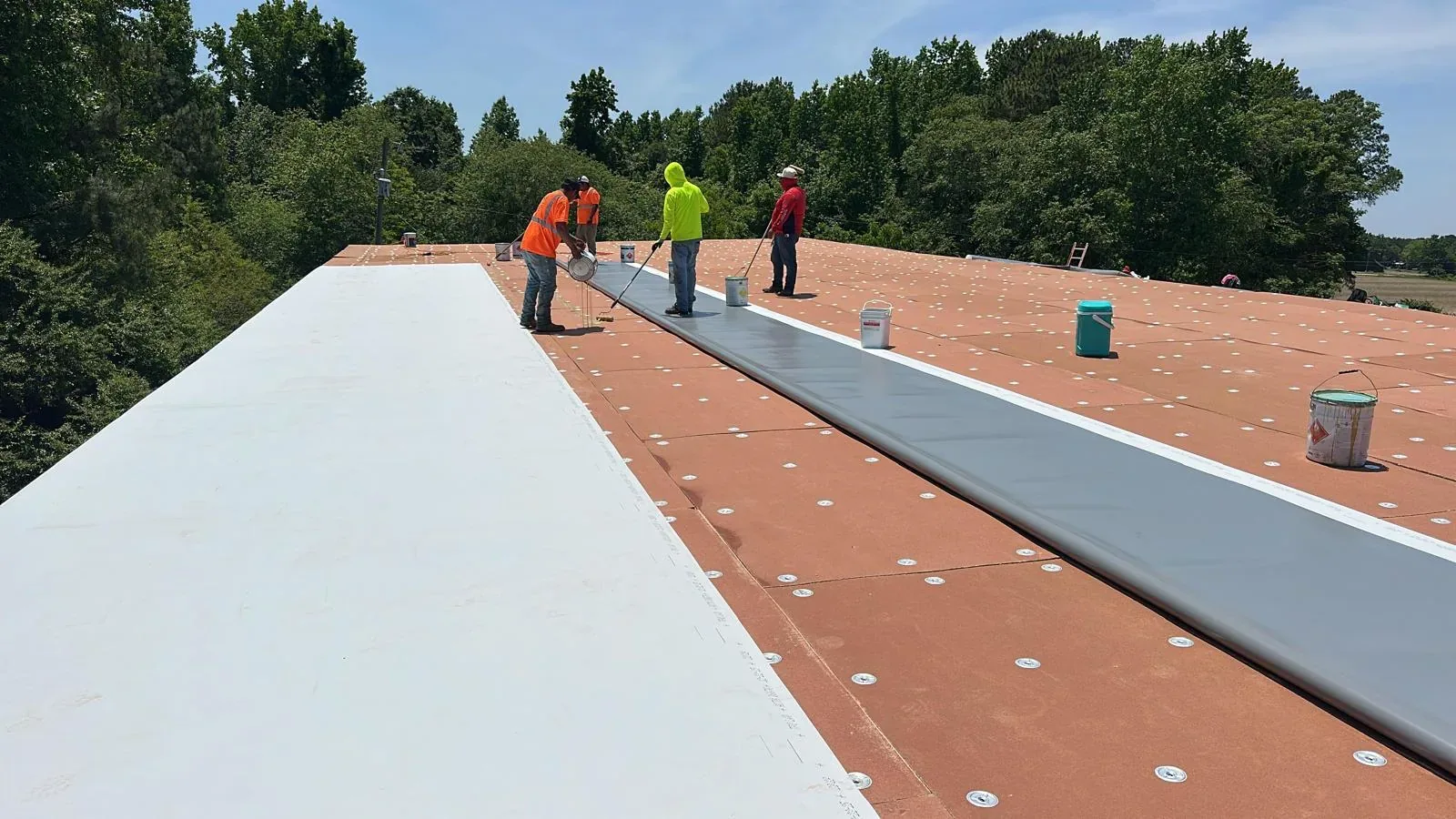
A membrane field expands and contracts differently from a metal edge or rigid curb. The transition must allow that movement while keeping the water line continuous. When a seam pulls away, we inspect bond, weld, fasteners and the substrate, then look for related stress at adjacent corners. A surface patch may conceal a detail failure if the attachment or flashing geometry remains unchanged.
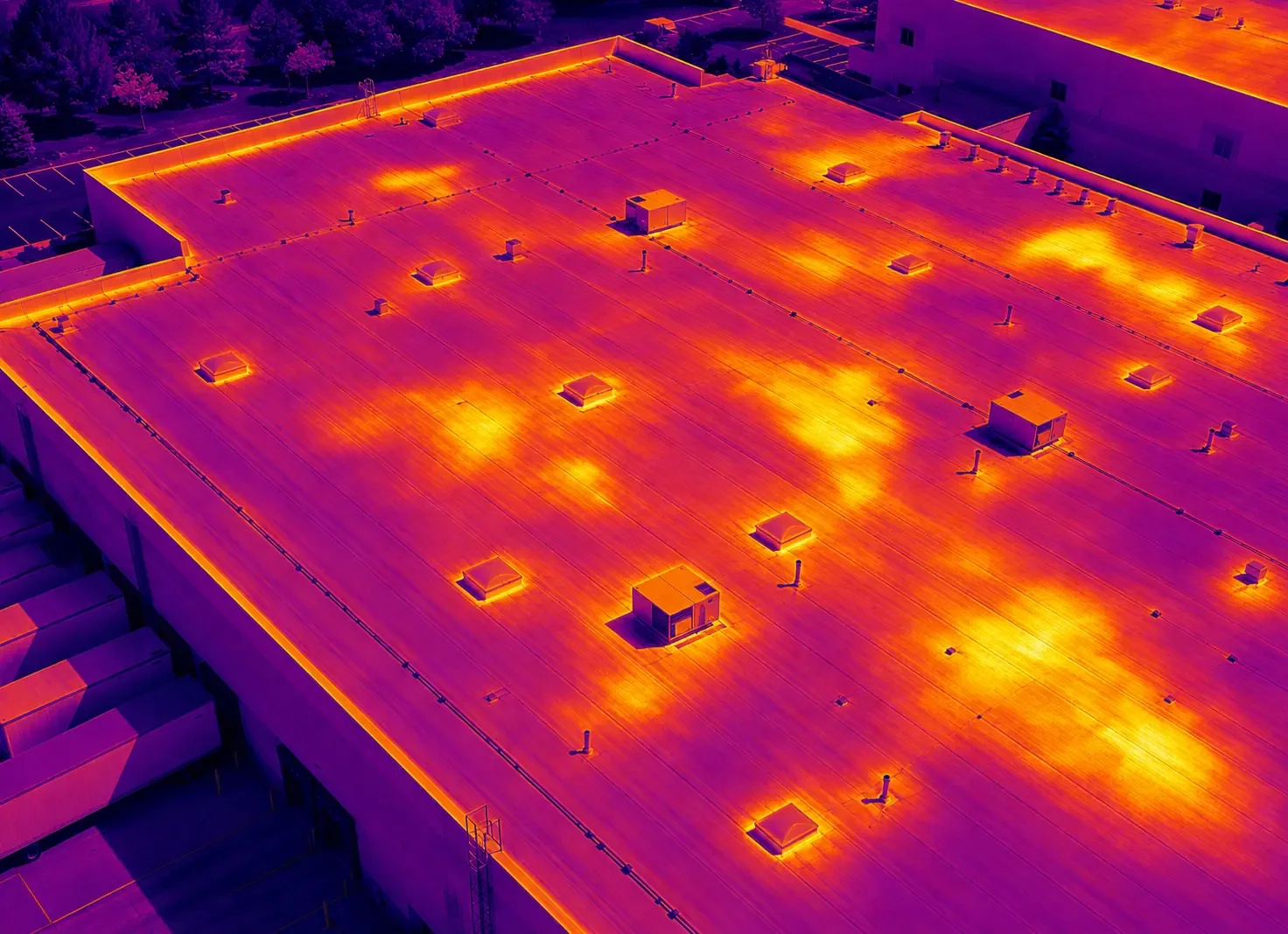
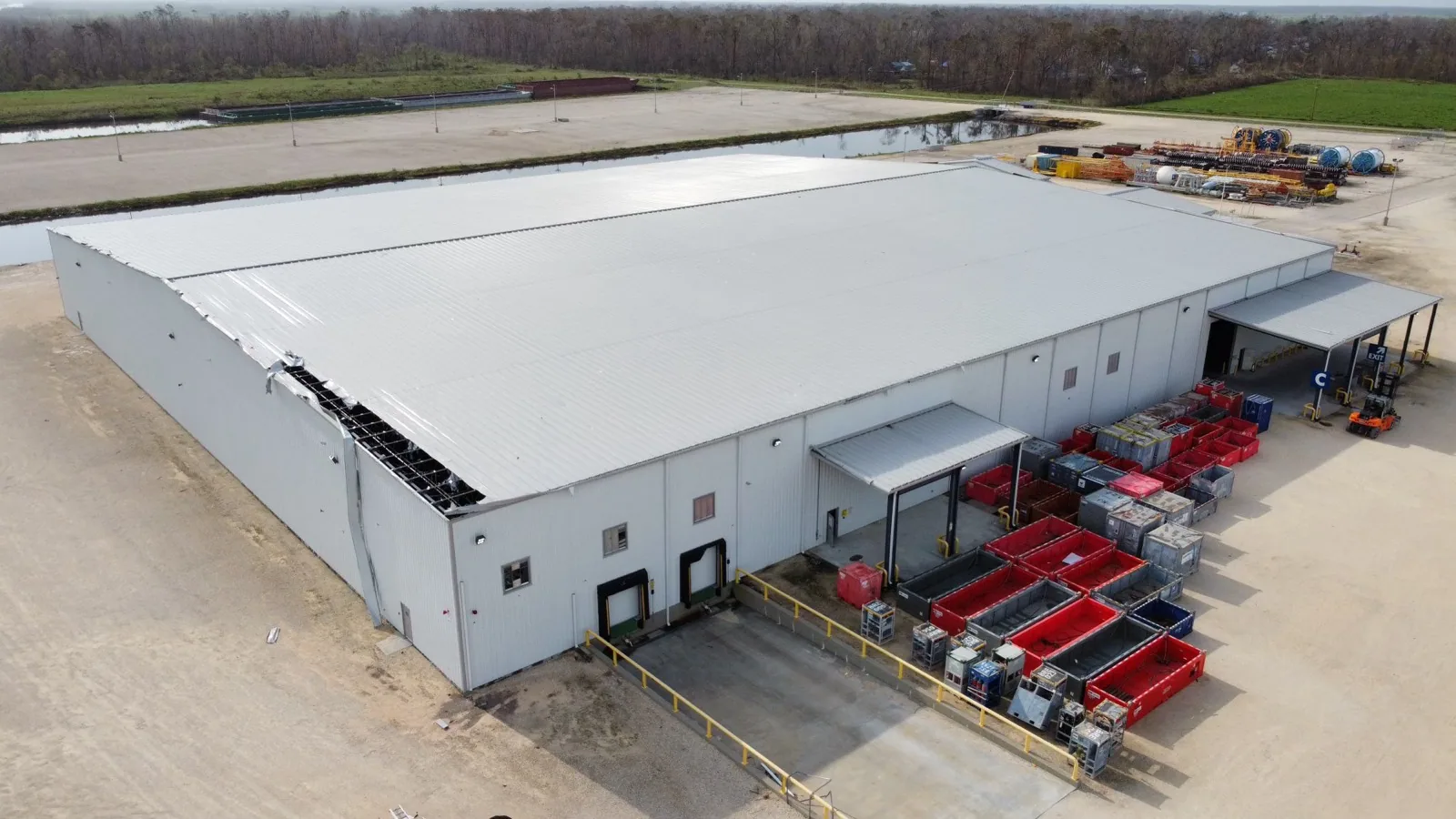
The Metroplex has regional occurrences of hail, damaging wind and tornadoes; that context is not proof a specific Roanoke property saw damage. We evaluate impact, uplift and puncture evidence directly, then compare it with the leak timeline and maintenance records. A moisture survey may show patterns that guide selective openings. We keep thermal indications separate from confirmed wet insulation until material is examined.
Where should a repair stop?
The repair boundary belongs at compatible, sound material, not at a convenient measurement from the visible stain. We check the seam beyond the opening, inspect nearby insulation and confirm that the substrate can hold the rebuilt detail. If water or deterioration continues under the surface, we extend the investigation until the repair limits are supported. That is how the work remains tied to an observed condition.
A localized correction is a different scope from replacing a larger roof area. We identify each affected component and note what remains outside the repair. If multiple seams, wet insulation or attachment defects appear across the field, we compare that pattern with replacement rather than stacking patches. A commercial roof repair should state what it corrects and which conditions would trigger a measured change.
What should an owner compare before choosing a new assembly?
First identify the existing roof, deck and attachment. A single-ply membrane, modified-bitumen surface, built-up roof or metal panel system each has different preparation and seam requirements. We compare whether the substrate is sound, how perimeter edges are secured and what drainage changes may be needed. A candidate system must suit the actual building conditions, not the historical use of the surrounding area.
A recover may reduce removal but leaves existing layers in place, so moisture and attachment must be acceptable before another system is added. A tear-off provides direct access to insulation and deck but adds disposal and weather protection needs. We explain the tradeoffs with the owner’s operating schedule. TPO membrane roofing can be considered alongside other roof systems after the existing assembly has been confirmed.
How can a roof project respect local business activity?
Roanoke’s record of shopping centers and manufacturers is historical context, not a current tenant roster. At each property, we ask what operations continue below, when deliveries occur and which entrances must remain available. A repair may be isolated to one zone; a replacement needs daily limits for tear-off, temporary dry-in and material movement. We coordinate that sequence with the site contact before starting work.
A roof opening cannot wait for a perfect schedule when water is actively entering. Our emergency response is available around the clock, every day, to address urgent exposure. The permanent repair still depends on identifying the damaged assembly and preparing suitable material. We document temporary protection separately so an owner can see what has been stabilized and what corrective work remains.
What findings make a capital plan more reliable?
A capital plan is useful when it distinguishes recurring repair from broad deterioration. We document leak history, seam response, edge condition, drainage, moisture findings and areas that need opening. If an owner cannot authorize full replacement yet, the report can prioritize protection and maintenance while recording the limits of that choice. Timing then depends on material condition, exposure, access, and how the building must remain operational.The closeout should identify what was repaired, what material was used and what remained outside the agreed scope. We also explain any condition that would warrant a follow-up inspection, such as continued moisture beyond the confirmed opening or movement at a neighboring detail. That record gives the owner a way to compare the next observation with this visit instead of starting with a blank repair history. For a facilities team covering Hurst as well, its photographs and scope remain attached to that location's own work.
For a replacement, we define removal boundaries, insulation assumptions, edge details and any conditions that require owner approval during tear-off. For repair, we identify the material and extent included so later inspection can evaluate performance. A roof asset management plan can preserve that record across future visits. Nearby Keller service work remains a separate property assessment, not a substitute for Roanoke-specific findings.
Commercial Roofing Questions
Does the rail history mean a Roanoke roof has rail-related access?
No. The town center developed along the railway, but that historical fact does not establish present freight service or site access. We inspect the property’s actual loading route, staging area and roof entry before scheduling materials or equipment.
How do you assess a roof near the US 377 and SH 114 junction?
We treat the junction as local context and assess the actual building. The inspection identifies the roof system, access constraints, drainage and reported conditions. We do not infer roof construction or storm damage from a location near a road intersection.
Can an owner approve a temporary repair before replacement is decided?
Yes, when immediate water control is needed and the temporary scope can be clearly defined. We state the materials and limits of that work, then document what remains to be confirmed. A temporary measure does not settle the larger assembly question.
What signs suggest that a leak is more than a single failed seam?
Recurring openings, moisture extending past the repair area, multiple weak details or broader attachment issues can indicate a wider condition. We compare the findings across roof zones and use selective openings where they will answer a specific question before expanding the scope.
How should storm-related roof work be documented?
We photograph observed impact or movement, identify affected components and distinguish visible damage from conditions that remain uncertain. If an owner needs claim documentation, the report records the roof evidence and work scope without assigning unsupported causes to unrelated areas.
Ready to review the roof scope?
Request a Roof Assessment