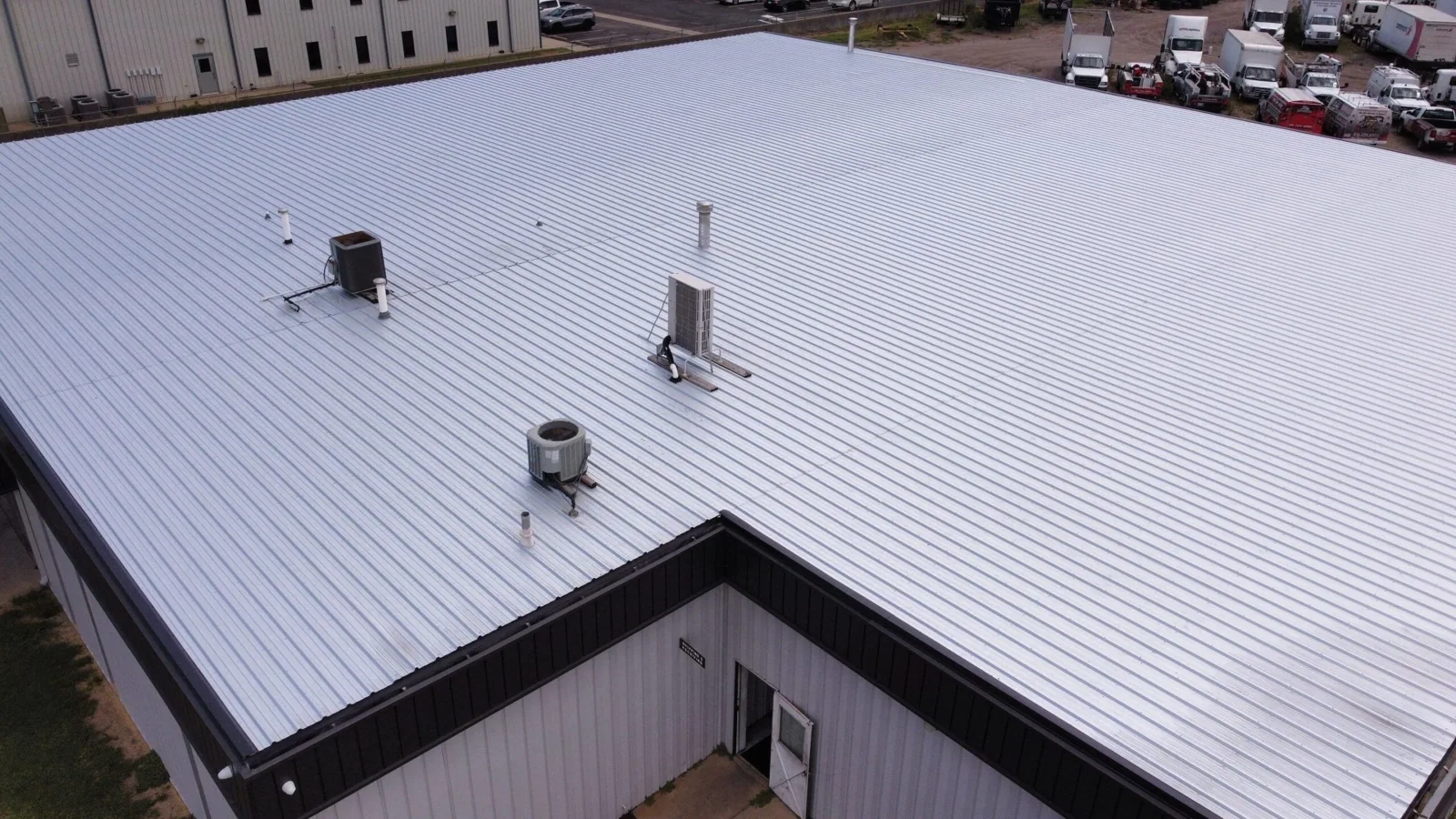
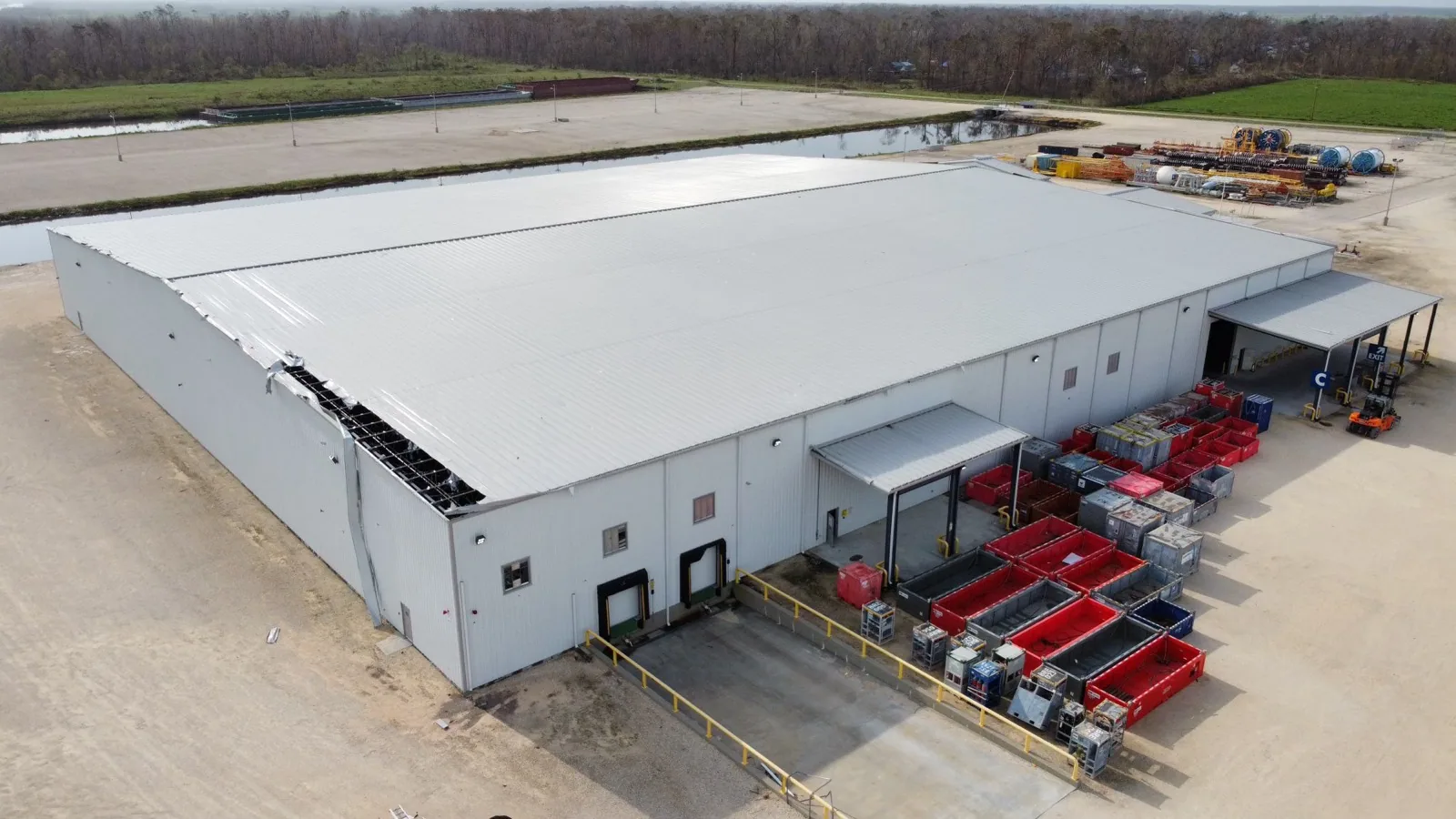
Summer heat raises exposed roof temperatures, and a membrane field does not move exactly like a rigid curb or perimeter edge. That temperature difference can place repeated strain on connections, so a Keller roof assessment starts at the detail and the material beneath it. We compare the visible opening with seam condition, attachment and moisture evidence before deciding whether a localized rebuild or a larger assembly scope is justified.
Keller lies on US 377 in northeast Tarrant County and grew around a Texas and Pacific rail stop. Commercial and industrial development accompanied its growth as a Metroplex community, though historical context does not identify today’s tenants or any roof construction. We assess the building in front of us, document its actual system and plan around its operation. A commercial inspection can define the first repair or investigation step.
Where should the first inspection concentrate?
A useful examination starts with the reported leak, but it does not end at the ceiling stain. We trace likely water paths through seams, penetrations, wall transitions and drains, then compare those paths with the interior report. The roof field may be intact while a curb or termination has opened, or the surface may hide wet insulation. Our findings establish which condition is observed and what requires confirmation.
US 377 gives a local reference point, not a description of a property’s delivery access or roof type. We confirm gates, staging, roof entry and any operating limits with the site contact. If the owner needs a record for maintenance or capital planning, a condition report pairs the observed details with photographs and a clear next action. It also marks the difference between a confirmed defect and an area selected for further review.
Why does the same weather affect a seam and a roof field differently?
A membrane can expand and contract while metal flashing and rigid equipment curbs respond on another schedule. The connection takes that movement repeatedly, and bond or attachment weaknesses can become visible there before a wider field problem appears. We inspect the weld, surface cleanliness, substrate and fastener pattern. A repair must rebuild the detail with material that is compatible with what remains in place.
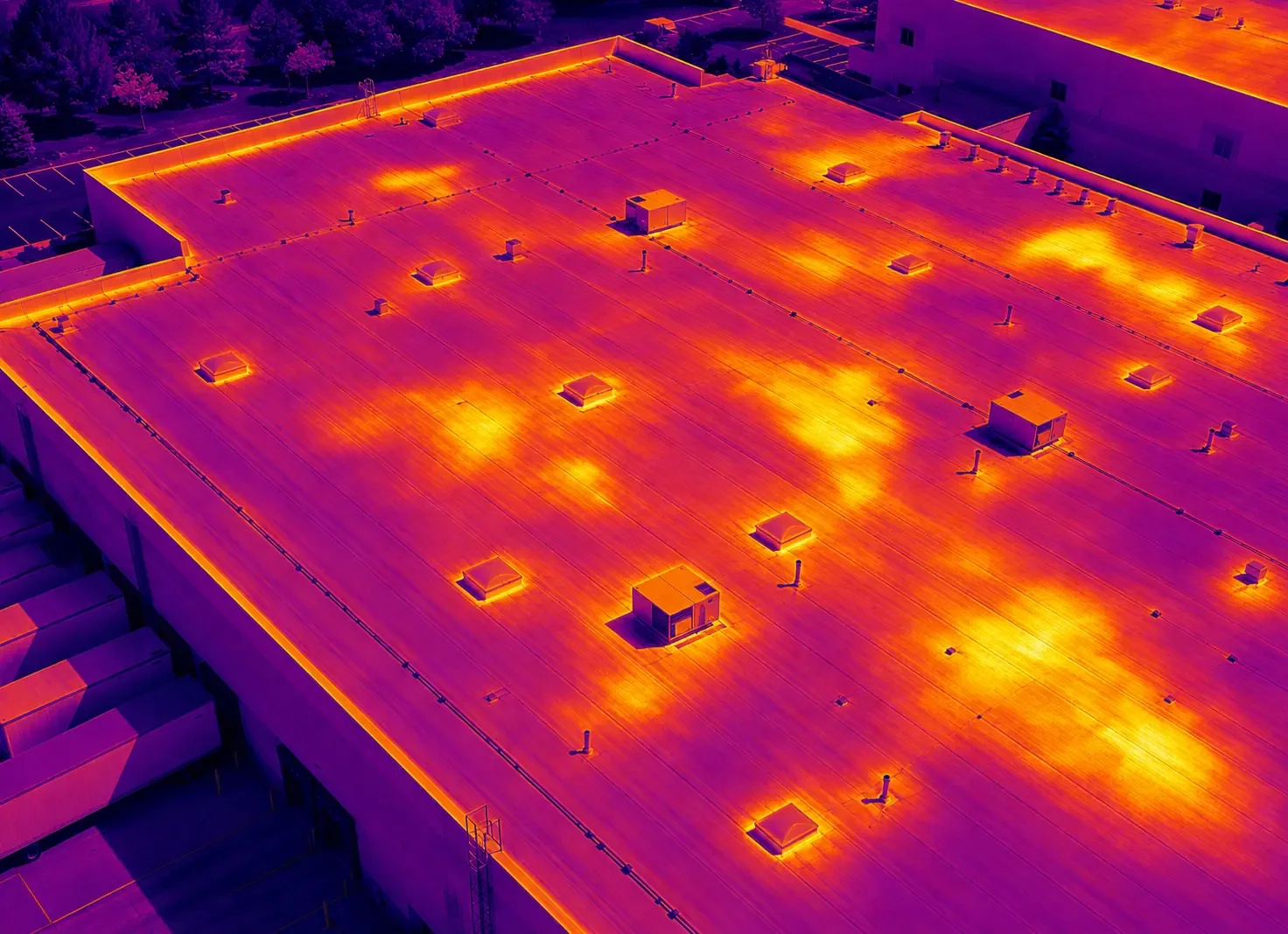
The Metroplex experiences large hail, damaging wind and tornadoes, yet those regional events do not establish damage at a particular Keller property. We look for physical displacement, puncture or opening, then compare the condition with maintenance history and timing. For concealed moisture, a moisture survey can help select areas for confirmation. We explain the limits of that pattern before an owner uses it to set a removal boundary.
What separates a durable local correction from a temporary cover?
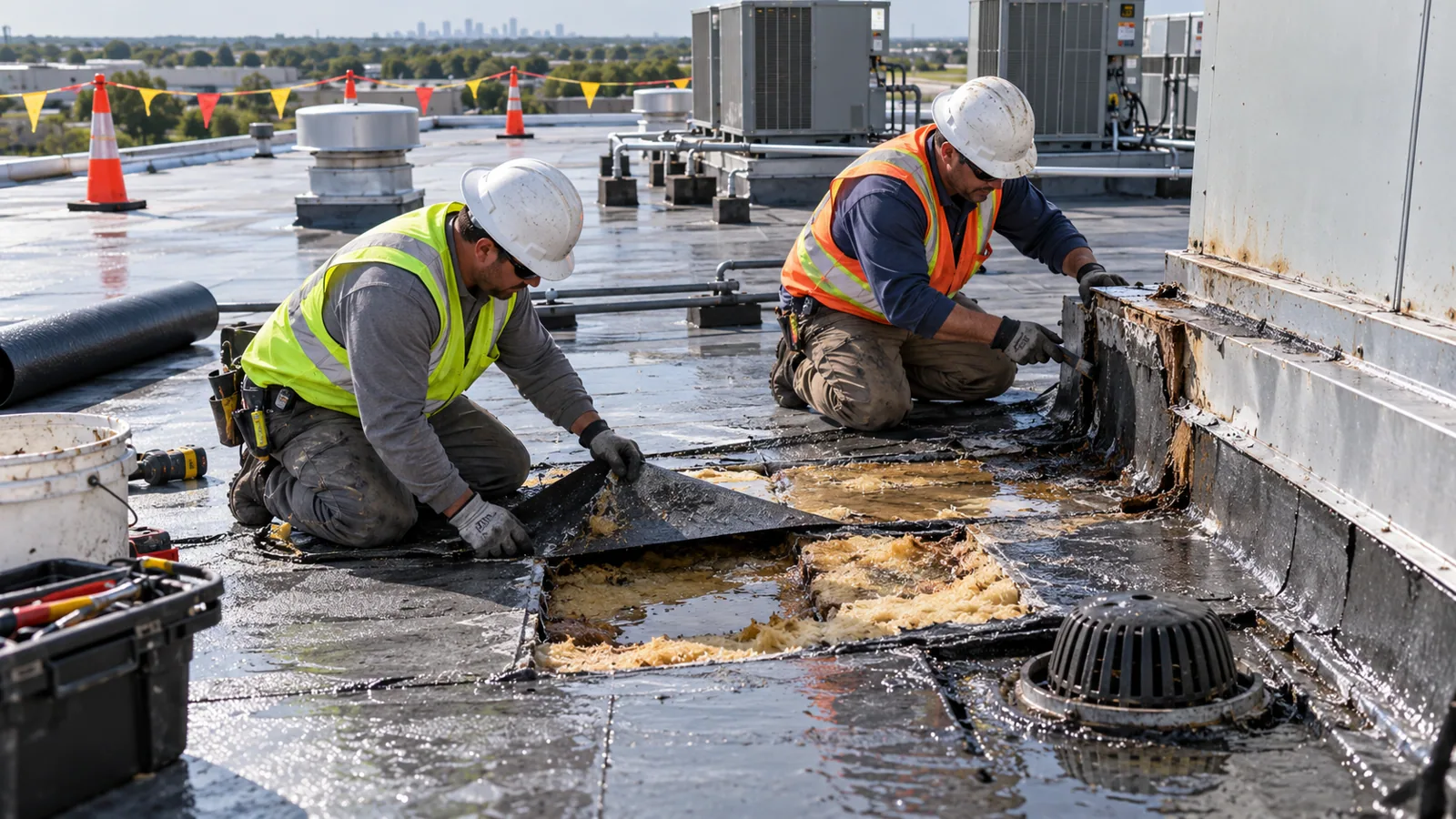
Preparation and boundary matter as much as the patch material. We remove contamination, check bondable surface and confirm that insulation and cover board near the defect are suitable. The repair should reach sound material and restore the seam or flashing geometry, not bridge a loose edge. If wet layers continue past the opening, we extend the investigation until the repair limit reflects the actual condition.
A small defect does not automatically justify full replacement, and a repeated leak does not automatically justify another patch. We compare the repair footprint with the assembly’s broader condition, including attachment, drainage and previous repair locations. When the evidence stays local, a defined correction may make sense. When deterioration is distributed, our repair plan should identify why a larger removal or replacement comparison is needed.
Which options can the roof support?
We identify the existing assembly before proposing a new one. TPO, PVC, EPDM, modified bitumen and metal each have different seams, attachment methods and detail requirements. A candidate system must fit the substrate, perimeter, drainage and any existing layers that remain. If an overlay is considered, we also confirm that moisture and attachment conditions allow another assembly to perform as intended.
Tear-off can expose deck and insulation directly, but it introduces disposal, interior protection and weather sequencing. A recover may limit disruption only when the existing roof is suitable. For a metal building, a retrofit system has to address movement and attachment to the framing, not simply cover the panels. We can compare metal roof retrofit with membrane replacement once the assembly and support conditions are known.
How does an occupied building change the schedule?
The work sequence should account for deliveries, tenant access and areas where noise or vibration would interrupt operations. We identify when materials can arrive, what roof zones can be isolated and how temporary protection will be maintained if weather changes. A short repair and a broad tear-off have different exposure windows. Concealed conditions can also change the plan, so the scope identifies how an owner approves a measured adjustment.
Keller’s historical rail setting should not be mistaken for freight access at a modern property. We confirm actual site routes and staging before planning equipment. For water that is entering now, emergency roof service can limit immediate exposure while the permanent repair remains under evaluation. We then document the transition from temporary protection to final work, including material and weather prerequisites.
When is a condition report more useful than another repair ticket?
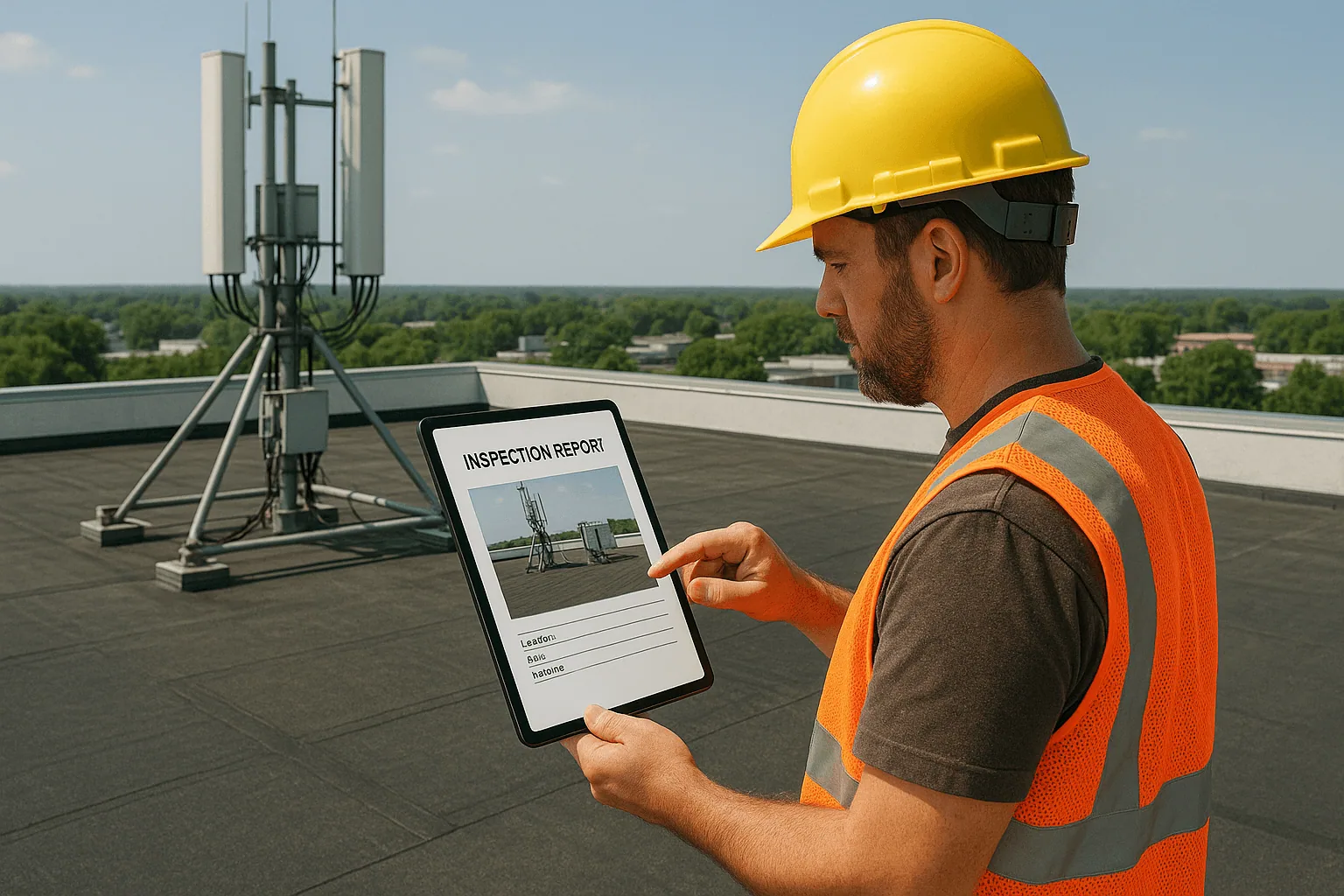
A repair ticket can close a single event; a condition record helps an owner see whether defects recur or spread. We log the area, photograph the assembly and note where moisture or attachment needs confirmation. That history can reveal whether maintenance is containing the issue or whether the roof has moved into a broader capital decision. Timing reflects access, material availability and the risk of leaving an opening exposed.A useful closeout leaves the property team with a repeatable reference: where the repair sits, what material was rebuilt and what nearby condition should be watched. We record any areas that were not opened and explain what evidence would justify returning to them. This keeps a later leak report from being treated as the same issue without comparison, while preserving a clear line between completed work and future investigation. Any work at a Hurst location remains a separate service call and does not change Keller's recorded findings.
A capital comparison should state removal limits, expected disruption and what existing materials could remain. It should also distinguish known conditions from assumptions to be resolved during selective opening. For multiple properties, roof asset management can keep reports and maintenance work tied to each building. A nearby Roanoke service area is a separate market location, not a basis for conclusions about Keller’s roof.
Commercial Roofing Questions
Does Keller’s rail history establish how materials reach a jobsite?
No. The town’s historical growth around a rail stop does not establish current freight access at an individual property. We verify the actual route, loading point, roof access and staging needs with the site contact before materials or equipment are scheduled.
What should happen when the leak appears far from the roof defect?
We compare the interior location with drainage paths and roof details, then inspect seams, penetrations and transitions along the likely route. Water can move before it becomes visible. A moisture survey or selective opening may be useful if the assembly condition is not clear from the surface.
Can a repair use the same membrane as the existing roof?
Sometimes, after we confirm the system and the condition of the material that will receive the repair. Compatibility depends on membrane chemistry, preparation and substrate. We specify the method after inspection and record the repair boundary so a later review can identify what was corrected.
How do you decide whether to recover or remove the roof?
We examine moisture, attachment, deck condition, drainage and existing layers. A recover remains a candidate only when the current assembly can support it. Tear-off provides access to concealed components but changes disposal, weather exposure and disruption. The comparison follows those findings rather than a default preference.
What information belongs in a Keller roof scope?
It should identify the observed area, materials, preparation, limits, access assumptions and conditions that could change the work. Photographs and any recommended confirmation step help the owner compare immediate repairs with larger planning. Timing also depends on weather and the building’s operating schedule.
Ready to review the roof scope?
Request a Roof Assessment