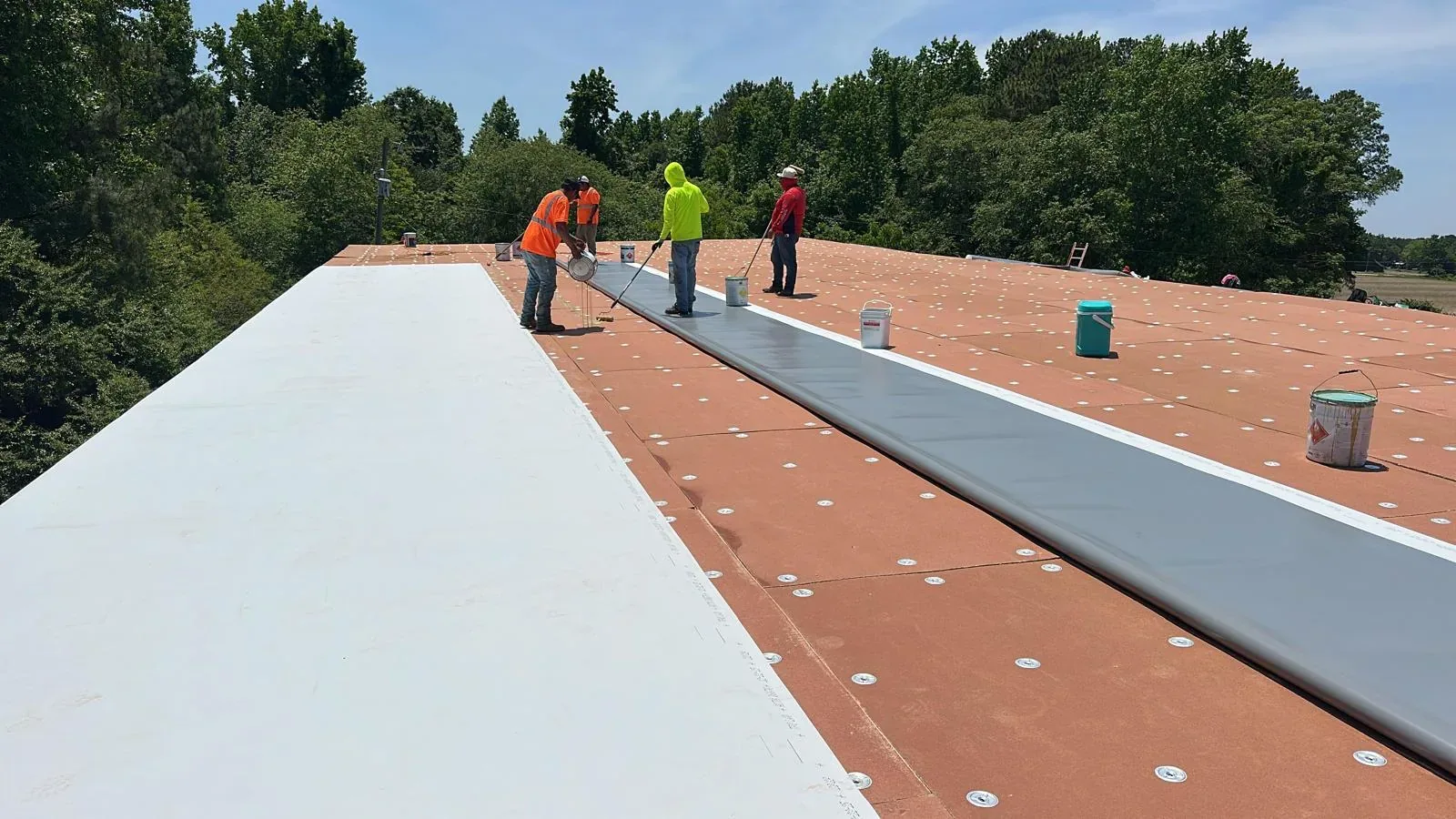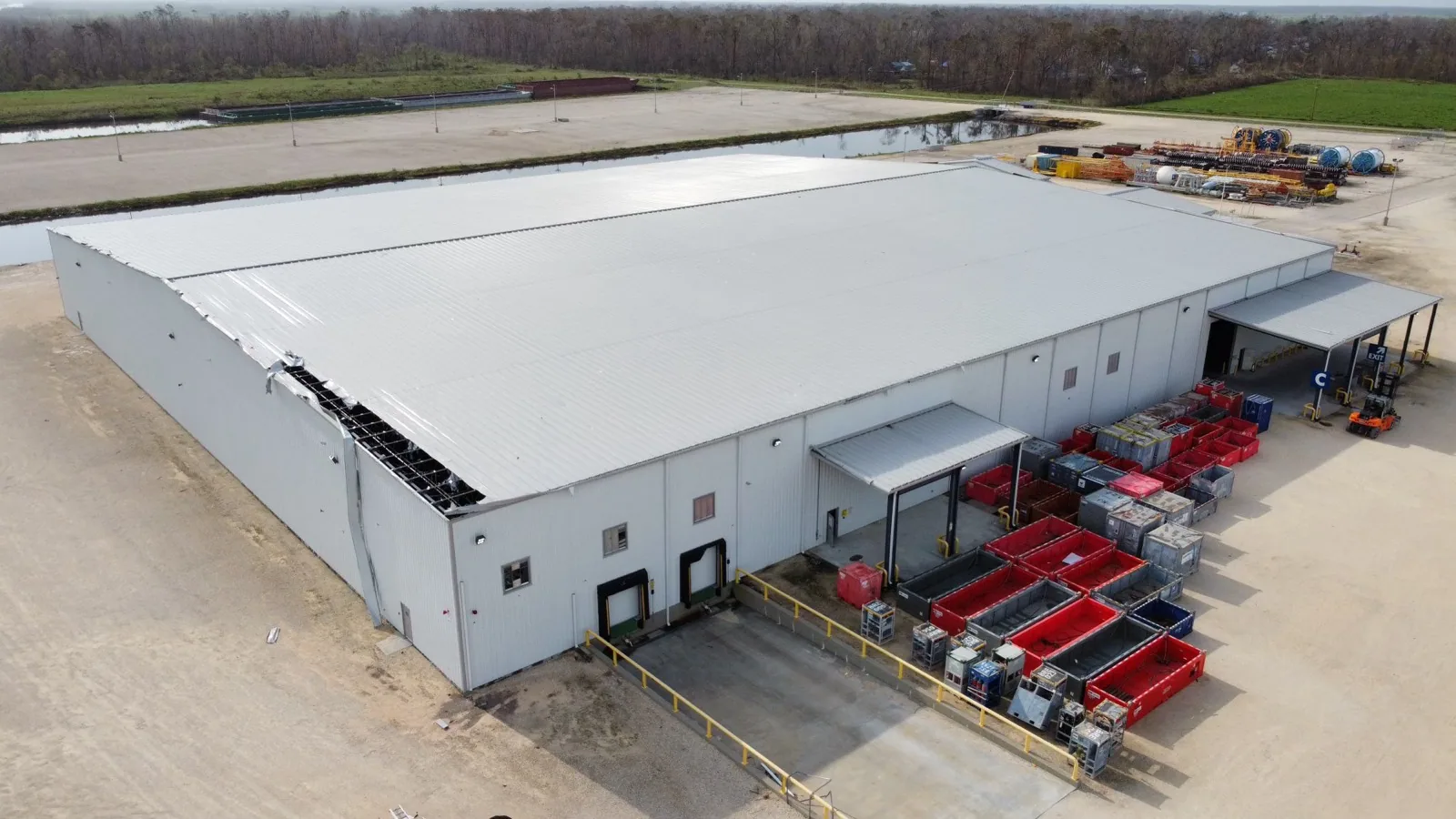
Heat across the Metroplex expands exposed roof surfaces while rigid curbs and edge metal respond at a different rate. In Hurst, that movement makes the connection itself more useful to inspect than a surface patch viewed from the ground. We trace the reported water path, examine adjacent seams and terminations, then decide whether suitable material remains for a contained repair or whether a broader area needs investigation.
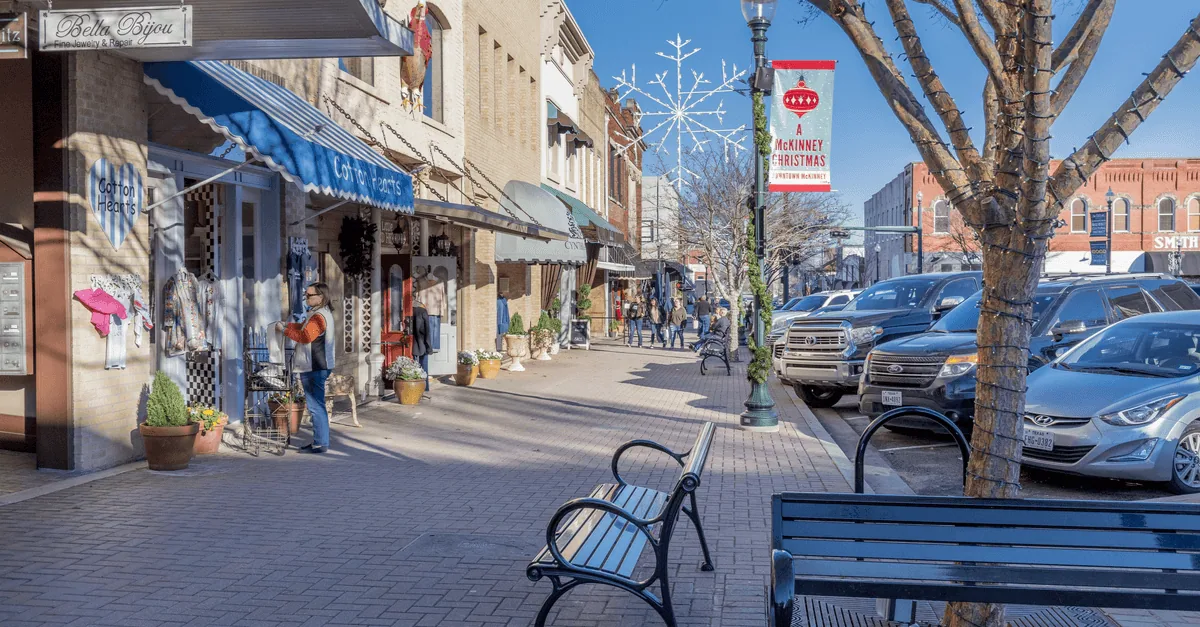
Hurst includes hotel properties in its Town Center area, alongside regional retail destinations and conference and civic facilities. Those uses create different access and scheduling questions, but they do not identify the construction or condition of a particular roof. Our first visit records the assembly we can see, the reported symptom and the areas that remain uncertain. A commercial roof inspection can establish that starting point without treating the city’s building mix as a diagnosis.
What has to be separated before a repair is priced?
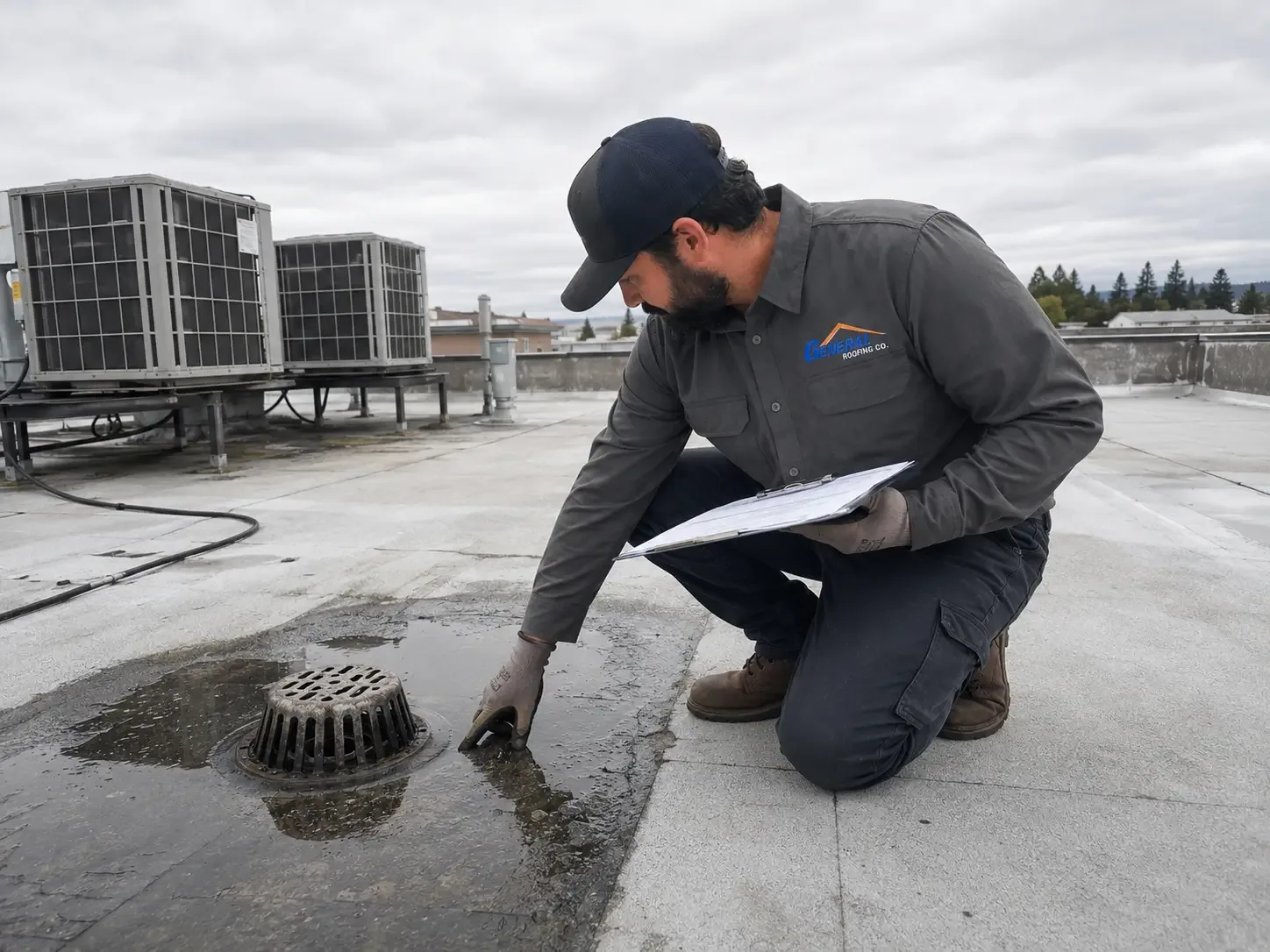
A ceiling stain may sit several feet from the opening that admitted water. We compare the interior report with roof penetrations, wall transitions, seams and drainage paths, then follow evidence across the assembly. If insulation appears wet, we determine whether a selective opening can establish its extent. The repair footprint should reach material that can accept a compatible bond, rather than stop at the visible symptom.
Hotel rooms, conference schedules and civic operations can make access windows important. We ask which areas must stay open, where equipment can be staged and whether work can be phased without blocking normal circulation. A written roof condition report can connect photographs, observed defects and recommended next steps, so facilities staff can compare immediate water control with corrective work. Those logistics inform sequencing; they do not change the evidence required to define the repair.
How do heat and water work on separate parts of the roof?
The membrane field, insulation, deck and metal edge do not heat or move as one piece. Repeated temperature difference can load a curb flashing, lap or termination, while spring and fall rain tests whether that detail still directs water outward. A lifted corner may be the surface sign of an attachment problem, but it may also be limited to a damaged weld. We inspect the transition before choosing a system-specific repair.
Moisture can travel along a deck or insulation interface before appearing indoors. We map the report, examine nearby seams and drainage, and use an infrared or other moisture survey when the assembly warrants additional investigation. That survey helps identify patterns for selective confirmation; it does not replace an opening where material condition remains uncertain. For a broader property plan, roof asset management can organize condition findings by area and urgency.
When is repair a sounder choice than replacement?
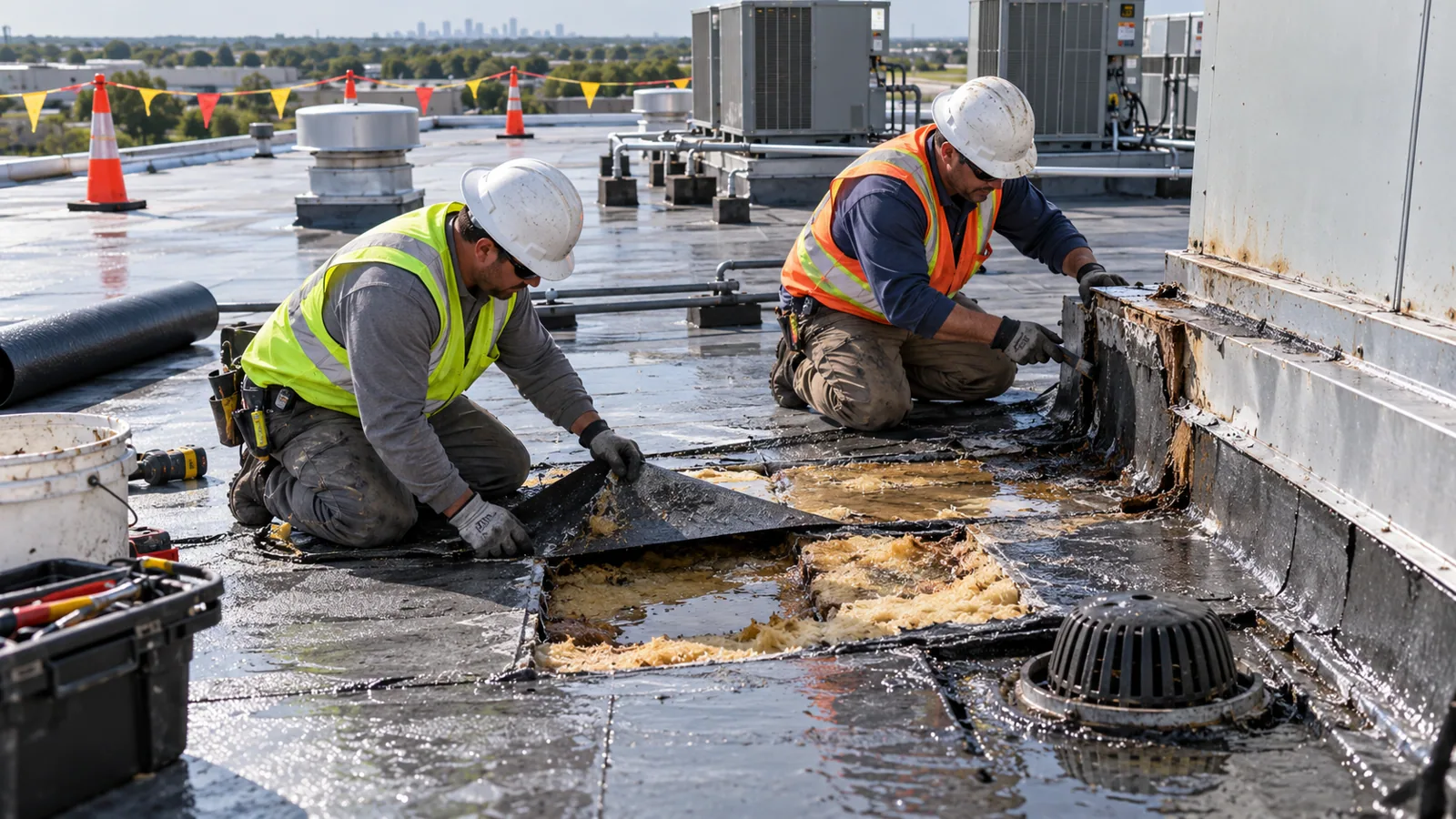
A localized repair is reasonable when the damaged detail can be opened, cleaned and rebuilt against sound substrate and compatible surrounding materials. We check membrane condition, seam strength, attachment, insulation and drainage around the defect. A patch over contamination or wet material may hide the entry point without correcting the assembly. The work scope should state what is being repaired and what nearby conditions still need observation.
Replacement deserves comparison when deterioration crosses several details, moisture is widespread, or the existing assembly cannot support a durable localized correction. We define removal boundaries from field evidence and consider how much dry, serviceable material can remain. Where an owner is weighing a recover against removal, we compare the existing deck, insulation, attachment and drainage before recommending an overlay. The repair scope and the wider assembly review should answer different questions.
Which roof system belongs in the comparison?
A visible surface does not identify every layer below it. We confirm whether the roof is a single-ply membrane, built-up surface, modified bitumen or metal assembly, then evaluate the substrate and existing attachment before proposing compatible materials. A repair product must suit the membrane chemistry and preparation requirements. On a larger project, an assembly comparison should address insulation, cover board, edge securement and transitions together.
A coating can extend useful service only when the existing surface is suitable, dry enough for the chosen system and properly prepared. It cannot correct trapped moisture or loose insulation by covering it. When a new membrane is being considered, TPO roofing is one system we can compare with other assemblies for seam method, movement, attachment and maintenance needs. The choice follows the building’s confirmed conditions, not its address or occupant.
How can work fit around an occupied property?
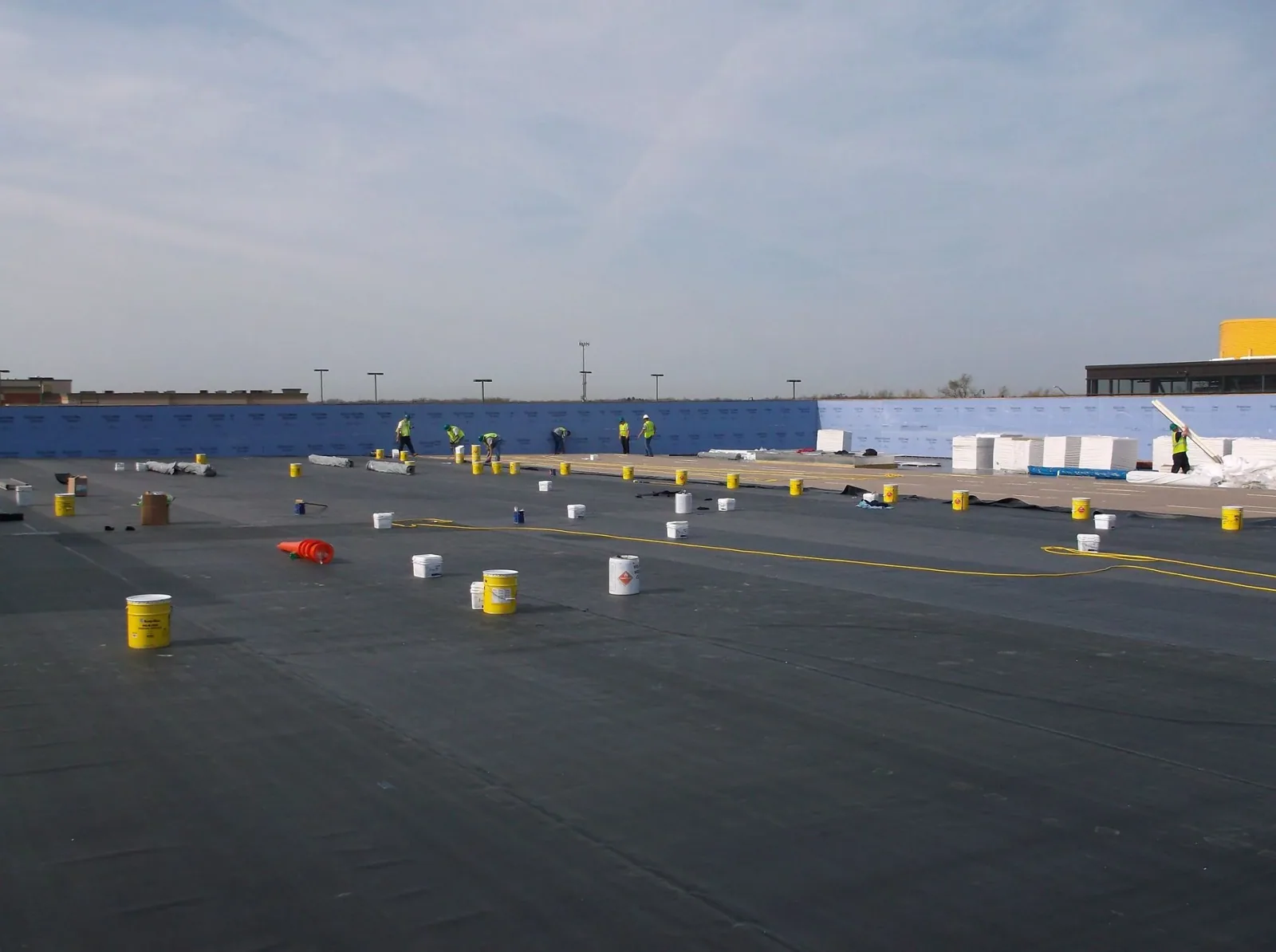
Access and phasing should be decided before materials reach the roof. For lodging or conference uses, we identify work zones, noisy operations, loading paths and the hours when interior disruption matters. A repair can often be isolated, while a replacement requires a broader sequence for tear-off, temporary protection and weather monitoring. We coordinate daily limits with the property contact and keep the scope clear when concealed conditions could change the work.
For civic or retail activity, safe routes and service access may need to remain open while a roof area is under repair. We stage tools and materials so the crew can reach the work without creating avoidable conflicts below. If a storm has opened the roof, our around-the-clock emergency response can address immediate exposure first; permanent reconstruction follows after the affected assembly and repair boundary are established.
What should the owner receive after the assessment?
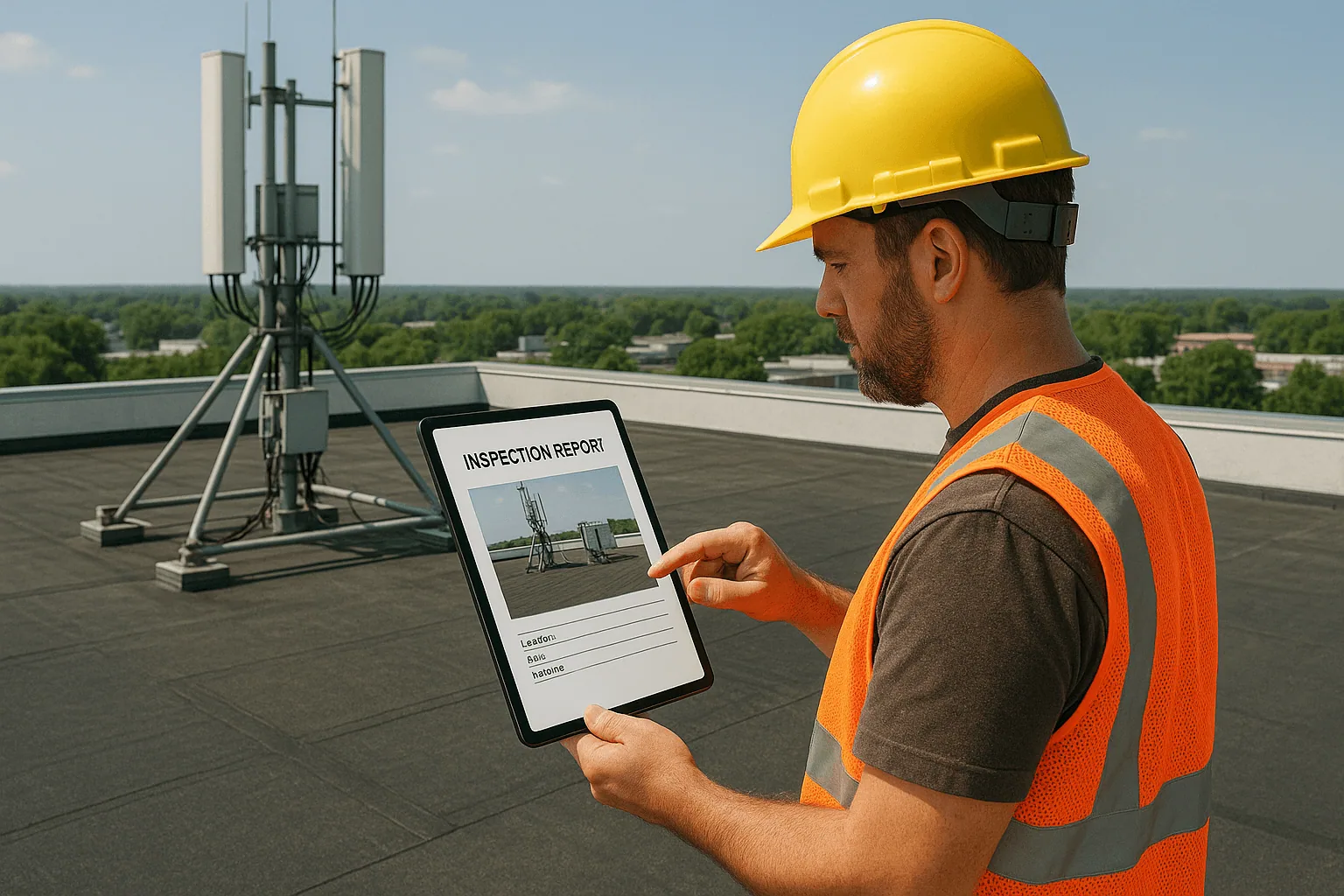
The useful record links each observed condition to a location, photograph and next action. We distinguish an active opening from a suspected moisture area, note where a selective opening would resolve uncertainty and state which repair materials appear compatible. That lets a manager authorize urgent protection without treating every unconfirmed area as a replacement item. Timing depends on access, weather exposure, material lead time and the extent of repairable substrate.
The final record states what was corrected and protected. We note any open moisture or attachment question for the next visit, helping the owner decide whether additional work belongs in this project or a separate capital decision. If Hurst is one stop in a multi-property portfolio, a Dallas property still receives its own inspection record and repair boundary. For a portfolio that also includes a Colleyville property, we keep each inspection record with its own building and findings.
A strong scope also identifies what would change the recommendation. If opening a detail reveals wet insulation beyond the planned boundary, the work pauses for a measured revision rather than an unbounded patch. A localized correction and a capital project need separate comparisons, including disruption, removal limits and maintenance obligations. We can document storm-related conditions in a storm damage roof assessment, then keep repair decisions tied to the actual roof evidence.
Commercial Roofing Questions
Does Hurst’s Town Center hotel activity tell you what roof system is present?
No. The local building use helps us plan around occupied rooms and access, but it does not establish a membrane, deck or roof condition. We identify the assembly during the inspection, then check seams, edges, penetrations, drainage and any reported interior symptom before choosing a repair.
Can roof work proceed while a conference facility is operating?
Often, with a defined work zone and schedule. We review loading, noise, safe access and any rooms or entrances that must remain clear. The sequence depends on whether the scope is a localized repair or a larger replacement, and concealed wet material may require a pause to confirm limits.
What does an infrared survey add after a leak report?
It can help map thermal patterns that may indicate differences in moisture distribution, which guides where selective confirmation may be useful. We do not treat an image alone as proof of wet insulation. The result is compared with roof conditions and, when needed, a controlled opening.
When should a localized repair become a replacement review?
A repair stops being the right comparison when deterioration or moisture extends beyond a contained area, attachment is broadly compromised or repeated corrections cannot restore the assembly. We document what is known, what requires confirmation and the removal boundary that a larger project would address.
What drives timing for a Hurst commercial roof repair?
Weather exposure, access, material compatibility, moisture extent and operating hours all affect sequence. An emergency visit can limit active exposure, while permanent work may need dry conditions and suitable preparation. We identify those constraints in the scope so the property team can plan operations and approvals.
Ready to review the roof scope?
Request a Roof Assessment