A Metroplex roof can move through a hot afternoon and then face spring storm wind, so a curb or metal edge may respond differently from the membrane field. In Colleyville, we inspect those transitions before deciding that a visible split is isolated or that the full assembly has deteriorated. The choice between repair and broader work depends on substrate condition, attachment and the extent of moisture, not on a single surface mark.

Colleyville lies along SH 26 in northeastern Tarrant County and between neighboring Mid-Cities communities. A railway passed through the early community, a historical detail that does not establish present freight access at any property. For an owner, the useful local context is the way work must fit the actual building and its operations. A commercial roof inspection starts with access, reported symptoms and the roof assembly visible on site.
What can a roof inspection establish at the property?
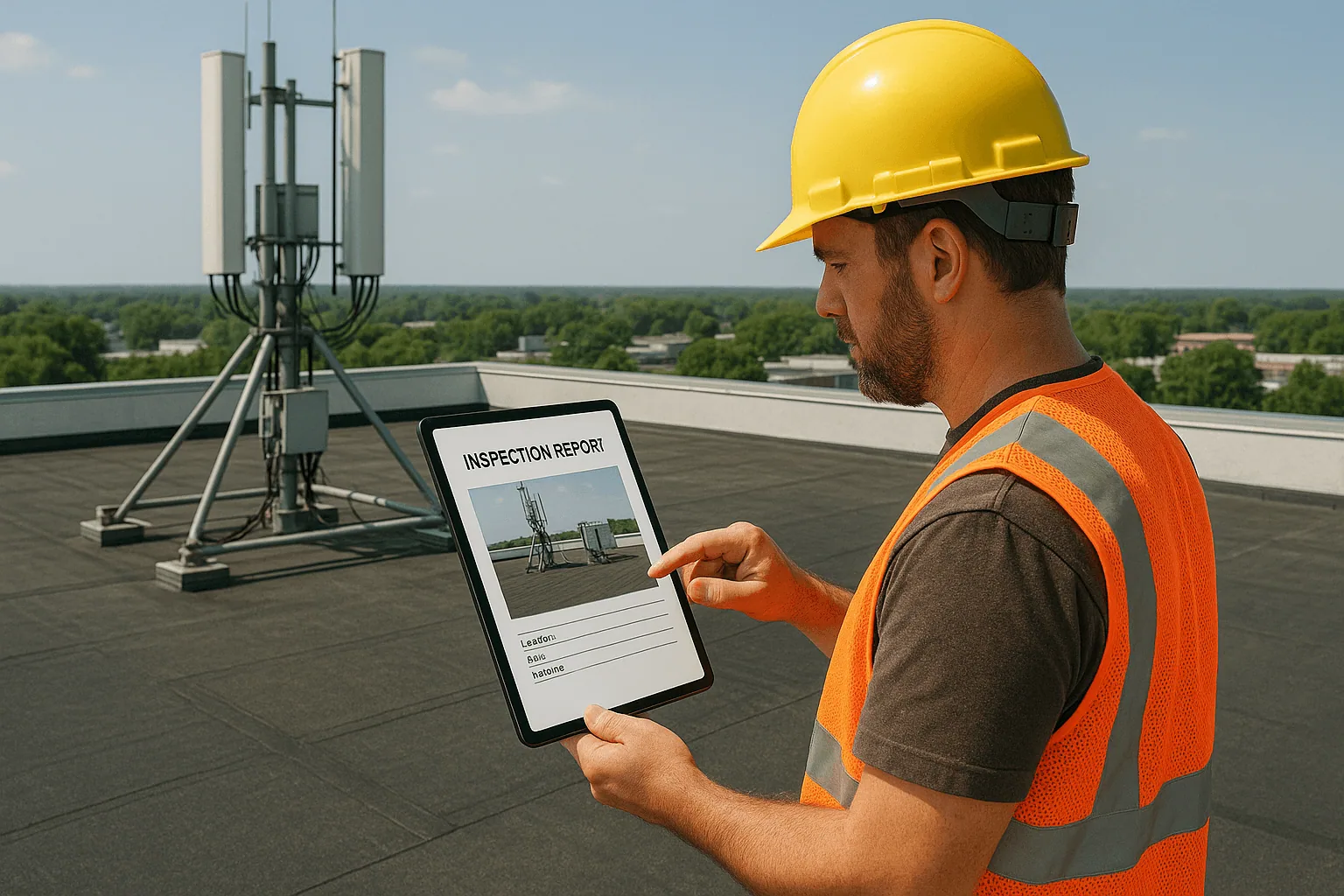
We begin with the reported leak or maintenance concern, then compare it with the roof field, penetrations, wall transitions and drainage. Water may travel before it reaches a ceiling, so the apparent interior location is only a starting point. We record what is observable, identify materials that need closer examination and separate an active opening from a condition that remains uncertain. That creates a bounded next step.
SH 26 is a local corridor fact, not a proxy for a building’s roof type or access arrangement. We coordinate arrival, staging and tenant movement with the property contact rather than assume that a road connection makes loading simple. A written condition report can pair photographs with each finding and explain whether the next action is a repair, selective opening, moisture survey or replacement comparison.
Why can a small split reveal a larger connection problem?
Membrane sheets, rigid curbs and metal terminations respond to temperature change at different rates. Repeated movement can concentrate stress at a weld or a point where flashing turns up a wall. Before applying material, we check the underlying substrate, bond area and nearby attachment. If the split recurs at the same detail, the cause may be movement or preparation rather than a weak surface patch.
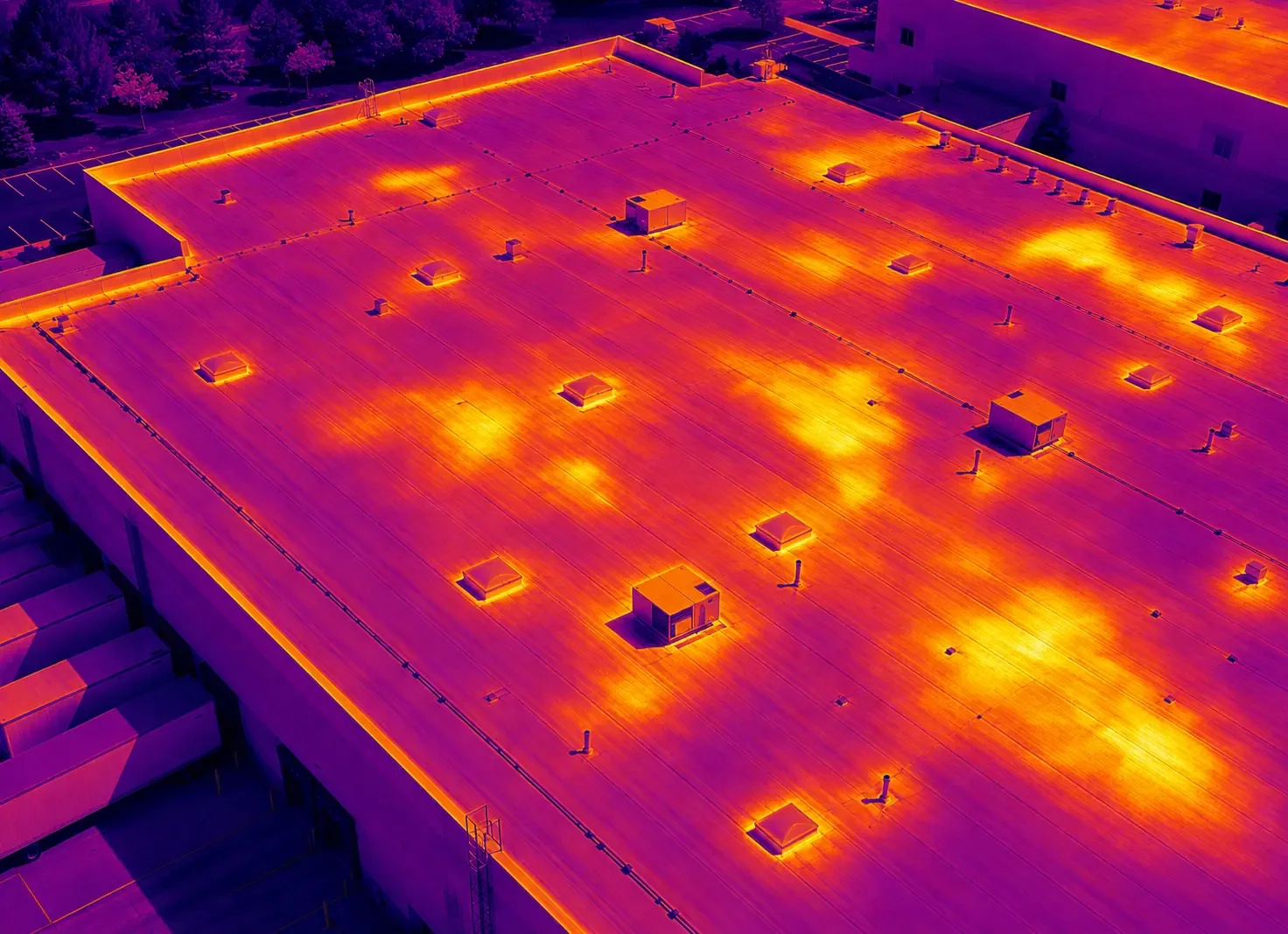
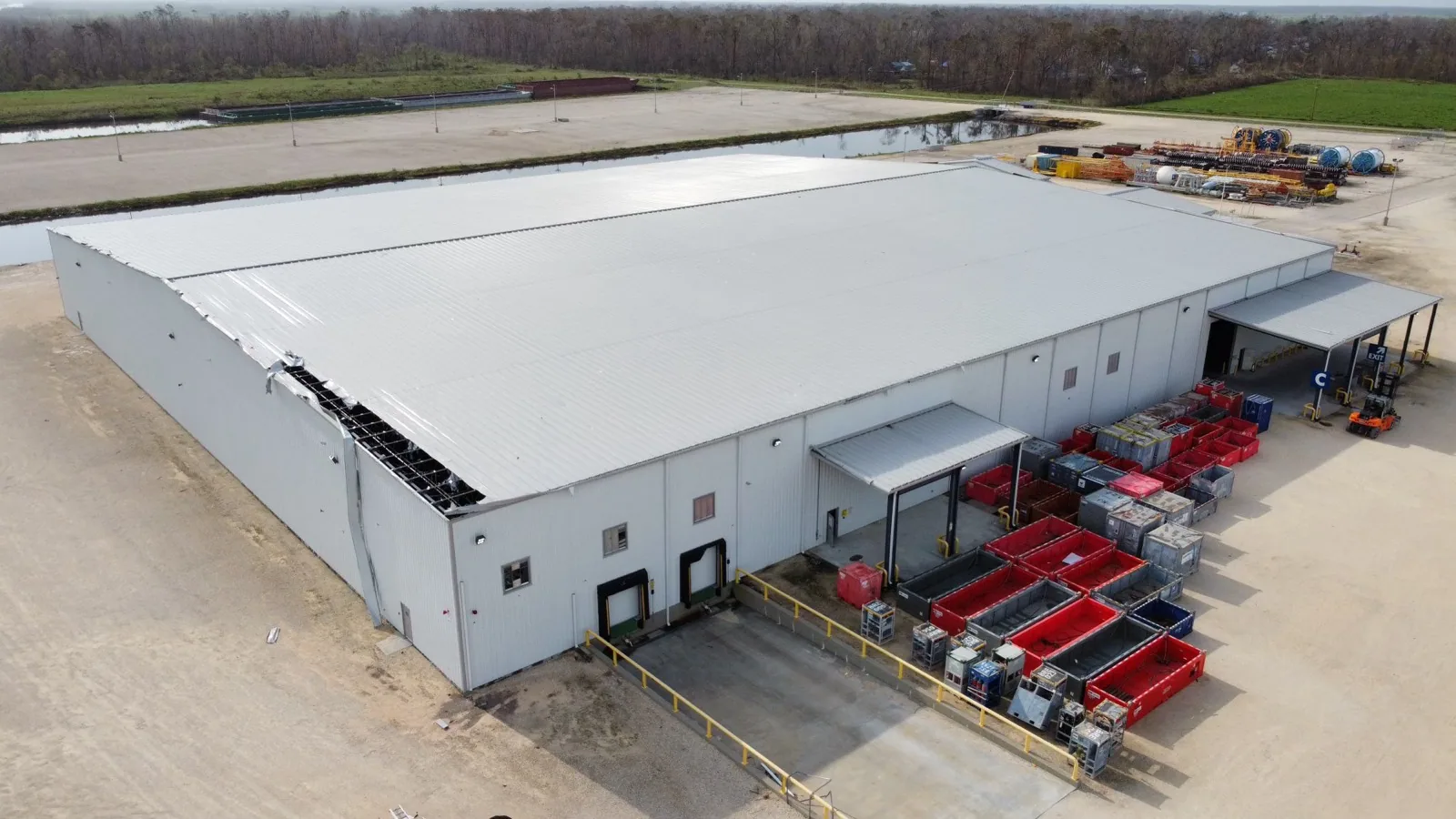
The Metroplex records regional hail and damaging wind, but those events do not prove that a particular Colleyville roof was affected. We look for physical evidence such as displaced edge metal, impact marks, open seams or damaged penetrations, then compare it with maintenance history. Where moisture distribution is not clear, an infrared or other moisture survey can help direct selective confirmation.
What makes the repair footprint defensible?
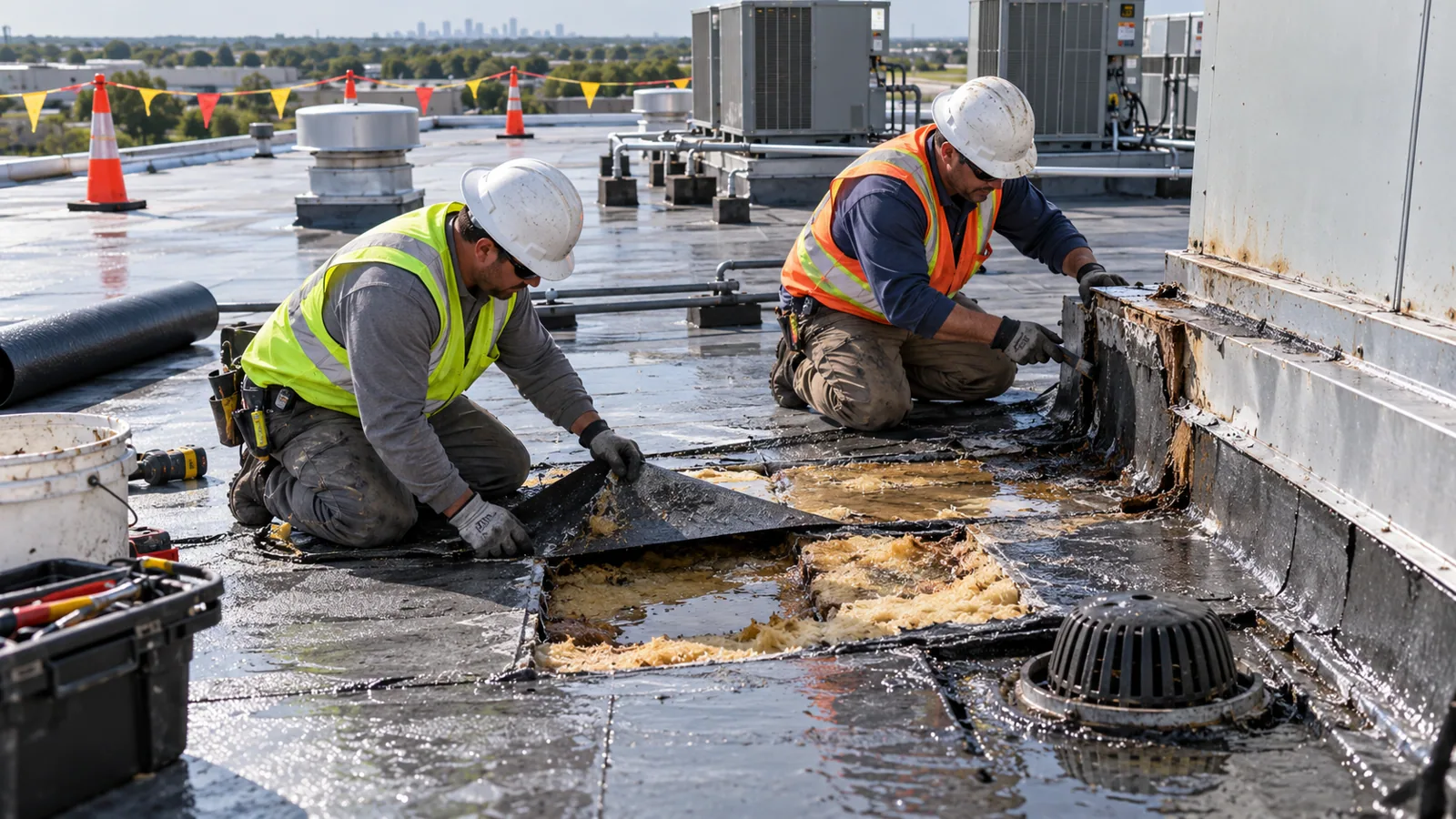
A repair boundary should include material that can be cleaned, prepared and joined to a compatible system. We inspect beyond the visible opening for loose attachment, wet insulation, failed laps and water pathways at adjacent details. If a selective opening is needed, its purpose is to confirm a specific uncertainty, not to expand the scope without explanation. We document what the opening shows and where sound material begins.
The repair scope states the affected detail, preparation method, material compatibility and limits of the work. If surrounding membrane is brittle or moisture extends across the field, a small patch may not address the condition. In that case, we compare localized work with a larger removal or replacement area. Our commercial roof repair work begins with that distinction, not with a product selected before the roof is examined.
How should membrane and metal systems be compared?
The roof’s visible layer can hide insulation or attachment conditions that change the options. We confirm whether the field is a single-ply membrane, modified bitumen, built-up roof or metal system. For each candidate, we consider seam construction, movement allowance, perimeter securement and the substrate that must accept attachment. A compatible repair and a new assembly are different decisions, even where both use a membrane.
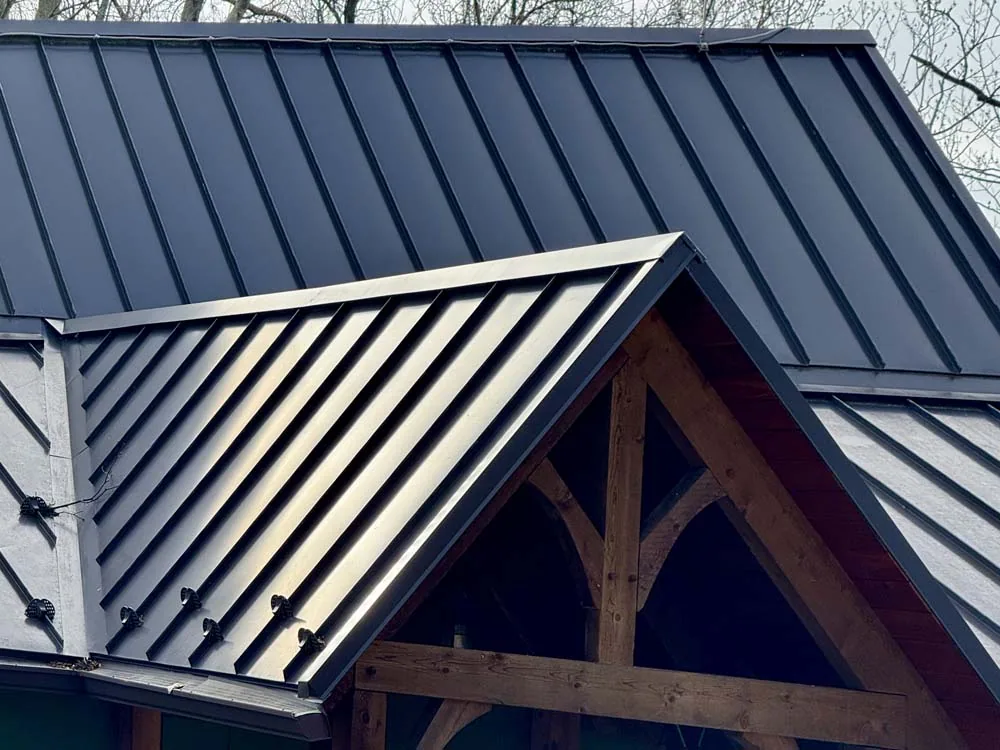
A recover may preserve suitable existing materials, but it is only a candidate when the roof can support another assembly and moisture conditions are acceptable. Tear-off allows direct access to concealed layers but changes disruption, debris handling and cost drivers. We compare those tradeoffs with the owner’s timing and building use. Standing-seam metal roofing and membrane systems each need details suited to their materials.
How do access and tenant schedules affect the sequence?
Work planning starts with roof access, lift or staging needs, protected entries and the hours that a tenant can tolerate noise. We ask which operations cannot stop and identify where the crew can safely isolate a repair area. A replacement requires a longer weather-sensitive sequence than a localized correction. If removal exposes wet insulation or an unexpected deck condition, we document it and agree on a measured change before continuing.
A route through nearby Mid-Cities communities does not mean every site has the same delivery path or staging area. We verify the actual property conditions and coordinate with the owner’s representative. For active water entry, our emergency roof response can focus first on temporary protection. Permanent work follows after the roof has been examined and a repair boundary can be described.
When should maintenance become a capital discussion?
A maintenance visit can clear drains, review flashing and note changes in seam or surface response. Repeated leaks, broad moisture patterns, deteriorated membrane or recurring edge movement may justify a deeper condition assessment. We organize findings by location and urgency so the owner can distinguish immediate water control from work that belongs in a capital plan. Timing then reflects exposure, access, material availability and operating constraints.The work record should show the confirmed repair area and the limits of adjacent inspection. If the membrane condition changes beyond the planned boundary, we stop, photograph the finding and review the additional work before proceeding. That gives the owner a choice tied to actual substrate and moisture evidence. We also note maintenance items that can be checked later, without treating an unrelated roof zone as defective. A manager responsible for Dallas operations can keep a separate condition history for each building and its roof.
A useful comparison describes what the repair will correct and what remains outside its scope. It also states which observations could change the recommendation after a selective opening. For an owner responsible for several properties, roof asset management helps keep condition records tied to the right building and future decision. We can also compare nearby Bedford properties only as a service-area reference, never as evidence about this roof.
Commercial Roofing Questions
Does SH 26 determine which roof assembly a Colleyville building needs?
No. The road location helps describe the city, but it does not tell us whether a property has membrane, metal, modified bitumen or concealed moisture. We verify the actual system and evaluate its attachment, seams, drainage and transitions before making an assembly recommendation.
How do you distinguish storm damage from an older seam problem?
We compare the reported timing with physical conditions and maintenance records. Displaced metal or impact evidence may support a storm-related finding, while recurring separation can point to movement, bond or preparation. We record what the roof demonstrates and avoid assigning a cause that the evidence cannot support.
Can one opening tell us how far moisture extends?
It answers a specific question at the opening location. We select additional confirmation points from the surface observations and survey pattern, then revise the repair boundary if the material condition changes. A single opening is not a map of every concealed area.
Is a coating suitable over a roof that has recurring leaks?
Only after we confirm the surface, attachment and moisture conditions are suitable for that coating system. A coating cannot correct wet insulation or loose substrate by covering it. We first identify and repair defects, then compare restoration with replacement if the existing assembly can support it.
What should a property manager expect after the first visit?
The record should show the inspected areas, photographs, reported conditions, immediate protection needs and recommended next step. Where evidence is incomplete, we identify a selective opening or moisture survey rather than disguise uncertainty. The scope also notes access and scheduling factors that affect timing.
Ready to review the roof scope?
Request a Roof Assessment