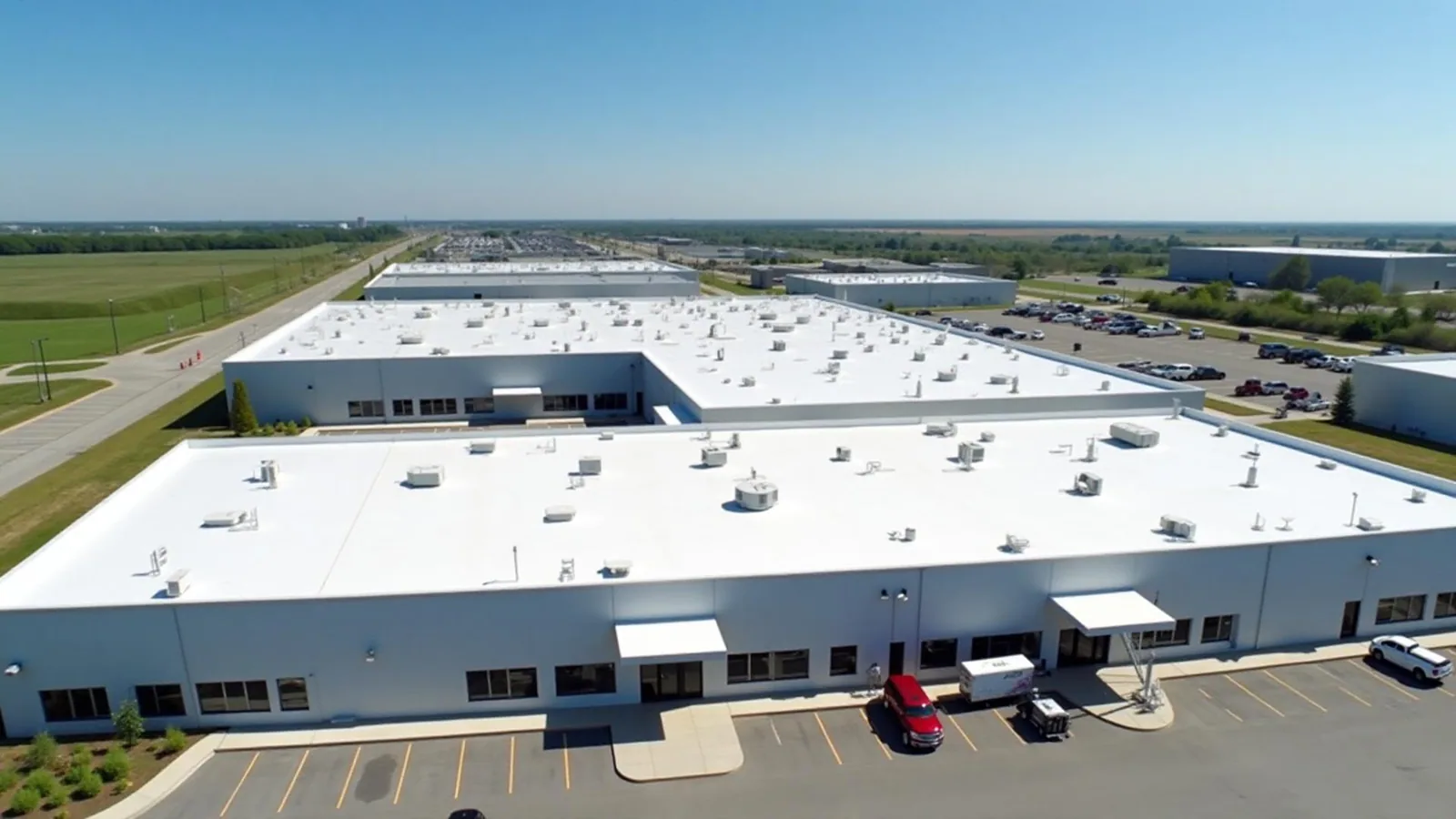
I-35E and airport development influenced Lewisville’s growth, which places commercial roof decisions in a city shaped by regional access and business activity. The history does not reveal the present tenant or roof system at a particular address. We identify the assembly in front of us, trace the reported leak and inspect the seam, curb, drain or perimeter where the water path may begin. The field condition, not the city’s growth story, sets the repair boundary.
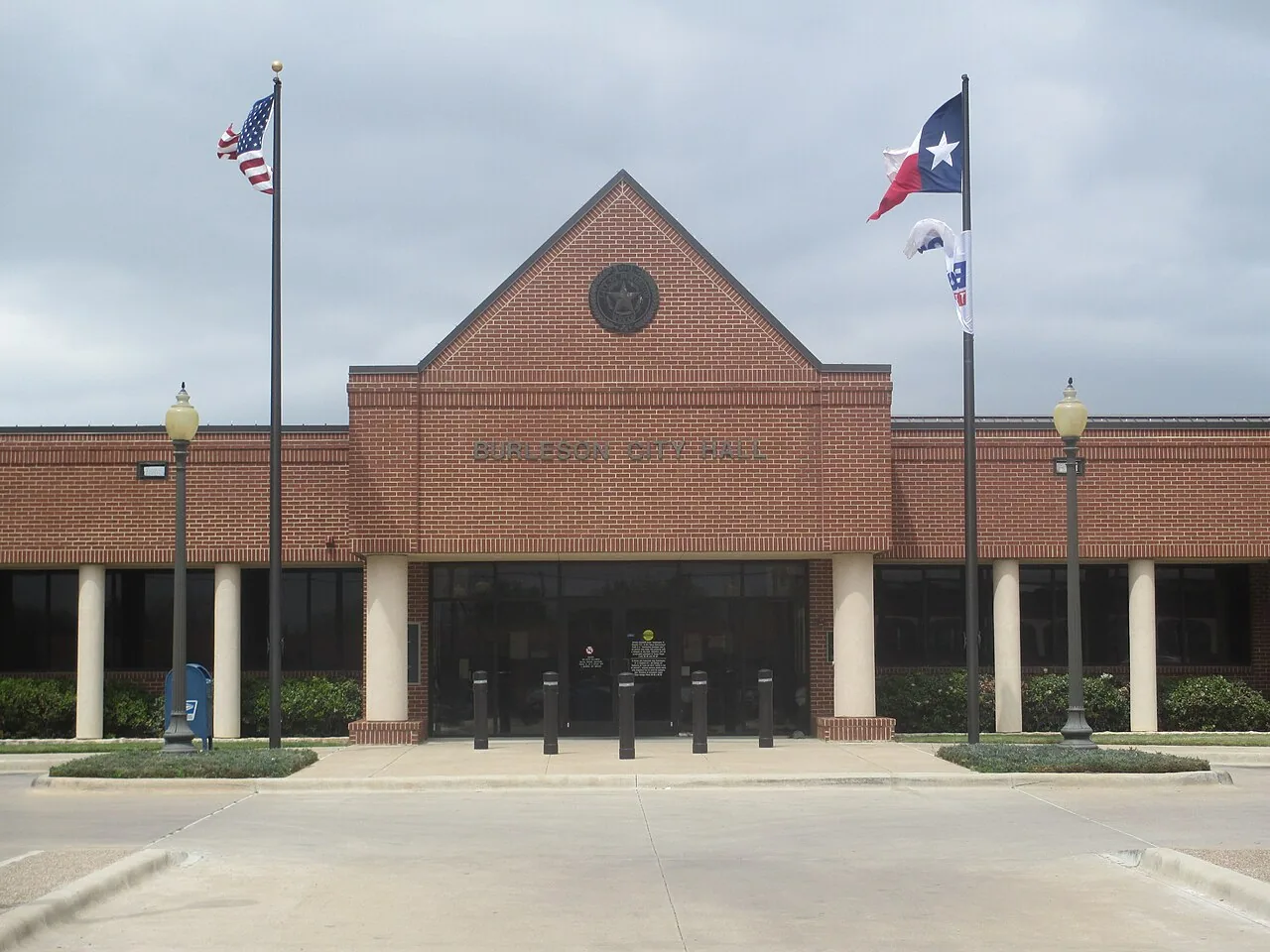
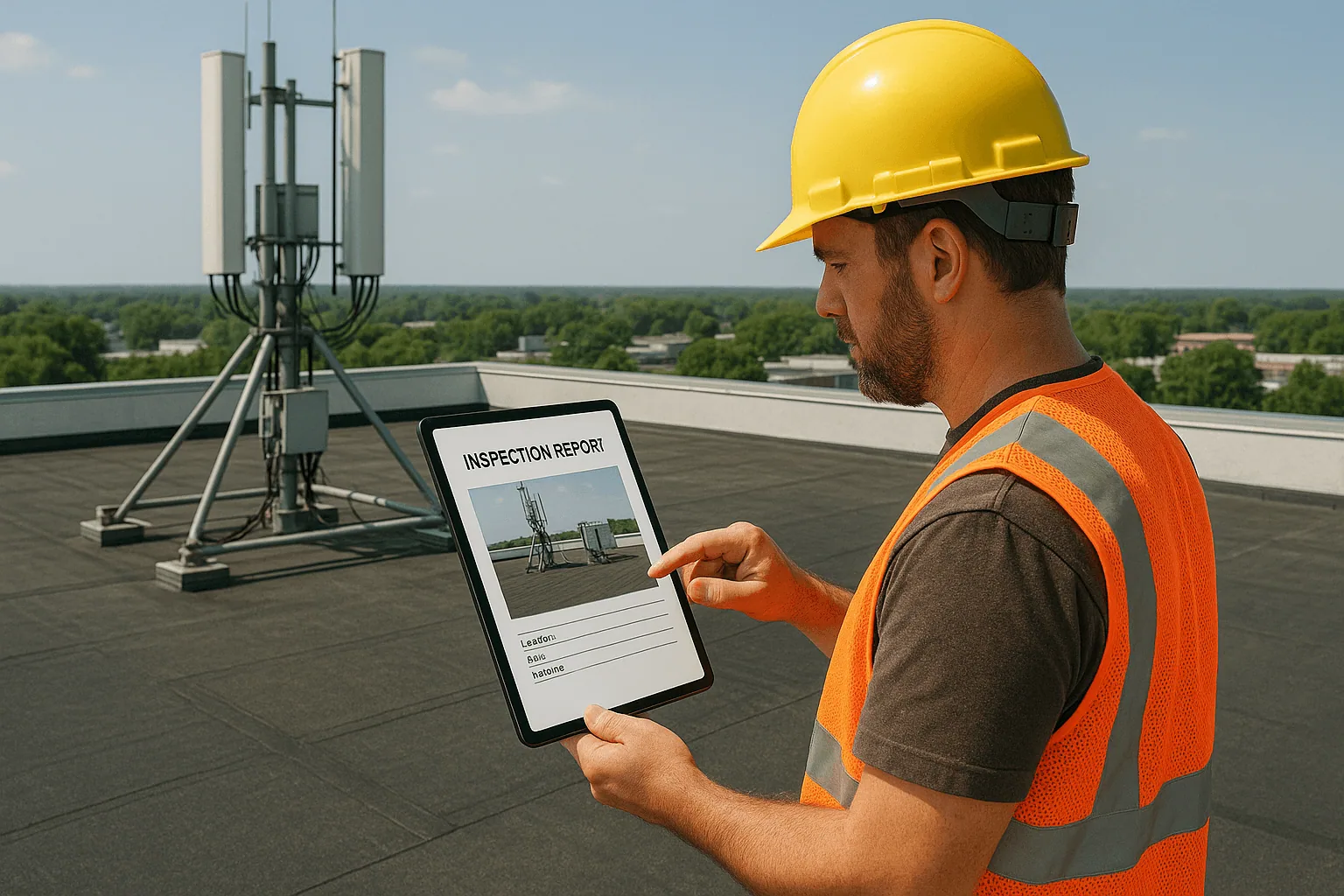
Lewisville lies in southeastern Denton County, northeast of DFW Airport. On the first visit, we confirm how the property operates, where roof access is available and which interior areas need protection. A commercial roof inspection records visible conditions and the questions that need more investigation before a repair or replacement scope is selected.
How should historical growth inform roof planning?
Late-twentieth-century growth in Lewisville included corporate headquarters, defense, aerospace and computer industries. Those are historical economic examples, not proof of current occupants or building conditions. They do point to a practical range of possible operating demands, from office access to equipment and specialized interior spaces. We ask the site contact about today's use, then plan roof entry, staging and protection around the actual building rather than a past industry label.
Roof condition can vary across one property as well as between properties. A membrane field, metal edge, skylight, curb and drain each respond differently to movement and water. We photograph and locate what we observe, then compare the reported interior symptom with the details above it. If a leak is active, a leak repair visit can begin with water control while the roof source is traced, avoiding a premature assumption that the stained area defines the full repair.
What does the Metroplex climate ask of roof details?
Hot afternoons and rainier spring and fall periods belong to the humid subtropical pattern recorded across DFW. Irving, TX shares that regional setting. Heat at the exposed surface can outpace the deck, cycling movement through seams and rigid transitions. We inspect bond and movement allowance at curbs, metal terminations and equipment supports, where two materials meet and repeated movement can loosen the interface.
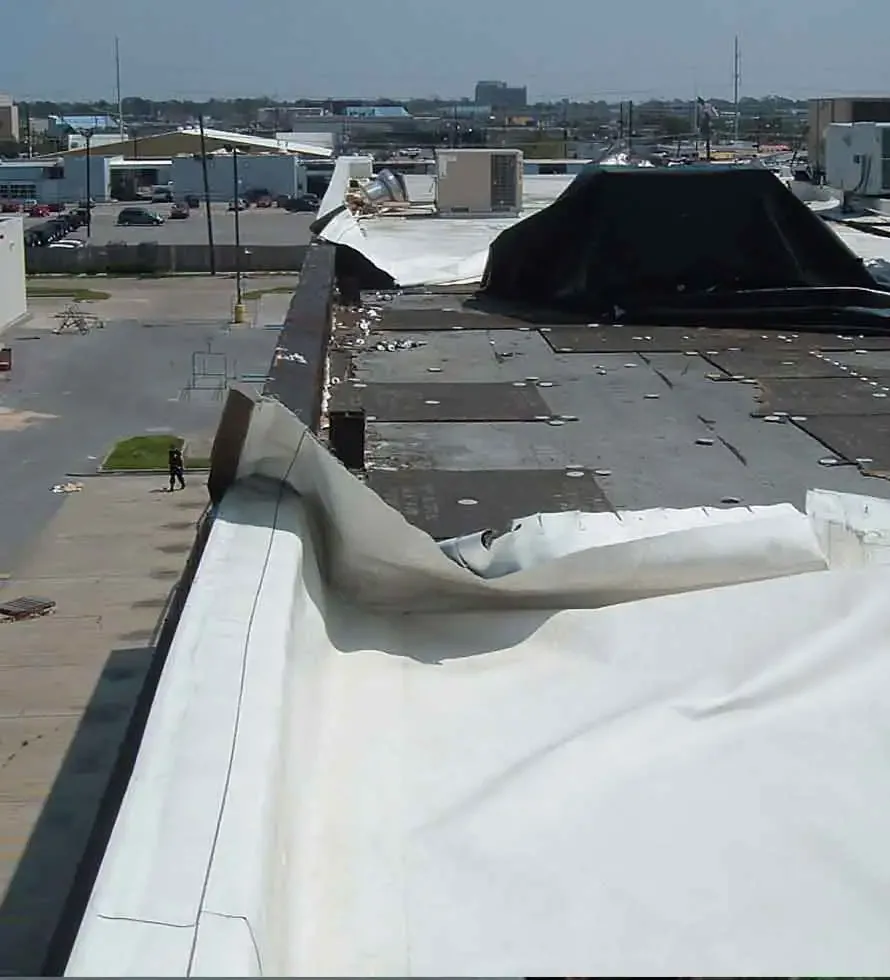
Hail, damaging wind and tornadoes recur in the wider Metroplex. For Lewisville, the membrane and perimeter supply the evidence, so we inspect actual punctures, separated seams or shifted metal before connecting a repair scope to the reported event. An impact review records the condition on the roof itself and distinguishes visible marks from a confirmed opening. If moisture may continue below the membrane, a survey or selective opening can help define whether the issue is contained.
How do drains and roof layers affect a leak?
A drain can be clear at the top and still fail to remove water efficiently when the roof has a low section, settled insulation or a deformed sump. We inspect the route from field to outlet, look for retained water and compare it with the roof slope. Where an opening is reported nearby, the location of ponding is one piece of evidence, not proof of entry. A seam, curb or flashing transition can let water enter and send it along a different path below the surface.
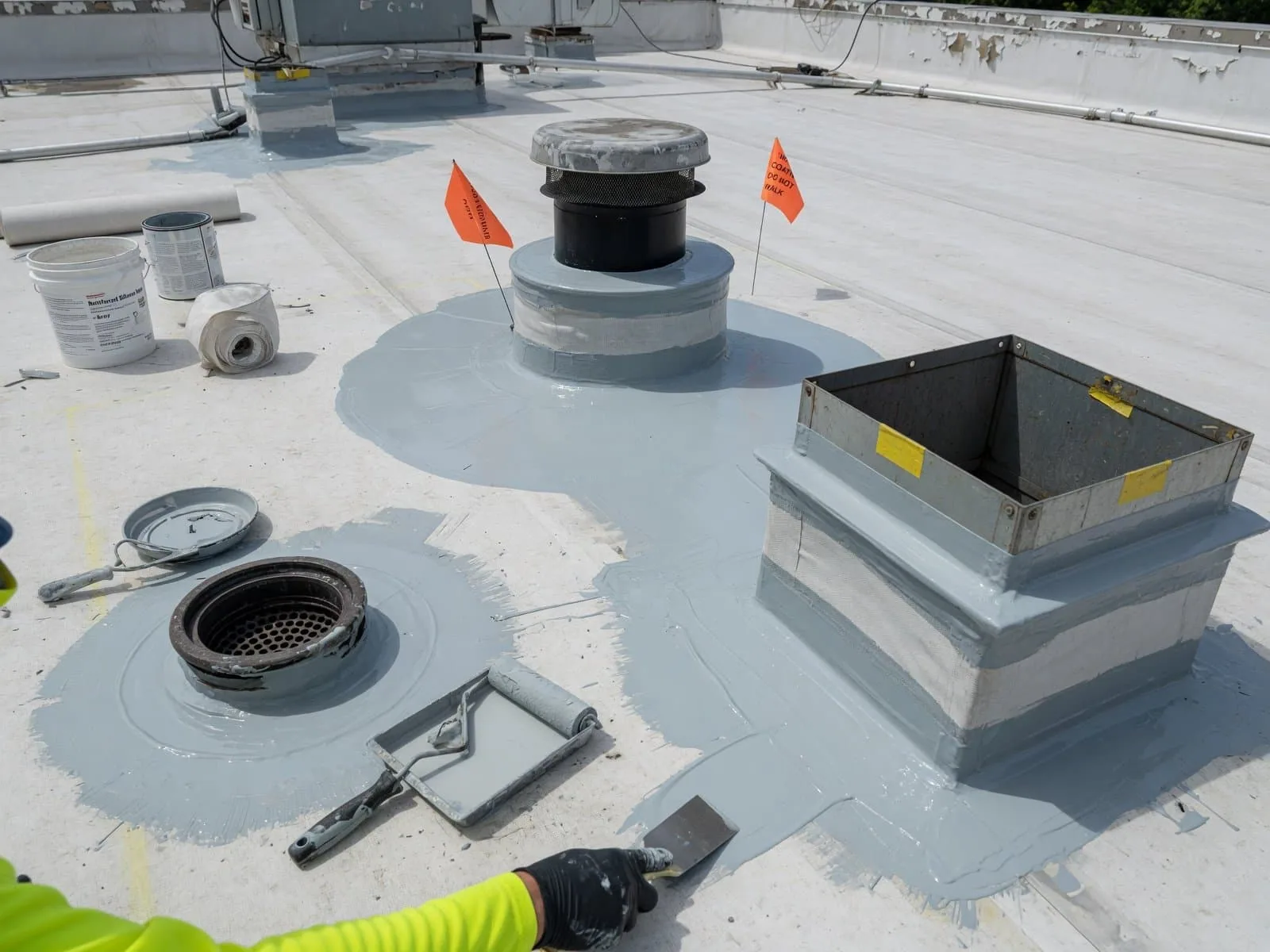
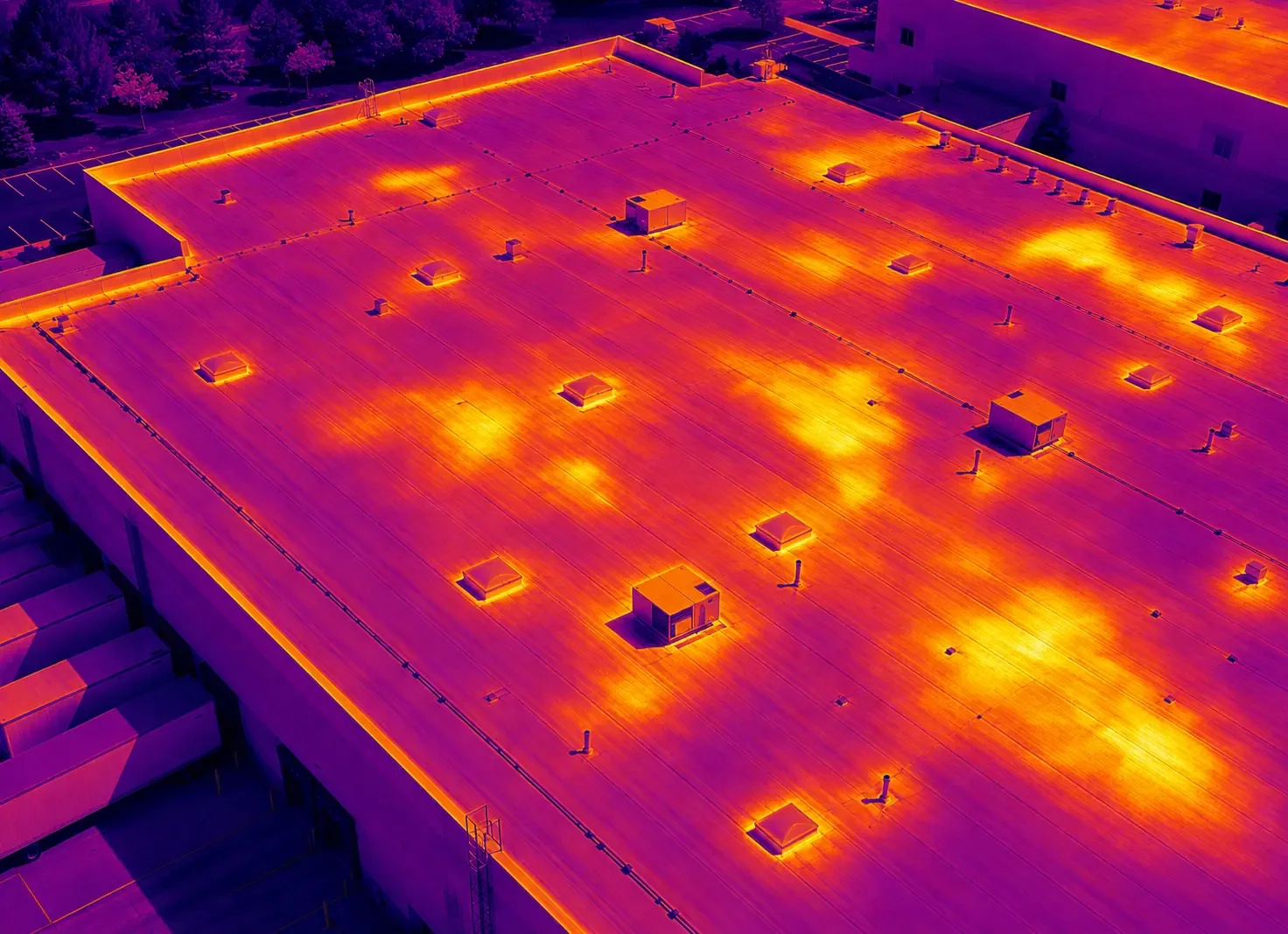
We note whether the field membrane is dry, attached and able to accept a compatible repair. At a single-ply roof, seam condition and surface preparation guide how a patch can be bonded. On a layered roof, the failing layer may be concealed. An infrared moisture survey can indicate distribution for follow-up; a selective opening is used when the assembly needs direct confirmation. The repair footprint then follows the confirmed moisture boundary and stable material around it. We also check whether water is entering through a penetration or moving from an uphill seam, because the repair method differs at those transitions. When a curb carries equipment services, the flashing must be rebuilt without leaving a gap at conduit or supports. We record which details were examined, what was repaired and what remains open for follow-up, giving facilities staff a usable closeout instead of a note that only says the leak was stopped.
Which option fits a roof that still serves the building?
Repair, recover and replacement each depend on different findings. Repair can address a bounded seam or penetration issue when surrounding materials remain suitable. A recover is considered when existing layers are stable, dry enough, adequately attached and able to support another approved assembly. Replacement becomes more practical when moisture, repeated failures or weakened attachment reaches beyond a contained area. We make that comparison after checking substrate, perimeter, drainage and the effect of rooftop equipment on access.
Coatings are another option only when the roof surface and underlying assembly are compatible with the restoration system. They do not restore wet insulation or correct poor drainage by themselves. For an existing thermoplastic membrane, PVC roof assembly evaluation begins with its seams, flashing and substrate rather than a blanket recommendation. We document any selective openings and explain how the findings change the options, so an owner can compare a localized repair with more extensive work on the same evidence.
How can the work sequence protect active space?
Office, defense, aerospace and computer history does not establish how a current building is used, so we confirm hours, security, sensitive equipment and interior access with the property contact. Those facts shape staging and daily closeout. We agree on the area to isolate, how materials move to the roof and what protection is needed below each work section. If water is moving into the building after business hours, a crew can respond overnight, during weekends and on holidays. We first confirm safe roof access and protect the interior, then trace the source before defining lasting repairs.
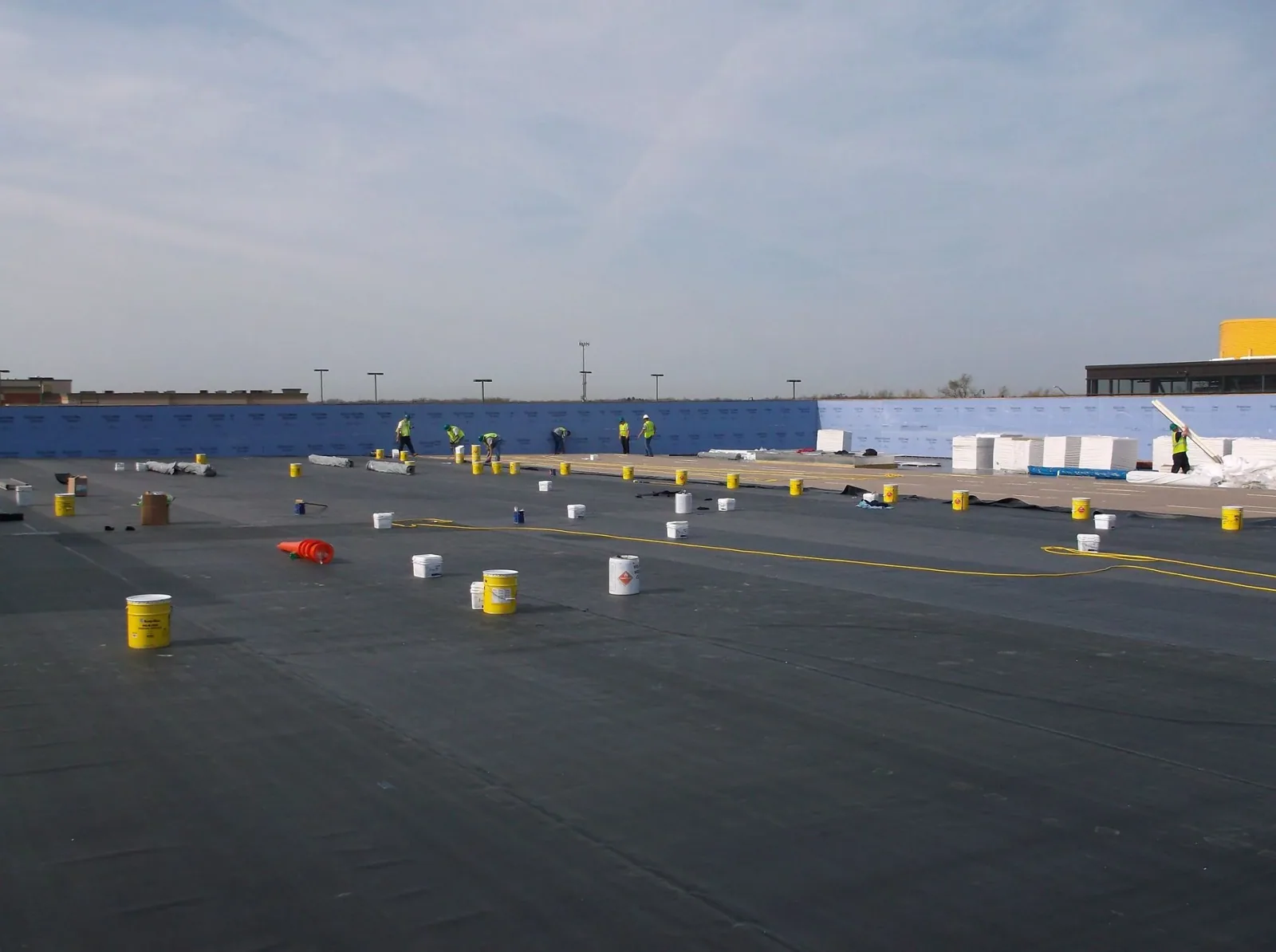
For a planned reroof, work can be divided into sections with temporary dry-in and debris control at each transition. Timing and cost depend on the layers, affected area, edges, flashing, disposal, access and operating window. A written condition report preserves photos and repair locations for future review. It gives the next review a defined starting point. The comparison can then distinguish urgent stabilization from capital work. A portfolio with additional sites in Carrollton or Farmers Branch still needs separate findings for every roof and operating team.
Commercial Roofing Questions
Does Lewisville’s airport access describe roof access at a property?
No. The city’s location near DFW Airport is regional context, not a route onto a building. We confirm roof entry, lift placement, staging and security requirements with the property contact before setting a scope.
Can historical industry data show what is in a current building?
It cannot establish present tenants, equipment or roof construction. We use the city history only as background, then verify current operation and inspect the roof assembly before recommending repair, recover or replacement.
What is the first step when water appears below a roof seam?
We locate the interior symptom, inspect the roof above and trace connected details, including curbs, penetrations and drains. Temporary water control may come first, while moisture mapping or a selective opening clarifies the extent.
What condition would let an existing roof support a recover?
A recover enters the comparison only when existing layers are stable, moisture is controlled, attachment remains sound and loading permits another assembly. Wet insulation or an unstable substrate points to investigation and likely removal rather than simply adding a new surface.
Can emergency service be arranged outside business hours?
Yes. Response is available overnight, on weekends and holidays when water needs prompt control. The visit still begins with safe access, a clear location for the problem and protection for the interior area beneath the work.
Ready to review the roof scope?
Request a Roof Assessment