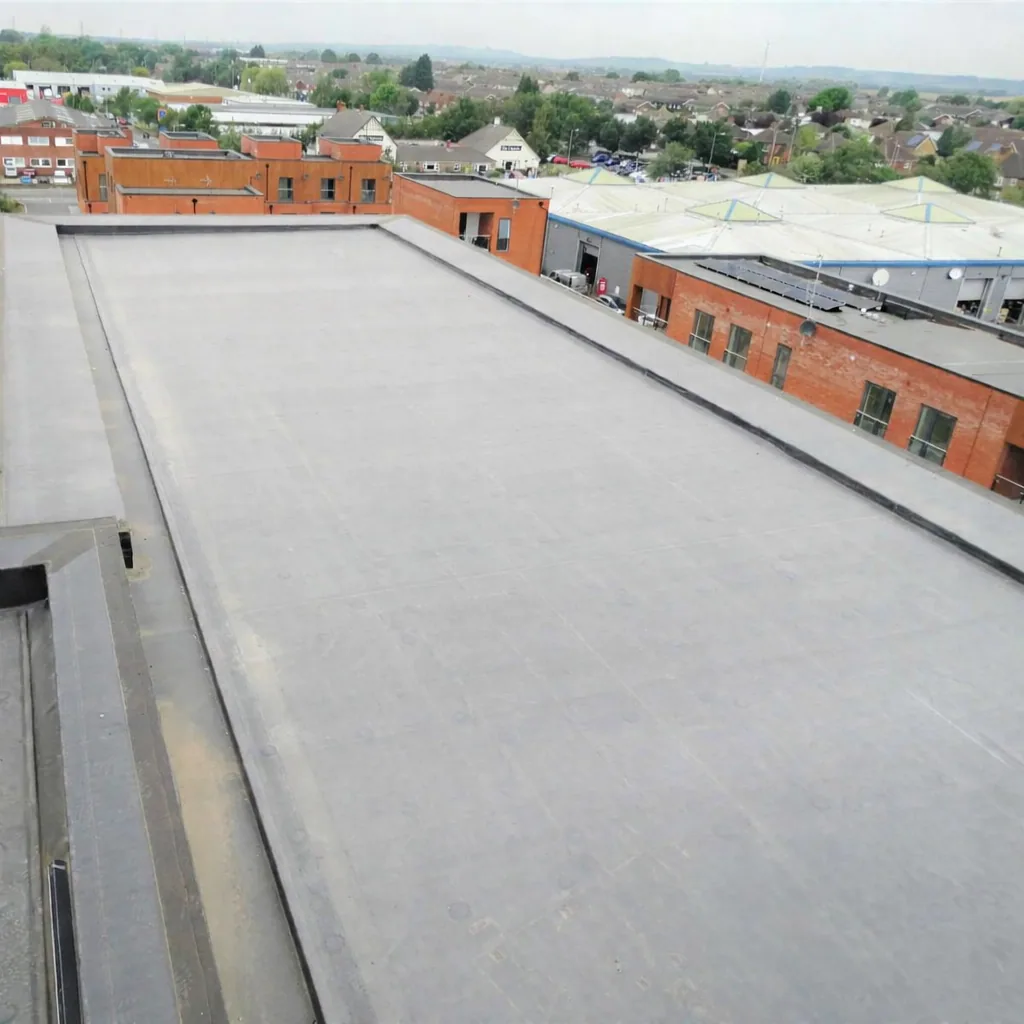
A flexible membrane's response to repeated summer heating depends on its formulation as well as the details restraining it at curbs and edges. KEE-containing roofing in Irving, TX, is assessed as a complete system, with the specific membrane and its compatible connection methods identified before work begins. Commercial Roofing Irving evaluates the sheet, welded details and supporting layers rather than treating a material designation as a substitute for assembly examination.
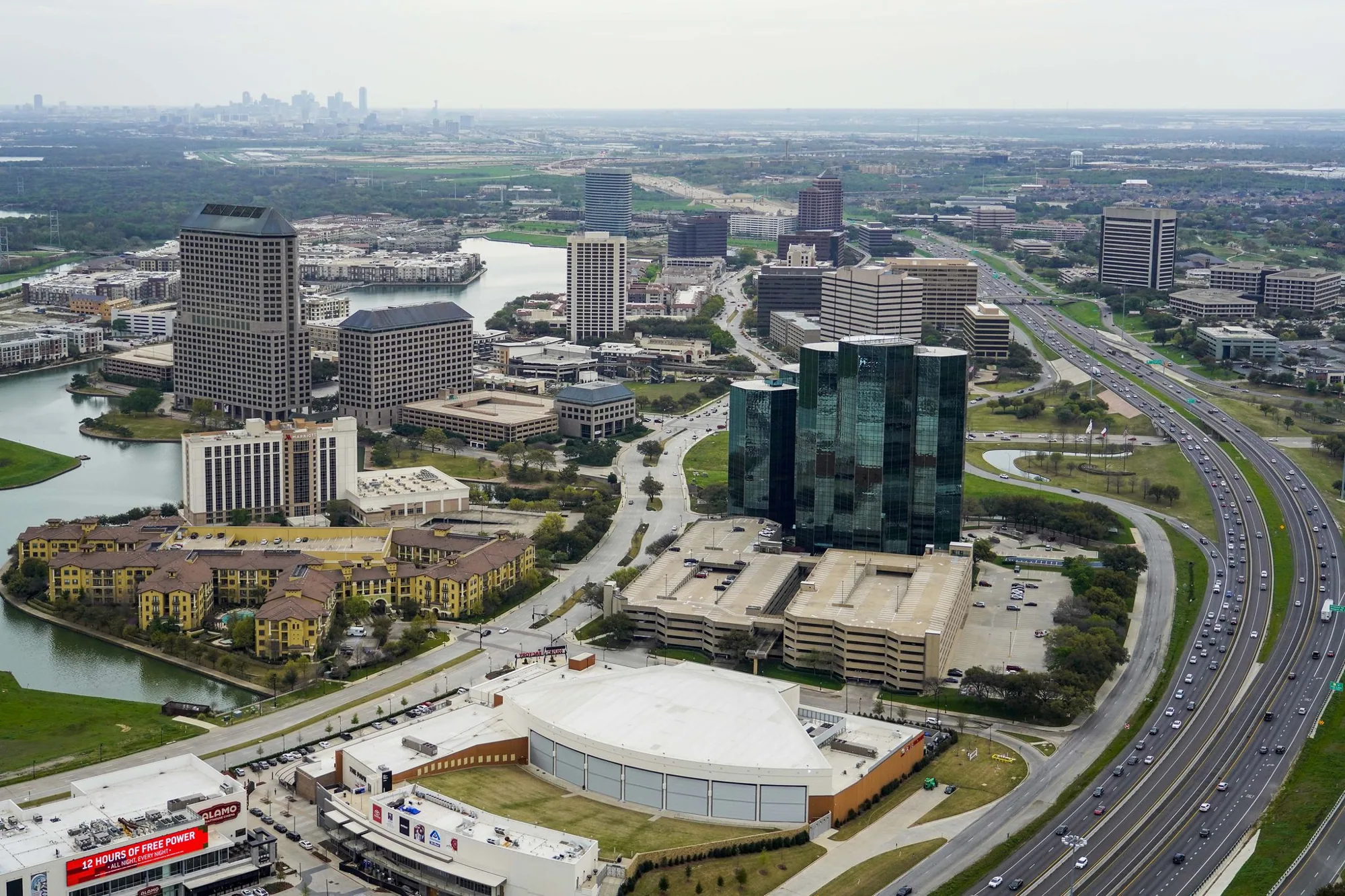
Las Colinas office properties and the North Irving Belt Line commercial corridor have occupied operations and equipment that influence installation access. Regional heat across Dallas/Fort Worth also makes thermal response worth comparing during a roof decision. We connect those operating conditions to the selected product's requirements, while repair or retention recommendations follow the actual material condition and moisture findings on the building.
Which membrane is actually installed?
KEE identifies a component used in certain roofing membrane formulations, not a single interchangeable sheet or universal repair material. We establish the installed system and available product information before choosing preparation, repair or replacement components. A similar color or surface texture is not enough to confirm compatibility. Where the system cannot be identified from available information, further examination is needed before selecting a repair interface.
The comparison may include PVC roofing assemblies and other thermoplastic options, but the selected products still need their own installation requirements. We review the membrane, attachment and detail arrangement together rather than assuming one system's components suit another. That distinction matters at an aged repair, where unrelated layers can obscure the original sheet and complicate the preparation needed for a dependable connection.
What condition does the sheet need for a welded connection?
A compatible thermoplastic repair needs a surface and welding process suitable to the actual membrane. We examine contamination, deterioration and earlier repairs before choosing the preparation method. Working conditions and equipment settings affect the connection, particularly at corners or changes in thickness. The completed weld is assessed for continuity so a visible lap does not stand in for examination of the interface that must keep water outside.
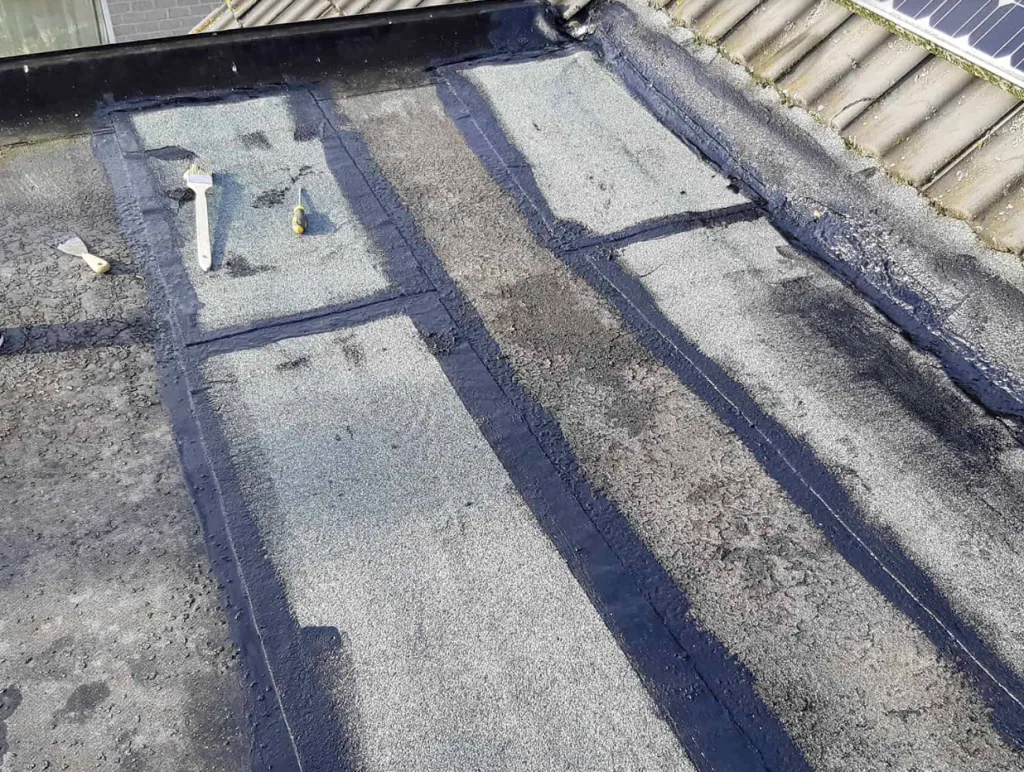
Thermoplastic seam repair also considers why the connection separated. Tension from a fixed curb, loose support or displaced fastening may require reconstruction beyond the seam edge. We identify a suitable boundary in retained material and correct those conditions where they affect the repair. Adding a compatible patch over an unresolved movement problem can leave the same strain acting beneath the new connection.
How should local equipment exposure enter the comparison?
Rooftop discharge and service activity can expose the covering to substances or contact that differ from ordinary weathering. We identify the actual exposure and compare it with the selected system's published suitability and maintenance requirements. The presence of a restaurant or mechanical unit alone does not establish what reaches the roof. Cleaning or equipment correction may need coordination in addition to the membrane work where repeated contamination is contributing to deterioration.
Traffic can also create abrasion or puncture near access routes, and a flexible sheet still needs support below those areas. Localized membrane reconstruction includes examination of underlying material where the injury allowed water entry. We consider suitable walkways and contact protection without obstructing drainage. The scope should remove or correct a recurring damaging contact rather than leaving a sound patch directly beneath the same loose support or service debris.
Can the retained insulation and attachment support the system?
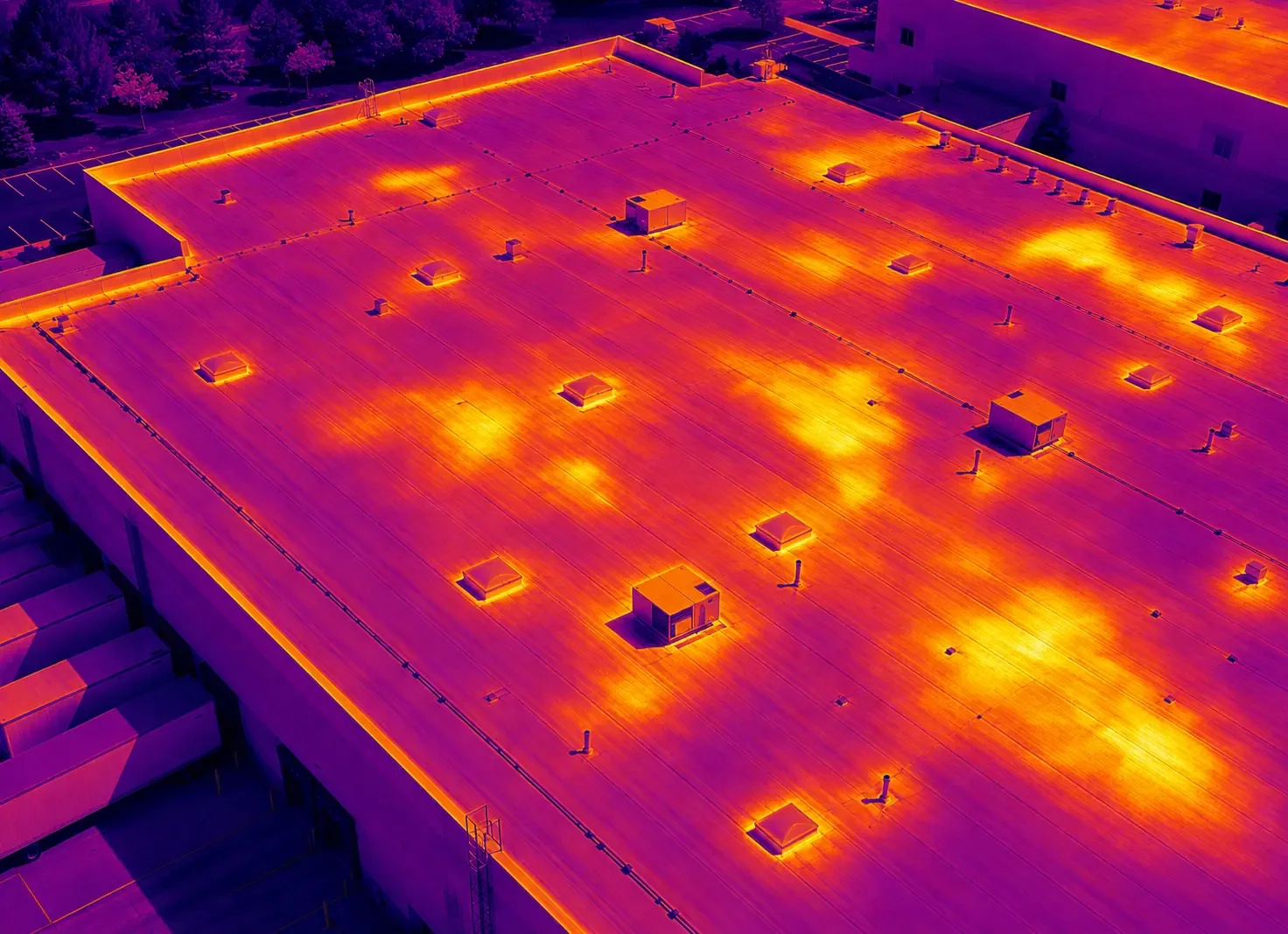
Wet insulation, deteriorated cover board or loose attachment can make an otherwise workable membrane unsuitable for a retained-roof project. We examine those layers through direct checks and moisture investigation where conditions permit a useful survey. Suspect temperature patterns are confirmed before setting removal limits. The recommendation distinguishes suitable sheet from the condition of the supporting assembly, since the two may require different reconstruction boundaries.
New insulation and cover board are coordinated with the selected attachment and substrate compatibility. Mechanical fastening needs suitable deck engagement, while adhered construction needs prepared compatible surfaces and appropriate installation conditions. We establish those interfaces before deciding which layers can remain. A recover comparison also includes applicable restrictions and structural capacity rather than relying on material flexibility or the apparent condition of the field covering alone.
Moisture originating from the interior requires a different comparison from rain entry. Where operating conditions suggest air leakage or condensation, we examine the roof arrangement and coordinate further evaluation of that mechanism. Reconstructing a seam can stop one entry while leaving another wetting path active, so the retained-layer decision considers how moisture reaches the assembly as well as where wet material is found.
How will the assembly meet drains, curbs and edges?
At a curb, the membrane rises from the roof field to a rigid surface and upper termination. We examine height, corner support and movement before selecting the detail. Drain connections need suitable clamping or other system-appropriate construction, with an approach that lets runoff enter the outlet. Perimeter attachment is assessed as part of the load path into the building. Each interface needs compatible materials and access for preparation, not just a continuous-looking field sheet.
For North Irving Belt Line commercial roofs, installation planning also includes occupied entrances and daily circulation near staging. We sequence removal and closure with suitable weather conditions and the preparation required for the chosen system. Cost follows retained-layer correction, attachment, insulation and detail complexity. A TPO system comparison may offer another assembly option, with its own compatibility and installation requirements considered separately.
After installation, maintenance preserves outlet access and examines welded connections, terminations and traffic areas for change. Any later repair should identify the installed membrane and use a compatible process rather than an unrelated product selected from appearance. We describe the completed repair boundaries and care needs so service work can be coordinated without concealing a developing detail defect beneath unsuitable material.
Commercial Roofing Questions
Can KEE-containing membranes be repaired with any PVC patch?
Compatibility has to be established for the actual installed system. Similar appearance or a related material designation does not make every sheet and accessory interchangeable. We identify the membrane and selected repair requirements before preparation. The connection also needs suitable retained material and support, so confirming product compatibility is one part of the repair assessment rather than the whole decision.
Does the material designation tell us how long the roof will last?
Service condition depends on the assembly, installation, exposure and care as well as the selected membrane. We examine the field, seams, support and details before making a repair or replacement recommendation. A material name does not establish remaining service suitability for the particular property. The useful comparison identifies the present condition and the work needed to preserve or reconstruct it.
Will the roof need different details if we replace an older system?
The proposed assembly and thickness can change curb heights, drain approaches and perimeter connections. We compare those relationships before choosing the covering and accessories. Retained details may be reusable where suitable, while others require reconstruction for compatible attachment and water continuity. The system change should therefore include the transition work rather than treating the new field membrane as an independent replacement.
Can you assess a contaminated area without replacing the whole covering?
A contained area can be investigated for surface condition, compatibility and underlying damage. We identify the substance or service exposure where possible and compare the findings with the selected repair method. Suitable surroundings may support localized reconstruction, while broader deterioration can expand the scope. Any recurring equipment or housekeeping issue is also addressed so the repaired covering is not left under the same exposure.
Ready to review the roof scope?
Request a Roof Assessment
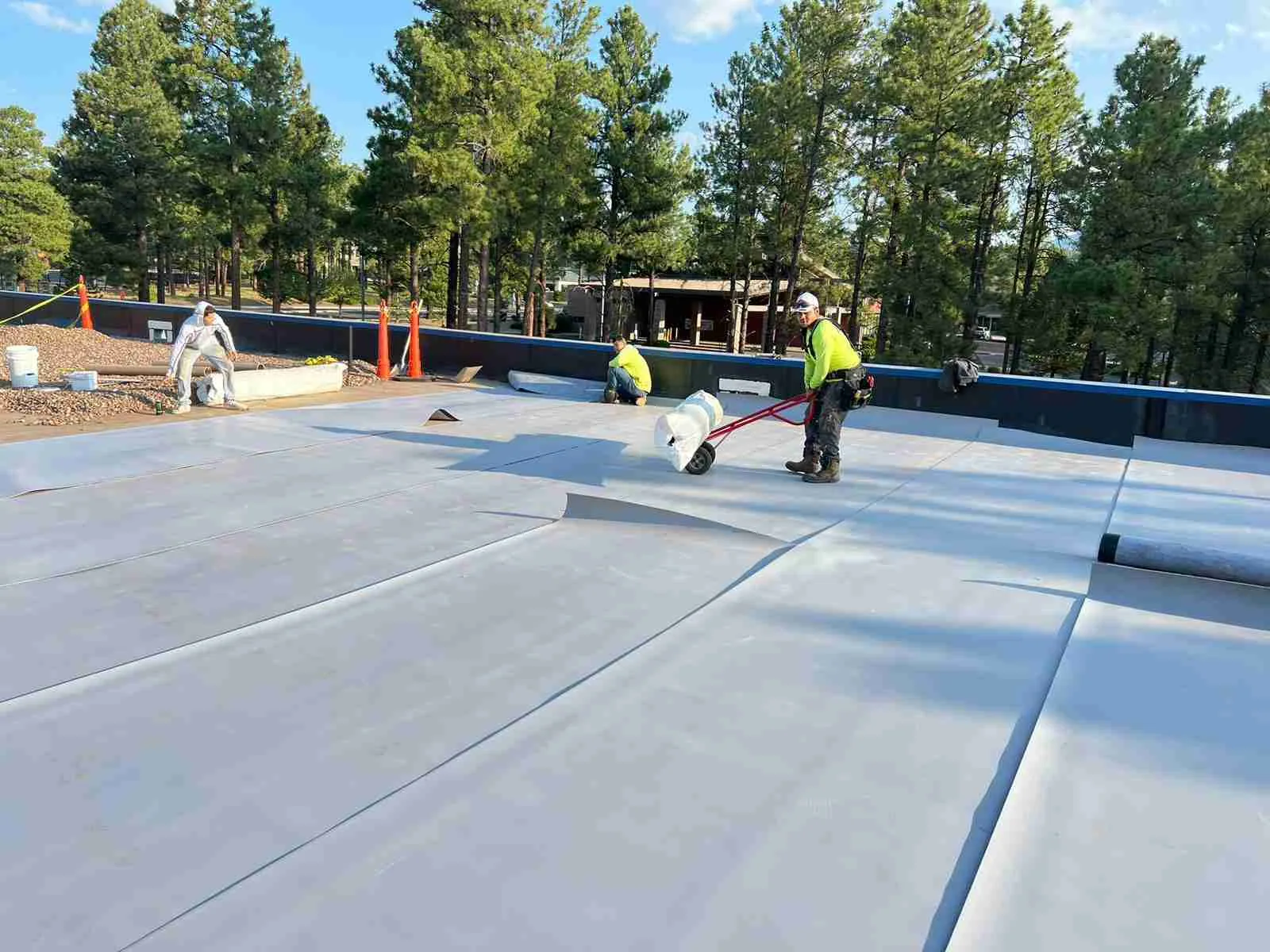
Commercial Roof Membrane Puncture Repair
See scope, options and what to expect on the roof.
Commercial Roof Insulation and Cover Board
See scope, options and what to expect on the roof.