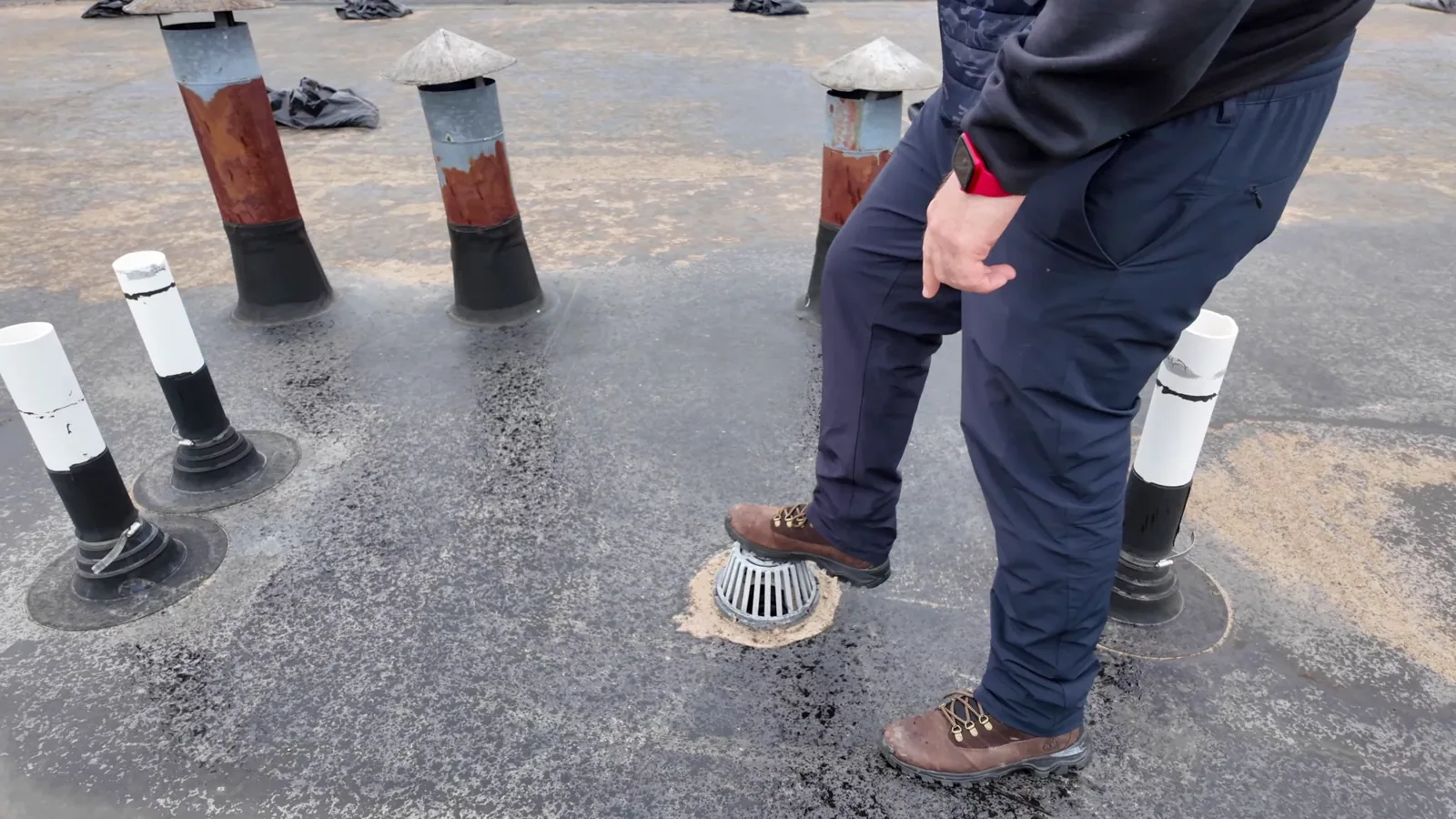
Summer temperature changes can strain a membrane at a cooling-equipment curb while the equipment below depends on uninterrupted water protection. Data center roofing in Irving, TX, examines that interface before a surface repair is selected. Commercial Roofing Irving evaluates the covering, supporting layers and detail access, then coordinates the proposed work with the facility's operating requirements.
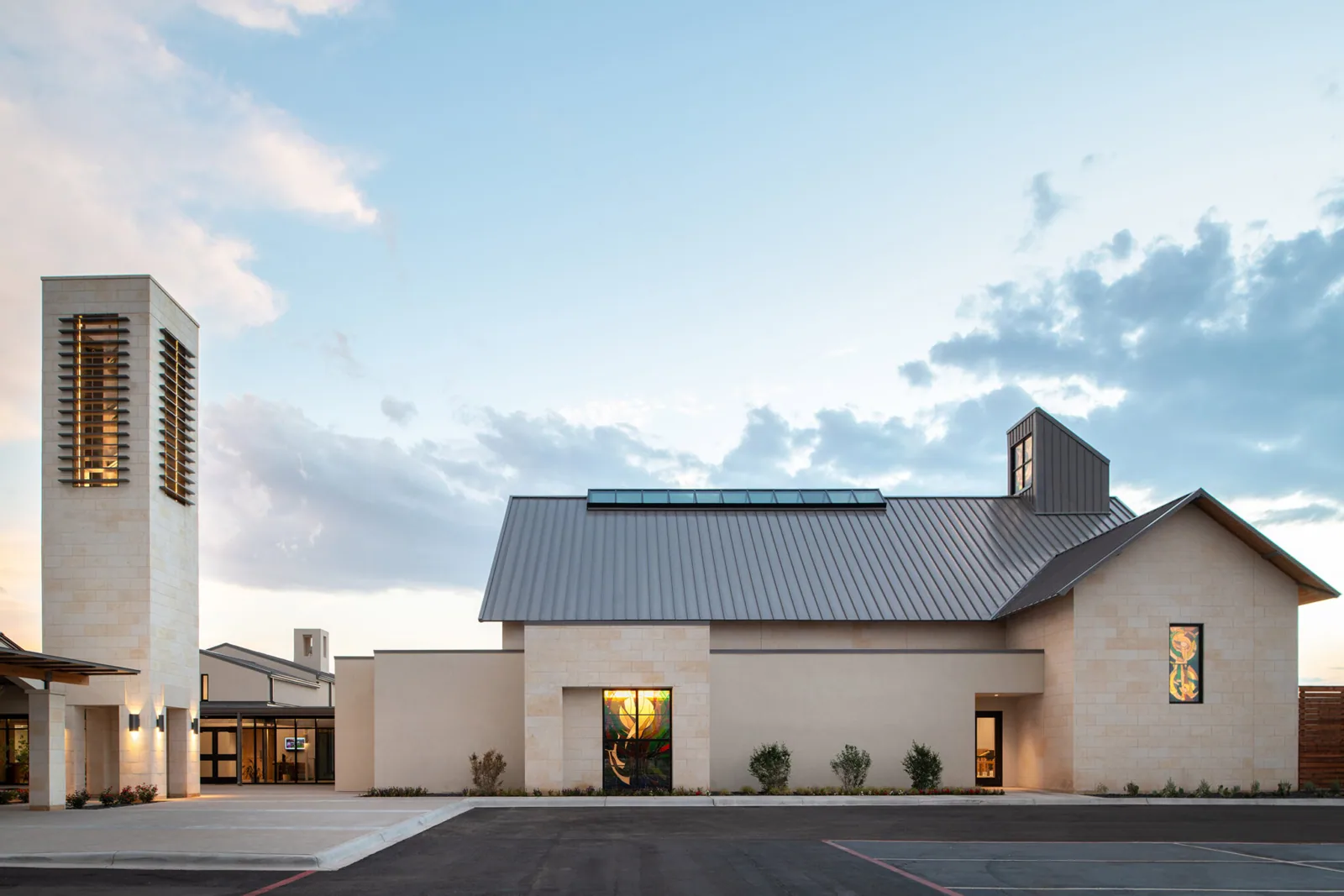
Technology and telecommunications are represented in Irving's employer economy, while Las Colinas includes corporate office uses and other occupied properties. A project serving specialized technology operations needs roof access and equipment windows established alongside the protection of the occupied areas below. The actual facility layout and operating conditions are established for the project, with regional Dallas/Fort Worth heat and rainfall considered through their effects on materials, equipment connections and water paths.
Which connections sit above critical operating areas?
Roof penetrations, drains and equipment curbs are related to the interior layout before work priorities are set. The facility manager identifies sensitive rooms, equipment and access requirements, while the roof examination establishes the defect and possible water path. A roof area can require prompt protection because of the exposure below even when the visible defect is small. We distinguish that operational priority from the amount of permanent reconstruction needed in the assembly.
Critical-area leak investigation compares rainfall, equipment activity and reported water timing. Condensation or service discharge may need separate evaluation where the observations suggest another source. We coordinate interior access safely and avoid treating the nearest penetration as the cause without examination. Active entry requires appropriate protection, with emergency response available at all hours and electrical hazards handled through the facility's qualified personnel.
Can the failed curb be reached without disturbing service?
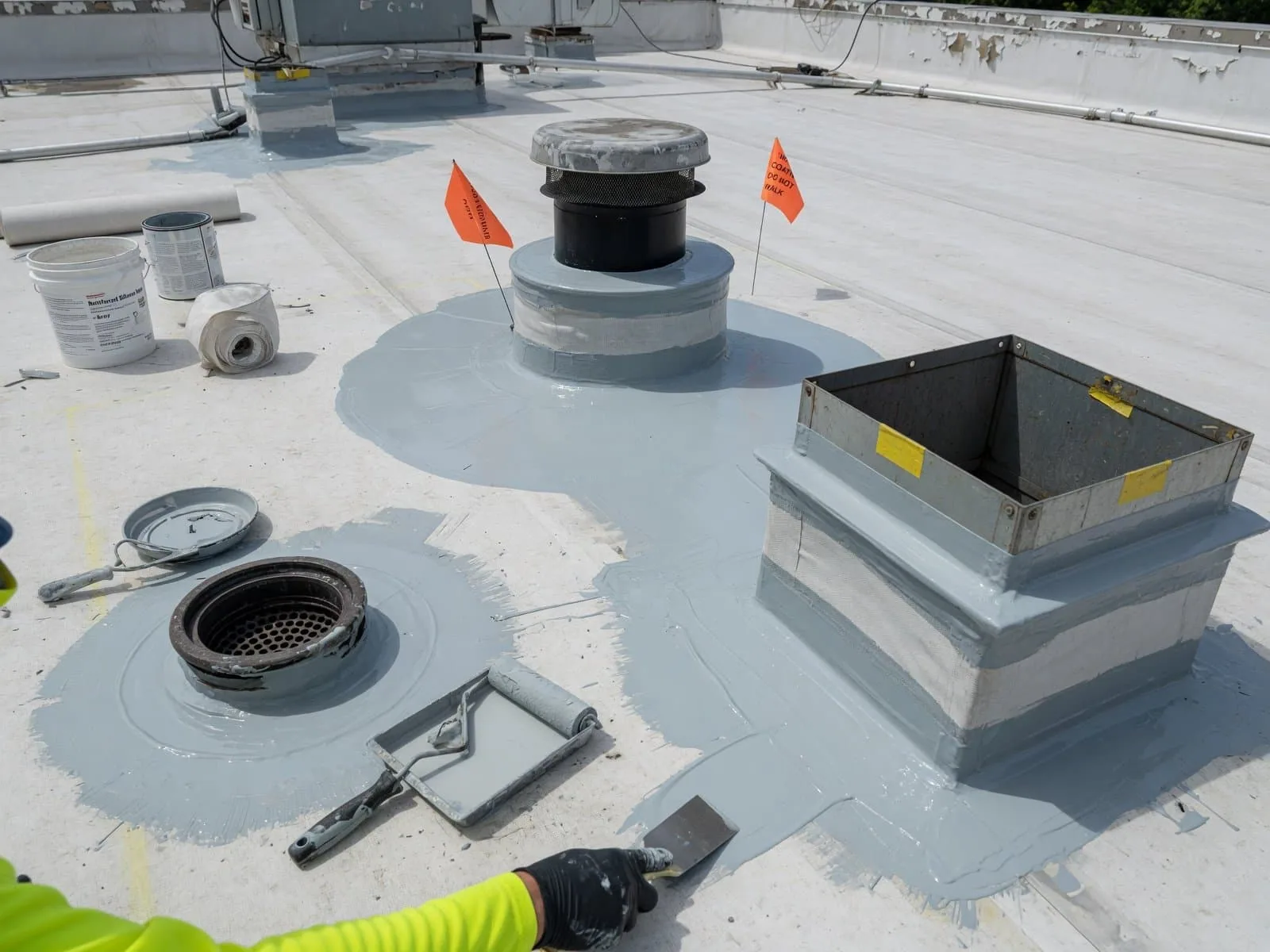
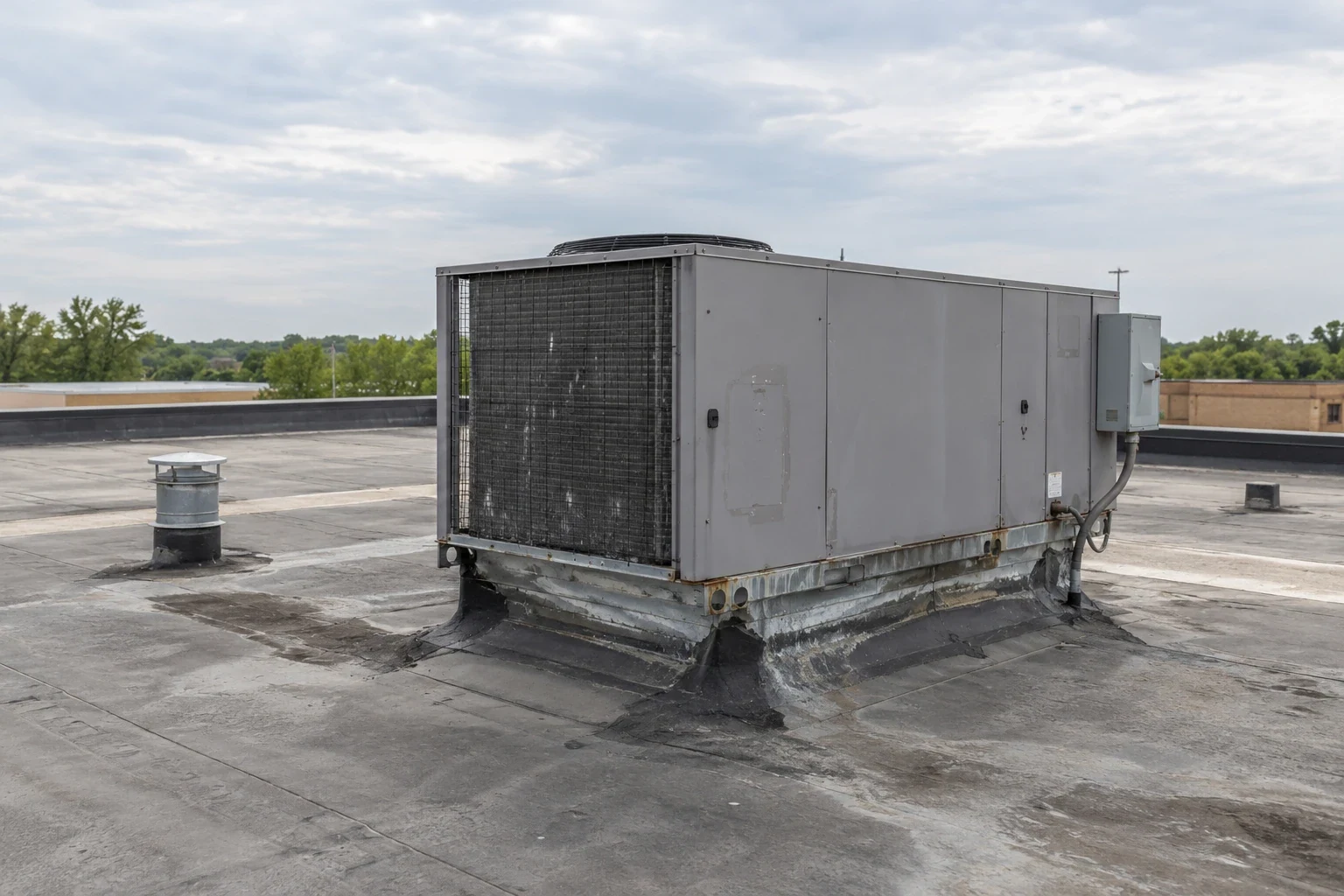
Cooling units and service connections can conceal the upper flashing termination or restrict working space at corners. We examine that access before defining the repair and identify whether lifting or a planned shutdown is required. Equipment curb coordination separates mechanical requirements from roofing preparation and closure. A repair limited to the accessible lower edge could leave a concealed connection unresolved beneath the unit.
Support, vibration and thermal movement are also considered where they affect the detail. A new membrane connection should not restrain a component intended to move or rely on deteriorated support. The reconstruction reaches suitable materials and identifies structural or mechanical input where the change extends beyond roofing. Those interfaces are planned before the work window is agreed, so the available time includes the activity needed to complete a compatible permanent connection.
What condition lies below the apparent surface?
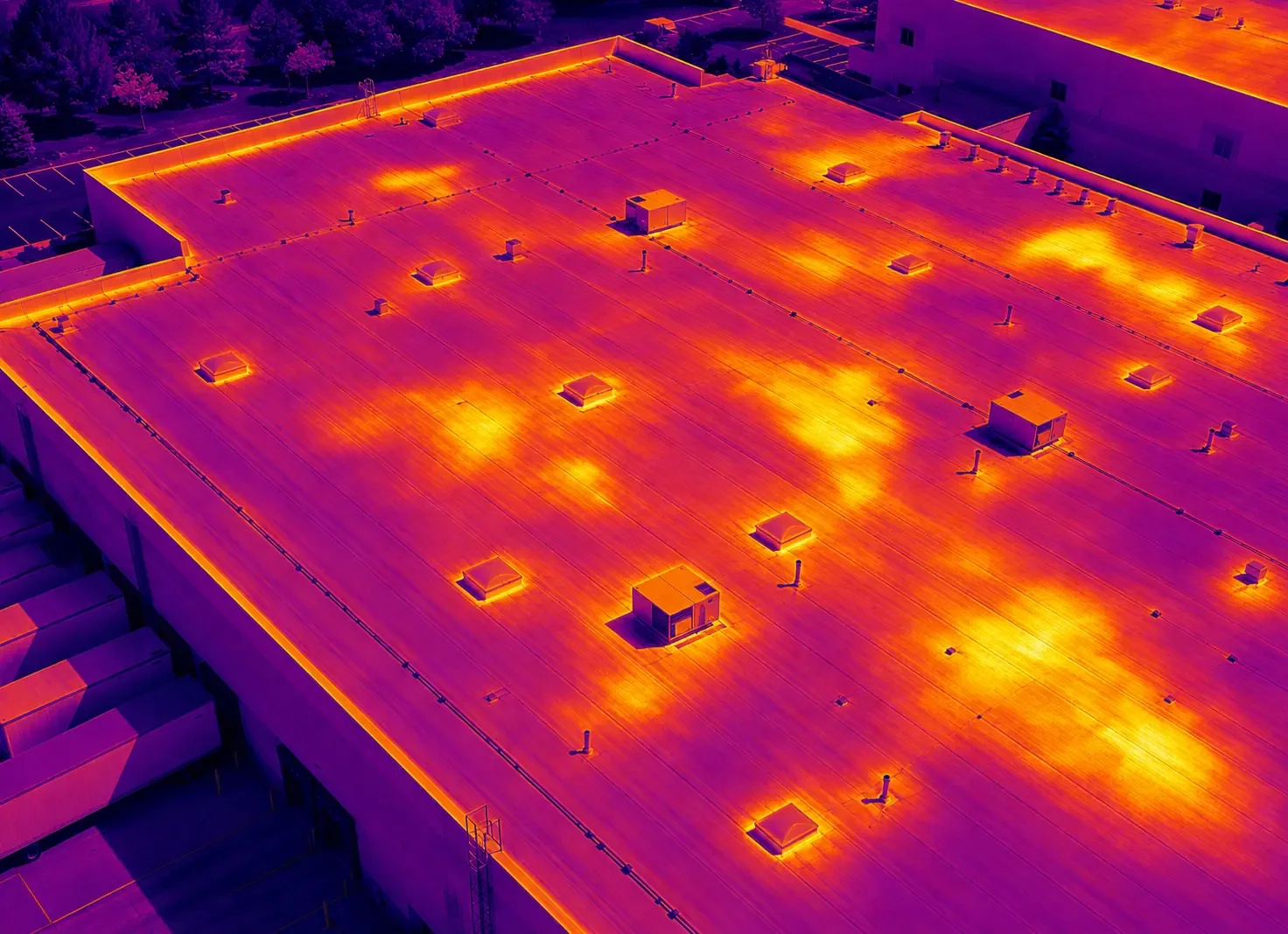
Wet insulation and loose support can remain concealed beneath a sheet that looks relatively uniform. We choose direct checks and a moisture survey where appropriate to resolve the assembly question, with thermal patterns confirmed before removal. The findings distinguish a damaged detail from deterioration requiring wider reconstruction. That boundary matters when opening the roof above critical space, because removal depth and substrate repair affect protection and closure timing.
Different operating areas can have different temperature and humidity conditions. A facility's office spaces may require another comparison from rooms housing specialized equipment, while an attached storage area can have its own access and protection needs. We relate each finding to the construction and operating zone rather than extending one moisture result through the entire facility. Additional building-system evaluation is coordinated where condensation or air leakage remains a question.
We also examine whether earlier roof alterations have changed the layer sequence above one zone while leaving another unchanged. Different insulation thicknesses or coverings can affect both thermal interpretation and the method needed to reconnect a repair. Those construction differences are located before the scope is finalized, allowing each opened area to receive suitable support and compatible materials. A uniform appearance at the top sheet should not cause the investigation to overlook a concealed transition between two assemblies.
How do the outlets remain usable during roof work?
Drains, scuppers and overflow routes need examination before removal changes the field or outlet connection. We assess debris, bowl elevations and interruptions around equipment, then identify any correction necessary for runoff to leave the roof. Drainage reconstruction can involve plumbing coordination as well as roofing work. The temporary sequence should preserve a usable water path while the permanent interface is rebuilt.
Changing insulation thickness affects curb heights and approaches to outlets. Those relationships are measured before choosing the package, with tapered layouts or equipment changes coordinated where needed. A new covering should not leave a short termination or a low area against a critical penetration. The selected TPO assembly or another suitable system requires its own detail and attachment methods, with compatibility established for the actual substrate and exposure.
What does a controlled reconstruction phase need to include?
Roof opening limits depend on removal depth, concealed repair and the protection required below. We coordinate the facility's access procedures, sensitive areas and equipment windows before selecting a phase. The sequence includes preparation, installation and dependable closure, not merely the time needed to remove the old covering. Where findings change the work, the effect on protection and operations is communicated before the boundary expands.
For Las Colinas commercial properties, the project-specific use and operating arrangement are established with the manager. Cost follows investigation, support correction, moisture removal, detail access and the coordination needed around equipment. The proposal distinguishes that coordination from material reconstruction, allowing the owner to assess both the roof correction and its operating window. The roof condition provides the construction recommendation, while operational needs establish how the suitable work can be performed.
Completed areas are examined at seams, terminations and drainage connections before returning to ordinary service access. Maintenance preserves routes and keeps equipment changes coordinated with the covering. Later supports, conduit or penetrations can alter runoff and movement at a reconstructed detail. We identify those interfaces and compatible repair needs so future service activity does not introduce another opening above the areas the project was intended to protect.
Commercial Roofing Questions
Can a roof repair proceed without a cooling shutdown?
Access to the failed connection and the equipment arrangement must be assessed first. Some work can be completed with the unit in place, while concealed curb reconstruction may need lifting or disconnection. We coordinate that finding with the facility and service personnel before selecting the window. The plan preserves material preparation and closure requirements rather than limiting the repair to the visible edge to avoid coordination.
Will you identify the roof areas above our most sensitive rooms?
We relate roof findings to the interior layout and operating information provided by the facility. Drainage, penetrations and concealed water paths can affect that relationship, so direct investigation may be needed. The resulting scope identifies protection and work boundaries for the examined areas. It does not assume a surface opening will discharge only into the room directly below it.
Can a moisture survey avoid opening the roof over critical space?
A suitable survey can help target direct checks, but thermal patterns still need confirmation to establish material condition. We choose locations and a closure method with the facility's protection needs considered. The survey may reduce unnecessary investigation, while unresolved boundaries can require further examination. Removal decisions should follow confirmed findings rather than an untested image or a blanket assumption of dryness.
What should change after new cooling equipment is installed?
The roof interfaces should be examined for support, flashing access and drainage effects. New service routes or vibration can also change exposure near the equipment. We coordinate those details with the service trade and identify compatible reconstruction where needed. A suitable installation preserves access to outlets and terminations so future roof care does not require disturbing critical equipment unnecessarily.
Ready to review the roof scope?
Request a Roof Assessment