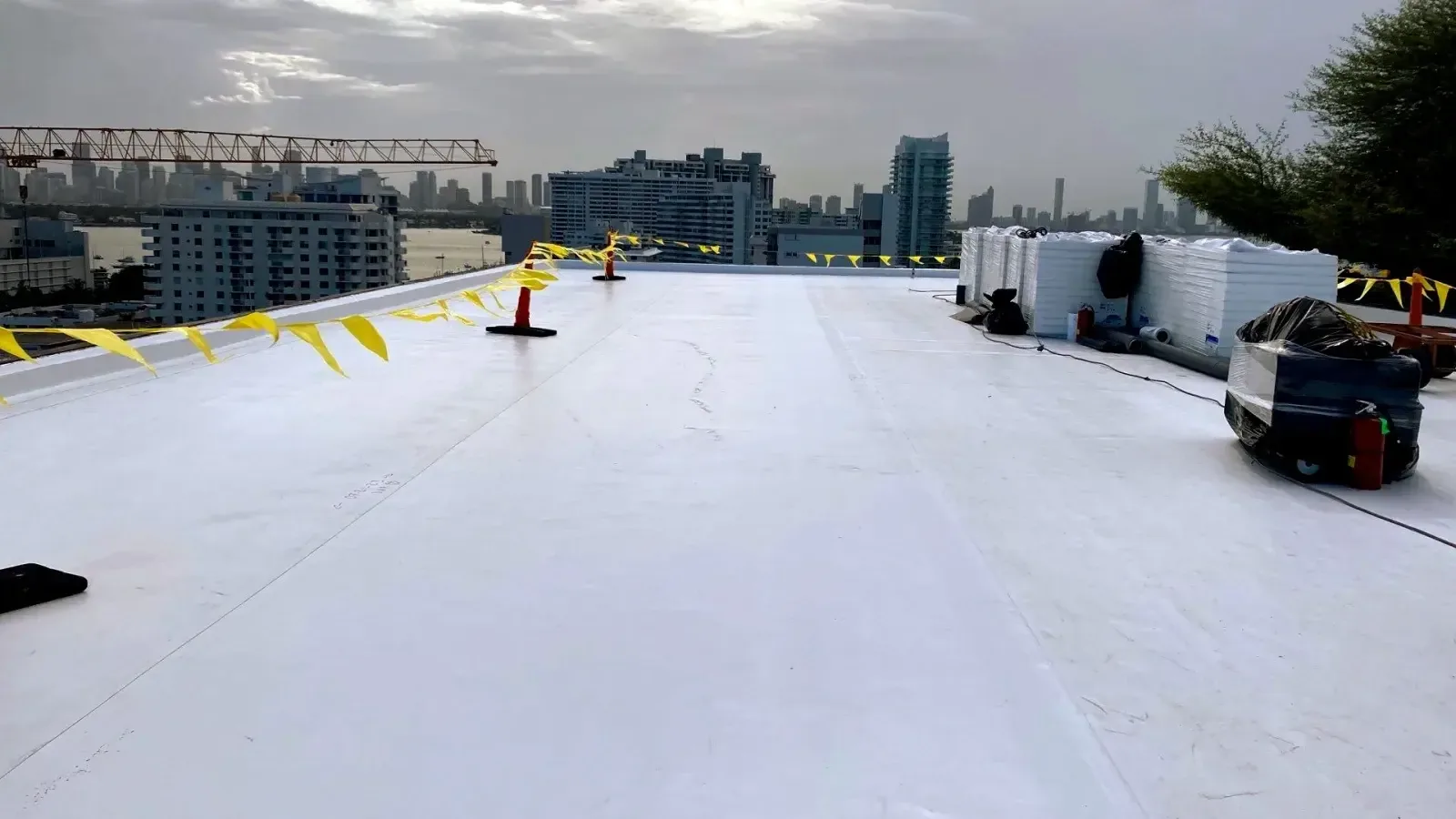
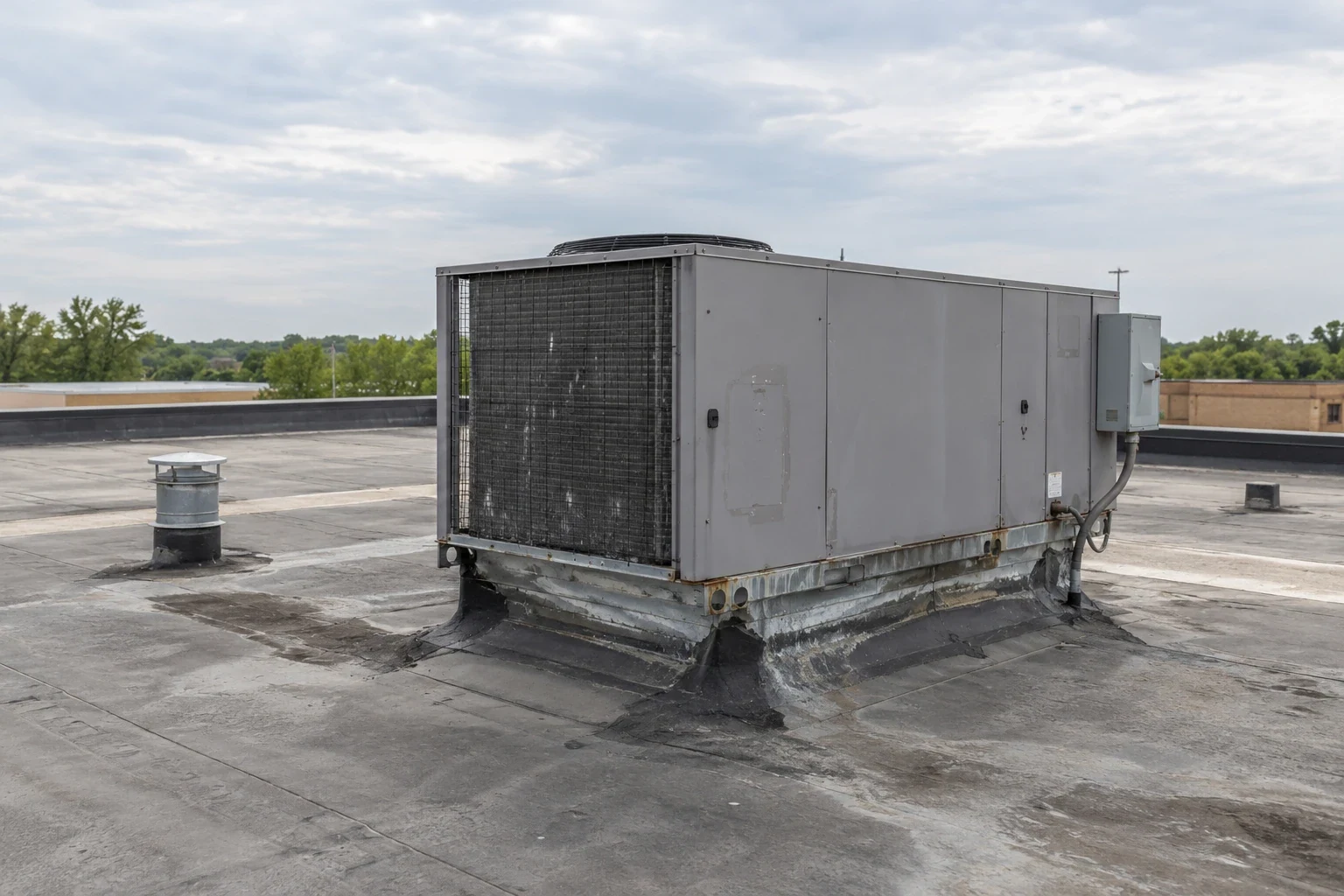
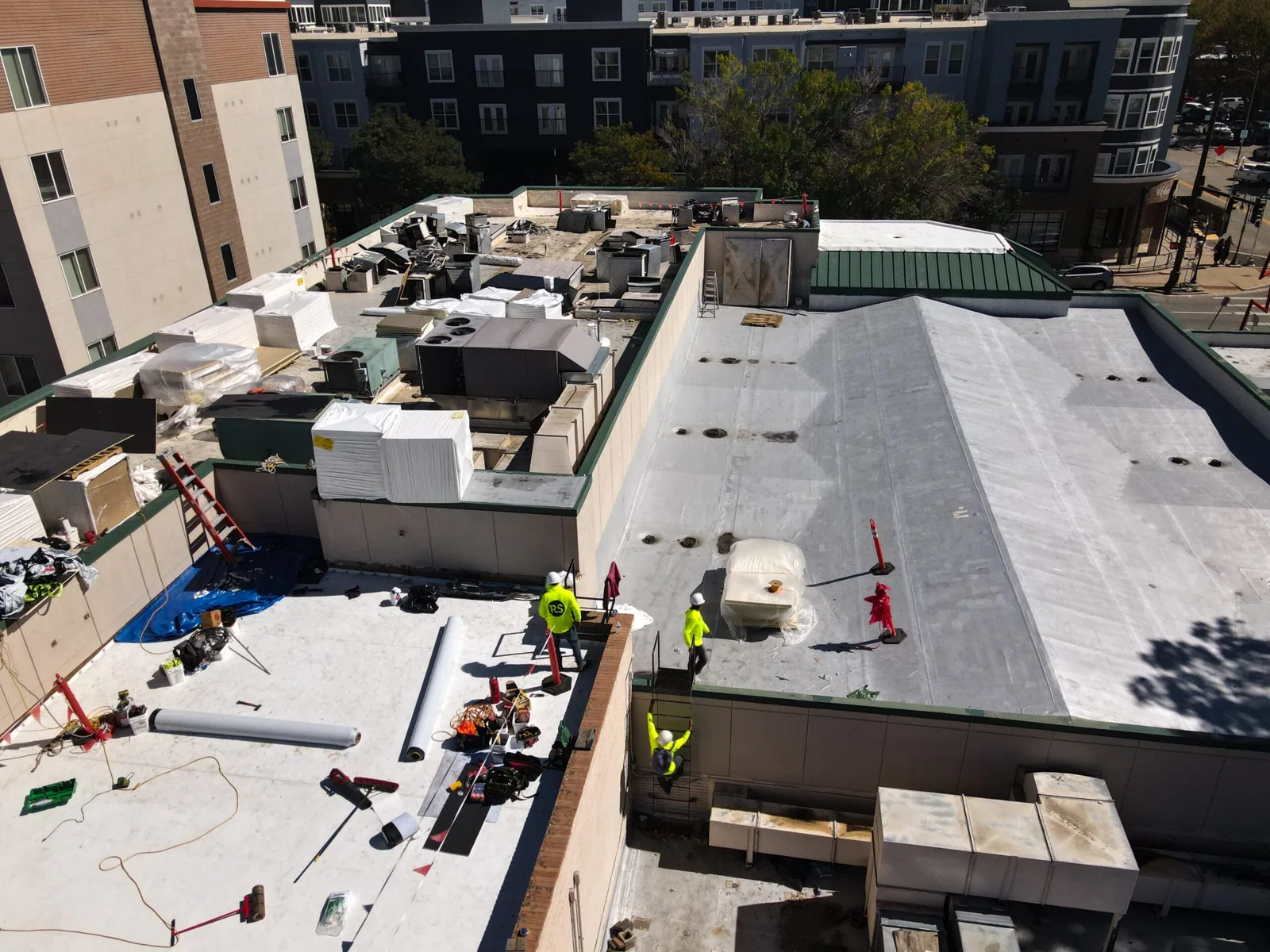
DFW summer heat reaches the surfaced field while lower layers respond on another time scale, so a layered roof needs its joints inspected as an assembly. A Soprema commercial roofing review in Irving, TX, begins by separating the visible surface from the full assembly beneath it. We document the roof field, transitions and known repair history, then compare those observations with available closeout records. Las Colinas adds offices, retail and multifamily uses to the access plan; Valley Ranch’s multifamily and commercial properties call for a separate sequence. Building function changes access and sequencing, while the roof history determines which materials and details need investigation.
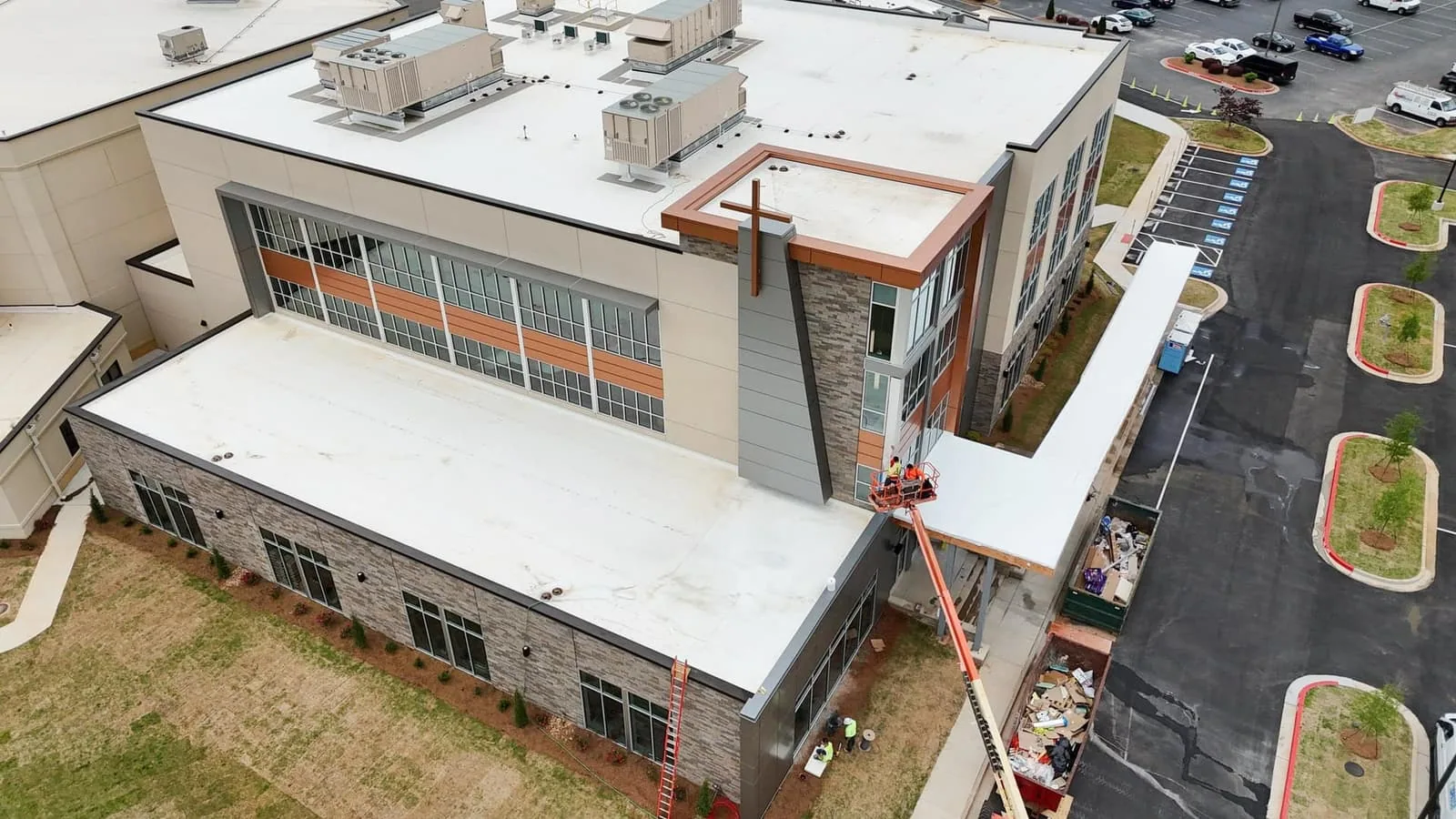
For the Metroplex, summer heat and spring/fall rainfall shape how roof areas are protected while work is open; the pattern is regional, not evidence of failure at a specific property. We locate the reported issue, examine the surrounding field and transitions, and identify whether the assembly is dry, supported and suitable for a local correction. If concealed layers could change the recommendation, the scope defines a selective opening instead of treating an assumed layer sequence as a confirmed fact.
How do the roof layers fit together?
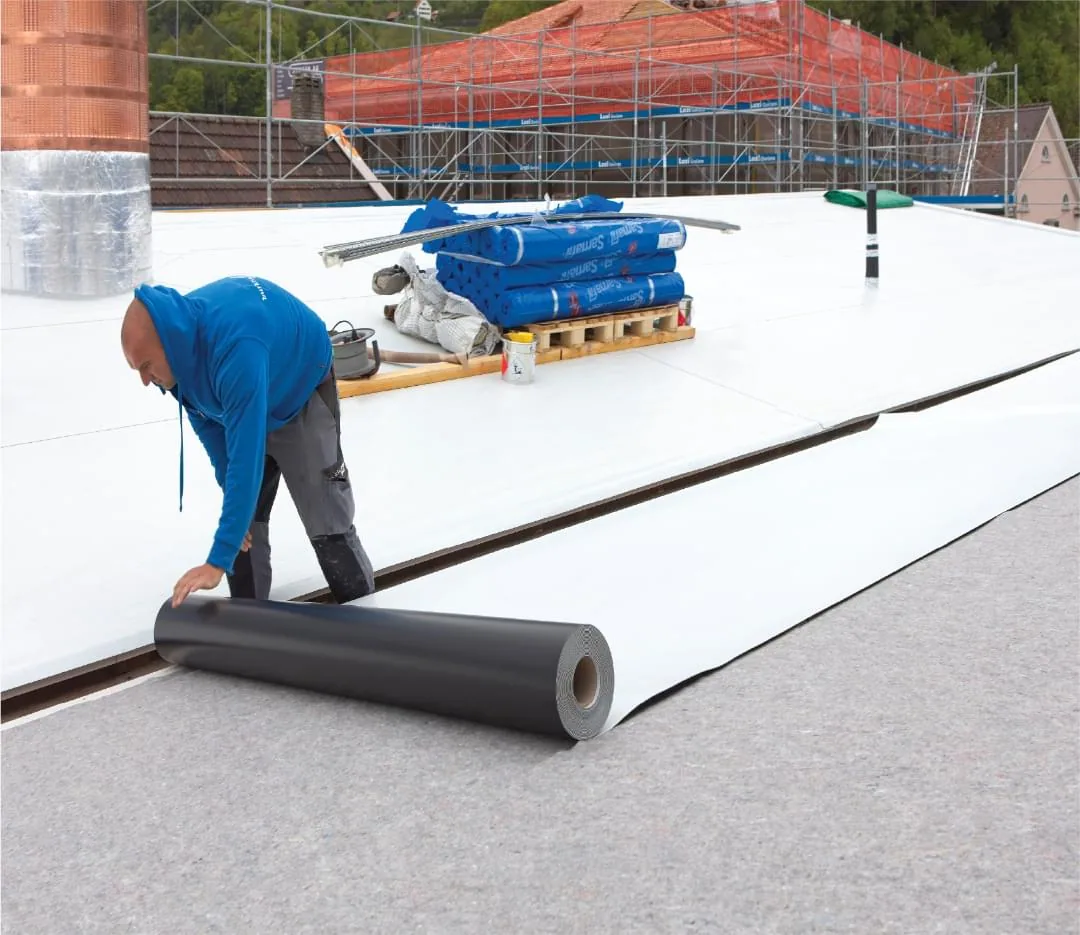
Some low-slope assemblies use multiple layers to build a continuous field and reinforce its connections. The actual configuration depends on the project documents and installed materials. We identify accessible surfacing, sheet or ply edges, seams, flashing turns and the substrate beneath repair locations. Where the roof has been resurfaced or repaired more than once, each visible layer is recorded in sequence when it can be distinguished. If the edge is buried or a prior patch obscures the original material, that uncertainty stays in the findings until an opening provides better evidence.
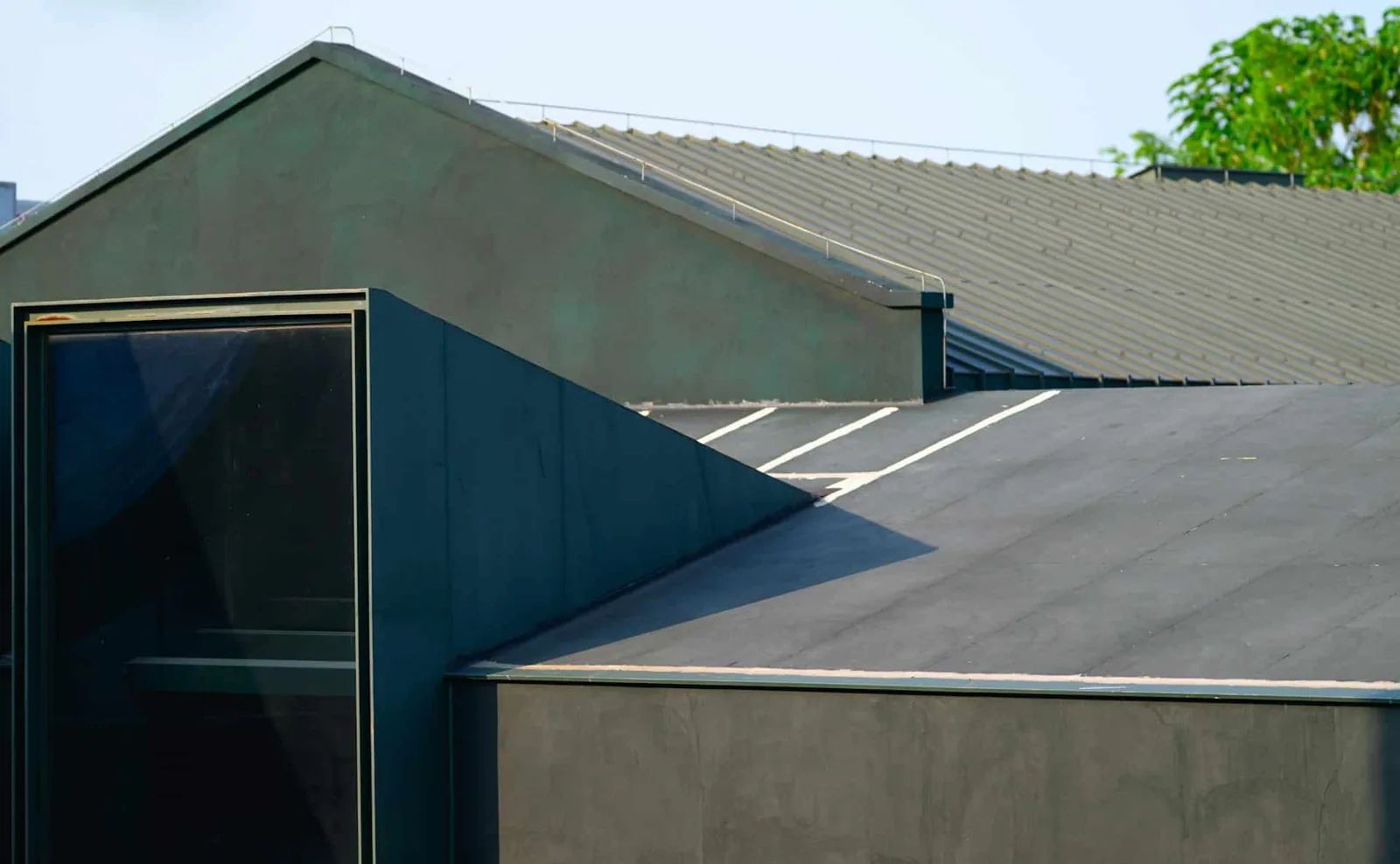
Material names alone do not define attachment, insulation or cover-board requirements. A Holcim membrane assembly and a Sika Sarnafil roof still need their own layer and detail review. A modified-bitumen roof assembly uses a different construction, but the property record and direct observation remain necessary to identify what is installed. We avoid inferring a product line or installation method from a single color, granule surface or roof age.
Where does moisture enter the assembly?
Water can enter at a drain, flashing transition, lap or puncture and move between layers before appearing at the ceiling. We compare the interior report with roof slope, drainage paths, penetrations and changes in plane, then inspect the corresponding field. The work record includes the limits of access and distinguishes the observed opening from the path water may have taken beneath the surface. This helps prevent an interior stain from being used as the only basis for a roof-wide scope.
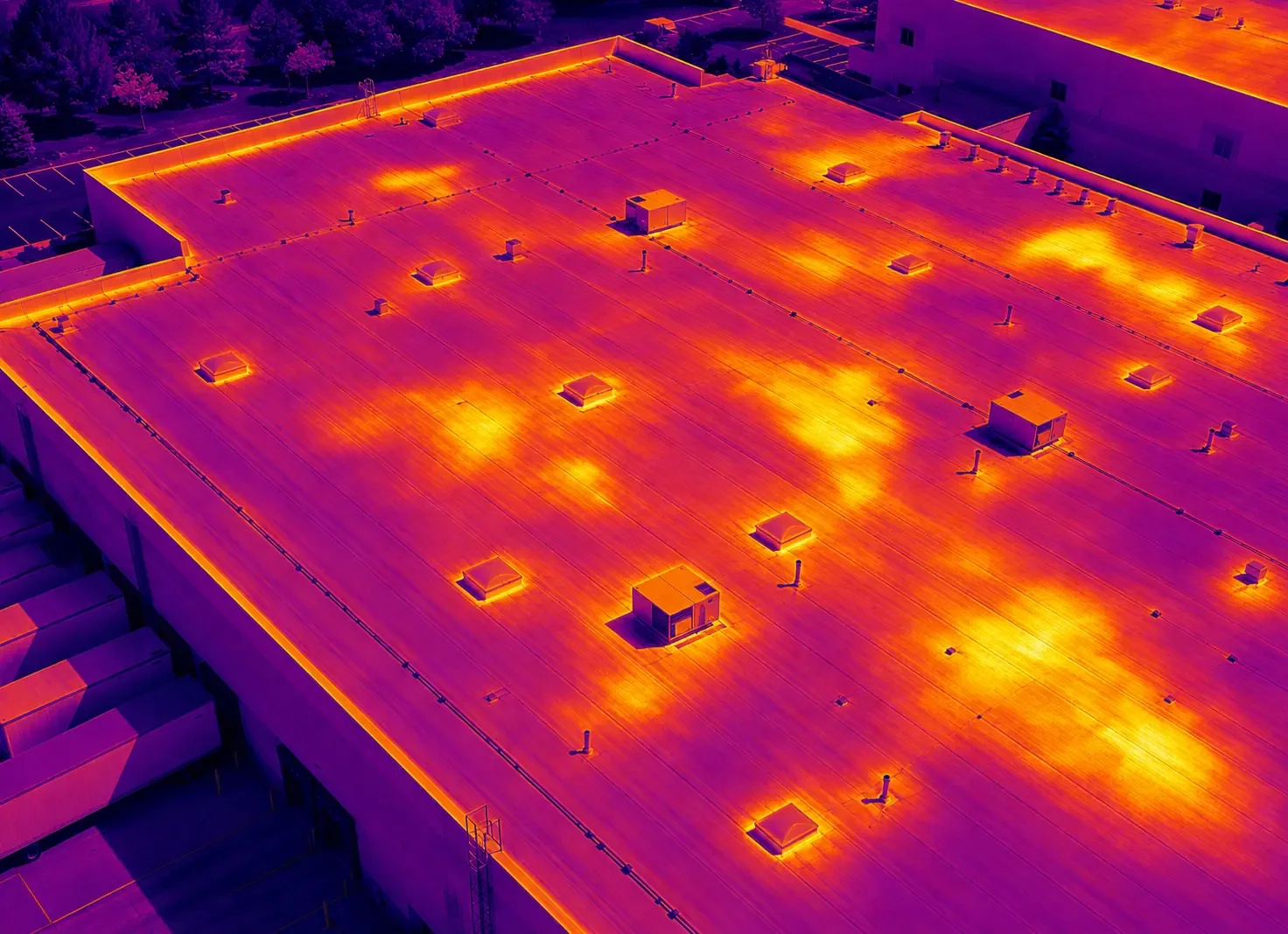
When concealed moisture distribution could change a repair or recover decision, an infrared moisture survey can help prioritize selective confirmation if conditions suit the method. An indication identifies an area to investigate, not confirmed wet insulation. A condition report can map openings, results and remaining questions, keeping confirmed evidence separate from interpretation. The repair footprint is then set by material that has been examined and by the support needed for a durable detail, not by an unexplained line on an instrument image.
Which transitions require a closer look?
At parapets, walls, curbs and drains, the roof field must connect to a different surface or component. These locations can concentrate movement and make a small discontinuity more consequential than a similar mark in the open field. We examine termination edges, backing, corners, drain interfaces and any area changed by later trade work. A flashing repair needs to connect into sound material and preserve the intended water path. The report explains whether the concern is a surface defect, an open connection, a support problem or a condition that remains concealed.
Rooftop equipment can alter both access and roof geometry. A curb and support review coordinates the roof interface with equipment work, while the drainage detail scope considers collection points and flow paths. Irving requires permits for commercial construction and remodeling, with many applications receiving city-department plan review. In Las Colinas, an association process remains distinct from municipal approval. We identify those processes as project coordination items rather than suggesting that they determine membrane condition or product compatibility.
When can a local repair remain practical?
A limited repair may be suitable when the defect is contained, adjacent material can accept the specified preparation and the substrate provides adequate support. For a layered roof, the repair plan identifies each layer to be removed and rebuilt, not only the visible surface patch. It states how the transition will be finished and how the work will be checked before concealment. If the material cannot be identified or the boundary is uncertain, selective examination may be required before the final quantity is set.
Repeated entry points, broadly deteriorated surfacing or wet material beyond the local area can make a broader scope more appropriate. A recover evaluation considers layer count, moisture, attachment and finished heights before an existing roof is retained. When those conditions do not support recovery, replacement planning sets removal and new assembly limits. A temporary control measure may reduce water entry while the permanent work is organized, but its location, expected duration and required follow-up need to be written down.
What should new work resolve before covering?
A new specification should describe the complete roof build-up, including deck preparation, insulation, cover board, attachment, field materials, flashing and drainage. The chosen products and procedures need to match current project documents and applicable manufacturer instructions. Any change in substrate or layer count is recorded before it is concealed. The design should also identify penetrations and perimeter transitions so that the installation sequence does not leave an uncoordinated edge or force a field detail to absorb a design change.
Work sequencing needs to preserve temporary water protection and provide inspection access to representative details. The scope can identify hold points for substrate review, material confirmation and completed transitions. On an active building, an occupied-building reroof plan addresses access and sequencing, while commercial roof inspection records existing conditions before work starts. The installed materials, approved substitutions and concealed-layer photographs belong in closeout. Those records help the owner distinguish the designed system from what was actually placed and allow later maintenance to follow the same roof history.
What records preserve the assembly history?
Useful closeout records identify the materials installed, the areas opened and rebuilt, the substrate condition, transition photographs and approved changes. For layered roofs, a dated record of the layer sequence can be especially useful when future work needs to distinguish original materials from a later recovery or repair. The record also states any area that could not be examined or was excluded from the contract. This makes the boundary of completed work visible instead of leaving an owner to infer that the whole roof was reconstructed.
Maintenance can track drains, field seams, flashing and locations where rooftop work has changed the surface. A maintenance visit can compare current observations with the closeout file and identify when a selective opening is warranted. In Las Colinas, association review may remain distinct from municipal approvals. Manufacturer product information is a starting point for context, while property records and roof observations identify the installed assembly. A clear file supports a measured choice among repair, recovery and replacement instead of repeating the same discovery work at every budget cycle.
Commercial Roofing Questions
How is a layered Soprema roof identified?
We compare closeout records with accessible layer edges, surfacing, seams and transitions. Where prior work obscures the materials, the report states what opening or documentation would be needed to confirm them.
Can a top-layer patch correct a leak in a multi-layer roof?
It can address a localized surface defect when the surrounding material and support are suitable. If water has moved between layers or the substrate is affected, the repair boundary may need selective opening.
What determines whether an existing roof can be recovered?
Layer count, moisture, attachment, deck condition, transitions and final detail heights all affect the comparison. The roof should be examined before the existing assembly is retained.
Does the surface appearance establish the installed product?
No. Color or surfacing may help narrow the investigation, but records and direct examination are needed to identify the material with confidence.
Ready to review the roof scope?
Request a Roof Assessment