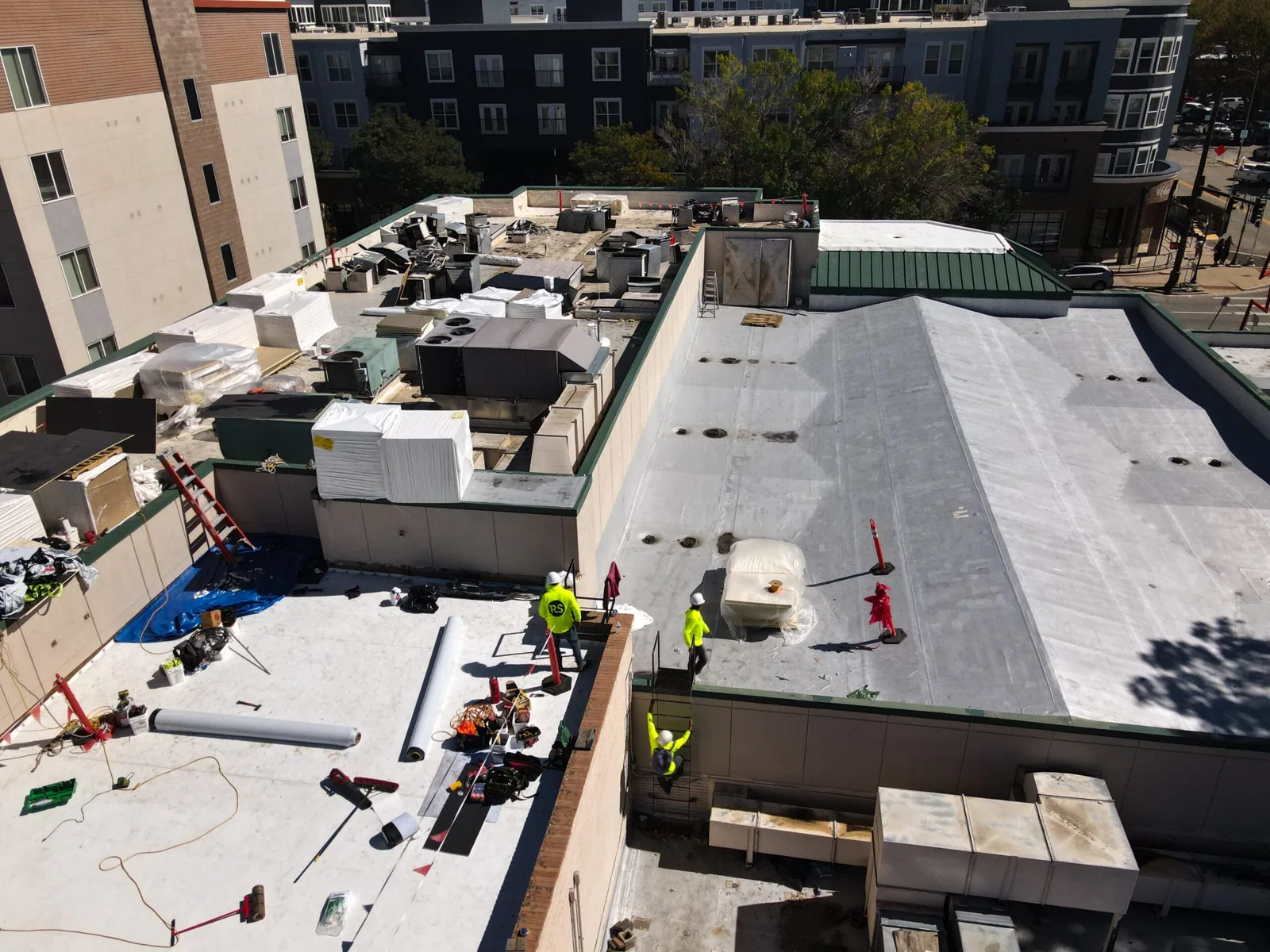
A legacy label does not identify the assembly beneath a sheet warmed by hot DFW summer conditions, where movement can stress corners and perimeter terminations. That naming change does not identify the membrane already installed or establish which repair material is compatible. For Holcim commercial roofing in Irving, TX, we begin with the physical assembly: sheet type, attachment, insulation, cover board, deck and the details joining roof areas. Las Colinas combines office, retail and multifamily properties, and Valley Ranch includes multifamily properties and commercial uses. Similar system labels can sit over different structures and access conditions.
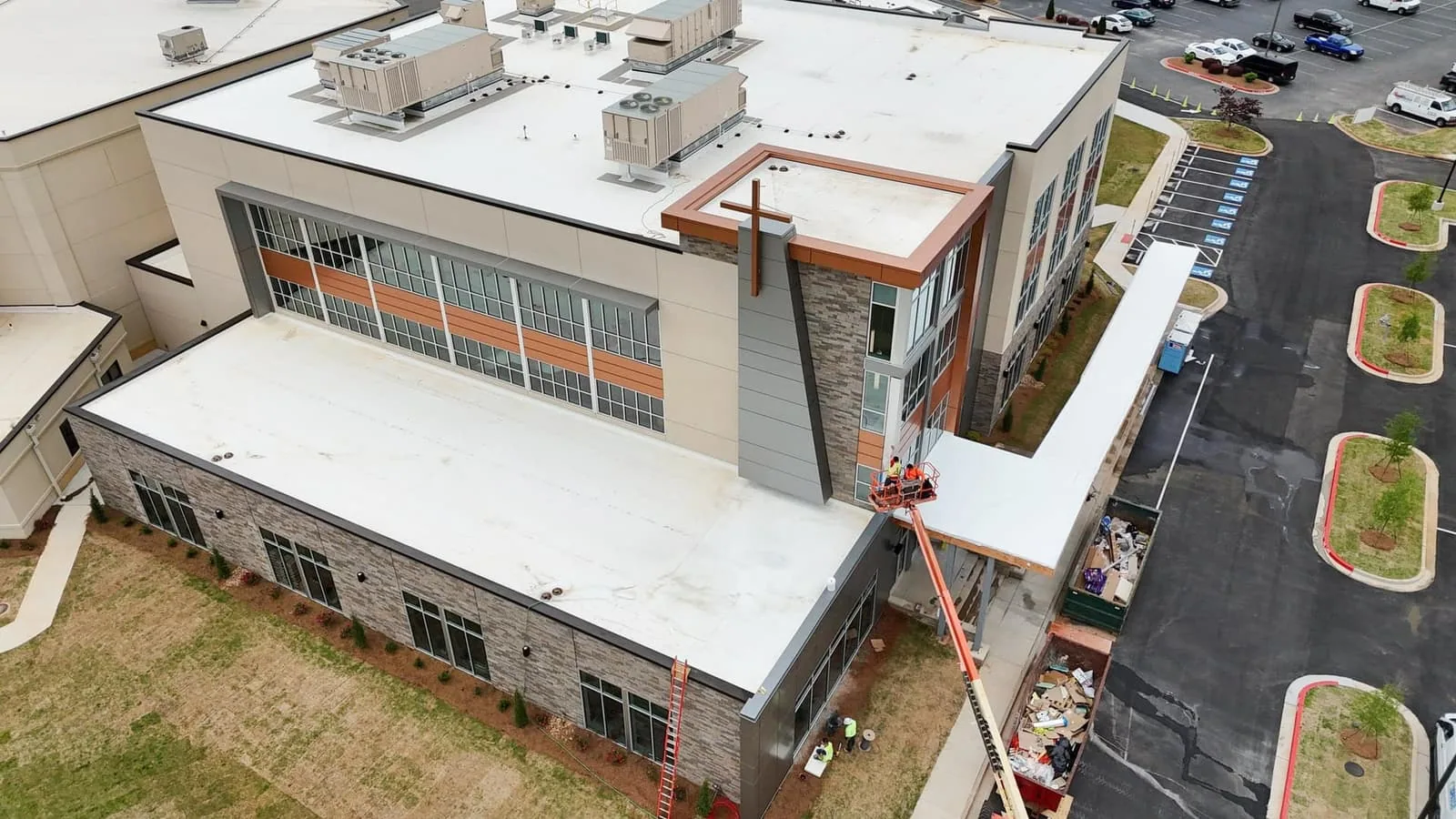
Across DFW, summers are hot and wetter periods cluster in spring and fall. These regional patterns inform sequencing, not a diagnosis of one roof. Our review connects product identity to the area of concern and explains which observations support a repair, recover or replacement comparison. Where records conflict with field evidence, the report identifies the uncertainty instead of turning a brand name into a scope decision.
Which manufacturer label matches the installed material?
Product names can change over time, and a building file may preserve an older label long after roofing work is complete. We compare closeout documents, invoices and available warranty records with membrane markings, sheet characteristics and accessible edge details. A legacy name is useful context, not a substitute for confirming the material at the roof. We record what was identified, how it was identified, and what remained uncertain. If two roof sections show different labels or installation dates, we keep their histories separate until the evidence supports treating them as one assembly.
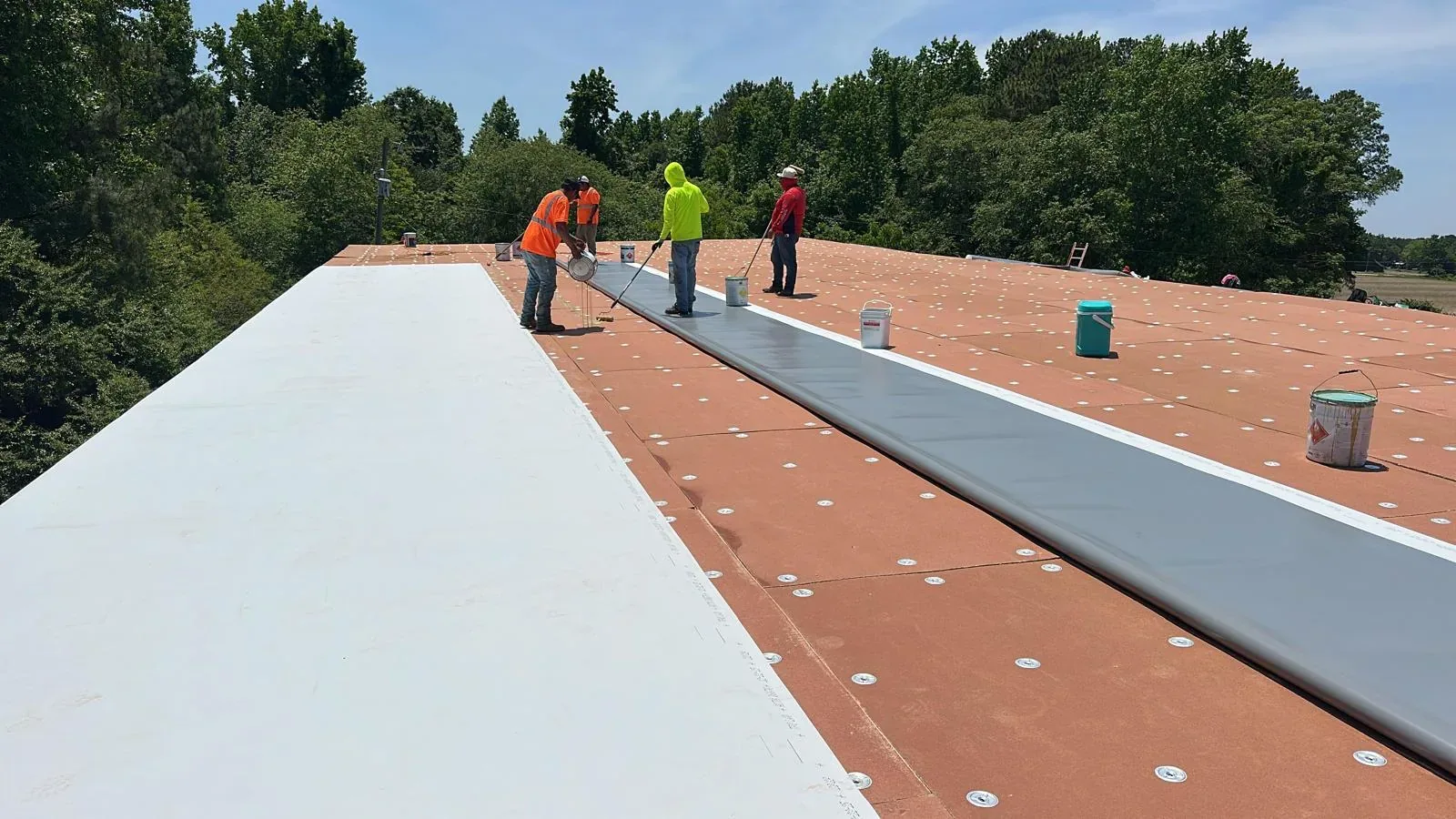
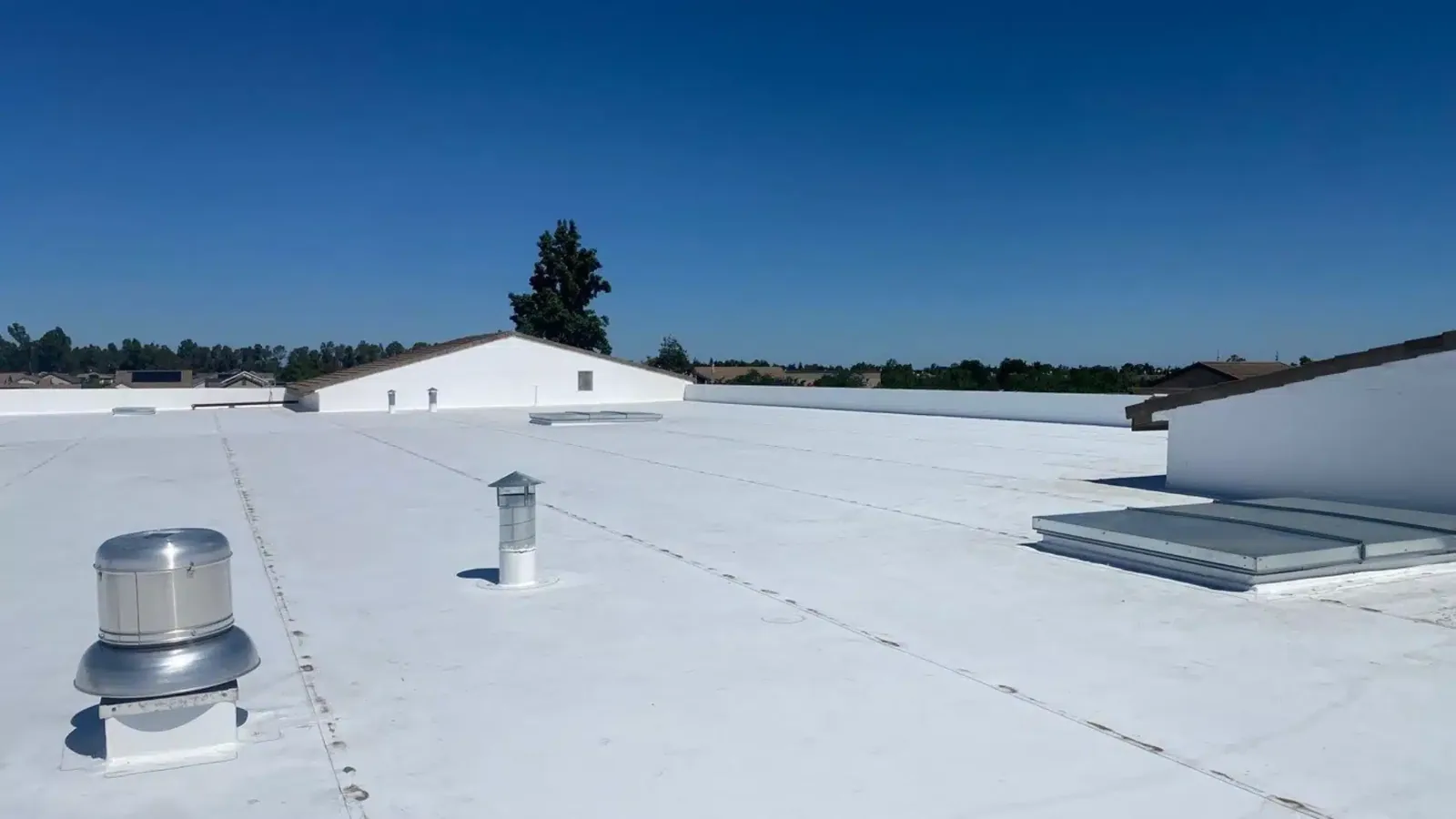
The current manufacturer name does not tell us the installation method. A thermoplastic sheet may be mechanically attached or adhered, and the selected configuration influences how the field connects to corners, parapets and penetrations. We inspect representative seams and terminations, then compare them with the records available. The TPO roof assembly explains why sheet identity and attachment need to be considered together. A GAF roof system may look similar from a distance, yet material similarity is not evidence that products or repair procedures are interchangeable. A Carlisle SynTec assembly has its own product requirements as well.
What condition is actually present?
We start at the reported leak or visible change and follow the surrounding details before assigning a cause. A lifted corner, open seam, puncture and wet insulation are different observations with different implications. Water can travel beneath a membrane before appearing inside, so the interior stain is a starting point rather than a map of the roof defect. The inspection notes the location, dimensions and adjacent roof features, including drains, equipment supports and changes in plane that could affect water movement.
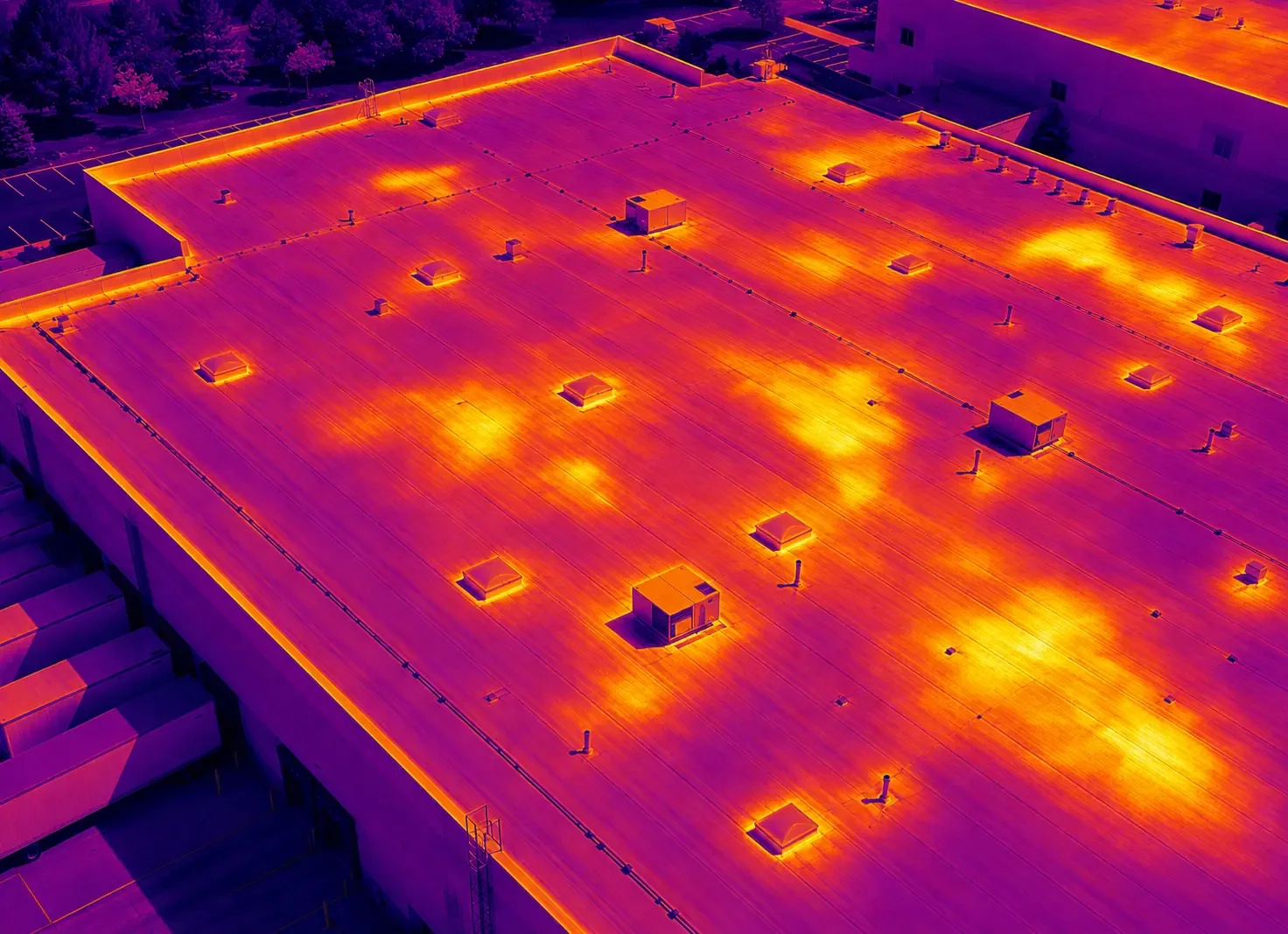
When concealed moisture could change the scope, a moisture survey with selective confirmation can identify areas for closer examination under suitable conditions. The survey is not a substitute for an opening; the report distinguishes indicated areas from confirmed conditions. A condition report can then show the inspection boundary, photographs and unresolved questions for the owner. This distinction matters when deciding whether a local repair is proportional or whether removal needs to extend farther to reach sound, dry and well-supported material.
Where can a transition interrupt continuity?
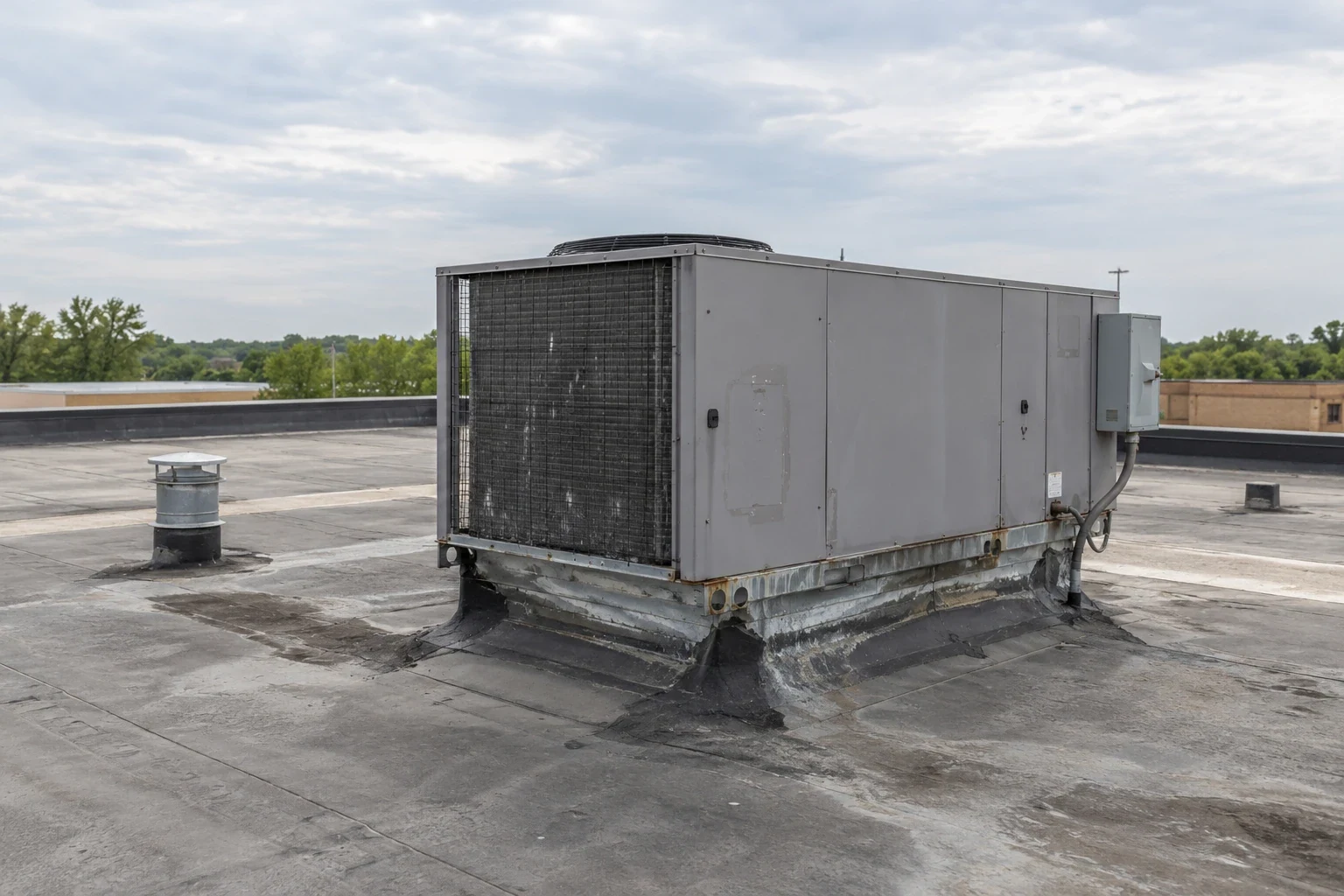
Membrane fields are only as dependable as their connections at walls, curbs, drains and edges. We examine whether the sheet turns consistently, whether corners have been reinforced as designed, and whether metal or termination bars remain supported. At a roof-to-wall transition, movement in the substrate can stress flashing even when the field membrane looks intact. Around rooftop equipment, the curb height, support and access route affect how flashing is built and later inspected. We record the specific connection rather than describing every defect as a membrane failure.
Irving permits commercial construction and remodeling, and many applications require plans reviewed by relevant city departments. Some Las Colinas properties involve association review apart from Irving’s permit process. These processes do not identify the installed product or approve a repair detail by themselves. For work at a curb or support, the equipment-curb detail scope helps define coordination questions, while edge and coping work addresses a different roof boundary. We identify which transition is involved and which design or approval input remains outstanding.
When is localized work a fair comparison?
A local repair may be practical when the defect is contained, the surrounding membrane remains compatible with the specified preparation, and the supporting layers provide a sound base. The written scope should state the limits of removal, the transition to be rebuilt, and how the completed seam will be checked before concealment. Where a prior repair has multiple patches or incompatible materials, we document those layers and explain whether they can be removed without damaging the surrounding field. The repair decision depends on what is found, not on the age of a brand name alone.
Repeated openings, widespread wet insulation or loss of attachment across a larger area can shift the comparison. A roof recover evaluation considers layer count, moisture, fastening and finished heights before retaining an existing field. If the assembly cannot be retained, replacement planning describes removal, substrate repair and the new system boundary. An interim measure can limit exposure while permanent work is organized, but the report should label it as temporary and specify what still needs confirmation. This keeps a short-term response from being mistaken for full restoration.
How should a new assembly be defined?
A new roof specification needs to identify the complete system rather than a single membrane. The design coordinates deck condition, insulation, cover board, attachment, edge securement, penetrations and drainage. The selected products and fastening pattern need to follow the project documents and applicable manufacturer instructions. We do not infer a warranty, approval or contractor status from a product label. If a question depends on a detail drawing or current product document, the project team should resolve it against the applicable source before installation proceeds.
Field work is sequenced so that concealed layers and transitions can be reviewed before they disappear beneath the membrane. The scope identifies areas to open, surface preparation, temporary dry-in expectations and weather limits for exposed materials. Representative seams and details are observed as work progresses, with corrective action documented before adjacent work hides the connection. An occupied-building reroof plan can address access and sequencing around tenants. The installed assembly is still documented by its actual materials and field conditions, not by a generic statement that one product suits every Irving building.
What records make the next decision easier?
Closeout should connect the approved scope to the work that was completed. We record material identifiers when available, locations opened or retained, substrate conditions, photographs of concealed layers, and any authorized changes. The record states where access was restricted or where an area remained outside the contract. It also identifies maintenance observations, such as blocked drainage or equipment traffic, that may affect future inspections. A clear limit is as useful as a finding because it prevents an unexamined area from being represented as corrected.
Owners can use the file to compare future inspections against the same roof areas and details. A planned maintenance visit can document drains, seams and access-related wear without assuming that every observation requires replacement. For properties in Las Colinas, association review may remain separate from municipal permit requirements. Product records help frame a comparison, while the materials found at the property determine the assembly under review. The result is a traceable basis for the next repair or capital decision, with limitations stated plainly.
Commercial Roofing Questions
Does a Holcim product label identify an older roof automatically?
No. A legacy label is a clue to investigate. We compare records, membrane characteristics and accessible details, then identify what is confirmed and what remains uncertain.
Can products from different membrane brands be used for the same repair?
Brand or appearance alone does not establish compatibility. The material, preparation, detail and applicable project documents must be checked before a repair product is selected.
What should be checked before overlaying a Holcim roof?
Layer count, moisture, deck and attachment condition, transitions and finished heights all affect whether the existing assembly can be retained. Openings may be needed to confirm concealed layers.
Does a manufacturer label establish a project warranty?
No. Applicable documents and project requirements govern. We document the materials and work observed, while the owner confirms terms with the responsible project parties.
Ready to review the roof scope?
Request a Roof Assessment