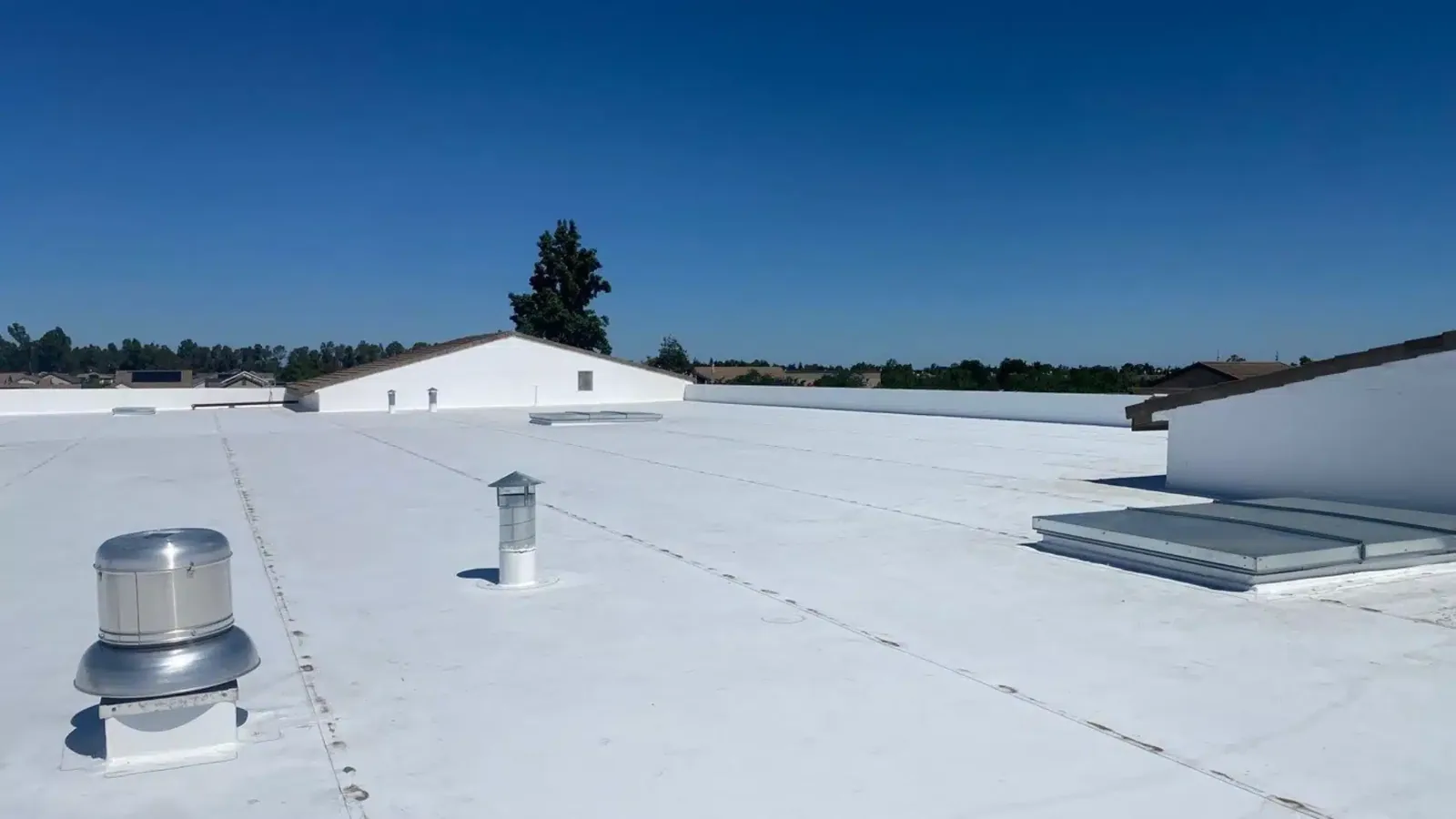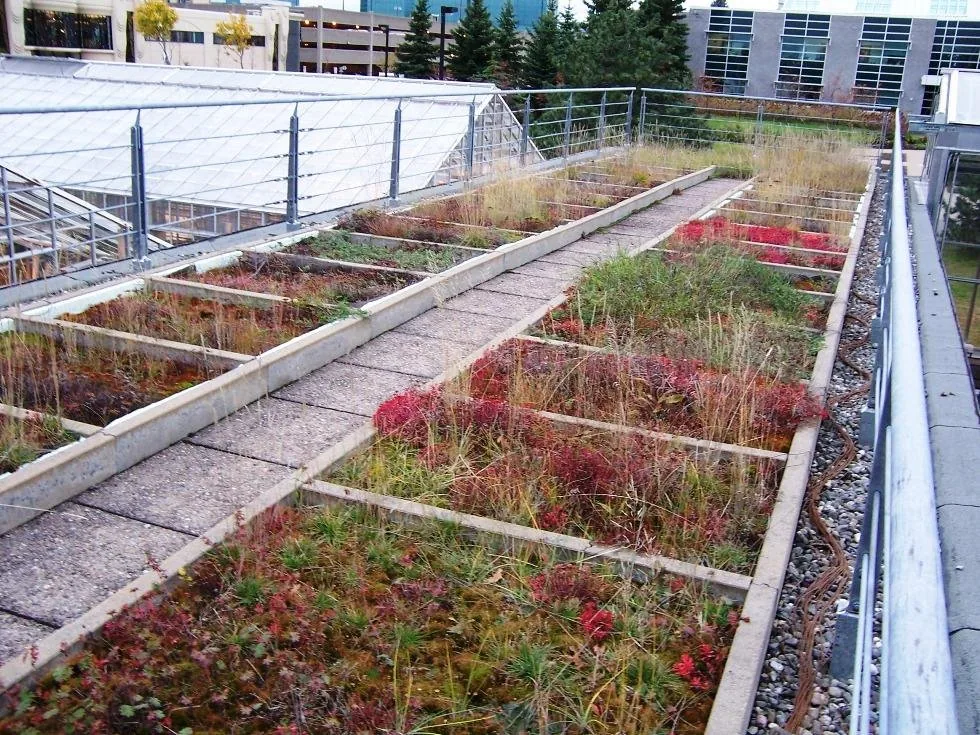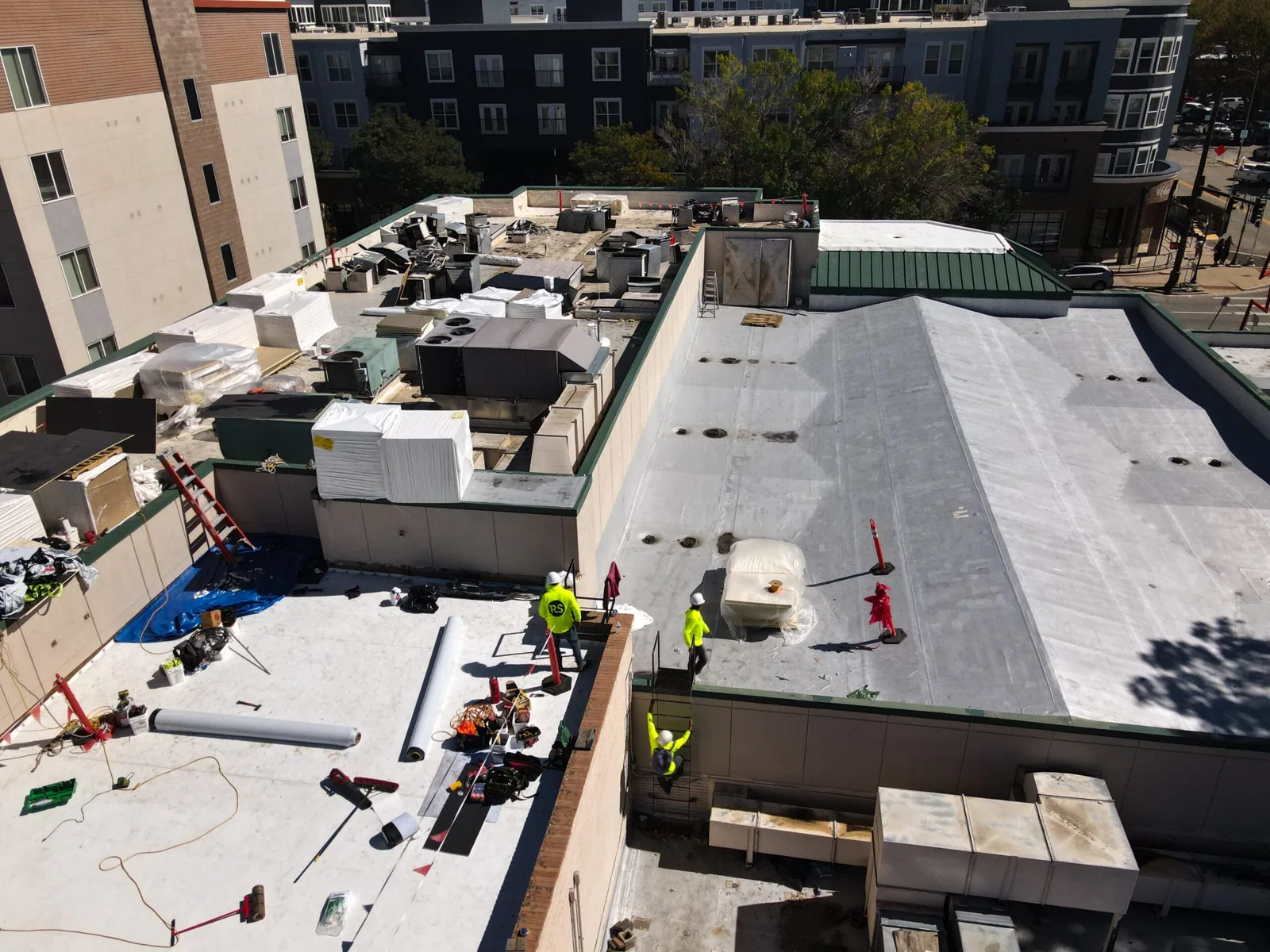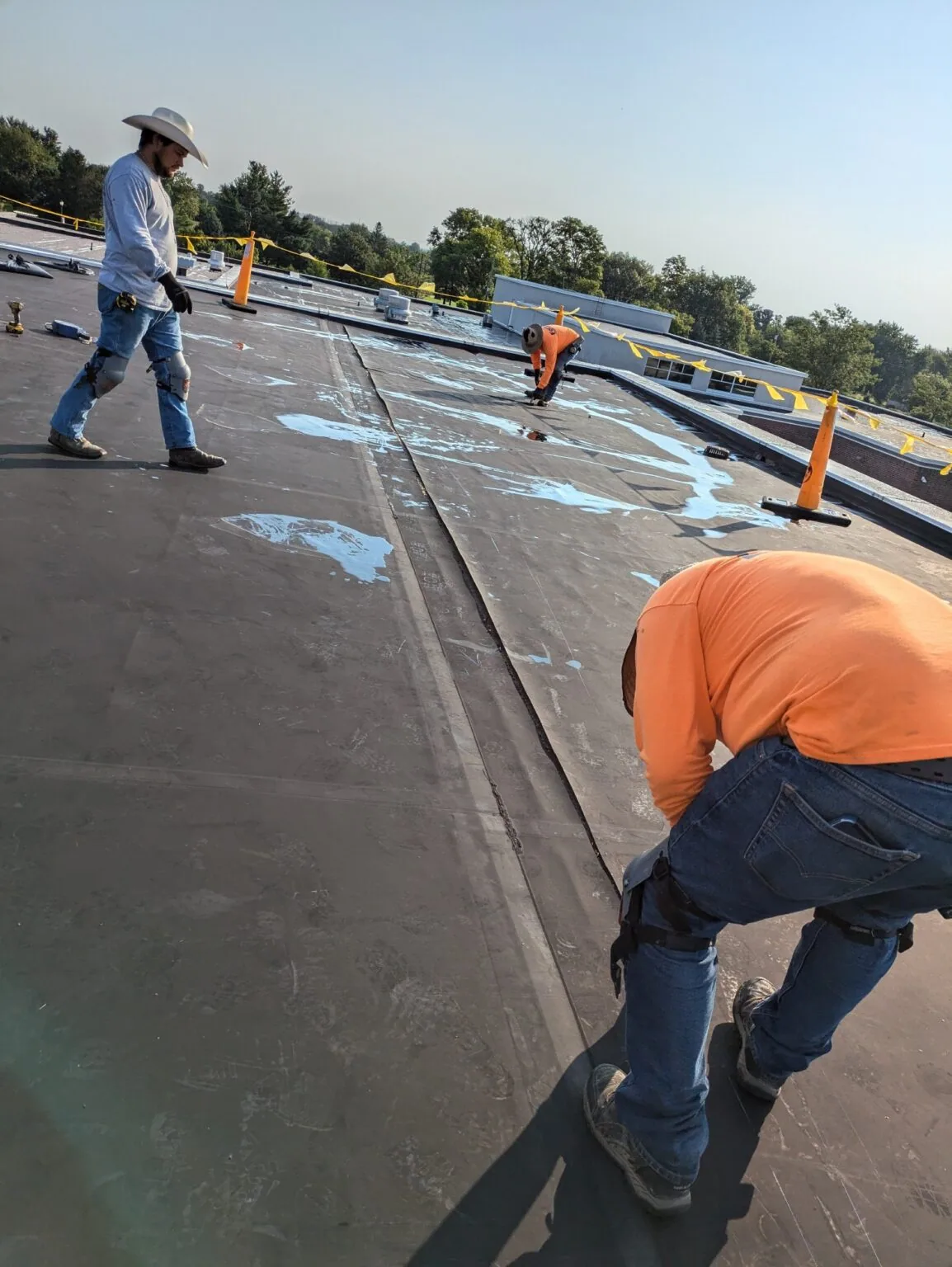
Hot DFW summers can widen the temperature difference between an exposed membrane and deck, stressing a curb corner or perimeter termination before the field opens. GAF commercial roofing in Irving, TX, needs the system identity tied to its actual layer sequence, attachment and details before a repair method is selected. Commercial Roofing Irving examines the roof as an assembly, including the deck and insulation that support the field sheet. Las Colinas includes office, retail and multifamily buildings, while Valley Ranch includes multifamily properties and commercial uses, so access and work phasing vary by property even when the membrane family is similar.
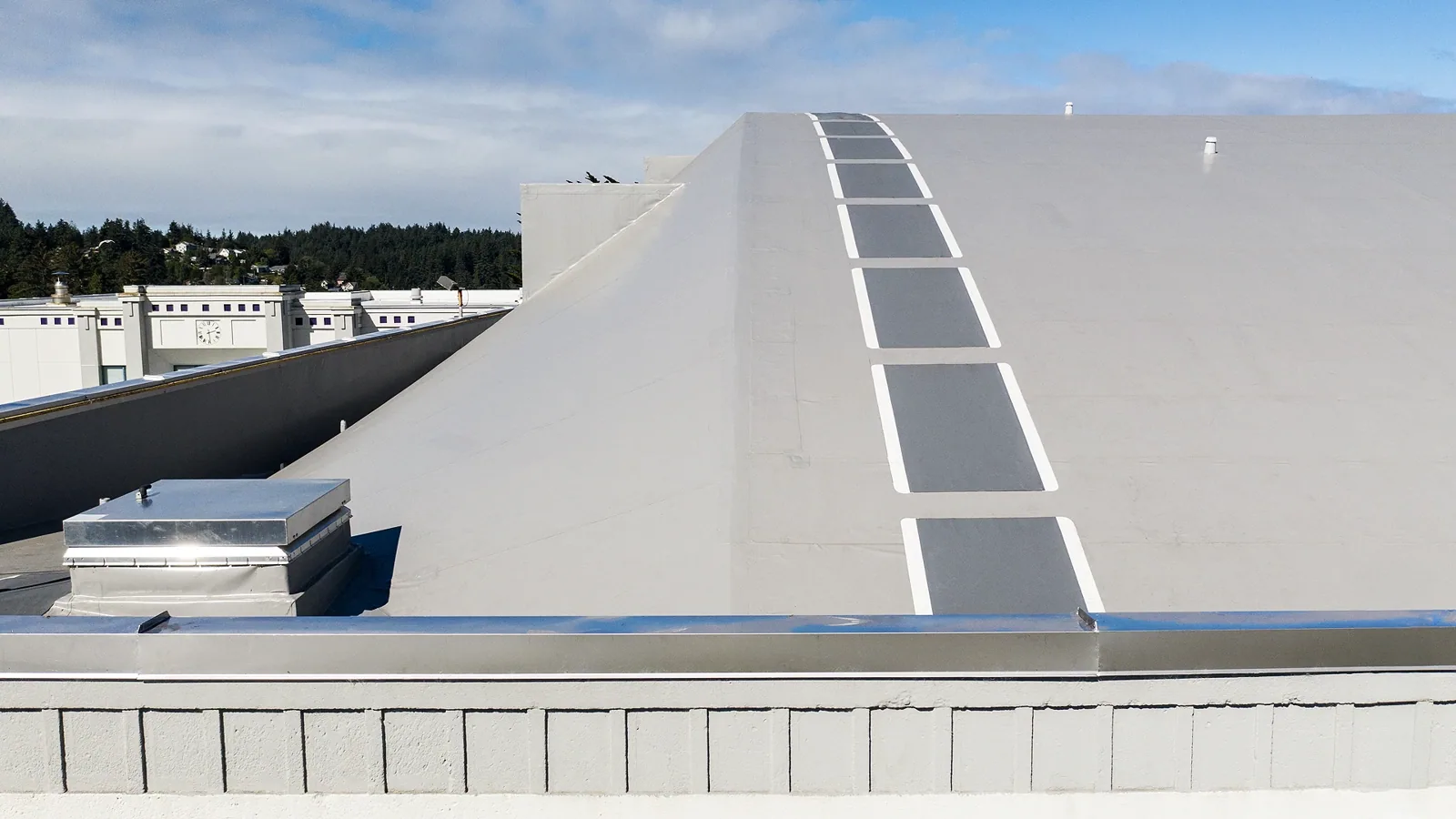
Regional heat and spring/fall rainfall in the Dallas-Fort Worth area shape the window for exposed work; they cannot tell us whether a specific membrane has failed. We identify the installed GAF material, trace the reported condition, and set a repair, recover or replacement scope against evidence the owner can review.
Which GAF assembly is on the roof?
Product names and color alone are not enough to identify a commercial assembly. We compare available closeout records with labels, sheet characteristics, seams and accessible edge details. The review distinguishes a thermoplastic membrane from a different single-ply system, then records the insulation, cover board, attachment and substrate visible at the inspection. Where an addition appears to have a separate installation history, its layers remain a separate finding until direct examination supports combining the results.
A GAF commercial roof may use a thermoplastic sheet with heat-welded field seams, but the attachment design and accessory details depend on the selected system. We check whether the membrane is mechanically fastened or adhered, where fasteners engage the deck, and how the field connects at perimeters. A Carlisle SynTec roof system or Soprema assembly uses its own material and installation requirements; a visual resemblance does not make its repair components interchangeable with GAF materials.
Where does the connection lose continuity?
We follow the reported interior condition to the roof area above it, then inspect the seams, penetrations, wall turns, drains and equipment curbs that could explain the entry. A split at a corner can reflect strain from a restrained detail, while an open field lap may point to a different preparation or welding problem. The report identifies the component, its surrounding support and the actual repair footprint instead of treating every visible mark as the same failure.
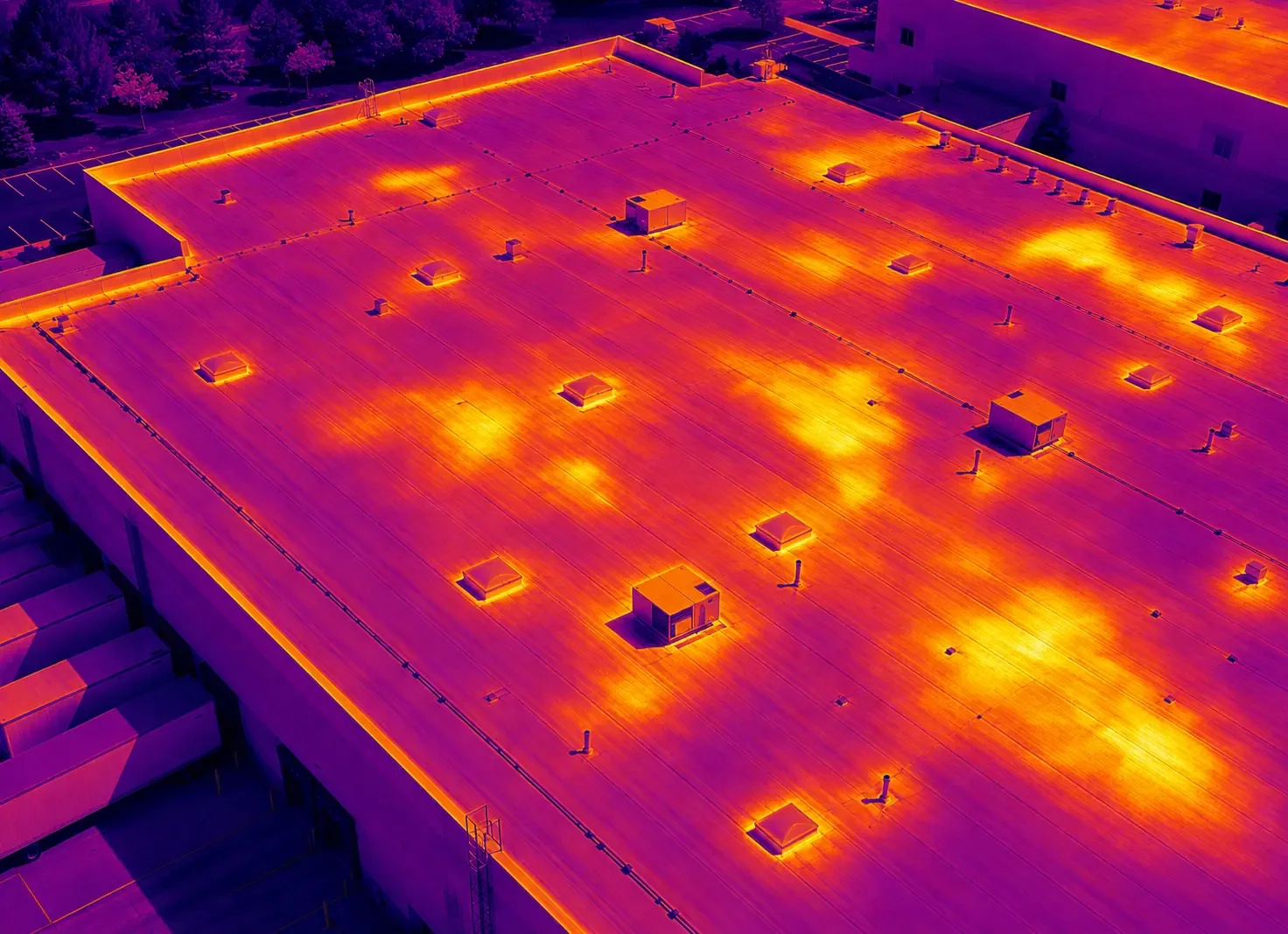
When concealed moisture or a change in substrate condition could alter the scope, a moisture survey with selective confirmation can help direct further examination under suitable conditions. The survey identifies areas for checking; an approved opening establishes the layers and condition at that point. We photograph the material as it is exposed and show what remained outside the test area. This lets the owner compare a local correction with a larger removal boundary without turning one sample into a conclusion about the whole roof.
What supports the sheet at the perimeter?
Field attachment is only one part of the load path. The roof edge, corners, transitions and deck connection also need to suit the assembly and project requirements. We examine loose terminations, fastener movement, damaged edge metal and the support beneath them. If an earlier repair changed the edge detail, that condition is documented separately from the original system. The proposed scope explains how a rebuilt connection will reach suitable backing and how the sheet will be secured at the transition.
Wind exposure across the Metroplex makes perimeter condition worth recording, but regional storm evidence does not prove that a particular Irving roof experienced a given event. We inspect the connection that is present. If the deck or substrate does not provide dependable engagement, the owner receives the finding and any testing or professional input needed before a fastening pattern is selected. For an occupied building, a hands-on roof inspection can establish the accessible boundary and record the attachment questions that affect the next scope.
When can a repair remain local?
A repair is a reasonable comparison when sound membrane remains around the failure, the GAF material can accept compatible preparation, and the supporting layers remain suitable. We remove or prepare only what is needed to form the specified connection. The scope identifies how far the repair extends, whether insulation is replaced, and how the seam or flashing will be examined before it is covered. A patch that bridges loose material or leaves the cause of strain untouched may close the visible split without restoring the surrounding assembly.
Repeated failures, open transitions in several locations or moisture that extends beyond one contained area can change the decision. We distinguish an urgent measure that controls water from permanent reconstruction. Where the existing roof remains eligible for an overlay, the recover evaluation addresses layer count, moisture, attachment and detail height. If those conditions do not support retention, a replacement scope identifies the removal and new assembly work rather than pricing a new sheet over unresolved materials.
How does preparation affect a new GAF field?
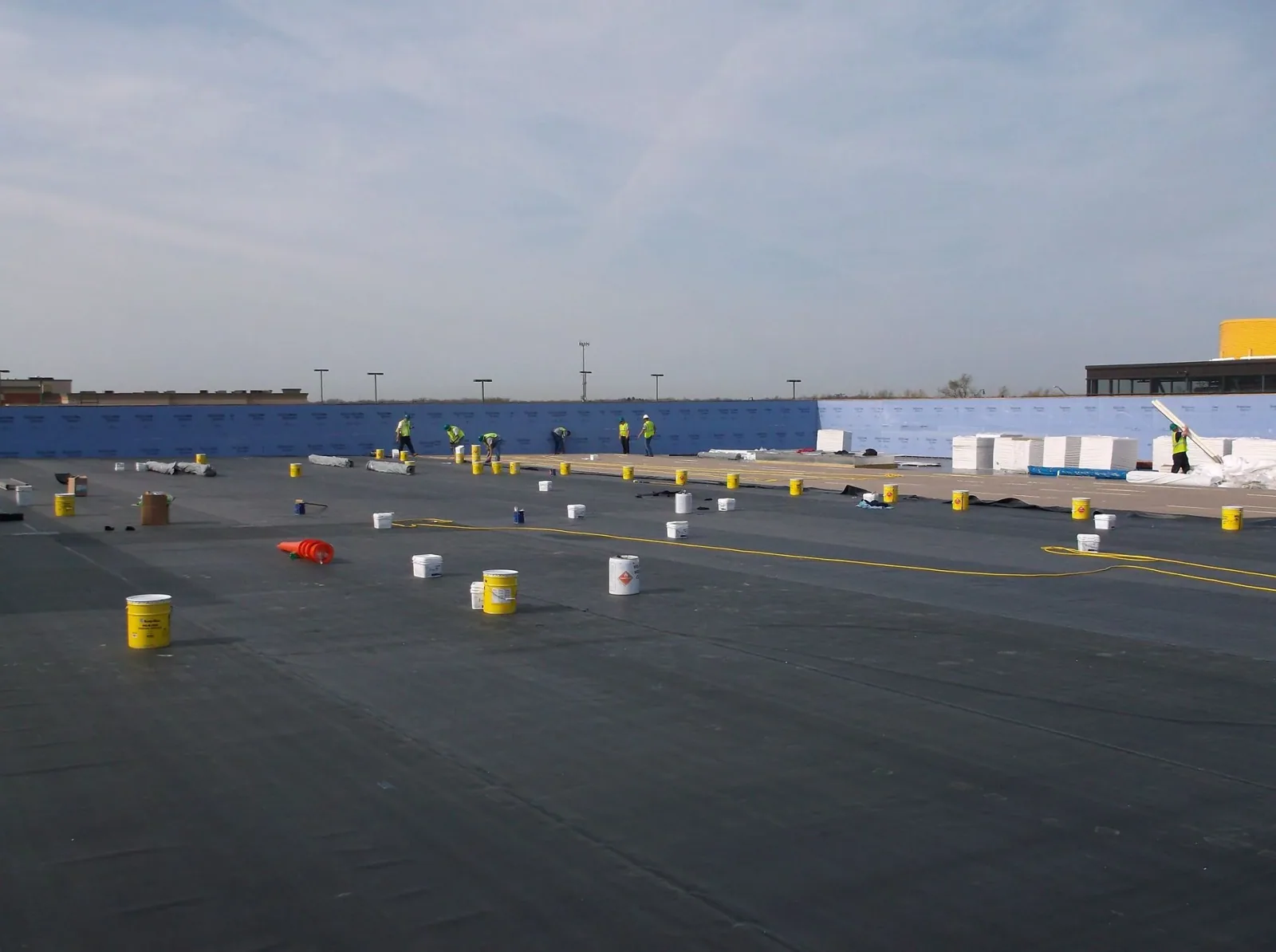
Installation starts with a substrate that can support the specified attachment and membrane details. We identify unsuitable existing material, repair transitions that would interrupt the new field, and coordinate insulation and cover board where they form part of the design. An adhered system needs an appropriately prepared substrate and compatible application conditions. A mechanically attached system needs a suitable deck, fastener engagement and perimeter coordination. The choice is based on the project assembly, not a preference for one installation method across all buildings.
Heat-welded connections depend on suitable surface preparation, equipment settings and working conditions. We check representative seams as the work advances and pay particular attention to corners, penetrations and changes in plane where sheet geometry becomes more complex. A new TPO roof assembly also needs drainage and flashing details coordinated with its finished thickness. In Las Colinas, association review may apply separately from municipal approval, while Irving permit applications may require plans reviewed by relevant city departments. Those reviews are distinct from the roofing material selection.
What should the owner receive at closeout?
The closeout ties the installed GAF assembly to the actual work performed. It identifies the membrane and supporting materials, records the areas opened or retained, and includes photographs of concealed layers and completed transitions. Approved scope changes are listed with their reason and authorization. If an area remained inaccessible or a condition was outside the contract, the record says so without implying that an unexamined portion was corrected.
Maintenance should preserve access to drains, seams and rooftop equipment rather than create new punctures or concentrate traffic at a weak transition. A planned maintenance visit can compare current observations with the completed repair record and identify when another examination is warranted. Owners in Las Colinas can review a documented roof scope alongside their property requirements, while the assembly findings remain specific to the building inspected. That record helps the next decision begin with known materials and connections rather than an assumption based only on a product label.
Commercial Roofing Questions
How do you tell which GAF membrane is installed?
We compare available records with labels, sheet characteristics and accessible details. The inspection also records the supporting layers and attachment. Where identification remains uncertain, we describe the limitation rather than select a repair component based on appearance alone.
Can a GAF roof be repaired without replacing the whole field?
A localized repair can suit a contained defect when surrounding material and support remain workable. We examine the seam, transition and substrate, then define the repair boundary and acceptance check. Wider deterioration can lead to a different comparison.
What affects whether a GAF membrane can be recovered?
Layer count, concealed moisture, deck condition, attachment and finished detail heights all affect retention. We confirm the existing assembly and identify any opening needed before recommending an overlay.
Does GAF product identification set the project warranty?
No. The available warranty documents and project requirements need review for the particular assembly. We identify the installed materials and work performed, while the owner reviews applicable terms with the responsible manufacturer or project parties.
Ready to review the roof scope?
Request a Roof Assessment